
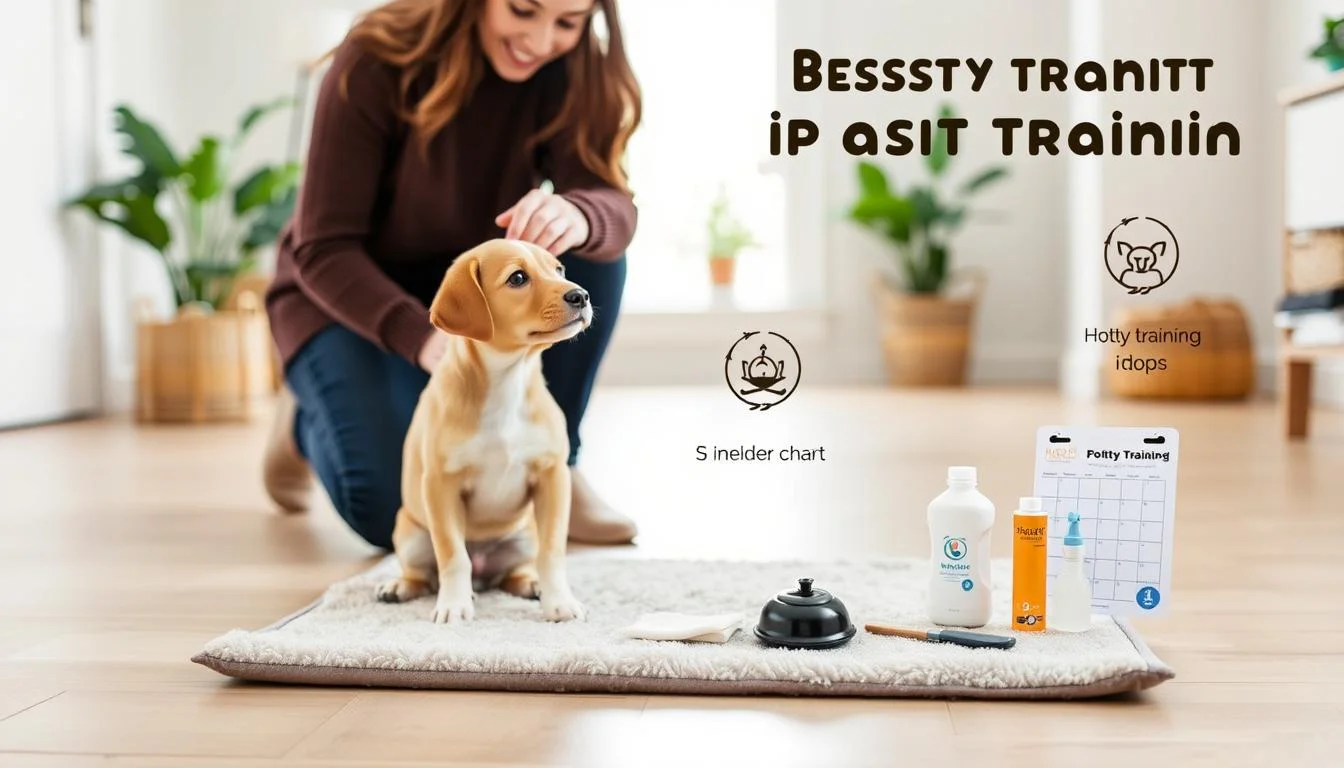
I remember the first week with my Labrador puppy. It was filled with sleepless nights and endless laundry. But every morning, my puppy would wag his tail, hoping for a better day.
I wondered, like every new owner, how to potty train my dog. I wanted us to sleep better and enjoy our time together.
I soon found out that potty training isn't magic. It's about creating habits. This includes timed feedings, leash walks, crate time, and rewards for good behavior.
Experts from the AKC GoodDog Helpline say a predictable routine and praise are key. I found this simple approach to work wonders, reducing accidents and boosting my puppy's confidence.
In the next sections, I'll share how to potty train a puppy. Whether you live in an apartment or a house, I'll provide practical steps. These include using enzymatic cleaners, clear cues, and short, frequent walks. If you're looking to potty train your dog without stress, follow a plan that includes management, repetition, and rewards.
Key Takeaways
- Potty training works with a predictable routine and frequent, leash-guided trips.
- Immediate rewards after correct elimination speed learning.
- Use a crate or gated area to prevent accidents when unsupervised.
- Clean accidents with enzymatic products to avoid repeat marking.
- Tie feeding times to bathroom breaks to spot patterns faster.
what is the best way to potty train my dog
I keep things simple and follow a routine. Immediate rewards and a steady schedule are key. I limit my dog's freedom and use a leash for short walks to one spot. I reward them right after they go.
Crate time is helpful when I'm busy. Dogs don't like to soil their sleeping area.
Immediate core answer
The key is short, frequent walks on a leash and rewards right away. I manage the environment until my dog is reliable. The rule is age in months plus one equals the max hours between breaks.
I watch them indoors and calmly interrupt accidents. Then, I take them outside to finish. Positive reinforcement makes training faster and less stressful.
Why this method works
It works because of how dogs learn and their instincts. Instant rewards teach them to associate going with the reward. Repetition and consistent cues like “potty” help.
Predictable feeding times also help. I use puppy pads near exits to make going outside easier.
Preparing for success: supplies and setup for potty training a puppy or adult dog
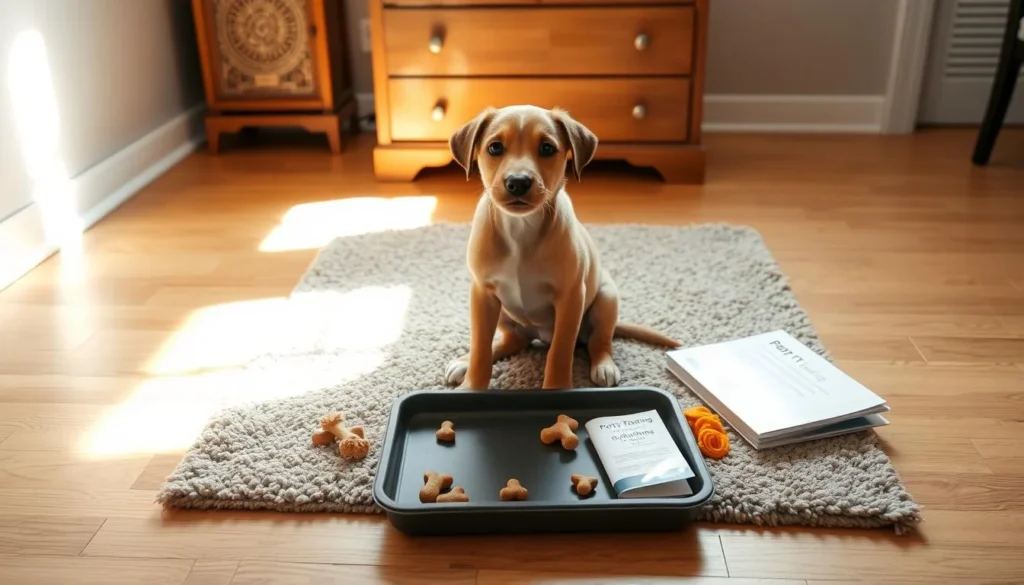
I start by gathering tools that make housebreaking easier and faster. I need a crate that fits my dog, a short leash, high-value treats, and an enzymatic cleaner. Tools like Nature's Miracle or Eco-88 are for accidents. Puppy pads are optional, but I use them only at the start to avoid confusion.
Essential supplies
My list includes must-haves for a successful potty training system. A crate is essential for naps and overnight stays. I carry treats in my pocket for rewards and use a short leash for each trip.
I also have durable toys like KONGs and slow-feed dispensers for crate time. A bell on the collar helps me catch when the dog needs to go. For accidents, I use enzymatic cleaner to remove scents and prevent future marking.
- Crate — big enough to stand and turn, not big enough to encourage soiling.
- Short leash — for focused, quick potty trips.
- Treats — saved only for potty success.
- Puppy pads — optional for apartments or staged use.
- Enzymatic cleaner — Nature's Miracle or Eco-88 recommended.
Designating a consistent potty spot
I choose one outdoor spot and use the same door and path every time. This repetition teaches the dog the scent and spot. When outside isn't possible, I use puppy pads near exits to guide the dog.
During each trip, I use the same cue and praise immediately after the dog finishes. I keep enzymatic cleaner ready for quick cleanup. This setup creates a routine that answers the question: what is the best way to potty train a puppy? For many, the right gear, a set spot, and quick rewards lead to the fastest progress.
Establishing a routine and schedule that speeds up housebreaking
I make potty training simple and stress-free for both of us. A routine helps set clear expectations. It also lets a puppy learn bladder control faster.
Below, I share timing rules, a sample template, and practical tips you can use right away.
Feeding and bathroom timing
I follow the age+1 rule for the longest gap between outings. For example, a 4-month-old puppy gets a break every five hours max. I feed on a consistent schedule to make eliminations predictable.
Puppies need to go after waking, meals, and play. Young pups get meals three times a day. Adult dogs do best with once or twice daily meals.
How often to take your dog out
I take the dog out more often during training. This prevents accidents and speeds learning. Puppies under eight weeks need breaks every one to two hours.
When my pup shows signals like sniffing or circling, I stop and head outside. I set hourly outings for the youngest pups. As control improves, I increase the interval.
| Age | Typical max hours between outings (age+1) | Meal frequency | Key timing notes |
|---|---|---|---|
| 6–8 weeks | 2–3 hours | Every 3–4 hours (3 meals) | Very frequent trips, supervise constantly, consider puppy pads near exit |
| 3–4 months | 4–5 hours | 3 meals per day | Use age+1 rule, take out after naps and meals, watch for signals |
| 6 months | 6–7 hours | 2 meals per day | Longer stretches possible, keep consistent feeding schedule dog to aid predictability |
| Adult (1+ year) | 8+ hours | 1–2 meals per day | Can handle overnight with fewer wakeups, maintain regular outings during daytime |
My routine template is short and actionable. Feed at set times, immediately take the puppy out after meals and naps, watch for signals, and use short, frequent outings at first. This answers common questions like how often take dog out and what is the best way to potty train a puppy in an apartment.
I keep notes on progress and adjust the potty training schedule as control improves. Small steps and steady timing make housebreaking predictable and faster for both of us.
Leash-guided potty trips and why I always use a leash
I make potty breaks short and focused. Even in a fenced yard, I use a leash. It stops play and helps my dog focus.
Keeping focus during potty breaks
I put a leash on before we go out. We walk straight to the same spot. The scent there helps my dog know it's time to go.
If my dog is shy, I use a 25-foot long line. This way, they have privacy while I'm close by. It keeps them comfortable and lets me reward them right away.
Using a verbal cue and timing
I use a short phrase like “go potty” or “bathroom” as a cue. I say it once when they settle. This links the action to the cue.
After they go, I reward them quickly. Then, I let them play for a bit. This method is the best way to potty train my dog. It creates clarity and quick rewards.
Positive reinforcement: rewards, timing, and what works best
I use clear rewards and fast feedback to shape good bathroom habits. Positive reinforcement potty training works because dogs link a pleasant outcome with the exact behavior I want. I keep praise calm at night and lively during daytime sessions.
Before listing options I pick one set of rewards and keep them special for potty work only. Rewards for puppy potty training must feel different from everyday kibble so the puppy learns that going outside is valuable.
Types of rewards
I use small high-value treats like tiny bits of cooked chicken, cheese, or soft store brands such as Zuke's Mini Naturals. These treats are easy to chew and swallow fast. For very young pups or quiet night trips I rely on a soft "good job" or a single pea-sized treat to avoid excitement.
I sometimes follow a successful elimination with a brief, calm play session if the timing fits. Short play works best after daytime trips. I avoid long play after a night trip so the puppy returns to sleep.
Why immediacy matters
Timing is everything. I deliver the treat within a second or two of elimination so the puppy connects the action to the reward. If I can't give the treat instantly I use a clicker or a sharp marker word like "yes" at the exact moment, then hand the treat.
To keep rewards meaningful I cut back slightly on meal portions during training weeks. That makes small high-value treats truly motivating and stops the puppy from ignoring rewards for puppy potty training.
| Goal | Reward Type | When to Use | Notes |
|---|---|---|---|
| Immediate link between action and reward | Clicker or marker word + small high-value treats | Every successful potty | Marker bridges delay if treat delivery takes a moment |
| Motivate picky puppies | Chunks of cooked meat or cheese | Daytime sessions | Use sparingly to remain special |
| Night trips with minimal excitement | Quiet praise or a pea-sized treat | Late evening and overnight | Prevents over-arousal before sleep |
| Reinforce long-term routine | Occasional short play or extra affection | After reliable outdoor eliminations | Fade food rewards gradually once behavior is stable |
Crate training as a potty-training tool
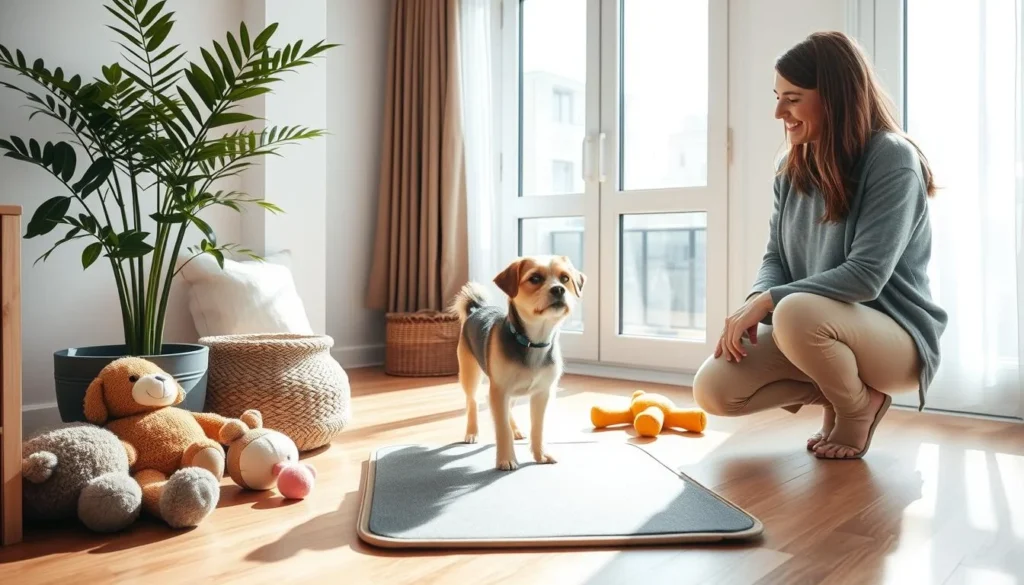
I use a crate to teach my dog where to go. It gives structure and limits roaming. It also taps into a dog’s natural dislike of soiling their sleeping area. I make the crate a positive place with short naps, treats, and safe chew toys.
How crates help
A crate that fits right lets a dog stand, turn, and lie down. It's used for naps and bedtime, creating a routine. When I'm not around, it keeps the dog from having accidents.
I feed meals and offer frozen Kongs or safe chew toys inside. This makes the crate a reward, not a penalty. It also makes potty trips more reliable.
Crate dos and don’ts
Do reward calm entries, feed in the crate, and use it for short periods. Follow the age+1 crate rule for puppies. A puppy can hold its bladder for roughly its age in months plus one hour.
Don’t use the crate as punishment. Don’t leave a puppy crated longer than it can hold. Don’t make the crate so large the dog can eliminate in one corner and sleep in another. Always pair it with scheduled outings and positive reinforcement.
- Do size the crate correctly and place bedding where it stays dry.
- Do combine crate work with leash-guided potty trips and a consistent schedule.
- Don’t force a dog into the crate or use it to hide behavioral problems.
- Don’t ignore signs a dog needs a bathroom break.
When asking what is the best way to potty train my dog, crate training is a top choice. It adds control and routine. By following the crate dos and don’ts and the age+1 crate rule, I speed up learning while keeping it humane and effective.
Managing accidents: cleaning, interruption, and avoiding punishment
I stay calm when an accident happens. Scolding or shouting confuses a puppy and can create sneaky peeing later. If I catch my dog in the act, I interrupt gently, pick them up if small, and take them straight to the designated potty spot. If they finish outside, I reward right away so they link the behavior with the praise.
I track when accidents occur. Journaling times and triggers helps me see patterns, like accidents during my shower or after play. When I spot a pattern, I increase supervision, shorten time alone, or use a crate for safe management. If accidents start suddenly or get worse, I consult a veterinarian to rule out issues such as a UTI.
How to handle accidents calmly
- Interrupt quietly and move the puppy outdoors.
- Don't punish; avoid punishing puppy because it makes training slower and breeds fear.
- Reward successful outdoor elimination right away.
- Log times to find patterns and adjust schedule.
Cleaning to prevent repeat marking
Remove all traces of scent with a trusted enzymatic cleaner for accidents. I use Nature’s Miracle or Eco-88 because enzymes break down urine proteins that dogs detect even when humans cannot. Thorough cleaning to prevent marking stops repeat visits to the same spot.
I sometimes use belly bands or diapers for male marking or temporary incontinence, not as a substitute for training. My routine is: clean immediately with an enzymatic cleaner for accidents, increase outings, tighten supervision during known risk windows, and seek vet advice for sudden changes.
Adjusting methods for small breeds, apartments, and common dog types
I make potty training fit for city living and small dogs. They need breaks often and watching closely. My method includes short walks, indoor solutions, and rewards that match their breed.
What works for apartment living
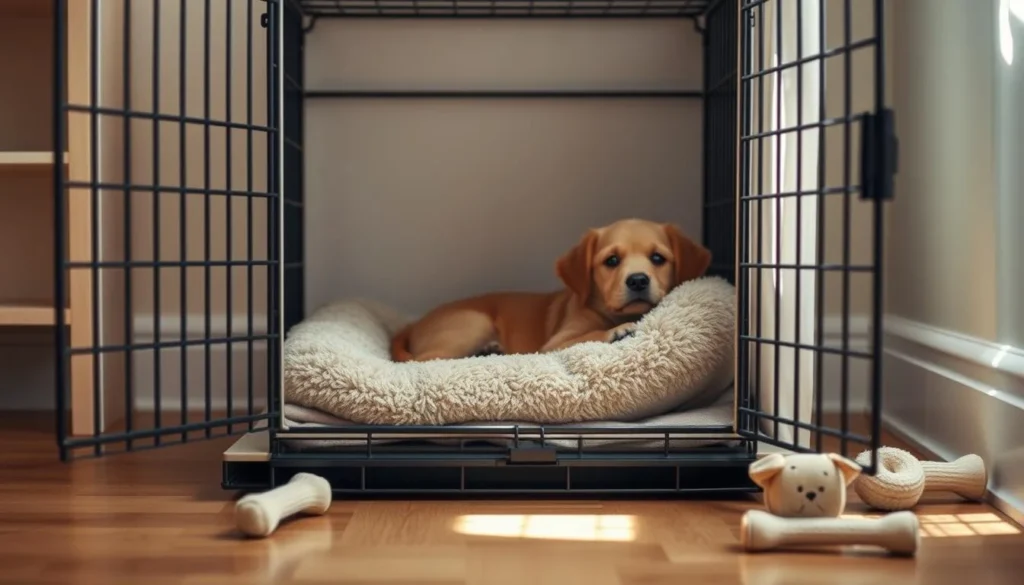
I start with a clear path from indoors to outdoors. Puppy pads are useful for a short time. I move the pad closer to the door to teach the pup to go outside.
When going outside is hard, I use a balcony or a grass patch. This helps the pup learn to go on different surfaces. I take very young puppies out every hour. Adult dogs go out as often as meals and walks.
If a dog is shy, I use a long line for privacy. This way, I can reward them quickly.
Breed-specific notes
For small breeds, I increase the number of outings and watch them closely. Dogs like Chihuahuas and Yorkies have fast metabolisms and small bladders. I recommend short, regular trips and crate time when I can’t watch them.
Belly bands help with male marking in these breeds. When training a chihuahua puppy, I focus on hourly outings, tiny treats, and a consistent cue. For a yorkie puppy, reward timing and a small, secure potty area are key.
Labrador-type dogs need different incentives. Labs love food rewards and leash-guided trips. For apartment Labs, I use a balcony or a nearby green patch and give generous praise once they go. Tailor rewards to drive: food for labs, tiny soft bites for toy breeds, and neutral praise for more independent dogs.
| Scenario | Frequency | Indoor tools | Best reward |
|---|---|---|---|
| Very young toy puppy | Every 30–60 minutes | Puppy pad near door; small crate | Tiny soft treats every success |
| Apartment adult small breed | Every 2–4 hours | Simulated grass or balcony spot | High-value single-piece treats |
| Shy dog in public | Short private walks; as needed | Long line for privacy; pads if required | Calm praise and immediate treat |
| Lab or medium breed in apartment | Every 3–5 hours with active play | Balcony or designated outdoor spot | Generous food reward and play |
Specialized guidance for common search queries: chihuahua, lab, yorkie, new puppy
I help owners with questions about different breeds and new puppies. I give simple, doable steps you can start today. Below, I share breed-specific tips and a quick checklist to help you act quickly and stay consistent.
What is the best way to potty train a chihuahua puppy
For toy breeds, I take a hands-on approach. I take very young chihuahuas out every hour. I use a small crate and keep them in sight always.
I carry tiny treats like cheese or boiled chicken to reward them right away.
I start with puppy pads in apartments, then move them closer to the door, and finally outside. I never scold for accidents and clean with an enzymatic cleaner to prevent marking.
What is the best way to potty train a lab puppy
With Labradors, I use leash walks to one spot. I feed on a regular schedule to predict when they need to go. I reward with meat treats the moment they go.
After they go, I let them play to make going outside fun. Crate time helps them hold it longer and learn faster.
What is the best way to potty train a yorkie puppy
Yorkies need to go out often like other small breeds. I crate them in a cozy area and keep rugs and furniture clean. I start with puppy pads and move to outdoors as they get better.
I use small treats and a consistent verbal cue. I watch them closely and move the pads closer to the door as they get better.
What is the best way to potty train a new puppy in general
I start with a feeding and bathroom schedule and a simple "potty" cue. I leash them to the spot, reward right after, and crate when alone.
I suggest a checklist: take them out every hour, use a leash and spot, reward immediately, crate and pad plan, and clean accidents with an enzymatic cleaner. If problems last, see a vet to check for health issues.
Troubleshooting persistent problems and when to see a vet or trainer
Owners often get frustrated when progress slows down. Start by increasing basic management. Use a crate, baby gate, or leash to limit access to the house. Tighten the schedule for feeding and outdoor trips.
For stealth peeing or marking, stress is often a driver. I try belly bands for males or dog diapers for a short trial. Remove the scent with an enzymatic cleaner. Journaling times, triggers, and the dog’s mood can reveal when and why problems recur.
I use gentle desensitization when a dog refuses to go outside. Short, fun outings and small play sessions outdoors help rebuild positive associations. Treats and praise at the exact moment of elimination speed learning. If I reach a plateau despite consistent work, I explore professional options.
Common issues and fixes
Accident frequency despite routine — increase confinement and shorten outdoor intervals. Sudden accidents — schedule a vet exam to rule out infection or bladder issues. Marking — neutralize scent, reduce stressors, and limit unsupervised access.
Reluctance to go out in bad weather — carry the dog outside, use a covered spot, reward quickly, and return to play. Night-time leaks — remove food and water earlier, add a pre-bed walk, and evaluate crate size and comfort.
When to get professional help
Call your veterinarian when there is blood in the urine, straining, very frequent urination, or a sudden change in elimination habits. Ask about tests for urinary tract infection, stones, or incontinence if symptoms persist.
Contact a certified professional dog trainer or a veterinary behaviorist when severe fear, persistent marking, or complex territory issues resist basic remedies. I recommend resources such as the AKC GoodDog Helpline for phone or video coaching when in-person help is not immediate.
| Problem | First steps I take | When I escalate |
|---|---|---|
| Frequent indoor accidents | Increase confinement, tighten schedule, track incidents | No improvement after 2 weeks of strict management |
| Stealth peeing / marking | Use enzymatic cleaner, try belly bands, reduce stress | Marking persists or spreads to new areas |
| Refusal to go outside | Short outdoor play, desensitize to weather, reward quickly | Severe anxiety or aggression around doors |
| Sudden change in elimination | Log symptoms, check hydration, limit access | Signs of urinary disease or pain |
Conclusion
I conclude by emphasizing the key method: immediate rewards, a strict routine tied to feeding and sleep, and leash-guided trips. I also use enzymatic cleaners to remove odors and prevent marking. This approach provides a clear, step-by-step guide on how to potty train your dog.
Progress takes weeks to months. Young puppies need frequent outings, while older dogs adapt quicker. It's important to be consistent and patient, focusing on steady routines rather than quick fixes.
My last tips for potty training are straightforward. Use high-value treats only for successful potty breaks, and use the right-sized crate and puppy pads. Always watch for sudden changes that could be health issues. If behavior doesn't improve, I seek help from the AKC GoodDog Helpline, certified trainers, or a vet.
By following a predictable schedule, being patient, and rewarding immediately, housebreaking becomes easy. This approach ensures success for both dog and owner. That's how I conclude this guide on potty training your dog.


