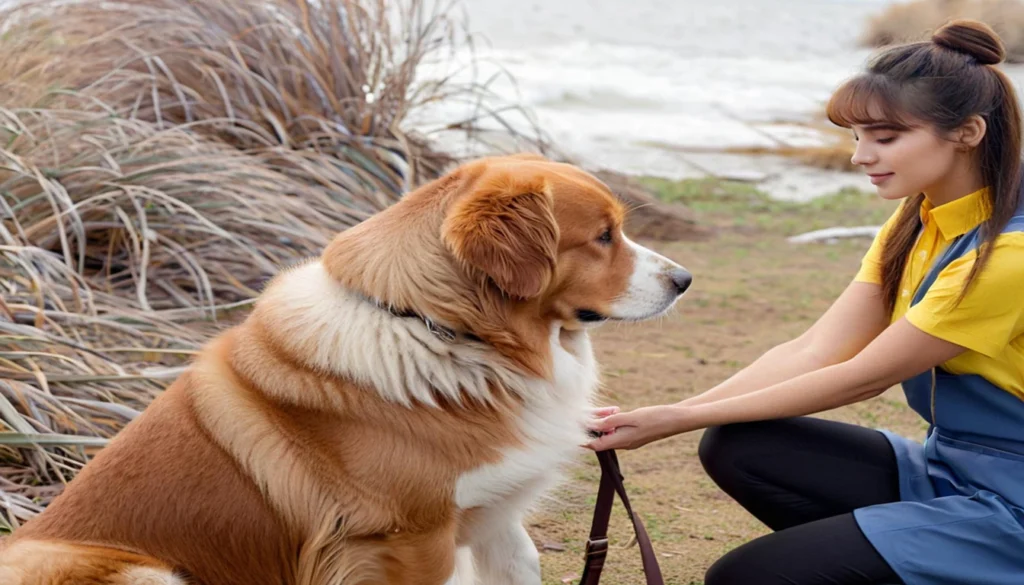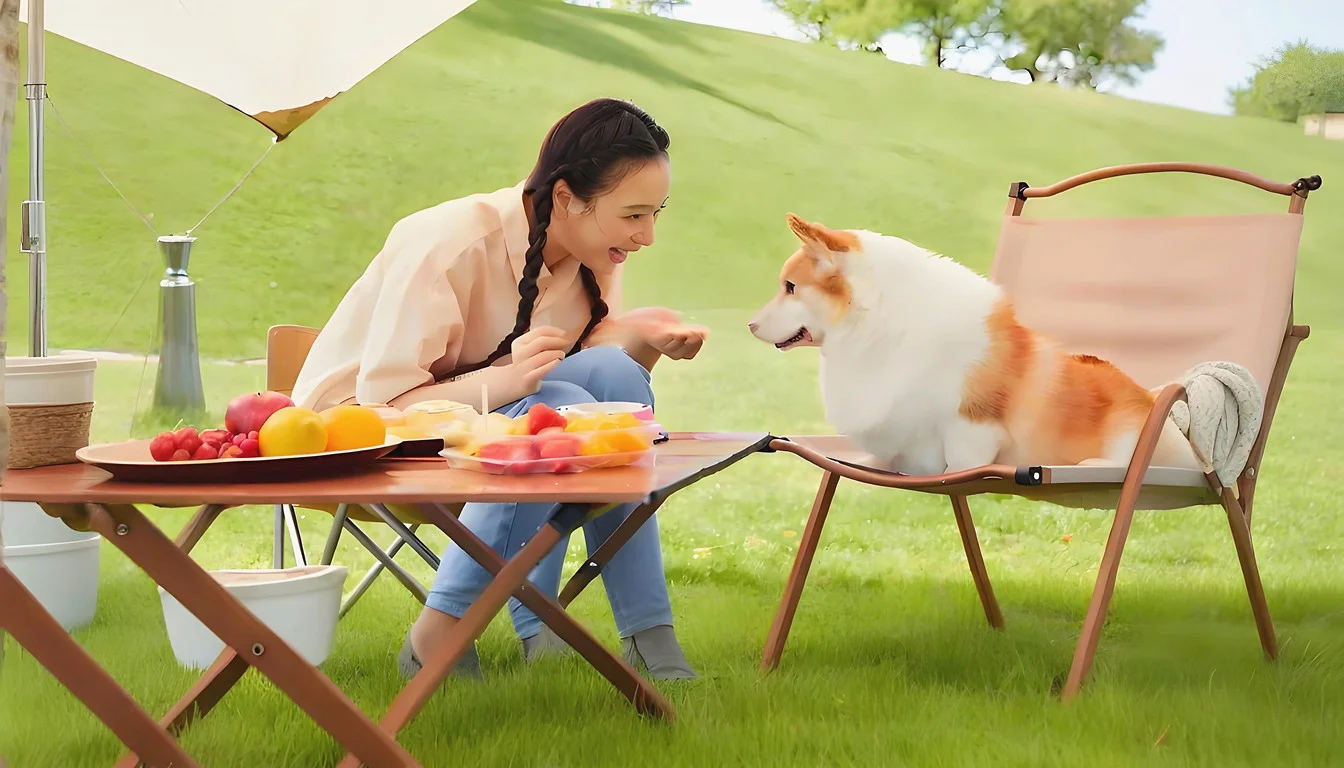
I remember the first time my Labrador ran to a pocket of trail mix. I had nothing to offer in return. This moment taught me that treats are key to learning. By using small, tasty, and easy-to-eat rewards, our training sessions became better and more enjoyable.
Treats are the main motivators for dogs to learn new behaviors. I found that the best treats are small, tasty, and quick to eat. Brands like Fruitables make treats that can be broken into smaller portions. But often, the best treats are simple proteins like chicken or liver, as dogs find them more appealing than bland options.
I use high-value treats for new or challenging behaviors. For everyday practice, I use lower-calorie treats. Finding out what your dog likes best helps keep training positive and healthy. This way, we avoid using too much force and keep the focus on learning.
Key Takeaways
- Treats are primary reinforcers that encourage repetition of the right behavior.
- Choose the recommended treat size for dog training: small, quick to eat, and high-value when needed.
- Test a few options (chicken, liver, commercial minis) to find what your dog values most.
- Use high-value treats for hard tasks and lower-calorie bites for repetition.
- Balance palatability and health to keep sessions efficient and safe.
Why treat size matters for dog training
Treat size is key for how fast and often you can reward a dog. Small treats keep the training moving. I choose treats based on pace, calories, and the dog's breed and age.
How treat size affects reinforcement rate
Small treats let me reward a dog quickly. A piece the size of a pencil eraser or smaller is perfect. This fast reward helps the dog learn faster.
Big treats slow down training. Experts say slow rewards can break the learning flow. I use a size guide that suggests small treats for lots of repetitions.
Impact on training flow and repetitions
Small treats make training faster. I can do many repetitions without long pauses. This keeps the dog focused and builds habits quickly.
Large treats mean fewer repetitions and longer breaks. For skills needing many repetitions, I use small treats. For special rewards, I use bigger treats.
Health and caloric considerations related to treat size
Treats add calories. I keep rewards under ten percent of daily calories to avoid weight gain. Small treats help me stay within this limit.
High-fat foods like cheese or hot-dog pieces can add calories fast. Liver is tasty but can be risky if used too much. I choose treats that are rewarding but also low in calories.
| Training Goal | Typical Size | Why it works |
|---|---|---|
| Rapid repetition (sit, down, recall) | Pea to pencil eraser | Fast to eat, allows many reps, low calorie |
| Proofing in distracting places | Small chunk of chicken or commercial mini | Higher value holds attention without long chewing |
| Special reward or enrichment | Larger chew or piece of carrot | Slower-to-eat, great for long-lasting motivation |
| Calorie-sensitive or senior dogs | Tiny kibble-sized bits | Very low calories, easy on teeth and digestion |
what size treats for dog training
I keep treat size simple and visual for quick judgment during training. A pencil eraser-size piece is my first choice for many dogs. It's a good balance of reward and low calories, and it's chewed fast.
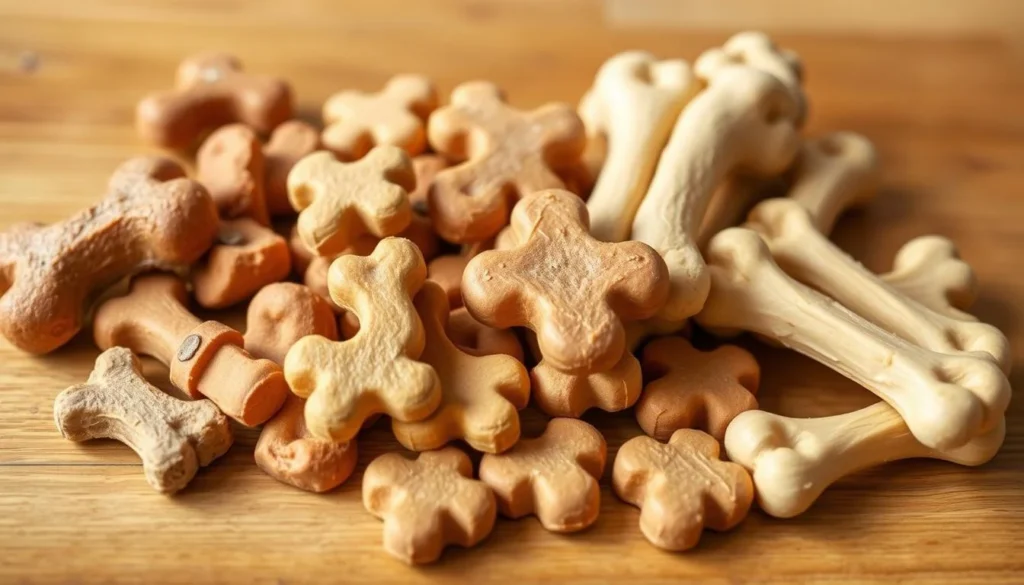
Recommended starting sizes by visual comparison (pencil eraser, pea, crumb)
For most medium dogs, a pencil eraser-sized bite is a good start. Larger breeds do well with pea-sized treats, allowing for many repetitions. Tiny breeds and puppies need crumb-sized treats for fast training.
Adjusting portion size for toy, small, medium, and large breeds
Chihuahuas need tiny crumbs to keep calories low and rewards high. For Beagles and Cocker Spaniels, pencil eraser-size treats are perfect. Labradors and German Shepherds do well with pea-size treats during drills.
Brands like Zuke’s Mini Naturals, Merrick Lil’ Plates, and Fruitables Skinny Minis offer consistent small pieces. You can also cut Biggies or larger treats into smaller portions at home.
When to use even smaller bite-sized pieces
For shaping, quick recalls, and long training sessions, use crumb-sized pieces. If a dog needs to chew on the treat, it's too big. Soft, moist treats are best for quick swallowing and returning to work.
Small vs large treats for dog training: pros and cons
I keep treat choice simple. Small, fast-eating bites let me reward many correct responses in a single session. Large, slow-chew items earn a place when I want enrichment or a special payoff.
I use small vs large treats for dog training with purpose. Tiny soft morsels like Zuke’s Skinny Minis or cut-up cooked chicken speed repetition and prevent stomach upset. Quick eats keep momentum high and lower calories per reward.
I reach for larger treats when the goal is different. A filled KONG, a bully stick, or a frozen peanut butter treat works for crate settling, long-lasting enrichment, or a major celebration. These are not the best treats for dog training that requires dozens of repeats.
I balance motivation with calorie control. I pick the perfect treats for training dogs by using high-value pieces for hard behaviors and low-calorie minis for routine work. That strategy keeps total treats under roughly 10% of daily calories.
Here are practical trade-offs I consider:
- Speed: Small treats win for rapid reinforcement and clearer learning.
- Value: Meaty, smelly bites are the best treats for dog training when distractions are high.
- Duration: Large chews serve enrichment, not high-repetition drills.
- Health: I rotate types to avoid nutrient overload, such as excess vitamin A from liver.
When I plan a session I ask: is this about speed or about lasting reward? If it’s speed, I use the perfect treats for training dogs in pea- to pencil-eraser sizes. If it’s long-term engagement, I pick a larger, safe chew to occupy and reward.
Ideal dog training treat sizes by training scenario
I provide practical advice on treat sizes and values for different training moments. I cover puppy basics, advanced high-distraction work, and proofing or performance situations. Treats are low in calories for repetitive tasks and high in value for challenging ones.
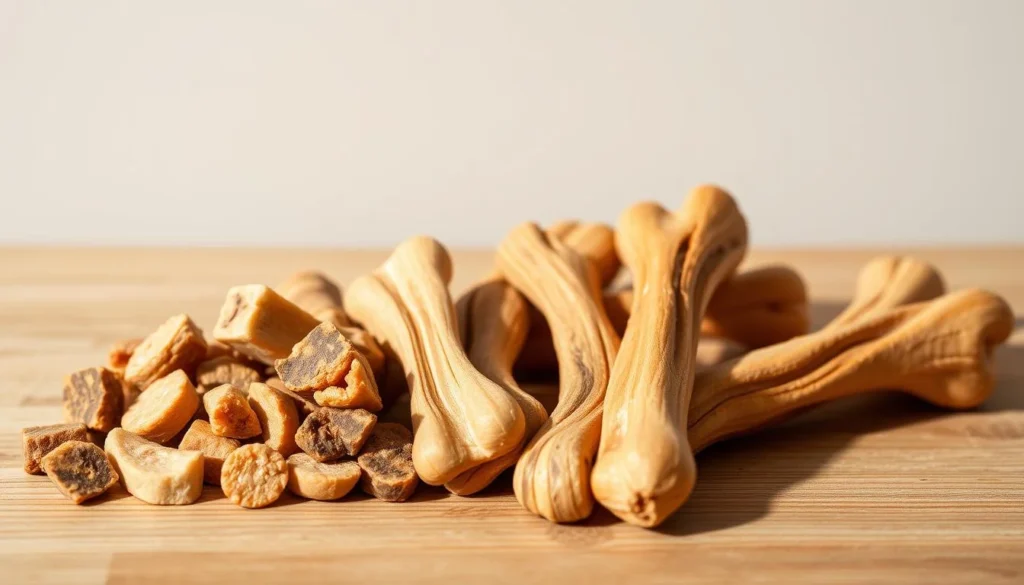
Puppy basic obedience and house training
For puppies, I use small treats that are eaten quickly. This keeps training moving and prevents too many calories. Treats should be about the size of a pea or pencil eraser.
Advanced skills and high-distraction environments
In busy places like parks or competition fields, I use high-value treats. Small pieces of cooked chicken or Fruitables Whole Jerky Bites work well. They're easy to eat and keep the training going.
Proofing behaviors and performance work
When training in stressful situations, I change up the treats. I use very smelly, soft treats to grab attention. For longer calm periods, I give slow-eating rewards like stuffed Kongs or bully sticks. This keeps motivation up without adding too many calories.
- High-rep basics: tiny, fast treats to reward dozens of repeats.
- Advanced cues: small but premium bits to overpower distractions.
- Proofing & endurance: mix smelly quick-bites with occasional slow chews.
Use this guide to find the right treat sizes for your dog's training. Adjust the sizes based on your dog's breed, age, and hunger. Knowing the right treat sizes helps with better learning and less waste.
Best treats for dog training: texture and value considerations
I test treats with my dogs to see what works best for training. The best treats have good scent, texture, and are easy to chew. For quick focus, I use high-value snacks. For constant encouragement, I use lower-value treats.
I make sure treats are small to keep calories low. When picking treats, I look for simple ingredients and safe preservatives. I avoid xylitol, garlic, and too much salt.
High-value vs everyday-value treats and when to use each
High-value treats, like boiled chicken or freeze-dried liver, are for new skills and tough spots. For daily practice, I use kibble or low-fat minis.
Soft, smelly, and quick-to-eat treats for staying focused
Soft treats let dogs eat fast and get back to work. Smelly treats like cheese or salmon grab their attention. For outdoor training, I carry jerky or freeze-dried liver because they're easy to carry and effective.
Examples of effective training treats
Good treats include boiled chicken, salmon, lean beef, freeze-dried liver, and brands like Zuke’s Mini Naturals and Merrick Lil’ Plates. Fruitables Skinny Minis are great for quick rewards. Bigger treats can be cut into smaller pieces for training.
I test treats to see if my dogs like them and how fast they eat. This helps me find the best treats for tough training and everyday practice.
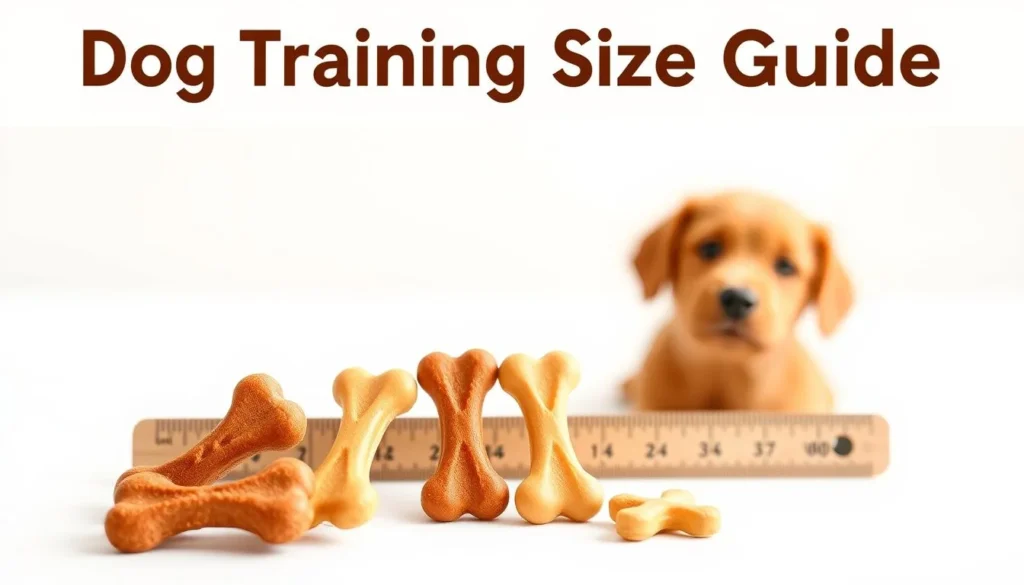
Dog training treats size guide for different breeds and ages
I help you find the right treat size and texture for your dog. This guide is for different breeds, ages, and dental needs. It makes training fast, safe, and keeps calories in check.
Tiny breeds and toy puppies: how tiny is tiny?
Small breeds like Chihuahuas and Yorkshire Terriers need treats smaller than a pencil eraser. I suggest crumb or pea-sized bites to avoid delays and too many calories. Use Zuke's Mini Naturals or tiny pieces of cooked chicken.
Medium and large breeds: why pea-sized often suffices
For bigger breeds like Labradors and Border Collies, pea-sized treats are perfect. They reward without adding too many calories. Use Skinny Minis or cut larger treats into pea-sized pieces for quick reinforcement.
Seniors and dogs with dental issues: texture and size adjustments
Older dogs need soft, moist treats that are easy to chew. Choose soaked kibble, soft minis, or diced lean meats. Avoid hard biscuits that can harm their teeth. Start with small, soft bites if your dog is sensitive.
Here's a comparison of typical sizes and textures to help you choose. This table helps match your dog's size and dental needs to the right treat size for training.
| Dog Category | Typical Treat Size | Texture Recommendation | Practical Examples |
|---|---|---|---|
| Tiny breeds & toy puppies | Crumb to pea-sized | Soft, quick-mashable | Zuke's Mini Naturals, tiny chicken bits, crumbled freeze-dried liver |
| Small to medium breeds | Pea-sized | Soft or slightly firm, quick to eat | Broken-up training treats, small cheese cubes, small pieces of cooked turkey |
| Large breeds | Pea-sized to slightly larger if needed | Easy to swallow, low-calorie | Skinny Minis, diced hot dog slices, small meatballs cut into many pieces |
| Seniors & dental issues | Moist small pieces or mashed portions | Soft, moist, no hard crumbs | Soaked kibble, steamed chicken, soft commercial minis |
Keep treats small and frequent to match your dog's chewing speed and health. For tiny dogs, start with pea-sized treats. For large breeds, you might need slightly larger treats.
Choosing treats for training dogs with dietary and health needs
When treating a dog with special needs, I choose wisely. Training treats must be low in calories, safe for their sensitivities, and easy to handle. I make them small so I can reward often without going over their daily calorie limit.
Calorie budgeting: keeping treats under ~10% of daily calories
I keep an eye on my dog’s daily calorie goal. I save about 10% for training rewards. This way, I can give many small bites during a session without worrying about their weight.
For a 30-pound dog needing about 900 calories a day, I aim to keep treats under 90 calories. I check packaging for calories per piece and use kitchen scales for homemade snacks. When I can’t weigh treats, I make them tiny.
This lets me reward more often without adding too many calories. It answers the question of what size treats for dog training.
Allergies, sensitivities, and ingredient-first choices
I choose treats made with whole ingredients when a dog has allergies. Brands like Merrick and Zuke’s list ingredients clearly. This helps me avoid common allergens like wheat, dairy, or beef.
For dogs with a chicken allergy, I use salmon or turkey-based options. I rotate proteins to reduce exposure to one nutrient. Freeze-dried venison or single-ingredient fish treats are great for elimination trials.
I also watch labels for sweeteners like xylitol and avoid any treat with it.
When to use single-ingredient whole foods vs packaged treats
I balance convenience and control. At home, I use boiled chicken, plain pumpkin, or lean ground turkey cut into tiny pieces. These options are easy to follow and keep ingredients simple.
On the go, I use portable options like freeze-dried liver or jerky from trusted brands. I cut these into pea-sized bits. Packaged treats with clear calorie counts help me stay within limits and reward effort.
| Situation | Best option | Typical piece size | Why it works |
|---|---|---|---|
| Puppy basic training | Boiled chicken or commercial mini treats | Pea-sized (about 1/4 teaspoon) | Low calories, fast to eat, allows many repetitions |
| Allergy-prone dogs | Single-ingredient freeze-dried fish or venison | Small bite (pea to pencil eraser) | Minimizes cross-reactive ingredients, simple labels |
| Outdoor high-distraction work | Freeze-dried liver, jerky, high-value chews | Smaller than a pencil eraser for frequent rewards | High motivation without excess calories when portioned |
| Weight management | Low-calorie options: kibble, carrot bits, pumpkin | Crumb to pea-sized depending on dog | Allows reinforcement while keeping daily calories low |
| Dental or senior dogs | Soft, single-ingredient meats or steamed veggies | Very small, easy to chew pieces | Gentle on teeth, maintains interest during training |
Practical tips for preparing treat sizes at home
I make training sessions simple by prepping small rewards before starting. A clear guide helps me choose the right treat size for training. This keeps sessions focused and quick. I prepare a mix of proteins and low-calorie options to match the lesson or my dog’s hunger.
For firmer slices, I chill cooked meats. I use kitchen shears for jerky and dice boiled chicken or salmon into tiny cubes. Soft commercial minis, like Zuke’s or Wellness Soft Puppy Bites, can be cut smaller if needed. I choose single-ingredient treats for clear calorie and ingredient information.
How to break or dice larger treats into training-size pieces
I chill cooked chicken or turkey and slice it into strips. Then, I cut those strips into pea-sized cubes for quick rewards. For jerky, kitchen shears make neat, uniform pieces. I slice Fruitables Biggies into quarters for quick eating during repetitions.
Portioning and storing pre-cut training treats for convenience
I portion treats into small zip bags or reusable containers labeled with calories. Each bag holds one session’s worth. I keep some in the fridge and freeze others. For walks, I carry a treat pouch with Skinny Minis or pre-cut chicken for quick rewards.
Using low-calorie alternatives
I use kibble as a base reward when calories are a concern. Small carrot bits, green beans, and apple cubes are good for casual practice. Powdered peanut butter rehydrated into a paste is a smearable, high-value option with controlled calories. These swaps help me keep sessions lighter.
| Item | Prep Tip | Typical Training Size | Calories per Piece (approx.) |
|---|---|---|---|
| Boiled chicken | Chill then cube with knife | Pea-sized (3–5 mm) | 1–2 kcal |
| Salmon | Cook, chill, cut into tiny cubes | Pea-sized | 2–3 kcal |
| Jerky (natural) | Use kitchen shears for thin strips | Small shreds or quarters | 3–5 kcal |
| Commercial minis (Zuke’s, Wellness) | Cut or use whole as-is | Pencil-eraser to pea-sized | 1–3 kcal |
| Kibble | Use as-is for low-calorie sessions | Standard kibble-sized | 0.5–1 kcal |
| Veggie bits (carrot, green bean) | Dice small, steam if needed | Pea-sized | 0.5–1 kcal |
| Powdered peanut butter | Rehydrate to paste, smear small amounts | Smear or pea-sized blob | 2–4 kcal |
I follow a dog training treats size guide to keep calories low and rewards frequent. I aim for treats my dog can eat in one or two gulps. This keeps the training momentum and reduces distractions.
Using a variety of treats to maintain motivation and safety
I keep a mix of small treats to keep training fun and safe for my dog. Switching treats keeps my dog excited and avoids too much of one thing in their diet. I choose the right size for the session and my dog's breed.
I use three to four different treats during a session. For quick rewards, I use Zuke’s or Blue Buffalo Skinny Minis. For big moments, I give jerky or cooked chicken. Sometimes, I offer small cheese pieces for a change.
This variety helps me find the best treats for training while keeping calories in check.
I plan a simple rotation schedule. For example, I use poultry on Mondays and Thursdays, commercial minis on Tuesdays and Fridays, and liver or soft meat on Wednesdays. Weekends are for special treats like cheese. I cut each treat into training sizes to avoid overfeeding.
I'm careful about the risks of certain treats. Liver is too rich in vitamin A and can be toxic if eaten too much. Full-fat cheese is tasty but can harm the pancreas if eaten too often. I also avoid treats with xylitol, garlic, or harmful preservatives. These steps help me pick safe and effective treats for training.
Here's a simple guide I follow to choose and rotate treats. It helps me keep training sessions motivated, valuable, and healthy.
| Treat Type | When I Use It | Portion Size Example | Notes on Safety and Frequency |
|---|---|---|---|
| Zuke’s / Blue Buffalo Skinny Minis (commercial minis) | Everyday practice, high repetition drills | Pea-sized to eraser-sized pieces | Low calorie, safe for frequent use; good for steady reinforcement |
| Cooked chicken or turkey | High-value rewards, distractions, proofing | Small dice, ~pea to pencil eraser size | Lean protein; control portions to avoid excess calories |
| Beef or turkey jerky | Special moments, outside or high-distraction work | Thin strips or tiny cubes | Very palatable; use sparingly to limit sodium and fat |
| Beef or chicken liver (cooked) | Intermittent high-value reinforcement | Pinhead to pea-sized pieces | Rich in vitamin A; limit frequency to avoid toxicity |
| Cheese (low-fat cottage or cheddar) | Occasional jackpot rewards | Tiny cubes, rarely larger than a pencil eraser | High fat; rotate infrequently to protect the pancreas and weight |
| Vegetable bits / kibble / powdered peanut butter | Low-calorie alternatives, warm-up or cooldown | Pea-sized or crumb-sized | Useful to keep total calories low while maintaining reinforcement rate |
Conclusion
Small, quick treats are key for effective, stress-free dog training. I pick treats that are as small as a pencil eraser or a pea for most training. These tiny treats keep the training moving, cut down on calories, and let me reward often without stopping the lesson.
For tougher skills or when distractions are high, I use richer, meatier treats. I use tiny treats for everyday practice and save the bigger, more valuable ones for big achievements. I always check the labels and trust brands like Fruitables for consistent sizes. I break larger treats into Skinny Minis or Biggies as needed.
It's important to keep treats under 10% of a dog's daily calories to stay healthy. Rotating treats prevents too much of any nutrient. This guide helps me choose treats that are tasty, easy to eat, and convenient. I use soft, smelly treats for quick training and slower, whole foods for enrichment. Having portable, shelf-stable treats lets me reward on the spot and keep training sessions short and effective.