I remember the first morning with my rescued Labrador mix. She stared at the door like it held the whole world. I felt joy and worry at the same time. This moment taught me that obedience training is more than just commands. It's about creating calm routines for a stress-free life.
I aim to make obedience training practical and achievable. It's about teaching consistent cues and habits. By earning a dog's trust, we unlock safe behavior and make life together joyful.
Training happens all the time, whether we plan it or not. Being aware and intentional is key. I'll cover basic skills like sit, recall, and heel. I'll also explain a balanced training approach, puppy training windows, drills, and techniques. Plus, I'll talk about social aggression and how to choose the right classes and trainers.
Key Takeaways
- Obedience training sets predictable habits that reduce stress for owner and dog.
- Simple, consistent cues unlock safety and everyday freedom.
- Puppy obedience training during early windows builds strong recall and bonding.
- Balanced methods and short drills work better than complicated systems.
- Dog obedience classes and certified trainers, including AKC resources, speed progress.
Why obedience training matters for every dog
I think obedience training is the best thing you can do for your dog and your bond. It teaches a simple way to communicate with your dog. This helps during walks, at doors, and during meals.
Everyday benefits for you and your dog
When teaching owners, I focus on simple cues for everyday tasks. A single cue can stop pulling on walks and prevent door-darting. It also makes mealtime calm and strengthens your bond.
Safety, predictability, and reduced behavioral problems
Commands like recall, sit, and heel keep dogs safe from traffic and escapes. This predictability lowers stress for both dogs and owners. It also helps break bad habits like reactivity and resource-guarding.
How lack of training can create problems as much as improper training
Even without training, dogs learn habits that might be unwanted. Poor training can damage trust as much as not training at all. I teach balanced methods to protect your bond and prevent aggression.
I recommend AKC training programs for structure. They show that basic skills are key before moving on. Effective training teaches people how to cue, reward, and read their dog's limits safely and steadily.
Core foundation skills I focus on in obedience training
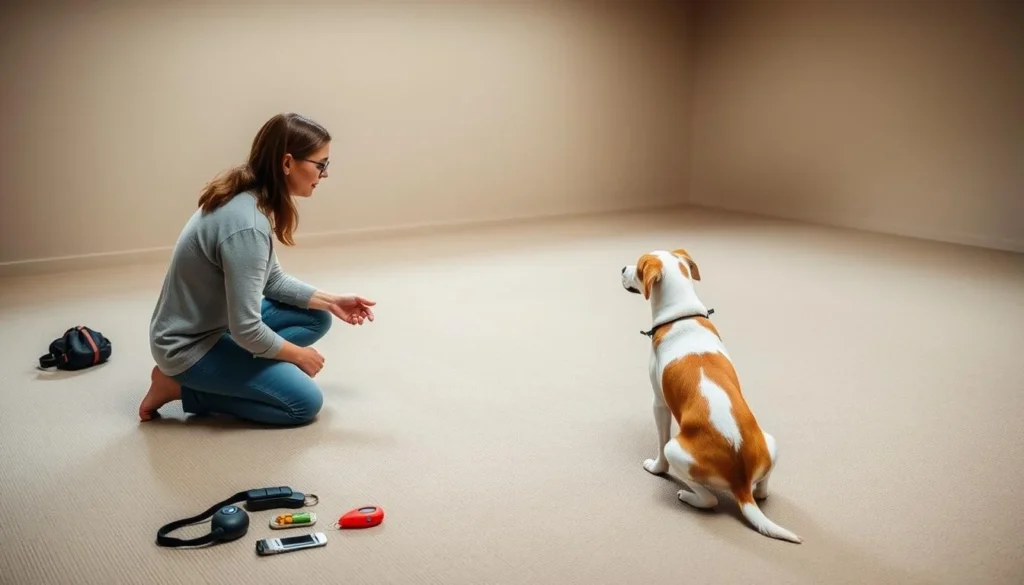
I focus on three key skills for control and confidence. These basics make advanced training easier and keep daily life calm. I teach them for use at home, on trails, and in busy areas.
Sit as a foundation for impulse control
Sit is like the "dribble" of training, appearing in almost every routine. I start with sit in a quiet spot and do short repeats. Small wins build a strong habit for doorways, feeding, and kennel transitions.
I add distractions slowly to test sit's strength. This helps with impulse control when guests come or trash is on a walk. It's crucial for puppies and older dogs.
Reliable recall to keep your dog safe
Recall is key for safety. I use the early social window and quick timing to teach recall in puppy training. Rewards, a clear cue, whistle, and body language create a strong start.
Fixing recall in older dogs needs focused drills and patience. I use reverse heel and controlled recalls to rebuild trust. Reliable recall is vital for off-leash time and safety near roads or wildlife.
Heel work to build connection and off-leash readiness
Heel means standing at my left shoulder. I train heel for feel, steady eye contact, and pace control. These skills lead to safe, confident off-leash freedom.
I start heel in short sessions and add distance, turns, and distractions. Consistent practice with rewards makes heel intuitive. Heel ties sit and recall for real-world reliability.
When sit, recall, and heel are strong, they support sport goals, hunting, and daily life. I mix these skills into programs for puppies and adults. This keeps progress steady and practical.
Obedience training for dogs
I believe in a flexible, thoughtful approach to training. My method combines reward-based training with clear cues. This way, dogs learn fast, and their owners feel confident.
What balanced training means to me
Balanced training isn't about strict rules or one tool. I use gentle pressure for clarity and celebrate with treats or praise for good behavior. This mix keeps training sessions fun and effective.
Combining positive reinforcement with conditioned pressure
I build most behaviors with positive reinforcement. Dogs learn to repeat them because they want to. When needed, I add conditioned pressure as a cue. Used correctly, it's a tool for communication, not punishment.
Adapting methods to each dog’s temperament and the handler’s goals
No two dogs learn the same way. I consider their sensitivity, work ethic, and the handler's goals. Then, I adjust the training to fit them best. Professional trainers should explain their methods and why they work for each dog.
Good training makes homes safer and speeds up the learning process. My goal is to teach lasting skills. I use a balanced approach that works for both dogs and their families.
Obedience training for puppies: setting habits early
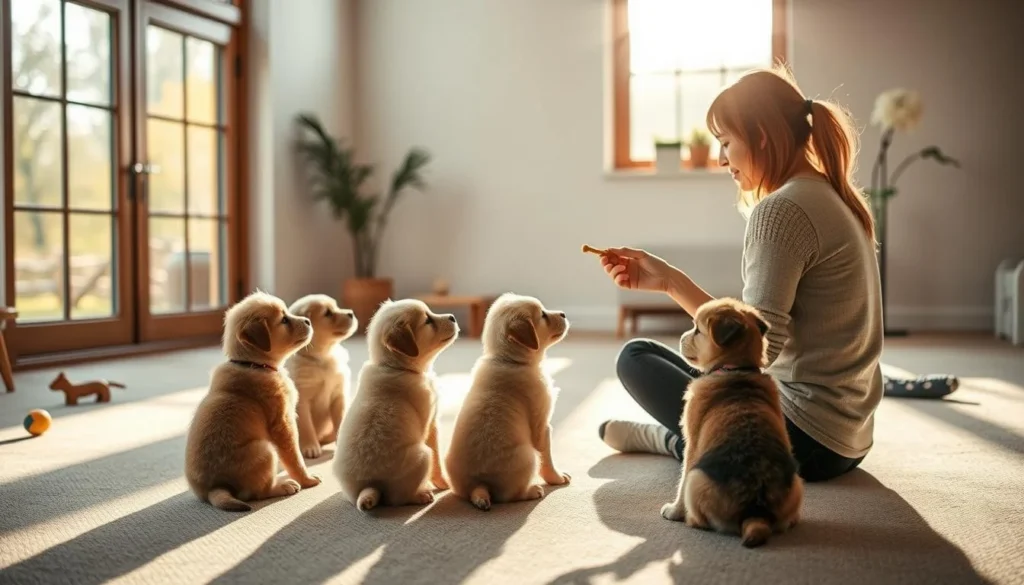
I focus on the weeks when a pup is most open to learning. Between roughly seven and fourteen weeks, puppies form strong bonds and start to learn cues that last a lifetime. Using that span for recall training and basic cues gives you a head start on reliable behavior.
Why early windows matter for recall and bonding
In that early window a puppy’s curiosity and social drive are high. I use calm, consistent signals so the pup links coming to me with a good outcome. This builds trust and makes later recall training feel natural rather than forced.
Short, frequent sessions and simple mechanical techniques
I keep sessions brief and frequent so a puppy learns without getting tired. Ten-minute bursts, repeated several times a day, beat one long session. I pair clear body positioning, timely praise, and a consistent leash setup to speed learning.
How to build durable habits before distractions increase
I begin in controlled spaces, then add mild distractions as the puppy succeeds. For sit and heel, consistent body language and immediate rewards create a reliable feedback loop. If cues stay steady, behaviors become habits before the world gets more distracting.
| Focus | Action | Typical Age | Why it matters |
|---|---|---|---|
| Bonding & recall | Play-based recalls, short-name repetition, praise | 7–14 weeks | Forms durable recall patterns that respond in new settings |
| Session design | 3–5 short bursts daily, simple mechanical prompts | 8–16 weeks | Prevents fatigue and reinforces learning through repetition |
| Mechanical shaping | Consistent body position, immediate reward timing, leash setup | 7–20 weeks | Creates clear associations so cues produce predictable actions |
| Distraction layering | Start indoors, then backyard, then quiet park | 10–20 weeks | Helps puppy generalize cues under real-world conditions |
| Curriculum options | Short home drills, group classes, AKC training programs | 8 weeks onward | Structured courses speed progress and offer measurable milestones |
| Preventing bad habits | Consistent cues, solid rewards, avoid mixed signals | All early months | Stops weak habits that become hard to change later |
Training techniques for dogs I recommend
I focus on clear timing, simple cues, and short, repeatable drills. These methods protect the dog's success and build reliable responses. My approach fits busy schedules and supports obedience training for dogs at any age. Below I break down practical steps you can start today.
Reward timing and clear cues
I mark the exact moment a dog offers the right behavior, then reward immediately. This split-second link trains fast learning. I use a consistent verbal cue, a matching hand signal, and a whistle when distance grows. Clear cues make the handler's intent obvious and speed up obedience training for dogs.
Drills to build consistency
I run short repetitions, keeping sets small and focused. Start with low distraction, repeat the drill five to ten times, then layer distractions in small steps. Repetition builds reliability. Layering distractions keeps the dog successful while increasing challenge.
Practical drills I use
- Reverse heel — I use this drill to fix inconsistent recall. The dog learns to move toward and stay with me on cue, which strengthens attention and reduces chasing impulses.
- Sit-in-place — I extend a basic sit into a stay by increasing time and adding distance in tiny increments. This builds impulse control and makes doorways and mealtimes calmer.
- Controlled recalls — I start with high-value rewards at close range, then add distance and mild distractions. I protect the dog's success rate so recalls stay strong under pressure.
I recommend repeating these training techniques for dogs often and mixing workshop practice with video review. Working with a certified trainer from organizations like the Association of Professional Dog Trainers or local trainers such as those at Petco and PetSmart can speed progress and refine your timing.
Keep sessions short, celebrate small wins, and track progress. Consistent practice of these drills will improve focus, increase obedience training for dogs reliability, and make everyday life easier for you and your dog.
Dealing with social aggression in dogs and toward humans
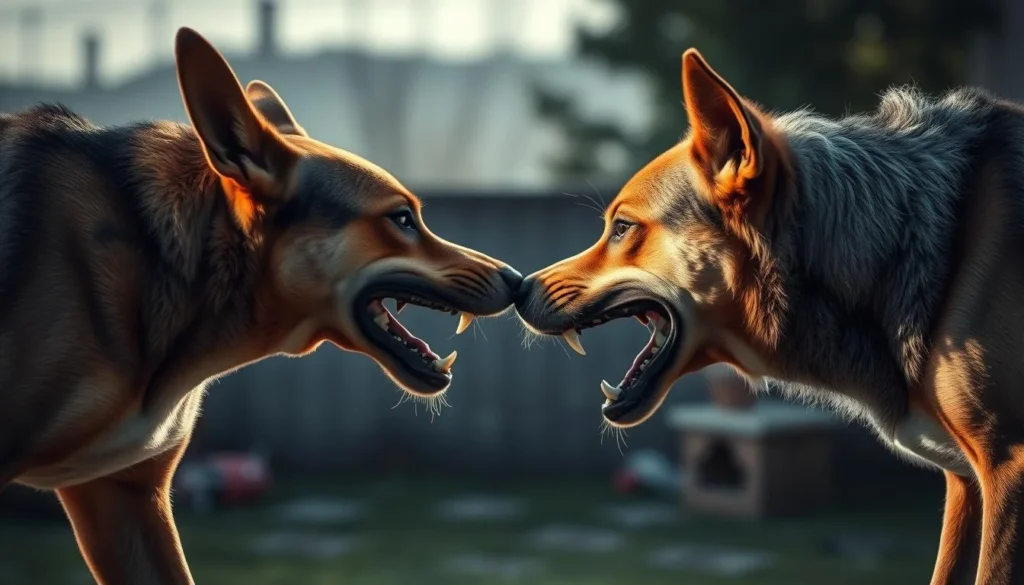
I help owners deal with tense moments when their dogs react to other dogs or people. A solid training base gives you tools to stop reactive behaviors, reduce stress, and achieve predictable results. I always put safety first and then teach skills step by step to keep learning fun.
How obedience training reduces reactivity
Teaching a reliable sit, recall, and heel helps control distance and focus. When a dog looks at you on command, I can steer their attention away from triggers and reward calm behavior. This training replaces sudden lunging with expected actions.
I prefer short, low-intensity training sessions. Small victories help keep the dog calm and make progress steady. Over time, this leads to less arousal and a lower risk of aggression.
When to seek professional help for social aggression in dogs
If your dog's aggression is often, getting worse, or includes bites, seek help from a certified behaviorist or professional dog trainers. I create plans tailored to the dog based on their reactions, body language, and history.
In tough cases, I work with vets and trainers who use proven methods. This team approach ensures safety and speeds up recovery.
Managing safety while you train: setups, distance, and thresholds
Start training setups at a safe distance and gradually get closer when the dog is calm. Use long lines, secure leashes, and muzzles when needed to keep everyone safe. I never push the dog too hard; training stops before they get stressed.
Keep track of small steps and adjust the pace to match the dog's progress. With clear management, obedience training, and guidance from experts, owners can improve interactions safely.
| Focus | Early goal | Tools | When to escalate to pros |
|---|---|---|---|
| Distance control | Recognize reaction distance | Long line, leash, strategic positioning | Dog lunges or stiffens within close range |
| Attention and redirection | Look at handler on cue | High-value treats, clear cues, brief sessions | Handler cannot elicit focus under mild distraction |
| Desensitization plan | Slow exposure below threshold | Controlled setups, gradual proximity increases | Progress stalls or reactivity increases |
| Safety management | Protect people and dog | Secure collars, harnesses, muzzles when required | Bites, repeated aggressive incidents, public safety risk |
| Professional support | Behavior assessment | Consultation, written plan, follow-up sessions | Aggression toward unfamiliar people or dogs persists |
Dog obedience classes and dog training programs: how to choose
I help owners decide between group classes or private coaching for their dog. The right choice affects their progress, safety, and success. I consider cost, social goals, and the dog's specific needs before making a recommendation.
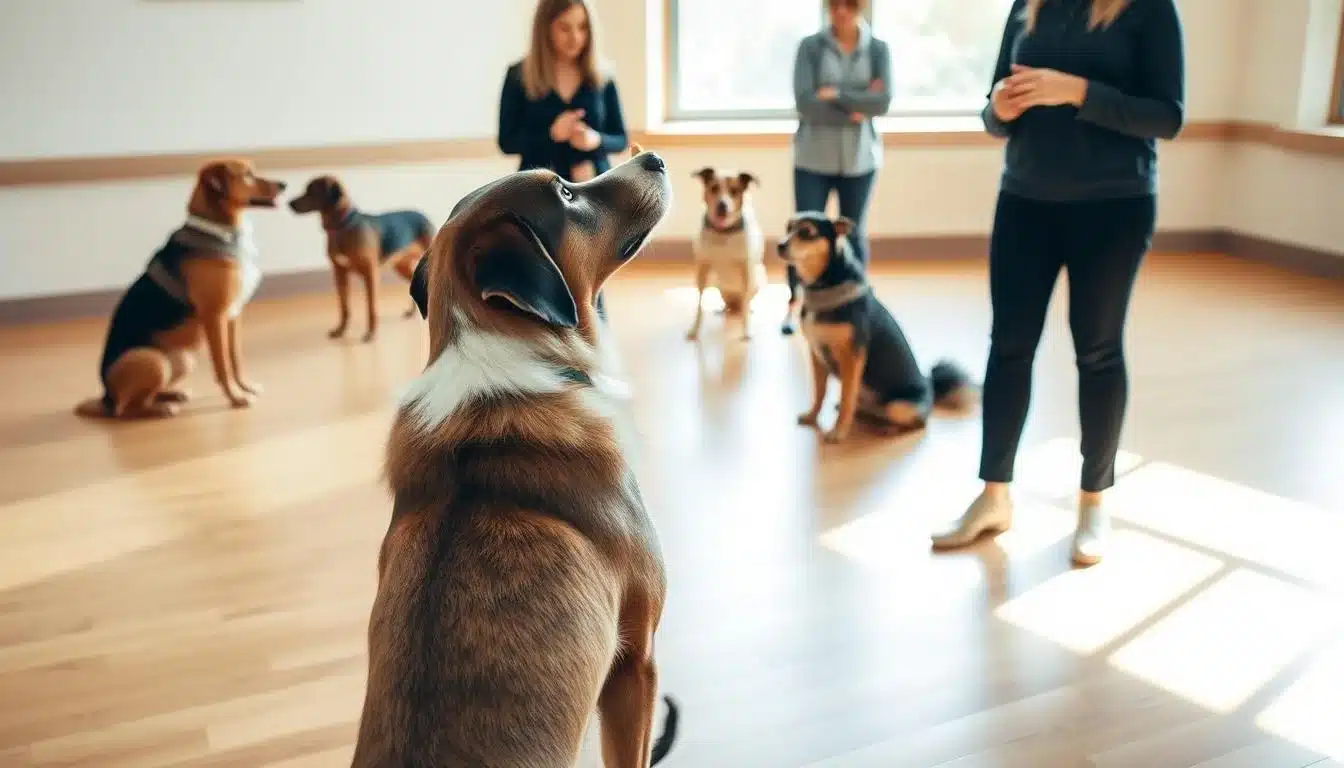
Group classes are great for basic skills and socializing. They offer dogs a chance to meet other animals and people. This setting is affordable and helps build reliable cues in a distracting environment.
Private lessons are better for dogs with unique issues or owners who need personalized coaching. In one-on-one sessions, I can tailor training for aggression, fear, or complex recall problems. This format allows me to adjust training pressure safely and in real time.
What to look for in a group class versus private lessons
Look for small class sizes and a clear lesson plan. Small groups allow me to give each dog timely feedback. Make sure the instructor shows how to do cues and gives owners practice time, not just treats.
For private lessons, look for trainers who do an initial assessment and provide a written plan. Ask about session length, homework, and progress milestones. I value programs that include follow-up check-ins and video reviews.
Questions to ask professional dog trainers
Ask the trainer about their training philosophy. I always ask for credentials, client references, and examples of past results. Make sure they avoid shock collars and prioritize safety.
Ask what drills they emphasize and why. Good trainers explain how they use rewards, pressure, and handle social aggression. I want to know if they teach owners to read their dog's limits and set safe training setups.
How workshops and foundation courses accelerate learning
Short, intensive workshops help dogs and handlers learn quickly. Foundation training courses focus on essential skills like sit, recall, and heel. These courses help handlers build a strong foundation for their dogs.
I recommend checking established resources like AKC training programs when evaluating providers. Seek trainers who teach people to train, not just dogs. This way, your investment in dog training programs will yield lasting results.
| Format | Best for | Typical cost | Key benefits |
|---|---|---|---|
| Group classes | Basic obedience, socialization | Low to mid | Peer exposure, structured lessons, lower cost |
| Private lessons | Individual behavior issues, tailored coaching | Mid to high | Custom plans, hands-on demos, focused problem solving |
| Workshops & foundation courses | Fast skill-building, handler education | Varies (one-day to multi-day) | Intensive practice, handler drills, durable foundation training |
| Video libraries / online programs | Busy owners, supplemental learning | Low to mid | Flexible pacing, repeatable lessons, library of drills |
Canine behavior training: reading your dog and adjusting methods
I start by observing. A dog's mood is shown in small signs: a tucked tail, soft eyes, or a tense wag. These cues help me set the right pace and choose the best training methods.
I figure out what motivates a dog. Is it food, toys, touch, or independence? This helps me balance rewards and pressure. If a dog shows stress, I slow down and simplify the training.
I teach owners a silent language. Clear body language and consistent signals help dogs learn anywhere. Professional trainers who focus on this get better results.
Training sessions are short and focused. I use one cue per command and keep distractions low. This makes learning easier for dogs and owners.
Watching videos and attending workshops helps owners improve. It shows stress signs they might miss. Learning from experts and practicing drills improves skills and empathy.
Here's a simple guide to adjust training based on a dog's temperament and response.
| Temperament | Typical Signs | Recommended Adjustment | Key Training Focus |
|---|---|---|---|
| Food-driven | Bright, eager, fast engagement | Use timed treats, reduce frequency gradually | Reliable recall and structured reward fading |
| Independent | Chooses activities, low attention to handler | Short, high-value sessions; build motivation | Reward timing and game-based motivation |
| Touch-sensitive | Avoids petting, startled by close handling | Work at distance, pair touch with calm rewards | Desensitization and gentle handling drills |
| High sensitivity to pressure | Shuts down or reacts under tight cues | Simplify cues, lower pressure, increase praise | Short reps, clear cue-reward relationships |
| Reactive/social aggression | Tense barking, lunging in triggers | Increase distance, work thresholds, consult pros | Threshold management and controlled exposure |
Obedience training tips for busy owners
Fitting training into a busy day can seem impossible. But, short sessions throughout the day can help. These tips focus on small wins you can do often.
Keep lessons short, 3–10 minutes, and do them 3–5 times a day. Quick sits, recalls, or heel drills add up fast. This method works for all dogs, including puppies.
Use everyday moments for training. Ask your dog to sit at doors before going out. Make them wait calmly before meals. Use the start of walks for heel practice. These small actions make training a part of daily life.
Keep training sessions fun to keep motivation up. Mix rewards like treats, praise, toys, or play breaks. Set small goals for steady progress. When time is short, use short videos or homework from dog training classes for help.
Simplicity and consistency are key. Use the same cues and rewards. Over time, this builds reliable behavior without overwhelming your schedule.
Here's a simple plan you can start today.
| When | Duration | Exercise | Purpose |
|---|---|---|---|
| Morning before leaving | 3–5 minutes | Doorway sit and wait | Impulse control and calm exits |
| Midday break | 5–7 minutes | Short recall drills from 10–20 ft | Reliable recall in distractions |
| Before meals | 2–3 minutes | Sit/stay until bowl placed | Polite mealtime habits |
| Walk start | 5 minutes | Heel and alternating pace | Focus during high-distraction period |
| Evening wind-down | 3–5 minutes | Calm settle and hand-target | Relaxation and connection |
Conclusion
I think obedience training for dogs is a must, not just a nice-to-have. It keeps everyone safe and makes daily life better. I focus on three key skills: sit for impulse control, a reliable recall, and heel work to build a strong bond.
These skills, combined with precise timing and consistent practice, create lasting habits. They help solve problems and make walks and visits more enjoyable for both of you.
Puppy windows, from 7–14 weeks, are great for bonding and recall. But older dogs also benefit from patient, structured training. I use exercises like reverse heel and controlled recalls to help mature dogs.
It's important to tailor training to each dog's temperament and sensitivity. This makes training much more effective than a one-size-fits-all approach.
If you face more serious issues, look for professional dog trainers or structured programs like AKC workshops. Trainers can help with social aggression and complex behavior. Programs offer hands-on guidance to speed up progress.
Remember, keep training simple and safe. Enjoy the journey of strengthening your bond and making everyday moments learning opportunities. With consistent practice and the right support, obedience training will enrich your life together.