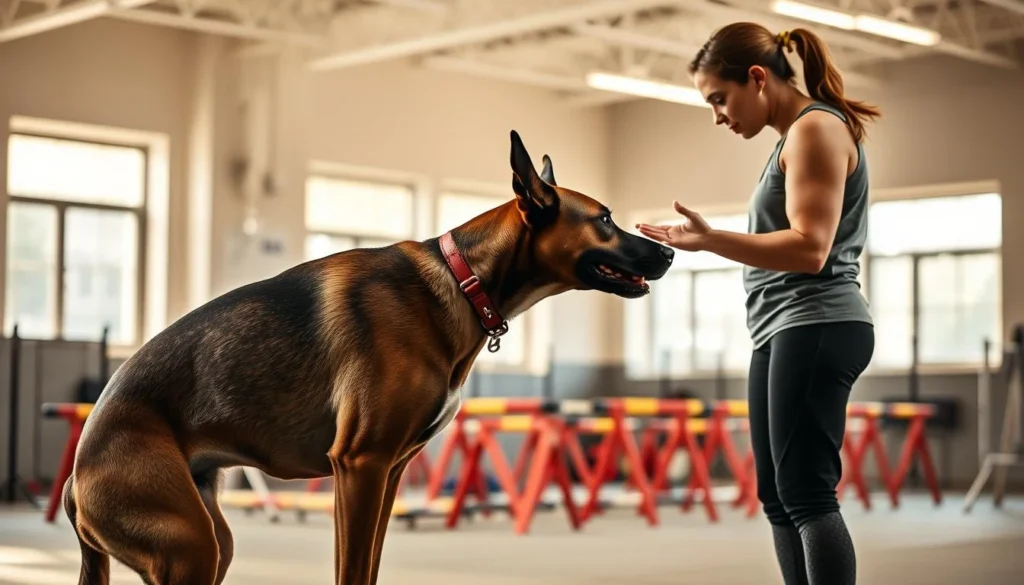
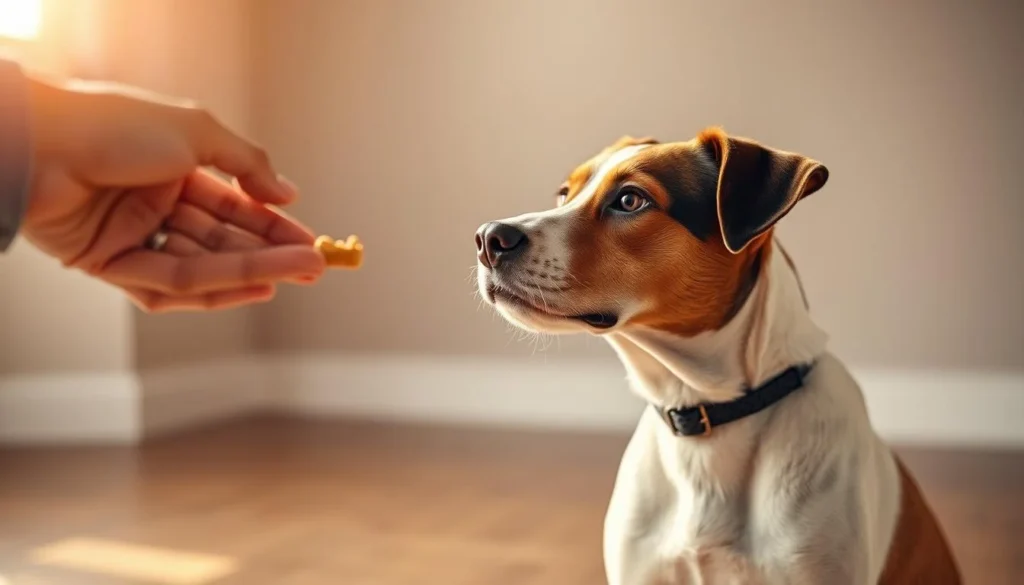
As I sat on the floor, my pup excitedly wagged his tail, anticipating the next treat after successfully executing a command. It struck me how rewarding these little morsels had become, not just for him but for me too. However, I realized that relying on treats in dog training could inadvertently lead to dependency, hindering both our journeys towards independence and understanding. That’s when I began my quest to learn how to phase out treats when dog training effectively. This article will guide you and your furry friend on a path to enjoy engaging training sessions without constantly relying on food rewards.
Key Takeaways
- Understanding why transitioning away from treats is essential.
- Recognizing signs of treat dependency in dogs.
- Gradual reduction strategies for phasing out treats.
- Diversifying rewards to maintain engagement.
- Utilizing intermittent reinforcement effectively.
- Avoiding the pitfalls of bribery in training.
The Importance of Treats in Dog Training
Treats are key in dog training with positive reinforcement. They are tasty rewards and motivators that give dogs instant feedback. Using treats right makes learning fun for my dog.
Why Treats Are Effective Rewards
When I give treats during training, my dog gets excited. This instant reward helps my dog learn fast. It makes training fun and strengthens our bond.
Building a Positive Reinforcement System
Creating a positive reinforcement system needs consistent rewards. I pair new skills with treats to help my dog learn. Each training session makes our bond stronger. Treats make my dog eager to learn, making training rewarding for both of us.
Understanding Treat Dependency in Dogs
As a dog owner, I often think about how important it is to understand treat dependency in dogs. It's tricky to have a healthy relationship with treats. Recognizing treat dependence is key for successful dog training.
Many dogs show signs of this behavior. This can make training sessions without treats unsatisfactory.
Signs Your Dog is Treat Dependent
Spotting treat dependency in dogs can be easy. I've noticed several behaviors that show my dog relies too much on food rewards. Common signs include:
- Only responding to commands when treats are visible
- Showing disinterest in training exercises without treats
- Exhibiting frustration or reluctance during training sessions when no food rewards are present
By recognizing these signs, we can take steps to help our dogs. We can make training more balanced, focusing on behaviors without treats.
Why Some Dogs Only Respond to Treats
It's important to understand why some dogs only respond to treats. This behavior often stems from a reliance on food rewards. Dogs may lose interest in praise or play if they always get treats.
Changing this can be tough. But, by slowly reducing treats, we can make training healthier and more rewarding. This change helps us have better interactions with our dogs.
How to Phase Out Treats When Dog Training
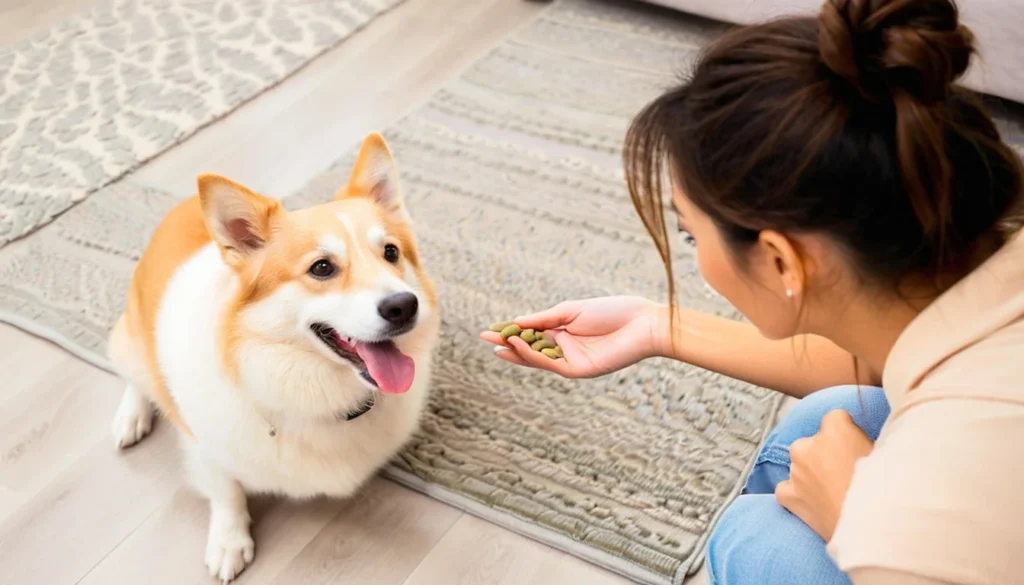
Phasing out treats is a smart move for effective dog training. It's not about cutting out treats completely. Instead, it's about changing how often and what kind of treats we use. This helps my dog learn to respond in different places.
I start by giving fewer treats during training. At first, my dog gets a treat for every command. But as they get better, I give treats less often. This way, my dog learns to follow commands even without treats.
I also use other rewards like praise, playtime, and toys. This makes training fun and keeps my dog interested. It helps them learn to do things without treats.
By keeping up the good work and slowly removing treats, my dog becomes more confident. They learn to listen without needing food. This makes our training sessions better for both of us.
Gradual Reduction of Treats
Starting to phase out treats is a big step. It's not just about stopping rewards. It's about finding the right pace for my dog's learning.
Adjusting how often I give treats keeps my dog excited and eager to learn. This helps a lot during training.
Understanding Rate of Reinforcement
Knowing when to give rewards is key. At first, I give treats often to get my dog started. This builds a strong base.
When my dog gets better, I start giving treats less often. This keeps them interested and happy to do what I ask, without too many treats.
Setting Realistic Goals
Setting goals is important in this change. I make them fit my dog's needs and how they're doing. This helps keep them motivated.
Switching from treats all the time to just when they do their best is good. It helps them grow and feel confident without getting too stressed.

Diversifying Your Rewards
Using different rewards in dog training keeps your dog excited and eager to learn. While treats are great, trying other motivators makes training more fun. Each dog likes different things, so it's key to try many options to find what they love.
Types of Non-Treat Rewards
- Verbal Praise: A simple "Good boy!" or "Well done!" makes my dog happy during training.
- Toys: Giving them toys or balls as rewards is a great way to celebrate their success.
- Physical Games: Playing games like fetch or tug-of-war is fun for them and helps them learn.
Experimenting with Different Motivators
As I get to know my dog better, I see how different rewards keep things interesting. I mix up the rewards to see what works best. This not only makes training more fun but also strengthens our bond. By trying out different rewards, we both enjoy the training process more.
Using Intermittent Reinforcement
Intermittent reinforcement in dog training changes how we teach our pets. It rewards dogs at random, making them stay interested. Dogs get more excited when they don't know when they'll get a reward, just like in gambling.
The Science Behind Random Rewards
Studies prove dogs learn best with random rewards during training. This method keeps them motivated and focused. Dogs become curious and eager for the next reward, making learning fun and exciting.
Encouraging Consistency in Commands
While using random rewards, it's key to keep commands clear. Dogs do better with simple, consistent instructions. Adding random rewards to consistent commands helps dogs learn without getting confused.
| Reinforcement Type | Description | Effect on Learning |
|---|---|---|
| Continuous Reinforcement | Rewards given every time a behavior is performed. | Quick learning, but dependency on rewards. |
| Partial Reinforcement | Rewards given only some of the time. | Leads to stronger retention of behavior. |
| Intermittent Reinforcement | Rewards are unpredictable. | Highly engaging, keeps dog motivated. |
This method makes training fun for dogs and strengthens our bond. It combines consistent commands with the thrill of random rewards. This mix leads to better learning and successful training.
Establishing Clear Cues and Markers
In dog training, clear cues are key to better communication with my dog. Using tools like clickers or specific words helps my dog understand what I want. This clarity makes training more effective and fun.
The Role of Clickers and Verbal Cues
Clickers and verbal cues mark correct actions clearly. They teach my dog to link sounds or words with good behavior, even without treats. Keeping these cues consistent helps my dog learn faster. Clickers also mark the exact moment of the action, helping reinforce it right away.
Maintaining Clarity in Communication
Clear cues are essential to avoid confusion in dog training. By using the same commands and tone, I help my dog learn better. My dog loves repetition and clear signals. This makes training a fun, bonding experience for both of us.
| Type of Marker | Description | Benefits |
|---|---|---|
| Clicker | A handheld device that makes a distinct sound when pressed. | Provides immediate feedback and creates a clear association with desired behaviors. |
| Verbal Cue | A specific word used consistently to command or signal behavior. | Establishes familiarity and consistency, leading to better understanding. |
Avoiding Bribery in Dog Training
When I train my dog, it's key to know the difference between bribery and rewards. Many use treats to get dogs to do tricks, which can mess up their training. It's important to understand bribery vs. rewards to build a strong bond and respect between us.
Understanding the Difference Between Bribery and Rewards
A bribe is about getting something right now, while a reward is about good behavior over time. Using bribes can make dogs only do tricks for treats, not understanding the commands. By avoiding bribes, my dog learns for itself, not just for food.
Focusing on Progress Rather Than Payouts
I focus on my dog's progress, not just treats. This makes them truly understand commands. I celebrate small wins and teach the value of learning, not just rewards. This makes training fun and builds a strong bond.
Weaning Off Treats Effectively
Weaning off treats is key in dog training. It helps dogs learn good behavior without treats. The goal is to move from treats all the time to just sometimes. This keeps dogs interested and focused.
When and where you give rewards matters a lot. It's all about the timing and setting.
Moving from Frequent to Occasional Rewards
Start by giving treats often during training. Then, slowly make them less frequent. This teaches dogs to wait and not always expect a treat.
It makes them learn to behave well without treats all the time.
Being Mindful of Timing and Context
Timing is everything in dog training. Rewarding your dog right after they do something good is best. It shows them the link between their actions and the reward.
Maintaining Engagement During Training
To keep dog training effective, it's key to keep your dog engaged. I've found that engaging dog training sessions boost my dog's response and our bond. Making training fun turns a routine into a joy for both of us.
Creating Fun and Stimulating Training Sessions
Adding variety to training keeps my dog excited and ready to learn. Sessions packed with fun in training include new tricks, different spots, or games. This keeps boredom away and lets us get creative with skills.
Trying out different activities targets various mental and physical skills. It makes our learning journey richer.
Incorporating Play and Activities as Rewards
Using play as rewards is a top strategy for me. It links commands to fun, motivating my dog to do tasks well. After a command, we play a quick game of fetch or tug-of-war.
This method strengthens learning while making it fun. It creates special moments we both love.
Challenges in Phasing Out Treats
Getting rid of treats in dog training can be tough. Dogs used to treats might get frustrated when they're gone. It's important to be gentle and understand their feelings.
Watching how they react helps me change my training plans. This makes sure they learn well.
Overcoming Frustration in Dogs
Dogs can feel frustrated without treats. As a trainer, it's key to see this. I change my training to keep them interested and happy.
I use fun activities or playtime instead of treats. This keeps them excited to learn.
Recognizing Progress and Adjusting Strategies
It's important to celebrate small wins. I always notice and praise my dog's progress. This keeps us both motivated and encourages good behavior.
I'm always ready to change my plans if needed. This makes the transition away from treats positive and effective.
Conclusion
Phasing out treats in dog training is a big step. It helps my dog learn on their own and strengthens our bond. By using fewer treats and offering different rewards, training becomes more effective.
This method lets my dog learn without needing a treat every time. It makes training more balanced and fun for both of us.
My last thoughts on dog training are about patience and consistency. As I stop using treats, my dog starts to listen more to me. They even get excited about praise and play.
This change shows that training can be rewarding in many ways. It makes my dog happier and more well-behaved.