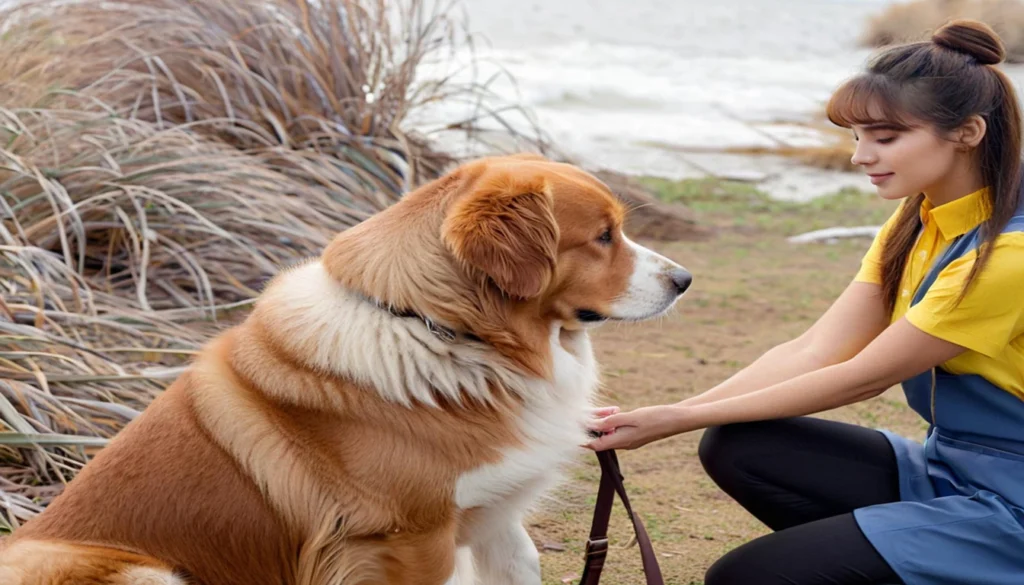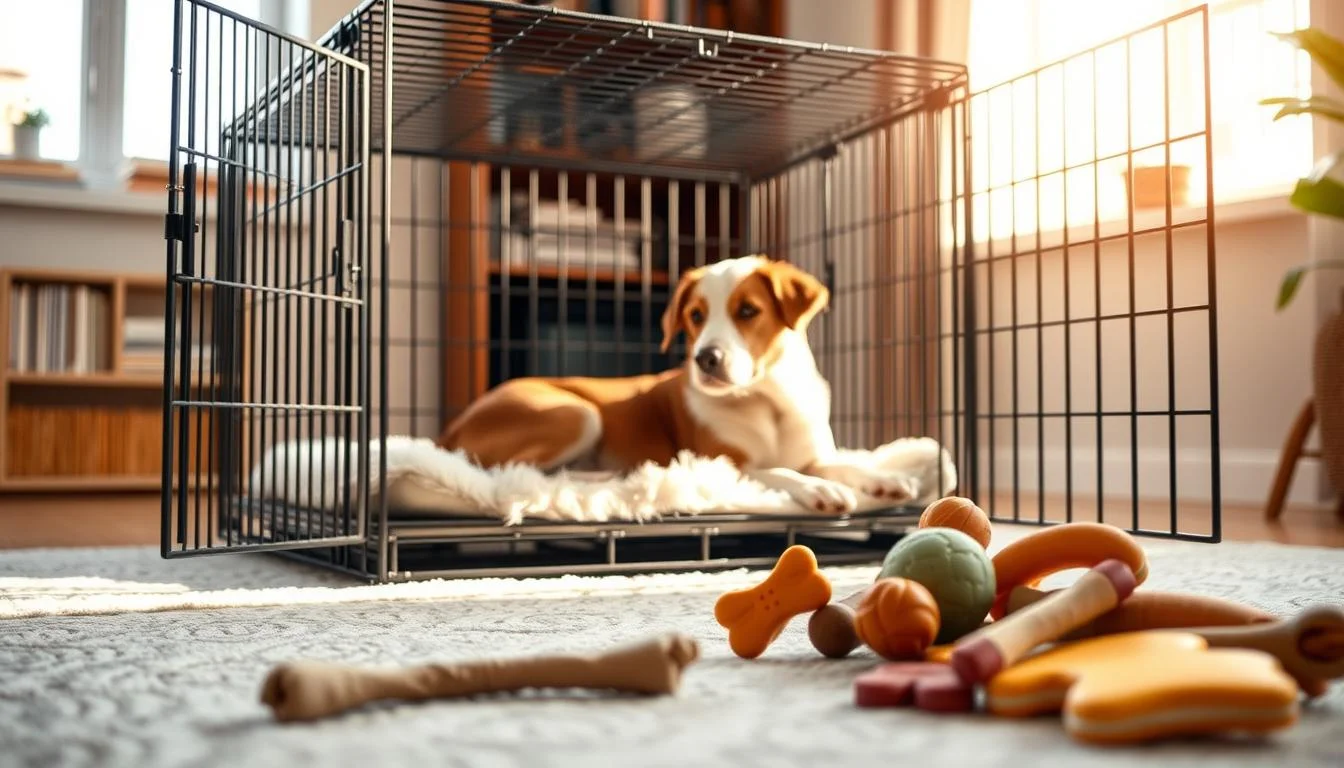
When my first Labrador mix, Rosie, trembled on our first car ride, I felt a knot of worry. I wanted travel to be safe and calm for her. I also wanted a home routine that helped her settle without stress. This led me to learn the basics of dog crate training.
I built a gentle, consistent approach that put Rosie's comfort first. In this guide, I share practical, humane steps for home and travel. I explain why crate training matters: safety in cars and planes, a safe space at home, and a tool for house training and separation.
I also address the debate around crates. I show how to use them responsibly, making a crate a positive refuge, not a punishment.
I wrote this guide as a friendly, first-person roadmap. It covers choosing the right crate, easy introductions, and ways to reduce travel anxiety. My goal is to give you clear advice you can follow on any device. This way, training stays consistent and stress-free for you and your dog.
Key Takeaways
- Crate training offers safety for travel and a secure, den-like place at home.
- Create positive associations using treats, meals, and calm introductions.
- Choose the right crate size and type for both home comfort and airline/car safety.
- Use crates responsibly and for limited periods to avoid ethical concerns.
- Consistent, step-by-step plans make dog crate training basics easier to follow.
Why Crate Training Works and Why I Use It
I use crate training because it gives dogs a calm, predictable place to retreat to. A well-introduced crate becomes a safe spot for rest, away from chaos. My method focuses on short, positive sessions to build trust and ease.
The den instinct and how crates mimic a safe space
Dogs have a natural instinct to seek small, sheltered spaces. When I set up a crate with soft bedding and familiar scents, it appeals to their nesting drive.
I introduce the crate calmly, letting the dog explore with the door open. This approach supports humane crate use and lets the dog choose the crate willingly.
Benefits I’ve seen: house training, settling, separation training
Crate use helps with house training because dogs avoid soiling their sleep area. I pair crate sessions with outdoor breaks to build reliable habits.
For settling, a crate offers a quiet space after play or company. It also reduces stress in travel and vet visits, making transitions smoother.
Separation training benefits from a crate as part of a routine. I use gradual departures and reward calm behavior to teach tolerance without forcing confinement.
When a crate is not appropriate and ethical concerns
Crates aren't a solution for all problems. Dogs with severe confinement distress need other solutions and support from a trainer or behaviorist.
Long crating periods can harm a dog's welfare. I follow guidelines to limit daytime crating and ensure the crate remains a positive choice, not punishment.
Selecting the Right Crate for Travel and Home
I choose crates based on where they'll be used and how my dog acts. A travel crate must meet airline rules, unlike the ones for home. The right crate ensures comfort, safety, and success in training.
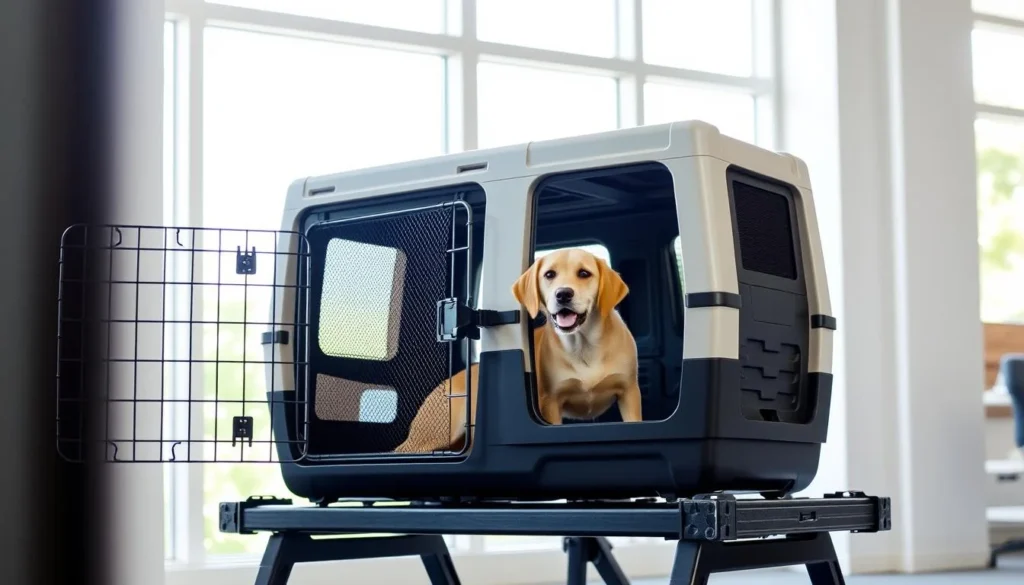
Airline-style crates are best for long trips because they feel like a den. At home, wire crates offer visibility and air. Soft-sided crates are okay for short rides but not for flying.
Getting the right size is crucial. I measure my dog from nose to tail and from paw to head. Then, I add 4–6 inches for comfort and room to move.
For long trips, I check the crate's hardware and build. It should have secure latches, metal bolts, and good air flow. Airlines often require specific features for safe travel.
I keep a comparison list to quickly choose the best crate for each trip and training phase.
| Crate Type | Best Use | Pros | Cons |
|---|---|---|---|
| Airline-style crate | Cargo flights, heavy travel | Solid, den-like, airline-approved, sturdy hardware | Bulkier, less breathable than wire, heavier |
| Wire crate | Home, car trips, indoor settling | Excellent ventilation, visibility, foldable for storage | Less privacy, can rattle in car without padding |
| Soft-sided crate | Short trips, calm adult dogs | Lightweight, portable, cozy | Not airline-approved, less durable, risky for chewers |
I follow a training guide to pick the right crate for each stage. Early on, a snug crate is best. As training advances, I switch to more open crates for comfort and visibility.
For car rides, I add non-slip mats and secure the crate. For flying, I check for metal bolts and ventilation. I also use zip ties if allowed by the airline.
Following crate sizing rules makes travel easier. Measure, add comfort space, and check airline sizes before you go. The right crate reduces stress and aids in training.
dog crate training
I start with a comfort-first approach that makes the crate a safe choice for my dog. I keep sessions short and upbeat. I build time slowly so the crate becomes a welcome pause, not a place of stress.
Core principles I follow for consistent training
I introduce the crate early and let my dog explore on their own. I never force entry or use the crate as punishment. I set clear limits: most adult dogs should not be crated more than three to four hours during the day unless resting after exercise or a walk.
I pair crate time with predictable routines. Before longer sessions, I provide exercise, a short training set, and a bathroom break. I keep sessions frequent but brief at first, then lengthen them as tolerance grows.
Creating a positive association with treats, toys, and meals
I reserve high-value treats like cooked chicken and special toys for crate moments. I toss treats near and inside the crate to encourage voluntary entry. Meals start outside and slowly move into the crate until my dog eats comfortably inside.
For alone time, I use stuffed Kongs or long-lasting chews. These items turn the crate into a reward center and reinforce a positive crate association over repeated sessions.
Setting a realistic crate training schedule that fits your dog
I match the dog crate training schedule to age and energy. Puppies need more frequent breaks and naps. Adult dogs can handle longer intervals when they get exercise first.
Here is a sample plan I use to balance rest, exercise, and training:
| Age / Type | Activity Before Crate | Recommended Max Daytime Crate | Notes |
|---|---|---|---|
| Puppy (8–16 weeks) | Short play, potty break, basic training | 30–60 minutes per session | Frequent potty checks; naps often; build tolerance slowly |
| Adolescent (4–12 months) | Longer play, mental work, brief walks | 1–2 hours per session | Increase duration gradually; keep enrichment high |
| Adult (1–7 years) | Exercise, training sets, social time | 3–4 hours per session | Combine with walk and interactive toys for calm settling |
| Senior (7+ years) | Gentle walks, short play, comfy bedding | 1–3 hours per session | Watch for discomfort; adjust for mobility and bathroom needs |
I keep the dog crate training basics in mind when I plan each day. Short, consistent steps and steady rewards create trust. That trust becomes the foundation for a long-lasting positive crate association and a workable dog crate training schedule.
Step-by-Step Crate Training Basics
I guide you through crate training with a calm, step-by-step approach. This keeps your dog comfortable and confident. We focus on a gentle introduction, luring, rewarding, and patient door habituation. This makes the crate a safe, welcoming space.
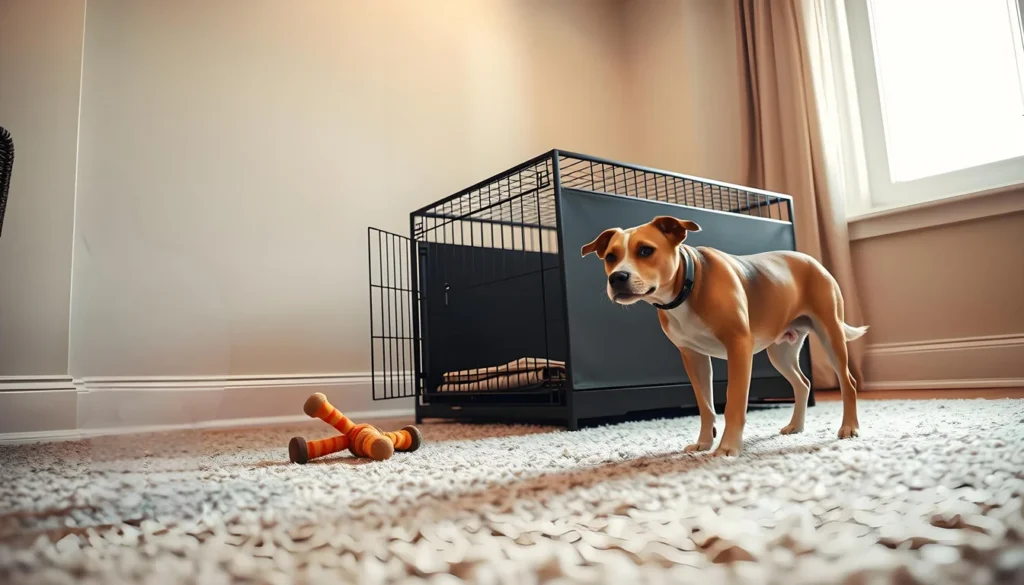
Initial introduction: placement, open-door exploration, bedding
I place the crate in a social area like the living room. This is where the family spends time together. I leave the door open and add a soft bed, a favorite toy, and an old t-shirt with my scent.
I sit quietly nearby, letting the dog explore at their own pace. For young puppies, I mount a small water bowl to the crate to avoid spills.
Luring, rewarding, and marking the behavior
I use high-value treats like small bits of chicken or cheese to lure the dog inside. Each time the dog enters, I mark the moment with a clear sound like “yes” or a clicker and give a reward. I toss treats deeper into the crate to teach the dog that the crate predicts good things.
I feed regular meals inside once the dog is comfortable with short entries.
Gradually closing the door and increasing time inside
I start by opening and closing the door without letting it latch while rewarding calm behavior. Next, I close the door for a few seconds, open it, and reward immediately. I lengthen closure time slowly, always ending on a positive note by releasing the dog and giving praise or a treat.
When the dog stays calm with longer closures, I step just out of sight for brief periods. I use long-lasting chews to help them relax.
I include short car rides with the crate once the dog tolerates closed-door sessions. This aids travel acclimation. I watch the dog closely for any signs of stress and slow the pace if needed. This dog crate training guide keeps each step small, clear, and consistent. Progress feels natural for both of us.
Handling Nighttime Crate Training and Crying
I create a calm bedtime routine for my dog. This helps them learn to sleep through the night. I place the crate in a spot where we spend time together. If needed, I move it next to my bed for a few nights.
How I set up a nighttime routine and crate location
I pick a quiet spot for daytime rest and move the crate to the bedroom at night. I use the same bedding and a familiar blanket to reduce stress. Before bed, I give a calm walk and a trip to the grass to help with bladder control.
Why nighttime crying happens and when to ignore vs. respond
Whining or crying at night is often for attention or a brief protest. If the puppy whines then settles, I ignore it. This stops the crying from being rewarded. If they're really upset and can't calm down, I move the crate closer and slow the training.
Practical tips: comfort items, bedtime rituals, pacing the exits
I add safe comfort items like a stuffed Kong and a chew-safe blanket. I avoid small pieces that could be a choking hazard. When releasing the puppy at night, I take them to grass first to reinforce toileting outdoors.
| Problem | Action I Take | Why It Works |
|---|---|---|
| Brief whining then quiet | Ignore until silence; reward calm behavior in morning | Prevents reinforcing attention-seeking vocalization |
| Persistent crying and inability to settle | Move crate beside my bed; slow training progression | Provides comfort and builds tolerance without escalation |
| Nighttime toileting accidents | Final outdoor trip before lights-out; immediate grass visit at release | Teaches bladder control linked to outdoor toileting |
| Anxiety in new sleeping locations | Keep the bedtime ritual the same; use familiar bedding | Consistent cues lower stress in unfamiliar settings |
| Safety of bedding | Use chew-resistant, non-toxic bedding and safe toys | Reduces choking risk while keeping crate inviting |
When I practice dog crate training at night, I stay patient and consistent. If the crying persists, I seek advice from a trainer or vet. My goal is a calm nighttime routine that makes the dog feel safe and helps us all sleep better.
Managing Anxiety: Crate Training an Anxious Dog
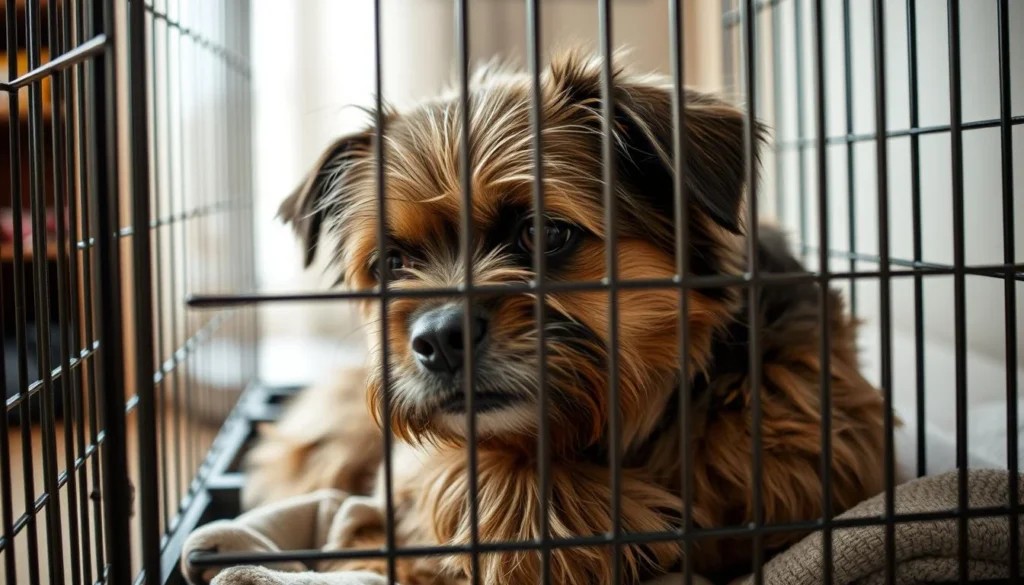
I work with anxious dogs every week. I know how to tell if they're really scared or just whining for attention. A calm, step-by-step plan usually makes them feel safe. Here's how to spot when a dog is really upset, use gradual steps to help them get used to being alone, and when to get professional help or try other solutions.
Recognizing distress versus attention-seeking vocalization
Short whines that stop when ignored are usually for attention. But if a dog keeps barking, tries to escape, drools, paces, or hurts itself, it's a sign of real distress. If their behavior gets worse every time you leave, it's time to change your approach.
Graduated departures and building tolerance gradually
I start with small steps: seconds, not minutes, away from the dog. I reward them for being quiet and only come back when they're calm. I use long-lasting chews for the first few seconds and slowly increase the time over days and weeks.
- Begin with 5–10 second separations in another room.
- Reward calmness, not noise; wait for silence before returning.
- Mix short practice sessions with regular exercise and mental work.
Digital resources can help. I recommend a structured dog crate training guide. It outlines step-by-step desensitization and gradual departures. Many ebooks and virtual classes offer clear schedules you can follow at home.
When to seek behavior support and alternatives to extended crating
If your dog becomes destructive, hurts itself, or fears being in a crate, get help from a certified animal behaviorist or a professional dog trainer. They can help figure out if a special plan or medication is needed.
There are other options besides crate training. Consider exercise, a fenced yard, a dog door to a safe room, doggy daycare, or a reliable dog walker. These alternatives can help reduce isolation and prevent separation anxiety crate training problems.
I always keep the keywords in mind when coaching owners. Crate training an anxious dog needs patience and a clear guide. For dogs with separation anxiety, crate training must be gradual, kind, and adjusted when progress slows.
Using the Crate for House Training and Settling
I use the crate to help with house training and teach my dog to be calm. It's a natural way to manage when they go to the bathroom, rest, and need quiet time. This makes training easier and more predictable.
How a crate leverages nest-site inhibition for bladder control
Puppies start to avoid soiling their sleeping area around six to seven weeks. By teaching them to see the crate as their den, I help them learn to control their bladder. This is a key part of dog crate training.
I make sure the crate is clean and take my puppy outside often. This way, the crate is only for sleeping, not for going to the bathroom. This clear rule helps them learn faster.
Timing crate sessions to encourage toileting outdoors
Timing is everything. I take my puppy outside right after I open the crate. This links the crate to going to the bathroom, helping them learn.
Young puppies need to go out often because their bladders are small. I take them out every hour or two. This helps prevent accidents and teaches them to go outside when they need to.
Helping puppies settle: quiet time, naps, and learning to calm down
Puppies sleep a lot, up to 20 hours a day. I use the crate to make sure they get quiet time for naps and to rest after play. This helps them learn and remember what they've learned.
If my puppy is too excited or nippy, I give them a stuffed Kong or safe chew in the crate. This helps them calm down without getting in trouble. It teaches them to relax when they need to.
Crate Training Schedule and Daily Routine Ideas
I create a simple daily plan for most homes. It keeps dogs calm, confident, and well-rested. My method mixes crate training basics with good timing, making the crate a safe space, not a punishment.
For adult dogs, I suggest short crate times during the day. For example, 60–90 minutes after a walk or training. Don't crate them for more than 3–4 hours to avoid stress and keep their bladder healthy.
Puppies need more breaks. I follow a rule: one hour of awake time per month of age, then a crate break. This helps link toileting, play, and rest in a predictable cycle.
Before crate time, I plan exercise, play, and training. A 20–30 minute walk or 10–15 minute training session calms high-energy breeds. Choose activities based on breed, age, and energy level to help them relax in the crate.
After crate time, I give a brief active period to reset their energy and reinforce house rules. Short sessions help reinforce cues and prevent restlessness when they return to the crate.
For full-day absences, I recommend practical care options. A fenced backyard with a dog door and a secure indoor area works for many. Doggy daycare, professional walkers, or scheduled neighbor visits cover social needs and reduce confinement.
If confinement is needed for safety, I use a crate with restricted indoor zones. Place the crate near a dog door for easy access. Long-lasting chews, stuffed Kongs, and a secure crate setup make longer periods safer during travel or separations.
| Age / Situation | Suggested Crate Session Lengths | Pre-crate Activity | Best Full-day Care Options |
|---|---|---|---|
| Puppy (8–16 weeks) | 30–60 minutes awake; frequent breaks every 1–2 hours | Short play, potty break, gentle training | Frequent at-home breaks, dog walker, or neighbor help |
| Older Puppy (4–6 months) | 1–2 hour sessions with potty breaks | Longer play, brief training, mental games | Doggy daycare part-time, supervised yard access |
| Adult (1–7 years) | 60–180 minutes, max 3–4 hours during day | 45–60 minutes exercise or focused training | Dog door to fenced yard, daycare, scheduled walker |
| Senior | Shorter, frequent sessions to match comfort | Gentle walks, low-impact play, enrichment toys | At-home care, shorter outings, in-home sitter if needed |
Preparing Your Crate for Comfort and Safety
I make my dog's crate a cozy and safe space before starting crate training. A calm, comfy crate helps my dog learn faster and feel less stressed for travel and daily use.
Every time I set up the crate, I include a few essential items. A soft, washable bed is the base. I add a favorite toy and a stuffed Kong or chew to keep my dog busy. A small water bowl that hangs from the crate keeps water available without spills.
I choose scent items that smell like home. A thin blanket or an old t-shirt comforts my dog. In the evenings, I sometimes cover the crate with a light sheet to help my dog nap longer.
I place the crate in a central area of the house. This way, my dog feels part of the household. At night, I move the crate closer to my bedroom for extra comfort.
For car trips, I secure the crate to prevent it from sliding. I add a non-slip mat for better footing. I also check the crate's ventilation and remove any sharp edges. Wire crates are good for car trips, while airline-style crates meet flight rules.
Before flying, I check the airline's requirements. I inspect the crate's metal hardware, bolts, and ventilation. I use zip ties if allowed for extra security and choose durable, water-resistant materials.
Below is a compact comparison I use to decide what to pack and how to set up for home or travel.
| Item | Home Use | Travel Use |
|---|---|---|
| Crate bedding | Soft, washable bed; light sheet at night | Low-profile, non-slip pad; water-resistant cover |
| Toys and chews | Favorite toy and stuffed Kong for comfort | Secure chew; no loose small toys that can shift |
| Scent items | Worn t-shirt or blanket from home | Small scent cloth only; avoid soaking the crate |
| Water | Hanging bowl to reduce spills | Bolted or secured water container; check airline rules |
| Security | Latch checked; no sharp edges | Metal hardware, bolts, leak-proof bottom; zip ties if allowed |
| Placement | Central social area; bedside at night if needed | Secured in vehicle; ventilation and anchor points |
By following these steps, I see my dog become calmer and learn crate training faster. This practical approach ensures my dog feels safe at home and during travel.
Conclusion
I've covered the basics of dog crate training and why it's effective. Crates provide a cozy space, help with house training, and teach dogs to be independent. With the right crate and a good guide, you can make a crate a safe haven for your dog.
My method is all about gentle steps. Choose the right crate, use treats and toys to make it positive, and stick to a schedule that suits your dog. For more help, check out ebooks or virtual classes.
Crates are great, but they're not for every dog. Don't keep a dog in a crate for too long, punish them, or force them if they're upset. If your dog has separation anxiety or phobias, get help from a pro. Follow this guide and the basics to keep your dog happy and well-adjusted.