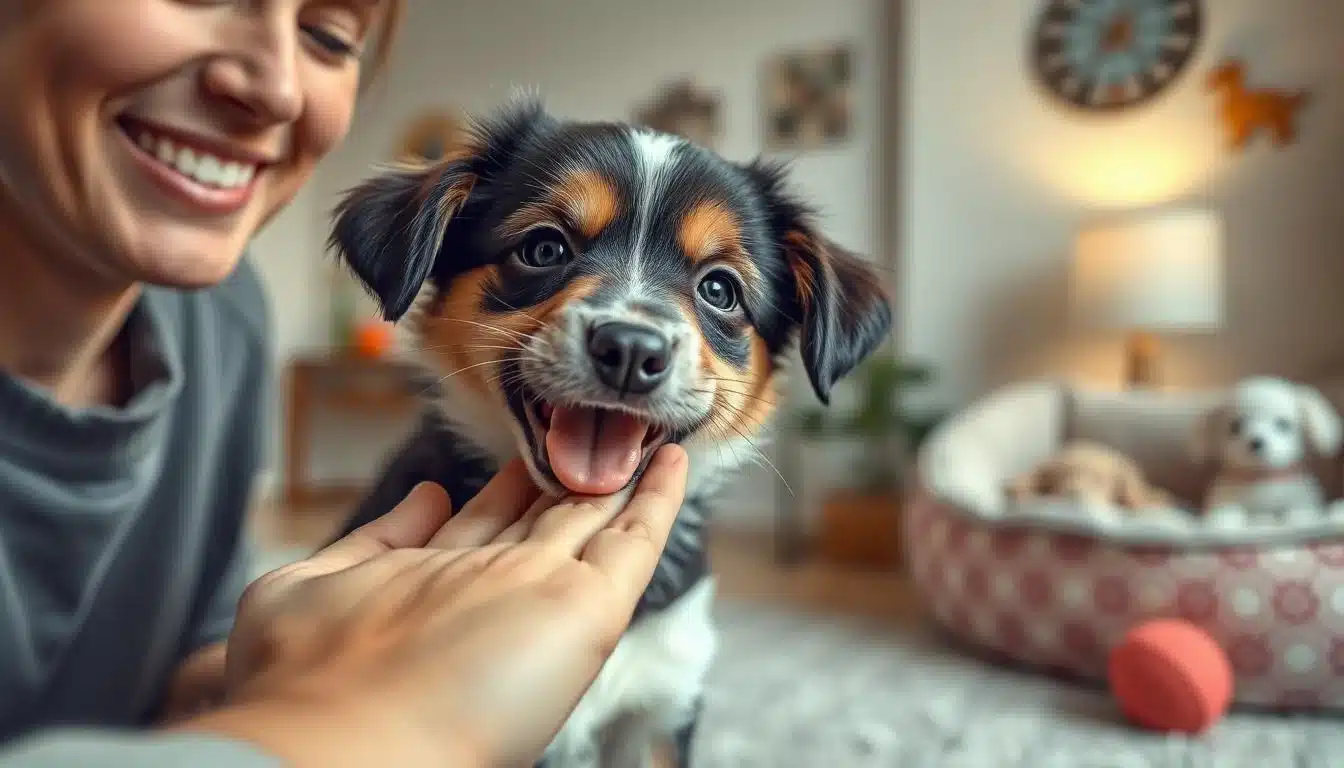
Being a puppy parent is filled with joy, especially when they explore the world with curiosity. But, when those playful nibbles start to hurt, it's time to act. I know how it feels when your puppy bites, thinking it's love and attention.
Learning to stop puppy biting is key. Puppies use their mouths to explore, but we need to teach them to play gently. This article will show you how to prevent puppy biting and train them to play nicely.
Key Takeaways
- Puppy biting is a natural behavior that requires guidance.
- Understanding your puppy’s biting instincts is crucial in training.
- Effective strategies can help you stop puppy biting before it becomes problematic.
- Consistent training leads to long-term behavior management.
- Redirecting attention towards appropriate toys is essential for biting prevention.
Understanding Puppy Biting Behavior
Puppy biting is a common and natural behavior. It's important to understand why puppies bite. They might bite due to playfulness, exploration, or to ease discomfort during teething. Knowing the reasons behind these bites helps both the puppy and the owner.
Why Do Puppies Bite?
Puppies bite to interact with their world. They use their mouths to explore textures, tastes, and sensations. Playtime helps them learn social skills and boundaries with others.
Biting during play teaches puppies about their strength and control. It's a way for them to engage with others.
Normal vs. Problematic Biting
It's crucial to tell normal from problematic biting. Normal biting is gentle during play and doesn't hurt. Problematic biting can be too hard or show aggression, causing discomfort or injury.
Knowing the difference helps in addressing the behavior and training the puppy. This way, we can ensure their safety and well-being.
The Importance of Bite Inhibition
Bite inhibition is key for a puppy's growth. It helps dogs control their bite strength, so they won't hurt anyone. Teaching puppies not to bite during play is crucial for safe interactions with people and other pets.
What is Bite Inhibition?
Bite inhibition means a dog can control how hard it bites. Puppies use their mouths to explore, making this skill very important. When they play, a yelp from a littermate tells them to ease up. This teaches them to adjust their bite, a vital lesson in their early days.
How Puppies Learn to Control Biting
Teaching puppies not to bite starts early. As they grow, they learn what's okay to bite through play with others. Here's how they learn:
- Playing with littermates that give feedback through yelps or gentle corrections.
- Playing with humans who show them what's okay to bite through consistent responses.
- Using toys instead of biting people, teaching them to mouth things other than skin.
Bite inhibition prevents injuries and helps dogs grow into well-adjusted adults. Learning these early lessons shapes our puppies' future behavior.
Effective Techniques for Deterring Puppy Biting
Training a puppy is a fun challenge. But, dealing with puppy biting can be tough. It's key to know how to stop this behavior for the puppy's happiness and your peace of mind. Two good ways are yelping to stop biting and using time-outs.
The Role of Yelping or Making a High-Pitched Sound
When a puppy bites, a high-pitched yelp can teach them a lesson. It's like feedback from another dog. This sound tells the puppy their bite is too hard.
In my experience, yelping helps puppies learn their limits. It makes them think about their actions. Hearing that sound makes them pause and rethink what they're doing.
Time-outs after biting teach puppies that biting means playtime ends. This rule shows them that biting stops our play. By doing this often, my puppy learns biting has consequences.
Time-outs give the puppy a chance to calm down. They think about better ways to play.
Redirecting Puppy Attention to Appropriate Chewing Options
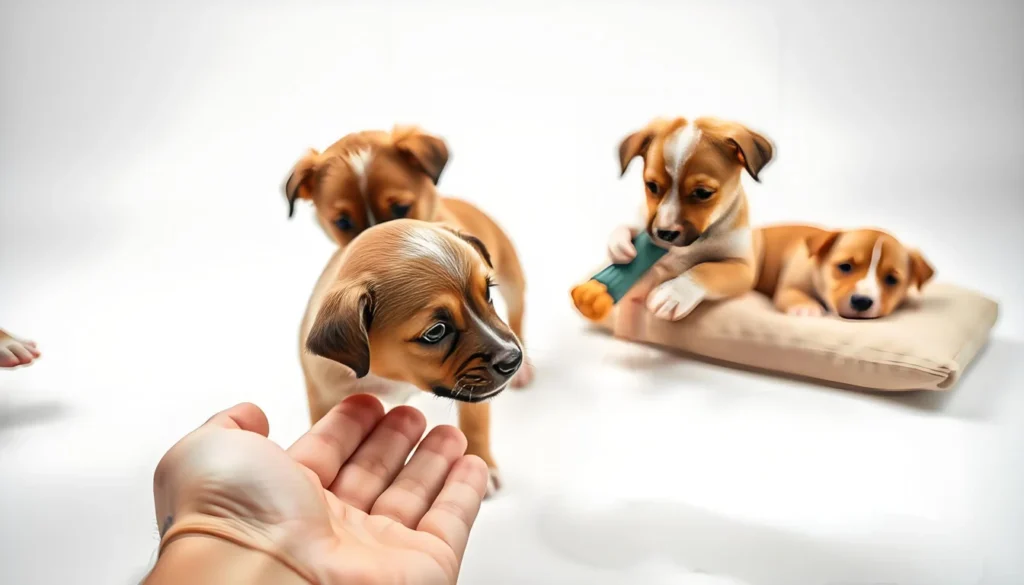
Redirecting puppy attention from biting is key in training. The right chew toys can make a big difference. When my puppy bites my hands or furniture, I give them a chew toy instead. This teaches them what's okay to chew on and satisfies their natural urge to chew.
Choosing the Right Chew Toys
Not all chew toys are the same. Picking durable and safe ones is important. When picking chew toys, consider these factors:
- Material: Rubber or nylon is best because they can handle tough chewing.
- Size: Make sure the toy fits your puppy's breed and age.
- Engagement: Toys that squeak or have fun textures keep puppies interested.
Substituting Human Contact with Toys
During play, it's important to switch my puppy's biting from me to toys. Giving a toy when they try to bite me teaches them good chewing habits. Knowing when to switch helps us both have fun. Consistently redirecting their biting helps my puppy learn what's okay to chew.
| Chew Toy Type | Benefits | Recommended Age |
|---|---|---|
| Rubber Toys | Durable and safe for strong chewers | All Ages |
| Nylon Bones | Satisfies chewing instincts; long-lasting | Puppies 6 months and older |
| Interactive Toys | Engages puppy's mind while satisfying their need to chew | All Ages |
Choosing the right chew toys and using them instead of human contact helps reduce biting. By doing this, I create a positive space for my puppy to grow.
Socializing Your Puppy
Socializing your puppy is key for their growth. Early exposure to different places and experiences helps them grow into well-adjusted adults. Playing with other dogs teaches them important communication skills.
Playtime with other dogs is incredibly beneficial. It helps puppies learn social cues and how to play right. This is crucial for their development.
Benefits of Playtime with Other Dogs
Playing with other dogs helps puppies learn vital social skills. They learn about boundaries, controlling their bites, and reading body language. This playtime boosts their confidence and helps them form better relationships.
It also provides a fun way to reduce unwanted mouthing behaviors. When my puppy plays with others, it makes them more relaxed and well-behaved.
Enrolling in Puppy Classes for Social Skills
Signing up for puppy classes is a great way to socialize your puppy. These classes offer a safe space for puppies to play and learn together. They also learn important commands and manners.
By attending these classes, my puppy becomes more confident and well-rounded. It helps prevent issues like biting and ensures they behave well.
How to Encourage Gentle Play
It's key to encourage gentle play in puppies to help them grow up well-mannered. Playing without touching helps us bond and keeps them from biting too much. It's a fun way for them to learn how to play right.
Teaching Non-Contact Forms of Play
Non-contact play means chasing toys or playing games without touching. This way, we can play together without worrying about bites. Toys made for this kind of play make it even better. Here are some good ones:
- Using balls for chasing
- Interactive puzzle toys
- Feather wands or similar items
Promoting Fetch and Tug-of-War Games
Fetch and tug-of-war are great for gentle play and strengthening our bond. These games help us play well together and avoid biting. Here's how to make them work:
- Use soft, durable toys for tug-of-war
- Establish clear rules, like letting go on command during tug-of-war
- Incorporate breaks to prevent overstimulation
Time-Outs as a Method for Discouraging Puppy Biting
Time-outs are a great way to teach puppies not to bite. If a puppy bites too hard or too much, a time-out tells them it's not okay. It helps them learn what's acceptable and gives them a chance to calm down.
Implementing Effective Time-Out Techniques
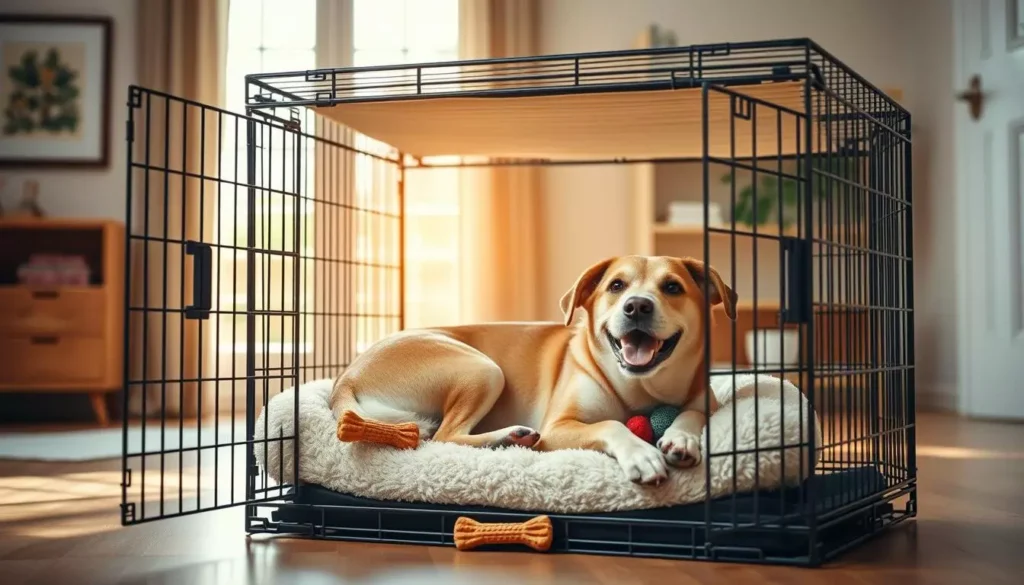
Using time-outs right means being calm and consistent. If a puppy bites, take them away from the play area right away. A quiet room or crate is a good spot for time-outs. Keep it short, about two minutes.
This teaches the puppy that biting means no more play. It helps them learn better behavior for the future.
Recognizing When to Use Time-Outs
Knowing when to use time-outs is key. If a puppy bites hard or too often, it's time for a break. This shows them that biting is not okay.
Watching your puppy's energy and play helps you know when to step in. This way, time-outs work well to stop puppy biting.
Understanding When Biting Becomes Aggression
It can be hard to tell when a puppy's biting turns aggressive. Knowing this change is key to keeping everyone safe. Spotting aggression early helps manage a puppy's behavior better.
Identifying Signs of Fear or Frustration
Fear or frustration often shows up in biting. Growling, stiff body, or a low tail are common signs. These tell me my puppy might feel scared or upset.
Differences Between Play Biting and Aggressive Biting
Play biting is softer and more relaxed. Aggressive biting is harder and urgent. Knowing the difference helps me respond right to my puppy's actions. Quick action on fear-based aggression makes my puppy feel safer and less likely to bite.
Common Mistakes to Avoid When Training
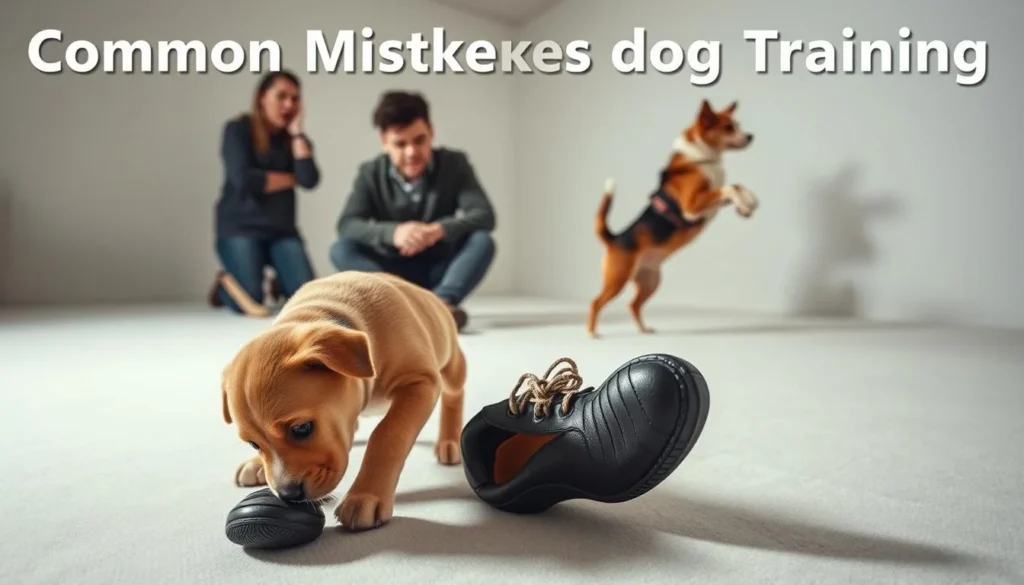
Training a puppy is exciting, but knowing common mistakes is key. Owners might think rough play is fun, but it can lead to biting. It's important to know how to play with your puppy to set the right boundaries.
Encouraging Biting Through Play
Rough play can make puppies think biting is okay. I prefer gentle play to teach them biting is not right. Playing fetch or tug-of-war with rules helps them learn what's acceptable.
Using Physical Punishment and Its Effects
Physical punishment is a big no-no. It can make puppies scared and aggressive. Instead, I focus on rewarding good behavior and building trust. This way, we learn together in a calm, supportive way.
| Mistake | Description | Alternative Approach |
|---|---|---|
| Rough Play | Encouraging biting through aggressive games. | Engage in gentle and structured play. |
| Physical Punishment | Using any form of physical reprimand. | Focus on redirecting behaviors positively. |
| Inconsistency in Commands | Using different commands for the same behavior. | Maintain consistent commands and responses. |
| Neglecting Socialization | Failing to expose puppies to various environments. | Regularly socialize with other puppies and people. |
By avoiding these mistakes and not using physical punishment, we create a healthy training space. This helps our puppies grow and thrive.
Encouraging Positive Behaviors Through Reinforcement
Training a puppy is all about positive reinforcement. This method is key for teaching them to be calm. By rewarding good actions, we build strong habits and a closer bond.
Offering Treats for Calmness and Gentleness
Teaching self-control is easy with treats. When my puppy stays calm or plays gently, I give them a treat. This makes them want to act calm more often. The treats should be small and tasty, linking calmness to good things.
The Power of Verbal Praise
Verbal praise is very important. When my puppy is calm, I say something nice. This makes them feel good and encourages calm behavior. Saying "good puppy!" or "well done!" shows them I value their calmness.
Providing Adequate Exercise to Reduce Biting
Exercise plays a big role in managing a puppy's behavior. It helps control their energy levels. Without enough physical activity, puppies might bite more. A routine helps them burn off energy and stay healthy.
Setting Exercise Routines for Your Puppy
Creating a structured exercise schedule is key. A daily routine can include:
- 30-minute walks in the morning and evening
- Interactive play sessions with toys
- Visits to the dog park for socialization
- Training sessions that include physical tasks
These activities help tire out your puppy. This makes them less likely to bite.
The Connection Between Energy and Biting
High energy levels often lead to nipping and biting in puppies. This is due to boredom or frustration. Giving puppies enough exercise helps balance their energy. This makes them calmer and easier to manage.
Using Taste Deterrents for Puppy Biting Prevention
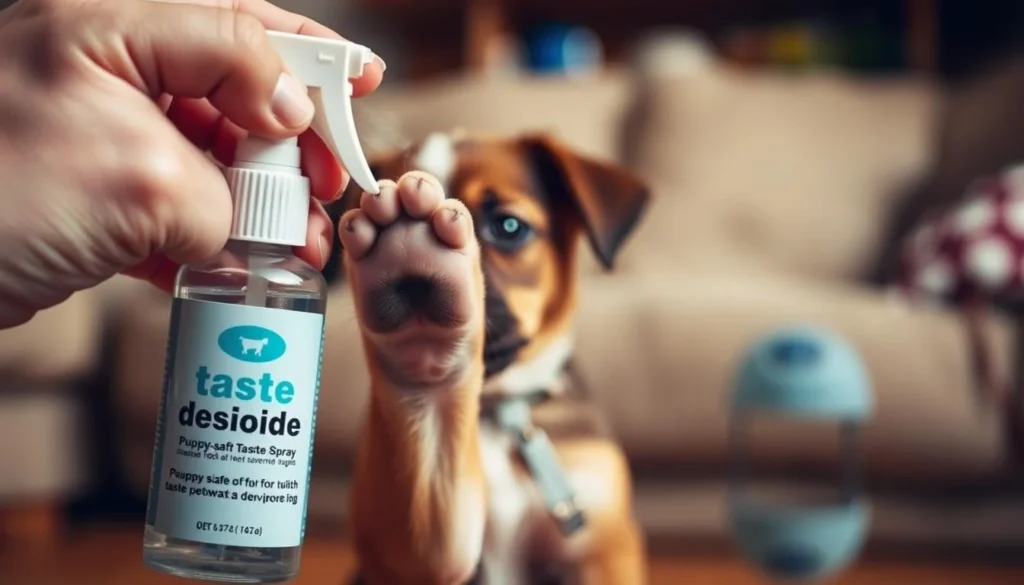
Teaching puppies not to bite is crucial. One effective way is using bitter sprays. These sprays teach puppies which things they should not chew.
Choosing Effective Bitter Sprays
When picking a bitter spray, consider a few things:
- Safety: Make sure it's safe for pets and people. Look for non-toxic ingredients.
- Effectiveness: Check reviews to find sprays that really work.
- Application: Pick a spray with a nozzle for easy use on different surfaces.
Using these sprays regularly helps teach good behavior. Be patient and consistent as your puppy learns what's okay to chew.
Training Your Puppy to Avoid Biting
Training goes hand in hand with using bitter sprays:
- Positive Reinforcement: Give treats or praise when your puppy doesn't bite the sprayed areas.
- Redirect Attention: If they try to chew on something bad, give them a chew toy instead.
- Consistency: Stick to the same training methods to help your puppy understand the rules.
Using bitter sprays and training together helps your puppy become well-behaved faster.
Why Patience is Key in Training
Training a puppy needs a lot of patience and knowing their growth needs. It's important to remember that biting is a natural part of their development. This understanding helps create a positive training space, letting the puppy learn and grow.
Understanding Puppy Development Stages
Exploring puppy development stages shows how they shape behavior. In the early months, puppies grow fast in physical and social skills. They are learning about the world, which can lead to biting during play.
By watching these stages, I see how puppies interact with their surroundings. This helps me understand their biting behavior. Patience in training lets me adjust my methods to meet their changing needs, making learning easier.
Being Consistent with Training Techniques
Consistency is key when training my puppy. Using the same methods for commands and stopping biting builds strong habits. This consistent approach creates a clear structure, helping my puppy know what's expected.
Knowing about puppy development stages is crucial for these methods. Each puppy reacts differently based on their age and experiences. This consistent practice builds trust and shows the importance of patience and understanding in training.
Engaging with Professional Help
Seeking professional help for puppy training can be a game-changer when tackling persistent biting issues. It's key to know when a puppy might need certified dog trainers. Often, professional help is needed when usual methods don't work.
When to Consult a Certified Professional Dog Trainer
If my puppy's biting gets more frequent or intense, it's time to seek certified dog trainers. If my training efforts don't show results, or if I see fear or aggression, professional help is vital. They bring experience and tailored solutions to the table.
Finding the Right Trainer for Your Needs
Finding the right trainer means looking at their qualifications and focus on puppy behavior. I should choose trainers who use positive reinforcement and have a good reputation. Asking for recommendations, reading reviews, and joining community discussions can help find the best trainer for my puppy.
How to Deter Puppy Biting
Looking back at the article, we can see how to stop puppy biting. Knowing these methods helps me manage my puppy's actions well.
Recap of Effective Strategies
It's crucial for dog owners to know effective ways to stop puppy biting. Here are some proven strategies:
- Implement bite inhibition exercises that encourage gentle play.
- Utilize appropriate chew toys to redirect biting behavior.
- Leverage socialization opportunities with other dogs for positive interactions.
- Encourage exercise routines to reduce excess energy that can lead to biting.
- Practice consistent training methods to reinforce desired behaviors.
Consistent Training is Essential
Consistent training is key. It helps my puppy know what's right and wrong. By always rewarding good behavior and gently correcting bad, I teach them well.
This approach makes our time together better. It's all about being consistent and patient.
Conclusion
Understanding and managing puppy biting is key for both the puppy and the owner. Using solutions like proper socialization and training can help a lot. We've seen how important patience is, as puppies need time to learn.
Staying consistent with training helps build a better bond with my puppy. When I'm feeling stressed, getting help from a professional trainer is a good idea. This can lead to a happier, safer home for everyone.
By being proactive and using these strategies, I can enjoy my time with my puppy more. This effort will make our lives better and more enjoyable.