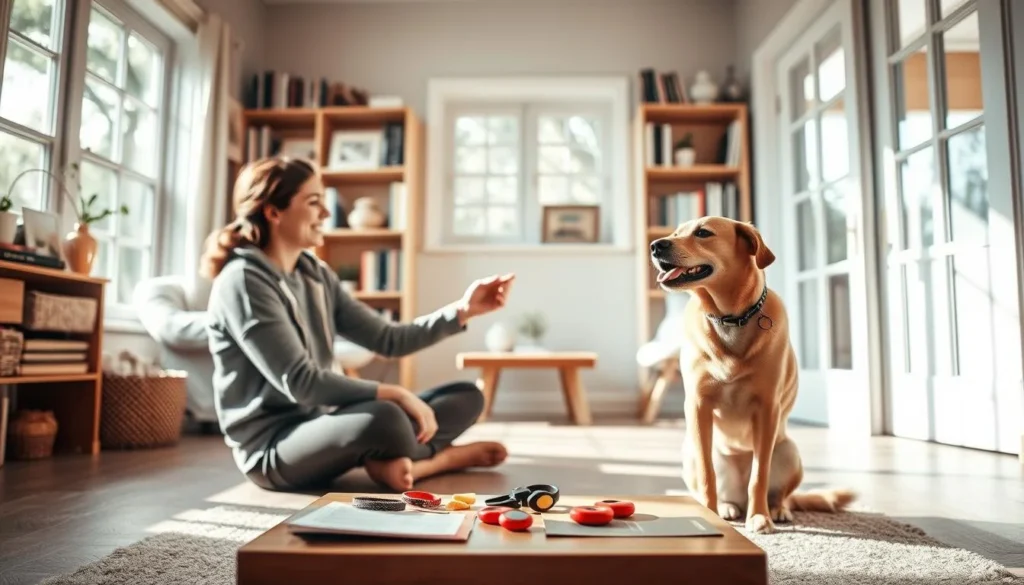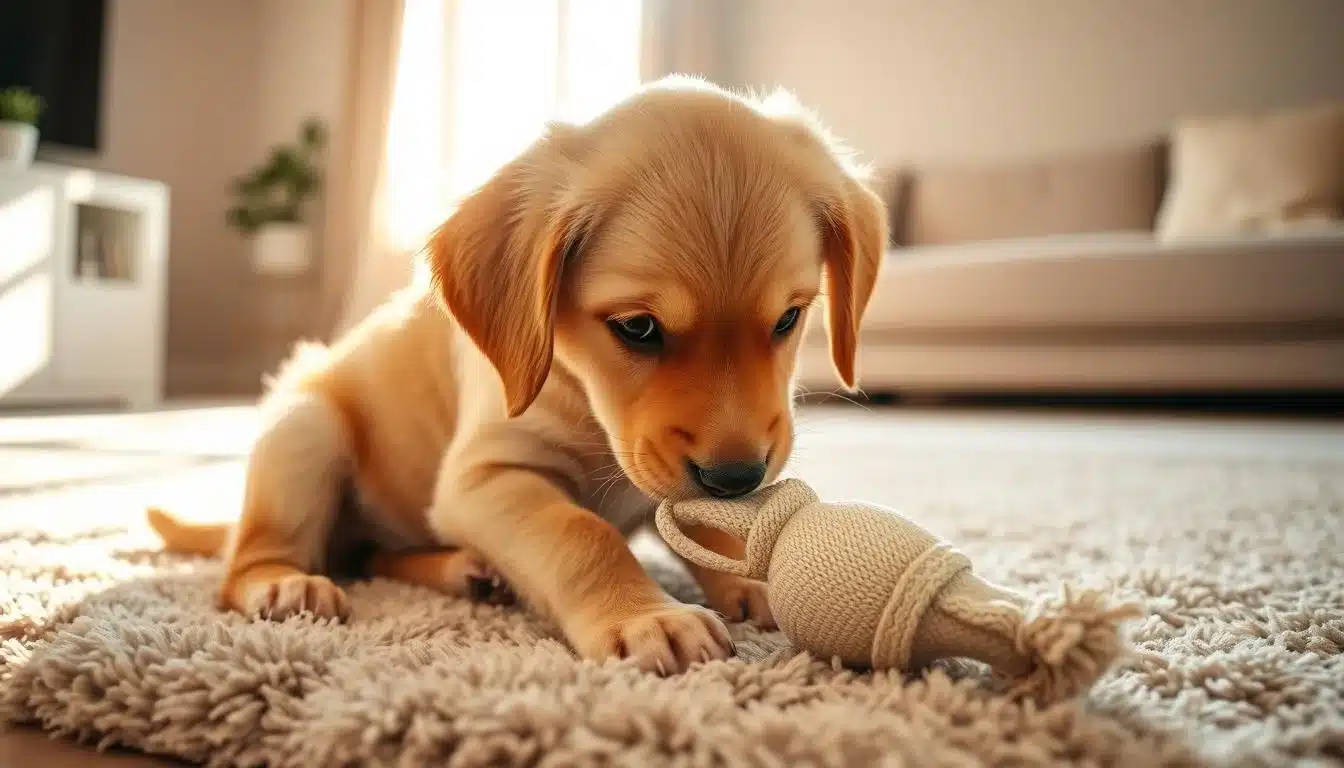
I still remember the first night with my golden retriever puppy. Tiny, needle-sharp teeth found my hand during a late-night play session. It stung, and I worried: will my puppy grow out of biting? I wanted a calm home where guests and family could play without fear.
Puppies use their mouths to explore, learn, and soothe sore gums. Mouthing is normal—it's tied to sensory learning, social play, and teething. But if left unchecked, it can get worse as the pup gets stronger.
In this article, I'll explain typical timelines and practical, humane techniques. You'll learn how to answer the question: will puppies grow out of biting? And how can I help my dog move past the biting stage?
Key Takeaways
- Puppy mouthing is normal and often linked to exploration and teething.
- Many puppies do reduce or outgrow biting with consistent training and socialization.
- Teaching bite inhibition and using redirection are effective early strategies.
- Persistent or fear-driven biting may need professional help from a CPDT or veterinary behaviorist.
- Practical, humane techniques can protect people and other pets while shaping better habits.
Understanding why puppies bite: normal behavior and developmental reasons
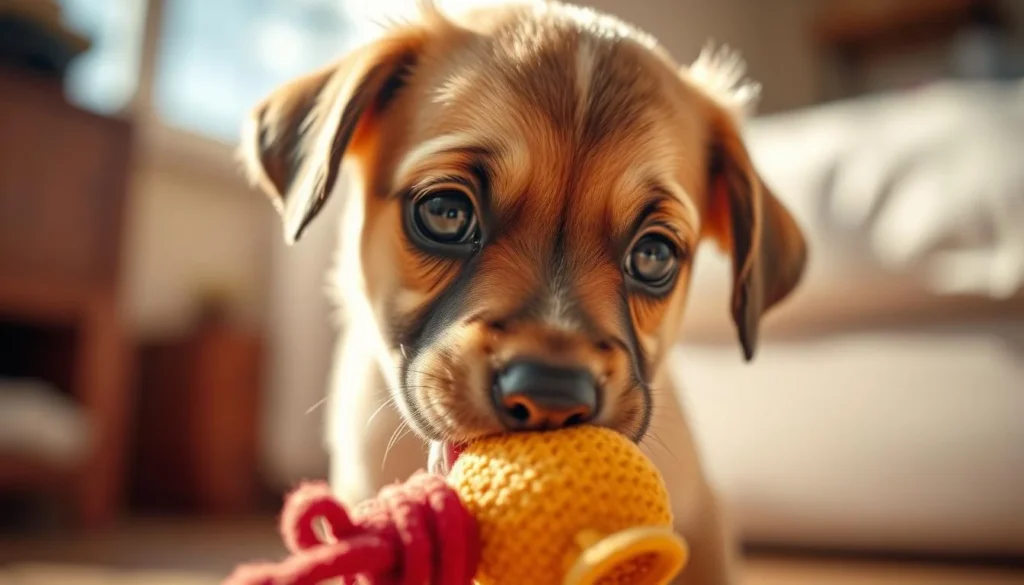
I watch puppies explore the world with their mouths. They use their mouths to learn about texture, taste, and what's okay to chew. When I handle a pup gently, I see how this learning shapes their future behavior.
Exploration and sensory learning
Puppies explore like toddlers use their hands. A new toy, shoe, or hand teaches them what's safe to chew. If they get attention or play, they do it again. This is why mouthing is a common puppy behavior.
Teething and timing
Teething is very uncomfortable for puppies. They chew more from 12 to 16 weeks, when adult teeth start coming in. By six to seven months, most adult teeth are in. This makes owners wonder if their puppy will stop biting everything.
Play behavior and social learning
Puppies learn bite pressure during play. If they bite too hard, play stops. I teach them to be gentle with gentle yelps, time-outs, and redirection. This helps them learn to play without biting too hard.
| Cause | Typical Age | What I Observe | Simple Response |
|---|---|---|---|
| Exploration/mouthing | 8–16 weeks | Pup mouths objects, toys, hands to learn | Offer safe chews and praise calm play |
| Teething | 12–24 weeks | Increased chewing, sore gums, drooling | Frozen chew toys and vet-approved teething aids |
| Play biting | 8 weeks onward | Rough play with littermates or owners | Yelp, brief time-out, redirect to toy |
| Behavioral triggers | Any age | Boredom, overexcitement, anxiety | Increase exercise, training, structure |
will my puppy grow out of biting
Many owners worry about their puppies biting hands and fur. Biting is normal, but when it stops depends on several factors. I'll share typical timelines, influences, and signs that might need extra help.
Typical timeline for outgrowing the biting stage
Puppies often bite the most around 12–13 weeks. This is when they get their adult teeth. With the right handling and play, biting usually gets softer by 3–5 months.
Teething can make chewing strong until 6–7 months. After that, most puppies start to bite gently or playfully as their adult teeth settle.
Factors that influence whether they grow out of it
Early, calm handling is key. Puppies that play with adult dogs and other litters learn to bite softer faster. Training, enrichment, and exercise help a lot.
How the household reacts is also important. If biting gets attention or mixed signals, it can stick around. Giving them good chew toys and redirecting them quickly helps.
When biting may persist and need intervention
Look out for hard bites that break skin or are tied to fear. Signs like stiff body, snarling, or growling are not normal mouthing.
If a puppy has tantrums or doesn't learn to bite softly, get help early. A vet or behavior specialist can prevent problems and keep everyone safe.
| Issue | Usual Age Range | What I Recommend |
|---|---|---|
| Peak mouthing | 10–13 weeks | Provide supervised play with vaccinated peers and firm, calm redirection |
| Teething chewing | 3–7 months | Offer safe chews like Nylabone or frozen carrot and rotate toys |
| Persistent hard biting | Any age beyond 4 months | Schedule behavior assessment and rule out medical pain |
| Household reinforcement issues | Throughout puppyhood | Set consistent rules, teach everyone the same responses |
How bite inhibition develops and how I can teach it
I explain how bite inhibition forms and the steps I use to teach gentle mouthing. Puppies learn bite control from littermates and people. I show simple, repeatable actions you can use at home to guide that learning.
What bite inhibition means
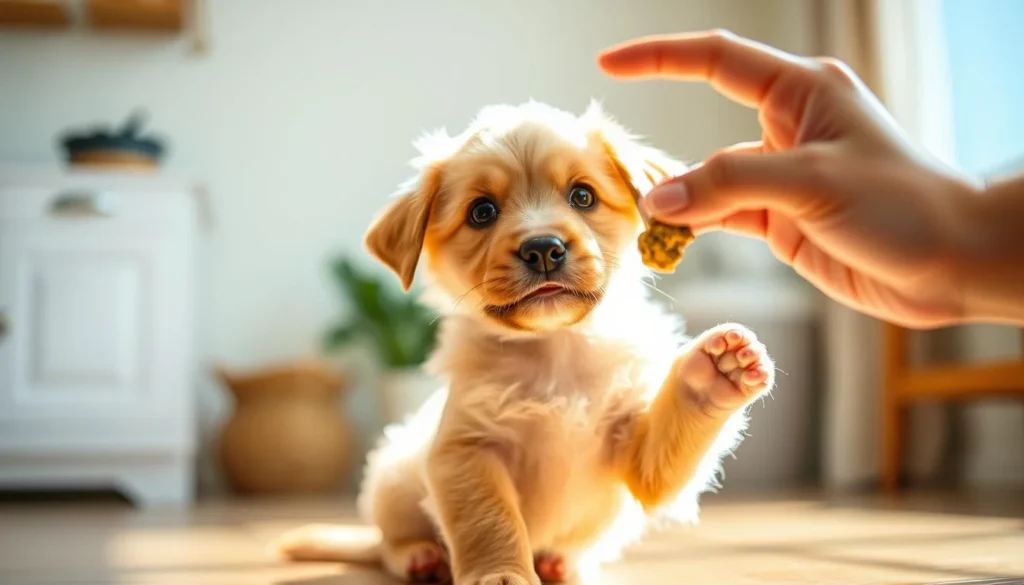
Bite inhibition is a dog's ability to soften the pressure of its mouth so skin is not harmed. I teach that this skill lowers the risk if a dog ever bites from fear or pain. Learning the difference between playful nips and harmful bites helps owners answer questions like will my puppy grow out of play biting.
Using yelps and time-outs
I use a high-pitched yelp to mimic littermate feedback when a bite is too hard. I let my hand go limp and stop play for a moment. If the yelp does not interrupt the behavior, I give a brief time-out by turning away, sitting quietly, or leaving the room for 10 to 60 seconds.
I return when the puppy calms and reward soft mouths with resumed play. This creates a clear link: hard bite stops fun, gentle mouthing keeps it going. I do not yelp during fear-driven or tantrum-like aggression and I seek professional help in those cases.
Progressing from hard bites to gentle mouthing
I begin by reacting only to very hard bites. As the puppy improves, I raise my standard to include medium pressure. The final goal is no teeth on skin. I redirect mouthing to toys, offer treats from an alternate hand, and praise gentle contact.
Below is a quick progression plan I follow so owners can copy it.
| Stage | Response | Goal |
|---|---|---|
| Stage 1 — Tough nips | Yelp, stop play, 10–20 second time-out | Stop hard pressure |
| Stage 2 — Medium bites | Ignore briefly, redirect to a chew toy, reward soft mouth | Reduce moderate pressure |
| Stage 3 — Light mouthing | Praise, short play sessions, feed treats from non-mouthed hand | Encourage gentle contact only |
| Maintenance | Avoid rough wrestling, remove face-hand chasing, consistent family rules | Prevent relapse and reinforce bite inhibition puppy training |
I mix these steps with supervised play and clear rules. I mention will my puppy grow out of play biting when owners expect time to pass. Many puppies improve with consistent practice. If a puppy shows fear or aggressive signs, I stop and consult a trainer or veterinarian.
Redirecting and managing mouthing: toys, games, and environment
I have a simple plan for when my puppy mouths hands and ankles. First, I give them a better option and praise them for choosing it. This helps them learn that toys get attention, not people. During the 12–16 week teething phase, I use special toys to ease their sore gums and reduce biting.
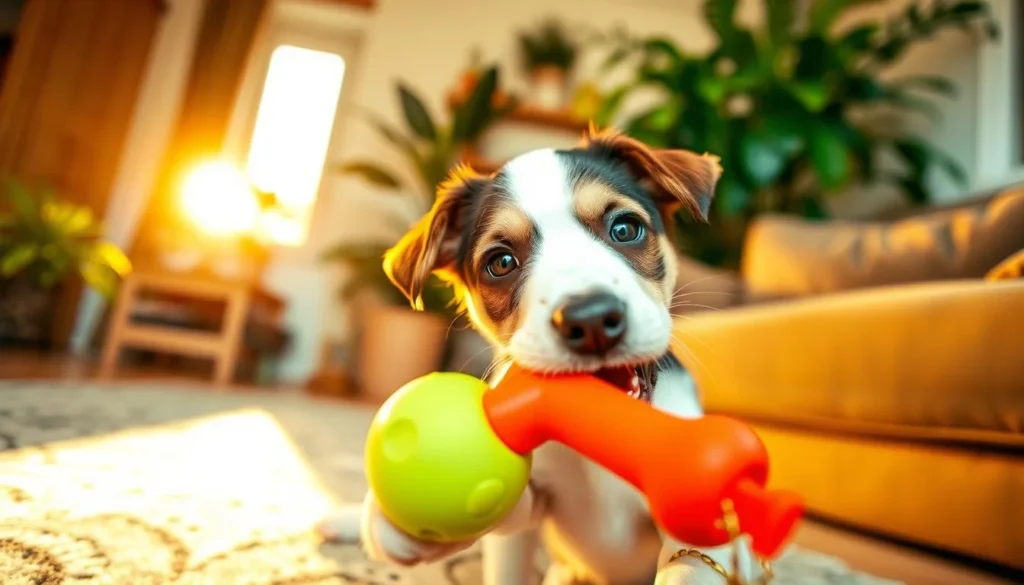
I keep a few favorite toys out to keep things interesting. I use soft rubber toys, small rubber balls, rope toys, and plushs. I watch them play to make sure they're safe and to intervene if needed. If a tug toy is around, I trade it for my hand and praise them for picking the toy.
For fun, I stick to games that don't involve too much contact. Fetch teaches them to drop things cleanly. Controlled tug-of-war is good once they learn not to bite too hard. But I avoid wrestling to avoid confusing them about play biting.
On walks, if they nip at ankles, I use a tug toy or treats to distract them. This helps keep them focused on the toy instead. Giving them calm breaks in a crate or pen helps when they get too excited and start mouthing things.
Preventing mouthing is also key. I keep shoes, loose clothes, and small items out of reach. I wear closed-toe shoes and avoid loose clothing to prevent them from getting nipped. I also watch children closely to keep play safe and predictable.
Here's a quick guide to help pick the right solution fast.
| Problem | Best Toy/Cheat | How I Use It |
|---|---|---|
| Gum pain during teething peak | Soft rubber teething toys | I chill a teether briefly, offer it during chewing bouts, and praise calm chewing |
| Persistent mouthing of hands | Rope tug and stuffed toy | I swap my hand for the toy, play briefly, then reward release |
| Ankle-biting on walks | Long tug toy or high-value treats | I drag the toy or deliver treats for attention, then reward loose-leash walking |
| Overstimulation at home | Crate or puppy pen with safe toys | I give short rest periods with a stuffed KONG or chews to reset energy |
| Boredom chewing household items | Puppy-sized rubber ball and rotated toys | I swap toys daily and praise the pup for choosing toys over shoes |
Socialization and puppy classes to reduce biting everything
I've seen puppies learn quickly in safe, controlled settings with other dogs and people. Starting with short, positive interactions helps teach them limits and gives feedback. This answers the question: will puppies grow out of biting, or do they need practice?
I put my Labrador in group sessions with vaccinated dogs and calm adults. These adult dogs teach puppies gentle cues, helping them learn not to nip too hard. Play with littermates also helps, as it corrects them right away.
I chose classes led by certified trainers. Puppy classes mix basic obedience with play. This way, puppies learn to control their impulses, recall, and use softer mouths in short, easy-to-learn drills.
Safe socialization means clear rules. I check vaccination records, ensure groups are right for their age, and keep meetings short. I also stop play before it gets too rough and separate dogs before they get frustrated.
Following a plan helps. Regular social outings and classes keep puppies from getting bored. This practical practice helps them learn to mouth less than if they were left to figure it out alone.
Checklist for safe group socialization:
- Verify vaccines and health checks for all pups.
- Choose age-matched sessions with experienced instructors.
- Limit session length to avoid overstimulation.
- Use calm, vaccinated adult dogs to model behavior.
- Stop play at the first sign of escalation.
Stopping biting me and biting my other dog: specific strategies
I have a quick plan for when my puppy bites me or another dog. Using clear, calm reactions helps teach limits faster than yelling. I use brief, consistent responses to link actions with outcomes. This helps me know if my puppy will stop biting on their own.
I use a sharp yelp or a firm "ouch" to show biting hurts. Then, I stop play for 10–60 seconds. Avoid jerking away, as it can turn into a chase game.
If my puppy mouths me while petting, I offer a small treat from my other hand. This keeps their mouth busy and rewards calm behavior. When they chew a toy instead of my skin, I praise them warmly to reinforce the right choice.
Managing when a puppy bites another household dog
I watch body language to tell play from trouble. Loose bodies and quick recovery usually mean play. But stiff posture, prolonged snarling, or repeated injury mean I must act.
I briefly interrupt rough play with a short time-out, then let calm interaction resume. If a puppy bites another dog too hard, I redirect them to a chew toy. I reward both dogs for relaxed behavior.
When to separate and when to socialize
I separate dogs when bites cause injury or play escalates into aggression. I plan controlled socialization for mostly playful interactions. I use leashed introductions, short supervised play sessions, and reward calm behavior.
| Situation | Immediate Action | Follow-up |
|---|---|---|
| Hard bite to me during play | Yelp, stop play for 10–60 seconds | Redirect to toy, praise gentle mouthing |
| Mouthing while petting | Offer small treat from other hand | Repeat, reward calm handling |
| Rough dog-to-dog play with quick recovery | Observe, interrupt if bite too hard | Short supervised sessions, reward relaxed play |
| Repeated injury or escalating fights | Separate immediately | Arrange controlled socialization or seek trainer help |
Addressing biting during the biting stage and minimizing reinforcement
I watch my puppy learn the world with teeth. The chewing and mouthing phase can be loud and messy. I focus on ways to stop accidental rewards and keep training clear so the message sinks in.
I avoid giving attention when biting starts. If I shout or wrestle, I risk teaching my pup that biting brings engagement. I stand still, drop eye contact, and leave the area for a short time so the puppy learns biting ends play.
I keep routines steady. Predictable exercise, play, and rest help reduce excess energy that drives mouthing. Short training sessions and puzzle toys break the day into manageable parts and lower the chance my pup asks for rough play.
- Avoiding accidental rewards: Ignore energetic responses, offer a toy, then resume positive play only when the puppy mouths gently.
- Structured routines: Set regular walks, training, and nap times to curb bored biting.
Everyone in the house follows the same plan. I make clear rules for children and adults so we use consistent puppy rules biting across the family. We chant the same commands, use the same timeout method, and swap toys for hands every time the puppy mouths.
When family members disagree, progress stalls. I write down the rules and demo them so kids know what to do. That steady approach helps answer the common worry: will my puppy grow out of biting everything if we all stay consistent?
Avoiding accidental rewards
Attention can be a reward. I refuse to react with loud noises or chasing games when my puppy bites. I give attention only for calm, gentle behavior. This teaches the pup that biting does not produce attention or play.
Consistent household rules and family involvement
I assign simple roles. One person manages time-outs. Another hands out chews. Kids get short practice sessions with supervision. This shared approach makes consistent puppy rules biting a reality rather than an idea.
I keep redirection tools handy. When the pup mouths, I swap in approved toys, praise gentle play, and use brief, quiet time-outs for repeat hard bites.
Alternative tools when basic methods fail
If basic steps stall, I try safe taste deterrents on clothing or repeat offenders for a limited period. Bitter sprays can make certain targets less appealing while training continues.
I also use a short leash to create controlled ignore periods. I tether the puppy in a quiet spot for a few minutes, then return and reward calm behavior. These brief, predictable breaks help reinforce that biting cuts off fun.
| Problem | Basic Response | Alternative Tool | Why it helps |
|---|---|---|---|
| Puppy nips during play | Stand still, ignore, swap toy | Leash time-out for 2–3 minutes | Removes attention and resets energy level |
| Repeated biting at hands or feet | Consistent yelp and brief leave | Bitter spray on target clothing for short term | Discourages mouthing on the wrong items |
| Late-night overtired chewing | Increase daytime exercise and calm pre-bed routine | Interactive puzzle feeder before sleep | Reduces excess energy that fuels biting |
| Hard bites that break skin | Immediate time-out and consult training plan | Seek professional trainer or behaviorist | Ensures safety and tailored behavior intervention |
When to seek professional help for biting that doesn't stop
I watched my puppy learn fast, but some biting signs made me pause. If bites break skin, cause bleeding, or come with stiff posture, snarling, or growling, I see a clear need to act. I kept working on bite inhibition at home, yet I knew when to get help puppy biting was not a question to delay.
Signs that require a behaviorist or veterinary input
I look for repeated hard bites, fear-based snapping, or tantrum-like outbursts when the puppy is handled. I note if pain, sudden changes in appetite, or withdrawal accompany the behavior. If consistent training, time-outs, and safe management fail, I count that as a signal to seek help. I ask myself: will my puppy grow out of biting my other dog or is there an underlying issue?
Types of qualified professionals
I find value in a team approach. Certified Applied Animal Behaviorists (CAAB/ACAAB) and Diplomates of the American College of Veterinary Behavior (Dip ACVB / DACVB) offer deep expertise in aggression and complex cases. Certified Professional Dog Trainers (CPDT) with documented aggression experience can provide practical behavior modification. I consult my veterinarian first to rule out pain or medical causes.
What to expect from professional help
My first appointment usually begins with a detailed behavioral history and observation of interactions. The specialist checks for medical issues, then outlines a tailored plan using counterconditioning, desensitization, and controlled socialization. I get clear, step-by-step homework that every household member follows. Follow-up sessions measure progress and refine the plan.
In some cases, the behaviorist or veterinarian recommends management tools or medication as part of a broader plan. If the problem is severe, I expect referrals to higher-level specialists. Working with a certified behaviorist puppy biting or a veterinary behaviorist gave me structure and a realistic path forward.
Conclusion
I began by wondering if my puppy would outgrow biting. The answer is yes, for most dogs. By socializing them, setting rules, and teaching bite control, I see big changes in three to five months. After that, they continue to improve once teething ends, around six to seven months.
Helping my puppy involved using chew toys, adding exercise and fun activities, and joining puppy classes. These steps are key to any puppy biting solution. They help my puppy move from hard bites to gentle play.
If my puppy's biting doesn't get better, or if it's based on fear, I get professional help. A certified dog trainer, animal behaviorist, or vet can assist. If progress stops or safety is at risk, getting help quickly is crucial. It keeps my home safe and helps my puppy stay on the right track.