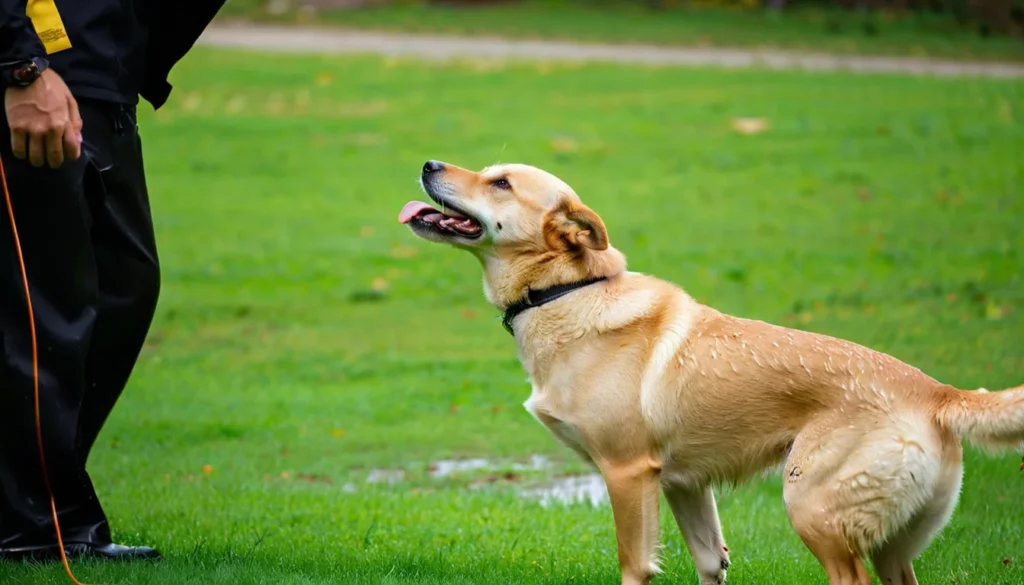
I remember the first time a small plastic clicker changed dog training for me. I was at a local obedience class. A Labrador learned a tricky behavior in minutes, all thanks to a clear sound and a treat. This moment showed me how a clicker can make training clear and effective.
I highly recommend clicker training because it offers three key benefits. It makes communication clearer, learning faster, and the process more enjoyable for both dogs and their handlers.
The clicker works as a conditioned reinforcer. When you pair its sound with a reward, it marks the exact behavior you want. This precision helps in shaping complex actions and catching spontaneous good moments.
Some people wonder if a clicker is good for dog training. They ask why use a clicker instead of treats or voice alone? I say the clicker isn't magic. It's a simple tool that becomes powerful when used with timely rewards.
I'll show you how to start with clicker dog training. We'll cover what it is, how it works, and its practical uses. I'll also share common mistakes, compare it with treat-only methods, and offer advanced tips. If you've ever wondered if clickers work for dog training, keep reading. I'll explain why they often do.
Key Takeaways
- Clickers give clear, consistent marks that speed learning.
- They act as a conditioned reinforcer when paired with rewards.
- Clicker timing bridges the gap between behavior and reward.
- They help shape complex actions and capture spontaneous good behavior.
- Clickers are inexpensive and work best when used with proper follow-up rewards.
Understanding clicker training: what is clicker dog training
I teach owners a simple idea: a tiny sound can solve big timing problems. Before diving into steps, I give a quick overview so readers know what is clicker dog training and why a clear marker matters.
Definition and basic mechanics
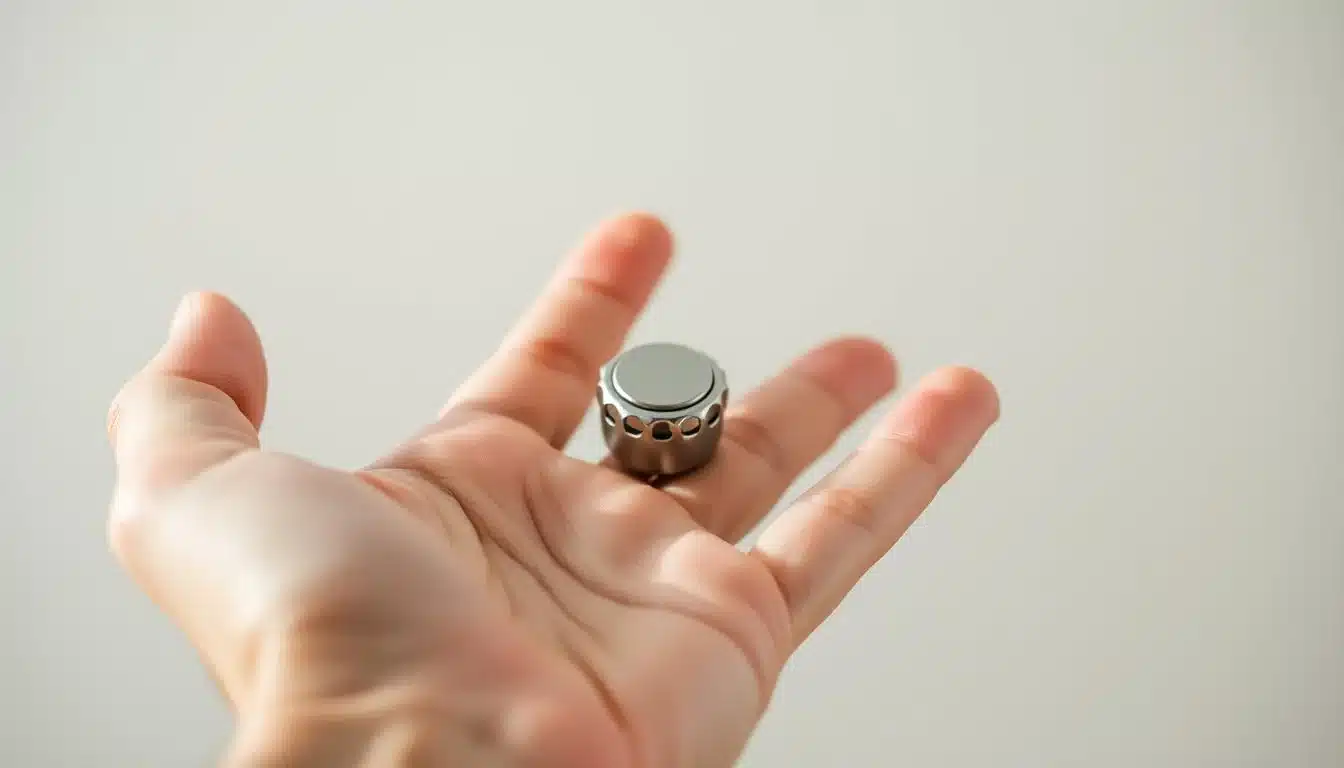
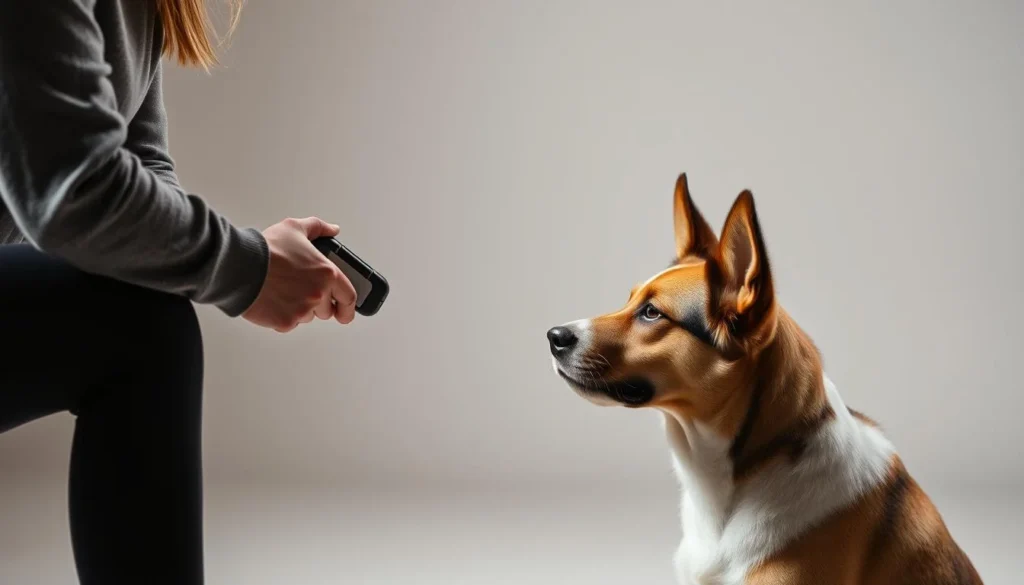
Clicker training is a form of positive reinforcement that uses a small mechanical noisemaker as a precise marker. The tool has no meaning at first. You pair the click with a treat until the dog expects a reward when it hears the sound.
The click pinpoints the exact moment a behavior earned the reward. For example, I click the instant a dog’s hips touch the ground when teaching sit. Many pet stores sell basic clickers. You can replace the device with a distinct vocal "Yes," a whistle, or a light for deaf dogs if you keep the signal consistent and clear.
Learning theory behind mark-and-reward
Mark-and-reward rests on classic learning science: behaviors followed by rewards increase in frequency. The marker bridges the gap between the behavior and the delayed delivery of a treat or toy.
This method supports shaping, where complex behaviors emerge from small steps. It helps capture spontaneous good actions and works with lure-and-reward strategies. I rely on these principles when I build training plans for dogs of different ages and backgrounds.
How I explain clicker training to beginners
I tell beginners the clicker is like saying "yes" at the exact right instant. That one-syllable click becomes a promise that something good is coming.
I show them how to "load" the clicker by pairing click + treat about ten to twenty times so the dog links the sound with reward. I stress timing and consistency. Each click must be followed quickly by a reward to keep the click meaningful.
why use a clicker for dog training
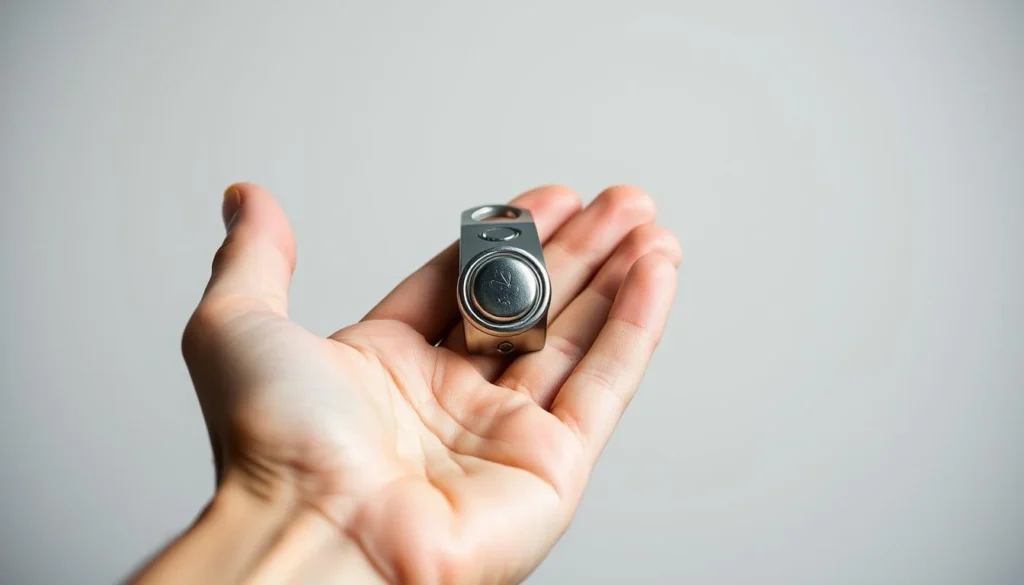
I use a clicker because it gives clear, instant feedback. It tells my dog exactly when they do something right. This makes training clear and focused, answering questions about clickers in dog training.
Precision in communication
The click marks the exact behavior I want, like a paw lift or a head tilt. Dogs don't have to guess what action earned the reward. This makes training clearer than vague praise.
Bridging delays between behavior and reward
When I can't give a treat right away, the click promises a reward. It tells the dog, “I saw that — reward is coming.” This helps dogs understand the reward isn't for the next action. It's why clickers are used when immediate rewards are hard.
Turning training into a game
Clicker work often becomes playful and engaging. The marker-reward loop makes learning feel like play. I focus on clickable moments, which strengthens our bond and motivates my dog.
Readers will see faster engagement and stronger enthusiasm during sessions. This shows why clickers are great for dog training.
How to get started: teaching your dog what the click means
I start training in a quiet room so your dog can focus. First impressions matter. A clear, calm setup makes the next steps smoother and helps you learn how to charge a clicker the right way.
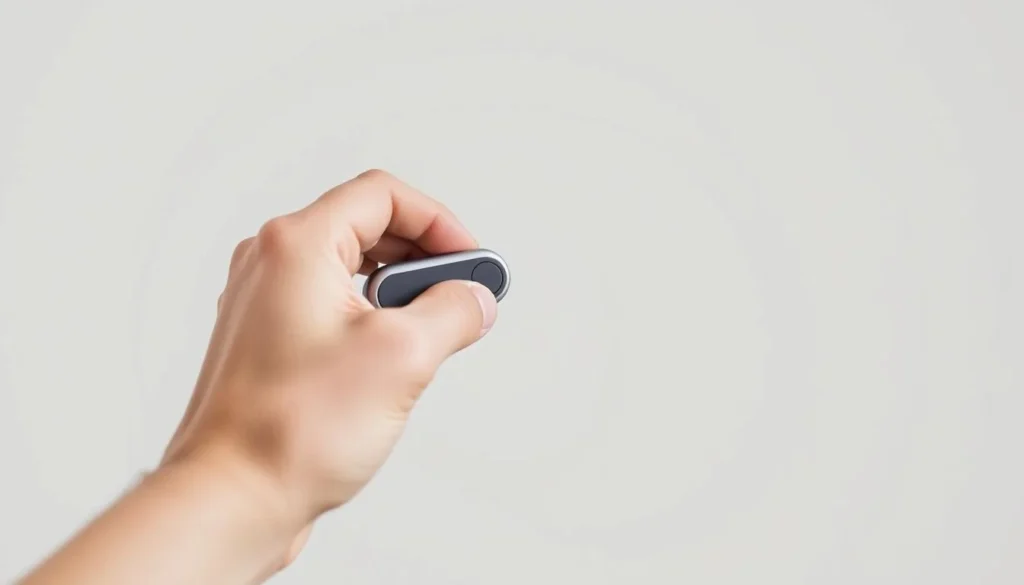
I use short bursts of practice and keep treats handy. Small, tasty rewards help the dog link the sound to a positive outcome. Below I break the process into three simple parts you can follow at home.
Charging the clicker
I click once and give a high-value treat immediately. Repeat this about 10–20 times until the dog looks for the treat after hearing the sound. This "loading" makes the click a conditioned reinforcer so the dog learns the click predicts a reward.
If your dog is startled by the noise, I muffle the clicker or tuck it under clothing at first. I watch the dog's reaction and slow down if needed. Charging is quick when you stay calm and consistent.
Choosing the right reward
I pick high-value, small, easy-to-chew treats so my dog can eat and return to work fast. Good options include boiled chicken, dried liver, tiny cheese bits, or single-ingredient commercial treats.
Some dogs prefer play or tug over food. I match the reward to their preference and keep portions small. I aim for treats to be about 10% of daily calories and cut kibble into tiny pieces when needed.
Short practice sessions and pacing
I train in short sessions of 5–10 minutes several times a day to keep focus and avoid fatigue. For puppies I stay even shorter. I begin with a simple behavior like sit so the dog gets quick wins.
Timing matters. I click at the exact moment the desired action happens, then give the reward right away. That precise sequence teaches the dog what are clickers used for in dog training and shows how to use a clicker for dog training as an effective marker for good behavior.
Practical uses: what does a clicker do for dog training
I use a clicker every day in my training sessions. It makes communication clear and fast. Before starting exercises, I teach the dog that the sound predicts a treat.
This step answers what is the purpose of a clicker in dog training. It marks the exact moment a desired action happens. This way, the dog knows which behavior earned the reward.
Shaping new behaviors
Shaping works by rewarding small steps toward a goal. I click for tiny improvements, then reward. For example, when teaching a “wave,” I clicked for slight paw lifts.
Slowly, I raised my criteria until the full motion appeared. This shows what does a dog training clicker do. It lets you reward successive approximations without confusing the dog.
Capturing spontaneous good behavior
Out in real life, good choices pop up unexpectedly. I use the clicker to capture these moments. If a dog lies quietly on a mat or keeps four paws behind the door during a knock, I click the instant it happens and follow with a reward.
This quick mark strengthens the behavior so it happens more often.
Training at a distance and complex sequences
Distance training creates gaps between action and reward. The click bridges that gap by freezing the exact instant the dog performed correctly. I rely on the click when teaching recalls, jumps, or long heeling drills.
When building multi-step routines, I click each correct component as I chain them together. This clarifies what is being rewarded and speeds learning.
I aim to keep sessions short and focused. Using a clicker this way answers both what does a clicker do for dog training and what is the purpose of a clicker in dog training. It helps dogs learn clean, repeatable behaviors.
Common mistakes I see and how to avoid them
I watch many owners learn clicker work. Some common errors can stop progress. I'll share the most common mistakes and how to fix them to keep training fun and effective.
Timing errors
Clicking too early or too late messes up the timing. The click should match the exact moment the dog does what you want.
I suggest starting with simple actions like sitting or touching their nose. This makes timing easier as you get more confident. With practice, you'll get better at timing.
Forgetting the follow-up reward
The click is a promise of a reward. If you forget to give the reward after the click, the dog loses trust.
I always carry treats in my pocket or use a small pouch. Choose a reward your dog loves and use it consistently. This keeps the clicker effective and reliable.
Using the clicker as a cue
Some trainers use the clicker to start the action instead of marking success. This makes the clicker less powerful as a marker.
I recommend saying your command first, then waiting for the action. Click only when it happens. Don't click to get the dog to do something. Use it only to confirm.
These tips cover common mistakes in dog clicker training. Watch for these and fix them early to avoid common errors. If you wonder why clicker training mistakes happen, it's because of lack of practice and inconsistency. Practice and be consistent to see better results.
Clicker training vs. traditional treat-only or verbal praise methods
I compare clicker training with treats and praise to help handlers choose the best method for their dog. I look at how clear the signals are, how fast dogs learn, and when treats alone are enough.
Precision and clarity advantages
The clicker has a sharp, consistent sound that marks the exact moment a behavior happens. Praise is vague because it's used in many situations, not just training. This vagueness can slow learning.
When I ask if clickers are good for dog training, the answer is clear. Dogs quickly link the click to a reward. The click removes guesswork about what earned the treat. Trainers at guidance schools like Karen Pryor Academy agree.
Speed of learning and engagement
I often see dogs learn faster with a clicker than with treats alone. Dogs become engaged because the click predicts a reward precisely. This eagerness speeds up repetition and improves focus.
Field trainers use clickers for complex tasks and distance work. If you wonder if a clicker is good for dog training, think about how quickly dogs pick up new behaviors. The click acts like a language bridge between handler and dog.
When treats alone are sufficient
For simple, close-range behaviors, treats and praise can work well. If I can deliver the treat immediately, the extra marker may not add much. In those cases, plain treats keep training simple and low-cost.
Once a behavior is reliable, I recommend phasing out the clicker. Use praise or intermittent treats to maintain performance. This approach prevents overfeeding and keeps motivation high without constant food.
| Aspect | Clicker Training | Treat-Only / Verbal Praise |
|---|---|---|
| Signal precision | High — distinct, consistent marker | Low to medium — timing and tone vary |
| Speed of learning | Often faster for new or complex behaviors | Good for simple, immediate-reward tasks |
| Engagement | High — predicts reward clearly | Variable — depends on delivery speed |
| Ease of use | Requires brief training to charge the clicker | Immediate — no tools needed |
| Best for | Shaping, distance work, precise behaviors | Basic obedience, casual reinforcement |
Advanced tips: phasing out the clicker and generalizing behaviors
I teach owners how to stop using the clicker but still get good results. This guide helps with fading the clicker, practicing commands in new places, and keeping dogs excited without extra treats.
First, I start fading the clicker when a behavior is consistent. I click every other time, then less often. Then, I switch to saying “Yes” or “Good” and give treats sometimes.
My goal is to make the transition smooth. Owners learn to stop using the clicker without losing the dog's learning speed.
Generalizing commands means practicing in different places. I start in quiet rooms, then move to outside, and add distractions like people or other dogs. Early practice sessions are short and rewarding.
To help with generalizing, I repeat commands in different places and reward them. This builds confidence so the dog follows commands everywhere.
I use small, high-value treats or low-calorie options to avoid overfeeding. For some dogs, I use short play or favorite toys instead. I also use a variable reward schedule to keep the behavior strong.
On busy training days, I slightly reduce meal portions. This keeps the dog's calorie intake steady. I watch the dog's body condition and adjust rewards to keep them motivated without gaining weight.
| Goal | Practical step | When to use |
|---|---|---|
| Fade marker | Click every other rep → spoken marker → intermittent treats | After 8–12 solid repetitions |
| Generalize cue | Practice in new settings with short reps and high-value rewards | Once cue is reliable at home |
| Keep motivation | Small treats, play rewards, variable schedule | Ongoing throughout training |
| Manage calories | Reduce meal portion slightly on training days; use low-calorie treats | To prevent weight gain |
Evidence and real-life results: do clickers work for dog training
I dive into the research and real-life examples to see if clickers are effective. I examine behavioral science, share personal stories, and discuss when clickers might not be the best choice. This approach helps answer if clickers work for dog training and if they are effective without using complicated terms.
Behavioral science support
Learning theory shows that a sharp, consistent marker helps dogs learn faster. A conditioned reinforcer, like a click, tells a dog when they did something right. Studies and real-world applications support marker-based training for clear and efficient learning.
Trainers at places like Karen Pryor Academy and universities confirm marker training's benefits. They say it can teach precise actions quicker. This research provides scientific evidence that clickers are good for dog training.
Anecdotes and case examples
My terrier Pixie learned a new cue in minutes with the clicker. She quickly linked the sound to treats. Her focus and speed improved a lot.
My neighbor used a clicker to teach his Australian Shepherd to walk on a loose leash. Marking each correct step helped the dog understand what to do. Trainers in marker obedience classes report similar successes with various dogs and behaviors.
When clicker training may not be ideal
Some dogs might be startled by the click sound. In such cases, a quiet verbal marker or a light can work instead. Timing is crucial. If a handler struggles with consistent marking, they might accidentally reinforce the wrong behavior.
Marker training isn't for immediately stopping dangerous behavior. For safety, you might need management, restraint, or a behavior plan from a certified trainer or vet behaviorist. Clickers alone might not be enough.
- do clickers work for dog training — research and practice show they can, when used correctly.
- is dog clicker training effective — many trainers find it speeds learning and clarifies feedback.
- are clickers good for dog training evidence — studies and professional programs provide supporting data and case reports.
Conclusion
I highly recommend clicker training. It offers clear communication, quick learning, and fun training. It also helps in shaping and capturing behaviors well. If you're wondering why use a clicker for dog training, the benefits are clear.
The clicker marks the exact right moment your dog performs well. This removes any guesswork from training.
To get the best results, start by charging the clicker. Use small, high-value rewards and keep training sessions short. Always reward your dog after a click to avoid timing mistakes.
As your dog learns, gradually reduce the use of the clicker. This method teaches precision and shapes new actions. It also captures spontaneous good behavior that treats or praise alone can't.
Begin with a simple command like "sit" using a clicker and treats. Start with 10–20 click-and-reward pairings. Then, try shaping and capturing behaviors.
If you need help, look for a positive-reinforcement trainer or a local class. Clicker training is not just a gimmick. It's a science-backed tool that many trust.
Give it a try and see how it can improve learning and your bond with your dog. A small change in timing and clarity can make a big difference.