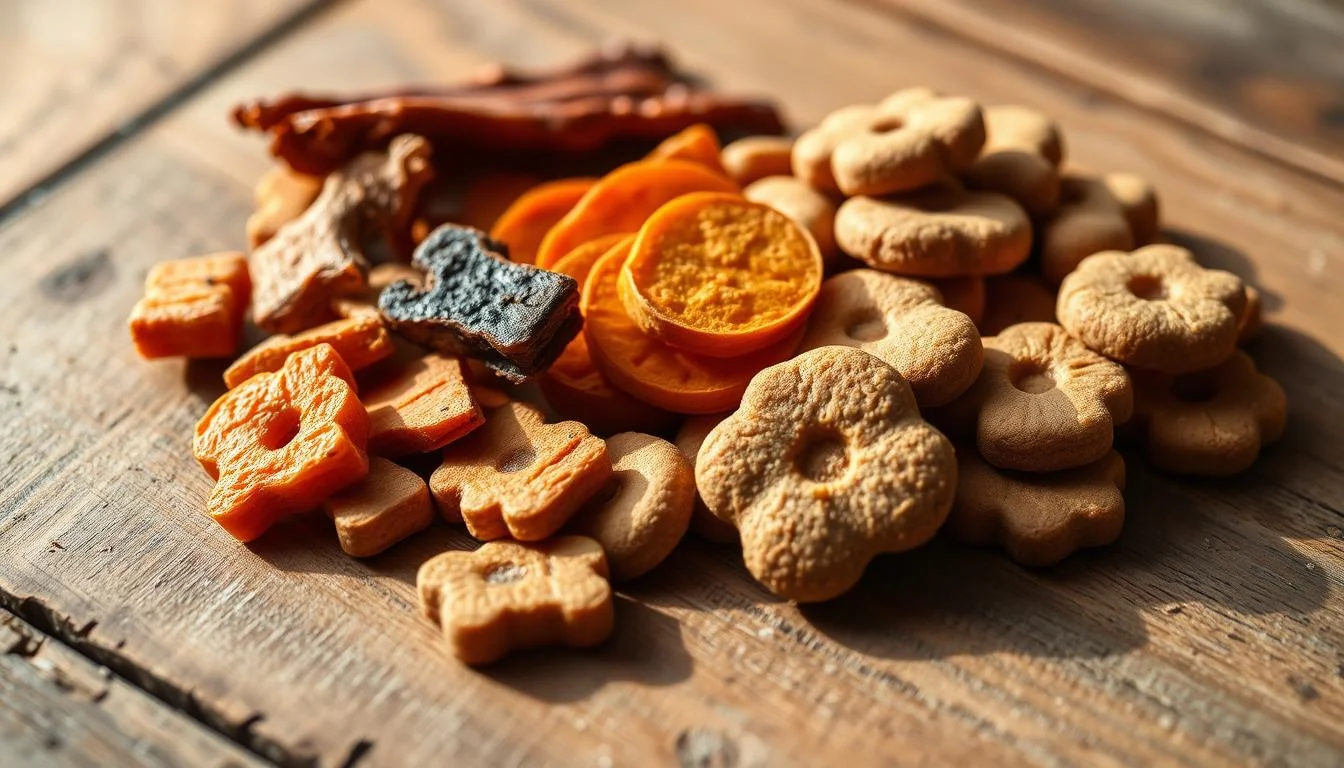
I remember the first time I taught my rescue lab to sit in a busy park. I had expensive treats, but she ignored them until I found something she loved. This taught me that you don't need pricey snacks for training. Just make smart choices.
As a trainer, I test products across breeds and real-world settings. I focus on affordable dog training treats that work well.
In this section, I'll show you affordable treats for training your dog. We'll explore budget-friendly snacks that make sessions short and effective. I use a mix of cheap dog treats, kibble, and simple homemade snacks like shredded chicken or tiny hot dog pieces. This way, I stretch my budget without losing motivation.
Key Takeaways
- Affordable dog training treats can be both motivating and low-cost when chosen carefully.
- Cheap dog treats for training, kibble, and small homemade snacks each have a role in effective sessions.
- Mixing low-, medium-, and high-value treats stretches your budget and keeps learning fast.
- Watch calories—treats for training my dog should stay under 10% of daily intake.
- I recommend brands like Only Naturals Max Meat and Vital Essentials alongside simple grocery options.
Why treat choice matters for effective dog training
I've learned from trainers and my dogs that treats are key to learning fast. The right reward makes training shorter and more fun for everyone. I focus on what works best in real training situations.
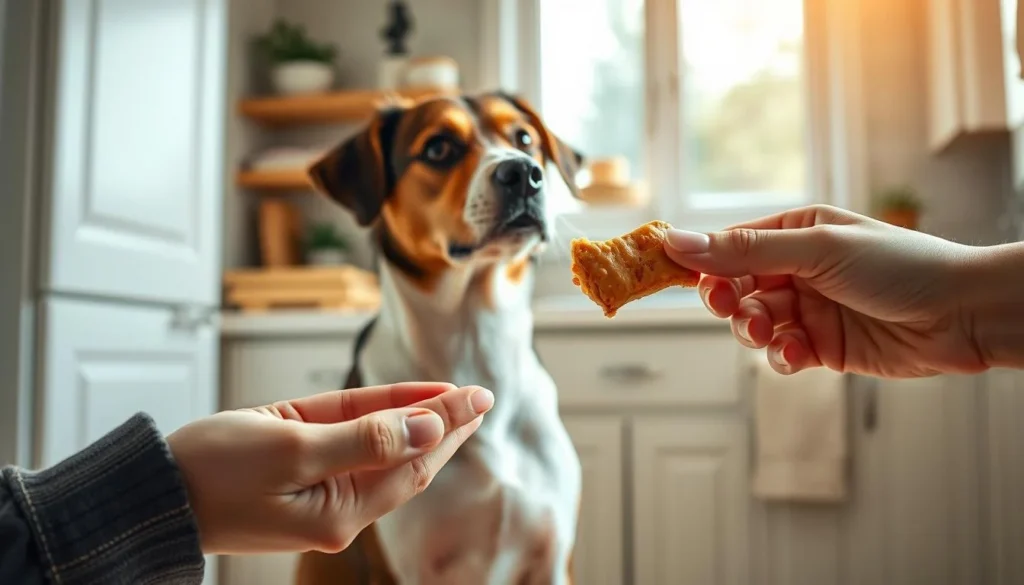
How the right treats speed up learning
Using treats like small pieces of rotisserie chicken or freeze-dried liver makes learning quick. Darris Cooper, CPDT-KA, says use these treats for new skills and when distractions are high.
For keeping skills sharp, use lower-value rewards like kibble or biscuits. This way, you teach more without overfeeding or breaking the bank.
Palatability, size, texture and ingredient quality
Choosing treats that are tasty and easy to eat is crucial. Soft, smelly treats grab attention better than dry ones. I prefer treats that are small so the dog eats quickly and stays focused.
What's in the treat matters too. Look for simple ingredients and avoid fillers. For a quick, high-value treat, use small pieces of cooked turkey or freeze-dried treats with real meat first.
Balancing training treats with total daily calories
It's important to keep treats from adding too much weight. I aim for treats to be less than 10% of my dog's daily calories. Adjusting meals helps manage this.
Homemade treats like tiny hot-dog bits or shredded chicken help control calories and cost. Weighing portions and keeping a weekly log helps stay within healthy limits.
| Use Case | Typical Treat | Why I Pick It | Calories per Piece (approx.) |
|---|---|---|---|
| New behavior, high distraction | Freeze-dried liver or chicken | Very palatable, quick to consume, high reinforcement value | 3–5 kcal |
| Routine repetition | Kibble or crunchy training bites | Low cost, low calorie, keeps repetition affordable | 0.5–1 kcal |
| Budget high-value | Microwaved hot dog or shredded chicken | Cheap, highly motivating, easy to portion small bits | 2–4 kcal |
| Meal replacement treats | Complete-and-balanced soft treats | Counts toward daily food, simplifies calorie control | 4–8 kcal |
what are affordable treats i can give her when training my dog
I keep training simple and cheap without losing motivation or results. I choose a mix of everyday store buys and pantry finds. This way, I can reward good behavior quickly and often.
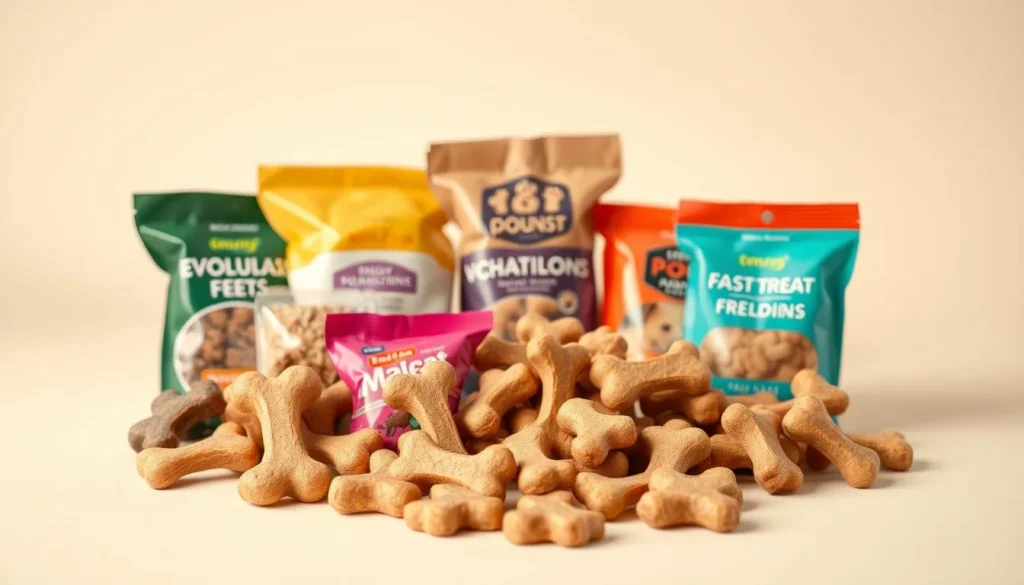
I prefer low-cost commercial options that still motivate. Only Naturals Max Meat is a staple for me. It's 80% meat and organs, counts as complete-and-balanced food, and breaks cleanly into halves or thirds. Crump’s Naturals Mini Trainers and Nutri Bites Freeze Dried Liver are tiny and calorie-friendly. Zuke’s Mini Naturals fits when I need softer pieces, though my dog sometimes finds them less exciting.
Using kibble for training saves a lot. I reserve kibble for low-stakes lessons and enrichment games. This keeps higher-value rewards special for proofs and distractions. Kibble works best when I need many quick, low-value successes during a session.
I practice mixing treat values so I can stretch my budget without losing training power. My pouch has kibble for routine drills, soft commercial pieces for medium-value rewards, and tiny bits of shredded chicken, cheese, or diced hot dog for high-value reinforcement. When I layer rewards this way, I use fewer expensive treats per session.
Bulk buying and prepping extends every dollar. I buy sale packs of deli turkey or hot dogs, dice them into pea-sized pieces, and freeze portions. That gives me a steady supply of high-value bites without overspending on specialty treats. This habit turns grocery finds into effective budget training treats.
| Category | Example | Use Case | Cost Notes |
|---|---|---|---|
| Low-value | Kibble | Repetition, enrichment, warm-ups | Very low cost per piece |
| Medium-value | Zuke’s Mini Naturals, Caledon Farms Chicken Morsels | Basic commands, steady reinforcement | Moderate cost, small pieces |
| High-value | Only Naturals Max Meat, Crump’s Mini Trainers, diced hot dog | Difficult behaviors, heavy distractions, new skills | Higher cost per calorie, use sparingly |
| Prep & storage | Frozen portions, resealable bags | Long sessions, travel | Upfront time, saves money long-term |
Top affordable store-bought training treats I recommend
I always have a variety of treats ready for my dog. They must be tasty, affordable, and good for them. Here are some of my favorites for quick rewards during training.
Only Naturals Max Meat as a budget-friendly, nutritious choice
Only Naturals Max Meat is perfect for dogs who love a good chew. It's made with 80% meat and organs. I also like the Beef & Pumpkin and Chicken & Pumpkin flavors.
The treats are chewy and break into small pieces, great for small dogs. They're complete-and-balanced, so they can be part of your dog's daily food. Plus, they come in big bags, saving you money.
Freeze-dried and air-dried options that last and break into small pieces
Freeze-dried and air-dried treats are perfect for mess-free rewards. Vital Essentials Mini Nibs and Bixbi Rawbble are great because they break down quickly.
Ziwi Peak Air-Dried is packed with nutrients and can be a full meal. It's easy to use without getting your hands greasy. Crump’s Naturals Mini Trainers are good for vet visits because each cube is just one calorie.
Saint Rocco’s jerky-style and Happy Howie’s Treat Rolls are great for adding excitement to training. Jiminy’s Chewy Treats are good for dogs with common protein allergies because they use insect protein.
What to look for on ingredient lists to avoid allergies and fillers
When choosing treats, check the ingredient list first. Look for named meats or organs in the top three ingredients. Avoid vague terms like "meat meal" if you can.
Also, watch out for too many grains, artificial colors, and added sugars. Treats labeled complete-and-balanced make it easy to know they count as food.
| Product | Type | Highlights | Best use |
|---|---|---|---|
| Only Naturals Max Meat | Chewy, meat blend | 80% meat/organs, large bags, counts as food | Everyday training, portionable for small dogs |
| Ziwi Peak Air-Dried | Air-dried whole-prey | 96% meat/organs/green mussels, nutrient-dense | High-value sessions, can replace meals |
| Vital Essentials Mini Nibs | Freeze-dried raw | Crunchy, quick to eat, multiple proteins | Quick rewards, training in motion |
| Bixbi Rawbble | Freeze-dried | Holds together, foam-like texture, light color | Ground searches, outdoor training |
| Saint Rocco’s | Jerky-style | Human-grade, sliceable, high novelty | Picky dogs, high-distraction rewards |
| Crump’s Naturals Mini Trainers | Freeze-dried liver cubes | ~1 calorie per cube, strong aroma | Vet visits, tight reward pacing |
| Happy Howie’s Treat Rolls | Deli-style rolls | Soft, meaty, sliceable; refrigerate after opening | Tiny pieces for rapid reinforcement |
| Jiminy’s Chewy Treats | Chewy insect protein | Sustainable protein, gentle for allergies | Dogs with common protein sensitivities |
I compare prices and ingredients to find the best deals. This way, I can give my dog tasty, healthy treats without breaking the bank.
Cheap homemade treat ideas that dogs love
I love making treats that are easy on the wallet but fun for my dog. I use simple ingredients from the grocery store. These treats are tasty, easy to give, and safe for short training sessions.
Microwaved hot dog method for pea-sized bits
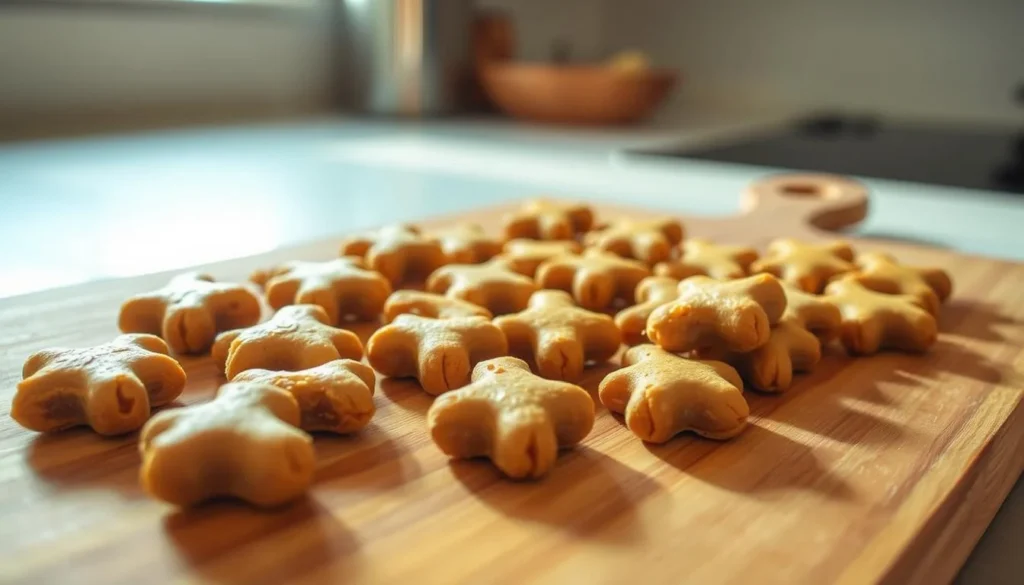
I buy hot dogs when they're on sale. Then, I cut them into small pieces. I place these on a paper towel-lined plate, cover with another towel, and microwave in short bursts. This way, I avoid burning and get lots of tasty treats.
Simple human-food treats I use: shredded chicken, cheese, turkey
Shredded chicken is a favorite when I find rotisserie chicken on sale. I shred it, cool it, and cut it into tiny pieces. I also use shredded cheese and chopped turkey hot dogs for variety. These treats are great for training and pair well with kibble.
Portioning and storage tips to keep homemade treats fresh and safe
I put treats in daily bags to avoid overfeeding and speed up training. For wet or cooked items, I refrigerate or freeze them. Then, I thaw small portions as needed. I store them in small resealable bags and label them with dates to keep them fresh.
I mix rich treats with lower-value options to prevent digestive issues. In cold weather, I use baby-food-style squeeze pouches for quick rewards. This keeps my hands warm while training.
| Treat Type | Cost Tip | Best Use | Storage |
|---|---|---|---|
| Microwaved hot dog bits | Buy hot dogs on sale ($1/pack) | High-value, quick rewards | Refrigerate 3–4 days, freeze for months |
| Shredded chicken for dogs | Use leftover rotisserie or buy small breasts on sale | High-value for recalls and difficult cues | Refrigerate 2–3 days, freeze portions |
| Shredded cheese / chopped turkey | Buy block cheese or discounted turkey packs | Mix with kibble for sustained sessions | Refrigerate 5–7 days, airtight bags |
| Soft squeeze blends | Make from pumpkin, yogurt, or cream cheese | Cold-weather convenience, glove-friendly | Refrigerate; use within a few days |
Training treat criteria: the three S’s (soft, small, smelly)
I test treats during training to see which ones keep my dog focused. I look for items that meet the three S's rule: they tear easily, stay tasty in tiny bits, and have a strong aroma.
Soft treats let me break pieces mid-session so training keeps moving. Brands like Zuke’s Mini Naturals and Happy Howie’s Rolls have a texture that tears cleanly. This way, each reward can be swallowed in one gulp, leading to more repetitions and faster learning.
Size matters: pea-sized pieces for fast consumption
I use the best treat size for training by cutting treats into pea-sized bits. My trainer friend taught me that smaller pieces mean more reps and fewer calories. A single training session then becomes a string of quick, low-calorie wins.
Using aroma to increase reinforcement value
Smelly dog treats outperform bland ones when I need high focus. Dogs follow scent cues, so even tiny pieces of strong-smelling treats act like high-value rewards. I pick items with a noticeable aroma, knowing they keep motivation high without large portions.
| Criterion | Why it matters | Example treats |
|---|---|---|
| Soft | Breaks easily, chews fast, keeps sessions moving | Zuke’s Mini Naturals, Happy Howie’s Rolls |
| Small | Pea-sized pieces cut calories and allow many reps | Microwaved hot dog bits, shredded chicken |
| Smelly | Aroma boosts reinforcement value in tiny portions | Ziwi Peak pieces, Crump’s Mini Trainers |
Alternatives to food-only rewards to save money
I mix rewards to keep training fun and affordable. Food teaches new tricks, but non-food rewards keep them going without extra calories or cost. Praise, play, and petting build a strong bond and reduce treat needs.
I use short, energetic praise after a dog does something right. A bright tone and quick clap tell my dog they did well. This praise costs nothing but feels as rewarding as a treat.
For dogs who love toys, I use them as rewards during tough training. A quick game of tug or a ball toss is a powerful reward. These short play breaks are great when I want to cut down on treats.
I change rewards to keep treats special. I use soft treats to teach new tricks, then praise or toys for keeping them. This way, I use fewer treats but keep my dog excited and focused.
Here's a quick guide to help plan rewards. It shows when to use each, their cost, and best moments.
| Reward Type | Best Use | Cost Impact | When to Use |
|---|---|---|---|
| High-value treats | Shaping, new or hard behaviors | Moderate — use sparingly | First sessions, high distraction |
| Kibble or low-value treats | Repetition, low-effort cues | Low — stretches budget | Routine practice at home |
| non-food dog rewards (praise) | Quick reinforcement, bonding | Free | Every correct response |
| praise play petting for dogs | Calming, social reinforcement | Free | Reliable daily cues, calm behaviors |
| toy rewards for training | High-value intermittent jackpot | Low to moderate — durable toys save money | After tough repetitions or recalls |
| Combination (food + non-food) | Shape then maintain | Lowest over time | Most training plans |
I keep training sessions short and clear. This makes praise and toys feel immediate and rewarding. It helps cut down on treats without slowing progress.
When I'm out or in busy places, I save special treats. At home, I use praise and toys to keep manners sharp. This way, I save treats for when they're most needed and cut costs.
Practical tips for calorie control and health on a budget
I keep training sessions short and focused so treats don't add too many calories. I track my dog’s daily food and fit rewards into that plan. Using kibble for low-value reps helps me save higher-value bites for real progress.
Keeping treats under 10% of daily calories
I aim to keep treats under 10% daily calories to prevent weight gain. I calculate my dog’s maintenance calories, then divide that number so treats stay within the limit. Small, soft pieces let me reward frequently without exceeding treats under 10% daily calories.
Choosing complete-and-balanced treat foods that count toward meals
I prefer complete balanced treat foods from brands like Ziwi Peak, Only Naturals, Vital Essentials, and Bixbi when I want treats to count toward a meal. These options cut the risk of overfeeding and make meal planning easier. I still portion them so treats replace part of a meal rather than add on top.
Monitoring for digestive upset when introducing rich treats
When I introduce rich items such as liver or human-style hot dog bits, I start with tiny amounts and watch stools for changes. Some dogs get loose stools from beef liver, so I stop or reduce the amount if I see digestive signs. Single-ingredient snacks, like freeze-dried Crump’s Mini Trainers, help me test sensitivities and avoid treat digestive upset.
I keep a simple chart to compare common options and calories per piece. That helps me choose soft, low-calorie pieces for training and richer treats only when the reward value justifies the risk.
| Treat Type | Example Brand / Food | Approx. Calories per Piece | Best Use |
|---|---|---|---|
| Low-value kibble | Regular dry kibble (meal portion) | 1–3 kcal | Repeats, warm-ups, long sessions |
| Soft commercial treats | Only Naturals, Bixbi | 3–7 kcal | Fast rewards, easy to divide |
| Freeze-dried single-ingredient | Ziwi Peak, Crump’s Mini Trainers | 5–12 kcal | Sensitivity testing, high-value rewards |
| High-fat human-style treats | Hot dog bits, beef liver | 8–25 kcal | Rare, special rewards; introduce slowly to avoid treat digestive upset |
| Complete-and-balanced treat foods | Vital Essentials, Ziwi Peak | Calories vary by piece | Counts toward meal plan; helps with training treat calorie control |
Where to buy affordable training treats in the United States
I look for the best deals on training treats. I visit big-box stores, pet shops, and online sites. I decide between small bags and bulk packs.
First, I check Amazon and Chewy for prices and reviews. Then, I compare brands at PetSmart and Petco. This helps me find quality treats at a discount.
I also make my own treats with grocery items. Turkey, cheese, and hot dogs are great when they're on sale. I freeze them for later to save money.
Watching for sales and using subscription services helps me save. Amazon Subscribe & Save and Chewy Autoship offer discounts. I also look for promotions on brand sites before buying in bulk.
Choosing the right bag size is important. For new flavors or picky dogs, I start with small bags. But for treats my dog loves, I buy in bulk to save money.
Storage is another factor. Freeze-dried treats last longer at room temperature. Soft treats need refrigeration, so I buy them in smaller amounts unless I use them fast.
To sum up, here's how I buy treats:
- I compare prices and reviews on Amazon, Chewy, PetSmart, and brand sites.
- I use grocery sales to make my own treats.
- I take advantage of subscription discounts and look for deals on treats.
- I buy small bags for new flavors and bulk packs for favorites.
For a quick guide on where to buy dog training treats in the USA, start with online sites for variety. Then, check big-box and local pet stores for deals. Don't forget to use grocery sales and subscription services to stretch your budget.
Conclusion
In this affordable training treats summary, I share simple rules for saving money. I choose soft, small, and smelly treats. I also mix different types of rewards to train more often.
For treats that count towards meals, I pick complete-and-balanced options. This way, I keep total treats under 10% of daily calories.
For budget-friendly dog training snacks, I use a few store picks and homemade tricks. Max Meat and Crump’s Mini Trainers offer great value. For special treats, I use freeze-dried and air-dried brands like Ziwi Peak and Bixbi.
At home, I make pea-sized microwave hot dog bits and small cheese pieces. These are quick rewards for my dog.
Practical care is key. I portion and store treats safely. I introduce new treats slowly to avoid upset stomachs. I also use play or praise to make treats last longer.
Watching sales and using bulk deals helps me save money. These steps show how to train often, keep my dog eager, and stay within budget.