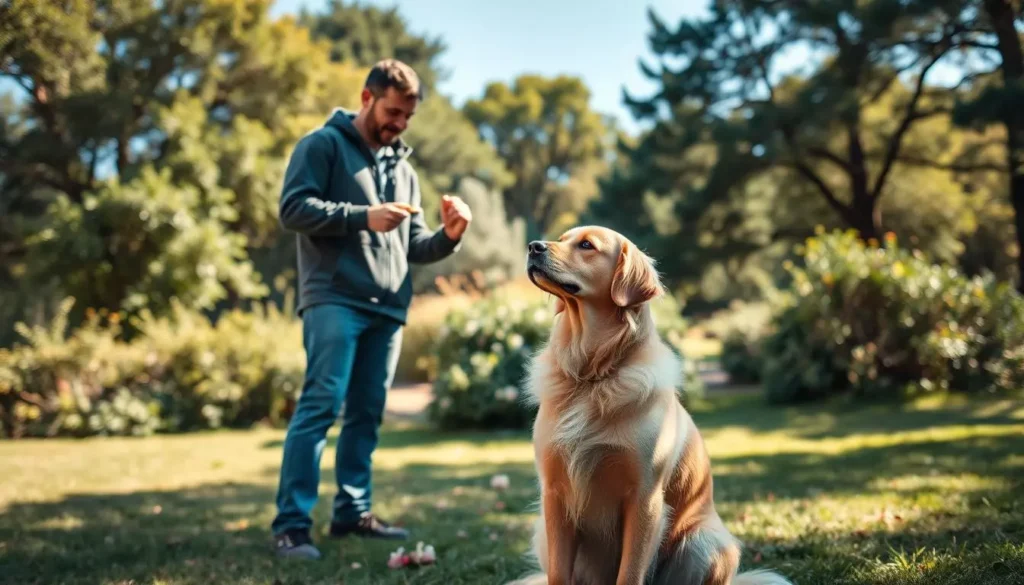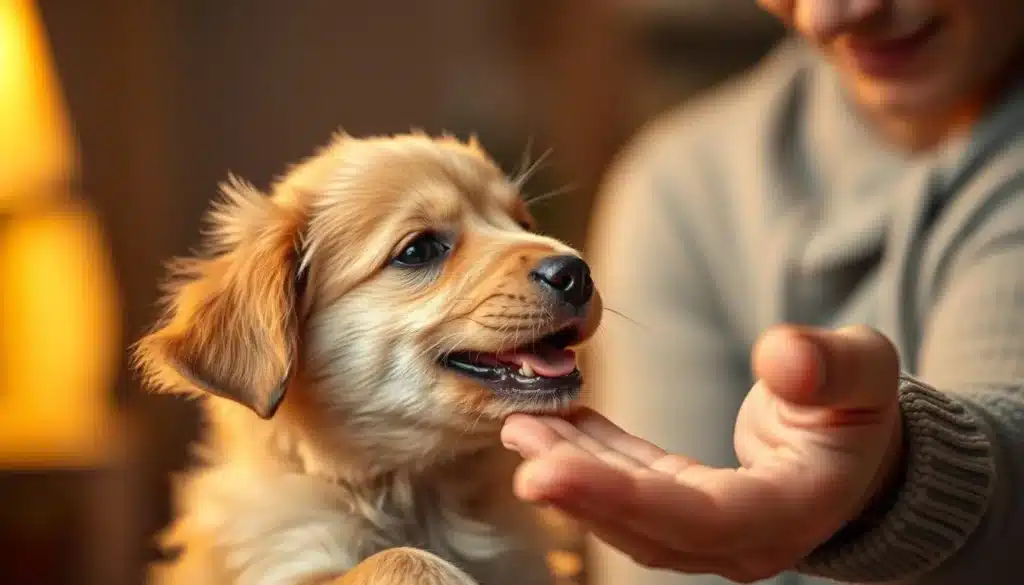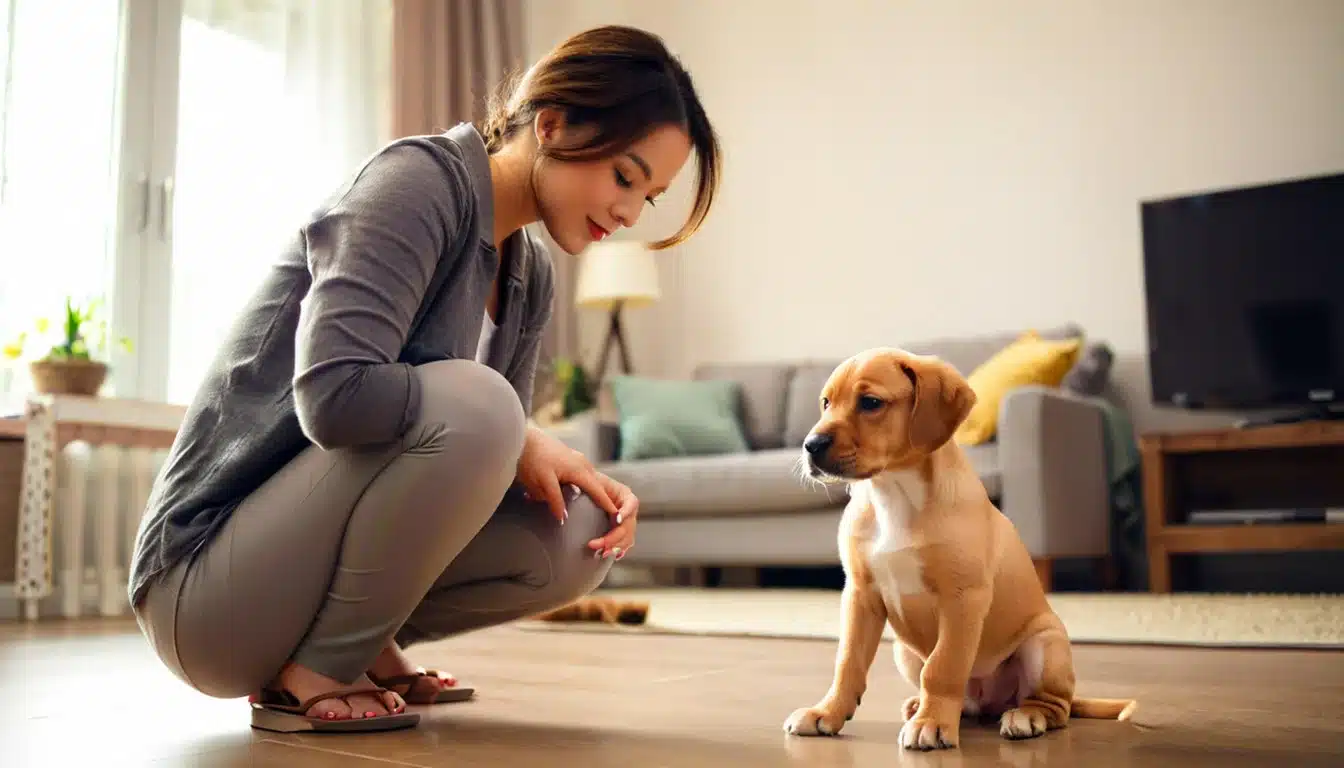
I remember the first night with my tiny Labrador mix. I felt joy and panic. I wondered when to start training so I wouldn't mess it up.
Puppies start learning from birth. These early days shape their confidence, habits, and responses for years.
Training starts the moment you bring a puppy home. People often talk about the 8-week mark. But learning happens before and after that too.
At 8 weeks, puppies can learn names and basic commands like sit and come.
There's a special time, from 6 to 16 weeks, when puppies soak up new things fast. But I think training is a lifelong journey. Use positive methods, short sessions, and introduce new things slowly. This builds skills and trust without fear.
By five to six months, you'll see progress with basic commands. But remember, training is a lifelong process.
Key Takeaways
- Puppies begin learning from birth, so early experiences matter.
- Common puppy training age for starting hands-on work is around 8 weeks.
- The most receptive learning window is about 6–16 weeks.
- Positive reinforcement is the recommended method for lasting results.
- Consistency, short sessions, and patient exposure lead to better outcomes.
- Expect basic cues to solidify by 5–6 months, but training continues for life.
what age can you start training a dog
I bring a new puppy home and I expect learning to begin right away. Puppies absorb the world through play, scent, and interaction. This means I can teach simple cues, routines, and potty habits from day one.
Immediate learning from day one
I keep sessions brief at first, five minutes several times a day. I use food or a favorite toy as a reward. Positive reinforcement helps shape calm behavior and reduces fear.
When a pup responds to a cue like sit or gentle eye contact, I praise and reward right away. This links action and outcome.
Typical age puppies go home and why it matters (around 8 weeks)
Most breeders and shelters let puppies go to new homes at about eight weeks. At that age, they can learn basic cues and begin house rules. I set clear feeding, play, and potty schedules the first week.
Critical socialization window: 6 to 16 weeks and why early exposure helps
The 6–16 week window is a crucial time for puppy behavior training age. Experiences have outsized influence. I introduce new people, surfaces, and gentle noises gradually and positively.
Proper exposure now lowers the chance of fear later and speeds up learning when I start training. I watch vaccine schedules and avoid risky situations until shots are up to date. But I still give controlled, safe social chances.
If I wonder when to start obedience training for dogs, I treat socialization and short cue work as the same early priority.
Best age to start training a dog: puppy vs adult considerations
Many owners wonder when to start training their dog. The early weeks are crucial, but adult dogs can also learn with the right approach. I'll explain the differences to help you find the best fit for your dog and lifestyle.
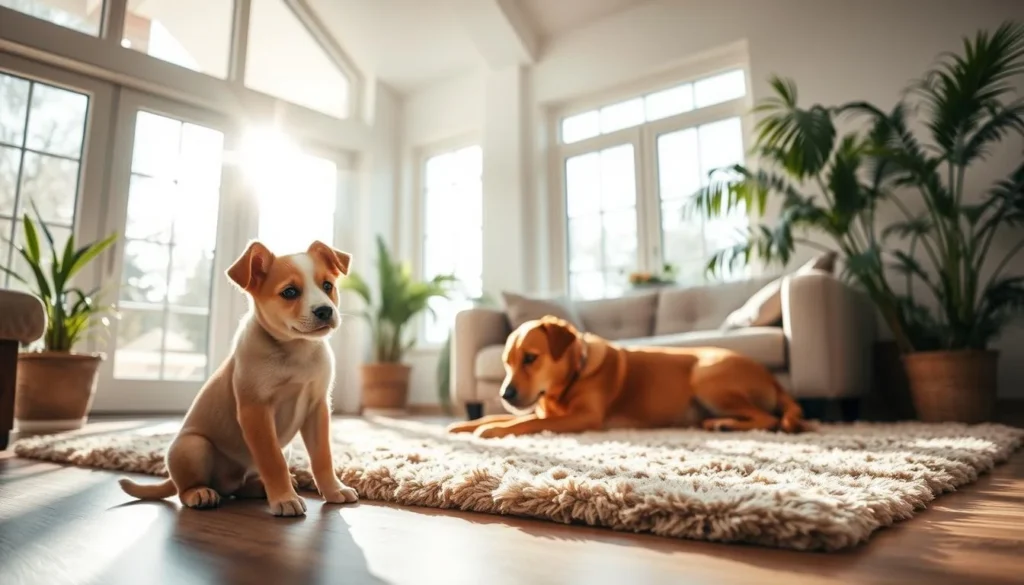
Starting simple lessons between 8–16 weeks is my top choice. This puppy training age is key for strong learning and social skills. Short, fun sessions with tasty rewards and clear commands help young dogs form lasting habits.
By 8–10 weeks, I teach basic commands like "sit," "come," and crate training. These puppy training basics focus on being consistent and positive. Early successes help avoid frustration for both the dog and the owner.
Training older dogs requires more patience and motivation. They can learn, but their past experiences and habits influence their learning pace.
With adult dogs, I focus on predictable routines and gradual challenges. They can handle longer sessions, but some may need to work on basic behaviors first. Always keep the praise high and corrections low.
Training older dogs is different from puppies mainly in their attention span and social needs. Puppies need short, frequent training and lots of social experiences. Adults can handle longer sessions and more complex distractions.
Regardless of age, I stick to the same principles: positive reinforcement, predictability, and gradual increases in difficulty. This approach keeps learning clear and engaging for dogs.
Quick comparison
| Focus | Puppy (8–16 weeks) | Adult |
|---|---|---|
| Session length | 2–5 minutes, multiple times daily | 5–20 minutes, adjusted for stamina |
| Primary goals | Name, sit, come, crate, social skills | Behavior modification, reliable cues, endurance |
| Motivation | Food, play, praise | High-value rewards, routine, clear expectations |
| Challenges | Short attention span, fear periods | Established habits, learned avoidance |
| Best practices | Consistency, gentle exposure, reinforcement | Patience, systematic practice, reward-rich sessions |
Potty training timelines and when to start potty training your dog
I make potty training easy and focused on puppies. Knowing when to start is key. Most puppies are ready between 8–12 weeks. But, it really depends on their routine and personality.
I suggest a simple schedule based on the puppy's age. A good rule is to divide their age in months by two. This tells you how long they can hold it. For example, a 2-month-old puppy can hold it for about an hour.
I plan outings around important times. These include after naps, meals, play, and before bed. For house training, I use a leash to take them outside. I stand quietly for five minutes to help them focus. Praise and a treat when they go helps them learn.
Success times vary. Some puppies learn fast, while others take longer. If they're not getting it, I check if the schedule is consistent. I also look at crate routines and reward timing.
I watch for cues and adjust my expectations. For young pups, I give more breaks. As they get better, I increase the time between breaks. With older puppies or rescue dogs, I stay patient and adjust the schedule as needed.
Typical potty training start age: 8–12 weeks
Most experts agree that 8–12 weeks is the best time to start. At this age, puppies can learn simple cues and start a routine.
How to create a potty schedule based on age
I use the months-divided-by-two rule to set break times. Then, I add outings after meals, sleep, and play. Short, frequent trips work best for young puppies.
Common timeframes for success and when to adjust expectations
With a consistent routine and positive rewards, many puppies learn to use the toilet in a week to a month. If they still have accidents after a month, I check the routine, crate size, feeding times, and reward timing.
When to start obedience training for dogs: basic cues and progression
I suggest starting obedience training as soon as a puppy comes home. Early training on attention and basic cues is key. I keep sessions short and fun to keep the puppy interested.
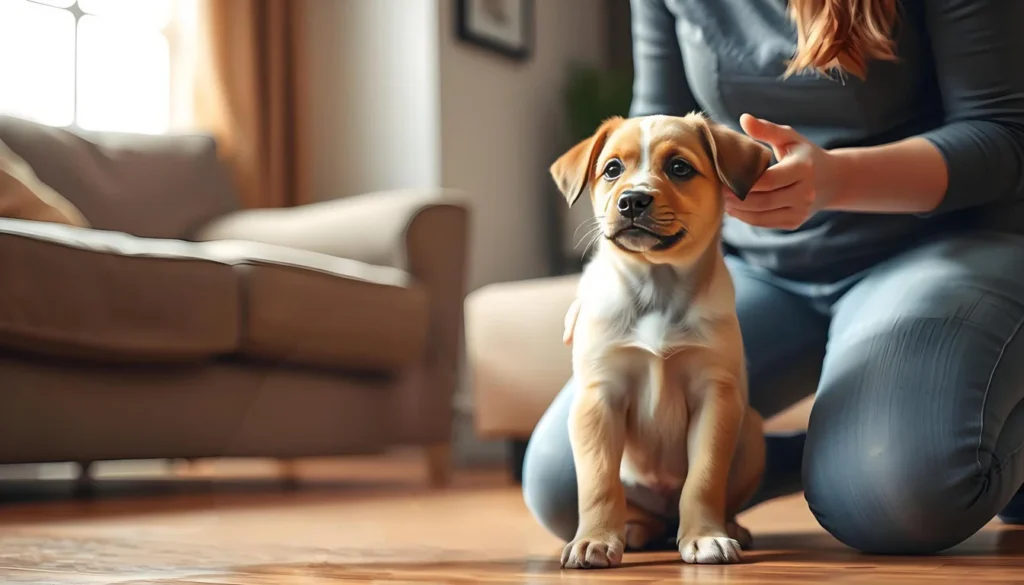
I start with the sit come watch cue as the foundation. Teaching young dogs involves clear signals, consistent rewards, and timing treats with meals. These basics prepare them for more complex tasks.
For very young pups, I keep sessions short. Five to ten minutes is perfect. I aim for about ten to fifteen minutes of training spread throughout the day. This approach respects their attention span and avoids overwhelming them.
Here is a simple progression I follow:
- Indoors: teach attention with “watch,” then layer “sit” and a short recall.
- Combine cues: Sit > Down > Stay > Come as the pup matures.
- Outdoors: add distance, mild distractions, then more challenging environments after vaccinations.
When training outside, I slowly reduce food dependency. I use praise and occasional treats instead. This helps the dog learn to obey without constant food rewards. It takes months to build reliable responses.
Planning sessions is crucial. I mix repetition, novelty, and rest. I incorporate training into play and meal times to make learning fun. This approach helps keep training steady and enjoyable.
Puppy behavior training age: socialization and bite inhibition
I focus on the window when puppies learn fastest. Small, safe steps shape confident adults. Early work blends gentle exposures, positive rewards, and clear limits.
I suggest starting social contact once the puppy is weaned and basic vaccinations have begun. The socialization window 6 to 16 weeks is crucial. Calm introductions are key during this time.
I start with family and close friends, then add new surfaces, noises, and short car rides. Gradual steps help a puppy accept new things without fear.
I use barriers or playpens for first meetings with other dogs. Controlled views let a pup watch before play starts. After vet approval, I expand supervised play with calm, vaccinated dogs.
How and when to introduce people, surfaces, noises, and other animals
I bring one new element at a time and reward calm interest. If a puppy hesitates, I back up and make the next moment smaller and more rewarding. This approach reduces overwhelm and builds curiosity.
Teaching bite inhibition and redirecting mouthing
I teach bite inhibition by ending play when teeth meet skin and swapping a chew toy for a hand. Praise follows the swap. Short, consistent responses teach the puppy that gentle mouths keep the fun going.
I pair calm handling exercises with chew toys from breeds like Kong and Nylabone. Regular play that rewards soft mouths prevents nipping from becoming a habit.
Vaccination timing and safe socialization practices
Vaccination timing for socialization guides where I take a pup. I avoid crowded dog parks until vaccinations are complete. I rely on friends’ vaccinated dogs and controlled classes early on.
I always consult my veterinarian about local disease risks before outdoor group outings. Safe socialization protects health while preserving the benefits of the 6–16 week learning period.
Crate training and when to begin crate work with a puppy
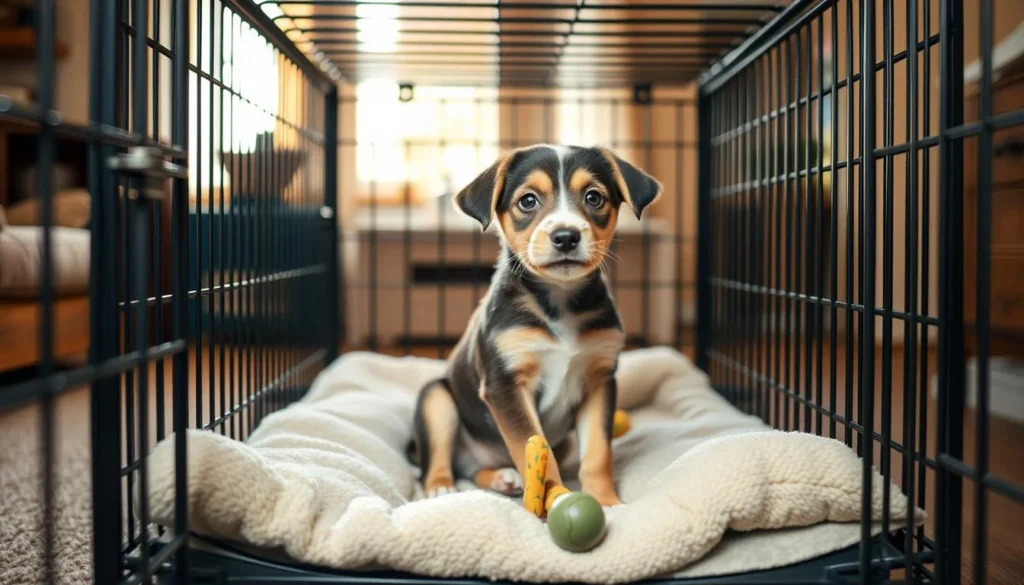
I start crate work the moment a puppy arrives home. A gentle beginning sets the tone for future learning and comfort. Crate training puppy tools help establish routines, reduce accidents, and give a safe place for rest.
Choosing the right crate size and location
I pick a crate that lets the puppy stand, turn, and lie down comfortably without too much extra room. A too-large crate can encourage elimination in one corner. I place the crate in a quiet living room corner so the puppy feels part of family life while getting calm downtime.
How to introduce the crate gradually and build positive associations
I let the puppy explore the crate with the door open and add soft bedding and a few high-value treats. Short sessions with the door closed start while I sit nearby. I step away briefly, return, and reward calm exits. Threshold practice—pausing calmly before leaving—teaches impulse control and reduces door bolting.
Using crate training to support potty training and separation comfort
I use the crate to limit unsupervised roaming so the puppy learns bladder control faster. Crate support for potty training works best when combined with a consistent schedule for outings and rewards for success. A separation comfort crate becomes a safe zone when time inside is increased slowly and never used as punishment.
| Goal | Early Steps | Signs of Success |
|---|---|---|
| Comfort in crate | Open-door exploration, bedding, treats | Relaxed body, lying down, self-settling |
| Crate support for potty training | Limit unsupervised access, scheduled outings | Fewer indoor accidents, longer overnight holds |
| Separation comfort crate | Short, positive alone sessions, rewarded exits | Calm behavior when left, reduced whining |
| Impulse control at threshold | Pause before exit, reward calm waiting | Sits or lies calmly before door opens |
Leash training and teaching commands to a young dog
I start leash training in a quiet room. This way, my puppy gets used to the harness and leash without feeling stressed. I let them wear it during play or meals to make it a normal part of their day.
I teach them in short walks. We go a few steps, stop, and then I reward them. This helps them learn to walk by my side and not pull on the leash.
To stop pulling, I stop moving when the leash gets tight. I wait for the leash to relax before we move again. This teaches them that pulling stops the walk.
When we go to new places, I start in a quiet yard. I keep the walks short at first. As they get better, we go on longer walks and face more distractions.
I also teach them to wait at doors and practice controlling impulses before going outside. This keeps them safe and makes learning easier.
For longer walks, I guide them but also let them sniff freely when the leash is loose. This teaches them that following commands gets rewards, but pulling doesn't. With time and practice, they learn to walk nicely on a leash.
Optimal age for dog training advanced work and duration training
I start advanced training when a puppy shows steady focus and physical maturity. This usually happens between four to six months for many breeds. At this age, I can teach longer sits, steady recalls, and handle distractions without harming their growth or confidence.
I gradually increase the 3Ds: distance, duration, and distractions. I start with small increases in distance, then add more time on a cue, and finally introduce gentle distractions. I avoid moving from a quiet yard to a busy park too quickly. Each step helps build strong habits and reduces setbacks during adolescence.
For longer-range training, I use long-line training. It lets me test the dog's recall at greater distances safely. I also use intermittent rewards to teach the dog to work without constant food prompts.
Reliable recall is key, and I achieve it through routine, varied practice, and controlled settings. I practice recalls during play, on scent trails, and around mild distractions. As the dog grows, I increase the duration of stays and add more cues. This makes real-world obedience automatic.
Training will continue to refine from six months to a year and beyond. Short, consistent sessions help keep progress. Training at the right age leads to steady gains and calmer, more confident dogs.
what age can you start potty training a dog and practical tips
I share easy steps for house training that fit a busy schedule. Many wonder when to start potty training a dog. I suggest starting at 8–12 weeks and using consistent strategies to help them learn fast.
I use a short leash and take the puppy outside for about 30 minutes. Then, I stand still for five minutes to help them go. When they do, I give a small treat and calm praise right away. This teaches them the right spot and links it with a reward.
House training strategies for 8–12 week old puppies
I follow a predictable potty schedule tied to meals, naps, and play. For timing, I use the age-in-months/2-hours rule. A two-month-old pup needs breaks every hour. Short, frequent outings help prevent accidents and build bladder control.
I limit free roaming indoors until the pup has more control. Crate time helps by keeping them from wandering and learning from accidents. I make the crate a positive space with a comfy bed and quiet routine.
Signs your puppy needs a break and how to time outings
I watch for circling, sniffing, whining, or sudden restlessness as signs the puppy needs a break. When I see these cues, I stop what I’m doing and take the pup outside right away. Quick attention to these signs prevents many setbacks.
I schedule breaks after meals, after 10–20 minutes of play, and when the pup wakes from naps. This routine creates reliable cues and reduces confusion for the puppy.
Crate support, reward timing, and accident management
I use the crate to support bladder training and safe confinement. I never force long stays; I match crate time to the puppy’s age and progress. When the puppy eliminates outside, I reward them immediately to link the action with the treat.
For accident management, I stay calm, clean thoroughly with an enzyme cleaner, and avoid punishment. I gently take the puppy outside at the next appropriate time and reinforce the correct behavior. A calm response keeps trust intact and speeds learning.
| Area | Action | Timing |
|---|---|---|
| Start age | Begin house training | 8–12 weeks |
| Potty schedule | Age-in-months/2-hours guideline | Example: 2 months ≈ every 1 hour |
| Outdoor routine | Leash for 30 minutes, stand still 5 minutes | After feeding, waking, play |
| Signs to act | Circling, sniffing, whining, restlessness | Immediate outdoor trip |
| Crate use | Limit unsupervised roaming, support bladder control | Match to age and progress |
| Reward timing | Treat and praise immediately after correct elimination | Within seconds of success |
| Accident management | Clean with enzyme cleaner, avoid punishment, reinforce correct spot | Calm response, then scheduled outing |
what age can you start training a dog with a shock collar and humane alternatives
Many people ask when it's okay to start training a dog with a shock collar. I think trainers and owners should think about science and animal welfare first. Training should be short, clear, and build trust with the dog.
Positive reinforcement is key, as vets and behaviorists recommend. It shapes behavior without fear. Dogs learn best when training is fun and follows a predictable pattern.
Why positive reinforcement is the recommended scientific method
Studies and experts like Ian Dunbar show rewards help dogs remember and feel less stressed. I use treats, praise, and play to teach new things. Short, consistent sessions and gradual challenges help all dogs.
Risks and long-term consequences of aversive tools like shock, prong, and choke
Research highlights the dangers of shock collars for dogs. Tools based on pain can cause fear, anxiety, and aggression. I avoid these because they can harm the bond between dog and owner and lead to unpredictable behavior.
Effective humane alternatives: food rewards, toys, praise, and shaping
Humane methods work for all dogs, no matter their age or breed. I suggest using high-value treats, interactive toys, and clicker or marker methods. Breaking down complex behaviors into small steps helps without harm.
I recommend starting training early and using the puppy's meals as rewards. As skills improve, switch to variable rewards. This approach avoids the risks of shock collars and builds lasting reliability.
what age can you start training a service dog and formal training timelines
I guide readers through realistic timelines for training a service dog. We start with the earliest steps and move to formal stages. We discuss when to begin puppy basics, vaccination timing, and how long training takes.
Early foundation work starts in the puppy period. From about eight weeks, I suggest short, positive sessions. These cover basic obedience, crate manners, leash skills, and impulse control games.
These habits shape the dog's temperament and make task training easier later.
Early foundation work suitable for service dog candidates
Start with friendly, controlled socialization and reward-based obedience. I recommend supervised meetings with adults and children. Also, varied surfaces and gentle noise exposure are key.
Short daily drills build focus and reduce anxiety in new settings. Crate comfort and calm entries on leash are also part of early work.
Keep sessions under five minutes for young pups. Increase duration as they get older. Clear routines help the dog learn expectations quickly.
When formal service training typically begins and vaccination/age considerations
Formal service training starts after initial socialization and core vaccines. Assistance Dogs International member programs often wait for full vaccine series or vet-approved plans.
Age for formal work varies by program and task. Basic obedience and guided public exposures start at four to six months. Complex tasks can take months to master, so training timelines are one to two years.
Vaccination considerations shape where you train. I consult veterinarians before taking young dogs to dog parks, public transit, or crowded stores. Controlled exposures in low-risk settings help develop social skills without health risks.
Socialization, public access prep, and specialized task training stages
Public access prep starts when the dog works well in distraction-free settings. Gradually add controlled distractions, moving to busier places, elevators, and cafes.
Specialized task training begins after a solid obedience base. Tasks are broken into small steps and trained with high-value rewards. I track progress with short, frequent sessions and repeatable criteria.
My approach balances patience with steady progression. By blending early foundation work, attention to vaccination considerations, and staged public access prep, I follow service dog training timelines. These prioritize the dog's welfare and the handler’s long-term needs.
Conclusion
I found out you can start training a dog as soon as they come home, usually at eight weeks. The first 6–16 weeks are crucial for socialization and learning basic commands. But, training is a lifelong journey with short, positive sessions every day.
Training a dog early has its benefits, but older dogs can also learn with the right approach. I use positive methods, like treats and praise, to help them learn. I also focus on crate training, potty schedules, and gradual leash training.
Training a dog for life means making progress slowly. I increase the challenges only when they're ready. By starting early and using positive methods, I help my dog grow up confident and well-behaved.