I remember the first night with a jittery Labrador puppy. I wondered, "When should I start training?" That little body, bright eyes, and curiosity showed me habits form fast. Every sniff, bounce, and cuddle taught the pup about the world.
I wanted those lessons to build confidence, not fear. Puppies learn a lot from their surroundings. They learn from play and every short training moment.
For many breeds, training should start early. It's best to begin around 7–8 weeks old. Simple commands like sit, come, and name recognition are achievable with gentle, positive reinforcement.
I avoid harsh methods like choke collars. They can cause lasting anxiety. Instead, I use short, consistent sessions and rewards to teach good behavior.
If you're wondering when to start training, think of the early weeks as laying a foundation. But remember, this is just the beginning of a lifelong learning journey.
Key Takeaways
- Start training as soon as you bring a puppy home, typically around 7–8 weeks.
- Use positive reinforcement; avoid punishment and dominance-based tools.
- Short, consistent sessions fit a puppy’s attention span and build confidence.
- Early training creates the foundation for adult behavior and long-term success.
- Training is ongoing — the 6–16 week window is vital, but practice continues through adolescence.
Understanding puppy learning windows and why early training matters
I focus on how early days set the course for a dog's life. The puppy learning windows are brief but powerful. If you know what age to start dog training, you can use those weeks to build confidence and good habits.
I watch milestones closely. The critical socialization period closes near 16 weeks. Before that, pups form lasting impressions of people, animals, sounds, and surfaces. Gentle, varied exposure helps a puppy grow into a stable adult dog.
I break development into practical stages. By 7–8 weeks puppies handle basic cues and tolerate touch for vet care. Between 8–10 weeks crate work is usually successful. At 10–12 weeks I address mouthing and bite inhibition. From 12–16 weeks I push for steady potty progress.
Early experience shapes later behavior. Positive encounters during the socialization window lower fear and anxiety. Missing those experiences raises the risk of adolescent problems and avoidance around new situations.
Scientific studies back positive reinforcement as the safest training path. Reward-based methods encourage learning without creating fear. Harsh techniques can harm trust and provoke stress-related issues.
My practical takeaway is simple: prioritize safe, varied, and positive exposures between about 6 and 16 weeks. That focused approach answers what age to start dog training and gives puppies the best chance to become confident adults.
what age to start dog training
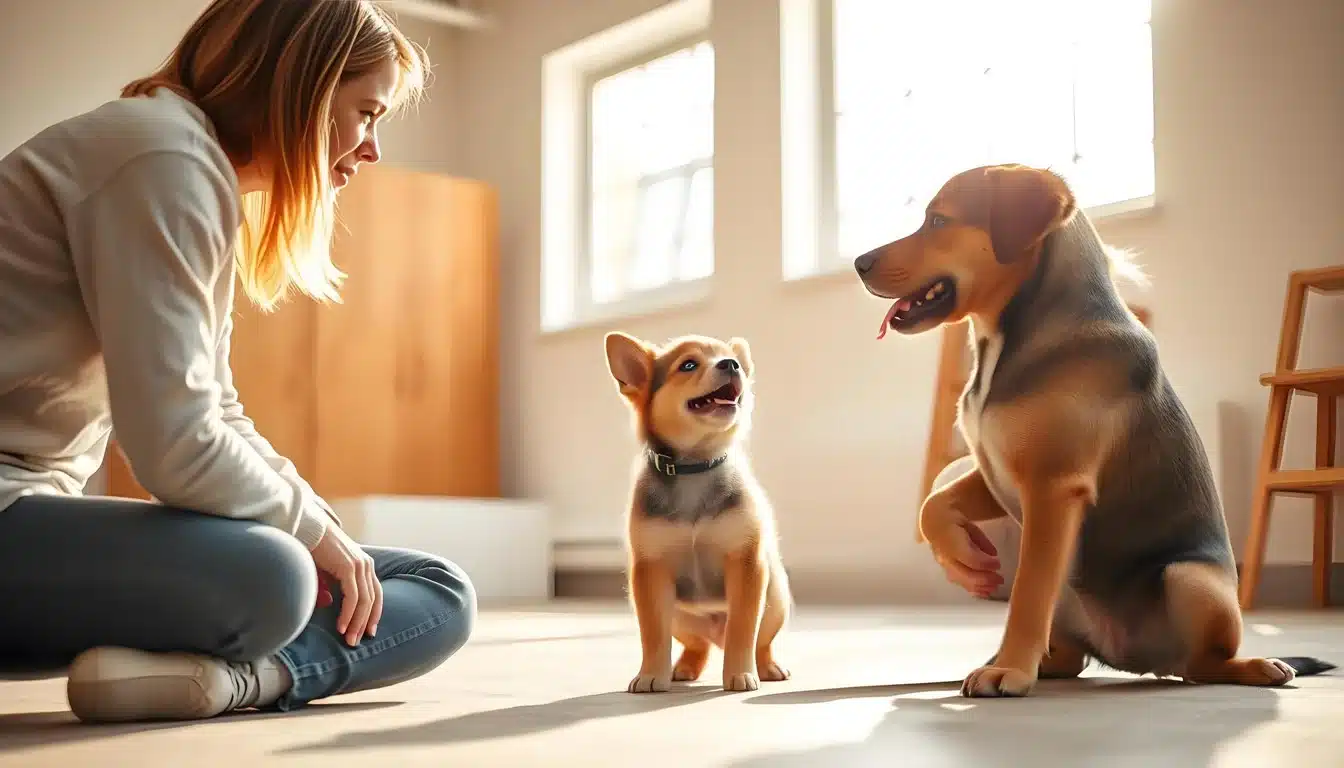
I have a plan when I bring puppies home. At 8 weeks, they're ready for gentle handling and learning. Short sessions help them learn "sit" and "come" and build trust.

I teach them in tiny, frequent lessons. This way, every interaction is a chance to learn. Teaching their name and crate skills early makes training easier later.
Using kibble or small treats as rewards helps them learn fast. This method keeps them motivated and eager to please.
The best time to learn is between 6–16 weeks. Puppies adapt quickly to new things during this time. They pick up social cues and simple commands easily.
I plan several short training sessions each day. This pace keeps training fun and prevents feeling overwhelmed. Mixing play with training keeps them motivated and calm.
Starting training right away helps establish routines. It reduces confusion and stubbornness later. It also makes potty training and crate learning easier for both of us.
I focus on clear instructions and repetition. I celebrate small victories and gradually stop using treats. This method helps them learn and grow, especially during the best learning window of 6–16 weeks.
Starting basic obedience: sit, stay, come and leash manners
I break basic obedience into short, focused steps. This helps puppies learn without stress. Sessions last about five minutes, with three a day. This matches a pup's attention span and shows progress early.
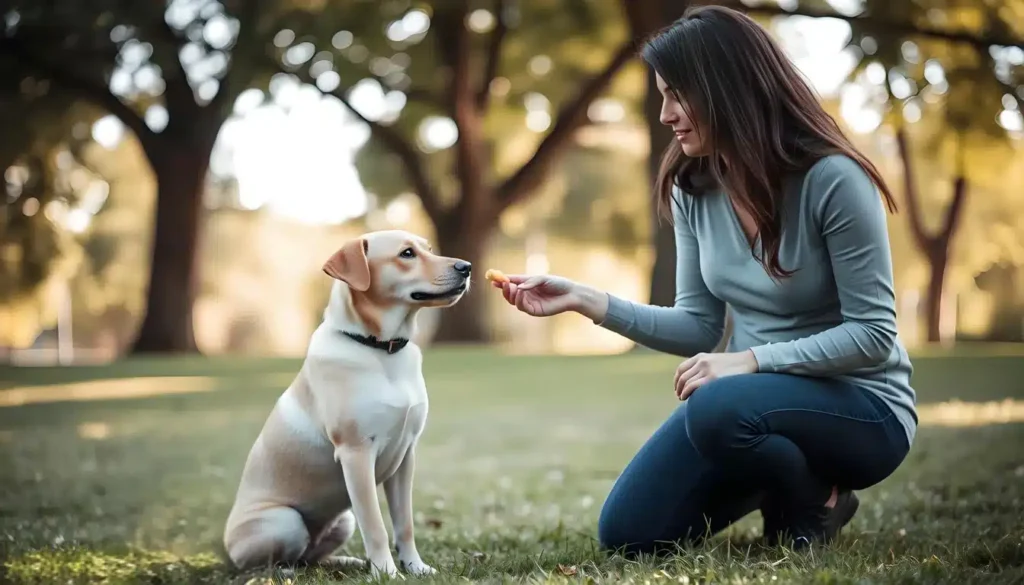
I start indoors with treats or favorite toys as rewards. For sit, I lure the pup with a treat from nose to over the head. When the rear touches the floor, I mark the moment.
For come, I use a bowl or tasty lure and praise immediately on arrival. For stay, I reward calm behavior, starting with one or two seconds and building up. This shows how to teach sit stay come clearly.
I use consistent verbal cues and hand signals across family members. This avoids confusion. Repetition and small increases in duration and distance set a reliable pattern without overwhelming the puppy.
Leash work starts indoors. I fit a soft harness and clip on the leash for short, supervised periods. I reward calm standing and walking a few steps in a quiet room.
When the pup is comfortable indoors, I move practice to a quiet outdoor spot after vaccinations are complete. I repeat the same cues, using higher-value treats when distractions rise. I add distance and duration gradually so the dog learns to respond under real-world conditions.
My reinforcement strategy is simple: find the puppy’s top reward and save it for harder lessons. Kibble works for easy reps. Special treats or a favorite tug toy earn attention in parks where distractions compete. This balance helps trainers and owners answer practical concerns about what age to start dog obedience training while building dependable skills.
Potty training and crate training: ideal ages and step-by-step approach
I help owners create a house training plan that fits their busy lives. Starting early and following a routine helps puppies learn quickly. I share tips on timing, setting up the crate, and drills for both litters and pet owners.
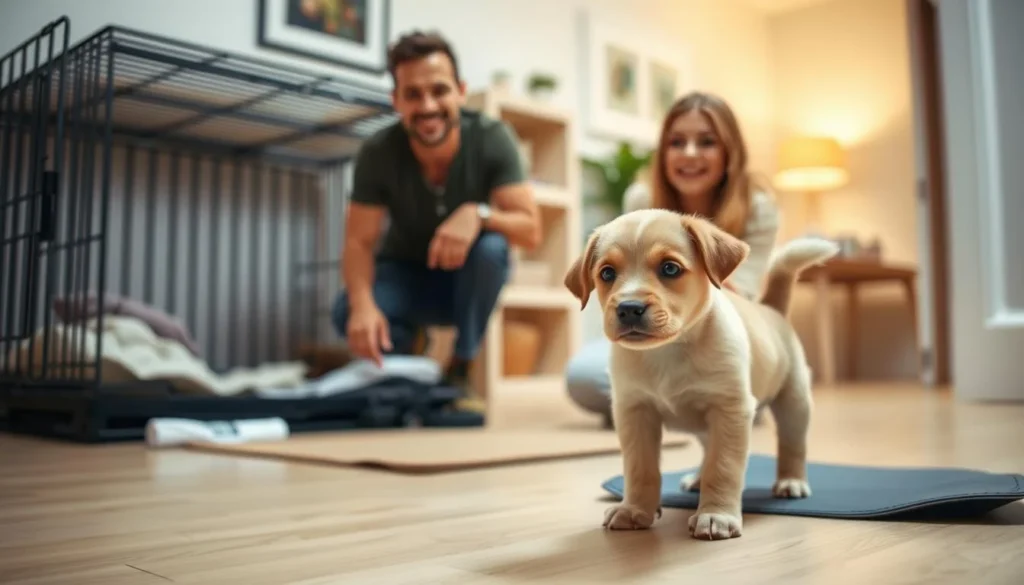
When to start potty training and realistic timelines
I recommend starting potty training at 8–12 weeks. Owners often see quick results in a week to a month. But, it can take several months for full reliability.
My routine includes taking the pup out at key times. This includes after meals, naps, and play. I use a leash and give a 30-minute window outside. Then, I wait five minutes to help them focus. Praise and treats immediately after they go help them learn fast.
Crate training as a safe space and housebreaking tool
I start crate training at 8–10 weeks. The crate should feel like a cozy den, not a punishment. I feed meals inside and add soft bedding for comfort.
Start with short, calm stays of about 10 minutes. Gradually increase the time while you're nearby. Place the crate in a quiet but social area. If the puppy seems stressed, I stop and comfort them, then start again slowly.
Practical exercises I use to speed house training with consistency
- Follow a strict schedule and use the age-in-months divided-by-two rule to estimate safe time between breaks.
- Catch successes, reward immediately, and keep celebrations calm to avoid overexcitement at the door.
- If an accident happens indoors, I interrupt, carry the puppy outside to finish, then praise success. I do not scold after the fact.
- Teach calm behavior at thresholds by asking for a sit before opening doors. Reward waiting to build impulse control.
I answer common questions about when to start crate and potty training during the first consults. Clear expectations and gentle repetition help create a smooth housebreaking timeline for families and puppies.
Socialization strategies and age-based recommendations
I focus on safe, positive early experiences that build calm confidence. If you wonder about puppy socialization before vaccinations, start with low-risk encounters once pups are weaned. Short, supervised moments with vaccinated, calm dogs behind barriers and brief visits from trusted people offer big benefits without unnecessary exposure.
Safe socialization before vaccinations are complete
I begin by carrying the pup to new places rather than leaving them on the ground in high-dog-density areas. Meet a friend with a vaccinated Labrador or golden retriever through a fence. Let the puppy observe, sniff at a distance, and receive treats for calm behavior. Keep sessions to 10–15 minutes early on.
Exposing puppies to people, dogs, sounds, surfaces and places
I introduce varied people—children, seniors, people with hats or glasses—using treats and praise to create positive links. For dog contacts I choose steady, vaccinated adults who know how to be gentle. I use recordings for traffic, garbage trucks, and doorbells to desensitize a pup without risk.
I guide pups across tile, carpet, grass, and sand in brief, fun walks. I practice car entries, elevator rides in my apartment building, and calm handling of paws, ears, and mouth for vet and grooming visits. These small steps make a big difference.
Balancing quality over quantity in social experiences
I prioritize controlled interactions that match each puppy’s temperament. One calm, well-supervised play session beats many chaotic ones. I never force a meeting; I watch body language and step in if play becomes rough.
I keep practicing through adolescence to reinforce the confidence started in the 6–16 week window. If you ask how to socialize a puppy, think short, positive, and consistent exposures that build trust.
| Age or Stage | Recommended Focus | Safe Settings | Session Length |
|---|---|---|---|
| Weaned to 8 weeks | Family handling, gentle people exposure, surface variety | Home, backyard, car, quiet street carried outings | 5–10 minutes, multiple times daily |
| 8–12 weeks | Expanded people types, calm vaccinated dogs behind barriers, recorded sounds | Friend’s yard, controlled playdates, vet visits with handling | 10–15 minutes, mix of short sessions |
| 12–16 weeks | Confident supervised play, new surfaces, brief public exposures | Low-traffic parks, puppy socialization classes if policy allows | 15–20 minutes, gradual increases |
| Adolescence (4–6 months) | Reinforce earlier lessons, manage rough play, advance distractions | Parks, training classes, structured dog sports introductions | 20–30 minutes, varied sessions |
If you wonder what age to start dog training classes, check local class policies and your vet’s guidance. Many programs accept pups for socialization-focused sessions around 8–10 weeks with vaccine rules in place. I recommend joining classes that emphasize structure and graded exposures once basic vaccine milestones are cleared.
To decide how to socialize a puppy, follow the pup’s signals, reward curiosity, and keep interactions predictable. Quality, not quantity, protects health and builds reliable social skills as you prepare for formal lessons and the question of what age to start dog training classes.
Specialty training timelines: service dogs, protection, hunting, agility, and working breeds
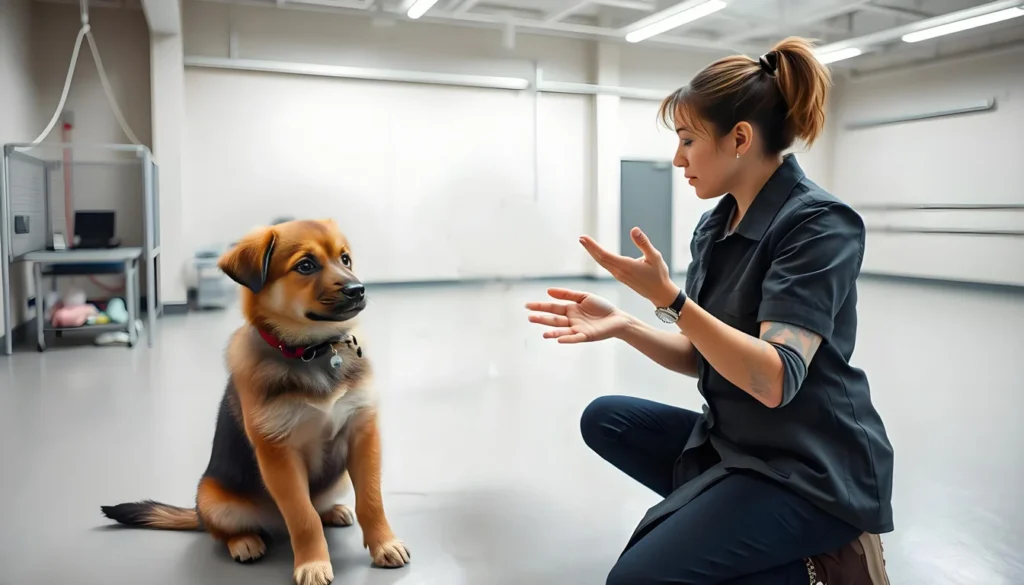
I start with basic skills first for specialty training. I want pups to be steady on recall, calm with strangers, and used to short sessions. This makes later training easier for both dog and handler.
When to start service work
I start basic obedience and socialization early after bringing a pup home. For service dog training, professional programs wait until pups are older. This allows for better impulse control and attention.
Protection training considerations
For protection work, I watch temperament and maturity closely. Many trainers wait until adolescence for protection training. I focus on strong obedience and impulse control before starting protection drills.
Agility and sport foundations
I introduce play-based handling and low-impact equipment early. This builds confidence. Agility training starts later to protect joints. Focus, recall, and simple cues come first.
Hunting and field breeds
I start with early exposure to scents and sounds in short sessions. For hunting dogs, groundwork like steadying and basic commands is essential. Skill progression should be gradual and breed-appropriate.
Specialty trackers and hunters
For niche tasks, I lay a gentle foundation first. Questions about training coon dogs, sheep dogs, and squirrel dogs are common. I focus on early exposure and stepwise development.
Across all specialties, I recommend breed-specific experts and accredited programs. Reliable basic obedience, broad socialization, and impulse control come first. This protects the dog and leads to better results.
When to enroll in classes: puppy socialization classes vs obedience classes
Many people ask me when to start dog training classes. They wonder about the age limits for puppy socialization and full obedience programs. I suggest choosing a time that balances safety with learning, considering your puppy's age and the facility's rules.
Class age requirements vary. Puppy socialization classes often start at eight weeks, after core vaccinations. Obedience classes usually begin later, between 12 and 16 weeks, requiring vaccine proof.
At 8–12 weeks, puppies should recognize their name, sit, and come. They should also be okay with a leash or harness and comfortable in a crate. These early weeks are perfect for short training sessions and controlled social interactions.
Between 12–16 weeks, puppies can handle group classes with more commands like down and place. This is a good time to start training outdoors and practicing leash walking in quiet areas. It's also important to keep up with consistent potty routines.
Vaccine policies for puppy classes are crucial. Until vaccinations are complete, avoid crowded dog parks and uncontrolled play. Good trainers use controlled groups and ask for vaccine proof to keep puppies safe while socializing.
Classes add to at-home training by offering supervised socialization and structured lessons. Bring a treat pouch and use your puppy's food to keep them motivated. Then, practice what they learn at home in short sessions focusing on distance, duration, and distractions.
If you're unsure about local requirements, call the training facility. Ask about vaccine policies and age requirements for obedience classes. Clear expectations help both you and your dog adjust to group learning.
Training methods I trust: positive reinforcement and short sessions
I use gentle, reward-based training to build trust and clear communication with puppies. I mix short practice with real-life moments to keep learning relevant. This method focuses on positive reinforcement, short sessions, and planning to stop using food rewards as skills improve.
Why reward-based training wins
I choose methods backed by experts in animal behavior. Rewarding good actions encourages puppies to repeat them without fear. Using treats, toys, or praise helps shape behavior while keeping the puppy calm and curious.
Keeping it short and upbeat
Puppies focus best in short bursts. I aim for short training sessions of about five minutes per cue, spread across the day. I stop on a success and give a lively reward so the puppy looks forward to the next turn.
Consistency, clear cues, and reward strategy
I use the same words and hand signals in every practice and ask family members to match them. Predictable cues and steady timing help habits form faster. I reward good choices even when it’s inconvenient, like pausing a task to let a pup finish a sit before moving on.
Phasing out food rewards without losing reliability
At about four to six months, I start phasing out food rewards in predictable steps. I ask for more than one response before handing a treat and swap in praise or petting for routine cues. I keep high-value treats for new places and big distractions so reliability stays strong.
| Goal | Session Length | Common Rewards | Phase-Out Step |
|---|---|---|---|
| Teach sit and stay | 5 minutes per cue | Small kibble, soft treats, praise | Ask for two sits before treat |
| Recall in quiet area | 5–8 minutes, multiple reps | High-value treats, toy reward | Intermittent treat, frequent praise |
| Leash manners outside | 3–5 minutes, several short walks | Tiny treats, clicker, affection | Use praise and touch instead of food |
| Generalizing commands | Short bursts in varied settings | High-value rewards for new contexts | Shift to random reinforcement schedule |
Handling adolescent challenges and maintaining training long-term
Many owners face tough times around six months with their puppies. Puppies test limits, act impulsively, mouth more, and ignore cues. I tell owners that these challenges are normal and temporary with consistent training.
Stick to routines. Short daily sessions, consistent crate and potty habits, and extra walks help. If a cue is forgotten, go back to basics and reward small wins. This keeps bad habits from forming.
I increase the distance and distractions in steps. Start with short stays, then add a few feet, and then a long-line. Only increase duration after mastering position and add distractions like a toy before busy parks.
For protection training, start with solid obedience first. If you aim for protection, focus on recall, impulse control, and 3Ds progression. Then, introduce specialized drills.
Keep practicing to keep skills sharp as they grow. Run recall games, impulse-control exercises, and off-leash play on a long-line. Schedule refresher classes or a trainer when needed.
For long-term success, mix things up. Train in new places, change rewards, and use play to reinforce learning. This keeps behaviors strong and prevents regression, tackling adolescent challenges gently.
Conclusion
I summarize the key point: start training day one you bring a puppy home, typically around 7–8 weeks. The strongest learning window is roughly 6–16 weeks. Early work on basic obedience and safe socialization sets the tone for lifelong training.
Short, frequent sessions and using the puppy’s food as rewards make progress fast and reliable. For practical next steps, I recommend a daily schedule and clear potty breaks. Enroll in puppy socialization classes once vaccines are confirmed.
Keep sessions under five minutes and gradually increase challenges. Tracking progress through adolescence helps skills stay sharp. These habits support a confident adult dog and steady skill retention.
Avoid punishment-based tools and emphasize positive reinforcement. Consistency and measured increases in distance, duration, and distractions are key. This balanced approach builds trust and produces a well-mannered family member ready for lifelong training.