I remember carrying my first puppy into our kitchen at eight weeks old. She was trembling and curious. I watched every small reaction closely, like a wag or a yelp. This taught me that puppies learn a lot from the start.
Training should start as soon as a puppy comes home, usually around 8 weeks. The first 6–16 weeks are crucial for learning. Introducing basic cues and socialization early helps a lot.
Short, positive training sessions are best. Quick rewards and calm repetition work well. Remember, training is a lifelong journey, not just a one-time event.
Every puppy learns at their own pace. Focus on routines, gentle practice, and clear rewards. This sets your dog up for success, no matter when you start training.
Key Takeaways
- Start basic training as soon as the puppy comes home, commonly around 8 weeks.
- The 6–16 week window is especially important for learning and retention.
- Expect reliable basic responses by 5–6 months, but continue reinforcement lifelong.
- Positive reinforcement is the scientifically supported method; avoid aversive tools.
- Consistency, patience, structure, and relationship building matter as much as timing.
what age should a dog start obedience training
Starting early is key for a dog's future. Puppies from six to sixteen weeks learn fast. They absorb social cues and routines quickly.
So, asking when to start obedience training is about giving a puppy the best start. It's about helping them grow into a confident, calm adult.

Why an early start matters for behavior and retention
Puppies quickly form habits in this window. Lessons on waiting and pausing help prevent bad behaviors. This builds a strong foundation and reduces fear and stress.
Positive-reinforcement methods work best with young dogs. They build trust, making future training easier. Early success helps remember cues better over time.
How to begin the first week at home
Start training right when the puppy arrives, usually at eight weeks. Use short sessions of five minutes, two or three times a day. This matches their short attention span and helps them learn fast.
Begin with simple tasks like playing name games and introducing the crate. Teach a basic sit and come with food. Also, get them used to a harness and leash indoors. Include gentle handling to make vet visits easier.
Let them explore safely to build curiosity, not fear. Remember, avoid crowded places until they're fully vaccinated. Talk to your vet about safe socialization options. Early steps make later training easier and kinder for both of you.
Understanding puppy development and dog training age
I focus on how early life stages set the stage for learning and long-term behavior. Knowing puppy behavior training age helps owners plan gentle, effective steps from day one. I outline practical milestones so you can answer the question: at what age should a dog begin training?

Neonatal to weaning: building foundations
From birth to about six to eight weeks, puppies learn key social patterns with their mother and littermates. These early interactions shape bite inhibition, tolerance for handling, and basic stress responses.
When puppies go home around eight weeks, owners can start predictable routines and short, reward-based exercises. Simple crate-threshold practice and name games begin teaching boundaries and attention without pressure.
Socialization window and sensitive periods
The critical socialization window runs roughly from three to sixteen weeks, with the most flexible learning between six and twelve weeks. During this time, puppies form lasting impressions about people, animals, sounds, surfaces, and everyday care.
Careful, positive exposures during this phase influence future reactions. I recommend controlled introductions matched to a puppy’s temperament and steady increments in challenge. Puppy socialization classes may begin near eight weeks, while many formal group classes start around twelve to sixteen weeks.
Keeping dog training age and practical limits in mind reduces overwhelm. Short sessions, clear rewards, and consistent handling build confidence and make later training smoother.
Best age for dog training by specific skills
I divide training into stages based on skills. This way, you can match lessons to your puppy's growth. The best age for dog training varies by skill and the puppy's maturity. I focus on short, clear practices that fit into daily life.
Basic obedience cues for very young puppies
Puppies as young as eight weeks can start learning simple cues. I begin with name recognition, sit, come, and gentle leash introduction. Use small portions of their meal kibble as rewards to keep them motivated.
Keep sessions short, lasting one to three minutes. Repeat several times a day. This approach is practical: start early, keep it short, and make it fun.
Impulse control and polite play
From 8 weeks to six months, I teach rules around meals and play. I introduce sit-for-meals, door threshold sits, crate routines, and teach them to redirect mouthing to chew toys.
By six months, most puppies should learn "leave it" and "drop it." These skills are crucial for obedience training, especially for impulse control. Adolescents test boundaries and need consistent structure.
Higher-level obedience and public work
At four to six months, I increase the difficulty of training. I focus on the 3Ds: distance, duration, and distractions. Work on longer recalls, steadiness with people, and proofing cues outdoors.
From six to twelve months, I consolidate training in public spaces. Advanced obedience, off-leash recall, and public roles like therapy visits or sports require gradual proofing. Professional guidance is often needed. Sticking to a plan helps manage adolescent testing and prevents backsliding.
Puppy training timeline and sample weekly schedule
I create a puppy training timeline to help you track progress. I make sure training sessions are short and consistent. This way, we match the puppy's energy and attention span. We also figure out when to start obedience training with practical steps.
8–10 weeks:
Start a daily routine for feeding, potty breaks, naps, play, and training. Begin crate training, name recognition, and simple cues like sit and come. Use food lures to teach these commands.
Introduce indoor leash or harness for future walks. Keep training sessions short, about five minutes, several times a day. Remember, the potty rule is: puppy age in months ÷ 2 equals hours between breaks.
10–16 weeks:
Expand safe exposures to surfaces, sounds, and calm people. Add more cues like down, place, and gentle heel indoors. When vaccinations allow, start leash work outdoors.
Practice impulse control—sit before meals and games—and add basic play structure. Puppy classes often fit well at 12–16 weeks under proper vaccine guidelines.
4–6 months:
Training sessions grow in length and distance. Introduce stay and leave-it, teach drop it through controlled fetch or tug games. Start fading some food rewards toward praise and petting.
Start working around more distractions and reinforce polite behavior consistently.
6–12 months:
This period focuses on proofing across distance, duration, and distractions. Use a long line for reliable recall practice and add more public outings. Keep structure to manage adolescent testing and continue regular refresher sessions to maintain gains.
Below is a simple weekly sample you can adapt to your puppy’s pace and breed.
| Age | Daily Focus | Session Length | Key Goals |
|---|---|---|---|
| 8–10 weeks | Routine, crate, name, potty | 5 min, 4–6 times | Comfort with crate, reliable potty breaks, sit/come basics |
| 10–16 weeks | Social exposures, more cues | 5–10 min, 3–5 times | Basic obedience, calm greetings, leash start |
| 4–6 months | Distance, stay, drop it | 10–15 min, 2–4 times | Longer focus, impulse control, reward variation |
| 6–12 months | Proofing, public outings | 15–20 min, 2–3 times | Reliable recall, distraction resilience, consistent structure |
If you ask what age should a dog start obedience training, this timeline shows it begins early. Start with gentle, structured steps. Adjust the pace for your puppy’s temperament and get medical advice from your vet.
How puppy behavior training age affects socialization strategies
I see puppies grow and change a lot in their first months. Their age guides where and who they meet. It shapes their confidence and how they react to new things.
Before taking a puppy out, I check with my vet. I invite friends and calm dogs over for safe play. I also use car rides and short outdoor visits to help them learn.
At 8–12 weeks, I focus on family and controlled meetups. At 10–16 weeks, I add puppy play and structured settings. By 4–6 months, I introduce them to public places and different surfaces.
I choose calm, well-socialized dogs for play. Matching their energy and size helps avoid fear and injury. I watch their body language and intervene if play gets too rough.
I look at dog obedience class age requirements. Many places require puppies to be 12–16 weeks for group classes. I use private lessons and in-home sessions until it's safe for group training.
Quality is more important than quantity for me. I focus on repeated, positive experiences. This helps their social skills grow along with basic obedience, making them confident and well-rounded.
Training methods: positive reinforcement and avoiding harms
I think smart, kind training is key for a dog's good behavior. Positive reinforcement dog training helps puppies learn and builds trust. It also keeps owners from using harsh tools like choke collars or shock devices.
Finding what your puppy loves is important. Use regular kibble or meal pieces for simple cues. For bigger distractions, try higher-value treats or a favorite toy.
Some dogs love to play, so test different rewards. This keeps training exciting and motivating.
Finding the right rewards and motivation
Start with small samples in short sessions to see what your puppy likes. Offer tiny, soft treats for quick rewards. If a Labrador loves to tug, use short play as a reward.
Varying rewards makes training less dull. It also helps your puppy learn cues in different situations.
Session structure and attention span considerations
Keep training sessions short and regular. Young puppies can handle about five minutes. Older puppies can do 10 to 15 minutes.
Space out sessions throughout the day. End each one on a positive note so your puppy looks forward to the next session.
Use the same cues and hand signals everywhere. This helps your puppy learn faster and reduces confusion.
Integrate training into daily routines. This makes learning a natural part of life.
If your puppy is scared of grooming or vet visits, start with small steps. Reward calm behavior and stop if you see stress. If fear or aggression grows, get help from a certified trainer or a vet behaviorist.
When to start group classes and professional obedience training
I help owners figure out when to move from home training to group classes or a professional trainer. The right time affects how fast your puppy learns and handles distractions. I focus on safe social exposure, solid basic cues, and finding a trainer who fits your goals.
I suggest puppy socialization classes as early as eight weeks, if facilities allow and vaccine rules are followed. These sessions focus on safe handling, brief play, and gentle manners. They help with social skills and comfort around new people and dogs.
Formal obedience classes usually start around 12–16 weeks. By then, puppies have more vaccinations and better focus. These classes teach sit, stay, recall, and walking on a leash. They show the best age for dog training in a group setting.
I look for classes that run four to six weeks and use positive-reinforcement methods. Small group sizes are important. Trainers should offer feedback and practice with distractions. This setup speeds up progress and keeps sessions fun.
Puppy socialization classes vs. obedience classes
- Puppy socialization: starts near 8 weeks when allowed, focuses on safe exposure and handling.
- Obedience classes: begin around 12–16 weeks, focus on core cues and proofing around distractions.
- Combine both across the first year to balance social skills and reliable obedience.
Choosing a trainer and class format
- Seek trainers certified by CCPDT or members of the Association of Professional Dog Trainers.
- Watch a class before enrolling. Note reward-based methods and behavior management approaches.
- Consider private lessons for severe fear or resource guarding, and group classes for social practice.
I encourage owners to ask about vaccination policies and to read reviews. Matching class pace to your puppy’s age leads to better retention. Remember, dog obedience classes age and the best age for dog training work together with when to start training a puppy to shape confident, well-mannered dogs.
Common challenges by age and practical solutions
I help owners tackle common puppy problems with age-specific fixes. Puppies grow quickly, so small issues can be fixed with simple steps. I focus on daily, quick solutions to keep training on track.
Nipping and mouthing in young puppies
I start teaching bite control early, around eight weeks. Give chew toys when play gets rough and praise gentle play. If a pup bites hard, stop play briefly to show gentle play is better.
Short games like fetch and tug-of-war teach "drop it." Brief sits before play help with impulse control. Keep playtime under five minutes for young puppies.
Potty training regressions and crate troubleshooting
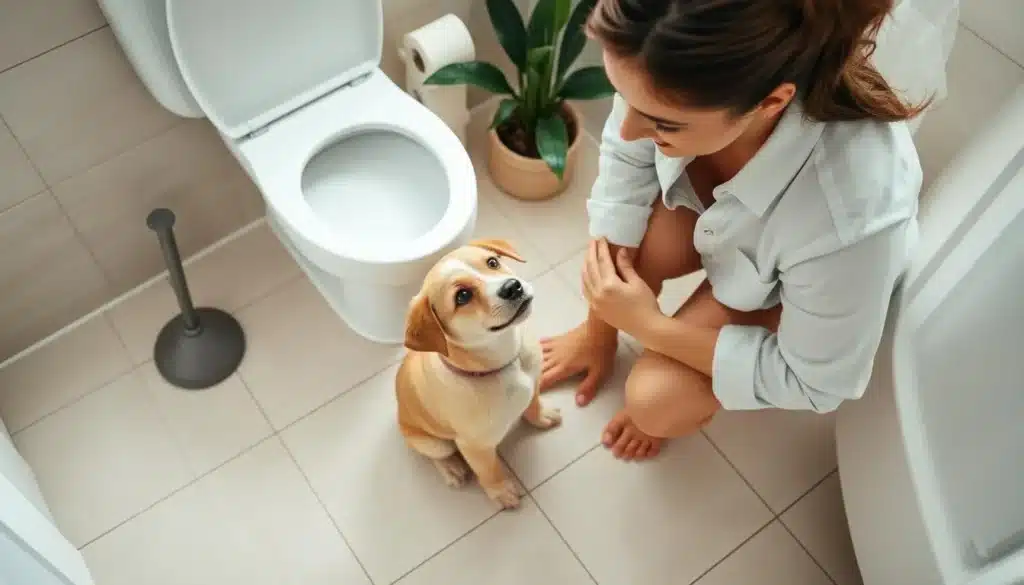
Potty training usually starts between eight and twelve weeks. Use a schedule based on the puppy's age to prevent accidents. This simple rule helps reduce stress.
Regressions often happen during adolescence. If accidents increase, tighten the schedule and add outdoor trips. Crate use helps with consistency if introduced positively.
Make crates welcoming by feeding meals inside and leaving toys for short periods. If a puppy seems stressed, shorten crate time and build positive associations. Never punish with the crate.
Adolescent testing and maintaining structure
Between four and twelve months, puppies test boundaries. Keep training daily and short, increase distractions, and use a long line for off-leash practice.
Impulse control exercises prevent problems. Require sits before meals, calm greetings, and controlled exits. Use management tools and clear routines to maintain progress.
If fear, aggression, or persistent problems arise, seek a force-free trainer or veterinary behaviorist early. Professional help can prevent long-term issues.
| Age Range | Common Challenge | Quick Solution | When to Seek Help |
|---|---|---|---|
| 8–12 weeks | Nipping and mouthing | Redirect to chew toys, short time‑outs, praise soft play | If mouthing is painful or persistent despite redirection |
| 8–16 weeks | Initial potty training | Use age÷2 schedule, supervise, reward outdoor successes | If no progress after several weeks or frequent accidents |
| 4–6 months | Potty training regressions | Tighten schedule, limit roaming, increase outdoor trips | If regressions persist during adolescence |
| 4–12 months | Adolescent testing | Short daily training, proofing, long line work, impulse drills | If aggression, severe fear, or safety concerns emerge |
Conclusion
I think the best time to start dog obedience training is when your puppy arrives, usually around eight weeks old. Early training helps build a strong bond and sets good habits. It's all about short, positive sessions.
Training is most effective between 6–16 weeks for social skills. But, training never stops as your dog grows. By five to six months, you'll see big improvements.
Keep training going into adulthood with short, fun sessions. Reward good behavior and slowly add more challenges. Socialize your dog early, but safely, before they're fully vaccinated.
Look for group classes when it's safe, often around 12–16 weeks. Always choose trainers who use positive methods. This way, your dog will stay well-behaved and obedient for life.