When my first fearful rescue trembled under the kitchen table, I felt worry and determination. That dog’s growl was not a choice to be mean — it was a clear message born from fear. I learned then that helping a fearful dog gain confidence starts with understanding that fear aggression is a survival response, not a character flaw.
I've guided anxious dogs and their families through this work. Overcoming fear aggression in dogs takes time, patience, and practical steps. In the paragraphs that follow, I'll share humane, science-based strategies for fear aggressive dog training, from environment management to desensitization and when to call in professionals.
Key Takeaways
- Fear aggression is a response to perceived threat, not a sign of a "bad" dog.
- Recognize subtle stress signals like lip-licking, yawning, or a tucked tail.
- Practical fear aggressive dog training focuses on safety, trust, and positive reinforcement.
- Helping a fearful dog gain confidence requires consistent routines and gradual exposure.
- When progress stalls, collaborate with a veterinary behaviorist or certified trainer.
Understanding fear aggression in dogs
I help many owners with fear aggressive dog training. First, I explain why dogs react fearfully. Knowing this helps us spot early signs and use gentler methods.
I teach owners to recognize fear aggression signs early. These include pinned ears, lip licking, and trembling. If these signs are ignored, dogs may jump or bite.
What fear aggression looks like
Some signs are subtle, like a low head or furrowed brow. Others are clear, like hiding or shaking. I teach owners to watch for these signs and give space before things get worse.
Why fear becomes aggression
Fear aggression happens when a dog wants to get away but can't. Past trauma, harsh training, and genetics play a role. Repeated bad experiences can make things worse.
Common triggers that cause fear-based aggression
- Strangers reaching toward the head or making direct eye contact
- Nail trims, ear cleaning, bathing, injections, and other handling of sensitive areas
- Being hugged, restrained by someone unfamiliar, or touched on the tail, paws, or belly
- Sudden movements, loud noises, crowded spaces, or unfamiliar objects
Every dog is different. I focus on gentle training that respects each dog's history and comfort. Spotting triggers and early signs helps prevent fear aggression.
How to create a safe environment for a fearful dog
I help owners make simple changes to reduce stress and make life more predictable. We start with managing the environment, then create a quiet safe space. Finally, we do low-stress activities to build confidence.
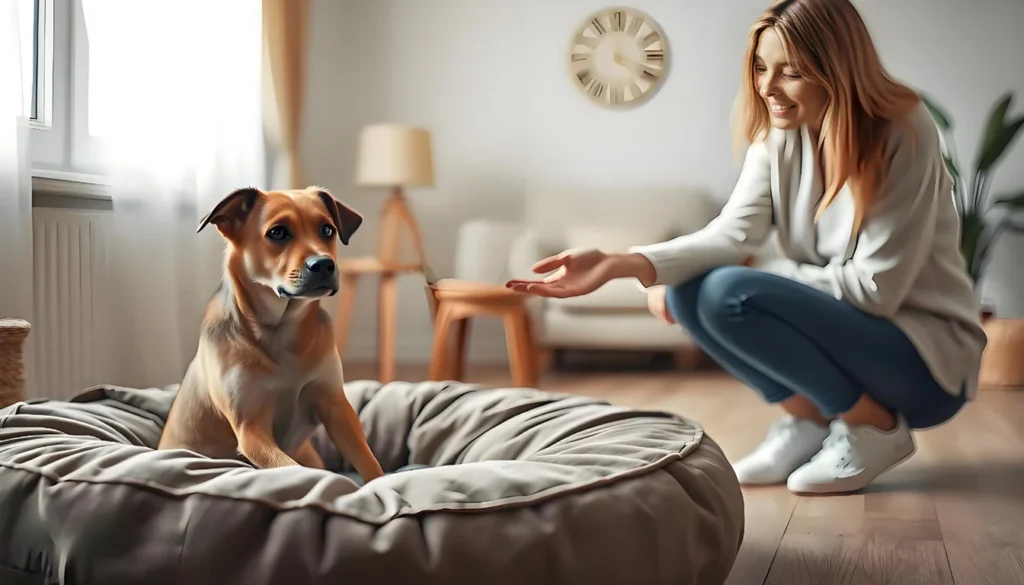
Establishing a safe haven
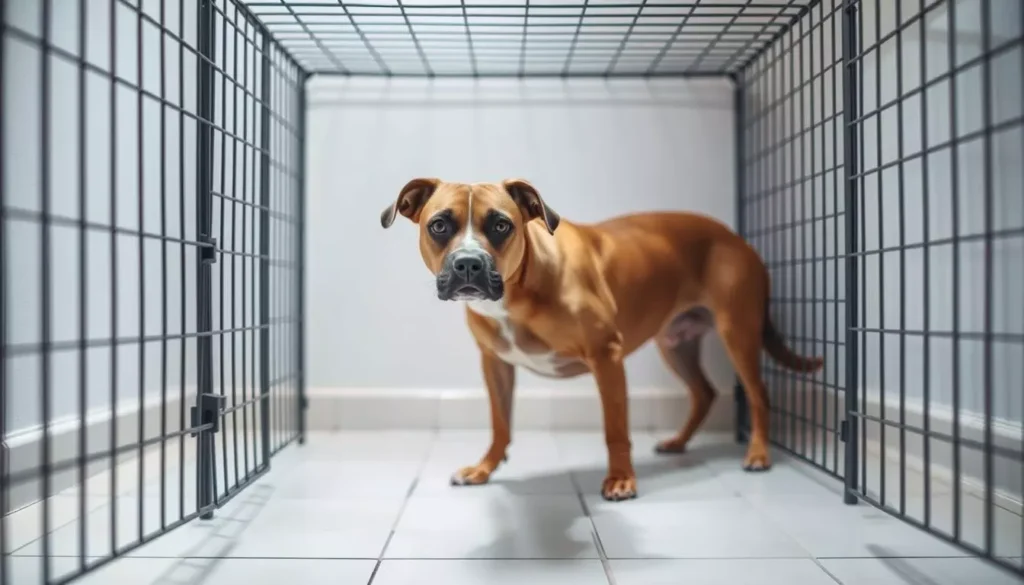
I suggest a dedicated spot like a bedroom, closet, or covered kennel. It should be away from busy areas. Use warm, soft bedding and make it a “No Kid” and “No Stranger” zone.
Train the dog to use this space by giving small treats and quiet praise daily. This routine helps create a safe environment and builds trust.
Managing the home to reduce triggers
When tension rises, remove or reduce immediate triggers. If I am the trigger, I step out of sight. This is a first-line safety tool before training starts.
Avoid forcing car rides or walks if the dog resists. Supervise kids and other pets closely. Thoughtful managing triggers at home keeps everyone safer and lets training proceed at the dog’s pace.
Using enrichment to promote calm
I add enrichment to encourage problem-solving and steady focus. Food-dispensing toys, puzzle feeders, and a frozen stuffed KONG offer predictable rewards. This lowers stress.
Nose work and scent games engage instincts without pressure. I often feed one meal a day through a favorite puzzle and rotate activities. These steps support creating a safe environment and help build trust.
| Strategy | What to do | Why it helps |
|---|---|---|
| Safe haven | Choose a quiet room or covered crate; add bedding; mark as off-limits to guests and children; give daily treat there | Provides predictable refuge and reduces reactive incidents |
| Trigger management | Remove dog from escalating situations; avoid forced outings; supervise interactions with family pets and kids | Prevents escalation and creates opportunities for calm learning |
| Enrichment | Use puzzle feeders, snuffle mats, KONGs, and scent games; rotate activities weekly; feed one meal via puzzles | Builds confidence, reduces boredom, strengthens coping skills |
| Adjunct supports | Try pheromone sprays or consult a vet before medication; pair any meds with behavior plans | Can ease anxiety enough for training to work; not a standalone fix |
Building trust with a fear aggressive dog
I start by creating small wins that let the dog choose how close to be. Building trust means stepping back, offering options, and letting the dog accept contact on their terms. This approach helps the animal feel in control and reduces defensive reactions.
I pay attention to subtle cues and teach owners to respect dog body language. A stiff tail, whale eye, or flattened ears are clear signals to stop. I ask people to avoid hovering, sudden reaches, and direct stares so the dog can relax and make safer choices.
Respecting the dog’s choices and body language
I invite the dog to come for treats instead of forcing contact. Tossing snacks behind the dog or dropping a toy nearby gives the animal an easy, voluntary way to engage. I encourage owners to accept a polite “no” and to try again later.
Creating positive interactions with people and pets
I structure meetings so every approach is low-pressure and predictable. Short, calm play sessions like light fetch or tug build good memories without looming over the dog. Positive interactions for fearful dogs are brief, reward-based, and always led by the dog’s choice to join.
Consistency and predictability in daily routines
I recommend the same feeding, walking, and training times each day. Consistency for fearful dogs reduces surprises and lowers stress. I also keep a simple log of triggers and reactions to track progress and to share with a veterinarian or trainer when needed.
I teach alternative cues—look, touch, find it—that offer clear, repeatable responses when the dog faces a trigger. These behaviors restore a sense of control and support a kinder, more resilient bond between the dog and family.
Positive reinforcement for fear aggressive dogs
I use reward-based work to change how a fearful dog reads the world. Positive reinforcement for fear aggressive dogs makes training predictable and safe. I focus on small wins that build trust and reduce the need for escalation.
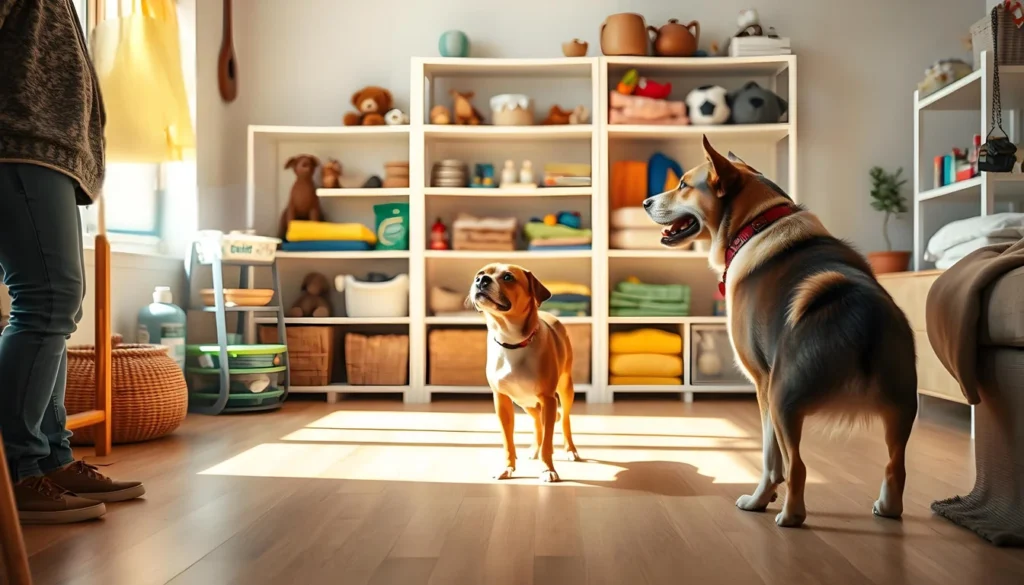
First, I never use harsh corrections. Studies show why punishment makes fear worse: scolding, choke or shock devices raise anxiety and can hide warning signals. That increases risk for bites without notice and breaks the bond between dog and handler.
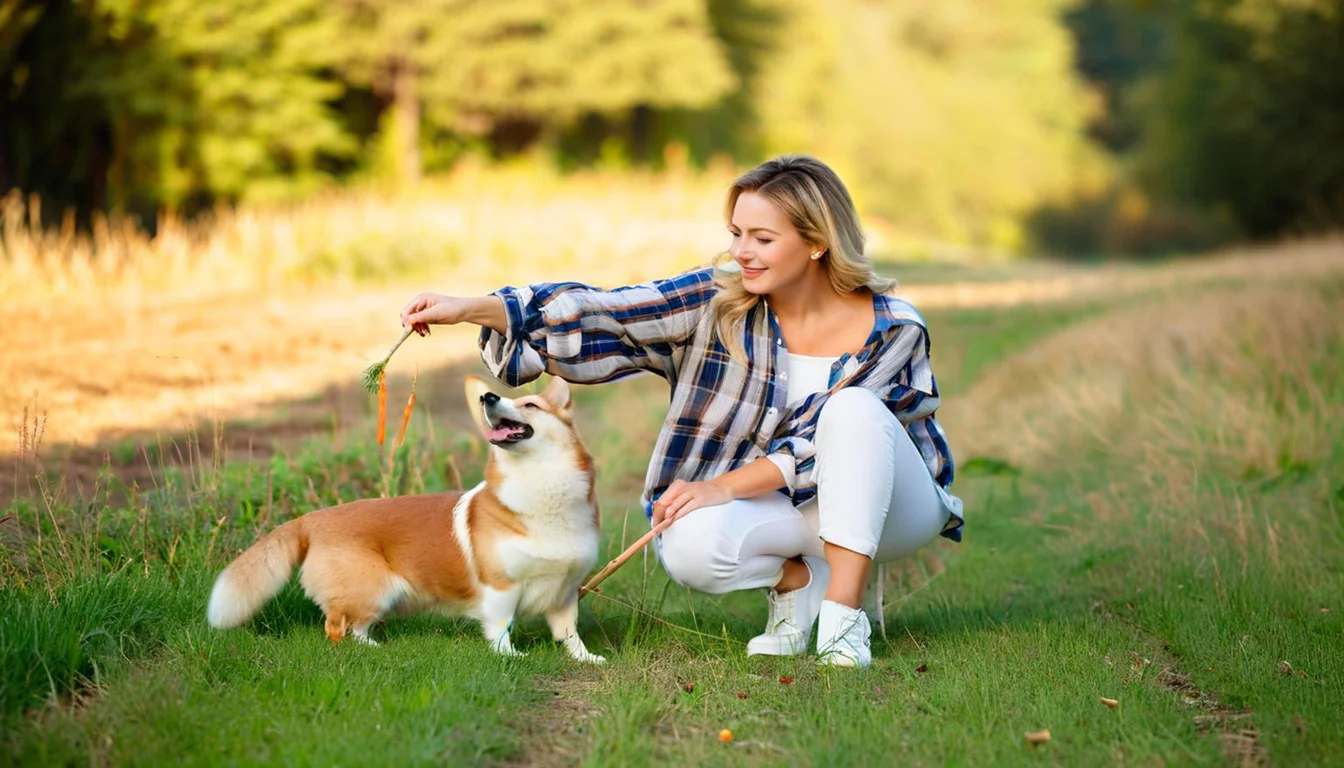
I reward calm behavior with high-value treats, soft praise, or a quick game. When a dog settles on a mat or offers a look, I mark it and pay immediately. Reward calm behavior helps the dog learn that relaxing brings good things, not danger.
I teach clear cues the dog already knows. Simple focus behaviors like eye contact, targeting a hand, or a chin rest give a predictable option when a trigger appears. Asking for those responses lets me redirect the dog before escalation.
Shaping and chaining are central to my plan. I break a confident action into tiny steps and reward progress. Shaping behaviors for confident dogs means rewarding successive approximations until the full behavior is reliable.
Once a behavior is shaped, I link steps together. For example, I train a relaxed mat routine, then add a touch cue and brief handling. Chaining those pieces helps the dog perform longer sequences with calm. This builds real-world confidence.
When a trigger shows up, I redirect to a known cue and reward immediately. That creates a new association and reduces stress. Using positive reinforcement for fear aggressive dogs this way makes responses clear and repeatable.
| Training Focus | What I Ask | How I Reward | Expected Result |
|---|---|---|---|
| Prevent escalation | Eye contact or look | Small high-value treat | Dog shifts attention away from trigger |
| Increase calm | Settle on mat | Praise, longer treat, brief play | Stable resting behavior in presence of mild triggers |
| Build handling tolerance | Touch cue then brief handling | Favorite toy or treat sequence | Calm acceptance of necessary care |
| Chain responses | Target → Mat → Chin rest | Reward at end of chain | Complex, confident routines under stress |
Desensitization and counterconditioning for fear aggressive dogs
I share a gentle training path for fearful dogs. It helps them feel safer. You can follow these steps at home.
Principles of desensitization
Desensitization makes dogs less sensitive to triggers. We start with a low intensity that doesn't scare them. This keeps the dog calm.
Body language is key. I watch for signs like yawns or whale eyes. If I see fear, we stop. We use a mat or safe spot to help the dog relax before increasing the intensity.
How to apply counterconditioning
Counterconditioning pairs triggers with things the dog loves. This changes their fear to interest. I reward them right away, keeping them comfortable.
For example, when another dog is far away, I ask for simple behaviors. I reward them until the other dog leaves. We do this many times, getting closer each time.
Creating a step-by-step plan
First, find the trigger and the dog's threshold. We start with controlled exposures below that level. We pair the trigger with rewards.
I keep a training log to track progress. If a trigger is unavoidable or reactions are severe, a vet can help. They can give medication to help the dog learn.
| Stage | Goal | Actions |
|---|---|---|
| Assessment | Find triggers and thresholds | Record reactions, note distance, note calming signals |
| Foundation | Teach relaxation on cue | Use a mat, reward calm, practice in quiet spaces |
| Low-level exposure | Introduce trigger below threshold | Pair trigger with high-value treats, keep sessions short |
| Gradual increase | Raise intensity slowly | Decrease distance or increase duration only with calm behavior |
| Progress tracking | Measure improvement | Keep logs, note setbacks, adjust plan as needed |
| Support | When extra help is needed | Consult a veterinary behaviorist or certified trainer for medication or advanced protocols |
I use desensitization and counterconditioning for fear aggressive dogs. Follow the step-by-step plan, but adjust it for your dog. Move at their pace.
Behavior modification techniques I use for fear-aggressive dogs
I start with a clear plan that keeps safety first. I aim to build calm, reliable responses. My method includes focus, foundation work, simple redirection, and management tools for aggressive dogs.
I teach a few cues for easy choices. Mat training, targeting, nose touches, a gentle chin rest, and a cue for eye contact are key. These cues help the dog show calmness or ask for space.
Training in short, frequent sessions builds reliability. I reward small steps and increase difficulty slowly. This helps the dog link the cue with safety and reward.
Redirection and alternative responses
When a trigger appears, I use quick cues like “look,” “touch,” or “find it.” These cues redirect attention away from the trigger. I reward until the trigger passes.
Nose work and puzzle toys are great outlets. They lower arousal and give the dog tasks during walks or downtime.
When to add management tools
I use management tools for aggressive dogs when needed. Barriers and baby gates reduce unwanted encounters. I introduce muzzles slowly and positively, making them a humane safety measure.
Management is temporary. While tools protect, my goal is long-term behavior change. I use positive methods and clear cues for fearful dogs.
Working with professionals and considering medication
I suggest getting help right away if fear gets worse. Early action helps figure out when to see a vet behaviorist. It also decides if a trainer can help. A vet behaviorist can diagnose, give a prognosis, and suggest safe medical options.
When to seek professional guidance
Call a vet or certified trainer if your dog growls, lunges, or freezes in stress. If the dog's triggers happen often or are hard to predict, see a vet behaviorist. They can check for pain or medical issues.
Get expert advice if training doesn't work because of high stress. I tell owners that quick action lowers risks and helps dogs calm down faster.
The role of medication and calming aids
Medicine can help dogs with fear aggression learn. Drugs like fluoxetine or clomipramine help. But, they're not a full solution.
Pheromones, like Adaptil diffusers or sprays, can help dogs relax. They make training easier, but they can't solve aggression alone.
Collaborative care and tracking progress
Working together is key in behavior modification. A vet, trainer or behaviorist, and the handler share plans and records. We set safety rules and a training plan that fits the dog's needs.
I keep a simple log of triggers, responses, and how often they happen. This log helps decide if medicine is needed for a short or long time. It also guides changes to training.
| Team Member | Primary Role | Example Actions |
|---|---|---|
| Veterinary Behaviorist | Medical diagnosis and medication plan | Perform exam, prescribe medication, monitor side effects |
| Certified Trainer / Behaviorist | Design and run behavior modification | Create desensitization steps, coach handler, adjust protocols |
| Handler / Owner | Daily management and data collection | Log triggers, apply protocols, maintain safety |
| Support Tools | Reduce arousal and aid learning | Use pheromones for anxious dogs, calming wraps, controlled environments |
When we all talk, we can balance medicine with training. This teamwork keeps training focused and realistic, making steady progress.
Socializing a fear aggressive dog safely
I help owners socialize fear aggressive dogs carefully. My aim is to ensure calm success, not quick exposure. I set clear, small goals and use short sessions to keep the dog relaxed.
Controlled, gradual social exposure
I start by keeping the dog at a distance where they notice others but stay calm. I use treats and praise to make them feel good. Then, I slowly move closer, only if they remain calm.
Alternatives to full social settings
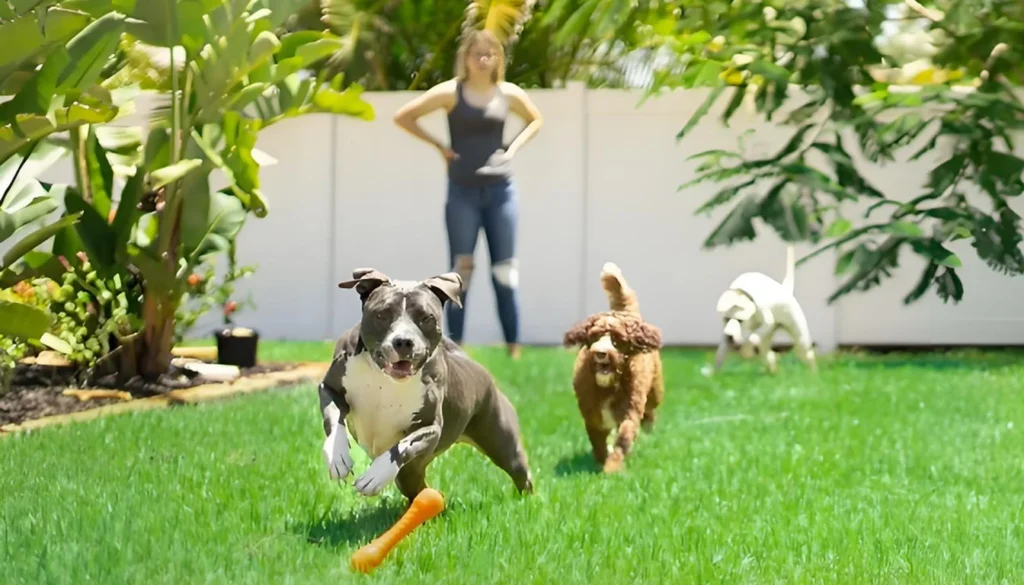
Dog parks can be too much for some dogs. Instead, I prefer one-on-one meetings with calm dogs or patients. Private training, nose work, and quiet walks are great for safe practice.
Maintaining safety during socialization
Safety is key during socialization. I use leashes, barriers, and muzzles when needed. I watch all interactions closely and reward the dog for approaching calmly.
I keep detailed records of each session. I note distances, triggers, body language, and any stress or calm signs. If fear grows or signs of helplessness appear, I stop and rethink. If exposures are too much, medication or a vet behaviorist might be needed.
Conclusion
Building confidence in a fear aggressive dog is a slow and careful process. It starts with removing things that scare them and making a safe place. Adding fun activities and rewards helps them feel in control.
Positive actions, not punishment, are key to helping them feel better. I use special steps to help them get used to things they fear. This includes giving them treats and rewards when they do well.
Teaching them new skills and changing how they react to things is important. Sometimes, special medicine or scents can help. But the main thing is teaching them new ways to act.
It's best to start working with a vet or trainer early. Keeping track of how they're doing is also helpful. With time and the right steps, even the most scared dogs can become confident friends.