I remember the first week with a tiny Labrador. It was filled with joy, late-night feedings, and tiny puddles. These early days taught me that potty training is more than a checklist. It's about building trust and a calm routine that makes us both happy.
Potty training is crucial for a happy life with a puppy. With planning and patience, it becomes a predictable, gentle process. I learned that repetition, positive reinforcement, and clear cues like “potty” turn accidents into lessons. This creates a clean, odor-free home.
Before bringing a puppy home, set priorities. Choose a spot, plan frequent exits, and decide on a training method that fits your lifestyle. Consistency is key — short outdoor trips, leash-guided breaks, and immediate rewards help your puppy learn fast and feel secure.
Key Takeaways
- Potty training sets the foundation for behavior and a clean home.
- Positive reinforcement and consistent cues work better than punishment.
- Plan a schedule and a chosen elimination spot before bringing your puppy home.
- Short, frequent outdoor trips and leash guidance speed learning.
- Patience and repetition are essential for successful puppy potty training.
Why potty training matters for your puppy and household
I make housetraining a top priority for puppies. Early success sets the stage for good habits. It reduces accidents, lowers stress, and speeds up learning with patience and clear rules.
Long-term benefits for behavior and bonding
Positive reinforcement helps puppies learn without fear. This trust makes training and socializing easier later. Consistent training leads to predictable days and stronger bonds.
Health, hygiene, and a cleaner home environment
Spotting when a puppy needs to go helps catch health issues early. A clean home reduces odors and health risks for everyone. Following good potty training practices keeps your home clean and teaches the puppy where to go.
Setting priorities before you bring a puppy home
Plan your approach before bringing a puppy home. Choose a method that fits your lifestyle and climate. Having a plan makes training easier and sets realistic goals.
Think about your home, family, and work schedule. A well-thought-out plan saves time and ensures consistent training for lasting success.
Choosing the right potty training method and top puppy potty training methods
I want to help you find a potty training plan that fits your life and your pup. The choice between crate training, puppy pads, paper training, or outdoor-only depends on your schedule, home, and climate. Let's explore each option and see what works best for different situations.

Overview of proven approaches
Crate training uses a dog’s den instinct. It teaches bladder control and prevents accidents where the puppy sleeps. It's good for owners who can check the pup often and use short crate sessions with breaks.
Puppy pads and paper training give indoor spots for elimination. They're useful when outdoor access is limited by work hours, bad weather, or multi-story living. These options can be a practical interim solution.
Outdoor-only training focuses on scheduled trips and consistent cues. It works well if you live close to a yard or can step out frequently. This method often leads to faster full outdoor transition.
Pros and cons by lifestyle and climate
Crate training fits people who can supervise or who use dog walkers and who want a fast path to no indoor accidents. It can be stressful for pups left too long. I suggest crate sizes with room to stand and lie down, plus frequent breaks.
Puppy pads are ideal for urban apartments, extreme winters, or tiny breeds with small bladders. The downside is a longer transition to outdoor-only habits. I advise replacing pads gradually if your goal is outside elimination.
Outdoor-only works in temperate climates and single-level homes. It demands strict timing and quick responses to pre-potty signals. If your routine includes long absences, this method may cause setbacks.
How consistency makes any method successful
Any method succeeds when timing, location, cues, and rewards stay the same. I recommend fixed feeding times, set bathroom spots, and a short, clear cue word for elimination. Praise or a small treat right after your puppy finishes links the action to a reward.
Keep bathroom breaks frequent in the first weeks. Track bladder capacity by age and adjust intervals. When accidents happen, clean with an enzymatic cleaner and avoid scolding. Calm redirects preserve learning and trust.
If you wonder how to do puppy potty training or how to give puppy potty training, pick the method that matches your daily reality and commit to steady repetition. Consistency turns a chosen plan into lasting habits.
Crate training as an effective puppy potty training tool
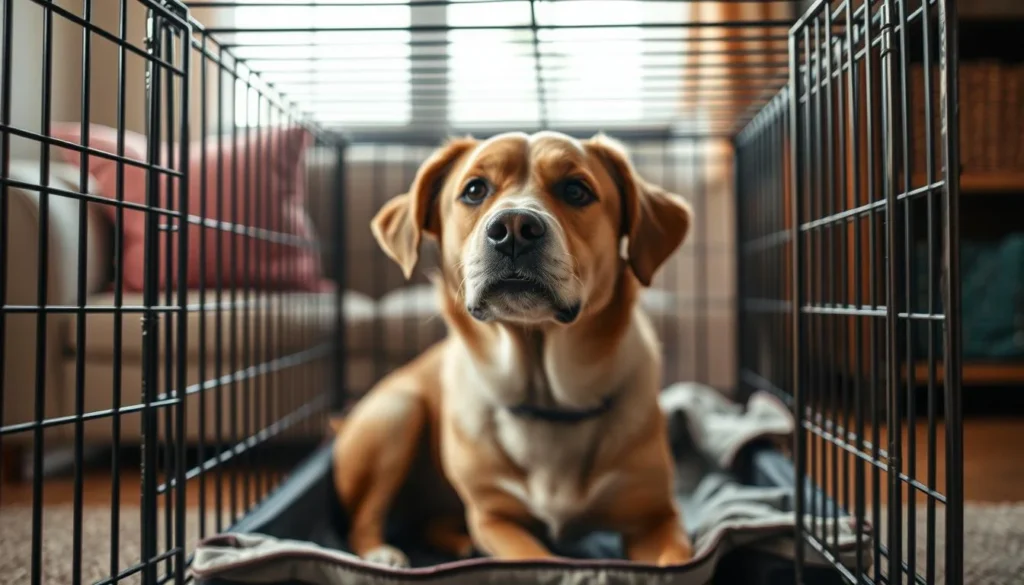
I suggest crate training as a key part of puppy housebreaking. It uses a dog's natural den instinct to teach bladder control. A crate becomes a safe, predictable space for naps and short periods without supervision. This method also makes travel and vet visits easier.
Why crates work: den instinct and bladder control
Dogs naturally avoid soiling their sleeping area. I use this instinct to help puppies hold their bladder until their next break. Short, frequent trips outside build bladder strength and reduce accidents. Using a crate with a consistent schedule speeds up learning and supports effective potty training.
How to pick the correct crate size and use partitions
The right crate size lets a puppy stand, turn, and lie down comfortably. I recommend choosing a crate for the adult dog or using a partition to shrink the space as the puppy grows. Partitions keep the den cozy and prevent accidents while avoiding frequent crate changes.
Step-by-step introduction to the crate without fear or punishment
Start by making the crate welcoming: add soft bedding, safe chew toys, and feed meals inside. Begin with short, calm sessions—doors open at first—then close the door for brief periods while you sit nearby. Praise and treats when the puppy is quiet inside reinforce calm behavior.
If a rescued dog soils the crate due to past trauma, I reset training by controlling meals, increasing outdoor trips, and rebuilding trust. Never use the crate as punishment. That ruins the den association and undermines any crate training puppy potty training plan.
For best results, pair crate use with a clear potty schedule, patient praise, and steady supervision when the puppy is out. These techniques create predictable learning steps that lead to reliable house manners.
Using puppy pads and indoor potty solutions for easy puppy potty training tips
I use puppy pads and indoor potty stations when it's hard to take my puppy outside. This helps me manage accidents and teach a routine. I choose high-absorbency, odor-neutralizing pads from brands like Pet Life Unlimited for reliable coverage.

When puppy pads make sense
I use them on long workdays, in heavy snow, or with small puppies. They're great for overnight or when I leave a pup in a playpen. Indoor pee boxes and male-specific pee pads are good for apartments.
How to transition from pads to outdoor elimination
I move the pads closer to the door over a few days. Then, I place the pad outside and encourage the puppy to go there. It takes patience because indoor training can make the switch slower.
Placing pads strategically and keeping areas visible
I put pads near exits to link indoor and outdoor elimination. I keep them visible for supervision and rewards. Out-of-crate pads are best for playpens and overnight when water is available early.
I suggest a careful plan: pick quality pads, place them where you can watch, and move them to the door slowly. Using pH-sensitive or health-tracking pads helps monitor urinary changes. This method offers practical coverage and a clear path to outdoor success.
Creating a consistent potty training schedule and routine
I suggest a daily plan that ties together feeding, play, naps, and toilet trips. This predictability helps puppies learn quickly. I use a consistent cue word for each trip to build associations and avoid confusion.
Feeding, play, nap, and bathroom timing—establishing predictability
I set fixed meal times to make it easier to predict when puppies need to go. For young pups, I feed three small meals a day. I schedule a bathroom break right after each meal.
Short play sessions follow meals, then a calm break or nap. I make bathroom trips immediate after waking, after play, after crate time, and before bedtime. This routine is key to potty training because it reduces surprises and gives many chances to succeed.
How to estimate bladder capacity by age and plan breaks
I use a simple rule: a puppy can hold their bladder for hours equal to their age in months. A two-month-old can hold for two hours, a six-month-old for six hours. I watch each puppy and shorten intervals if I see signs.
I schedule breaks around naps and activity peaks. If a pup shows signs like sniffing, circling, or whining, I treat it as a prompt and move the next break earlier. This hands-on adjustment helps with potty training in real homes.
Nighttime strategies and when to remove water before bed
I remove water roughly 2.5 hours before bedtime to lower the chance of overnight accidents. Many puppies sleep for up to seven hours. I check individual needs and offer a calm, late-night trip if they wake.
If the puppy wakes me at night, I go out quietly, use the cue word, and return to bed without playing. This keeps nighttime breaks functional and prevents the pup from linking night outings to fun, which supports potty training.
| Age (months) | Typical hold time (hours) | Suggested daily breaks | Feeding schedule |
|---|---|---|---|
| 2 | 2 | Every 1.5–2 hours: wake, after play, after meals | 3 small meals spaced evenly |
| 4 | 4 | Every 3–4 hours plus after naps and play | 3 meals; adjust portions as needed |
| 6 | 6 | Every 4–6 hours with extra post-activity trips | 2–3 meals; consistent timing |
| 9–12 | 8–12 | Longer stretches overnight; daytime breaks as needed | 2 meals; steady routine |
Recognizing your puppy’s signals and supervising to prevent accidents
I keep a close eye on my puppy to catch signals before accidents. Signs like circling, sniffing, whining, or pawing at the crate mean it's time to go. Spotting these early helps in training and builds a solid routine.

For constant supervision, I use leashes and tethers. Indoors, a six-foot leash attached to me or a chair keeps my pup close. Outside, a short leash helps them focus on the right spot and get praise quickly. This hands-on method is a top tip for potty training.
When I see a signal, I follow a clear plan to teach fast. If my puppy circles or scratches, I use a cue word, guide them to the spot, and wait calmly. If they go, I reward them with a treat and praise. This immediate feedback teaches them cause and effect, making training clear.
If I catch my pup in the act indoors, I scoop them up calmly and rush outside. I never yell, as loud scolding can scare them. If they finish outside, I reward them the same way as a scheduled break. This consistency helps them learn where to go.
Here's a quick guide I keep near the crate. It helps me and anyone else recognize pre-potty behaviors and respond calmly.
| Signal | What I do | Why it works |
|---|---|---|
| Circling or sniffing | Say cue, lead to potty spot, wait quietly | Redirects focus to elimination area and reinforces habit |
| Whining or scratching at crate | Open crate, attach leash, take outside immediately | Responds to clear need and prevents accidents in crate |
| Sudden restlessness or barking at door | Pick up or leash and go to designated outdoor spot | Teaches door cue and links action to reward |
| Squatting or mid-act indoors | Calmly pick up, move outside, reward if finished there | Avoids punishment while reinforcing correct location |
Positive reinforcement and reward-based puppy housebreaking techniques
I focus on steps that make learning easy and fun for you and your pup. Use praise, treats, and play to show the puppy what they did right. This method helps with positive reinforcement and leads to successful training.
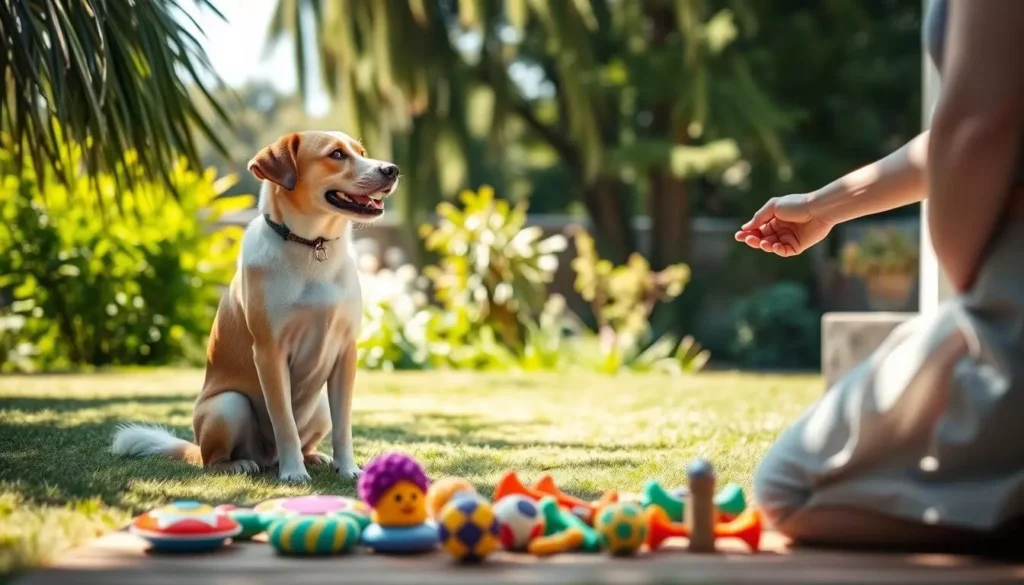
When your puppy is going, say a short praise phrase. Wait a bit, then cheer and give a small treat. For some, play is a better reward than treats. Timing is key to teach the right behavior.
Don't scold your puppy. If they have an accident inside, calmly take them outside to finish. Punishment can make them afraid, not teach them where to go. Experts say calm redirection builds trust and speeds up learning.
Clean accidents well to prevent them from happening again. Use enzyme cleaners to remove smells that attract your puppy. Regular cleaners might leave smells behind. Thorough cleaning saves time and effort later.
- Praise: Use a two-word cue and the same upbeat voice.
- Treats: Choose small, fast-digesting bites for quick rewards.
- Play: Short games can reinforce the behavior instead of food.
- Timing: Reward within seconds of finishing to link action and praise.
- Cleanup: Enzyme cleaner, blot, and air dry to remove scent fully.
| Step | Action | Why it works |
|---|---|---|
| Cue and wait | Say the phrase while the puppy begins to eliminate | Creates a verbal link between action and command |
| Immediate reward | Treat or play within two seconds of finishing | Forms a clear association for successful puppy potty training |
| Redirect calmly | Pick up and move the puppy outdoors if caught inside | Prevents fear and keeps training progress steady |
| Clean thoroughly | Use enzyme cleaner and remove all residue | Stops scent-driven repeat accidents and supports long-term success |
| Consistency | Same cue, same treats, same cleanup routine | Boosts retention and produces reliable outcomes |
Using these methods, learning happens faster and with less stress. Positive reinforcement and consistent routines lead to the best results. For practical tips, I follow expert advice to make each step clear and achievable.
Controlling diet and feeding schedule to speed up puppy potty training
I focus on meal timing and food quality to make potty learning faster and less stressful. Puppies have immature digestive systems. A steady routine helps me predict when they need to go and reduces accidents.
Why consistent meal times help predict elimination windows
Feeding at the same times each day helps me know when my puppy needs a break. This pattern makes planning walks and outdoor visits easier. It also helps in creating repeatable cues for potty training.
Recommended meal frequency and monitoring stool for diet issues
I feed young puppies three small meals a day. Smaller portions are easier to digest and keep stools firm. I check stool consistency every day.
Bulky, loose, or very smelly stool means the food or portion size needs to change. If problems persist, I consult my veterinarian. Overfeeding can cause diarrhea and slow progress in potty training. Choosing a high-quality puppy formula helps maintain steady digestion.
Managing water access around bedtime and long absences
I remove water about 2.5 hours before bedtime to reduce accidents. Most puppies can sleep up to seven hours. I adjust timing based on age and bladder control.
For long absences, I arrange a sitter or an indoor potty option. I never expect very young puppies to hold for 10–12 hours. Balancing daytime hydration with scheduled breaks follows my list of best practices for puppy potty training and supports progress without stressing the pup.
- Pick a quality puppy food and keep strict meal times.
- Watch stool as a health indicator and call the vet if changes persist.
- Manage nighttime water while ensuring regular daytime access and breaks.
Troubleshooting common problems and how to re potty train your dog
Dealing with repeated accidents can be really tough. To start solving the problem, I take a calm and careful approach. First, I check for any health issues. Then, I address any scent problems. Finally, I adjust the training schedule if we hit a snag.
When accidents signal medical issues and when to call the vet
Recurring accidents might mean a health problem like a urinary tract infection or parasites. If your puppy can't seem to learn to go potty outside, it's time to see the vet. Look out for sudden changes in how often they go, pain, or blood in their urine.
Once the vet says it's not a health issue, I suggest talking to a certified trainer or a vet behaviorist. They can offer more specific help with potty training.
Strategies for repeat-soiling spots and cleaning with enzymatic cleaners
Dogs often go back to the same spots because they still smell like urine. To fix this, I clean the spots with an enzymatic cleaner. It's important to follow the instructions on the cleaner carefully. Regular cleaners can leave smells that attract your dog to the same spot again.
To keep your dog away from these spots, I move anything that might attract them. I block access to the spots and reward your dog for going potty in the right place. If the problem is inside, I use fresh bedding or a soiled towel in the outdoor spot to help your dog learn.
Resetting training after setbacks, rescue dogs, or crate soiling
When we need to start over, I focus on close supervision and a strict schedule. This means keeping your dog in a small area when you're not watching, taking them out often, and rewarding them for good behavior.
If a rescue dog has a history of going potty in their crate, I check their bladder control and adjust their feeding times. I also make sure they get more chances to go outside. For times when you can't be there, I arrange for someone to take them out. Always use positive reinforcement like praise and treats, not punishment.
If problems keep happening even with a good routine and clean areas, it's time to get professional help. Rehousebreaking can take a while, especially if your dog is older or has a history of accidents. So, it's important to be patient and stick to the structured training plan.
Conclusion
Learning how to potty train a puppy is all about patience, consistency, and positive feedback. Some puppies learn fast, while others take longer. It depends on their age, past experiences, and the training method you use.
For quick tips, keep a regular schedule, watch for your puppy's signals, and praise them when they do it right. Crate training, puppy pads, and timed feeding can help. Always supervise and respond quickly to their signals.
If training is tough, check for health issues with your vet and think about getting a trainer. Clean up accidents with special cleaners and start fresh if needed. With the right approach, tools, and positive feedback, you can train your puppy well. This will make your home cleaner and more peaceful.