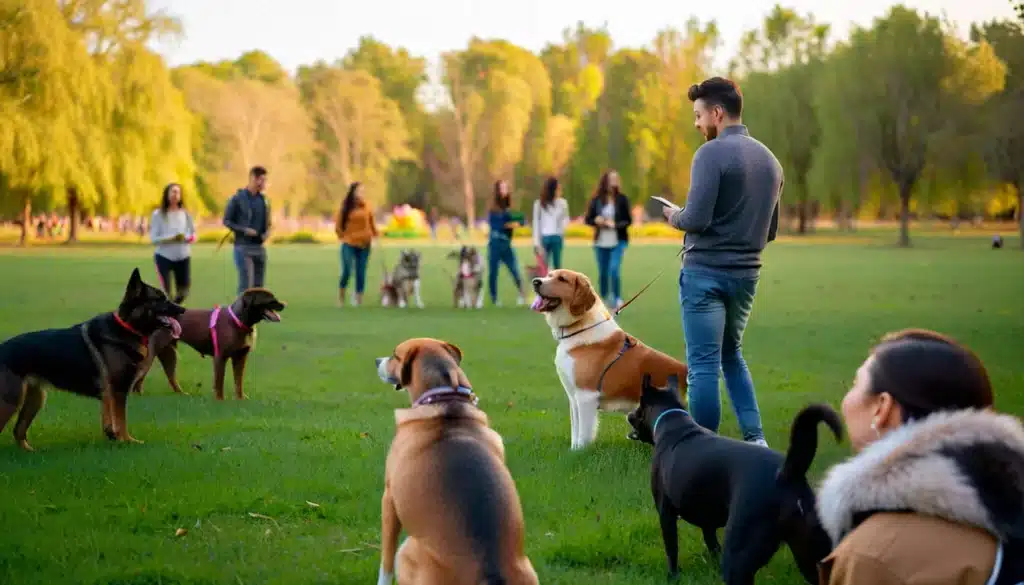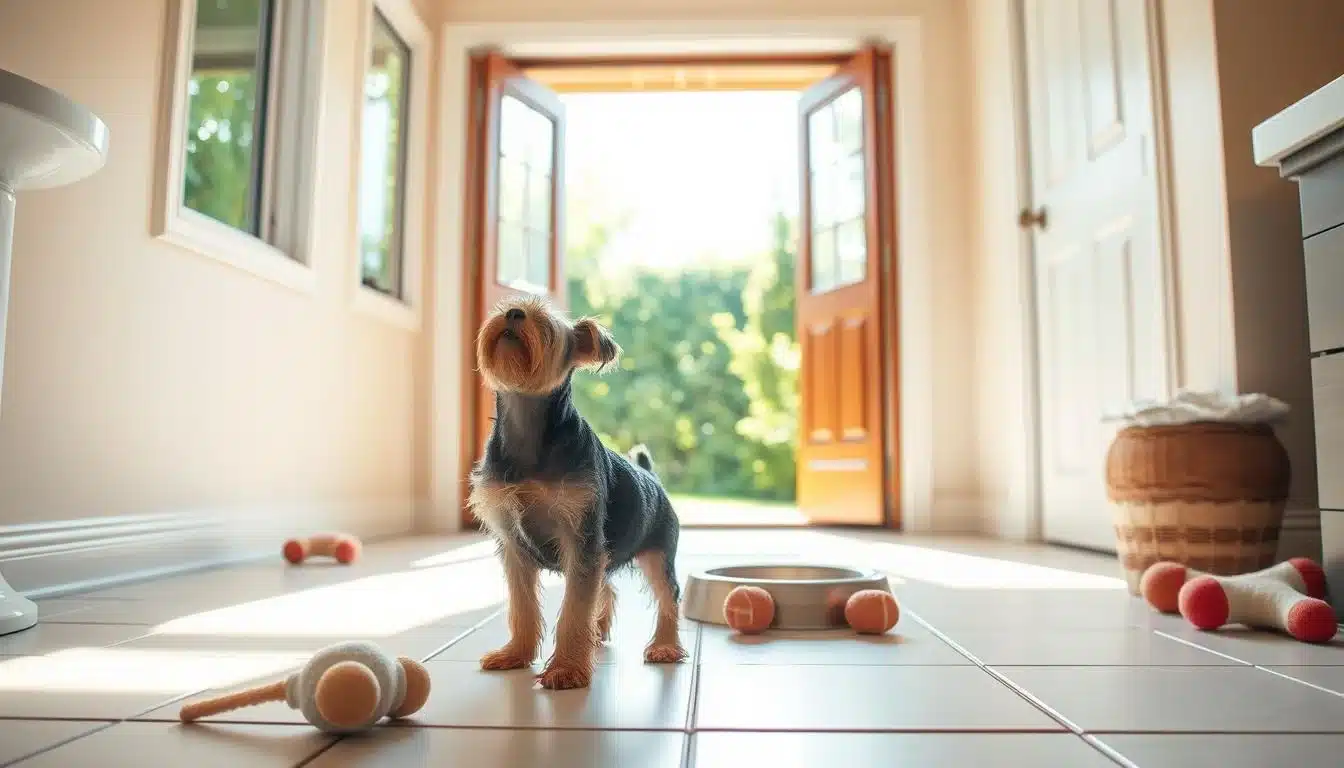
I remember the first week with my Yorkshire Terrier puppy. Tiny paws, big eyes, and a need to go fast. It was a mix of joy and worry about how much patience and routine they need.
This guide is a simple, step-by-step plan for potty training your yorkie puppy. It's all about patience, consistency, and positive feedback. Remember, potty training a yorkie puppy is a big job. Don't worry about accidents; they're just part of the learning process.
Start potty training as soon as you bring your puppy home, usually around eight weeks. Small breeds like Yorkshire Terriers might take a few weeks or more to learn. This article will cover the basics: setting a routine, picking a potty spot, watching them closely, crate training, rewarding good behavior, cleaning up accidents, and adjusting for apartment living or work schedules.
If you work outside the home, you'll need to arrange for someone to walk your puppy. Puppies under six months can't hold it for long. With regular times and quick rewards, potty training becomes a routine for both you and your puppy.
Key Takeaways
- Begin yorkie puppy house training the moment you bring your puppy home—around eight weeks is common.
- Expect accidents and stay consistent; patience speeds progress with yorkie puppy potty training.
- Create a routine: scheduled feeding, frequent outdoor trips, and immediate rewards for success.
- Use crate training, tethering, and supervision to reduce indoor accidents.
- Plan for help if you work away from home—dog walkers or pet sitters keep training on track.
Understanding yorkie puppy potty training basics
Training a Yorkie needs patience, routines, and a plan that fits their size. Yorkshire Terriers digest fast and have small bladders. This means they need to go out often and might have accidents as you teach them.
I start with a clear schedule. Regular meal and play times help predict when they need to go. For effective training, I take them out after waking, meals, and before bed.
I follow simple rules for bladder control. A good rule is one hour per month of age. So, a two-month-old can hold for about two hours. Puppies under six months need breaks every few hours and shouldn't be left alone for more than four to five hours.
Why Yorkies need a tailored approach
Yorkies learn best with short, regular sessions and positive rewards. Their small size means accidents are common. I correct them quickly and praise them when they go outside.
Typical potty training timeline for small breeds
Training can start as early as eight weeks. With consistency and rewards, many Yorkies learn quickly. I celebrate small victories to keep the training momentum.
How age affects bladder control and expectations
As puppies grow, they can hold more and control their bladders better. Between two and six months, they make big strides but unevenly. I adjust their outings and supervision as they age, increasing intervals slowly and watching for accidents.
Practical steps I use include short supervised play, routine outings at key times, and immediate rewards outside. These actions help with steady progress in yorkie puppy potty training. They make training easier for busy owners.
Creating a consistent potty schedule for your yorkie puppy
I help owners set up a simple routine for yorkie puppy house training. A consistent plan makes it easier to predict when your puppy needs to go. It's best to keep feeding, play, and potty times the same. This helps your puppy learn quickly.
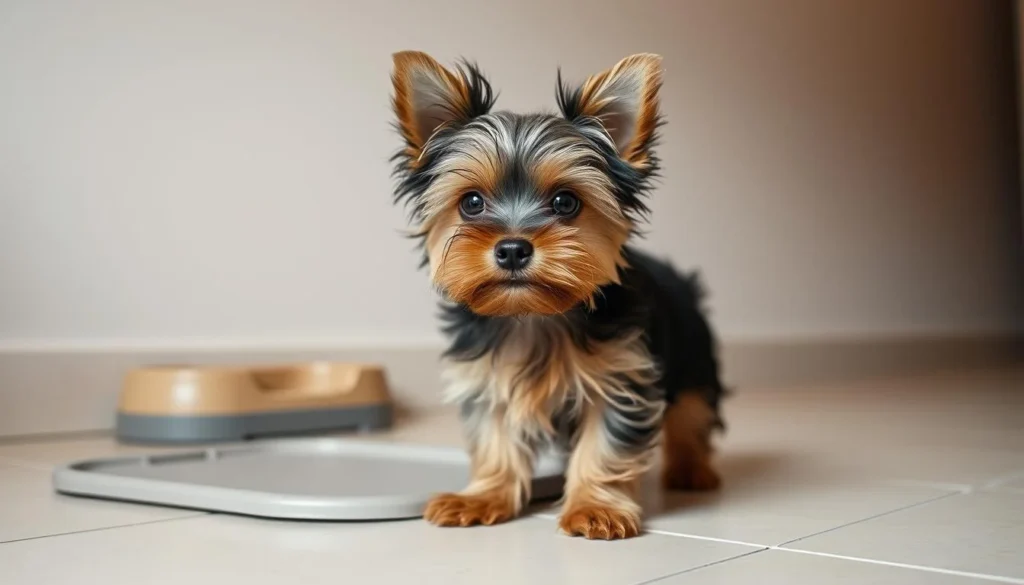
I start by setting a regular feeding schedule for my puppy, usually 3–4 meals a day. This creates a pattern for potty times. I keep track of meals and outings to find the best times for outdoor visits.
How often to take a Yorkie puppy outside based on age
Young Yorkies need to go out every two hours and after waking, playing, or eating. As they get better at controlling their bladder, I gradually increase the time between trips. For most small breeds, the routine is: out after waking, meals, and before bed. I adjust this based on how well the puppy is doing.
Nighttime strategies and limiting water before bed
To reduce nighttime wake-ups, I stop giving water two and a half hours before bedtime. Most puppies can sleep about seven hours without needing to go out. For very young pups, I expect a nighttime trip and plan for one when starting housetraining. I take the puppy outside right from the crate to strengthen the habit.
I use these yorkie puppy training tips every day and keep notes to improve the plan. When the schedule is consistent, accidents decrease, and housetraining goes faster.
Designating and training at an outdoor potty spot
I choose a specific spot in the yard for my Yorkie. This spot is where they go to the bathroom. It helps them learn faster. I keep them on a leash to avoid distractions.
I follow a simple routine: lead, cue, wait, reward. When they sniff and circle, I say my cue. I wait until they finish and then praise and treat them.
Choosing the right outdoor location for consistency
I look for a spot that's easy to get to and away from foot traffic. A consistent spot helps them learn faster. I avoid areas with strong smells to keep them focused.
Using a cue phrase like "go potty" and timing rewards
I use a short cue like "go potty" when they start to go. Saying it too early can confuse them. I reward them right after to link the cue, action, and treat.
Transitioning from indoor pads or sod boxes to the yard
If my Yorkie used indoor pads, I bring a piece of soiled paper outside. This helps them get used to the new spot. I gradually stop using indoor options until they only go outside.
| Step | Action | Why it works |
|---|---|---|
| Pick one spot | Lead puppy on a leash to the same location | Consistency builds scent cues and routine |
| Use a cue | Say "go potty" when elimination starts | Links the verbal cue to the action quickly |
| Immediate reward | Praise and a treat right after finish | Reinforces correct behavior for yorkie puppy toilet training |
| Delay play | Only allow walks or toys after elimination | Removes distractions and encourages focus |
| Transition from pads | Bring indoor scent outside and phase out pads | Helps potty training for yorkie puppies move outdoors smoothly |
Supervision and recognizing signs your yorkie needs to go
I keep a close eye on my Yorkshire Terrier during housetraining. Early attention helps me prevent accidents and speeds up yorkie puppy potty training. Small dogs give clear signals when they need to go. I stay ready to act the moment I notice a change.
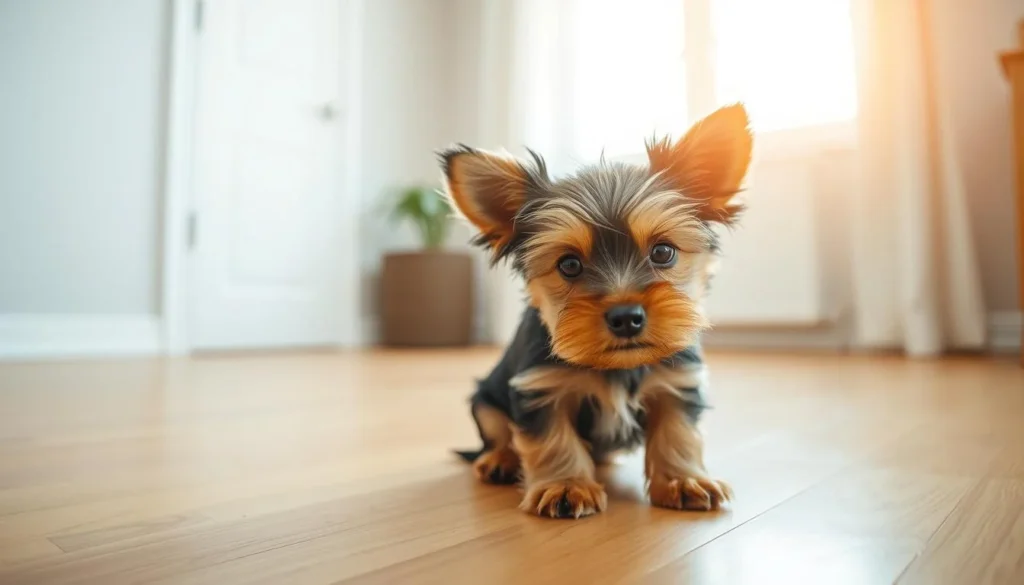
I catch cues like sniffing, circling, whining, or pawing at the door. These actions usually mean the bladder is full. If I see restlessness or sudden focus on the floor, I move quickly to avoid indoor mistakes.
When I describe common signals, I break them into simple steps I can watch for. Sniffing leads to circling. Circling may turn to squatting. Whining or scratching at the door is often the final prompt before elimination.
I tether my puppy to me or nearby furniture during active training sessions. Close supervision and a short leash stop my yorkie from sneaking away and soiling the house. This hands-on approach supports yorkie puppy housebreaking without confusion.
Keeping the yard and the house routine consistent matters. I treat the yard like another room and keep my pup on leash there until she is reliable. That habit reinforces the outdoor spot and boosts confidence during yorkie puppy training tips.
If I catch an in-house accident in the act, I interrupt calmly with a brief, gentle noise that does not frighten. I say "OUTSIDE!" in a clear tone and take the puppy straight to the chosen spot. If she finishes outside, I praise and reward immediately.
When an accident happens but I miss the moment, I avoid scolding afterward. I clean the spot with a proper enzymatic cleaner and note what preceded the accident. I adjust the schedule, add more frequent trips, or increase supervision to prevent repeats.
Below is a compact checklist I use to guide supervision and reaction. It helps me stay consistent and gives a quick reference during busy days.
| Watch For | Immediate Action | Why It Works |
|---|---|---|
| Sniffing or circling | Pick up gently and go to outdoor spot | Redirects intent before eliminating indoors |
| Whining or door-scratching | Open door, leash up, and escort out | Reinforces door cue and access to potty area |
| Squatting or sudden stillness | Make a calm interruption noise and move outside | Stops the act without fear, teaches location link |
| Unsure or wandering puppy | Tether to you and observe closely for 10–15 minutes | Prevents unsupervised accidents and speeds learning |
Using positive reinforcement and rewards effectively
I use clear, immediate rewards to teach good habits in yorkie puppy potty training. Quick praise or a small treat right after they go outside helps them connect the action with the reward. I never wait until we get back inside to give a treat.
Consistent rewards help your puppy understand what you want. I use the same cue, tone of voice, and small treats that fit in one bite. This routine helps with yorkie puppy house training by reinforcing good behavior every time.
I avoid punishment because it hurts trust and slows down progress. Scolding or making them sniff their mess can make them afraid to go when you're around. If I catch them going inside, I make a short noise, pick them up gently, and take them outside to finish before rewarding.
Here are a few practical yorkie puppy training tips I follow:
- Reward immediately after finishing outdoors to strengthen the connection.
- Use a consistent cue phrase paired with praise and treats.
- Choose small, high-value treats during the early stages for fast learning.
- Avoid physical punishment or harsh scolding that creates fear.
- Redirect calmly if you catch an accident, then reward success outside.
These simple steps make potty sessions positive and predictable. Puppies learn best when rewards are reliable and training is gentle and encouraging. This approach speeds up both yorkie puppy potty training and broader yorkie puppy house training success.
Crate training and confinement to support housetraining
I use a crate to help with yorkie puppy housetraining and keep things calm. It's a cozy space for my pup to rest. I make sure crate time is short and regular, keeping it a positive spot.
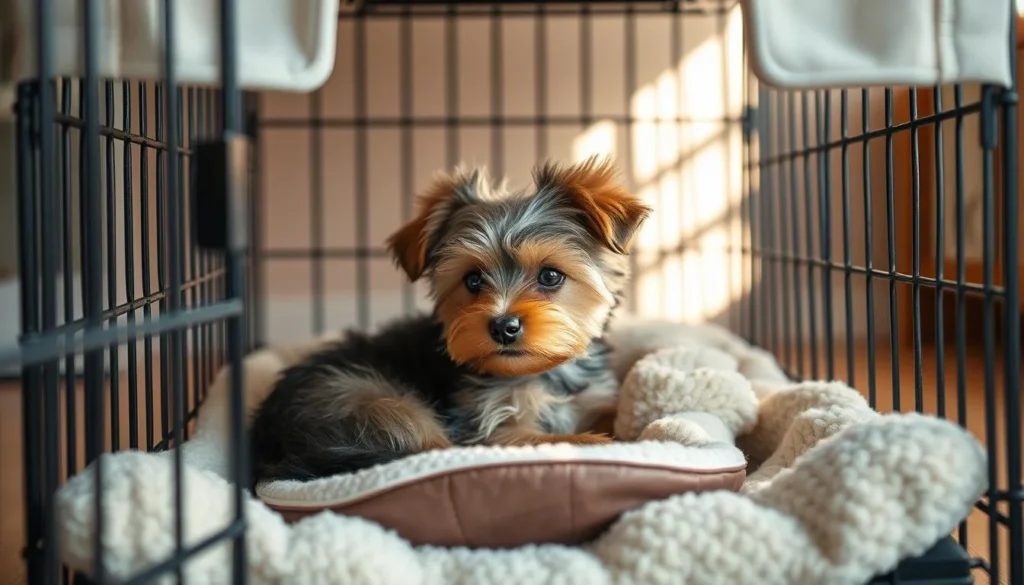
I choose a crate that's just the right size. It should let your puppy stand, turn, and lie down comfortably. A crate that's too big can lead to accidents. I follow the rule of one hour of crate time per month, adjusting for naps and nighttime.
Choosing the right crate size and humane crate use
I measure my Yorkie to find the perfect crate size. I add a soft bed and a favorite toy to make it inviting. I never use the crate as punishment and make sure my puppy gets breaks.
How confinement reduces accidents and teaches bladder control
Confinement limits space, which helps prevent accidents. Dogs naturally don't want to soil their sleeping area. This method teaches bladder control while I supervise and keep a tight potty schedule.
Releasing from crate directly to the outdoor potty spot
When I open the crate, I take my puppy straight to the outdoor spot. I praise and give a small treat after they eliminate. This links the action to a reward, helping with housebreaking.
I combine crate training with regular walks to reinforce good habits. If I have to leave, crating prevents accidents. It helps my pup become more reliable over time.
| Crate Practice | Why it Helps | Action I Take |
|---|---|---|
| Right size crate | Prevents sleeping/elimination separation | Measure dog; choose snug crate |
| Short, frequent sessions | Keeps crate positive; avoids stress | Use playtime, naps, and brief alone time |
| Release to outdoor spot | Builds direct link between crate exit and elimination | Carry or leash to yard; praise and reward |
| Limit duration by age | Matches bladder control to development | Follow one-hour-per-month rule; add breaks |
| No punishment | Maintains trust and steady progress | Keep crate comfy; use praise-based methods |
Combining crate training with regular walks and clear rewards makes housebreaking faster and kinder. I watch my puppy's progress and give more freedom as they become more reliable.
Handling accidents, cleaning, and preventing repeat spots
I handle accidents calmly and quickly to protect learning and keep your home clean. If I catch a Yorkie mid-accident, I make a gentle noise, say OUTSIDE!, and carry or leash the pup to the outdoor spot. If they finish there, I praise and reward them right away. This strengthens the connection between outside elimination and praise.
If I find a soiled area later, I never scold the puppy. I clean it up thoroughly and use an enzymatic cleaner recommended by veterinarians or pet stores. This removes odor cues that might lead to repeat marking. Ordinary household cleaners can leave scent molecules that encourage re-soiling, so I keep a pet-safe enzymatic product on hand.
I follow simple routines to keep accidents rare. I supervise closely when the puppy is free, confine them to a properly sized crate or small area when I can’t watch, and stick to a feeding and potty schedule. These steps support effective yorkie puppy house training and speed up progress during potty training for yorkie puppies.
When I need to redirect during an accident, I move the pup outside without frightening them. If paper-training or using pads temporarily, I wash soiled cloths and, when helpful, place used paper in the designated indoor elimination area for a short time. This helps the puppy learn where it belongs.
I track common accident spots and treat them immediately. Below is a handy comparison of cleaning choices and when I use each, to guide consistent yorkie puppy housebreaking and keep odor cues gone for good.
| Situation | Recommended Product | Why I Choose It |
|---|---|---|
| Fresh urine on carpet | Enzymatic cleaner (pet store or veterinary brand) | Breaks down urine proteins and removes scent that attracts repeat elimination |
| Dried urine or old stains | Enzyme soak plus brush treatment | Penetrates fibers to lift set-in odors and visible stains |
| Feces on hard floor | Paper towel pickup then enzymatic spray | Removes residue and scent without harsh chemicals |
| Accident on training pads | Dispose of pad, disinfect area with enzyme cleaner | Prevents lingering scent, supports transition to outdoor potty spot |
| Soiled bedding or cloth toys | Hot wash with enzyme detergent | Eliminates odors while preserving fabric |
Potty training for different living situations and challenges
I face unique challenges in every home when training my yorkie puppy. Small spaces, busy schedules, and older dogs require special planning. I adjust my approach to fit these differences.
Apartment living and balcony or indoor-to-outdoor transitions
In apartments, I start with a balcony potty area or indoor pad. I place the pad near the exit and move it closer to the door each day. Once it's at the door, I move it outside. This helps the puppy connect outdoor smells with going potty.
What to do if you work away from home: dog walkers and pet sitters
If I'm away for more than four to five hours, I hire a dog walker or pet sitter. Puppies under six months shouldn't be left alone that long. I give the sitter a schedule, a cue phrase, and a favorite treat. They use the same spot and reward the puppy right after they go.
Dealing with older Yorkies or relapses in training
For older Yorkies or training setbacks, I go back to basics. I watch them closely, keep them confined, and give them frequent potty breaks. I use the same cue phrase and reward them for success. If accidents keep happening, I check with my vet to rule out health issues before changing my training approach.
I plan carefully for my routine and environment. Being consistent, using clear cues, and praising them often helps. This approach works well for apartment living, busy schedules, and training setbacks.
Practical yorkie puppy training tips and advanced tricks
I share tools I use when basic routines stall. Small, consistent steps speed progress. Mix routine with targeted aids to make yorkie puppy training tips work in real life.
I teach potty bells by ringing one, guiding the pup to touch it with the nose, then opening the door right away. Pair the bell with a cue phrase and an immediate treat after elimination. This creates a clear chain: bell, door, outside, reward. These simple actions boost yorkie puppy potty training success.
Leash-to-door training shortens the gap between the signal and the outdoor spot. Clip the leash, walk calmly to the door, and open it as soon as the puppy indicates. Keep outings predictable with set feeding and bathroom times. Predictability is the backbone of potty training for yorkie puppies.
When your puppy stays accident-free for several days, give more freedom one room at a time. I add one small area and watch closely. If accidents return, I go back to the previous level of confinement and rebuild from there. This gradual expansion preserves gains and reduces setbacks.
I keep rewards consistent and immediate. Praise plus a tiny treat right after the puppy finishes outside teaches the link faster than delayed rewards. Short, frequent outdoor sessions beat long, infrequent ones for small bladders.
If progress stalls despite consistency, I look for structured help. I recommend courses from SpiritDog, K9 Training Institute, or DogAcademy for online, science-based, fear-free options. A professional trainer can offer personalized behavior modification when standard yorkie puppy training tips are not enough.
Long-term management matters. I maintain feeding schedules, supervised outdoor trips, and consistent cues so potty training for yorkie puppies stays reliable over months. Small, steady habits protect the hard work you put in earlier.
Combine routine basics with advanced aids like bells and leash drills. Use professional resources when needed. That approach makes yorkie puppy potty training predictable, calm, and more likely to stick.
Conclusion
I started early and kept a steady routine, which helped a lot. I followed feeding times and took my pup out after waking and meals. I also limited water 2½ hours before bed.
Using a single outdoor spot helped my puppy learn where to go. This is a key part of training.
Supervision and tethering kept accidents low. I taught bladder control, knowing a puppy's bladder is about one hour per month of age. Crate training reduced indoor accidents and helped my puppy learn to go outside.
When my puppy succeeded, I rewarded them right away. I cleaned up mistakes with enzymatic cleaners to prevent them from happening again.
Patience and positivity were key. I avoided punishment and expected setbacks. When I needed help, I turned to SpiritDog, K9 Training Institute, or DogAcademy.
With consistency, vigilance, and clear rewards, my training became reliable. Now, I enjoy a cleaner home and a stronger bond with my pet.
If you stick to a schedule, supervise closely, and use positive reinforcement, you can teach your dog well. The steps I followed are practical for anyone learning to potty train a yorkie puppy.