When I brought my eight-week-old Labrador home, I felt joy and a bit of fear. That first night, I promised to make potty training calm and kind. I wanted a routine that kept my floors clean and my puppy confident.
Next, I learned the best way to train a Labrador puppy. I used consistent crate time, scheduled breaks, and positive cues. My goal was to teach a reliable potty cue and use a crate to prevent accidents.
Progress wasn't always fast. Some puppies learn quickly, while others take weeks. I was patient and focused on positive reinforcement. I used tools like bells and high-value treats to help.
Key Takeaways
- Start with a clear, consistent routine: crate, scheduled outings, and a visible potty cue.
- Use the one-hour-per-month rule to judge how often to take your puppy out.
- Focus on reward-based training; do not punish accidents.
- Crate training with a divider helps build bladder control and prevents indoor toileting.
- Expect steady progress over weeks and consult a vet if accidents persist.
Understanding Labrador Puppy Behavior for Successful House Training
Knowing a Lab's nature makes potty training faster and less stressful. Labrador Retrievers are friendly, eager to please, and love food. Breeders like Cabin Labradors and Breton Gate Labrador Retrievers say Labs do well with reward-based training.
When I use short lessons and tasty treats, the pup learns quickly. They learn where to go and what I expect.
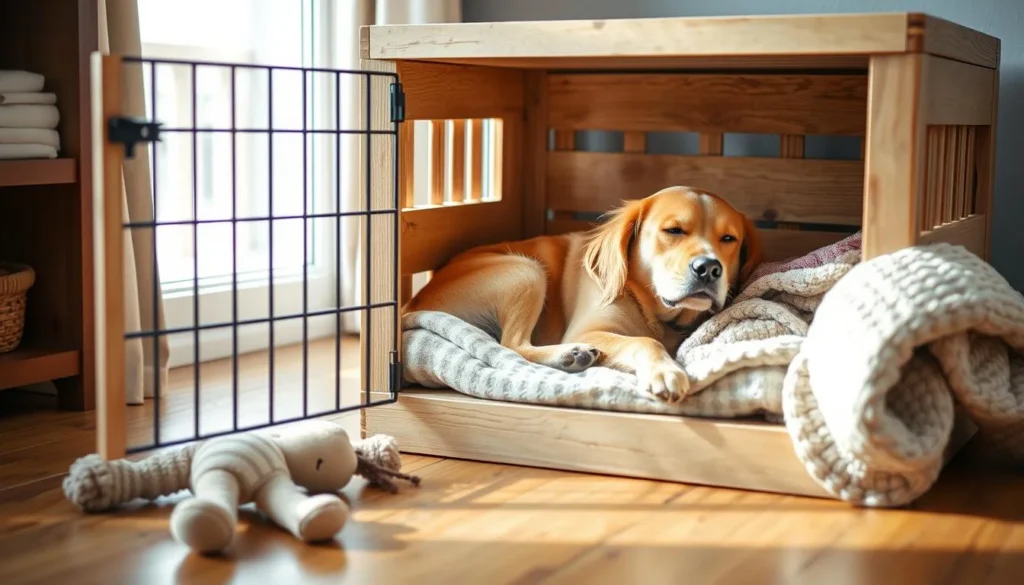
Puppies have a strong den instinct that helps with house training. They naturally avoid soiling their sleeping area. A properly sized crate acts like a den, helping them hold urine or signal when they need to go.
I keep the crate snug to prevent accidents. This way, the puppy won't pee on one side and sleep on the other.
Reading potty cues is key to preventing accidents. I watch for signs like sniffing the floor, circling, whining, sudden restlessness, or zoomies. I also look for bumping my leg.
Spotting these signs early lets me take the pup to the pee spot. I reward them immediately for success.
Using these traits together is the best way to train a labrador puppy. I choose a consistent pee area, use a single command word like “pee,” and reward immediately. Consistency, timing, and short sessions work well with a Lab's learning style, speeding up housebreaking.
how to potty train a puppy lab
I brought my Labrador home at eight weeks and created a simple routine. This routine quickly reduced accidents. The key was being consistent.
I used one spot for potty breaks, a short command, and rewards for good behavior. This method is effective and calm.

My step-by-step daily routine I used when bringing a Lab home at eight weeks
Right after waking, I took the puppy to the same spot for potty breaks. I used a simple command, waited quietly, and rewarded them with treats and praise. Afterward, I gave them food and water.
After meals, I took the puppy out for short walks. Every successful potty break got the same reward. This routine taught the puppy what I expected.
How often to take a Lab puppy out based on age and the “one hour per month” rule
Puppies can hold their urine for about one hour per month of age. A two-month-old can hold for two hours, and a three-month-old for three. I took the puppy out more often than needed, especially after water intake or excitement.
When home, I scheduled bathroom breaks at regular times. If the puppy drank a lot, I added an extra trip. This schedule helped avoid accidents and reduced them a lot.
Timing around sleep, eating, play, and car rides to prevent accidents
Right after waking, I took the puppy out. After meals, I planned a quick outing. After play, I watched for signs they needed to go. After car rides, I stopped for a potty break.
When home all day, I gave water in short intervals and took the puppy out after each. If I couldn't watch them, I left water but kept them in a crate. If I missed a cue and found an accident, I cleaned it up and increased supervision without scolding.
| Activity | Timing | Reason |
|---|---|---|
| Waking | Immediate | Puppies usually need to eliminate first thing; reduces crate accidents |
| After meals | Within a few minutes | Digestive reflex often triggers a bowel movement |
| Play breaks | After active play | Excitement can prompt elimination; watch for cues |
| Car rides | On arrival | Motion and stress raise need to go; quick stop prevents accidents |
| Drinking windows | Every 30–60 minutes when supervised | Controls intake while meeting hydration needs |
| Unsupervised times | Use crate or confined area | Limits accidents and reinforces bladder control |
These tips fit into a daily routine. Repetition, clear cues, and rewards made it simple. Following a schedule helped my Lab learn quickly and kept our home clean.
Creating a Potty Training Schedule and Managing Water Intake
I set a clear daily rhythm for labrador puppy potty training. A predictable routine cuts down accidents and helps a puppy learn when outings happen. My plan balanced outings, play, naps, and limited water windows so the puppy stayed hydrated and safe.
Designing the daily rhythm
I take my pup straight from the crate to the yard first thing each morning. After every meal, I repeat that step since many puppies eliminate soon after eating. Short trips follow high-energy play and naps to catch those urgent moments before accidents occur. I give one last walk just before the puppy goes into the crate for the night.
Managing water without causing surprise accidents
Labradors drink a lot, so I schedule water in short windows when I can supervise. I set water down for about 30 minutes after feeding or play, then remove it to encourage timely elimination. If I can’t watch the puppy, I leave water available rather than risk dehydration. I remember that extra water means more frequent trips out, which changes how long the puppy can hold it.
Adapting the plan as the puppy grows
As bladder control strengthens, I slowly lengthen the time between outings. By several months old, my Lab held it longer, so I relaxed strict water windows and gave more freedom. Evening and overnight outings also shift with age; some puppies sleep through longer stretches and need fewer nighttime trips.
Here is a practical comparison to help set expectations as your puppy matures.
| Age | Typical Outings per Day | Water Window Strategy | Notes |
|---|---|---|---|
| 8–12 weeks | 10–14 | Water available in short supervised stretches | Very frequent elimination; follow one-hour-per-month rule closely |
| 3–4 months | 8–12 | Supervised windows, gradually longer | Bladder control improving; start lengthening intervals |
| 5–6 months | 6–10 | More freedom with monitored access | Puppy often holds through longer naps and evenings |
| 7–12 months | 4–8 | Water generally available with routine outings | Move from rigid timing to trust-based schedule |
These housebreaking tips for lab puppies and the potty training schedule for labrador puppy I used made accidents rare within weeks. With consistent labrador puppy potty training, a clear timetable and sensible water rules set the stage for steady progress.
Crate Training a Labrador Puppy the Right Way
I started training my Labrador with a simple plan. It respected his instincts and set clear limits. Crate training was key for housebreaking and teaching bathroom habits.

I chose a 42" wire crate with a divider. This divider made the crate smaller as my Lab grew. It kept the crate useful from eight weeks to adulthood, avoiding frequent changes.
I made the crate welcoming by feeding meals inside and leaving favorite toys there. I left the door open during the day for exploration. Soft bedding was used, with extras ready for accidents. The crate was never used for punishment, aiming for a calm den feel.
I used crate time for bladder control. I limited free access when unsupervised and used the crate for short, calm periods. When the door opened, I took him outside to eliminate.
If my puppy fussed, I checked for a toilet break or more exercise. Shortening crate time, adding potty trips, and praising outdoor success helped. This method kept accidents low and supported house training without stress.
Crate training a labrador puppy is effective with a consistent schedule. Use the crate wisely, reinforce outdoor elimination, and balance confinement with freedom for steady progress.
Positive Reinforcement Puppy Training for Potty Success
I focus on clear, repeatable actions for fast and stress-free labrador puppy potty training. My goal is to build trust, shape habit, and keep each success simple and obvious for the puppy.
Which rewards work best for Labs
Labradors love high-value treats that are small and soft. I give them tiny pieces of cooked chicken or Zuke’s training treats right after they go outside. I also add enthusiastic praise and a short play burst. Giving multiple treats for one elimination speeds up learning.
How to mark the behavior: words, timing, and consistency
I use one consistent marker word—“pee”—and say it only when the puppy is eliminating. Timing is key. If I miss it, I wait for the next successful event and mark then. I keep the same spot, word, and reward every time.
Why punishment backfires and how to respond to indoor accidents
Punishment damages trust and can make a puppy hide accidents. I never rub a nose in messes or scold loudly. If I catch my Lab in the act, I give a firm, short noise like “hey,” then carry them outside to finish. If they finish outdoors, I reward immediately.
Practical accident response steps
- Clean with an enzyme cleaner to remove smell and stop repeat soiling.
- Increase supervision and shorten free-roam time until cues improve.
- Use the crate more and step up scheduled outings to reset expectations.
| Goal | Action | Example Reward |
|---|---|---|
| Immediate reinforcement | Mark at the moment of elimination, reward right away | Small chicken bite and two seconds of play |
| Consistency | Same word, same spot, same reward strategy | “Pee” cue, backyard corner, Zuke’s Mini Naturals |
| Accident handling | Do not punish; interrupt gently, move outside, clean thoroughly | Enzyme cleaner and increased outdoor trips |
| Building routine | Short, frequent outings after sleep, play, and meals | 3–5 minute praise sessions after each successful trip |
When I combine positive reinforcement puppy training with a steady schedule, labrador puppy potty training moves from guesswork to steady progress. This approach shows owners the best way to train a labrador puppy without fear or confusion.
Practical Housebreaking Tips for Lab Puppies
I keep things simple when housebreaking lab puppies. I use controlled spaces and routines to reduce accidents. Small steps are more effective than big plans.

I start by limiting where they can go and use baby gates. This creates a safe area for them to play. I watch for signs they need to go outside and act quickly.
When I see they need to go, I take them outside. If they go, I reward them right away. This teaches them the right place to go without scaring them.
When I'm not watching, I use a crate or pen. This helps them learn to control their bladder. I don't give them too much freedom until they prove they can handle it.
Cleaning up accidents is key to preventing them from happening again. I use special cleaners that remove the smell of accidents. This stops them from going back to the same spot.
I keep a checklist near the door to remind me when to take them out. This helps them learn when it's time to go. Small steps lead to big habits.
| Issue | Immediate Step | Follow-up |
|---|---|---|
| Sniffing/circling indoors | Pick up and take outside | Reward if finished outside |
| Unsupervised roaming | Limit area with baby gate | Increase supervised outings |
| Accident discovered later | Do not punish | Clean with enzyme cleaner |
| Frequent nighttime accidents | Adjust last water time and add a late trip out | Consider smaller crate at night |
Indoor Potty Training Options and Tools for Labrador Puppies
Before starting, weigh indoor solutions against your long-term goal. Indoor potty training is great for apartments, bad weather, or when yard access is limited. It keeps accidents low and teaches control. Choose one option and stick to it so your Labrador learns one clear cue for elimination.
I use simple tools and a steady routine to make progress fast. Puppy pads and indoor grass trays are good for small spaces. Disposable or washable pads are handy when outings are unpredictable.
I sometimes suggest short-term diaper use around sexual maturity or for medical recovery. Diapers stop messes but should not replace teaching outdoor elimination. If you rely on a diaper, plan a timeline to move back to outside work.
When to use puppy pads, indoor grass trays, or temporary diaper options
- Puppy pads: good for apartments or when you can’t step outside every hour. Change them often to avoid odor and learned preference.
- Indoor grass trays: close to natural smells, they help puppies associate texture with going. Place near the door when you begin moving the spot outside.
- Diapers: handy briefly for heat cycles or recovery. Use them as a stopgap, not a permanent solution.
Training a bell or other alert system so your puppy signals to go out
- Ring or touch the bell and reward the puppy when they investigate.
- Hang the bell at nose height on the door. Lure the pup to touch the bell with their nose and reward each success.
- Require a bell touch to open the door. Only deliver a treat after the puppy eliminates outdoors so the bell stays tied to going out, not play.
Use a nose-touch training method to protect door frames from pawing. Short, consistent sessions build a reliable alert behavior faster than long, random practice.
Transitioning from indoor options to fully outdoor elimination
- Move pads or grass trays gradually toward the exit over several days. This reduces confusion and keeps the puppy focused on the new location.
- Once the tray reaches the door, place it just outside and reward successful outdoor elimination richly.
- Cut back indoor pads slowly while increasing outdoor trips. Keep using a consistent potty cue word so the puppy links the action to the outdoor spot.
If you plan to shift entirely outside, avoid mixed signals. Keep indoor potty training options limited, follow a step-by-step move-out plan, and praise outdoor success heavily. That approach helps me finish house training cleanly and with fewer setbacks.
Troubleshooting Common Potty Training Problems with Labs
I faced many challenges during labrador puppy potty training. I found simple fixes that worked for my Labrador. Labs often get distracted by birds, scents, and play.
If your puppy won't pee outside, try a short timeout in the crate for five minutes. Then, take them to the same quiet spot. This quick return helps them finish peeing before they can play again.
Use a consistent potty cue and high-value treats to mark success. Start with short, focused outings. I found it better to make several short trips than long walks.
Choose one familiar spot for potty breaks. This reduces distractions and speeds up learning.
If progress slows, tighten the routine and limit freedom. Regression often happens when schedules change, water intake increases, or there's more unsupervised time. I went back to stricter confinement, more outdoor trips, and increased rewards to reduce accidents.
Watch for changes in feeding and water times if accidents increase. Small changes in what they eat or drink can affect how often they need to pee. Using the crate and baby gates helps limit roaming while retraining. Short, repeated successes build confidence faster than long sessions.
If accidents are sudden, frequent, or come with other signs like straining, blood in urine, lethargy, or fever, seek vet care quickly. Knowing when to consult a vet for puppy accidents helped me avoid missing urinary tract infections and other issues.
If training stalls despite consistent effort and reduced space, have your vet check for medical issues. A vet can test for infections, suggest dietary changes, or recommend behavior strategies. Clear medical checks let you focus on behavioral troubleshooting with confidence.
Long-Term Training: From Puppy to Well-Behaved Adult Lab
I'll show you how to raise a Labrador with good manners. Starting with puppy potty training is key. We'll follow milestones from the first night to the first year, making training steady and manageable.
8 weeks to 3 months: Crate training starts the day the puppy comes home. Short walks and regular meals help with bladder control. We also start socializing and introducing new sounds and people.
3 to 6 months: Consistency increases. Obedience classes after vaccines help with cues and focus. Swimming lessons around three months boost confidence and keep exercise healthy.
7 to 12 months: Hormonal changes can test patience. I use extra supervision and temporary confinement to protect training. By a year, we switch to adult food and longer walks as vet advice allows.
I expand freedom only when reliability is proven. Each increase in freedom comes with rewards and clear potty cues. This keeps the connection between signal and outdoor elimination strong.
Routine care helps with behavior. Weekly nail trims, ear checks, and teeth brushing are part of life. Grooming is calm and rewarded, supporting house training.
Life events require updates to plans. I discuss spay and neuter timing with my vet and prepare for post-op care. When new family members or dogs arrive, we re-establish routines and supervise interactions to reduce stress.
Obedience classes and structured play continue beyond puppyhood. They refresh cues and keep social skills sharp. This steady reinforcement makes transitions smoother and preserves early training gains.
| Age Range | Focus | Typical Actions |
|---|---|---|
| 8 weeks | Foundation | Start crate routine, frequent outings, set feeding and potty schedule |
| 3–6 months | Consistency & Socialization | Enroll in obedience classes, introduce supervised swimming, reinforce cues |
| 7–11 months | Adolescence | Manage regressions, use extra confinement if needed, maintain rewards |
| 12 months | Transition to adulthood | Switch to adult food per vet, longer exercise, more freedom with checks |
Conclusion
Learning to potty train a puppy lab was straightforward for me. A consistent schedule, crate training, and timed water management were key. I also used rewards and watched for signs like sniffing or circling.
Using baby gates and a gentle bell helped too. These steps made a big difference in my puppy's training.
Being patient and consistent was crucial. I focused on rewarding good behavior, not punishing bad. When my puppy had accidents, I cleaned them up with enzyme cleaners.
If my puppy's health was a concern, I talked to my vet. This approach helped me avoid punishment and focus on positive reinforcement.
These tips are effective for lab puppies. Stick to a schedule, adjust the crate as needed, and use high-value rewards. Following these steps, I turned a challenging time into a well-trained, happy Labrador. With patience and consistency, your Lab can achieve the same.