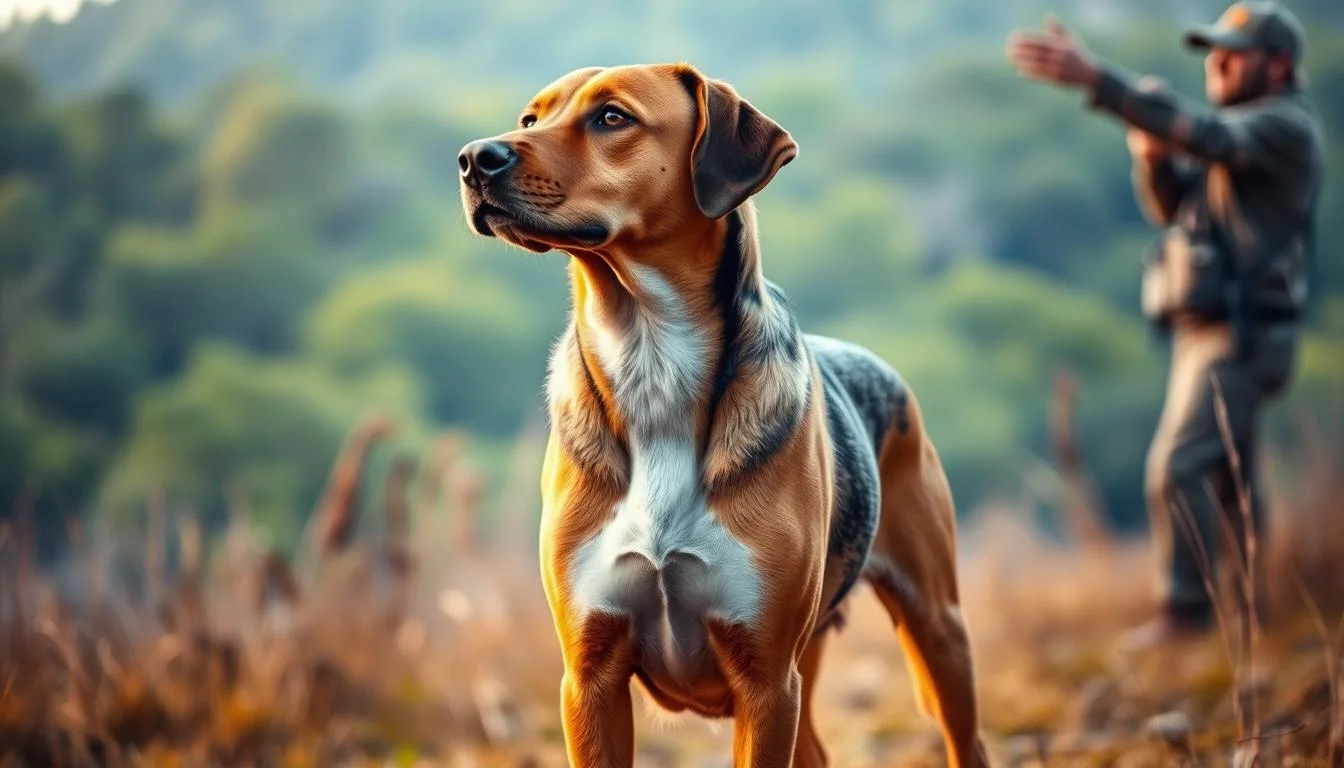
I remember my first time in a foggy field with my Labrador. My heart was racing as much as his tail. That day, I learned that hunting dogs need patient guidance to use their instincts well. Over the years, I've seen how clear training improves safety, success, and the bond between dog and handler.
Hunting with dogs has a long history. Many breeds were made to find, chase, or bring back game. But, a puppy won't know what to do right away. You must teach them to find, chase, and bring back game. They also need to get used to loud noises like gunshots. The right gear is important too; it keeps dogs safe and comfortable.
Good training uses a dog's natural instincts and makes them safer. Well-trained dogs can greatly improve their success in retrieving game. Training also boosts their confidence and fun. Start early with socialization, crate training, and basic commands. Make sure training is fun, consistent, and you track progress. If you hit a roadblock, don't hesitate to ask for professional help.
Key Takeaways
- Hunting skills are built, not inherited—structured training is essential.
- Start early with socialization, crate work, and basic obedience.
- Acclimate dogs to gunfire gradually and safely.
- Use proper gear to protect and support your hunting dog in the field.
- Keep training fun, consistent, and track progress; seek pro help when needed.
Choosing the right hunting dog breed and temperament
I help readers find the perfect hunting dog for their needs. The right dog is key for success in training and at home. I focus on matching breed skills to specific hunting tasks, not trends.
Start by matching breed to hunting style. Labrador Retrievers and Golden Retrievers are great for waterfowl. German Shorthaired Pointers and English Springer Spaniels are best for upland work and scenting. Choose a breed that fits your hunting style.
Next, consider energy level and prey drive. High-energy breeds like pointers and beagles need lots of activity. Low- to moderate-energy retrievers are better for family life and seasonal hunting. Think about daily exercise needs and hunting season length.
Temperament and trainability are crucial for success. A steady, social dog works well with people and other dogs. Look for dogs that respond well to early socialization and structured lessons. This makes training easier and supports teaching dog hunting.
Below is a comparison of common hunting breeds. The table shows hunting type, energy, coat suitability for water, and basic training ease.
| Breed | Primary Hunting Role | Energy Level | Coat & Water Suitability | Trainability (basic obedience) |
|---|---|---|---|---|
| Labrador Retriever | Waterfowl, retrieving | Moderate to high | Short, dense; excellent for water | High; eager to please |
| German Shorthaired Pointer | Upland, pointing, tracking | High | Short; tolerates water but not heavy cold | High; needs mental stimulation |
| Golden Retriever | Retrieving, versatile field work | Moderate to high | Dense, water-resistant; good for marshes | High; steady and focused |
| English Springer Spaniel | Flushing, upland birds | High | Medium coat; handles brush and water well | High; responsive with consistent training |
| Beagle | Scent trailing, small game | High | Short coat; not ideal for cold water | Moderate; stubborn when scent-focused |
Preparing your puppy: early socialization and foundation skills
I want to help your puppy start strong with simple steps. These steps build confidence and a strong bond with you. Early work is key for future success in the field. I use tips from books on training golden retriever puppies and a beginner guide to teach you how to help at home.
Importance of socialization with people, dogs, and environments
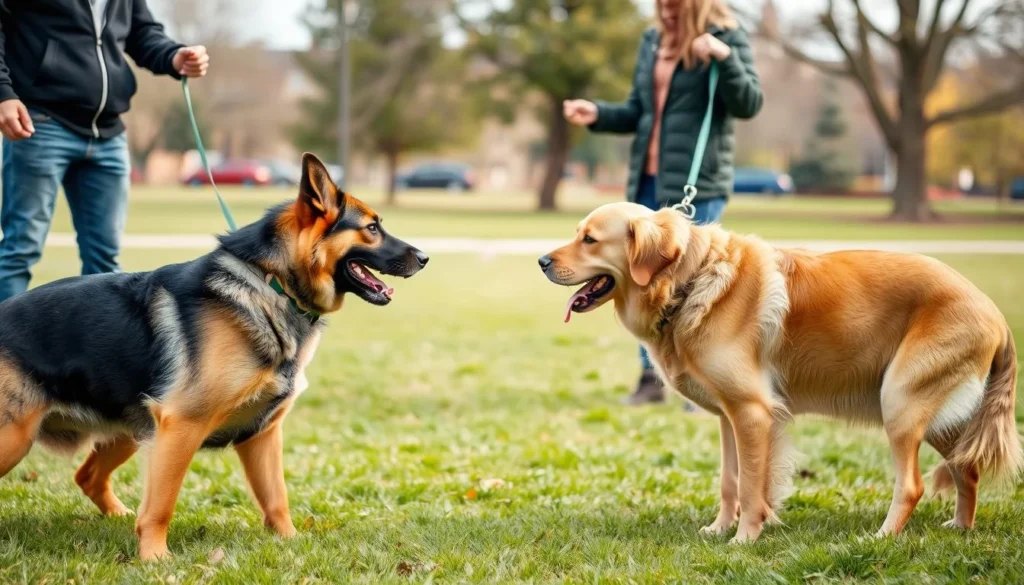
I start socialization right away when I bring a pup home. I let them meet other dogs and people, introduce safe toys, and go on short trips to parks. These early steps help reduce fear and teach the pup to share and own things.
I mix quiet, familiar places with brief, new experiences. I follow advice from books on training golden retriever puppies to keep the pup curious but not scared. I keep track of each positive interaction in a notebook to see how they're doing.
Crate training and safe travel preparation
I start crate training on day one with a durable kennel like Petmate Ruffmax Portable Kennels. I make the crate a cozy spot with comfy bedding, a kennel jacket, and treats. Short, fun sessions teach the pup it's a safe place.
I take the pup on different trips to make the crate more than just for vet visits. I go to the park, a friend's yard, and a quiet trailhead. This makes travel less stressful for hunting dog behavior training.
Basic obedience to build the handler bond
I start obedience around eight weeks with sit, heel, down, stay, and a clear no. I keep sessions short and calm, using the dog's desire to please. I log what works and when to make things harder.
I add retrieval play later, starting gentle drills at six to seven months. This follows the beginner guide to teaching dog hunting and makes field work easier later on.
How to teach dog hunting
I share step-by-step methods for handlers to move from backyard drills to real field work. These short practices mix obedience, marking, quartering, and retrieve work. I focus on safe progression, clear cues, and keeping training fun for both dog and handler.
Gradual exposure to hunting scenarios
Begin with simulated retrieves on land before moving to water. I use decoy bumpers and short marking drills to teach the dog to watch the fall. Once the dog marks reliably, I add low-level gunshot conditioning at a distance.
I keep early sessions short and predictable. Controlled training environments prevent bad associations. I reduce exposure to triggers until obedience is solid.
Combining obedience, marking, quartering, and retrieving drills
I mix sit, stay, and recall into marking drills so the dog learns to hold and watch a fall. Quartering drills follow, teaching a steady zigzag search pattern across cover. I use bumpers and subtle arm signals to guide patterns.
Sessions switch between marking, quartering, and blind retrieves. I reward each correct pattern with praise or a high-value treat. This keeps the dog engaged and reinforces handler direction.
Using positive reinforcement to harness natural prey drive
I rely on high-value treats and lively praise to make looking to me the best choice. Positive reinforcement turns impulse into a repeatable behavior and aligns motivation with the task.
When a dog shows strong prey drive, I use redirection and preventive training to channel that energy. I make handler cues predictable and rewarding so the dog chooses me over chase.
| Training Focus | Early Drill | Progression | Reward |
|---|---|---|---|
| Marking | Short land marks with bumpers | Longer falls, water marks, distant shots | High-value treats, praise |
| Quartering | Short zigzag on leash | Off-leash quartering across cover | Throw or bumper retrieve |
| Obedience | Sit/stay/recall in yard | Commands under distraction and distance | Food, play, release praise |
| Gunshot conditioning | Distant, soft pop sounds | Progress to real shots paired with retrieves | Calm praise and treats |
| Redirecting prey drive | Focus exercises and watch-me | Controlled exposure to triggers | Immediate reward for attention |
Obedience training as the keystone for hunting dog training
I always start with obedience training. It keeps a dog safe and makes hunting predictable. This way, I can focus on the hunt, not just keeping the dog in line.
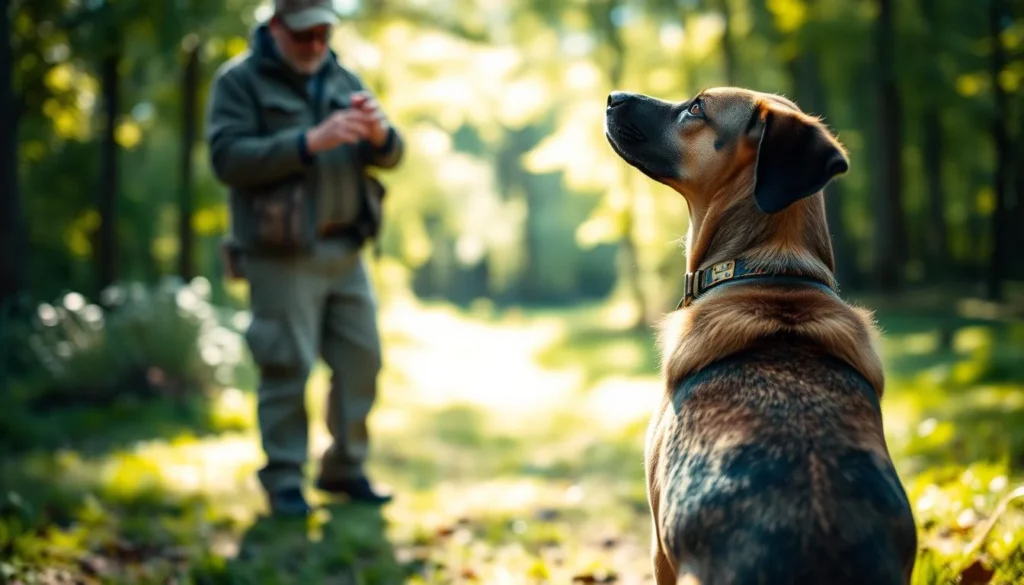
I teach skills in small steps. First, I teach basic commands in quiet places. Then, I use treats to encourage good behavior.
Essential commands: sit, stay, come, wait, leave it, watch me
I teach a few key commands. Sit and stay keep dogs safe when birds fly away. Come and wait are crucial for recall. Leave it stops dogs from chasing after things they shouldn't. Watch me helps them focus on me when it's exciting.
Building perfect recall before off-leash or field work
I make sure dogs can recall before letting them off-leash. I start with short distances and gradually increase them. I use treats to make recall more appealing than chasing birds.
Practicing obedience under distraction and in varied terrain
I move training to different places like marshes and woods. Each new place is a chance to teach obedience. I add distractions slowly so dogs learn to listen to me over their instincts.
I stick to the best training methods. I teach calmly, test them in real situations, and reward them for being reliable. This builds trust and makes training effective.
Gunshot conditioning and noise desensitization
I start by introducing loud noises to a hunting dog in small steps. Dogs might jump at the sound of a gunshot. So, I begin with quiet drills that link a retrieve to a distant report. This helps create a positive association, a key part of dog training.
Training sessions are short and follow a set pattern. I start with a helper 100 yards away and have the dog retrieve while a shot is fired. After each successful retrieve, I reward the dog for staying calm. These small victories build trust and are crucial for training.
I only move the shooter closer after the dog shows calm responses. The training involves shots at different distances. The goal is to gradually get the dog used to the noise.
If a dog shows fear, I slow down and reward even small signs of calmness. I never push a dog into a situation that makes it stressed. Consistent routines, calm handling, and clear rewards help build confidence and keep training on track.
I mix up the training with drills that include distance, direction, and sound. A typical session might have short retrieves with distant shots, then mid-range shots, and finally a steady retrieve with a nearby shot. This approach keeps the training focused and gentle on the dog's nerves.
| Step | Distance | Handler Role | Expected Dog Response |
|---|---|---|---|
| Introductory | 100+ yards | Calm voice, basic retrieve | Complete retrieve, receive treat and praise |
| Intermediate | 50–100 yards | Short command sequences, steadying cues | Remain steady during shot, quick deliver |
| Advanced | Beside dog | Minimal cues, confident handling | Stand steady during nearby shot, confident retrieve |
Teaching locating and quartering techniques
I teach dogs to search ahead in a zigzag pattern. This helps them cover more ground and find birds quickly. I focus on steady progress in their skills.
Short, focused sessions help build pattern memory without tiring the dog.
I start with simple drills on open fields. I use bumpers to shape the pattern. When the dog hits the target area, I call them back for rewards.
This drill creates a reliable search rhythm. It helps them find game in real situations.
I use fewer physical aids as the dog learns. Subtle signals like a small arm sweep guide them. These cues are part of my training techniques.
They help keep the work clean in the field.
I also run sessions in water and marshes. This teaches the dog to search in shallows and wetgrass. I start in shallow, calm water and gradually move to deeper or reedier spots.
Gradual increases in session length protect stamina and reduce stress.
I track progress with notes and short videos. This helps me spot patterns and gaps. When a dog ranges wide, I use a check cord or locator collar for safety.
This record helps refine my training techniques over the season.
Retrieving skills and blind retrieves
I teach retrievers by breaking skills into simple steps and keeping lessons short. Training starts with basic dummies on land and water. Dogs watch a thrown bumper, then repeat and get rewards for correct returns. This builds their confidence and focus.
For simulating birds, I use bumpers launched and a catapult. Trainers like Bob Owens also use a bird boy and duck calls. This helps dogs learn to track falling objects and stay focused on the sky.
Teaching blind retrieves involves consistent dog whistles and clear hand signals. We start in a quiet field to teach the whistle codes and hand cues. As they get better, we make the falls unseen, guiding them with voice, whistle, and hands.
As dogs grow, we add check cords and training wings. We move from soft dummies to training wings, keeping things controlled. Always reinforce calm, correct responses before introducing live birds.
If a dog struggles with blind retrieves, we go back to basics. We repeat whistle drills, simplify hand signals, and use a visible marker before fading it out. With patience and consistency, we get reliable blind retrieves from every dog.
Managing high prey drive: redirection and prevention
I teach handlers to see high prey drive as a valuable trait to be directed. Managing it begins with regular routines, clear rules, and structured play. This helps dogs understand where it's okay to hunt and where it's not.
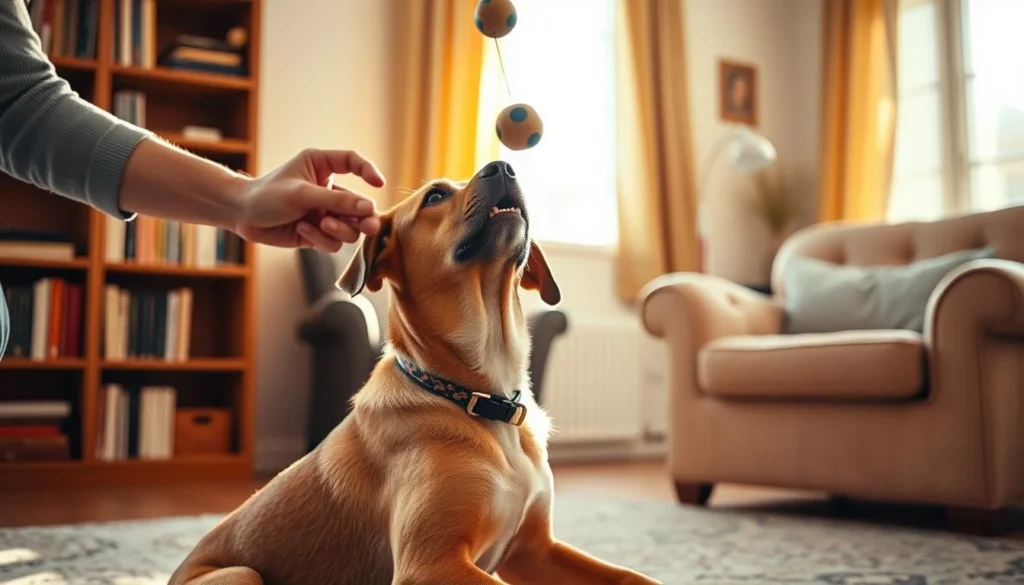
I train in controlled settings to improve focus. Short sessions on a fenced lawn, quiet fields, or empty halls help. This method supports training by reducing surprises and increasing success.
I pay close attention to body language for signs of a chase. When I see these signs, I use a command and a reward. This teaches the dog to anticipate and recall before a chase begins.
Redirecting hunting dogs works best with satisfying activities. I use retrieve drills, launched bumpers, and scent work. These activities allow dogs to safely express their hunting instincts.
I introduce dogs to triggers slowly, starting far away and adding distractions. I never rush off-leash training. First, I ensure recall and calmness on a long line. Then, I shorten the line and add real-world triggers, keeping rewards high and timing precise.
When planning training, I limit early exposure to dog parks and unsupervised yards. I keep the dog leashed until obedience is solid. This strategy prevents setbacks and keeps training momentum.
For competitive handlers, I suggest structured field classes and supervised hunt tests. These activities complement training by giving dogs meaningful work and reinforcing proper responses under pressure.
Puppy progression: introducing birds and safe first retrieves
I help owners introduce birds to their puppies and teach safe first retrieves. My goal is to make lessons calm and repeatable. This builds confidence and keeps the puppy safe.
I start with a quiet spot and a still, dead pigeon. This lets the puppy mouth the bird gently. If it shakes or bites too hard, I stop and reward it for letting go. This teaches the puppy to hold the bird softly.
By six to seven months, I add more formal retrieves. I keep each session simple and fun. I follow trusted books and take notes after each session. If a problem comes up, I get help from a pro to fix it.
I introduce training wings when the puppy is calm and steady. I use check cords to keep the puppy safe during field walks. As the dog gets better, I add whistles for clear commands.
Preventing rough handling is key. I praise the puppy for gentle carries and stop any roughness right away. This saves a lot of work later on.
Here's a simple plan I use with clients. It tracks age, focus, and safety gear to keep training clear and manageable.
| Age | Focus | Tools | Goal |
|---|---|---|---|
| 8–12 weeks | Introduction to bird scent and mouthing | Cold pigeon, calm room | Curiosity without fear |
| 3–5 months | Soft-mouth basics and release | Dummy, short sessions | Gentle carry and reliable drop |
| 6–7 months | Begin formal retrieves | Dummies, cold pigeon, check cord | Consistent retrieves on command |
| 7–10 months | Field introduction and training wings | Wings, whistle, check cord, locator collar | Controlled field behavior and safe first retrieves |
| 10+ months | Distance, distractions, and whistles | Long lines, wings, bumper launchers | Reliable retrieves in varied settings |
Testing skills and participating in hunt tests and field trials
I see testing as a way to improve both dog and handler skills. Events show me where my retriever needs work in obedience, marking, and blind work. I use this feedback to plan focused practice that boosts their skills over time.
AKC retriever field trials and hunt tests give me real feedback. They help prove my dog's readiness and how they handle pressure. Field trials also show what experienced dogs can do, helping me set higher goals.
I pay attention to where my dog shines and where they need work. Judges often point out areas like heel work, marks, or blinds. I use this feedback to tailor each session to improve their weak spots.
Events keep me on track during the off-season. Having a schedule of hunt tests helps me plan. I stay fit, practice specific skills, and keep up momentum until the next season.
I go to both local club hunts and big events like Master National qualifiers. Trainers like Bob Owens and Cara Harper say to use events as learning tools, not just final judgments. I take their advice and treat each event as a chance to learn.
Here's a quick guide to help pick the right events for your goals and training level.
| Event Type | Best For | Typical Feedback | How I Use It |
|---|---|---|---|
| Hunt Tests | Novice to advanced retrievers proving readiness | Marks on obedience, steadiness, and practical retrieves | Set short-term goals and refine obedience under pressure |
| AKC Retriever Field Trials | Experienced dogs showing complex skills | Performance on blind retrieves, handling, and range | Benchmark advanced skills and identify tactical gaps |
| Club or Local Meets | Early experience and low-pressure evaluation | General temperament, basic marking, and handler cues | Build confidence and introduce competition settings |
| Specialty Events (e.g., Master National qualifiers) | Top competitors aiming for elite placement | High-level critique on strategy and stamina | Measure peak performance and long-term conditioning |
Packing gear and safety for hunting with dogs
I pack with the same care I use when training. Good packing gear for hunting dogs keeps my dog visible, dry, and ready for work. I choose items that are lightweight and rugged so they survive long days in the field.
I always carry a compact kit of hunting dog safety gear. Bright orange vests make dogs visible to other hunters. Buoyant vests protect waterfowl dogs in cold water. Locator collars help me find a dog that runs beyond sight.
I keep a first-aid kit within reach. It has bandages, wound-cleaning supplies, and instant cold packs. I include water dishes, extra bottled water, and high-value treats to maintain hydration and focus.
Transport gear for hunting dogs matters on long trips. I use a Petmate Ruffmax-style kennel or a heavy-duty plastic crate for road safety. Bedding, kennel jackets, and a travel-size dog shampoo make long drives calmer and cleaner.
I follow simple habits to reduce risk. I leash my dog until recall is solid. I pack check cords and a whistle for control during intense prey-drive moments. I monitor weather and add layers or covers when temperatures drop.
Below is a concise checklist that helps me pack efficiently before every hunt.
| Category | Items | Why I bring it |
|---|---|---|
| Visibility & Safety | Orange vest, reflective strips, locator collar | Prevents accidental shooting and eases recovery of lost dogs |
| Water & Cold Protection | Buoyant vest, kennel jacket, blanket | Keeps water dogs afloat and warm after swims |
| First Aid & Health | First-aid kit, tick remover, saline wound wash | Treats cuts, removes parasites, prevents infection |
| Hydration & Nutrition | Collapsible bowls, bottled water, high-calorie treats | Maintains energy and prevents dehydration on long hunts |
| Transport | Sturdy crate, bedding, travel shampoo | Safe travel, rest between outings, easy clean-up |
| Control & Training | Check cords, whistle, leash | Helps manage prey drive and reinforces recall |
Conclusion
I've shown you how to teach dog hunting by mixing obedience, gradual exposure, and safety. Begin with socialization and crate work. Then, build core commands and add gunshot conditioning, quartering, marking, and retrieving drills.
Keep training sessions short, predictable, and fun. This keeps the dog engaged and confident.
Teaching dog hunting means using prey drive wisely. I use redirection, positive reinforcement, and controlled environments. This shapes behavior well.
Consistency and calm repetition make recall and blind retrieves reliable. They also reduce risky behavior in the field.
I see hunting dog training as a continuous journey. I track progress, adjust drills, and use hunt tests or field trials as benchmarks. Proper gear, a basic first-aid kit, and attention to the dog’s comfort ensure safety.
With steady work and the right mindset, you'll create a skilled, joyful hunting partner.