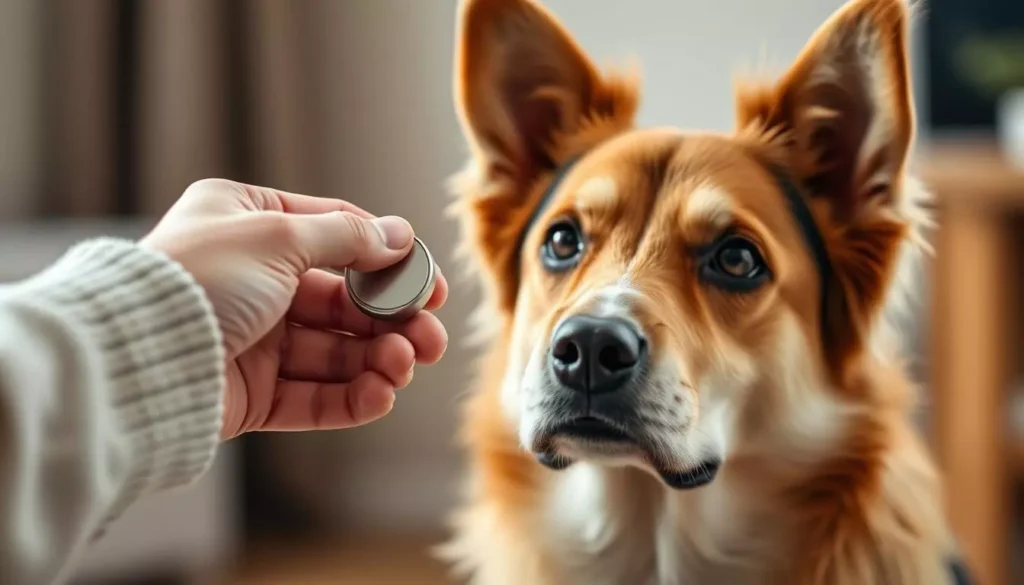
I remember the first time Maya, my Labrador mix, lunged and barked at a visitor. My heart raced, and I worried I'd failed her. This moment made me determined to learn how to calm an aggressive dog and manage their behavior.
Over months of careful work, I found that calling her "aggressive" only made things worse. It trapped her and increased the risk of her being given up or worse.
Aggression, like barking, growling, or biting, is a sign of a problem, not a permanent trait. It usually comes from fear, pain, or confusion. Knowing this helped me change my approach from just suppressing her behavior to focusing on changing her feelings and teaching her safer ways.
In this article, I'll show you how to tame an aggressive dog in a kind and effective way. You'll learn about safety, calming techniques, and when to seek help from a vet or a certified trainer. My goal is to keep your family safe and help your dog build trust and change for the better.
Key Takeaways
- Aggression is a behavior, not a permanent label; mislabeling increases risk to the dog.
- Most aggression starts with fear—identify and avoid triggers when needed.
- Prioritize safety (muzzles, management) while beginning rehabilitation.
- Focus on calming an aggressive dog through behavior change, not punishment.
- Seek help from veterinarians and reward-based trainers for complex cases.
Understanding why dogs show aggression
Aggression in dogs is a sign, not a permanent trait. It often stems from fear, pain, past experiences, or unmet needs. Finding the root cause is key to managing aggression safely and humanely.
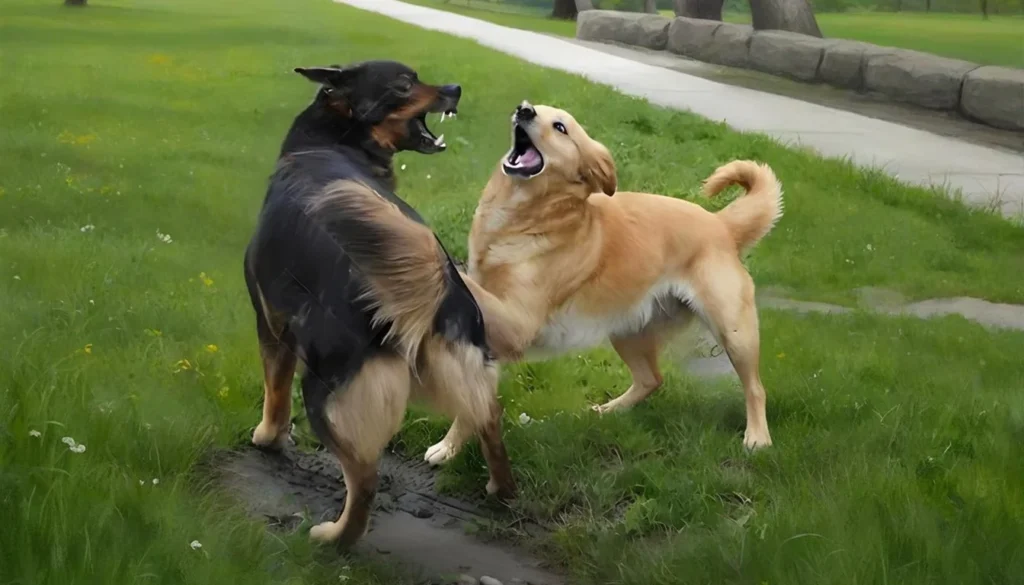
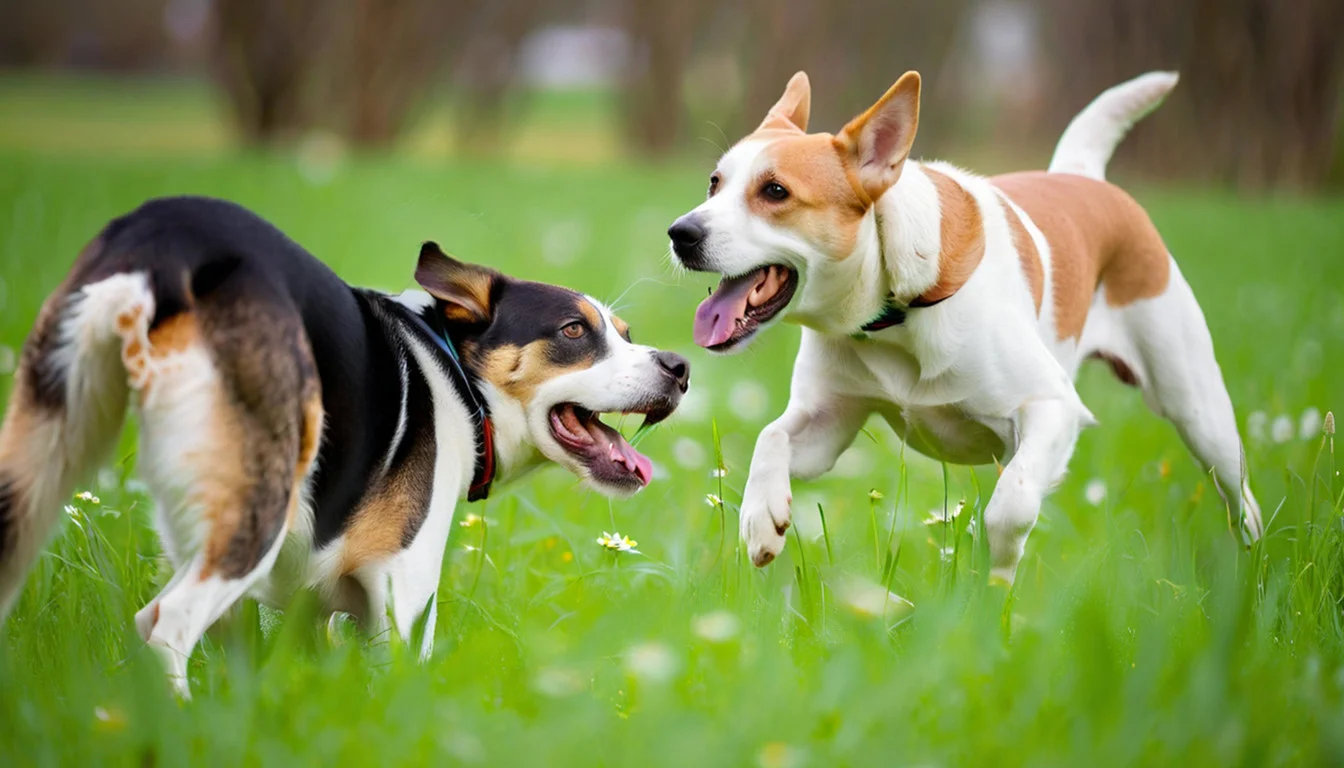
It's important to tell aggression apart from other behaviors. Signs like barking, lunging, and showing teeth can mean fear, play, excitement, or trying to avoid something. The American Kennel Club emphasizes this to help handlers respond correctly.
I identify seven types of dog aggression and their causes. Each type needs a specific approach and management steps.
Fear aggression is when a dog tries to stay away by acting tough. It can be triggered by strangers, other dogs, or loud noises. Slowly introducing new things and treating anxiety can help.
Territorial aggression happens when a dog defends its space. Rewarding calm behavior and teaching obedience can reduce this.
Idiopathic aggression is unpredictable and has no clear cause. It might be linked to neurological issues. A vet visit is recommended if this behavior appears.
Predatory aggression is about chasing and hunting, mostly towards animals. It's rare towards people. Keeping the dog away from high-risk situations and using a tight leash helps.
Intra-household aggression occurs between dogs living together. It often comes from social conflicts, like an older dog reacting to a new one. Separating them and then reintroducing them carefully can help.
Control-related aggression is caused by negative handling in the past. It's common in inexperienced owners. Teaching proper handling and routines can prevent it.
Resource guarding is when a dog is very possessive. It's about food, toys, or places to rest. Removing access when alone and teaching sharing can help.
Calling a dog "aggressive" can be harmful. It leads to punishment instead of learning. I focus on understanding triggers and changing behavior through positive methods.
Managing aggression in dogs is simpler than it seems. Avoid triggers, use muzzles when needed, and find trainers who use positive methods. This approach keeps everyone safe and helps the dog learn new ways to behave.
| Type of Aggression | Common Triggers | Practical First Steps |
|---|---|---|
| Fear aggression | Strangers, dogs, loud objects | Slow socialization, treat anxiety, avoid sudden exposure |
| Territorial aggression | Visitors, yard intrusion, doorways | Reward calm near visitors, obedience cues at thresholds |
| Idiopathic aggression | No clear trigger | Veterinary exam, baseline behavior assessment |
| Predatory aggression | Small animals, fast movement, remote areas | Avoid triggers, use leash and controlled routes |
| Intra-household aggression | New dog introductions, resource conflicts | Separate dogs, structured reintroduction, supervised interaction |
| Control-related aggression | Poor handling, repeated negative interactions | Owner training, predictable handling, professional guidance |
| Resource guarding | Food, toys, beds | Limit access, teach trade game, remove items when unsupervised |
how to tame an aggressive dog
I change my approach from quick fixes to lasting behavior changes. Quick fixes might stop a growl, but they don't teach the dog what to do instead. I focus on teaching the dog calm responses instead of lunging or barking.
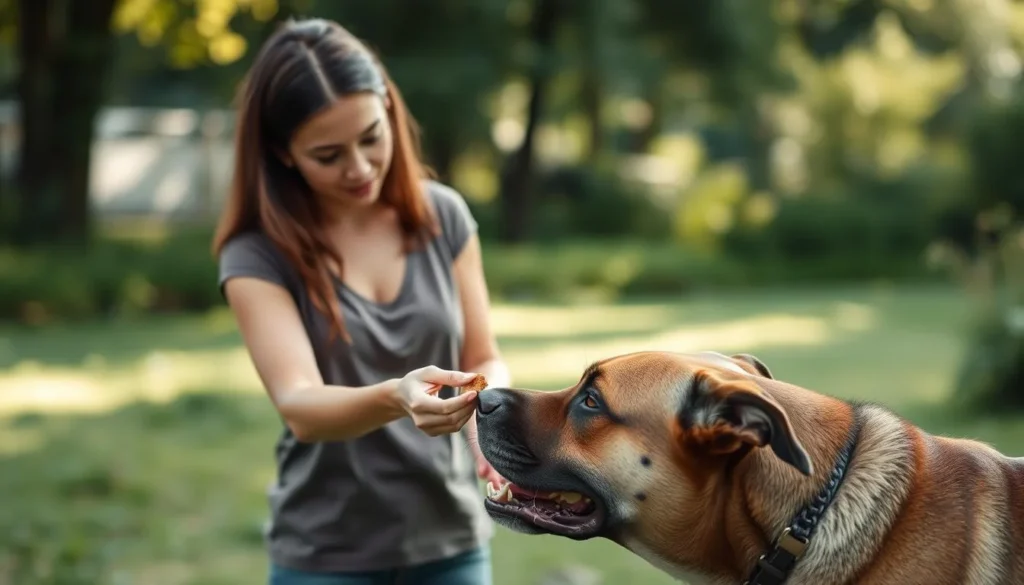
Shifting from suppression to behavior change
I tell owners why punishment doesn't solve aggression. Punishment can make dogs more fearful and reactive. Instead, I use positive reinforcement to teach new habits.
I make practice sessions easy for the dog. This way, they learn that good choices get rewards.
Setting realistic goals: what "tame" looks like
I set goals based on the dog's aggression type. For fear-based dogs, I aim for calmer responses in social situations. For territorial dogs, I focus on predictable visitor routines.
For medically linked aggression, I work with vets to control symptoms. Success means the dog learns new behaviors and becomes safer.
Creating a step-by-step plan tailored to your dog
I start with a detailed assessment of the dog's triggers and aggression type. Then, I recommend a vet check to rule out health issues. I suggest practical management like muzzles and barriers until the dog improves.
I break training into small steps. Sessions use positive reinforcement to teach calm behaviors. I increase challenges only when the dog shows consistent calm.
I encourage owners to be patient and follow the plan. If needed, they should consult reward-based trainers from groups like the BC SPCA or AnimalKind.
How to tame an aggressive dog towards humans
I help owners deal with dogs that are aggressive towards people. First, I figure out why the dog acts this way. Some dogs bite because they're scared, others because they're protecting something, and some because they've learned to control people.
Common reasons for aggression include strangers, men, children, visitors at the door, and people getting close to their things.
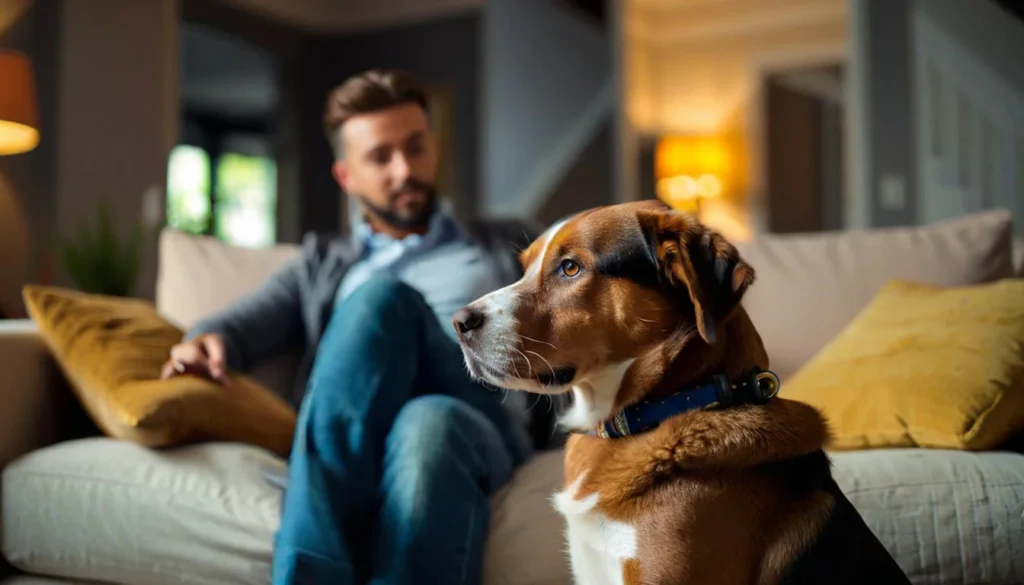
Identifying triggers and patterns
Owners record when their dog gets aggressive and what happens. This helps us see patterns. It shows if the dog reacts to movement, voice, sudden actions, or certain people like men or kids.
I teach simple commands that reward calm behavior. For dogs that get territorial, I teach them to go to a mat or sit quietly when visitors come. This gives them a safe choice instead of lunging.
Desensitization and counterconditioning for people-related fears
To help dogs overcome fears of people, I start far away and use treats. The goal is to make the dog associate people with good things.
One exercise is using the doorbell. I ring it, then give the dog a treat for going to a spot. I do this at a low level and slowly increase the trigger as the dog stays calm. This helps the dog feel better about people.
Management strategies to keep everyone safe
While training, safety is the top priority. I use barriers, baby gates, leashes, and muzzles for aggressive dogs. Teaching a dog to accept a muzzle is important for safety.
I suggest finding a reward-based trainer who specializes in aggression. They create a plan and teach management strategies to keep everyone safe during training.
| Situation | Immediate Action | Training Step |
|---|---|---|
| Visitor at the door | Use a baby gate and ask visitor to toss treats | Teach “go to mat” and reward calm arrivals |
| Stranger on the street | Increase distance and cross the street if needed | Pair stranger sighting with high-value food at a safe distance |
| Child approaches | Keep dog leashed and behind handler; avoid direct contact | Desensitization for people-related fears using staged, controlled interactions |
| High bite-risk scenario | Fit a comfortable basket muzzle and supervise closely | Teach muzzle acceptance and continue managing aggression towards people |
How to tame an aggressive dog towards other dogs
I help owners deal with tense dog meetings. First, I check if it's play or conflict. I look at body language and how fast things get out of hand. This tells me if we should train or keep dogs apart.
In homes with many pets, fights over things like food or space are common. I find out who starts and who gives in. This helps me create a plan to help the aggressive dog.
I use controlled socialization to help dogs feel better and learn new ways to act. We start far apart to keep things calm. I reward them for staying calm and make sure they know they can succeed.
Gradually getting dogs used to each other is important. I take it one small step at a time. Owners can help by walking dogs side by side and giving treats for good behavior.
When fights happen, it's smart to keep dogs apart. I suggest managing food and giving each dog its own space. After things calm down, we slowly bring them together again.
Here's a quick guide to help owners pick a plan based on what they see and what they want to achieve.
| Situation | Immediate Action | Short-Term Goal | Technique |
|---|---|---|---|
| Mutual play with self-handling growls | Observe and intervene only if escalation occurs | Maintain healthy play signals | Reinforce breaks, praise relaxed behavior |
| Stiff postures and lunges toward another dog | Separate safely, prevent further contact | Lower reactivity and reduce triggers | Controlled socialization with distance, reward calm |
| Resource guarding between housemates | Remove contested items, feed separately | Teach sharing rules and reduce competition | Manage resources, structured parallel feeding |
| Chronic reactive behavior in public | Avoid high-risk encounters, consult a trainer | Safe, predictable responses on walks | Graduated exposure, threshold work, professional guidance |
Aggressive dog training approaches that work
I use humane, science-backed methods for aggressive dogs. My aim is to lower fear and reactivity. I do this by changing how a dog feels and acts.
Why I avoid punishment-based methods
Punishment-based methods can hide behavior without changing emotions. Tools like shock collars can make dogs associate triggers with pain. This increases anxiety and unpredictability.
Positive reinforcement strategies to teach alternative behaviors
Positive reinforcement helps teach what to do instead of what not to do. I use treats like cooked chicken to reward calm behavior. I teach simple alternatives like "go to mat" and steady leash walking.
Training setups that set your dog up for success
Training setups for aggressive dogs need to be low-pressure. I start far from triggers and work at safe distances. I use a basket muzzle and management tools for safety.
Effective dog training combines careful setups, rewards, and clear steps. I design sessions with small steps and reward each success. This keeps the dog learning and avoids setbacks.
For the best results, look for trainers who use reward-based programs. Organizations like the BC SPCA and AnimalKind endorse these methods. Their guidance ensures humane and reliable training.
Dog behavior modification and rehabilitation techniques
I help owners create humane plans for changing their dog's behavior. First, we focus on safety. We use muzzles, leashes, and keep a safe distance to protect everyone while training.
Using conditioned emotional responses to change feelings
I pair triggers with rewards to help dogs feel better. For example, a doorbell sound leads to treats and a cue to sit. Over time, the dog learns to feel calm or happy instead of scared.
I watch for signs of stress and slow down if needed. For dogs with fear aggression, I use rewards and slow socialization. This helps them feel more at ease.
Teaching replacement behaviors
Replacement behaviors give dogs a better way to act. If a dog lunges to get someone to leave, I teach them to go to a mat instead. This reduces the urge to lunge or bark.
Training is all about positive reinforcement and short, successful sessions. We start with low-intensity exercises and gradually increase the challenge.
Gradual progression and testing in real-world settings
Gradual exposure is key to safe training. I start with controlled drills and then move to real-life situations. We only increase the challenge when the dog is consistently successful.
If progress slows, we go back to easier exercises. For tough cases, I suggest working with a reward-based trainer and a vet. This helps rule out medical issues and tailor the training plan.
| Goal | Technique | How I measure success |
|---|---|---|
| Reduce reactivity to the door | Conditioned emotional response: doorbell → treat + mat cue | Dog goes to mat on cue and remains calm when door rings |
| Prevent lunging at strangers | Replacement behaviors: "sit-stay" and "look" for reward | Fewer lunges per week, increased sit-stay duration near strangers |
| Reintroduce calm interactions with other dogs | Gradual exposure training with distance progression | Successful short, supervised meetings without escalations |
| Manage fear-based aggression | Slow socialization plus anxiety treatment and behavior modification | Lower stress scores, more voluntary approach behaviors |
| Address unexplained aggression | Combined veterinary assessment and tailored rehabilitation | Clearer diagnosis and targeted intervention with trainer input |
Practical tips for dealing with aggressive dogs at home
I help owners create safe, steady routines to lower tension and help dogs learn. Clear safety measures and simple daily structure give me confidence when managing reactive behavior. Here are concrete steps you can use today.
Safety first:
I use muzzles when a bite risk exists and recommend brands like Baskerville for comfort and breathability. Baby gates and sturdy barriers keep people and pets apart during high-risk moments. Supervision matters; never leave a dog with known bite history unsupervised near children or unfamiliar animals. These safety measures for aggressive dogs protect everyone while you work on behavior change.
Daily routines and enrichment:
Predictable schedules calm dogs. I feed, walk, and train at consistent times so arousal stays low. Remove triggers like loose toys and food bowls when not in use to prevent guarding. I add enrichment for reactive dogs using food puzzles, scent games, and short training sessions. Mental work drains stress and reduces unwanted reactivity.
Preventing escalation:
Reading body language helps me stop incidents before they grow. I watch for stiff posture, fixed stare, whale eye, lip lift, and low growl. When I see these signs I give a break, increase distance, or redirect with a known cue. Practicing these steps often prevents escalation in dogs and keeps progress steady.
Practical setup for success:
- Start training at a distance that yields calm responses, then shorten it gradually.
- Use high-value rewards and brief sessions to reward small gains.
- Separate dogs showing intra-household aggression and reintroduce with controlled steps.
I follow humane guidance from organizations like the BC SPCA and choose reward-based trainers for complex cases. These tips for dealing with aggressive dogs combine prevention, protection, and positive change so families can live more safely and with less stress.
When to seek professional help and veterinary involvement
Many owners wait too long to get help. Aggression can be a sign of a medical issue. If your dog suddenly changes, shows unexplained anger, or moves stiffly, it's time to seek help.
Get a vet involved if your dog's aggression might be due to pain, seizures, hormonal changes, or aging. A vet can check for these issues. It's helpful to document any aggressive episodes with notes or videos.
I look for professionals who use kind and effective methods. Reward-based trainers teach new behaviors without punishment. Dog behaviorists have the skills to handle complex cases. Make sure they have certifications like CPDT, CDBC, or Certified Applied Animal Behaviorist.
Working together, trainers, behaviorists, and vets can help your dog. Vets can prescribe medication to help with anxiety. This makes learning easier. Then, trainers and behaviorists create plans that fit your dog's needs.
Knowing when to seek help for aggressive dogs is simple. If your dog's safety is at risk, if the behavior gets worse, or if there might be a medical reason, get help. Early action can prevent giving up your dog and improve their future. I encourage owners to act fast and find a team that focuses on positive change.
Conclusion
I've learned that dog aggression comes in many forms and has various causes. Spotting the root cause, often fear, is key. This helps avoid dogs being surrendered or euthanized.
Working with certified behaviorists, trainers, and vets is crucial. Together, they help create a tailored plan for each dog.
My focus is on changing behavior, not just suppressing it. I teach dogs new behaviors and build positive emotions. Small successes are celebrated along the way.
In the early stages, tools like muzzles and barriers are used for safety. Gradual exposure and desensitization follow.
Patience and structure are vital for lasting change. Rehabilitation takes time, consistent effort, and vet support when needed. With the right approach, owners can calm aggressive dogs and make their homes safer and calmer.