As a devoted dog owner, I've often found myself caught in the whirlwind of excitement and chaos that comes with having a furry friend. One day stands out in my memory—my exuberant puppy unexpectedly bit my ankle while we were playing. It shocked me and left me wondering how to stop a dog from biting.
I knew understanding this behavior was crucial for my safety and building trust in our relationship. This article will explore effective puppy biting solutions and insights into dog aggression training. It aims to help you foster a loving and safe companionship with your four-legged buddy.
Key Takeaways
- Understand the difference between normal play mouthing and aggressive biting.
- Early intervention is key for puppies to minimize biting behavior.
- Teaching your dog gentle play can reduce instances of biting.
- A dog's body language can offer insight into their emotional state and potential aggression.
- Positive reinforcement and consistent training are essential for breaking the biting habit.
- Using yelping as a method can effectively communicate to a dog when they bite too hard.
- Incorporating chew toys and physical activities helps manage a dog's biting urges.
Understanding Dog Biting Behavior
It's key for dog owners to know when a dog is biting normally or aggressively. I've learned that telling the difference between playful bites and aggression is crucial. A dog's body language can tell us a lot about its intentions.
Normal Play Mouthing vs. Aggressive Biting
Normal play mouthing shows a dog is relaxed and happy. It has loose movements and barks with joy. Aggressive biting, however, is marked by stiff muscles, a tense posture, and loud growling. Knowing how to spot these differences is important for training.
| Behavior Type | Body Language | Common Scenarios |
|---|---|---|
| Normal Play Mouthing | Relaxed, wagging tail | Playing with toys, interacting with other dogs |
| Aggressive Biting | Tense, raised hackles | Fearful situations, defending territory |
Why Do Dogs Bite?
Dogs bite for many reasons, like fear, frustration, or lack of socialization. Understanding these reasons can help prevent bites. By addressing these issues, we can lower the risk of aggressive behavior.
The Importance of Training for Biting Prevention
Training is key in stopping dogs from biting, especially when they're learning how to play right. Early training helps a lot in the long run. Puppies learn not to bite too hard when they play with their siblings.
It's important to teach them the difference between gentle play and being too rough. This helps prevent biting problems.
Early Intervention in Puppies
When I start teaching my puppy about not biting, I do it early. They naturally want to nip and mouth things. So, I teach them what's okay to play with instead.
This early stage is crucial. It helps my puppy understand what's acceptable in play.
Teaching Gentle Play
I use toys instead of my hands during play. This shows my puppy what's safe to bite. Playing with toys helps them learn to play gently.
This way, they're less likely to bite later. These early lessons help my puppy grow up to be well-behaved.
Signs of Potential Aggression in Dogs
It's important to know when a dog might get aggressive. By watching their body language, we can spot signs of aggression early. These signs can show how a dog is feeling, helping us keep everyone safe.
Reading Body Language
Understanding dog body language is key. For example, big pupils can mean a dog is excited or scared. Raised hackles show a dog feels threatened. Tucked ears or a low body can mean a dog is anxious or submissive.
Knowing these signs helps us act fast to keep our pets calm. It's all about creating a safe space for them.
Recognizing Warning Signals
It's crucial to watch for warning signs of aggression. Some common ones include:
- A stiff body posture
- Baring of teeth or growling
- A sudden withdrawal or avoidance of eye contact
- Excessive barking or lunging
These signs tell us when a dog might be feeling scared or needs space. By learning to read these signs, we can keep our pets safe during interactions.
| Body Language Cue | Interpretation |
|---|---|
| Dilated Pupils | Fear or Excitement |
| Raised Hackles | Defensive or Aggressive Feeling |
| Tucked Ears | Anxiety or Submission |
| Stiff Body Posture | Prepared to Defend |
How to Break a Dog from Biting
Stopping a dog from biting can seem hard, but the right training can help a lot. Focus on positive ways to teach your dog to be gentle. Rewarding good behavior helps make biting less likely.
Strategies for Effective Training
First, find out what makes your dog bite. Set clear rules and give them something else to do. Use chew toys to keep them busy. When they play nicely, give them praise and treats.
Positive Reinforcement Techniques
Positive rewards are key to changing your dog's behavior. Don't scold them for bad behavior. Instead, praise and reward them for being gentle. This way, they learn that being calm is good.
Teaching Bite Inhibition to Your Dog
Bite inhibition is key for dogs to learn. It affects how they interact with humans and other animals. It teaches them not to bite too hard. This is crucial during play and daily activities.
By using the right training, I can teach my dog to control their bite. This also helps solve common puppy biting issues.
The Concept of Bite Inhibition
Bite inhibition means dogs learn to control their bite force. This starts when they are puppies. They learn from their littermates, who show them when to stop biting hard.
This teaches them to be gentle. By teaching bite inhibition, I create a safer space for everyone. It ensures they can play without worrying about getting hurt.
How Puppies Learn from Each Other
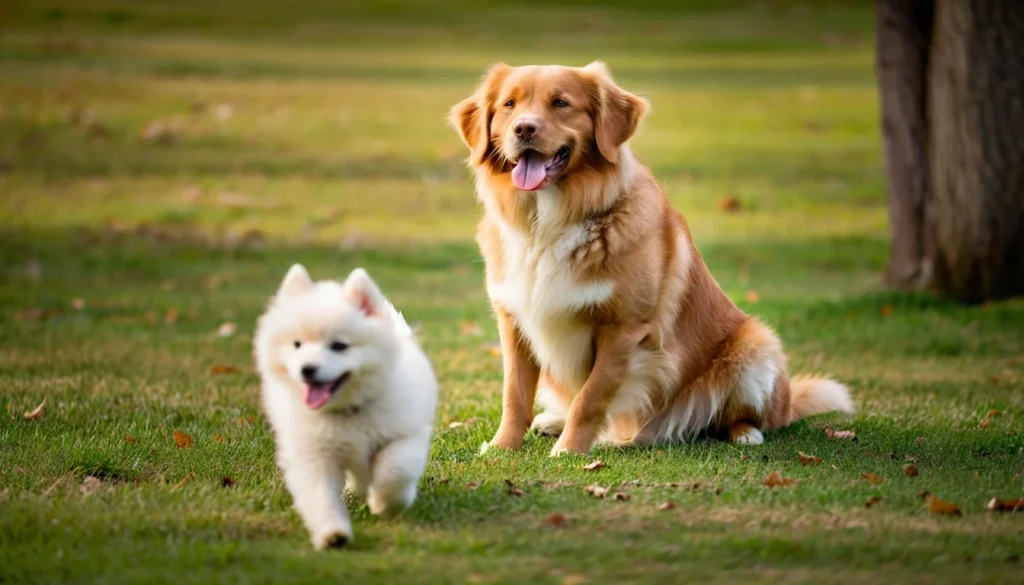
Puppies learn important skills from each other during play. They use body language and sounds to communicate. If one bites too hard, the other might yelp.
This teaches the biting puppy to be gentler. I can help my puppy learn this by reacting similarly during play. This reinforces the idea of gentle mouthing.
Using Yelping as a Training Technique
The yelping training technique is a fun way to stop dogs from biting. When a dog bites, I make a high-pitched sound. This sound is like what littermates do naturally. It helps the dog think twice about biting.
To use this method well, timing and consistency are key. This makes it more effective in managing dog behavior.
How to Implement the Yelping Method
To start using the yelping training technique, follow these steps:
- Timing is crucial: Wait until the dog bites to issue the yelp. Instant feedback reinforces the behavior correction.
- Maintain a natural tone: The yelp should be loud enough to capture the dog's attention without sounding like a scream.
- Observe responses: If the dog pauses or retreats after the yelp, it indicates the technique is working and the dog is reflecting on its action.
- Combine with positive reinforcement: Praise or treat the dog when it stops biting after hearing the yelp. This encourages learning through a balanced approach.
- Be consistent: Use the yelping method regularly. This helps the dog understand that biting should not occur during play.
Using the yelping training technique helps manage dog behavior. It makes playing with my dog more fun for both of us.

Alternative Methods for Managing Biting
Looking for ways to stop biting can make our homes happier. Using time-out techniques and redirecting to chew toys are key. These methods help my dog know what's okay to chew and what's not.
Time-Out Techniques
When my dog bites too hard, I call a time-out. This lets my dog calm down and learn biting stops play. I make sure the time-out area is quiet and calm.
Redirecting to Chew Toys
Time-outs are just part of the solution. I also teach my dog to chew on toys instead of hands. Having lots of chew toys around helps my dog find the right thing to chew on. This way, my dog learns to use toys for chewing.
Managing Dog Playtime and Interaction
It's important to manage dog playtime well to ensure positive interactions. Using the right techniques helps avoid aggressive behavior. I make sure play is fun and safe for all by setting clear rules.
Encouraging Non-Contact Play
Games like fetch or tug-of-war with a rope toy are great for dogs. They help dogs play without biting or being too rough. This way, dogs can have fun and release energy without fighting.
Establishing Rules During Play
Clear rules are key for safe and fun play. Some rules I follow include:
- No jumping on others
- Playing calmly in defined zones
- Taking breaks when excitement escalates
- Respecting personal space during rest
Before we play, I tell my dogs what's expected. This helps us all get along better and builds trust.
Signs of Overstimulation in Your Dog
It's key to know when your dog is overstimulated to avoid biting. High stress can make a dog's behavior change suddenly, leading to aggression. Watch for signs of stress, especially when playing or meeting new people.
How Stress Affects Biting Behavior
Stress and dog behavior are very connected. Things like loud noises or too much activity can stress a dog out. Signs of overstimulation include:
- Pacing restlessly
- Excessive barking or whining
- Hyperactive movements
- Snapping or growling
- Refusing to engage during play
Acting fast can stop a bite from happening. Spotting these signs early helps keep everyone safe.
Recognizing When to Take a Break
Knowing when to take a break is crucial for a calm environment. Regular breaks during play are helpful. I make sure my dog gets a break when they seem stressed. Good strategies include:
- Taking short walks to relax
- Providing a quiet space for rest
- Utilizing calming aids, such as soft music or natural remedies
These actions help manage stress and reduce biting. Watching for overstimulation signs helps my dog stay happy and healthy.
Implementing a Time-Out Procedure
When a dog bites, it's crucial to act fast and right. Time-outs are key in teaching dogs what not to do. They help dogs learn that certain actions have consequences.
It's important to be consistent and timely with time-outs. This way, dogs understand what's expected of them.
When and How to Use Time-Outs
Time-outs should start right after a dog bites. This connection helps the dog understand why they're being punished. Here are some tips for using time-outs well:
- Choose a quiet spot for the time-out, away from distractions.
- Stay calm and firm when taking your dog to the time-out area.
- Keep the time-out short, about 1 to 3 minutes, to show the dog why they're there.
- After the time-out, slowly start playing with your dog again, focusing on positive interactions.
- Always use time-outs after a dog bites, to keep the message clear.
By using these methods, I help my dog learn to control their behavior. The more I use these strategies, the better my dog will understand what's expected of them.
Choosing Chew Toys and Physical Outlets
Managing a dog's biting behavior can be done by choosing the right chew toys and giving them physical outlets. Engaging toys can distract them from chewing on things they shouldn't. This helps them develop good chewing habits and keeps them busy.
Effective Chew Toys for Biting Prevention
It's important to pick chew toys that are durable. They should be able to withstand a dog's strong jaws. Look for toys made from rubber or nylon, as they are good for aggressive chewers. Some top picks include:
- Kong Classic Dog Toy
- Nylabone DuraChew
- Benebone Real Flavor Wishbone
- PetSafe Busy Buddy Bristle Bone
These toys offer both fun and comfort, helping to reduce biting.
Burning Off Excess Energy
Along with chew toys, physical activities are key in reducing biting. Regular exercise helps burn off energy that might lead to hyperactivity and biting. Activities like:
- Daily walks
- Play sessions with balls or frisbees
- Agility training
- Interactive games like hide-and-seek
These activities provide much-needed exercise and improve your dog's health. Adding these to your routine can make your home a happier place and reduce biting.
The Role of Professional Help in Behavior Modification
Seeking professional help for a dog's biting behavior is often a smart move. Many dog owners face ongoing issues that need expert knowledge. Working with a Certified Professional Dog Trainer (CPDT) can offer customized strategies and insights. This makes training more effective for specific behavioral problems.
When to Consider Hiring a Trainer
Knowing when to get professional help is key. If my dog's biting doesn't get better with my training, or if it gets worse, I should consider a trainer. Here are some reasons to seek help:
- Persistent biting incidents that do not improve over time.
- Fear-based aggression or anxiety-related biting.
- Difficulty in effectively communicating and training my dog.
- Challenges in socializing my dog with other pets or people.
Hiring a trainer can greatly improve my relationship with my dog. An expert can help me learn how to manage my dog's biting behavior. This way, I can ensure a more harmonious life together.
The Importance of Socialization for Dogs
Socialization is key for a dog's growth and behavior. It helps them learn how to act around others. Puppy classes are a great way to start this process.
By meeting new people and dogs, puppies learn important social skills. This early learning helps prevent bad behaviors like biting later on. It's a crucial step in their development.
Benefits of Puppy Classes
Puppy classes offer many benefits for a dog's future. Here are some main advantages:
- Structured environment for learning key social skills.
- Guidance from professional trainers to handle various situations.
- Opportunities for controlled interactions with other puppies.
- Development of basic obedience commands that enhance communication.
- Addressing behavioral issues early, reducing future problems.
These classes help dogs develop vital skills. They also lay a positive foundation for their behavior. Knowing the value of puppy classes leads to better training and happier dogs.
Using Deterrents for Biting Behavior
Dealing with biting in dogs can be tough. I suggest using taste deterrents to help. These products make things taste bad, so dogs don't want to bite them.
It's key to pick safe and effective taste deterrents. There are sprays that stop dogs from chewing on furniture. Using these sprays on chewed areas helps improve behavior over time.
Safe and Effective Taste Deterrents
Using these deterrents at the right time is important. Regular use helps dogs learn what not to chew. Here are some good options:
- Bitter apple spray: Dogs don't like the taste, making it a popular choice.
- Citrus-based sprays: Dogs often find citrus tastes bad, so these work well.
- Commercial anti-chew products: You can find these in pet stores, made to stop dogs from biting.
Using these deterrents with training helps a lot. It not only stops biting but also helps dogs behave better in the long run.
Developing Long-Term Strategies
Creating effective long-term strategies for dog training is key to reducing bad behaviors like biting. The core of successful training is being consistent. A stable environment with clear rules helps my dog learn what's right and wrong.
The Role of Consistency in Training
To make training positive, I need to use the same signals and responses. This helps my dog understand what's expected and reinforces good behavior. For example, using the same command for sitting helps my dog remember it better.
| Training Element | Importance | Example |
|---|---|---|
| Clear Commands | Enables recognition and response | Always using "Sit" for sitting behavior |
| Positive Reinforcement | Encourages repetition of good behavior | Offering treats for non-biting interaction |
| Regular Training Sessions | Promotes memory retention and habit formation | Daily short training exercises |
| Patience | Essential for long-term success | Allowing time for my dog to learn |
These strategies show that consistency is crucial in dog training. A routine helps my dog understand and follow the rules to avoid biting. Patience and consistent feedback also make the training better.
Conclusion
Teaching a dog not to bite is a big task. It needs understanding, patience, and consistency. This article has given you tips on how to manage biting behaviors. These methods help make a safe space for your dog.
Using positive reinforcement is key. It helps your dog learn good habits. This way, you can solve the biting problem and encourage positive behavior.
Learning to stop a dog from biting is a journey. Every dog is different, so what works for one might not work for another. By being patient and understanding, you can build a strong bond with your dog.
Remember, trust and positive interactions are important. With time and the right methods, you can help your dog become a better companion. This will make your relationship more enjoyable for both of you.