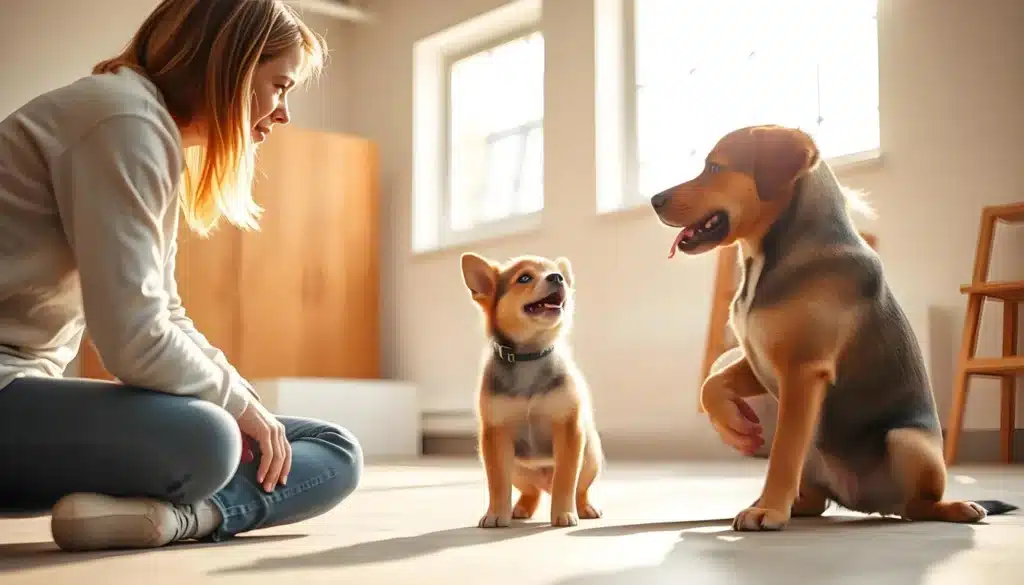
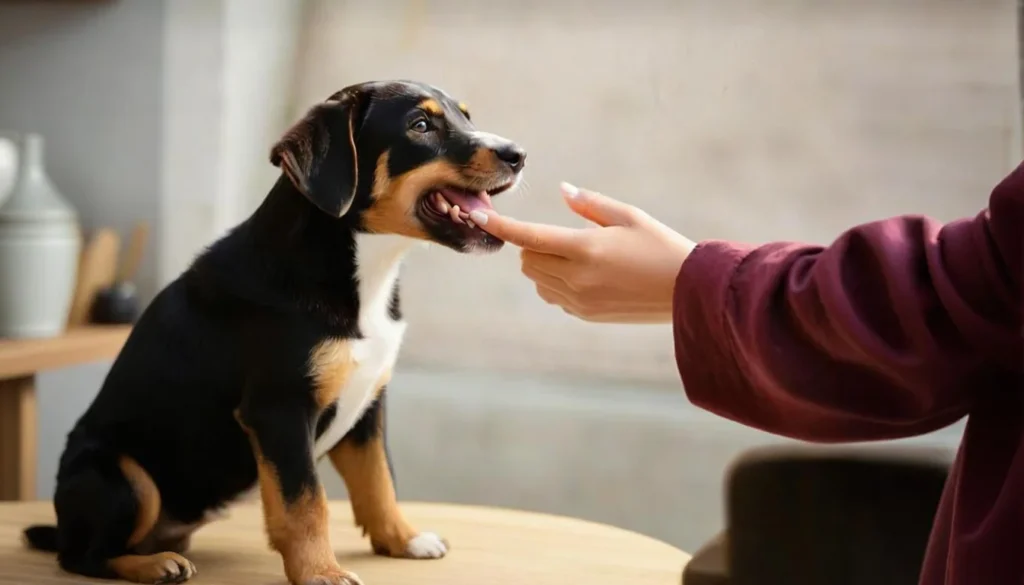
As a puppy parent, I was filled with excitement and joy. But, I also faced moments of confusion and frustration. The first time my puppy playfully nipped at my fingers, I thought it was cute. But, as time went on, those playful nibbles turned into bites that worried me.
Learning how to control a puppy biting became a must. It was not just for my comfort but also for my puppy's well-being. I discovered that to stop puppy biting, I needed to understand its causes and use effective training methods. In this article, I'll share tips and strategies that helped me and my puppy enjoy our time together without worrying about bites.
Key Takeaways
- Understanding the reasons behind puppy biting is crucial.
- Puppy biting solutions include positive reinforcement and distraction techniques.
- Developing bite inhibition is an important part of training.
- Regular socialization helps puppies learn appropriate play behavior.
- Recognizing signs of overstimulation can prevent biting incidents.
- Exercise and engagement are key in managing energy levels and reducing biting.
Understanding Puppy Biting Behavior
Puppy biting is a key part of their growth. It helps them play, explore, and communicate. When they mouth during play, they're using their natural instincts.
As a pet owner, it's important to know this behavior is normal. Puppies use their mouths to check out their world and play with others. This behavior also helps them bond with humans and other pets.
To handle biting, I use different puppy behavior tips. These tips help me understand why they bite and how to stop it in a good way. By teaching my puppy the right way to mouth, we can all have more fun and safety.
Why Do Puppies Bite?
Puppies bite for many reasons, and knowing these helps stop them from biting. One big reason is teething. Puppies, like babies, have sore gums during teething. They chew and bite to feel better. Toys made for teething can help and keep them from biting your hands or furniture.
Another reason is their natural curiosity. Puppies learn by mouthing things. They might bite objects and people to figure out their world. Plus, puppies bite during play to learn about limits and social rules. If not stopped, these habits can stick into adulthood.
Lastly, puppies bite when they're bored or have too much energy. They need to move and think. Without enough play and training, they might bite to entertain themselves. Knowing why puppies bite helps us teach them not to. A good routine with lots of play and learning keeps them happy and well-behaved.
How to Control a Puppy Biting
Managing puppy biting requires a few key strategies. Teaching gentle play is essential. Puppies often bite during play, so I use interactive toys or games that don't involve my hands. This helps them learn what's okay during play.
It's also important to stay calm when they bite. I try to show a relaxed attitude. Puppies sense our emotions, and a calm owner reassures them. Setting clear boundaries is key for effective training.
Here are some methods I use to address puppy biting:
- Offer appropriate chew toys for the puppy to focus on instead of my fingers or clothing.
- Use timeouts when the puppy bites, giving them a brief moment to think about their actions.
- Reward positive behavior immediately to reinforce gentleness during play.
In conclusion, teaching gentle play, staying calm, and setting clear boundaries are crucial. They help create a solid foundation for managing puppy biting.
Teaching Bite Inhibition
Understanding and teaching bite inhibition to puppies is key for their social growth. It helps them learn to control their bites, making playtime safe for everyone. By encouraging gentle play, we prepare them for future interactions with people.
The Importance of Bite Inhibition
Bite inhibition is vital for several reasons. It teaches puppies about their strength and how their bites affect others. A well-trained puppy is more confident around new faces and pets. It also lowers the chance of injuries during play, making it safer and more fun for everyone.
Methods to Teach Bite Inhibition
There are several ways to teach my puppy bite inhibition:
- Yelping: If my puppy bites too hard, I let out a loud yelp. This makes them pause and think about their biting.
- Praise for Gentle Bites: I praise and reward my puppy for gentle play. This encourages them to play softly.
- Playing with Appropriate Toys: Giving my puppy chew toys teaches them what's okay to bite. It keeps my hands safe too.
By using these methods regularly, I can improve my puppy's play behavior. This ensures effective puppy biting prevention in our daily life.
Redirecting Chewing to Appropriate Items
Managing a puppy's chewing is key. It's important to choose chew toys that are safe and fun. Puppies chew to explore, so we need to give them the right things to chew on. This helps stop them from chewing on things they shouldn't.
Choosing the Right Chew Toys
When picking chew toys, think about a few things:
- Material: Choose non-toxic materials like rubber or nylon.
- Size: The toy should be big enough not to choke on but small enough to hold.
- Durability: Pick toys that can handle a lot of chewing without breaking.
- Variety: Offer different textures and shapes to keep your puppy interested.
Using Toys as Distractions
Using toys can keep your puppy busy. When I see my puppy chewing on something wrong, I give them a chew toy instead. This teaches them it's okay to chew toys but not other things. Playing with toys also helps us bond and gives them a fun way to use their energy.
Implementing Timeout Procedures
When dealing with puppy nipping, timeout training can be very effective. This method teaches puppies that biting stops playtime and has consequences. The idea is simple: if your puppy bites, I take them away right away.
First, pick a quiet spot for the timeout, away from distractions. It's not a punishment, but a chance for the puppy to calm down and think about their actions. As they learn biting means no fun, they might change their ways.
It's important to stay calm during the timeout. Yelling or getting angry can confuse the puppy. After a short time in the quiet spot, start playing again and see if they behave better. Doing timeout training often helps set clear boundaries and makes playtime more fun.
Positive Reinforcement Techniques
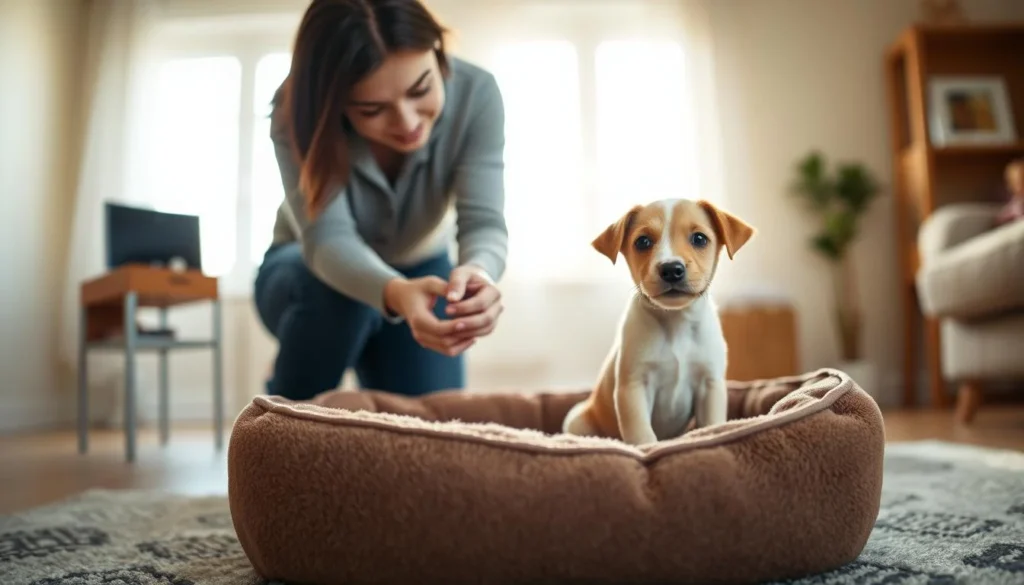
Learning about positive reinforcement can change how I train my puppy. It's all about rewarding good behavior, not punishing bad. When I show my puppy that gentle play gets rewards, they learn to prefer calm interactions.
Rewards for Gentle Play
Using rewards for gentle play means I notice and praise my puppy's calm moments. I give them treats, praise, or extra attention. This way, I shape their behavior over time.
It's incredible how fast these methods can teach my puppy what's okay to play. They learn to enjoy calm play, which is good for both of us.
| Reward Type | Description | Benefits |
|---|---|---|
| Treats | Small, tasty snacks given after gentle interactions | Makes the puppy more likely to repeat calm behavior |
| Praise | Verbal encouragement like "Good boy!" or "Well done!" | Strengthens the bond between me and my puppy |
| Playtime | Extended play sessions as a reward for gentle play | Encourages my puppy to associate calmness with fun |
By using these strategies, my puppy learns to love calm play. This makes our bond stronger and keeps them happy and well-behaved.
Socialization with Other Puppies
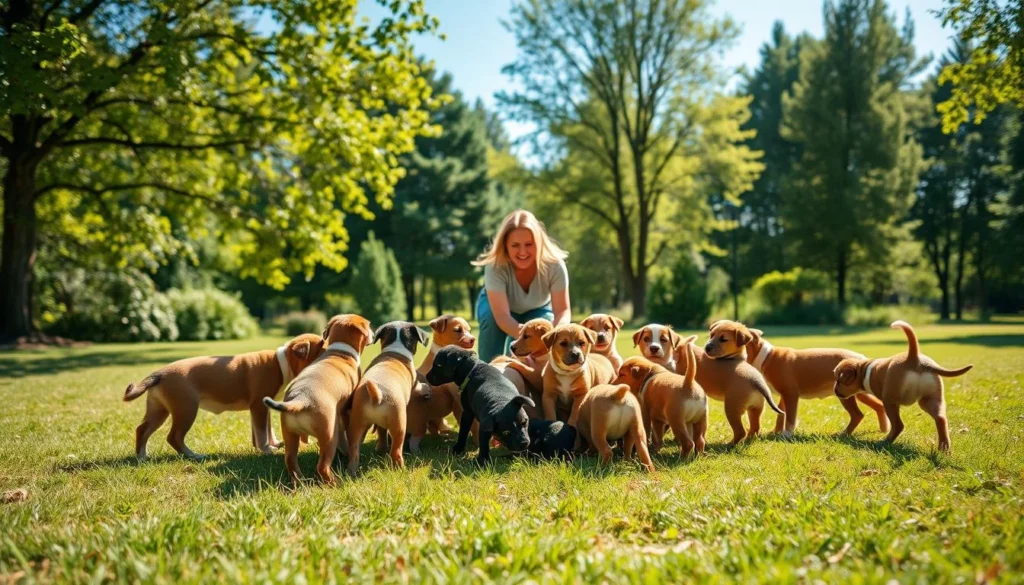
Managing puppy biting behavior is easier with socialization. This means giving them chances to play with other puppies safely. Puppy playdates are perfect for this, helping them learn social skills and control their bites.
Benefits of Puppy Playdates
Puppy playdates have many benefits. They let puppies discover their limits and pick up on social cues. They learn to communicate through play, knowing when to be gentle or assertive. Many puppies become better mannered and more confident after these playdates. The advantages include:
- Improved bite inhibition through real-time feedback from other puppies.
- Increased confidence in social settings.
- Learning to engage appropriately during playtime.
Enrolling in Puppy Classes
Another great option is puppy classes. These classes offer a safe space for puppies to play together, watched by professional trainers. This ensures safety and focuses on socialization in a controlled way. The benefits of puppy classes include:
| Feature | Puppy Playdates | Puppy Classes |
|---|---|---|
| Supervision | Peer supervision | Professional supervision |
| Structure | Informal | Structured training |
| Learning Focus | Social skills | Basic commands and manners |
| Cost | Generally free or low-cost | Fees required for enrollment |
Managing Biting Triggers
Understanding what makes puppies bite is key to good pet training. By knowing what triggers biting, I can stop it before it starts. Spotting when my puppy gets too excited helps me step in early.
Excitement, new things, or tiredness can make puppies bite. I watch my puppy's body language and energy. If I see signs of too much excitement, I act fast.
Recognizing Signs of Overstimulation
Being a good observer helps me deal with biting. I look for signs my puppy is getting too much. These include:
- Hyperactivity: Too much jumping or running means they're too excited.
- Barking: Too much barking during play means they need a break.
- Rapid Tail Wagging: A fast wagging tail shows they're feeling strongly.
- Difficulty Focusing: If they can't pick a toy or person, it's time to calm down.
- Withdrawal: If they pull away from play, they're feeling overwhelmed and need space.
By spotting these signs, I can manage biting triggers. This makes our time together more fun for both of us.
Using Deterrents for Biting
Using deterrents for biting is a smart way to handle puppy biting. Taste deterrents help my puppy avoid chewing on things they shouldn't. They also teach my puppy what's okay to chew on.
Safe Taste Deterrents
There are many products to stop biting. Bitter sprays are great for keeping my puppy from chewing on furniture or my hands. I spray these on areas where my puppy bites too much.
When my puppy tastes the bitter spray, they learn to stay away. This helps them understand what's off-limits.
Creating Negative Associations
Using taste deterrents needs to go hand-in-hand with training. If my puppy bites something they shouldn't, I redirect them to toys. This teaches them what's okay to chew on.
By doing this, my puppy learns to avoid biting the wrong things. It's a way to teach them without getting mad.
Engaging in Physical and Mental Exercise
It's key to mix physical and mental play in a puppy's day. This helps them stay happy and healthy. Activities that challenge them keep them from biting.
Playtime is not just fun; it strengthens your bond. Toys, training, and games like fetch are great. They help your puppy use up their energy and reduce biting.
Importance of Regular Playtime
Make sure to set aside time for play. It can be:
- Fetch and chase games
- Obstacle courses for physical agility
- Interactive puzzle toys for mental stimulation
These activities keep your puppy from getting bored or anxious. This leads to less biting. A routine filled with fun activities makes a big difference in their behavior.
When to Seek Professional Help
Every puppy is different, and some may need more help than others. If your puppy keeps biting even after you've tried everything, it might be time to get help from a professional. They can help figure out why your puppy is acting this way.
Professional dog trainers know how to tackle specific problems. They can spot things you might not see. Getting their help can lead to better solutions, keeping everyone safe and happy.
- Biting that causes injury to people or other pets.
- An inability to control biting during regular play.
- Inconsistent responses from the puppy to commands aimed at reducing biting.
- A lack of improvement with standard training techniques.
Looking for a good trainer means checking their background and experience. Ask your vet or pet store for suggestions. Starting early is key to raising a well-behaved dog.
| Indicators of Need for Professional Help | Actions to Take |
|---|---|
| Severe biting behavior | Consult with professional dog trainers |
| Inconsistent training results | Seek personalized training programs |
| Lack of socialization | Enroll in socialization classes |
| Excessive aggression | Consider behavioral assessment |
Getting professional advice can really help your puppy grow. It can make your relationship with your dog much better.
Conclusion
Controlling puppy biting is key to training a well-behaved dog. I've shared many strategies in this article. These include teaching bite inhibition and redirecting chewing behavior.
These methods need patience and consistency. By encouraging gentle play and giving your puppy the right places to chew, you create a positive space. Playtime, socialization, and positive reinforcement help a lot.
Every step you take is important in training your puppy. It leads to a happy and harmonious relationship. A well-trained puppy brings joy and trust to your home.
With the right approach and tools, overcoming puppy biting challenges is rewarding. It benefits both you and your furry friend.