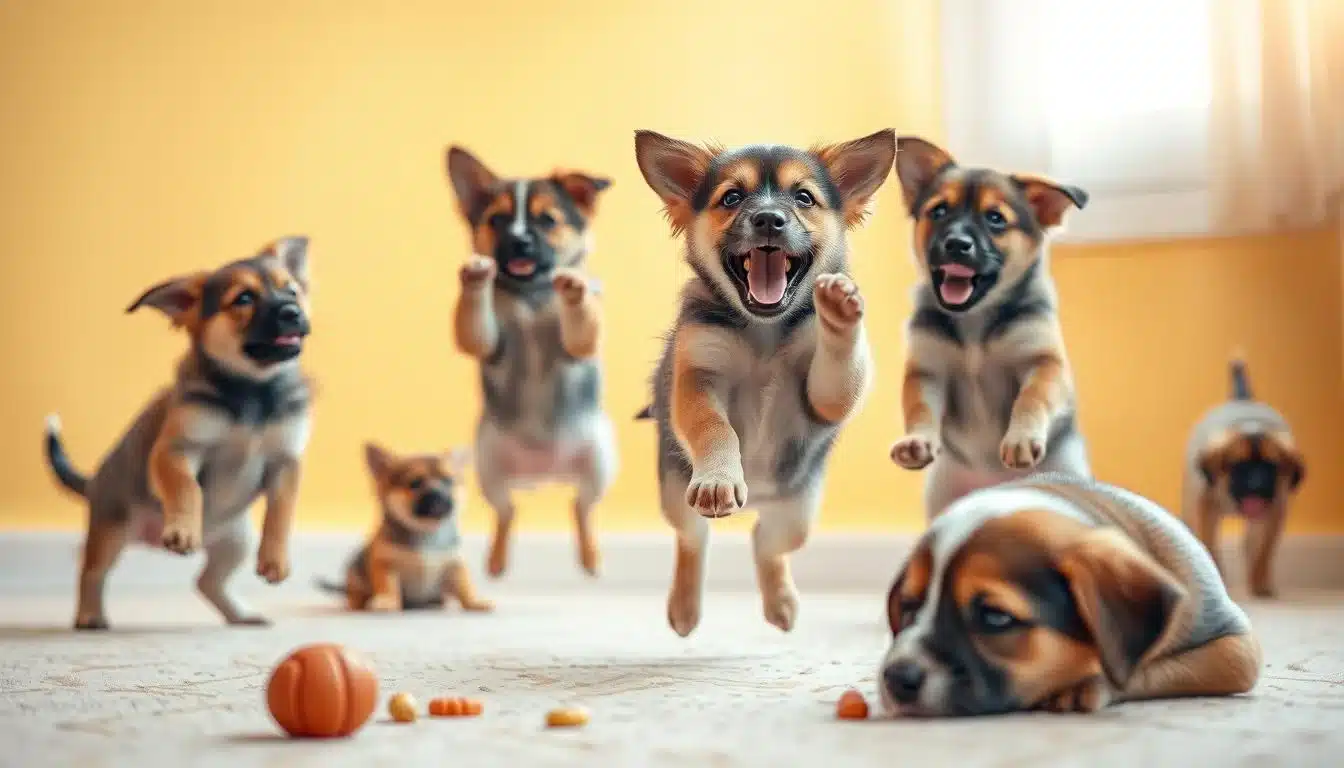
I remember the day I brought my first puppy home. I was filled with joy and a bit of panic. That little ball of fur was eager to explore and chew on everything. I wanted to teach it basic manners and fun tricks while keeping our bond strong.
Learning to train my puppy taught me the power of simple, positive steps. It helped build confidence for both of us.
From the start, I focused on short, friendly training sessions. I used small treats and favorite toys as rewards. The Basic 5—sit, come, heel, down, and stay—are essential for a solid foundation.
Teaching tricks with praise and treats helps build trust. It sharpens impulse control and adds mental stimulation without stress.
In this guide, I'll share practical steps for novice owners and busy schedules. Whether you aim to teach a shake, spin, or reliable recall, consistency is key. Always end on a positive note and adjust the pace as needed. These tricks strengthen your bond and make daily life easier.
Key Takeaways
- Start training around eight weeks with positive reinforcement and short sessions.
- The Basic 5 cues set a foundation for more advanced puppy training tricks.
- High-value rewards, praise, and play help when teaching puppy tricks.
- Keep sessions 5–10 minutes and always end on a positive note.
- Adjust speed and reward value if your puppy struggles to learn.
- Teaching tricks builds impulse control, mental stimulation, and your bond.
Getting started: positive reinforcement and the Basic 5 for puppy training
I start every session with a clear goal and a calm voice. Positive reinforcement makes learning fun and builds trust. I use treats, praise, and games to mark success.
I keep sessions short and frequent. Five to ten minutes is best. If the pup gets frustrated, I switch to a known cue and reward it. Ending on a success makes the puppy want more.
Why positive reinforcement works for puppies
Positive reinforcement rewards desired actions, speeding up learning. It teaches puppies to enjoy being guided. This approach strengthens the bond and avoids confusion.
The Basic 5 cues and how they set a foundation
I teach five core cues first: sit, come, heel, down, and stay. These basics are essential for tricks and safety. Consistent practice of the Basic 5 improves obedience and opens up creative training methods.
How short sessions and ending on a positive note improve learning
Short sessions prevent boredom and keep learning efficient. I schedule sessions around meal times to use food as a motivator. I include a clear release word for exercises like stay and place. Ending on a positive note makes the puppy expect success next time, speeding up progress.
How to teach a reliable recall for safety and tricks
Learning a solid recall is key for a puppy's safety and advanced training. Begin with calmness, short sessions, and rewarding them for coming to you. I use treats, praise, and play to make recall a fun game.

I start in a quiet room with the puppy. I say their name or “come” and drop a treat near me. At first, I reward any glance my way. Then, I toss treats a short distance for them to return.
I don't call their name if they ignore me. If they don't come, I move closer and try again. This keeps the cue positive and prevents losing its value.
Once they're comfortable indoors, I add gentle movement. I take a few steps away and call, or toss a treat and jog backward. These actions teach them coming to me is fun.
Outdoor training starts in a fenced area or with a long line. I let them explore, then call and reward them. I increase the distance in small steps, always rewarding generously.
For shy pups, I never reach over them. I kneel sideways and offer treats at my feet. I praise calmly and pet them once they approach, building trust.
To keep recall strong, I practice in different spots and mix rewards. I use kibble, toys, and praise to keep their interest. This variety is crucial in busy places.
I schedule many short sessions throughout the day. Each session ends positively, keeping the puppy eager. Making recall fun, predictable, and rewarding makes it a habit.
Loose-leash walking as a base for tricks and good behavior
I teach loose-leash walking as a key skill for puppy training tricks and good manners. It helps a puppy learn to watch me, respond to cues, and stay safe. I keep lessons short and positive to help them stick.
I start leash training by letting the puppy feel the leash and rewarding calm behavior. I clip the leash on, give a treat, then wait for them to settle at my side. The first steps are simple: one step, reward at my knee, repeat.
When the puppy rushes forward, I change direction and invite them to follow. This method teaches that pulling ends the fun. It makes leash training straightforward and reduces frustration for both of us.
I slowly space rewards from every step to every third step and beyond. This gradual fading builds reliability without pressure. I always use a consistent cue like “Let’s go!” to restart focused walking after sniff breaks.
Balancing sniff time and focused walking makes walks richer and fairer. I allow short sniff breaks as a reward for good walking. Then I use my cue to resume focused movement so the pup learns when attention is expected.
Loose-leash walking supports other skills. Dogs that walk with me find puppy training tricks easier because attention and movement patterns are already in place. I recommend short, frequent practice sessions for steady progress.
| Step | Action | Goal |
|---|---|---|
| 1 | Put leash on, reward calm standing | Make leash comfortable and positive |
| 2 | Take one step, reward at knee/hip | Reinforce close walking position |
| 3 | Turn opposite direction when puppy pulls | Teach pulling ends progress |
| 4 | Gradually space rewards (every step → every 3rd) | Fade treats, build reliability |
| 5 | Use a clear cue for sniff breaks and resume | Balance exploration with focus |
How to teach a puppy tricks: sit, down, and stay as building blocks
I break these three cues into simple steps to build confidence and control. Start short, reward fast, and keep sessions playful. These behaviors are the foundation for more advanced tricks and commands.
Capturing versus luring to teach sit
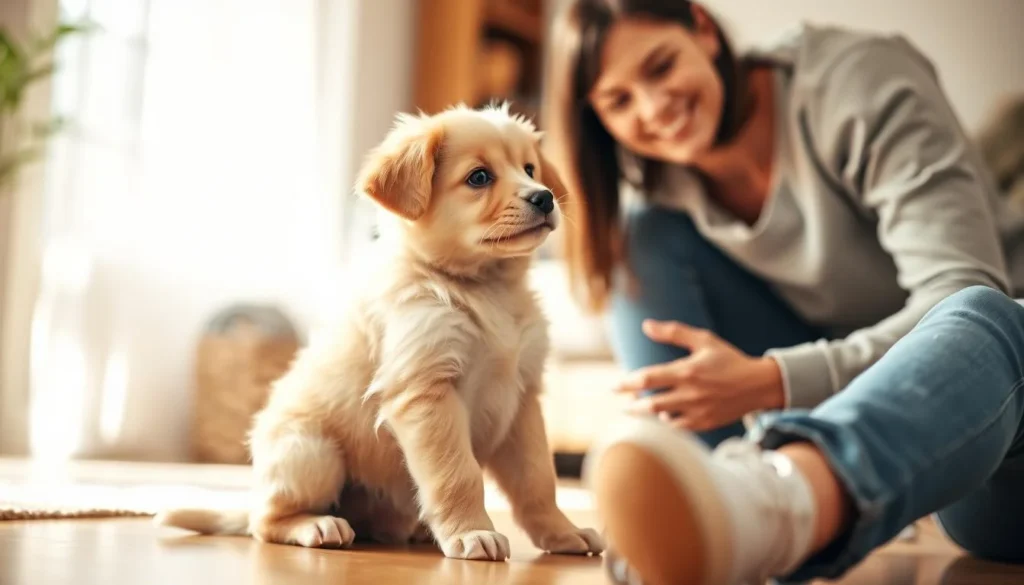
I often capture a natural sit by waiting for the moment a puppy lowers its rump and then marking and rewarding. If a pup rarely sits on its own, I use a food lure. Bring a treat to the nose and lift slowly above the head so the rear lowers. Say “sit” as the action begins, then reward.
Over several reps, I fade the treat to an empty hand and keep the verbal cue. Never force a puppy into position; that harms trust and slows learning.
Teaching down from sit and using hand signals
To teach how to teach down, I start in a quiet room and capture a puppy stretching into a belly-down rest or lure from sit. Move a treat straight down toward the floor and forward so elbows touch, then mark and reward when the chest and elbows lower. Add the word “down” as they reach the position.
Once the cue is clear, switch to a flat hand signal and reward with an empty hand. Small steps and consistent timing make this reliable.
Stay as a duration exercise with a release word
I teach the stay command puppy owners can rely on by introducing a release word early. I show the release first: toss a treat a short distance, say the release (like “OK”), and let the puppy move. Then I put the puppy in sit, reward for a brief gap, and say the release before treating.
Gradually I lengthen the wait using a mental timer such as singing a short phrase, then add distance step by step. If the pup breaks, I shorten the duration and build more slowly.
Practice each cue in short sessions and vary locations to strengthen response. When I combine sit, down, and stay in training puppies tricks and commands, the puppy learns structure and impulse control. That makes later tricks easier and training more enjoyable for both of us.
Teaching fun tricks that build impulse control and focus
I show you how small steps and steady rewards turn playful ideas into reliable behaviors. A short plan and patient timing keep sessions fun. I use a puppy tricks list to pick easy wins, then layer complexity so impulse control grows with each success.
I keep sessions brief for young dogs, with micro-sessions of 5–10 minutes and total practice of 15–20 minutes as they mature. These limits protect attention and prevent overwork while making tricks training for puppies feel like play.
Shake, wave, and high five — simple paw tricks
I start shake from a calm sit. I present a closed fist, tap the paw to encourage a lift, then open and reward the contact. Each micro-success gets praise and a tiny treat.
Wave grows from shake by changing how I hold the paw. I lift mine slightly higher and reward the shorter contact that looks like a wave. High five follows the same pattern; I move the palm into view so the puppy offers a paw to touch it.
These moves are among the easiest on a puppy tricks list and boost attention quickly. Short repetitions build reliability without stress.
Spin, back up, and take a bow for body awareness
Spin trains coordination. I lure a treat around the puppy’s head in a slow circle and mark the turn. Repeating clockwise and counterclockwise helps balance and focus.
Backing up starts with me stepping toward the pup. I reward each backward step. That teaches the puppy to move on cue and improves spatial awareness.
For a bow I lure down and reward when the chest lowers and the rear stays up. Each step reinforces posture control and connects obedience with playful goals.
Roll over and play dead broken into small steps
I never rush roll over. First I teach a reliable down. Next I lure the shoulder to the side so the puppy rolls onto one side, then reward. After a few side rolls I lure the back and complete the rotation.
Play dead comes after roll over for many dogs. I add a clear verbal cue and a theatrical finger “bang” gesture once the pup accepts lying on its side. Each mini-step gets its own cue so the puppy learns the sequence.
Following these tips for training a puppy tricks keeps learning clear and repeatable. I reward patience, break tasks into tiny wins, and mix the puppy tricks list so training stays fresh and focused.
Training tricks without food motivation: alternative rewards and strategies
I teach puppies that don't care much for treats by finding what truly excites them. I start with a short game or a favorite toy. This helps me see if tug, fetch, or praise gets a stronger response. It makes training fun and quick.
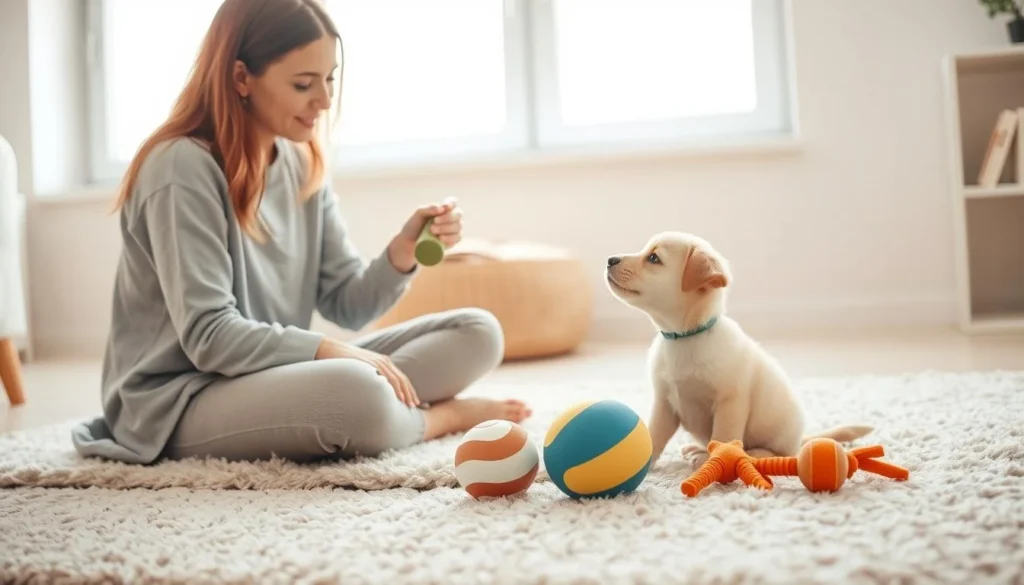
I use simple tests: offer a toy, clap and praise, or allow a sniff break. If a toy wins, I shape behaviors around brief play bursts. If praise works, I pair it with gentle petting and an upbeat voice. These steps make training without treats practical for everyday learning.
I weave life rewards into exercises so the puppy links actions to real outcomes. Opening the door for a walk, granting access to a bed, or allowing sniff time become rewards for good choices. Using life rewards and brief play sessions as reinforcement lets me teach useful cues without relying on kibble.
When a task is tricky, I raise the reward value so the puppy stays engaged. For harder tricks I mix a small piece of food with play or praise until the puppy offers the behavior reliably. That approach supports smooth transitioning from food to variable rewards for reliability.
My favorite puppy training methods focus on variety and timing. I keep sessions under five minutes, repeat steps, and end on success. I rotate rewards so the puppy never knows whether food, toy, or praise comes next. This variable schedule builds steady performance and long-term interest.
Below is a quick guide showing common rewards, when to use them, and how they fit into training without treats.
| Reward Type | Best Use | How I Apply It |
|---|---|---|
| Toys (tug, ball) | High-energy puppies; quick play rewards | I trade a toy for a known cue, give 10–20 seconds of play, then return to training. |
| Praise & Petting | Dogs that crave attention; low-distraction settings | I pair praise with a marker and touch, gradually removing treats if used at first. |
| Life Rewards | Real-world behavior shaping; strong everyday relevance | I use door access, leash release, or sniff breaks as contingent rewards after correct cues. |
| Occasional Food | Transition phase; boosting value for complex tasks | I mix intermittent food with play or praise on a variable schedule to cement reliability. |
Puppy training methods that keep sessions effective and fun
I keep training short and fun. For young pups, I limit sessions to 5–10 minutes. As they grow, I extend them to 15–20 minutes, twice a day.
Timing sessions around meals helps. It lets me use kibble wisely and keeps training consistent.
I mix easy tasks with new ones. If a puppy gets tired or loses interest, I end on a success. This keeps training enjoyable and builds trust.
Session length, frequency, and timing around meals
I train after a short rest and before a big meal. This makes treats more rewarding. I practice once or twice a day and add quick breaks during the day.
This schedule keeps skills sharp without overwhelming the puppy.
Shaping, capturing, and luring: when to use each method
Shaping is for tricks with many steps. I reward small improvements to help the puppy learn. Capturing is for behaviors the puppy does naturally, like sitting.
Luring helps guide the puppy into new positions with a treat. If a step confuses the puppy, I slow down or break it into smaller parts.
I also raise the reward to keep them motivated. Mixing these methods keeps training interesting and fun.
Reading your puppy’s body language to prevent frustration
I watch for signs of stress or boredom. A tucked tail or yawning means I need to pause. Bright eyes and a soft mouth show the puppy is ready for more.
Use these tips to adjust training based on your puppy's signals. Clear commands and gradual increases in difficulty help build focus and confidence.
Progressing difficulty: chaining tricks and adding distractions
I break harder tricks into clear, bite-sized steps so my puppy can win often. I teach each element until it is solid before I link them together. This approach makes chaining behaviors feel natural for both of us and keeps sessions upbeat.
Breaking complex tricks into achievable steps
I map a trick into simple parts and train one part at a time. For example, I teach sit, then down, then roll over on its own. Once each cue is reliable, I connect them slowly so the puppy learns the sequence.
Introducing duration, distance, and distractions gradually
I add time, then space, and then mild distractions. If performance slips, I step back and build success again. Long line practice gives safe distance while I increase difficulty.
Proofing tricks in new locations and around other dogs
I test cues in living rooms, parks, and at friend’s houses to generalize behavior. I start proofing dog training with low-level interruptions like a door knock or a toy. Over sessions I work up to busy parks and other dogs.
I mix variable rewards so the puppy stays motivated during adding distractions puppy training. That keeps responses steady when things get noisy.
When I show how to train a puppy tricks, I focus on steady progress, patient repetition, and real-world practice. This method helps tricks hold up across distance, duration, and distractions.
Common puppy behavior training issues when teaching tricks
I see owners facing puppy training challenges every day. Small victories keep the mood upbeat. Short, fun drills match a puppy's short attention span and prevent boredom.
Dealing with boredom, frustration, and short attention spans
For young pups, I keep training sessions under five minutes. If a puppy looks frustrated, I switch to a simple command they know. I reward them right away to boost their mood and success.
I mix up the rewards. High-value treats, a quick tug on a Kong, or fast praise can spark interest. When teaching tricks, I break them down into tiny steps to keep the energy up.
What to do if a puppy seems stubborn or unmotivated
When a puppy seems stubborn, I slow down. I make the task easier by lowering the criteria and rewarding small steps. Sometimes, a different reward or a short play break helps them refocus.
If progress is slow, I shorten the distance and duration. I add clear lures or reward small improvements. I see each mistake as a clue to adjust my approach, not as a failure.
Avoiding punishment and reframing mistakes as training data
I never use harsh methods like leash snatches, yelling, or physical force. These methods only confuse and scare the puppy. Instead, I remove them from the situation, simplify the task, and reward them for doing it right.
Every mistake is a chance to learn and improve. With patience, consistency, and a kind approach, I turn puppy training challenges into successes when teaching tricks.
Tips for training a puppy tricks and commands efficiently
I keep training sessions short and focused. This helps my puppy learn without getting bored. Small wins build confidence.
I always use the same cues, timing, and rewards. This consistency helps the puppy learn faster. I reward the exact moment the behavior happens and then use praise or play instead of treats.
I teach a single release word for exercises like stay and place. Saying OK or free tells the puppy the exercise is over. A clear release word makes training calm for both of us.
I use hand signals with verbal cues and then empty my hands as the puppy learns. Clear hand signals work well even in noise and distance. I keep signals distinct and repeat them with the same timing every session.
I track every practice in a simple training log puppy. I note session length, rewards used, and what worked or failed. This helps me spot patterns in motivation and pick the best times to train.
When progress stalls, I simplify the task and raise the reward value. Short daily practice, patience, and celebrating tiny improvements keep training fun. I log wins and use that momentum to build the next skill.
Conclusion
I conclude by saying a strong foundation is key. I use positive reinforcement and focus on the Basic 5 cues. These include sit, come, heel/let’s go, down, and stay. Keeping sessions short and fun makes training both effective and kind.
Tricks do more than impress; they help with impulse control and focus. I break each trick into small steps. I use food or play, based on what the pup likes, and gradually increase the difficulty.
Planning sessions around meals and using a clear release word helps. I also practice in different places. Switching to variable rewards keeps cues strong. With patience and consistent rewards, my puppy learns tricks that last forever.