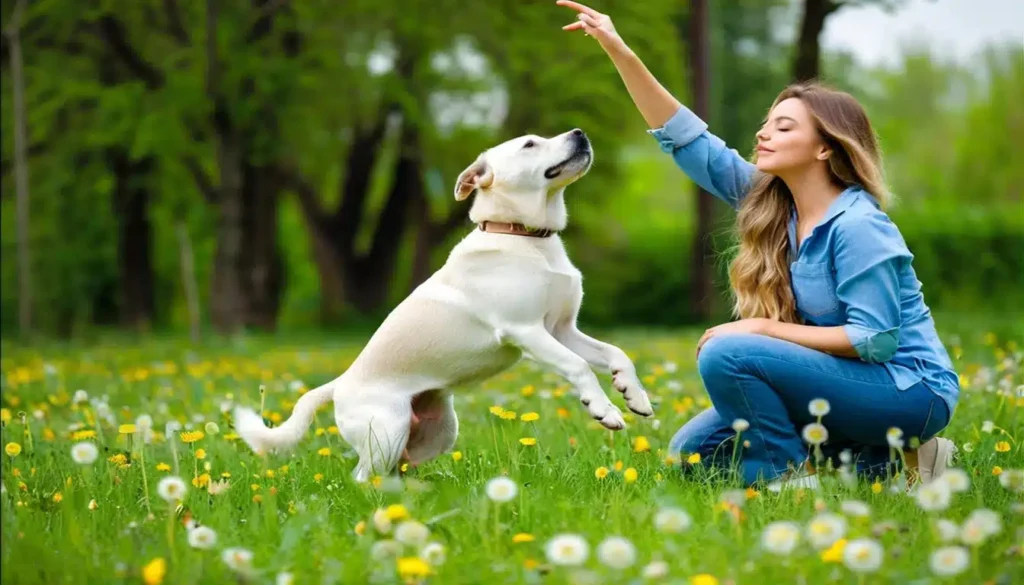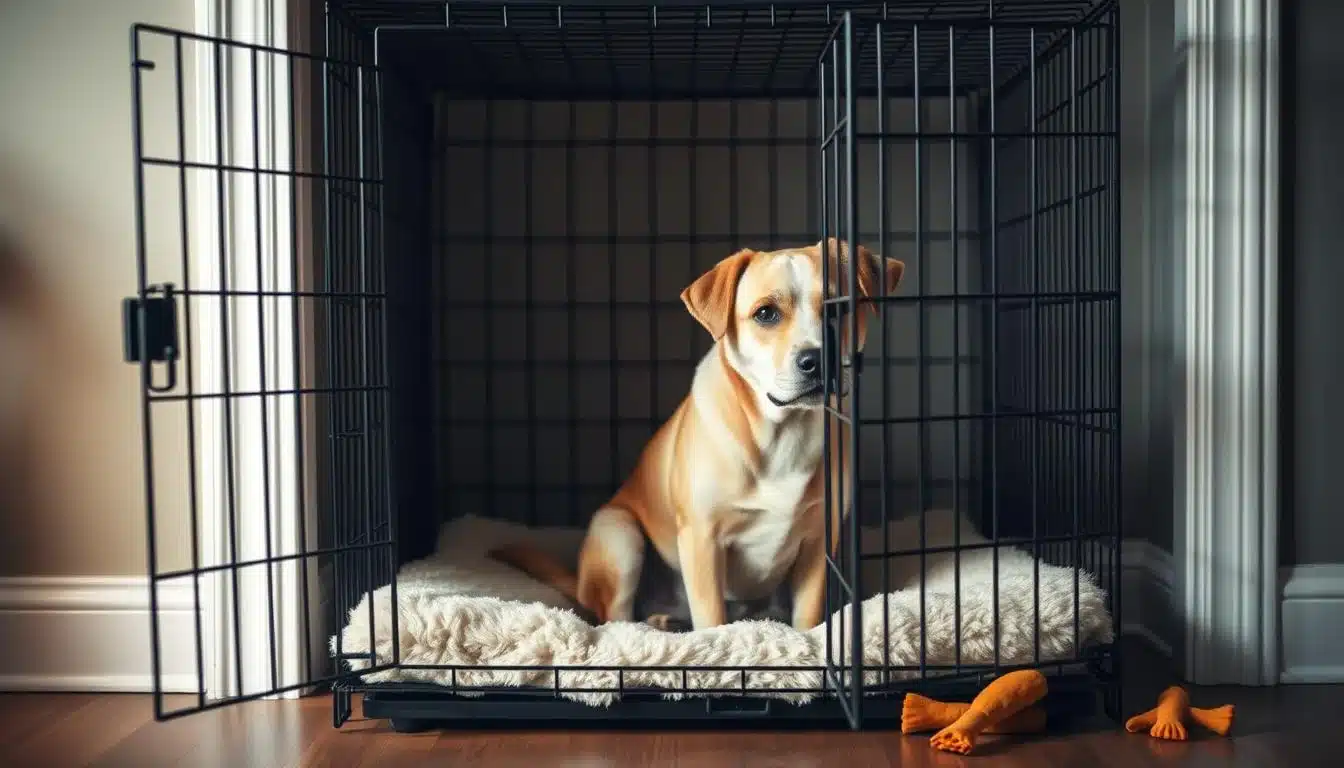
I remember the first night with Pixie, a stubborn terrier. She had chewed shoes and was always pacing. I worried a crate would feel like punishment. But I wanted her to have a safe, quiet spot.
Over weeks, with gentle work and treats, Pixie started to like the crate. She even chose it on her own. This change made me see crate training in a new light.
Training an older dog is different from a puppy. They can be stubborn, uninterested, or scared. Trainers like Anna Flayton at PUPS Pet Club say patience and positive steps are key.
Creating a cozy crate space is important. It helps with house training, chewing, and feeling safe when alone. It also makes travel easier. Remember, it takes weeks or months, not days.
Use treats and a KONG to reward your dog. Place the crate in a busy area. This helps your older dog feel comfortable and secure in their crate.
Key Takeaways
- Start slowly and use high-value rewards to build positive associations.
- Choose a comfortable, durable crate that fits your dog and training goals.
- Place the crate in a family area and include toys or a KONG for comfort.
- Expect a longer timeline for adults; patience and consistency matter.
- Focus on safety and ownership, not punishment, to crate train successfully.
Why consider crate training an older dog: benefits for you and your pet
I've noticed adult dogs settle faster in a crate. It becomes a calm, predictable space. Crate training can turn a stressful routine into a restful habit.
Emotional changes start with reduced anxiety. A crate gives den-preferring dogs a place to decompress. I use gentle steps to make the crate a place of relaxation, not confinement.
Behavioral improvements follow. Crate training can reduce destructive chewing and excess barking. It supports house training because dogs tend to avoid soiling their sleeping area. When done right, these benefits of crate training older dogs show up within days to weeks.
Emotional and behavioral benefits for older dogs
Older dogs often respond well to predictable routines. A crate provides structure and a reliable retreat. I reward calm entries and short stays to reinforce peaceful behaviors.
When anxiety drives pacing or whining, the crate can help. Trainers report that calm, gradual introductions build trust. With patience, I coach dogs to relax inside the crate using treats and familiar bedding.
Practical benefits for owners
For owners, the practical upside is clear. Crate training tips for older dogs include using the crate for vet visits, travel, and safe confinement during transitions. A trained dog handles boarding and car rides with less stress.
Property protection is another win. I've seen fewer chewed shoes and ruined furniture when a dog has a safe crate spot. Predictable routines make supervision easier, especially for rescue dogs or pets new to house rules.
Follow gentle steps and stay consistent. With the right approach, crate training an older dog successfully brings calm to both pet and owner while making everyday life simpler.
Preparing your space and mindset for success
I imagine the crate as a cozy guest room for my dog. Soft, washable bedding is great for pets. But, I avoid too many blankets for dogs who prefer firm ground.
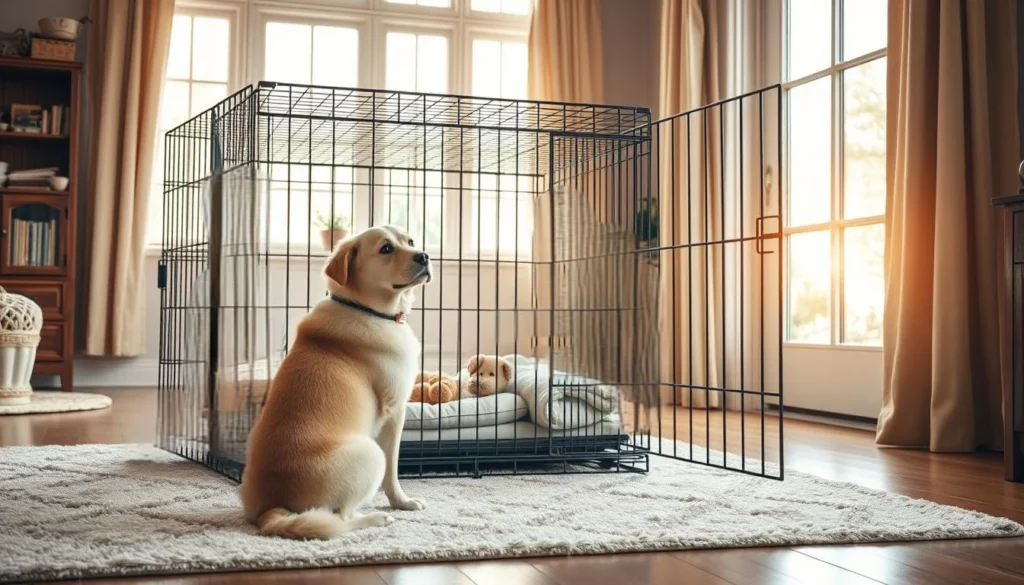
I place the crate in family areas like the kitchen or living room. This keeps it quiet but not lonely. At first, I leave the door open for voluntary exploration. For rescue dogs, I never force them inside due to possible negative associations.
Setting up a comfortable, safe crate environment
I add favorite toys and a KONG with a small treat to encourage calm visits. I choose a crate that fits my dog’s habits, whether it’s wire, plastic, or soft-sided. Safety is key: secure latches and no loose parts are a must.
I start with short, calm sessions of about 10 minutes. If my dog stays relaxed, I gradually increase the time. Simple crate training tips for older dogs include supervised stays and rewarding quiet behavior. Consistency makes the crate a safe space, not a punishment.
Your mindset and patience
I keep my expectations realistic. Progress is not always linear. Some nights are better than others, and patience is needed. I view setbacks as chances to adjust my plan.
I follow best practices for crate training an older dog by staying calm and using high-value rewards. I remember that success may take weeks to months. My calm and consistent approach helps my dog learn at their own pace.
I use preparing for crate training older dog as a checklist: comfy bedding, steady location, short sessions, and patience. These elements create a clear path to success and reduce stress for both of us.
Choosing the right crate: size, type, and safety considerations
I'll guide you through picking the perfect crate for your older dog. It's about finding the right fit for their size, personality, and training needs. We'll look at crate types and focus on size and safety to make it easy.
Wire crates are great for dogs who like to see around them. They offer good airflow and visibility. If your dog is still growing, use a divider to adjust the space as needed.
For dogs who prefer a cozy den, plastic or airline-style crates are best. They provide privacy and a sense of security. Many experts recommend these for travel or for dogs that get anxious easily.
Soft-sided and collapsible crates are not ideal for older dogs. They might get damaged or injured if they get anxious. Choose a sturdy crate for long-term use and training.
Crate types for adult dogs
- Wire: visibility, ventilation, adjustable with a divider.
- Plastic/airline-style: privacy, travel-friendly, durable.
- Heavy-duty metal: secure for escape artists or large breeds.
Size and safety
Measure your dog's length and height to find the right crate size. It should allow them to stand, turn, and lie down easily. Avoid crates that are too big, as they can lead to accidents.
Before putting your dog in the crate, remove collars and ID tags. Add a non-slip mat and a safe toy. Check the crate's latches and hinges regularly. For travel, choose a crate that meets airline standards.
Buy a crate that fits your dog's adult size and use a divider as needed. This supports their growth and keeps the crate the right size for comfort and cleanliness.
Tools and treats that make crate training easier
I always carry a special kit when I work with older dogs. The right mix of rewards and tools makes crate training calm and easy. Here's what I use and why it's important.

High-value rewards and long-lasting chews
Beef lung training treats are key for quick rewards. They're small and high-value, perfect for crate training.
For settling, I use marrow-filled bones and frozen KONGs. They're filled with peanut butter or canned food. These keep dogs busy and teach them the crate is a good place.
Additional training tools
I have a sturdy wire crate with a divider, washable bedding, and safe chew toys. The crate divider helps dogs feel snug. It prevents too much extra space.
I also bring a leash and harness for guided entries. Sometimes, I tie a KONG or secure a treat puzzle to encourage staying inside.
- Sturdy wire crate with divider for gradual sizing
- KONGs and puzzle toys for enrichment
- Beef lung treats for quick, high-value reinforcement
- Marrow or long-lasting chews for settling sessions
- Leash and harness for guided introductions
- Optional pet camera or monitor to check progress remotely
When teaching crate training, I change toys and treats often. This keeps things interesting and prevents boredom. I use washable mats instead of bedding to make cleanup easy.
Using these tools and treats together helps dogs learn positive habits. The right mix of rewards and tools makes training faster and less stressful.
how to start crate training an older dog
I use a gentle, phased method to introduce crate training to older dogs. Start by leaving the crate door open. Make it inviting by dropping treats inside quietly. Let the dog come and go freely to feel safe and in control.
Initial free exploration and positive association
Feed meals inside the crate to strengthen the bond. Use long-lasting chews or a frozen KONG for calm, rewarding moments. Keep these sessions short and end them positively to encourage the dog to return.
Avoid forcing or closing the door early on. Instead, praise quietly and let the dog claim the space. This approach makes crate training a friendly, low-pressure habit, not a punishment.
Guided entries and building a cue
Teach a consistent cue like “into the crate” or “go to crate” and reward it. Say the cue, guide the dog in, and then give the treat inside. Repeat this until the dog responds quickly to the cue.
Once the cue is reliable, stop giving rewards until the dog enters. Then, offer double rewards. Practice regularly in short sessions to reinforce the training. This creates a clear, repeatable pattern for crate training an older dog step by step.
| Phase | Focus | Sample Actions |
|---|---|---|
| Phase 1 | Open exploration | Leave door open, drop treats, feed one meal in crate, allow voluntary exits |
| Phase 2 | Cue training | Introduce verbal cue, lure entries, reward inside, use frozen KONG for longer stays |
| Phase 3 | Reinforce reliability | Withhold reward until entry, offer double rewards, shorten sessions with daily repetition |
Step-by-step progression to longer crate durations
I'll guide you through a gradual plan to help your dog feel more comfortable and calm. Begin with short periods, observe your dog's signals, and reward them for being quiet. This method is key for older dogs and their owners who want to extend crate time.
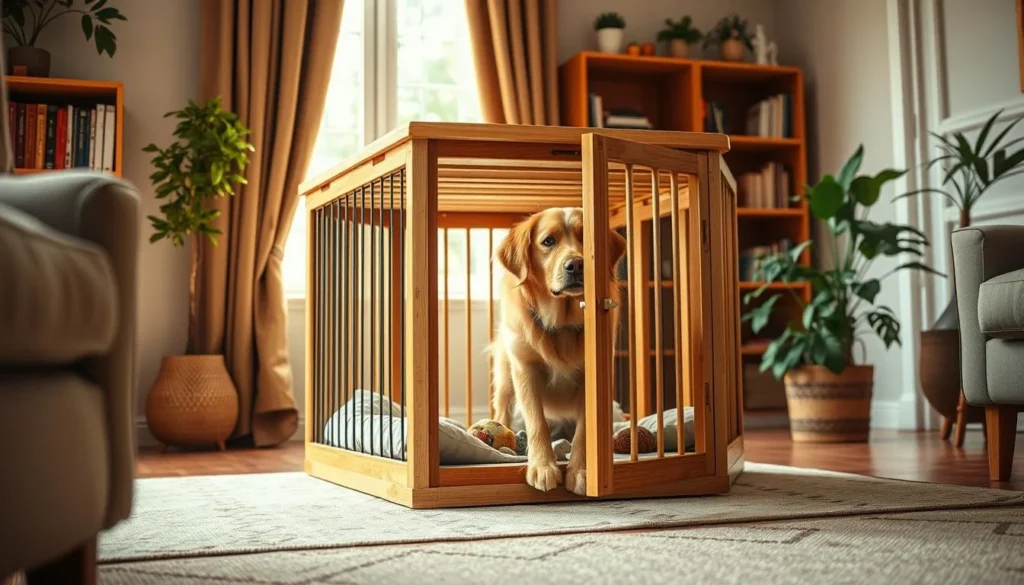
Closing the door and short durations
I start by closing the crate door for a few seconds while my dog eats or chews calmly. I open it before they get upset. This teaches them the crate is a safe space and a place for rewards.
I gradually increase the time, starting with a few seconds, then a minute, and eventually several minutes. My goal is to reach 10-minute sessions early on. I praise them for being quiet and give treats through the grate if needed. These steps are crucial for successfully crate training an older dog.
Practicing while home and leaving the house
Then, I practice with the dog inside while I move around the room. I go to the kitchen, come back, and reward them for staying calm. I also use a camera to check on them when I'm not in sight.
When I start leaving the house, I begin with short absences: 1–10 seconds, then 1, 5, 10, 15, 30 minutes, and more. I mix in quick returns between longer times away to prevent panic. This gradual approach helps increase crate time without rushing.
I also use stuffed KONGs and long-lasting chews to help them settle. If they bark, I wait for a moment of silence before returning. I keep practicing and increasing the time until they rest calmly for longer periods.
Crate training tips for older dogs: coping with resistance and fear
Many owners face challenges when starting crate training with older dogs. They often show fear or refusal. I start with calm, short sessions that let the dog explore at their own pace. This helps build positive associations and reduces stress.
If a dog won't enter, I use a more appealing lure. A bit of peanut butter, cooked chicken, or a frozen KONG with pumpkin can encourage them. I never force a dog into the crate. This can damage trust and slow progress. If the dog seems scared, I go back to letting them explore.
Dealing with refusals to enter the crate
I break the training into small, achievable steps. First, I reward the dog for just approaching the crate. Then, I reward them for standing with their front paws inside. Using a clicker or a specific word cue helps.
If the dog still refuses, I try changing the crate's location to a quieter room. Adding a familiar blanket and a comfortable bed can also help. These steps make the crate feel more welcoming.
Addressing anxiety and whining
I check if the dog's basic needs are met first. If they have been exercised, pottied, and fed, I ignore whining. Instead, I reward them for being quiet. This teaches them a calm way to get attention.
To help them stay calm for longer, I give them a challenging activity. A frozen KONG or a durable chew keeps them busy. I start with short periods and gradually increase the time they spend in the crate.
If a dog shows severe distress, I seek help from a vet or a certified behaviorist. If they harm themselves trying to escape, I stop crate use and get professional advice. Only after vet approval can I use calming chews.
| Problem | Immediate action | Next step |
|---|---|---|
| Refusal to enter | Offer high-value treat or frozen KONG with peanut butter | Re-run exploration-only sessions; keep entries voluntary |
| Whining for attention | Confirm needs met; ignore attention-seeking noise | Reward and mark quiet behavior; shorten sessions if anxiety persists |
| Short crate tolerance | Provide long-lasting chew while present | Gradually increase duration; practice leaving the room |
| Severe separation anxiety | Stop using crate if self-harm occurs | Consult veterinarian or certified behaviorist immediately |
Crate training an older dog at night: best practices for comfortable sleep
I place the crate where I can hear my dog breathing. A nearby spot in my bedroom or the hallway helps an older dog feel safe while they adjust. Nighttime comfort starts with presence and a calm routine that signals sleep time.
I start with a predictable pre-bed ritual. A short walk, a final potty break, gentle praise, and then a favored chew or KONG inside the crate helps the dog settle. This nighttime crate routine adult dog owners use reduces pacing and whining by creating clear end-of-day cues.
I pay attention to water and bedding choices. I limit water an hour before bed when it’s safe to do so and offer absorbent or removable bedding only if the dog stays dry. Some older dogs prefer the crate floor to plush bedding. Adjustments like this preserve cleanliness and comfort during crate training an older dog at night.
I keep nights realistic and flexible. If an accident happens, I shorten the interval between potty breaks and move the evening walk earlier. I clean the crate thoroughly and avoid punishment so the crate stays a positive place. Persistent accidents prompt me to schedule a vet check for medical causes.
I use a simple checklist to make the bedtime routine consistent:
- Final potty break within 10–20 minutes of crating
- Calming cue: soft voice, dim lights, and a predictable phrase
- Comfort item: safe chew or puzzle to encourage settling
- Crate placement: within earshot but not crowding my sleep
Below I compare common nighttime adjustments and their effects so I can choose what fits my dog best.
| Adjustment | When to use | Expected benefit |
|---|---|---|
| Move crate into bedroom | Early nights or anxious dogs | Boosts security, lowers whining |
| Limit water before bed | Dogs waking overnight for bathroom trips | Fewer midnight accidents |
| Remove plush bedding | Dogs who soil bedding | Easier cleaning, discourages soiling |
| Shorten crate duration | Frequent accidents or stress | Improves success, reduces anxiety |
| Use KONG or long-lasting chew | Dogs needing distraction to settle | Encourages quiet, relaxed sleep |
My final tip is to be patient and consistent. Small, steady changes to a nighttime crate routine adult dog will accept make nights calmer. I use these bedtime crate training tips each evening so sleep becomes a positive habit for both of us.
Common mistakes and best practices for crate training an older dog
I help owners avoid common mistakes and share effective crate training tips for older dogs. A clear plan helps prevent setbacks and keeps your dog calm while learning.
I start by pointing out common mistakes crate training older dogs owners make so you can avoid them from day one.
What to avoid
Don't use the crate as punishment. If you put a dog in the crate after scolding, the crate becomes a negative place. This leads to resistance and stress.
Don't spring long absences on a dog that isn't conditioned. Sudden long crating sessions can create fear and accidents. I advise gradual increases in time inside the crate.
Don't leave a dog crated for excessive hours. Older dogs need breaks for comfort and bathroom needs. Too much confinement causes behavioral issues and health problems.
Don't forget to remove collars and tags before crating. Collars can snag and lead to injury. Safety matters as much as training technique.
Best practices to follow
Be consistent with cues and rewards. Use the same verbal cue, feed treats in the crate, and play crate games to build a positive association.
Increase time slowly and watch the dog’s responses. I recommend feeding multiple meals in the crate so your dog links it to something pleasant.
Leave and return without fanfare. Calm departures and arrivals reduce separation anxiety. Tire the dog with exercise before longer absences to improve restfulness while crated.
Monitor progress with a camera when possible. Video helps you adjust pacing and catch early signs of stress or escape attempts.
| Common Mistake | Why it Hurts | Practical Fix |
|---|---|---|
| Using crate as punishment | Creates negative association, increases refusal | Reserve praise and treats for crate entries; play crate games |
| Sudden long crating | Triggers anxiety, accidents, and resistance | Build duration in small steps; monitor with a camera |
| Excessive confinement | Physical discomfort and behavioral issues | Limit daily crate hours; schedule breaks and walks |
| Leaving collar on | Risk of entanglement and injury | Remove collars and tags before crating |
| Inconsistent cues and rewards | Slows learning and creates confusion | Use the same cue, reward reliably, feed in crate |
| Ignoring destructive behavior | Escalates escape attempts and injury | Reassess crate type and placement; seek professional help |
When I coach owners I stress steady progress. These common mistakes crate training older dogs and best practices for crate training an older dog give you a practical framework to follow.
Troubleshooting specific problems during adult dog crate training
I help owners tackle two common issues in crate training older dogs. I make the steps easy and practical. This way, you can handle accidents and escape attempts calmly and clearly.
When the dog soils the crate
First, check the timing. Adult dogs might have weaker bladder control than you think. If the crate time is too long, shorten it and add more potty breaks. Use a timer to take the dog out before they show they need to go.
Second, think about the bedding. Some dogs soil because they think soft bedding is for elimination. Remove the soft bedding for now and use a hard crate mat or a washable, low-absorbent pad. Keep the crate clean to avoid more accidents.
If accidents keep happening, check for medical issues. A vet visit can find urinary tract infections, incontinence, or other problems. Treating these can solve the issue faster than training alone.
When a dog tries to escape or injures themselves
If a dog paws at doors, chews the bars, or tries to get out, stop and think. I suggest pausing crate training and getting help from a certified trainer or behaviorist. They can keep the dog safe and prevent things from getting worse.
Then, check the crate type and where it's placed. Some dogs prefer a darker plastic crate over a metal wire one. Others do better in quieter areas. Try changing the crate and its location to see what works best.
Never ignore signs of panic. If a dog hurts itself trying to escape, get vet care and behavioral help right away. With careful changes, you can overcome crate training problems and successfully crate train an older dog.
Maintenance, travel, and long-term crate use
I see the crate as a cozy den, not a place of punishment. It's always ready for my older dog to rest in when they want. I make it fun by adding toys, puzzle feeders, and a KONG to keep it exciting.
Integrating the crate into daily life
To keep things interesting, I change the bedding and add new toys. I also feed some meals in the crate and play games when it's quiet. This keeps the crate a happy place for my dog.
I don't leave my dog in the crate for too long. Instead, I mix crate time with walks, play, and quiet time together. If my dog's health changes, I adjust the crate routine to keep them comfortable.
Travel and veterinary visits
Before a trip, I get my dog used to the travel crate. I add their favorite bedding and a chew to make them feel at home. This helps a lot when we need to go to the vet or on a trip.
For vet visits or boarding, a crate-trained dog is less stressed. I practice short car rides and reward them for staying calm. This makes traveling easier for both of us.
| Situation | Prep Steps | Key Benefit |
|---|---|---|
| Daily rest | Rotate toys, feed occasional meals in crate, short enrichment sessions | Maintains positive association and comfort |
| Car travel | Short acclimation rides, secure crate, familiar bedding, long-lasting chew | Reduces motion stress and improves safety |
| Vet visits | Desensitize to handling, pack favorite items, practice entry/exit | Calmer visits and easier handling |
| Boarding or hospital stay | Keep crate familiar, supply bedding, note routine feeding times | Smoother adjustment and less anxiety |
Conclusion
I've learned that crate training an older dog can work well if you do it slowly and consistently. Start by letting them explore the crate on their own. Use treats and long-lasting chews like KONGs to make it a positive experience. A crate that's the right size is also key.
Look for small victories, like them entering the crate willingly or staying calm with the door closed for a bit. These small steps are important.
Be ready for slow progress and be patient. Many experts say it could take weeks or months. Practice short, regular crate sessions. Use enrichment to help them stay calm longer. Keeping a video record of their behavior can also help you see patterns.
Remember, calm and consistent routines are crucial. Clear cues are important for starting crate training with an older dog.
If you face issues like soiling, anxiety, or self-harm, seek help from a vet or certified behaviorist quickly. My last piece of advice is to always put your dog's comfort and safety first. Treat the crate as a positive space for travel, vet visits, and quiet time. With the right approach, the crate can be a valuable part of your dog's daily life.