I remember the first night with my new dog, a trembling shelter dog. She was scared of me, growled at visitors, and froze at loud noises. I felt her fear and knew I had to help her feel safe.
As a Certified Dog Behaviour Consultant, I've helped many owners with dog fear aggression. It's a tough moment, but there's hope.
This guide is for those who want to help their dog overcome fear. We'll cover how fear shows up, its differences from other aggression, and why it's important to understand it. You'll learn about safety first, medical checks, professional evaluations, and how to modify behavior.
My goal is to help you spot fear aggression early and start training. By building trust and using the right strategies, most dogs can become calmer. You don't have to face this alone. There are steps you can take to make your home safer and your dog happier.
Key Takeaways
- Fear-based aggression often stems from past trauma, poor socialization, or medical issues.
- Recognizing dog fear aggression signs early helps prevent escalation.
- Start with a veterinary exam and a professional behavior assessment.
- Behavior modification, counter-conditioning, and positive reinforcement are core tools.
- Management tools like muzzles, gates, and on-leash control keep everyone safe while you train.
Understanding Fear Aggression in Dogs
Fear aggression is when a dog feels trapped or threatened and acts defensively. It's important to know this because the wrong training can make things worse. I use simple examples to help owners understand fear-based reactions.
Definition and differences
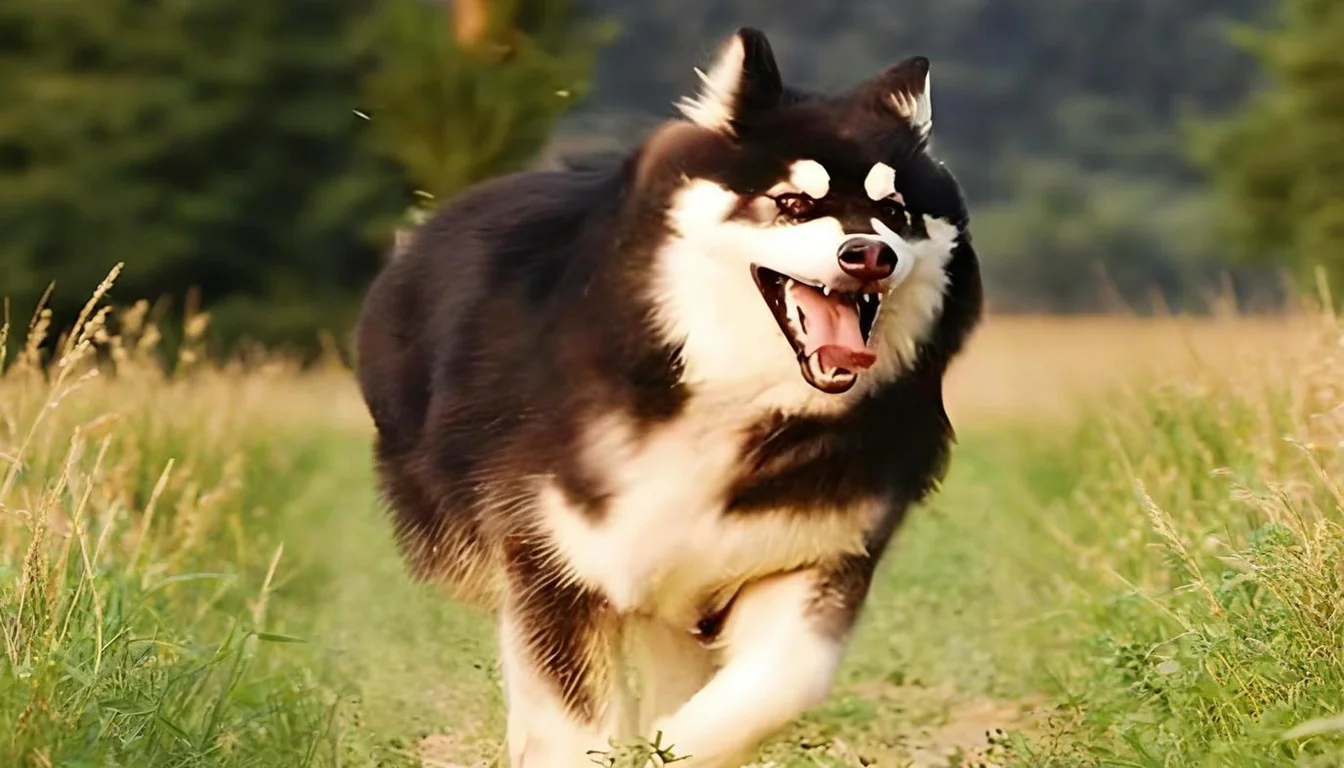
Fear aggression is a way for dogs to protect themselves. They might lunge, growl, or bite if they feel trapped. This is different from predatory behavior, which is about chasing prey. It's also different from aggression caused by wanting to control or from unknown reasons.
Common triggers and root causes
Past trauma is a big reason for fear aggression. Dogs that were attacked might become aggressive when they see similar things. Not socializing enough when they're young can also lead to fear.
Pain or medical issues can cause sudden aggression. Changes in their environment or feeling abandoned can make them anxious. Small breeds might be more fearful of things they don't know.
Why dogs use aggression as a defensive strategy
Aggression can stop a threat or help a dog escape. If growling or snapping works, a dog might do it more. Being trapped or on a leash can make a dog feel like they have no choice but to fight.
| Type of Aggression | Typical Triggers | Key Signs |
|---|---|---|
| Fear aggression | Past attacks, poor socialization, pain, confinement | Growling, cowering, avoidance, bite when cornered |
| Territorial aggression | Perceived intrusion into home or yard | Alert barking, blocking entry, directed lunging |
| Predatory aggression | Movement of small animals or toys | Stalk, chase, grab without warning signals |
| Control-related aggression | Resource guarding, challenge over space | Stiff posture, direct stare, escalated threats |
Knowing the difference between fear and territorial aggression is key. I suggest looking at the situation, body language, and history before planning how to act. Getting it wrong can lead to more fear and danger.
Recognizing Dog Fear Aggression Signs
I keep a close eye on dogs to catch early warning signs. Spotting body language and stress signals helps me intervene early. It's crucial for owners to know these cues to keep everyone safe.
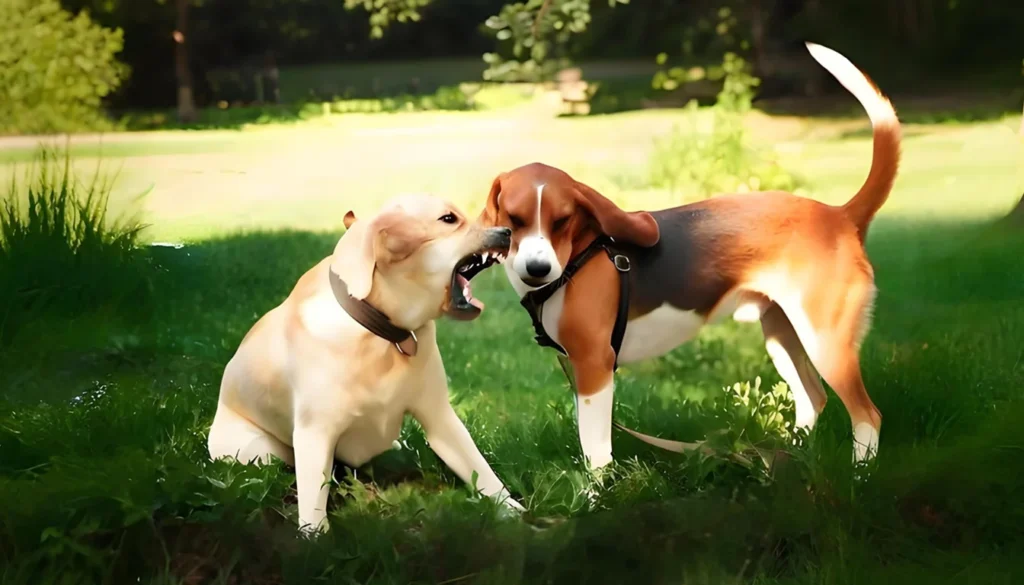
Body language and stress signals
Look for low posture, tail tucked, and ears pinned. Whale eye, where you see the whites of the eyes, and lip licking show discomfort. Yawning without sleep is a stress signal.
Scanning the face, ears, legs, and tail is key. Watch for trembling, avoidant turns, and slight stance changes. Experienced observers can read these signs to prevent things from getting worse.
Escalation cues
Stiffening is the first sign of escalation. An intense stare and growling or snarling follow. Raised hackles and bared teeth show clear discomfort.
If pressure keeps up, the dog might snap or bite. I stress the importance of acting early, at the stiffen-and-stare stage, to lower the risk.
Subtle signs and hyper-vigilance to watch for
Some dogs show subtle fear aggression signs like increased scanning or sudden freezes. Chronic hyper-vigilance, hiding, and fidgeting are often overlooked but crucial.
Small breeds and older dogs may exhibit different signs. So, it's important to track changes over time. Recognizing subtle signs of fear aggression gives you time to change the situation and protect your pet and others.
Risk Factors and Situations That Increase Aggression
I look at common things that make a dog stressed and can lead to aggression. Knowing these helps me plan safer training and management. Here, I explain how history, age, and environment, and daily situations can cause reactive behavior.
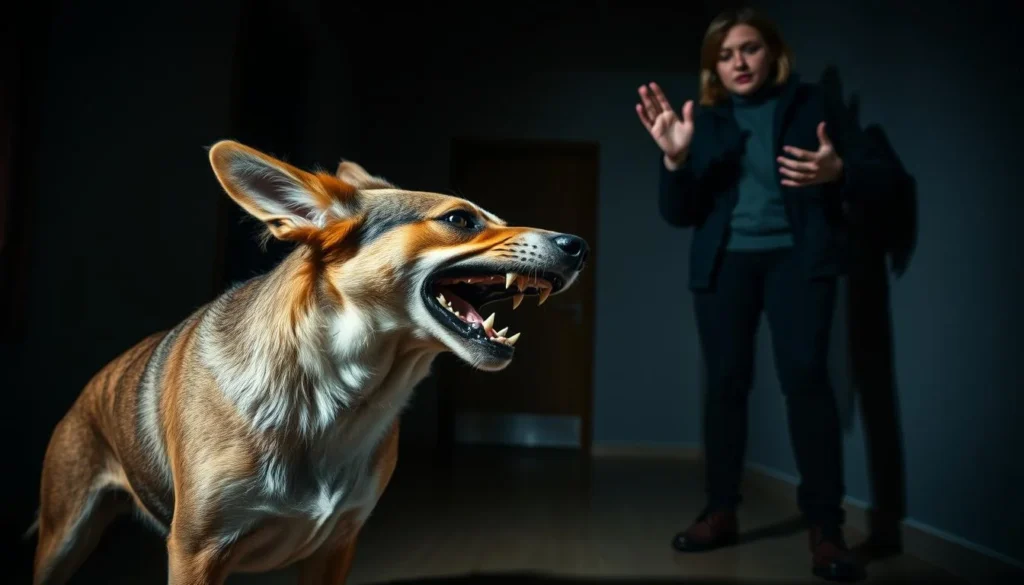
History and environment: abuse, abandonment, sudden change
Past trauma affects how dogs react. Dogs abused, attacked, or abandoned often become very alert. Changes like moving or a new baby can also make them defensive.
Puppies not socialized between 3–16 weeks may fear new things later. Medical issues and chronic pain can also make dogs more reactive.
Age, breed misconceptions, and urban vs. rural stressors
Dogs can become more cautious with age. By middle age, many dogs become more sensitive. This changes how I plan training.
Any breed can have fear-based aggression. I focus on each dog's personality and history, not just their breed. Urban areas have more noise and crowds, while rural areas have wildlife.
Situational examples: leash aggression, possession/food aggression, territorial aggression
Leash aggression happens when a dog feels trapped. I manage their movement and expose them slowly. In public, avoiding tight leashes and sudden stops helps.
Possession or food aggression is when a dog guards things. I use careful management and training to teach them to share. Territorial aggression is when dogs defend their space. I plan safety measures and adjust how they meet visitors.
| Risk Area | Common Triggers | Immediate Strategy |
|---|---|---|
| History & environment | Abuse, abandonment, sudden household changes, poor early socialization | Stabilize routine, vet check, slow positive exposure, safe retreat spaces |
| Age & setting | Middle-age sensitivity, urban noise, crowd exposure | Adjust activity, reduce startling stimuli, gradual desensitization |
| On-leash encounters | Blocked escape, close passes, other leashed dogs | Increase distance, use marker-based training, plan routes |
| Possession/food | Guarding meals, toys, chews | Resource management, hand-feeding, trading games |
| Territorial | Home visitors, yard passersby, delivery workers | Visual barriers, supervised greetings, counter-conditioning |
Assessing Your Dog: Veterinary and Professional Evaluation
I suggest starting with a full vet exam for aggression before any training. A vet can check for pain, neurological issues, or infections that might cause sudden behavior changes. They can also talk about diet, supplements, and if medication is needed.
After medical issues are checked, we assess dog fear aggression. I gather details about when and why the aggression happens. This helps us set goals and keep everyone safe.
If aggression gets worse, or if there's biting, it's time to call a behaviour consultant. Look for experts with IAABC, CCBC/CDBC, or CPDT credentials. They should have experience with fear-based aggression.
A professional assessment includes a full history review and observation. They'll test your dog's temperament and check medical records. The consultant will also evaluate how you handle your dog and create a plan for improvement.
When assessing dog fear aggression, keep detailed notes and videos if safe. Share these with your vet and behaviour consultant. Good documentation helps in making a better plan.
If you're unsure about what to do next, a vet and behaviour consultant team is best. They can decide if more vet tests are needed or if training should start.
Behavior Modification Strategies That Work
I share practical steps for working with fearful or reactive dogs. My goal is to help them feel safe and build trust. I use gradual exposure, reward-based training, and safe management.
Principles of counter-conditioning and desensitization
I start with low-intensity triggers and add rewards. This method changes the dog's emotional response. It creates positive associations.
I increase the trigger's intensity in small steps. I never push the dog too far. Short, consistent sessions are better than long, irregular ones. I watch for signs of stress and back up if needed.
Positive reinforcement and building alternative responses
I reward calm behavior and teach simple alternatives. This speeds up learning. It helps the dog choose a reliable behavior instead of reacting.
I use treats, play, and praise to motivate. I avoid dominance or punishment. These methods can increase fear and slow progress.
Safe management during training: muzzles, gates, on-leash control
Management tools keep everyone safe during training. I use basket muzzles for training, allowing the dog to pant and drink. I introduce them with treats and calm handling.
I use sturdy gates for controlled separation at home. On-leash control helps manage distance during training. These tools prevent dangerous encounters and stop unwanted reinforcement of aggression.
| Strategy | When I use it | Key steps | Expected benefit |
|---|---|---|---|
| Counter-conditioning desensitization | Initial behavior change for specific triggers | Start far, pair trigger with high-value reward, raise intensity slowly | Reduced fear response and calmer reactions |
| Positive reinforcement training | Teaching alternatives and building confidence | Mark and reward desired behavior, use short sessions, vary rewards | Reliable alternative behaviors and stronger bond |
| Muzzle, gates, on-leash management | Safety during public outings and at-home training | Introduce tools positively, secure environment, controlled exposures | Safer interactions and reduced accidental reinforcement |
Practical Training Tips for Dog Fear Aggression Training
I focus on calm, repeatable steps that build trust. A clear plan helps both you and your dog move forward without surprises. I use short sessions and steady progress to keep stress low and wins frequent.
I recommend a predictable routine for dogs to reduce uncertainty. Set consistent feeding, walking, and training times so your dog learns when to expect activity. A crate, quiet room, or cozy corner with familiar toys becomes a safe retreat when the schedule is steady.
Keep sessions brief and calm. Praise or reward when your dog relaxes in the safe space. This reinforces the idea that the environment is reliable and protective.
Gradual exposure exercises
I begin by mapping triggers and marking a comfortable threshold distance. Start where your dog stays relaxed and reward calm behavior. Move a little closer only when the dog shows no stress signs.
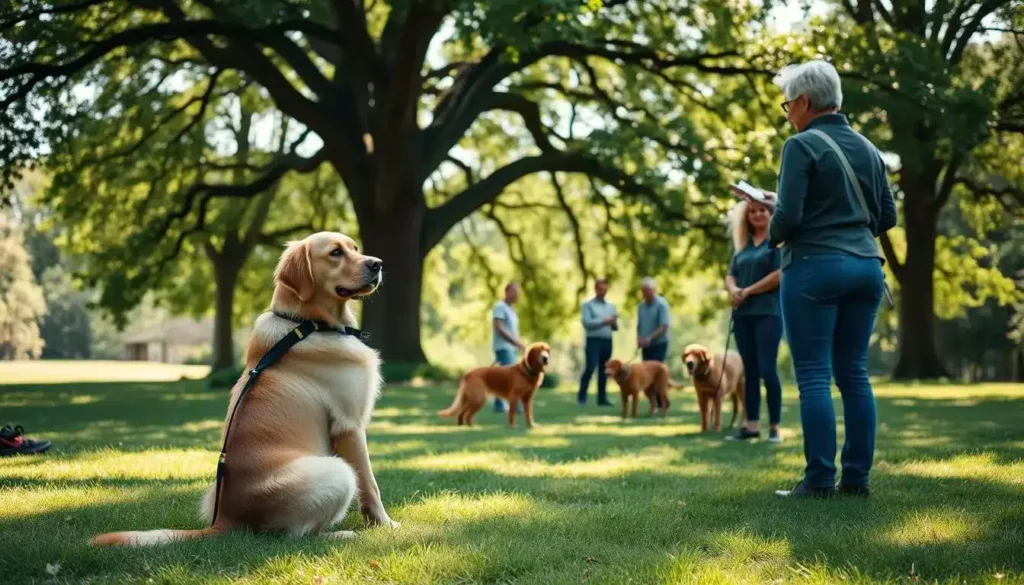
For strangers, I ask people to stand quietly at a distance while I reward calm looks and relaxed posture. I shorten the gap in tiny steps over several sessions. For dog-to-dog work, I prefer parallel walks and neutral meetups before any direct interaction.
Tools and enrichment
I use enrichment for anxious dogs to channel energy positively. Foraging kits, puzzle toys, and timed food dispensers engage the brain and lower reactivity. Pet Remedy Boredom Buster Foraging Kit or similar items work well for mental work.
Calming pheromone diffusers from brands like Adaptil and anxiety wraps can add comfort during training. I pair these tools with regular walks and play so the dog gets enough exercise and mental stimulation.
Practical notes I follow: break goals into tiny steps, reward any sign of relaxation, and never rush progress. This approach makes dog fear aggression training predictable, humane, and effective.
Handling Specific Targets of Aggression
I break this section into focused steps so you can work on each trigger with clarity. I use simple, repeatable methods that respect the dog's threshold and build trust over time.
Dog fear aggression towards humans:
Avoid forcing contact. Ask visitors to stand sideways, keep soft body language, and avoid direct eye contact. Toss high-value treats from a distance and let the dog approach when ready.
I teach an alternative behavior such as "sit" or "look at me" and reward that cue when people are nearby. Controlled introductions where the human remains calm and non-threatening speed up positive associations and lower stress.
Dog fear aggression towards other dogs:
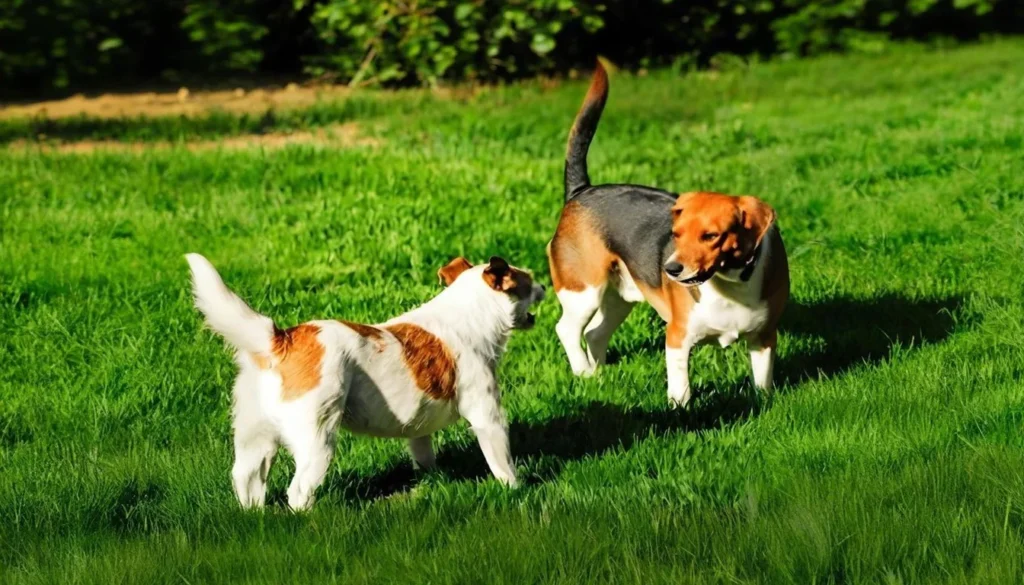
Start with parallel walks to lower arousal. Keep both dogs on leash, work with distance-based rewards, and use neutral territory for first close passes. If both dogs show relaxed signals, I progress slowly to supervised off-leash play under professional guidance.
For leash or barrier aggression, increase distance and pair passing dogs with treats to rewire the emotional response.
Dog fear aggression towards strangers:
Create a clear safety plan that includes management tools like muzzles and gates and avoids crowded areas while training advances. Run structured desensitization sessions with calm volunteers who follow set protocols and reward the dog for relaxed choices.
Teach owners to read early cues and remove the dog before escalation. Have emergency steps ready if the dog reaches threshold.
When Medication or Intensive Intervention Is Necessary
I think some dogs need more than just training to feel safe and calm. Medication can help lower their anxiety, making it easier to learn. I suggest medication only after a vet checks for health issues and when training doesn't work or is risky.
For severe fear, I might suggest drugs like trazodone, fluoxetine, or alprazolam. Vets at Cornell University Hospital for Animals and others use these after careful review. These medications help reduce panic, making it easier for dogs to learn and respond positively.
Combining vet-prescribed medication with behaviour modification
Medication works best with a solid behavior plan. I pair it with counter-conditioning, desensitization, and management like muzzles and gates. Regular vet visits help track how the dog is doing and any side effects. Training is key to lasting change, not just medication.
Signs that an intensive or long-term plan is needed
- Repeated bites or escalating incidents that increase risk to people or other animals.
- High reactivity that prevents safe, gradual exposure or makes sessions traumatic.
- Aggression rooted in complex trauma or medical issues that require coordinated care.
When these signs show up, I bring in a team. This includes the vet, a veterinary behaviorist, and a trainer with aggression experience. Together, we create a detailed plan for long-term change, with regular checks and safety measures.
For some dogs, planning for months or years is realistic. I help owners understand that progress will be slow. We celebrate every small victory, knowing they add up to big changes.
Conclusion
Dog fear aggression is common but can be managed. We start with safety, empathy, and science-based methods. First, a full vet exam and a professional behavior assessment are key. This lets us safely use counter-conditioning and desensitization.
Long-term strategies include predictable routines and gradual exposure. We also reward calm behavior. Tools like basket muzzles and safety gates help during training. Short training sessions and social experiences build resilience.
Medication can help, but only with vet guidance. My advice is simple: create routines, use gradual exposure, and enrich your dog's life. This builds trust with fearful dogs. Remember, patience and consistency are key. Changing emotional responses takes time, but it's possible with the right plan and support.
If your dog was attacked or shows escalation, get immediate vet care and professional help. With careful steps and the right support, you can manage dog fear aggression. This will help your dog feel secure again.