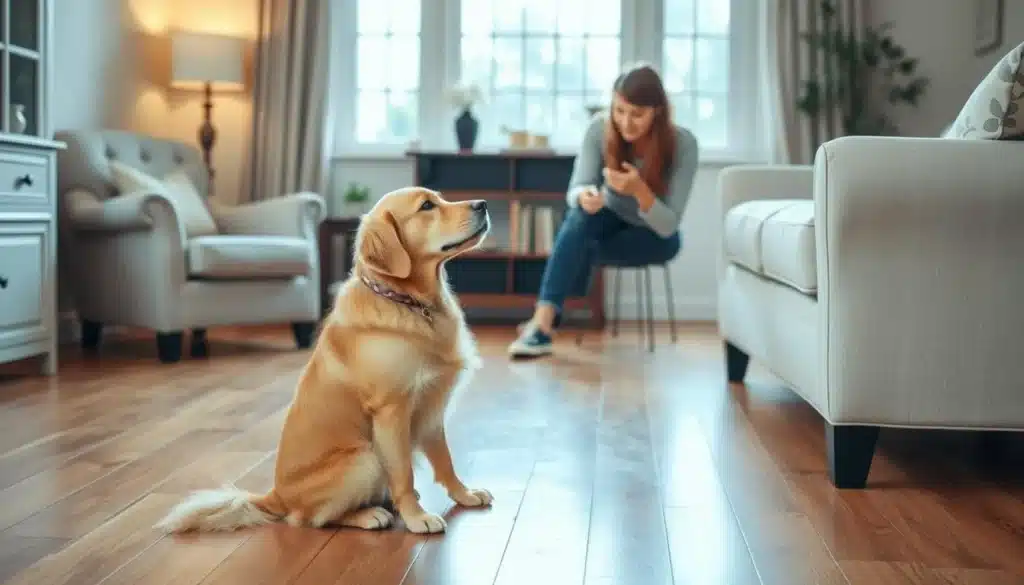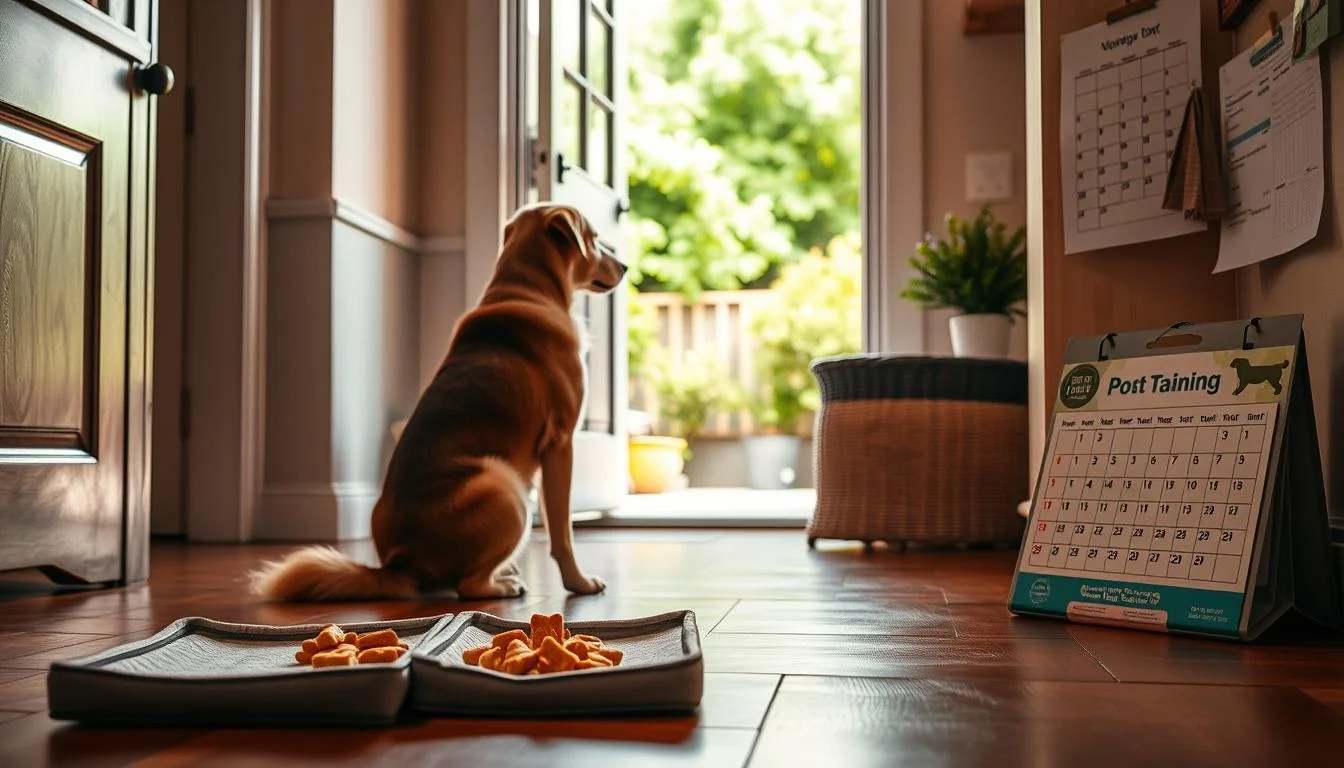
I remember the first morning with my puppy. I was bleary-eyed and holding a leash. My kitchen counters smelled like coffee I never finished. The first thing we did was take him outside.
This moment taught me that a good dog potty training schedule starts early. It starts the minute I wake up.
Setting a clear routine and sticking to it helps. I used a crate and the same spot for him to go. Watching for signs and matching outings to meals and naps made it easier.
Knowing how often to take your dog out depends on their age, breed, and health. But routine and observation are key. A consistent schedule helped me predict needs, protect my floors, and build trust with my dog.
Key Takeaways
- Start outings immediately upon waking to prevent early accidents.
- Build a dog potty training schedule around meals, naps, and play.
- Use the same exit and potty spot to create clear habits.
- Adjust frequency for age, size, and health — puppies need more breaks.
- Close supervision and confinement tools like crates support success.
how often to take dog out when potty training
I keep a steady routine to help my dog learn when and where to go. Clear timing makes housebreaking less stressful for both of us. I track short windows after sleep, play, meals, and drinks so I can respond quickly when my pup needs to go.
Typical frequency by age and rule of thumb
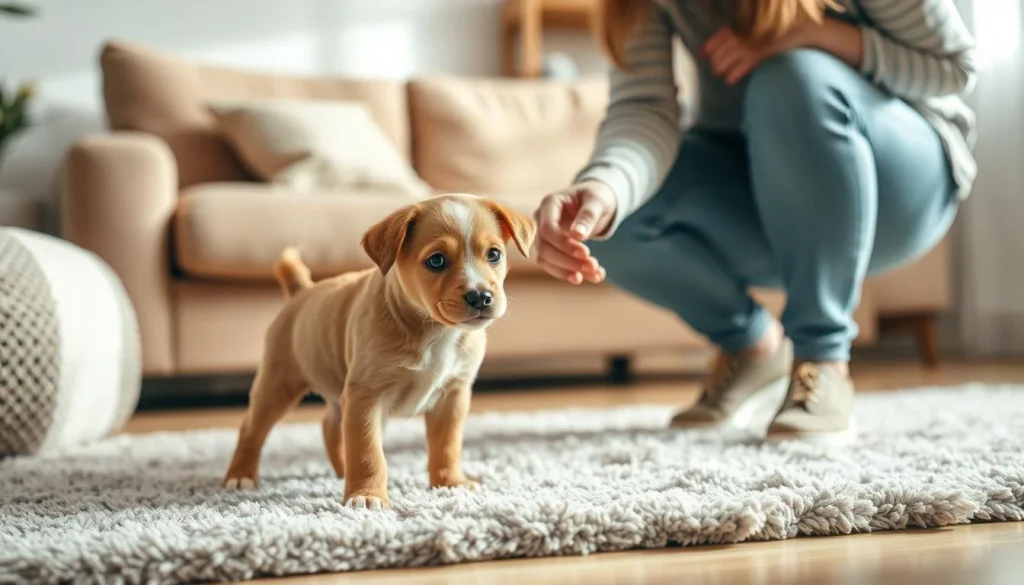
Puppies need more help than grown dogs. As a basic guideline, I take a young pup out at least every two hours and after key events like waking or eating. For dog toilet training frequency, I watch behavior and stick to those frequent checks until they show reliable signals.
Month-plus-one rule for maximum hours between breaks
I use the month-plus-one rule to set a hard limit. Add one hour to the puppy's age in months to find the maximum time they should wait between breaks. For example, a three-month-old can be kept up to four hours in a crate, but I still prefer more frequent outings to prevent accidents.
Adjusting frequency for puppies, adults, and seniors
I adjust the schedule when needs change. Puppies under six months need frequent outings and supervision. Adult dogs usually manage longer gaps, often six to eight hours depending on health and activity. Seniors may need more trips because of age, arthritis, or medical issues like diabetes or kidney disease.
| Age group | Typical outing interval | When to take out |
|---|---|---|
| 2–3 months | Every 1–2 hours | After naps, meals, play, and waking |
| 4–6 months | Every 2–4 hours | Follow month-plus-one rule; still frequent checks |
| Adults (1–7 years) | Every 6–8 hours baseline | Adjust for activity, bladder size, and medical needs |
| Seniors (8+ years) | Every 2–6 hours | More frequent trips for incontinence or health issues |
Watching my dog's cues and logging outings helps me fine-tune the frequency of taking dog out for potty breaks. I balance rules with the dog's individual capacity, and I change the plan whenever health or behavior suggests a need.
Establishing a consistent dog potty training schedule
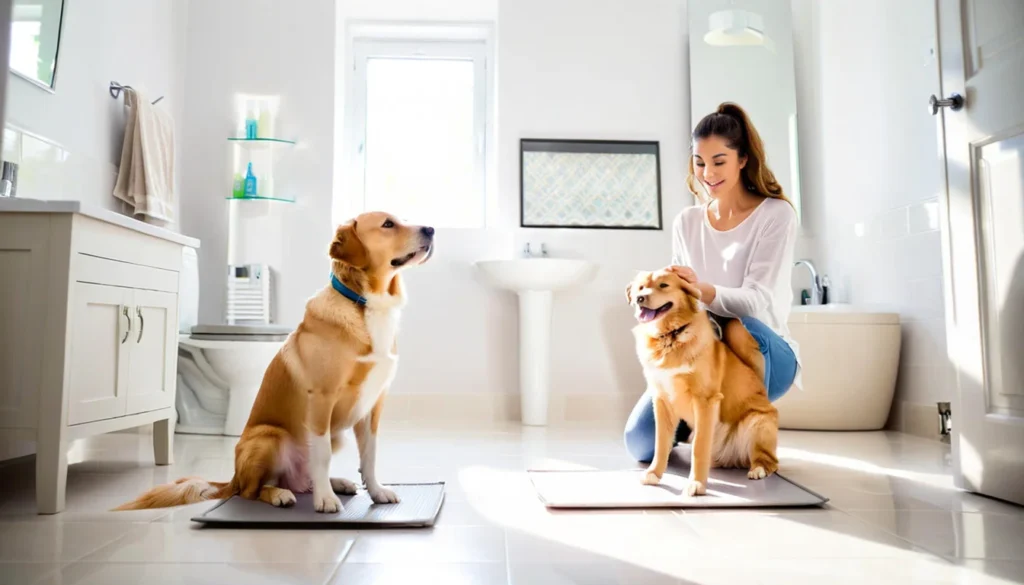
I want your puppy or dog to know where and when to go without confusion. A clear schedule helps them learn and keeps you calm. It's best to tie outings to daily events for a predictable routine.
Why consistency matters for housebreaking success
Setting one exit point and potty spot helps dogs learn faster. Repetition makes them more certain and speeds up control. I use positive reinforcement to make the behavior stick and reduce accidents.
Sample daily schedules for different ages and lifestyles
I create schedules based on age and lifestyle. Young puppies need many outings, while adults can wait longer. Seniors need short breaks and close watch for incontinence. Here's a simple guide you can adjust for your home.
| Dog type | Typical daytime pattern | Key potty moments |
|---|---|---|
| Young puppy (8–12 weeks) | Wake, immediate potty, breakfast, supervised play, naps, short outings every 1–2 hours | Wake, 5–30 min after meals, after naps, before bed |
| Older puppy (3–6 months) | Wake + potty, 3 meals, outings every 2–4 hours, increasing overnight hold | Wake, 5–30 min after meals, mid-day breaks, evening potty |
| Adult dog (busy owner) | Morning potty, midday break via sitter or dog walker, evening potty, late-night as needed | Morning, arranged midday, after evening meal, before sleep |
| Senior dog | Frequent short breaks every 4–6 hours, scheduled water and small meals, monitor overnight | Wake, after small meals, after drinks, regular daytime rests |
Using feeding times to create predictable potty windows
I use timed feeding to help with potty training. Dogs usually poop soon after eating. So, I plan outings 5–30 minutes after meals.
I treat water like a meal too. A quick trip after drinking helps prevent accidents. Avoid late meals before bedtime to reduce night accidents.
Potty breaks after key activities: wake-up, meals, naps, and play
I have a routine for when my dog needs to go to the bathroom. This routine helps answer questions like the best time for potty training. It makes each day calm and predictable for my puppy.
First thing in the morning routine
I take my puppy outside right after they wake up. I don't wait for coffee or to check my phone. I use the same door and spot every time. This habit helps prevent accidents and is a key part of potty training.
Taking puppies out 5 to 30 minutes after meals and drinks
After meals and water, I watch the clock closely. For young pups, it's near five minutes. For older ones, it's up to thirty minutes. Most dogs go after eating, so timing is key.
I treat water like a meal for breaks. If my puppy doesn't go the first time, I try again after a few minutes. This is one of my most reliable tips for potty training.
Why you should always take them out after naps and energetic play
Naps are like mini-mornings for my puppy. They go out right when they wake up. Play can make them need to go. If they sniff, circle, or show other signs, I take them out right away.
| Activity | When to Take Out | Reason |
|---|---|---|
| Wake-up | Immediately upon waking | Prevents early accidents and sets a consistent morning routine |
| Meals & drinks | 5–30 minutes after eating or drinking | Most puppies eliminate after eating; water schedules like meals |
| Naps | Right after waking | Naps act like mini-mornings with similar elimination needs |
| Playtime | Immediately after energetic play or signs of restlessness | Activity stimulates digestion and signals a need to go out |
| Uncertain cue | Short supervised outing within 5–10 minutes | Prevents accidents and reinforces positive potty behavior |
Recognizing signals and cues that your dog needs to go out
I keep a close eye on my dog to catch the small signs before accidents happen. By combining routine timing with sharp observation, recognizing dog potty signals becomes easier. I check my dog after meals, naps, play, and in the morning to avoid surprises.
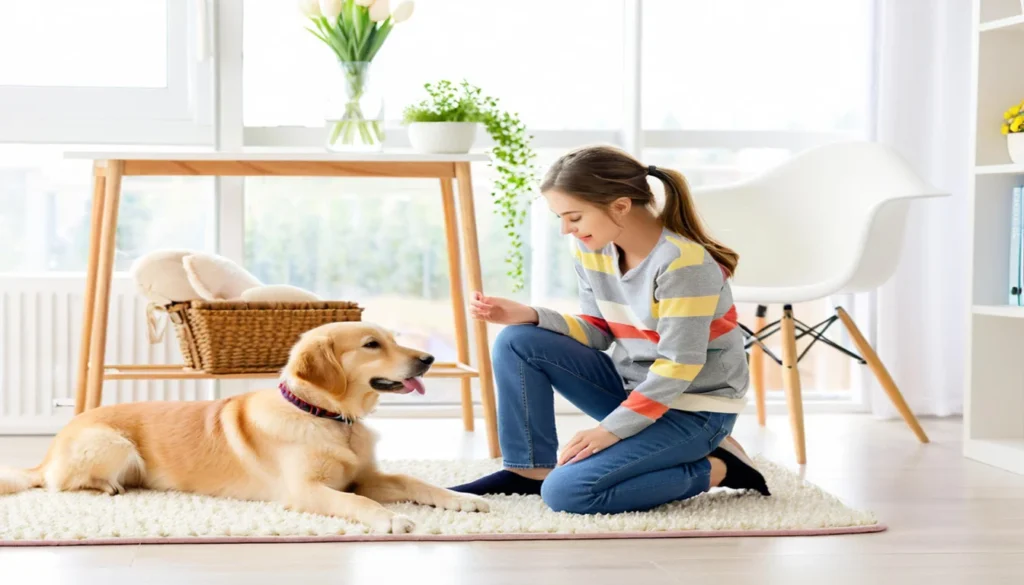
I watch for obvious signs that my dog needs to go. Sniffing the floor, circling, whining, running to the door, and sitting by the exit are clear cues. When I see these signs, I quickly take my dog outside to the same spot.
Common behavioral signs: sniffing, circling, whining, door-sitting
Sniffing and circling are the first signs. My dog searches the floor and circles tightly. Whining or barking near the door means they need to go fast.
Door-sitting or staring at me is a clear request. I see it as a direct cue to go outside, which helps in training dogs to go outside for potty.
Timing-based cues versus behavior-based cues
Timing cues are the foundation. Rituals like morning, after meals, and naps create predictable times. These moments align with my dog's natural rhythms.
Behavior-based cues require quick action. Combining timing and behavior cues helps me catch more signals early and reduce accidents.
How close supervision helps you notice subtle signals
Close supervision reveals subtle signals. I use a leash or tether to keep my puppy close when I need to watch. A six-foot leash or a small area keeps us connected and allows me to respond quickly.
Watching body language helps me adjust potty break times. The more I supervise, the fewer surprises I face, which speeds up training.
| Cue Type | Common Signs | When to Act |
|---|---|---|
| Behavioral | Sniffing, circling, whining, door-sitting | Take outside immediately to reinforce recognizing dog potty signals |
| Timing-based | After meals, naps, play, first thing in the morning | Schedule breaks at these predictable windows to support routine |
| Supervision-driven | Subtle shifts in posture, restlessness, sudden stillness | Use tethering or small areas so you can respond fast and control frequency of taking dog out for potty breaks |
Training techniques to reinforce going outside for potty
I'll show you how to train dogs to go outside for potty quickly and easily. Choose a quiet spot, keep training sessions brief, and reward the exact behavior you want. Taking small steps and repeating them builds strong habits.
I pick a specific area in my yard for my dog to go. I say “go potty” every time we go there. This links the command to the action, making training more effective.
Wait until your dog is done before praising or giving treats. Rewarding too soon can confuse them. Immediate rewards after they finish help them learn faster.
Keep your puppy on a short leash and stand still. This helps them focus on going. If they don't go after a few minutes, take them inside and try again. This method helps them learn when it's time to go.
After they go, play or praise them for a bit before going inside. This makes going outside a positive experience. Over time, they'll learn that going outside means fun and praise.
Here's a quick guide to compare different training methods and their results.
| Technique | How I Do It | Expected Result |
|---|---|---|
| Dedicated spot + verbal cue | Same yard patch, phrase “go potty” each trip | Faster association and clearer signals |
| Reward timing | Wait until completion, then immediate praise/treat | Reinforces full elimination and repeatable success |
| Leash and quiet waiting | Short leash, no play, try again if needed | Better focus, fewer distractions, steady progress |
| Short play after success | 2–5 minutes of play after potty before entering | Positive reinforcement and smoother transitions |
Handling accidents and managing setbacks compassionately
I know accidents happen when training a puppy. My goal is to offer calm, practical steps for handling dog potty accidents. This way, we can move forward without blame. Gentle redirection and clear cleanup are key.
When I catch a puppy in the act, I say “uh-oh” quietly. Then, I pick them up and take them outside. If they finish outside, I praise them warmly. I never scold after the fact because it can slow learning and damage trust.
What to do when you catch your puppy in the act
I keep my voice calm and redirect without force. If the pup is in mid-action, I lift them gently and move them to the right spot. If they finish there, I reward them with a small treat and praise.
If not, I clean up and continue the routine. I increase supervision and give short, frequent breaks.
Cleaning soiled areas to remove scent and prevent repeats
I use enzymatic pet stain cleaners to break down urine and fecal odors. Regular household cleaners can leave scent traces that invite repeat marking. For indoor accidents, I blot, treat with enzyme cleaner, then air dry.
For outdoor mishaps outside the spot, I remove solids and rinse thoroughly. Sometimes, I place a washed cloth or toy from the cleaned area in the correct potty zone. This helps the puppy form a scent association.
When to consult a vet for frequent accidents or medical causes
If progress stalls despite consistent training and good routine, I contact my veterinarian. Dr. Jerry Klein at the American Kennel Club says medical causes can mimic training setbacks. Early testing can save stress.
If accidents are sudden, painful, or include blood, I seek immediate veterinary care. If the pup strains, drinks excessively, or shows lethargy, I note those signs. I report them during the vet visit to rule out health problems before changing training plans.
| Situation | Immediate Action | Follow-up |
|---|---|---|
| Puppy caught in the act | Interrupt calmly, move outside, praise if finished | Increase supervision and reward outdoor success |
| Small indoor accident with no other signs | Blot, clean with enzymatic cleaner, avoid punishment | Shorten intervals between breaks and track patterns |
| Frequent accidents despite good routine | Record frequency, note any other symptoms | Consult vet for tests: UTI, diabetes, kidney issues |
| Accident with blood, pain, or sudden change | Seek immediate veterinary attention | Follow vet treatment and adjust training as advised |
These tips for potty training a dog aim to keep learning positive and effective. I monitor patterns, adapt routines, and involve my vet when needed. This way, setbacks become temporary lessons rather than lasting problems.
Tools and confinement strategies to support a potty training routine
When starting crate training potty training, I use a few key tools. A crate the right size keeps my puppy from soiling their sleeping area. I place the crate near my bedroom so I can hear my puppy at night.
I follow the rule of adding one month to the puppy's age for crate hours. After any crate time, I take my puppy straight outside to their potty spot.
Crates are best for sleep and supervised rest, not as punishment. I pick a crate big enough for my puppy to stand and turn but small to prevent bathroom use. If I must leave my puppy for more than the allowed time, I arrange for a break to prevent accidents and stress.
When my schedule is tight, I weigh the pros and cons of puppy pads versus outdoor training. Indoor options like pads, litter boxes, or sod trays are helpful when I can't provide outdoor access. However, these options can slow the transition to outside habits.
To avoid mixed signals, I plan a clear transition strategy. I start by moving the pad closer to the door, then to a porch, and finally outside. I use the same verbal cue and praise when my puppy uses the correct surface.
Consistent timing, cleaning to remove scent, and patient repetition help with the transition. This makes the switch smoother.
For long absences, I arrange for help. A neighbor, pet sitter, or professional potty service can provide timely breaks. Indoor solutions like a Pet Loo are useful for short gaps. For extended periods, I consider fostering or adopting an older, house-trained dog instead of risking my puppy's progress.
I keep a checklist for trips or long days: confirm crate timing, book a sitter or service, set up an indoor option if needed, and leave clear notes about feeding and potty windows. This planning keeps my routine steady and supports the frequency of taking my dog out for potty training without guessing.
Timing expectations and realistic potty training timeline
I explain what you can expect as your puppy grows. I suggest small, achievable goals. Remember, progress isn't always linear.
Early efforts are crucial, but progress can slow down. I outline typical milestones and factors that influence them. I also show how to set and track your goals.
Typical milestones: 2–3 months, 4–6 months, and beyond
At 8 weeks, puppies start basic routines right away. By 2–3 months, they show more cues and fewer accidents when watched closely.
Between 4–6 months, puppies often control their bladder for longer. Dr. Jerry Klein at the American Kennel Club says a six-month-old puppy can be mostly reliable.
After six months, progress slows down. By 9–12 months, most puppies show adult-like consistency. But some breeds and dogs take longer.
Factors that affect how long training takes: breed, health, consistency
Breed affects bladder size and maturity. Small breeds might need more breaks, despite their size. Temperament also plays a role; anxious dogs can struggle.
Health issues like urinary tract infections or endocrine disorders can slow learning. If your puppy has sudden or frequent accidents, see a vet.
Consistency in routines like crate use, feeding times, and supervision helps. The clearer your routine, the faster you'll see progress.
Setting realistic goals and tracking progress
I recommend setting short-term, measurable goals. Aim for fewer accidents, longer intervals between outings, or consistent signal use. These goals make training manageable.
Keep a simple log of potty times, accidents, and triggers. A week-by-week record helps spot trends and issues early.
If progress stalls, check your schedule, supervision, and health. Adjust your goals, celebrate small victories, and stay patient as you refine your approach.
| Age Range | Typical Control | Common Goal | What to Track |
|---|---|---|---|
| 8–12 weeks | Short bursts; frequent breaks | Respond to signals; no daytime crate leaks | Potty times, meal schedule, accidents |
| 3–6 months | Improving control; fewer night accidents | 3–4 hour hold, consistent outside elimination | Accident count per week, successful outside trips |
| 6–12 months | Mostly reliable; occasional slips | 6–8 hour holds, clear signaling | Longest dry period, triggers for slips |
| 12 months + | Adult-like consistency for many dogs | Full house training with rare accidents | Health checks, stress triggers, schedule consistency |
Conclusion
Clear routines are key when potty training a dog. I use the month-plus-one rule and adjust based on age. This helps me know when to take my dog out.
Setting a routine around wake-ups, meals, naps, and play helps a lot. It gives my dog predictable times to go and cuts down on accidents.
Being consistent is more important than being perfect. I watch my dog closely and use a crate for rest. I also pick a single spot for them to go and use a short cue.
Positive rewards and thorough cleaning of accidents help my dog learn. These steps keep my home clean and help my dog learn faster.
I adjust the schedule for puppies, adults, and seniors. If accidents keep happening, I check with my vet. With patience and positive reinforcement, we build a reliable routine.
Following these steps helps us make steady progress. It turns uncertainty into a well-trained companion.