I remember the first week with my Labrador puppy. My heart was full when he arrived, but sank when I found a puddle. Learning to discipline a puppy is key, but it's about calm guidance, not punishment.
Potty training is tough but rewarding. It takes weeks or months, not days. Young puppies need breaks often, and bladder control grows with age. Advice from the American Kennel Club and trainers like Mary Burch, Ph.D., helped me. They stress consistency, supervision, routine, and positive reinforcement.
In this article, I'll share realistic expectations and strategies. You'll learn about crate use, positive reinforcement, and correcting accidents. We'll also discuss choosing a potty spot, using tools like puppy pads and bells, and handling related behavior without harshness. If you're looking for puppy potty training discipline, you'll find steps to keep you and your pup calm and confident.
Key Takeaways
- Discipline means guidance and routine, not punishment.
- Potty training can take weeks to months; be patient and consistent.
- Young puppies need frequent breaks; bladder control improves with age.
- Use supervision, crate management, and positive reinforcement for best results.
- Practical tools like puppy pads, bells, and a set potty spot help speed learning.
- Correct accidents in the moment; avoid after-the-fact scolding.
Understanding why gentle discipline matters in puppy potty training
Gentle discipline is key to successful puppy potty training. It keeps the bond strong and guides behavior without fear. This trust makes training sessions more effective and less stressful.
Why punishment backfires
Scolding or physical punishment makes puppies fear the person, not the act. It can lead to more accidents and anxiety. Harsh responses don't link the consequence to the behavior well.
Puppy memory and timing
Puppies remember accidents for just a short time. Corrections must happen right during or before the act to be effective. Scolding later on is confusing and pointless.
I time my cues, rewards, and gentle redirections to match the puppy’s actions. This timing helps the puppy learn where and when to go.
Benefits of kindness and consistency
Positive reinforcement in puppy potty training speeds up learning and keeps trust. I reward small wins with treats, play, or praise. These rewards build habits and muscle memory faster than punishment.
Keeping a routine helps the puppy know what to expect. A consistent schedule means the puppy often succeeds. This pattern teaches discipline without fear or confusion.
how to discipline a puppy when potty training
Let's talk about what discipline means in puppy training. It's about setting rules, watching them closely, and guiding them gently. It's about teaching them where and when to go potty. Punishment, on the other hand, is based on fear and can harm your bond with your puppy.
Clarifying "discipline" vs. "punishment"
Discipline is about clear rules and consistent signals. I use short commands, a leash, and regular potty breaks. Punishment, like yelling or hitting, is based on fear and can make accidents worse.
Real-world examples of appropriate discipline
When I catch a puppy in the act, I calmly say "no" and guide them to the right spot. I use a cue like potty to help them connect the word with the action.
I use a leash to lead them to the door or backyard when they show they need to go. Crate time helps when I'm not around. It's a safe space, not a punishment.
These tips focus on consistent responses. Praise or a treat after a successful potty break helps reinforce good behavior without confusing them.
When to consult a vet or trainer
If accidents keep happening, even with consistent training, it's time to see a vet. They can check for health issues like urinary tract infections or loose stool that might be causing the problems.
If health checks don't find anything, a certified trainer or animal behaviorist can help. They can analyze your puppy's behavior and offer specific tips to overcome challenges.
Setting realistic expectations and schedule for potty training
I find that having a timed routine makes potty training easier for both of us. It helps avoid confusion for a young pup. I stick to simple rules that fit the puppy's growth and my daily life.
Developmental timing and bladder control
Puppies learn to hold their bladder over time. A good rule is that a puppy can hold as much as their age in months, up to nine to twelve months. Puppies under eight weeks need to go out every one to two hours.
Different breeds grow at different rates. Small breeds need more breaks than big ones. I plan potty breaks around naps, play, and meals since these times make them want to go.
Creating a feeding and potty schedule
I feed puppies three small meals a day. They usually go after meals, naps, play, and waking up. I schedule potty breaks in the morning, after meals, after play, after naps, and before bed.
If I'm away from home, I get a dog walker or a neighbor to keep the routine. This steady schedule helps with discipline and reduces accidents.
Tracking progress and adjusting expectations
I keep a log of accidents and successful potty breaks. This helps me see patterns. If a pup has accidents at the same times or places, I adjust the schedule or remove triggers.
Setbacks happen. I use positive timing and rewards to encourage good habits. I only give more freedom when they're reliable. This approach helps discipline without being harsh.
| Age (months) | Max Hold Time (hours) | Recommended Potty Checks |
|---|---|---|
| 6–8 weeks | 0.5–1 | Every 1–2 hours, after nursing, on wake |
| 2–3 months | 1–3 | After meals, play, naps, first thing |
| 4–6 months | 3–6 | Morning, after meals, mid-day check, before bed |
| 7–12 months | 5–9 | Flexible schedule, increase freedom with reliability |
Using crate training and confinement as disciplined management
I use a crate to teach bladder control and indoor manners. It's a safe den for the puppy to avoid soiling its sleeping area. The right size crate and a routine make training easy for both dog and owner.
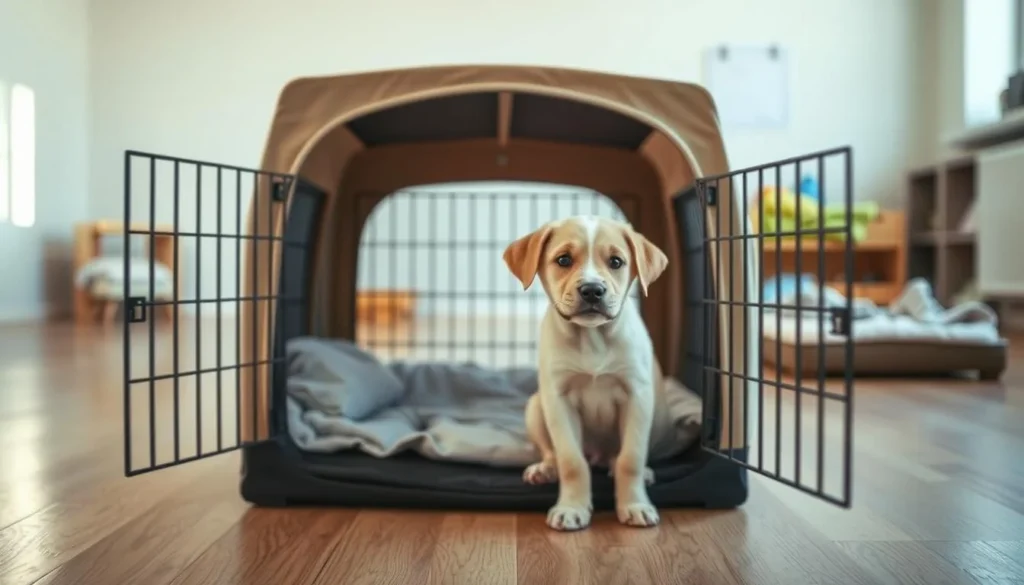
How crates teach bladder control
The crate is just big enough for the puppy to stand, turn, and lie down. This small space helps the puppy hold its bladder until it's time to go outside. Crates also provide a quiet place for rest and are helpful during travel and vet visits.
When to use a crate and when not to
I use the crate for supervised naps, overnight sleep, and short times when I'm busy. I never punish the puppy with the crate or keep it in for too long. If a rescued dog has crate issues, I retrain it slowly. I control its diet, increase outdoor trips, and build trust with gentle steps.
Integrating crate time with potty breaks
I take the puppy outside right after it comes out of the crate, after meals, and naps. I adjust the crate size as the puppy grows. These habits help discipline the puppy gently and reduce accidents.
Positive reinforcement strategies for puppy potty training discipline
I teach puppies with calm, consistent steps that reward progress. Positive reinforcement in puppy potty training speeds learning when I celebrate small signals, like approaching the door or sniffing the spot. Short, clear interactions help a pup connect action with reward.
Rewarding small wins
I break the goal into tiny steps. I praise a pup for sitting by the door, for waiting to be let out, or for circling the chosen area. Those micro-wins build confidence and reduce accidents. I keep rewards immediate so the puppy links the behavior to the payoff.
Using treats, play, and verbal praise
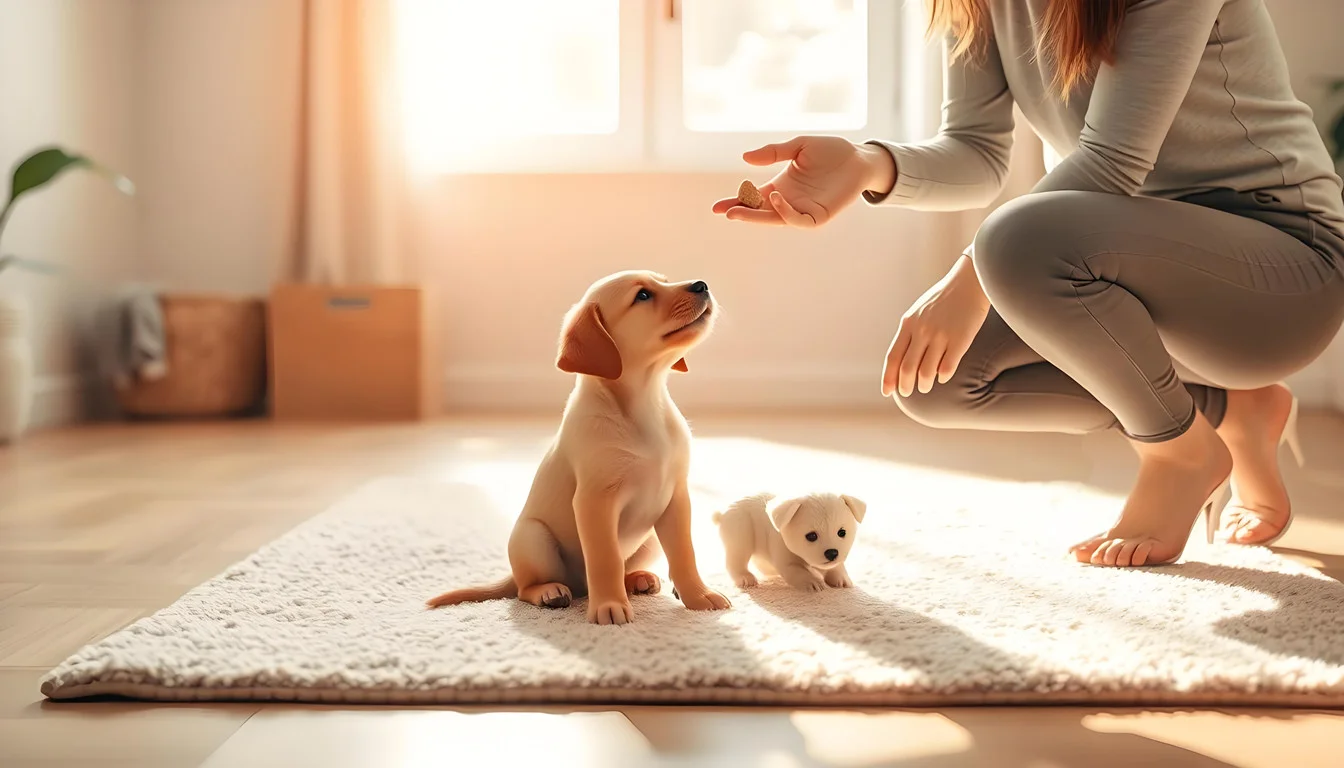
I use small, high-value treats the size of a pea. I say a cue like “potty” during elimination so the word becomes meaningful. After the pup finishes, I add a short play burst or a warm, upbeat phrase. That combination—the taste, the motion, the voice—creates a strong positive association.
Fading rewards while keeping consistency
When success becomes steady, I reduce treats but keep praise and the same cue. I swap full treats for occasional rewards, tiny pieces, or a longer play session. I never drop supervision or the schedule; steady routines support effective puppy discipline for potty training even as formal rewards decline.
For lasting results, I mix these puppy training discipline tips into every outing. I remain patient, predictable, and quick to reward progress so habits take hold without stress.
Correcting accidents in the moment: safe, effective techniques
I teach owners how to correct accidents without losing trust. Quick, calm actions are better than scolding later. Simple steps make training effective without fear.
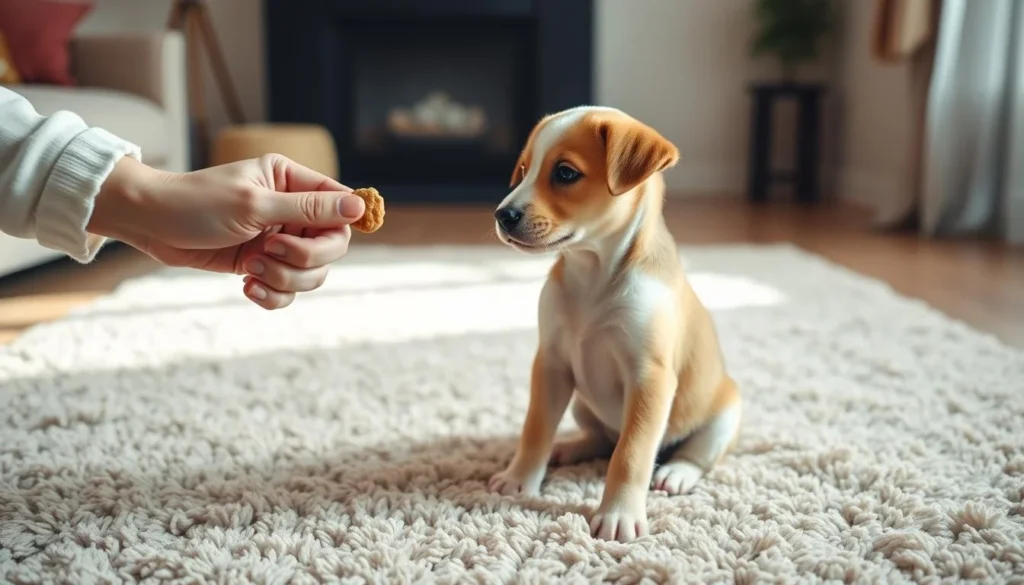
I have three main methods for stopping accidents. Each one stops the behavior, guides the pup to the right spot, and rewards the correct action.
Catch in the act and redirect
I interrupt with a soft sound or a gentle tug on the leash when I see the puppy start to go inside. I take them to the potty area and encourage them to finish. If they do, I praise them or play with them to show it's a good thing.
Startling techniques used carefully
I suggest brief, harmless startles only when the pup is in the middle of an accident. A clap or a light shake of a metal can works. I never scare them too much. After, I take them to the right spot and reward them to teach them, not to fear me.
Why after-the-fact scolding is useless
I don't scold after an accident. Puppies don't connect the scolding to the accident. It confuses them and can hurt our bond. I clean up with an enzymatic cleaner to remove scents. This helps the puppy not go back to the same spot and keeps training positive.
Designating and reinforcing the right potty spot
I show readers how to pick a potty spot and keep training going. It's all about making choices simple and routines small. This makes training easier for both the owner and the puppy.
I suggest picking one spot, either outside or inside. Using just one place helps avoid confusion and speeds up learning. When I talk about designating a potty spot, I mean the exact area the puppy will use every time.
I keep the path to the potty short and the same. I leash the puppy and walk the same route. This helps them learn to go to that area for elimination. For indoor use, I place pads near the door to make going outside easier.
Make the spot easy to use: it should be visible and easy to get to. I choose a spot without distractions or obstacles. If using puppy pads, I place them where I can watch and step in quickly if needed.
I limit options: too many pads or spots slow down progress. Fewer choices help the puppy focus on one correct place. This is key for consistent discipline in puppy potty training.
Cleaning and scent removal: accidents can make a puppy go back to the same spot. I use enzymatic cleaners to remove all smells. This breaks the smell-mark association and helps prevent accidents.
If a puppy goes back to a soiled spot, I check for scent and clean again if needed. I replace pads often and wash nearby rugs. Sometimes, I need to move the pad and retrain the puppy to a new spot.
Below is a quick guide I use to compare common potty spot choices. It shows how they fit with puppy potty training discipline and designating a potty spot.
| Option | Best for | Ease of supervision | Cleaning needs | How it supports consistent discipline in puppy potty training |
|---|---|---|---|---|
| Outdoor single patch | Pups ready for outside elimination | Moderate; requires short walk | Low; natural breakdown outdoors | Strong: single location creates clear cue and routine |
| Puppy pad near door | Indoor training or young pups | High; easy to watch | High; needs regular changing and cleaning | Good: close to exit helps transition outside and aids designating potty spot |
| Portable indoor tray | Apartments and limited outdoor access | High; contained area | Moderate; trays must be emptied and cleaned | Moderate: consistent placement helps reinforce discipline |
| Multiple pads or spots | Not recommended | Low; hard to supervise every location | Very high; many surfaces to manage | Poor: confuses pup and undermines consistent discipline in puppy potty training |
Tools and aids that support disciplined potty training
I use practical tools to keep potty training calm and consistent. The right gear helps me teach expectations without yelling. I choose items that fit my schedule, home size, and my puppy's needs.
Puppy pads, indoor potties, and when to use them
Puppy pads and indoor potties are good when going outside is hard. They're useful for long workdays, bad weather, or small apartments. High-absorbency pads with odor control reduce mess and stress.
I prefer brands like Pet Life Unlimited for their durability. When I plan to move outside later, I slowly move the pads toward the door each day. This helps my puppy learn where to go without getting confused.
Leash, bell, and cue training
I use a short leash to lead my pup to the potty spot. Leash control helps them learn faster and stay focused. During breaks, I keep the leash on until they finish, then reward them for calm behavior.
For communication, I hang a bell by the door and teach my puppy to nudge it before outings. I ring the cue word "potty" every time they eliminate. This links the sound to the action, creating a reliable routine.
Monitoring diet and health
Consistent feeding times and quality food help regulate elimination. I feed a balanced puppy formula three times a day and check stool consistency after each meal. If stools are bulky, loose, or smelly, I take my puppy to the vet.
I also track water intake and use pH-monitoring pads for urinary issues. Monitoring diet and health helps me spot problems early. This keeps the training process fair and predictable.
When thinking about disciplining a puppy during potty training, I focus on timing, tools, and clear cues. This approach prevents confusion, keeps stress low, and speeds up reliable results.
Correcting related behavior problems without harsh discipline
I help owners tackle linked issues in puppy training. Small problems can become habits if not handled gently. I emphasize that calm, consistent steps are better than yelling or punishment.
Dealing with marking and repeat-spot accidents
Marking needs a special plan, not just basic housetraining. I limit access to marking spots and watch closely during walks.
I use enzymatic cleaners to remove scent traces. This helps the dog avoid returning to the same spots. For intact males or dogs that mark often, I talk to my vet about neutering and behavior changes.
Addressing anxiety or submissive urination
Submissive urination often stems from fear or excitement. I never scold a pup for these incidents, as it makes anxiety worse.
I use calm greetings, short interactions, and games to build confidence. Gradual desensitization and calm routines help the puppy feel safer over time.
When aggressive or reactive behavior appears
If potty situations trigger guarding, growling, or other reactivity, I stop harsh measures right away. Aggression needs careful assessment, not punishment.
I suggest a quick meeting with a certified trainer or a vet behaviorist. It's important to rule out medical issues that might mimic behavior problems. A vet check is my first step when signs of pain or change appear.
| Issue | Immediate Action | Long-term Strategy |
|---|---|---|
| Marking | Restrict access, clean odors | Supervised outings, behavior modification, discuss neutering |
| Submissive urination | Stay calm, avoid scolding | Desensitization, low-key greetings, confidence exercises |
| Aggression or reactivity | Cease punishment, ensure safety | Vet exam, certified trainer or behaviorist, structured behavior plan |
Conclusion
Disciplining a puppy during potty training is about setting rules, being consistent, and being kind. Using techniques like crates and set schedules helps. Positive rewards, like treats and praise, work better than scolding.
Effective tips include catching accidents early and cleaning with special cleaners. Remember, crate time should fit your puppy's needs, not be a punishment. Keep track of your puppy's progress and adjust your expectations.
Be patient, as housetraining can take weeks or months. If you hit a roadblock, check with a vet or trainer. With the right approach, you'll see your puppy grow into a well-trained companion.