
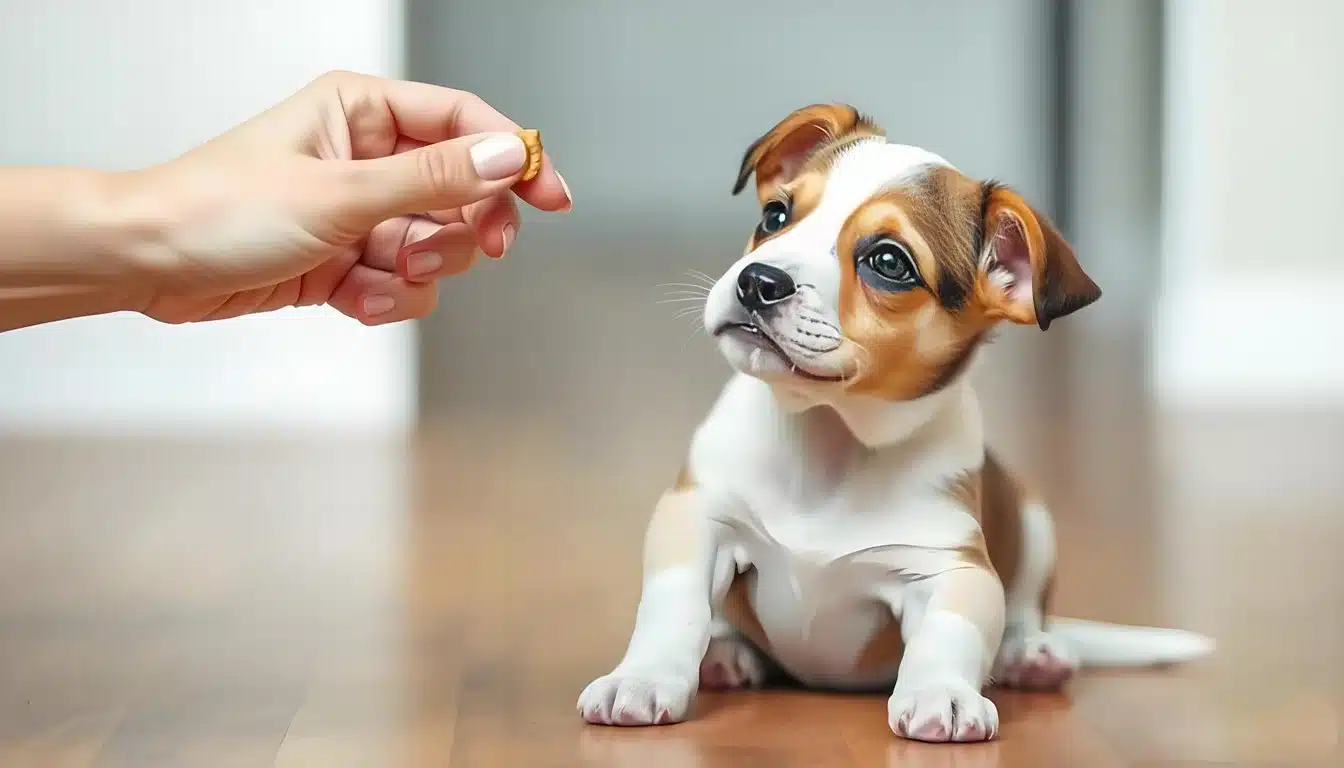
Every morning, I wake up to my puppy's soft snuggles and playful nudges. It fills me with joy. But, I also remember the puppy biting that comes with it. It was a part of our early days together.
When my puppy first arrived, it was exciting yet challenging. The early days were filled with uncontrollable nibbles. I wondered if I was going crazy. Learning how to avoid puppy biting was crucial for both of us.
Understanding why puppies bite and teaching them right behaviors is key. It's not just for peace at home. It's also for building a strong bond with my puppy. Let's find ways to prevent puppy biting so we can enjoy a happy relationship.
Key Takeaways
- Puppy biting is a common behavior, especially in young dogs.
- Understanding the reasons behind puppy biting can help in prevention.
- Redirecting biting behaviors to appropriate chew toys is key.
- Consistent training techniques can effectively stop puppy biting.
- Positive reinforcement helps strengthen desired behaviors.
- Identifying the energy levels of your puppy aids in managing biting.
- Seeking professional help is an option if biting persists.
Understanding Puppy Behavior
Exploring puppy behavior is fascinating. I often wonder why they bite. Biting is a natural part of their growth, serving many purposes in their early months. Knowing this helps us better support them as they grow.
Why Do Puppies Bite?
Puppies bite to explore their world. It's a natural curiosity. Since they use their mouths to interact, biting is normal for them. They also bite during teething, which happens between three and six months.
Teething helps them ease discomfort and discover new textures and sensations.
Normal Development Stages of Puppies
The biting phase is key in a puppy's development. They learn social skills by playing with their littermates. These early interactions teach them to control their bite and understand play boundaries.
Teach Your Puppy to Control Biting
Teaching your puppy to control biting is key for a good relationship with them. Understanding bite inhibition is very important. It helps dogs learn to play gently with their mouths.
Bite Inhibition Explained
Bite inhibition means a puppy knows how hard to bite. Puppies use their mouths to explore, which can lead to bites. Teaching them that biting hurts is crucial.
Gentle corrections, like yelping when bitten too hard, help them learn. This teaches them to be careful with their bites.
Play and Learning Through Interactions
Puppy play helps them learn and practice good manners. Puppies often copy each other's actions, adjusting their play based on feedback. If a playmate yelps or stops, the puppy learns their bite was too strong.
This feedback is key for teaching them to communicate well. It helps them develop healthy play habits.
Effective Techniques to Stop Puppy Biting
As a puppy owner, it's natural to worry about biting. I've found a few ways to teach my puppy not to bite. Using yelps to show pain and positive reinforcement for gentle play are key.
Using Yelps to Communicate Pain
When my puppy bites too hard, I make a high-pitched yelp. This tells them it hurts, just like their littermates would. It teaches them biting is not okay.
Over time, this method sets a clear rule for play. It helps my puppy understand what's acceptable.
Positive Reinforcement Strategies
Positive reinforcement is a powerful tool in training. I give treats, praise, and affection for gentle play. This shows my puppy what good behavior looks like.
When they play softly, I let them know it's good. This creates a positive atmosphere. With time and consistency, my puppy learns to choose gentle play over biting.

How to Avoid Puppy Biting
To stop puppy biting, a mix of methods works well. Teaching my puppy new behaviors is key. When they want to bite, I redirect them to toys instead.
Keeping my puppy active is also important. A tired puppy bites less. Activities like fetch or puzzle toys keep them busy and happy.
Setting up a gentle play routine is crucial. It makes playtime fun and educational. Being consistent helps my puppy learn what's okay to bite and what's not.
By following these steps, I help my puppy grow into a gentle friend. These strategies make playtime better for both of us.
Redirection Strategies
Redirecting a puppy's biting behavior is key. We use the right items and fun activities to make these years better. This way, we avoid punishment and teach good habits.
Use of Chew Toys
Chew toys are vital for puppies. They come in different textures and sizes to match their tastes. These toys let them chew safely, keeping my hands and furniture safe.
Popular chew toys include rubber, rope, and edible chews. They're great for distracting puppies from biting.
| Toy Type | Material | Durability | Recommended Age |
|---|---|---|---|
| Rubber Chew Toy | Natural Rubber | High | 8 weeks+ |
| Rope Toy | Cotton | Medium | 10 weeks+ |
| Edible Chew | Digestible Materials | Low | 12 weeks+ |
Encouraging Non-contact Play
Non-contact play is great for bonding with my puppy. Games like fetch or tug-of-war are fun and reduce biting. They help my puppy have fun without biting me.
Trying different non-contact games makes training fun. It helps us have a happy relationship.
Timing and Time-Outs
Using time-outs can be a key step in stopping my puppy's biting. It's important to time them right to show my puppy the wrong behavior. This way, my puppy learns that biting ruins our fun times together.
These short breaks help my puppy calm down. This makes it easier for them to learn and behave better.
When to Implement Time-Outs
Knowing when to use time-outs is key. If my puppy starts biting or gets too excited, I stop playing. This tells my puppy that biting is not okay.
Then, I put my puppy in a calm area for a bit. This lets them think about their actions and calm down. Using time-outs regularly helps my puppy learn to control themselves during play.
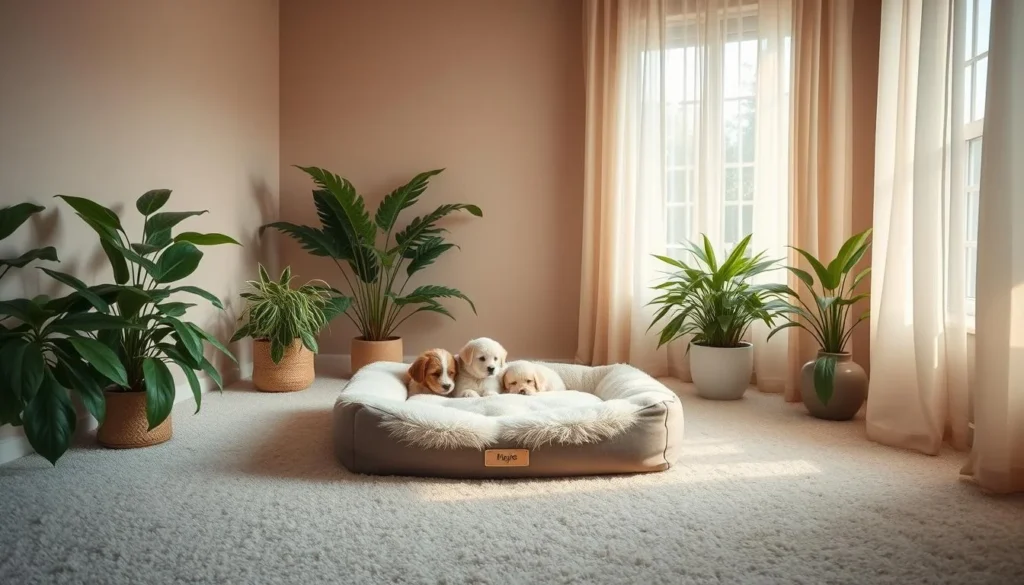
Creating a Calm Space for Your Puppy
Having a special area for my puppy to relax is part of the time-out plan. This spot should be quiet and free from distractions. A small, cozy bed or a crate in a quiet corner works well.
In this calm space, I also put a few toys to keep my puppy busy. I want to make it a place where my puppy can relax and think about their behavior.
Providing Positive Alternatives
Redirecting a puppy's energy is key. It's important to give them things to chew on instead of hands or clothes. Knowing what to give them can really help in their training.
Why Substitutes Are Important
As a puppy parent, I know how crucial it is to offer good alternatives. These help teach my puppy what's okay to chew. Giving them different options helps them learn to chew right, which is good for them.
It also makes training less stressful and strengthens our bond.
Offering Toys During Playtime
Toys are vital during playtime. They keep my puppy busy and happy. I pick toys that fit their size and chewing style to keep them away from biting things they shouldn't.
It's fun to watch them play with these toys instead of biting my hands or feet.
Managing Energy Levels
It's key to manage puppy energy for a peaceful home. Too much energy can cause bad behaviors like biting. So, it's vital to mix physical and mental activities for puppies.
Physical Exercise for Your Puppy
Physical activities help puppies use their energy well. Activities like fast walks, fetch, or tug-of-war keep them fit and bond us closer. Playing every day helps cut down on biting due to boredom or excess energy.
Mental Stimulation Techniques
Mental games keep puppies busy and focused. Puzzle toys or training games are fun and mind-stimulating. Games that challenge them, like finding hidden treats, are great. These activities make our puppy calm and well-adjusted.
Professional Training Options
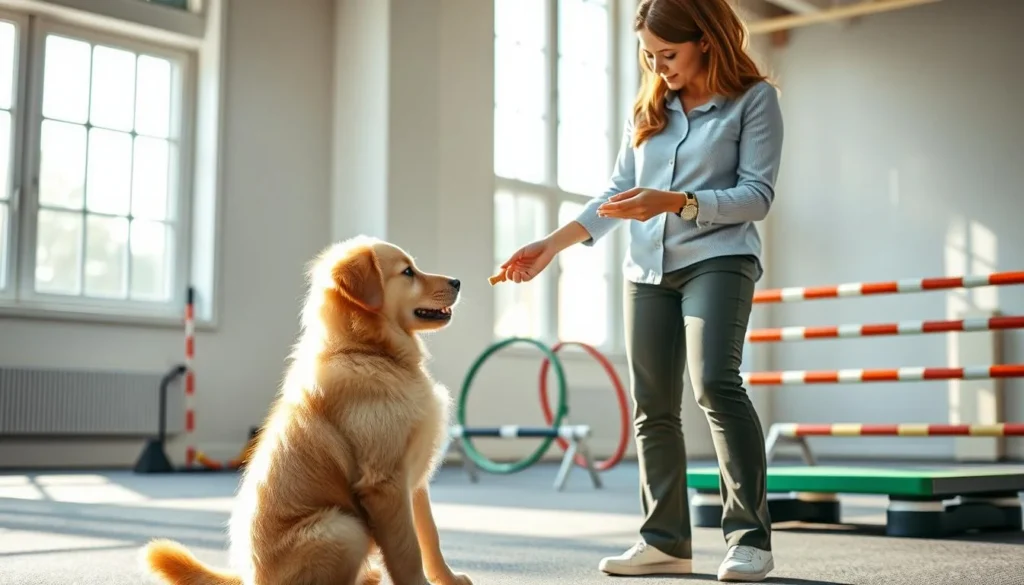
Putting my puppy in professional puppy training classes was a great choice. These classes give my puppy structured guidance from skilled trainers. They know a lot about dog behavior.
One big plus is the socialization. My puppy learns to get along with other dogs and people. They also learn basic commands and what's expected of them.
The Benefits of Puppy Training Classes
There are many good things about puppy training classes. Socialization is a big plus. My puppy gets used to different sounds and activities, becoming more adaptable and confident.
Getting professional help means I learn how to train my puppy at home. This helps reinforce what they learn in class. A routine with clear boundaries is also set.
Choosing the Right Trainer for Your Puppy
Choosing the right trainer is key. I look for someone with a good background in dog behavior and uses positive methods. Meeting them first helps make sure they fit my values and my puppy's needs.
Finding the right trainer makes training fun and effective for both of us.
When to Seek Professional Help
As a puppy owner, knowing when to seek help is crucial. This is especially true if your puppy's biting turns aggressive. Spotting these signs early can lead to better outcomes. Being proactive in addressing puppy behavior issues can prevent many problems later on.
Identifying Behavioral Issues
If my puppy bites a lot or seems stressed and hyper, I take action. It's important to watch my puppy's behavior closely. This way, I can catch any emerging patterns early.
Finding Certified Professional Trainers
When I realize I need help, I look for certified trainers. Certified Professional Dog Trainers (CPDT) have the skills to create custom plans for my puppy. They help me find training methods that fit my puppy's needs, ensuring we meet our goals together.
Implementing Consistency in Training
Consistency in puppy training is key to shaping their behavior. I find that a stable environment helps my puppy learn commands and rules quickly. It means everyone in the family uses the same commands and rules, especially about biting.
This clarity helps my puppy know what's expected. It also strengthens good habits over time.
Establishing a Routine
Creating a routine is essential for puppy training. A set schedule helps my puppy feel secure and calm. It makes training sessions a regular part of their life, improving their learning.
| Training Factor | Impact on Puppy |
|---|---|
| Consistency in Training | Helps puppy internalize commands more effectively |
| Establishing a Routine | Reduces anxiety and promotes readiness to learn |
| Puppy Training Routine | Encourages development of good habits and behaviors |
Consistency and a routine make my puppy more engaged and responsive. This approach leads to a well-mannered companion.
Maintaining Patience and Understanding
Training a puppy can be both rewarding and challenging. Patience is key to creating a good learning environment. Puppies are naturally curious and may not always respond as expected.
When faced with difficulties, calm responses are crucial. They help shape their behavior. Keeping calm during these moments builds trust and security. This allows my puppy to learn without fear or anxiety.
The Importance of Calm Responses
Creating a nurturing environment depends on calm responses. When I stay calm, it tells my puppy there's no need to worry. This approach helps us understand each other better and strengthens our bond.
Practicing patience also makes me more resilient. It helps me guide my puppy through various challenges effectively.
Recognizing the Difference Between Play and Aggression
As a puppy owner, it's key to know the difference between play and aggression. This helps avoid misunderstandings and keeps everyone safe. By watching for certain behaviors, I can act quickly and train my puppy well.
Signs of Normal Mouthing vs. Aggressive Behavior
When my puppy mouths, I check the context and body language. Normal mouthing shows a soft grip and relaxed body. But aggression signs are a stiff body, growling, and hard bites.
By watching my puppy closely, I can understand their actions better. Training that rewards good mouthing and stops aggression makes our bond strong and happy.
General Precautions to Consider
Training a puppy requires careful steps. It's key to know how our actions affect theirs. This knowledge helps us steer clear of bad behavior.
Our main aim is to encourage good interactions. Puppies soak up everything around them. They might not always know right from wrong, especially if we reward bad behavior. So, it's vital to avoid negative reinforcement.
Avoiding Reinforcement of Negative Behavior
Using methods that discourage bad behavior makes training better for both of us. Here are some strategies I use:
- Stay Calm: Getting upset can make biting worse. I stay calm, showing my puppy that biting doesn't get a reaction.
- Distract With Toys: Giving a toy when they nip helps shift their focus. It gives them a better way to release energy.
- Positive Body Language: I keep a relaxed posture. This tells my puppy they're doing well when they're gentle.
- Consistent Commands: Being consistent is crucial. I always use the same commands to encourage good behavior.
Knowing these precautions helps a lot in training my puppy. A positive environment aids in their growth and strengthens our bond.
Conclusion
Managing puppy biting is complex and needs a deep understanding of puppy behavior and consistent training. I've learned that teaching bite inhibition and encouraging positive interactions is key. This approach not only stops unwanted biting but also strengthens our bond.
Looking back, I see that patience and consistency are at the heart of managing puppy behavior. Clear guidance and positive reinforcement are crucial. They help me raise a well-behaved companion. The lessons I've learned highlight the importance of knowing my puppy's growth stages and redirecting their energy.
Creating a fulfilling relationship with my puppy starts with these basic strategies. Regular training and understanding behavior help solve biting problems. It also promises a future filled with happiness and mutual respect.


