As a puppy parent, there's a moment when every delightful bundle of fur turns into a gnashing whirlwind of energy. Especially when those little teeth come into play. I remember the sheer panic when my furry companion decided that my fingers were the perfect chew toy during our playtime.
Those innocent nibbles can morph into worry if not managed early on. Understanding the nature of puppy biting is crucial. It often stems from a thirst for exploration, a response to teething, or simply a burst of playfulness.
This journey toward figuring out how to stop a puppy from biting can seem daunting. But with the right puppy biting solutions and puppy training tips for biting, we can foster happy, healthy interactions. These interactions will shape our furry friends' future behavior.
Key Takeaways
- Puppy biting is a common behavior associated with teething and play.
- Understanding the triggers can lead to effective training solutions.
- Early intervention is critical to prevent biting from becoming a habit.
- Utilizing puppy training tips can make the process smoother.
- Positive reinforcement is key to managing biting behavior effectively.
Understanding Puppy Biting Behavior
Puppies naturally bite as they explore their world. This is a normal part of their growth, driven by curiosity and instinct. It's important to guide them to avoid bad habits.
Puppies use their mouths to play, which helps them socialize. By training them, I teach them what's okay and what's not. This helps them play right and keeps their natural instincts alive. It makes our bond strong and happy.
Why Do Puppies Bite?
Understanding why puppies bite is key for pet owners. Puppies bite for many reasons, like teething, exploring, and playing. Each reason affects their biting in different ways.
Puppy Teething Behavior
Puppies bite due to teething pain. Like human kids, they go through a teething phase. Chewing helps them feel better as their teeth grow.
Getting my puppy the right chew toys helps. It keeps them happy and healthy.
Natural Seeking Behavior
Puppies are naturally curious. They explore with their mouths. When they chew on things, it's because they're curious, not because they want to bite.
Offering safe chew toys satisfies their curiosity. This keeps them from getting into trouble.
Play Behavior in Puppies
Puppies bite during play with others. This helps them learn what's okay to bite. Playing with my puppy teaches them social skills.
Setting aside playtime is good. It lets them be themselves in a safe space.
Importance of Bite Inhibition
Understanding bite inhibition is key for a puppy's growth. It's about controlling their bite strength for safe play. Puppies learn this by playing with their littermates. They figure out that biting too hard stops the game.
Teaching Junior Bite Inhibition
Start teaching bite control early. Playing with other dogs helps them learn limits. If they bite too hard, their playmate shows them it's not okay.
This teaches them to be gentle. Owners should help by encouraging gentle play. It's also important to give them a safe place to practice.
Significance in Future Interactions
Bite inhibition is more than just puppy play. It helps dogs become well-adjusted and social. Without it, they might accidentally hurt others.
By teaching bite control, we make places safer. This helps build positive relationships in our communities.
How Stop a Puppy from Biting
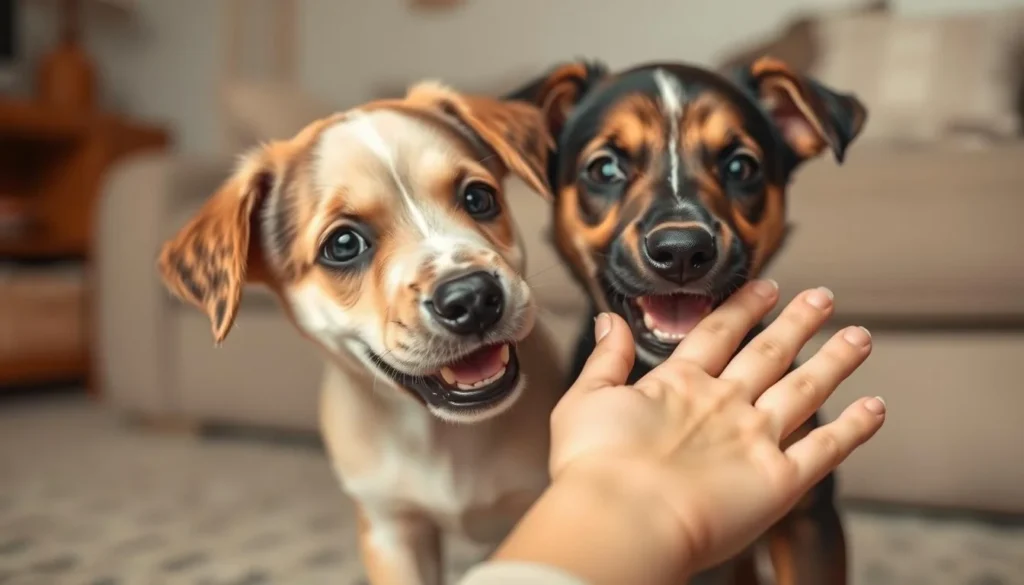
Stopping puppy biting needs a careful plan. First, we must understand why they bite. Teaching them to play gently is key. When they bite too hard, a yelp or signal helps them know to stop.
This method uses their natural social behavior. It's a gentle way to teach them without being too harsh.
Redirecting their biting to toys is also important. If they start to nip, I give them a chew toy. This keeps their energy focused on something safe to bite.
Having many chew toys ready helps a lot. Being consistent with these alternatives can greatly reduce biting.
Structured play with clear rules helps too. If they bite during play, we stop. This teaches them play must be gentle.
By following these steps, playtime becomes calmer and more enjoyable. Training consistently, building trust, and creating a safe space are key to stopping puppy biting.
Every puppy is different, so we need to tailor our training. With patience and practice, we can teach them to behave well. This leads to a happy home for both of us.
Effective Puppy Training Tips for Biting
Teaching puppies not to bite can be tough but rewarding. Using the right training methods is key. Start by giving them chew toys instead of letting them bite. This helps them learn good habits and keeps them busy.
Being consistent is very important. Use the same commands and cues every time. This helps your puppy know what's okay and what's not. I like to set up a routine with training sessions. It helps them learn by doing the same thing over and over.
Positive reinforcement is also crucial. Give treats or praise when they behave well. This makes them want to do it again and builds trust. Keeping things fun but controlled helps them respect you.
In summary, using chew toys, being consistent, and rewarding good behavior are key. These strategies help with biting and overall behavior. They make sure your puppy grows up to be a great companion.
Recognizing Play Biting vs. Aggression
Learning the difference between play biting and aggression in puppies has been key for me. A playful bite is usually gentle and comes with signs like a wagging tail and a bouncy mood. These signs show that the puppy is ready to play and interact.
Aggressive biting, however, is more forceful and often shows fear or frustration. I've noticed that aggressive bites are stiff, accompanied by growling or backing away. Knowing these differences helps me understand my puppy better and respond in the right way.
Being able to tell play biting from aggression helps me manage my puppy's behavior. By encouraging play and redirecting their energy, I create a positive space for them to grow and learn.
| Behavior Type | Characteristics | Owner's Response |
|---|---|---|
| Play Biting | Gentle bites, wagging tail, playful posture | Encourage play and use toys for engagement |
| Aggressive Biting | Stiff body language, growling, backing away | Assess the situation, ensure safety, and calm the puppy |
Using Positive Reinforcement for Puppy Biting
Positive reinforcement has changed my puppy training journey. It stops bad behaviors and makes our bond stronger. When I reward my puppy, they become more eager to learn.
Benefits of Positive Reinforcement
Positive reinforcement brings many benefits. It builds trust and makes my puppy feel safe and understood. This method leads to better training sessions.
Puppies learn to link calm actions with rewards. This reduces aggression. They also learn to repeat good behaviors when praised.
Training Techniques for Encouraging Good Behavior
Effective training techniques have improved my training. I reward my puppy for good actions, like gentle play. Treats are great incentives, linking good behavior to rewards.
Consistent praise teaches my puppy what's expected. Over time, training becomes more fun for both of us.
Redirecting Puppy Biting Behavior
As a puppy owner, I often face the challenge of their biting habits. Redirecting puppy biting behavior is key. Giving them chew toys helps channel their energy and curiosity into safer outlets.
Substituting Toys for Chewing Behavior
Substituting toys for chewing behavior is a game-changer. When my puppy bites my fingers or furniture, I grab a chew toy. Offering different textures and sizes keeps them interested and satisfies their chewing instinct.
This teaches them that toys are the right thing to chew on.
Encouraging Non-contact Play Activities
I also focus on non-contact play activities with my puppy. Games like fetch or tug-of-war are great. They're fun and help reduce biting.
These activities keep my puppy busy and teach them good behavior. Our playtime is fun and productive.
Puppy Play Biting Management Techniques
Managing puppy play biting is key for a good relationship with my puppy. Keeping calm is very important. If my puppy bites too hard, I ignore those bites. This teaches them that biting is not fun.
Setting up structured playtime is another good strategy. I make clear rules during play. This helps my puppy know what's okay and what's not. Using chew toys instead of my hands or clothes helps a lot.
Time-outs also work well. If my puppy bites too hard, I take a break. This lets them calm down and learn that some actions stop playtime.
| Techniques | Description |
|---|---|
| Calm Demeanor | Staying calm helps my puppy mirror my energy, which promotes a relaxed environment. |
| Ignore Hard Bites | Ignoring hard bites teaches my puppy that aggressive behavior results in losing playtime. |
| Structured Play | Setting rules during playtime helps my puppy understand where boundaries lie. |
| Use of Chewing Toys | Providing chew toys redirects biting away from hands and encourages safe chewing. |
| Implement Time-Outs | Time-outs provide a clear message that certain behaviors lead to the end of playtime. |
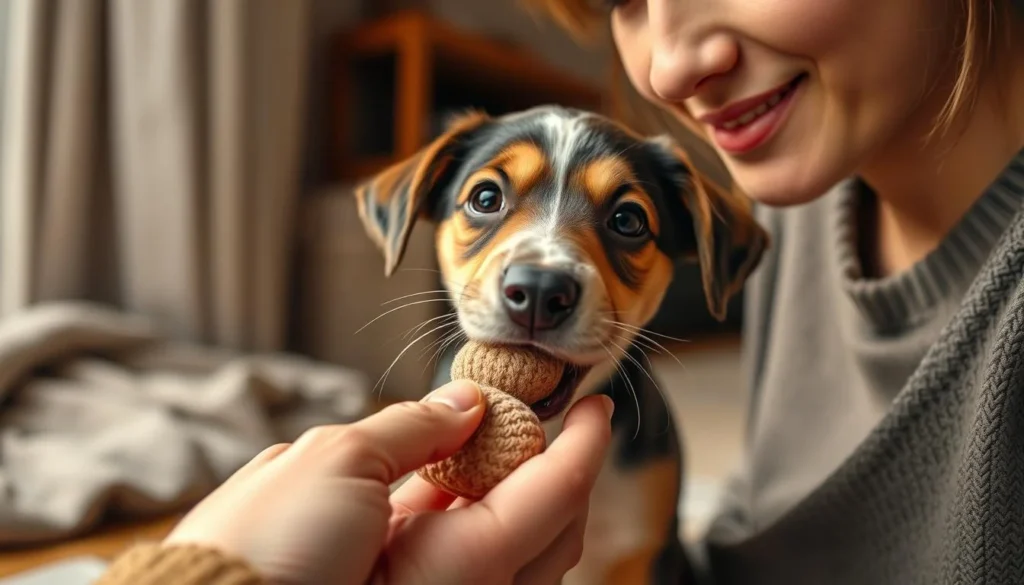
Substituting Safe Chew Toys
Choosing the right chew toys for puppies is key to managing their biting. Giving them the right toys helps them chew in a good way. It's important to pick toys that fit their age and are tough enough for their play.
Having a variety of toys keeps puppies interested. I look for toys with different textures, shapes, and sizes. Toys that help keep their teeth clean are also great.
When picking chew toys, I think about what my puppy needs and likes. I avoid toys that could be dangerous or made from bad materials. This way, my puppy learns to chew right and doesn't get into trouble.
| Toy Type | Benefits | Recommended Brands |
|---|---|---|
| Rubber Toys | Durable and bouncy, ideal for heavy chewers | Kong, Nylabone |
| Dental Chews | Helps maintain oral hygiene | Greenies, Virbac |
| Plush Toys | Soft and cuddly, good for gentle play | PetFusion, ZippyPaws |
| Interactive Toys | Encourages mental stimulation and engagement | Trixie, Outward Hound |
By choosing safe chew toys, I make a better play area for my puppy. It stops bad biting and makes playtime fun.
Utilizing Time-Outs Effectively
Time-outs are a good way to handle puppy biting. They teach puppies that biting means no playtime. It's key to know how to use time-outs right to get the best results. Keeping calm while doing this helps puppies learn better.
Understanding Time-Out Procedures
First, I spot the biting behavior. When it happens, I stop playing and put my puppy in a quiet spot for a bit. This break helps them understand that biting stops fun. Being consistent with time-outs is what makes them work.
Consistency with Time-Outs
Being consistent is crucial for time-outs to work. Every time my puppy bites, they face the same consequence. This makes it clear that biting means downtime. Staying patient and sticking to it helps my puppy learn what's right.
Keeping Your Puppy Occupied
Keeping my puppy occupied is key, and it involves both physical and mental activities. These activities prevent boredom, which can cause bad behaviors like biting. A mix of playtime, walks, and fun toys keeps my puppy happy and healthy.
Physical Exercise and Mental Stimulation
Physical exercise is vital for my puppy's growth. Playtime that includes running, fetching, or agility training burns off energy. Mental games like puzzle toys and treat-dispensing games also keep their mind sharp.
Here are some ways I keep them busy:
- Daily walks around the neighborhood or local park
- Interactive play using toys that encourage my puppy to think
- Scheduled playdates with other friendly dogs
- New training activities that spark my puppy's curiosity
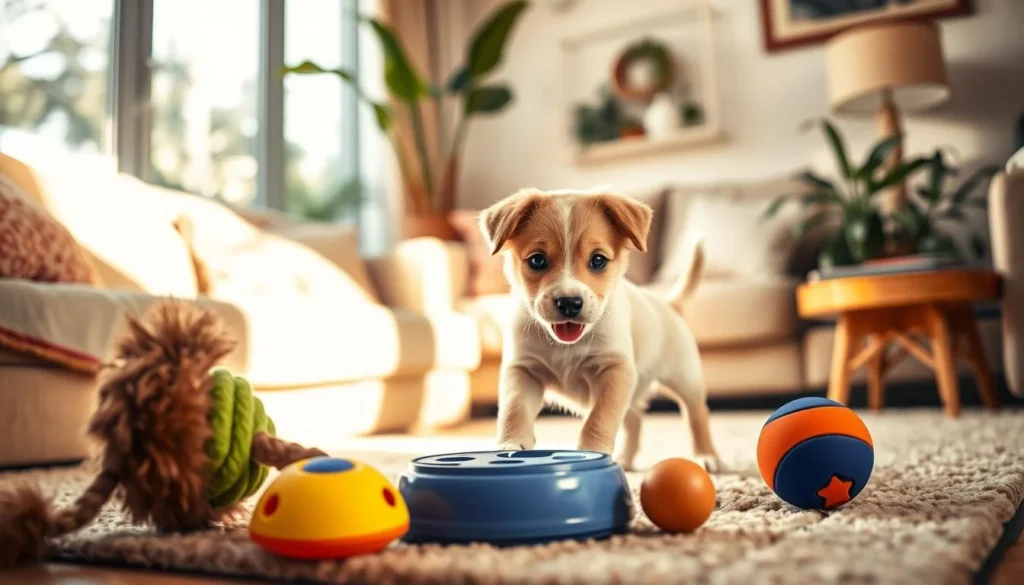
This mix of physical and mental activities keeps my puppy happy and well-adjusted. It helps prevent biting caused by boredom or too much energy.
Understanding the Causes of Excessive Biting
Several factors can cause puppies to bite too much. Not socializing them early can lead to behavioral problems. Puppies are curious and use their mouths to explore. Without early social interactions, they may not learn to control their biting.
Frustration and boredom are also big reasons. Puppies might bite when they're upset or bored. Stress from changes in their environment can also make them bite more.
Knowing these causes helps me train better. I can make a plan that fits each puppy's needs. This way, I can help them behave better.
When to Seek Professional Help
Knowing when to get help for puppy biting is key for a good relationship with your pet. If your puppy bites a lot or seems scared or aggressive, it's time to get help. Some signs show you need a pro to help manage your puppy's behavior.
Some key indicators that point to the need for professional guidance include:
- Biting is frequent and intense, leading to injury.
- The puppy exhibits signs of fear or aggression while biting.
- Efforts to curb the biting have proven ineffective.
- The biting appears to worsen over time rather than improve.
When you need help with puppy biting, talking to a dog trainer or behaviorist is a good step. They can give you strategies that fit your puppy's needs. Their experience helps you deal with your puppy's challenges and create a positive space for both of you.
| Indicators for Professional Help | Recommended Action |
|---|---|
| Frequent and intense biting | Consult a behaviorist for tailored advice |
| Biting from fear or aggression | Assess triggers with a professional |
| Ineffective training attempts | Explore new strategies with a trainer |
| Worsening behavior | Seek immediate professional guidance |
General Precautions for Managing Biting
Understanding a few key precautions can greatly help in managing puppy biting. I never use physical punishment. It can make puppies fearful or aggressive. Instead, I focus on positive play to build trust and understanding.
It's crucial that my puppy knows biting is not okay. Being consistent is key. I ensure my puppy knows what's expected through consistent training. This way, they can play and explore safely, without getting frustrated or bored.
| Precaution | Description |
|---|---|
| Avoid Physical Punishment | Physical punishment can create fear and worsen biting behavior. |
| Encourage Positive Play | Fostering positive interactions helps establish good habits. |
| Consistent Training | Using consistent methods aids in clear communication and understanding. |
| Safe Environment | A safe space allows for exploration without the risk of destructive biting. |
By following these precautions, I create a nurturing space. This promotes better behavior and strengthens our bond.
What to Avoid When Training
Training a puppy is both fun and tough. It's key to know what not to do as much as what to do. Avoiding bad training methods can help a lot. It's vital to steer clear of practices that can harm your puppy's behavior.
Punishments and Their Negative Effects
Punishments like yelling or hitting can confuse and scare a puppy. They don't stop bad behavior; they make it worse. I found out my puppy bit more when I yelled.
The surprise or fear makes them bite more, thinking it's a way to get attention. Avoid using punishment that doesn't teach the right behavior clearly.
Reinforcing Bad Behavior Unintentionally
It's also important to avoid accidentally rewarding bad behavior. Puppies love attention, and even negative reactions can give them what they want. For example, if I pay attention when my puppy nips, I'm teaching them it's okay.
It's crucial to be careful with how we react. This way, we don't confuse them during training.
Conclusion
Stopping puppy biting starts with knowing why they do it. It's often because of teething or play. Early training and consistent practice are key. Positive reinforcement is important for our bond and good behavior.
Redirecting biting to toys and staying patient can help a lot. Keeping my puppy busy with exercise and mental games also helps. Training a puppy is a big job, but with patience and effort, they'll learn to behave well.