I remember the first week with my Labrador puppy. I thought I had to train for hours every day. But I was so tired, and the puppy didn't learn much. This taught me a big lesson: it's not about how long you train, but how well you do it.
When people ask how much time to train a dog, the answer is often less than they think. Ten to fifteen minutes a day can teach your dog important commands like SIT, COME, DOWN, and HEEL. Short, regular sessions are better than long, tiring ones. The key is to find a training schedule you can stick to.
Training can be like daily habits. Use mealtimes, walks, and short play breaks to keep training steady. For dogs that work or do sports, you might need to train longer. But for most pets, just 5–10 minutes a day can keep them at 90% reliable.
Key Takeaways
- Short, consistent sessions beat long, infrequent marathons for most dogs.
- Ten to fifteen minutes once or twice daily is a strong, practical baseline.
- Use mealtimes and walks for micro-training to fit busy schedules.
- Adjust commitment by goal: working dogs need more conditioning time.
- End sessions on a high note and watch your dog’s cues to avoid burnout.
how much time should i spend training my dog each day
I keep training simple and focused on goals. Before starting, I think about what I want my dog to learn or keep up. For keeping skills sharp, I aim for 5–10 minutes a day. For new skills, I split 10–15 minutes into two short sessions.
For working or hunting dogs, I plan 30 minutes or more. This mix of conditioning and skill work is key. This way, I avoid long, boring drills.
Short daily guidelines based on goals
For upkeep, short sessions are best. I use mealtimes and walks for quick drills. This fits a busy schedule.
For puppies, I keep it short and fun. For adult dogs, I add variety and harder reps. For sport or working dogs, I extend sessions for stamina and precision.
I spread practice throughout the day. Short wins keep motivation up. I stop when a drill feels fresh, so the dog wants more.
Why consistency matters more than total hours
Consistency drives progress. Regular practice cements habits faster than long sessions once a week. Trainers focus on goal completion, not just time.
Reading the dog guides my timing. I adjust sessions based on the drill's length. On off days, I scale back and focus on simple, positive interactions.
| Training Goal | Daily Time | Session Pattern |
|---|---|---|
| Maintenance of known skills | 5–10 minutes | One short session or several 2–5 minute repeats |
| New basic obedience | 10–15 minutes | One longer session or two 5–8 minute sessions |
| Working, hunting, or sport conditioning | 30+ minutes | Extended focused sessions with warm-up and cool-down |
| Busy owner template | 5–10 minutes | Micro-training at mealtimes and short walk drills |
| Moderate-time owner | 15–30 minutes | Two sessions: skill work plus play-based practice |
| High-performance or sporting dog | 30–60 minutes | Daily conditioning plus targeted skill blocks |
Understanding dog training time commitment
Let's talk about what it really means to train a dog. It's not just about the hours you spend. It's about regular practice, adjusting to your dog's needs, and moving to maintenance once they're reliable. This approach makes training doable for busy families.
Commitment is about reading your dog's mood and training when they're most focused. Short, frequent sessions work better with our busy lives. This method helps you and your dog avoid burnout.
What “commitment” really means
Commitment begins with a plan. I set goals like teaching a dog to sit-stay or walk on a loose leash. Every dog learns at their own pace, so patience and flexibility are crucial.
Consistency is more important than long training sessions. I aim for daily or every-other-day practice. I also mix up the lessons and keep treats ready for quick training moments during daily activities.
How to measure progress without a stopwatch
I measure progress by how well the dog responds and consistently. I aim for about 90% correct responses in different places before moving to maintenance. This shows the dog understands the command even with distractions.
I use a simple log to track how well the dog does in drills and note which cues need more work. This helps me see how often to train and focus on areas that need improvement.
| Metric | What I Record | Why It Helps |
|---|---|---|
| Response Rate | Percent success per drill (example: 8/10 sits) | Shows when to move to maintenance |
| Context Variability | Home, park, vet clinic, car | Ensures skills transfer across environments |
| Session Length | Short (3–7 min) or long (15–20 min) | Matches attention span and life demands |
| Trainer Notes | Body language, distractions, reward used | Helps adjust methods and spot stress signs |
| Training Frequency | Number of sessions per day/week | Plans realistic, effective dog training time |
Daily dog training duration for puppies vs adults
I share simple tips to match training time to your dog's age and energy. The right daily training time keeps learning fun and effective. This is true for both curious puppies and steady adult dogs.
Puppy-appropriate session lengths
I focus on short, frequent sessions for puppies. Begin with 3–5 minute sessions during potty breaks, after naps, and at meals. These short puppy training sessions help young dogs learn without getting bored.
When teaching a new trick, extend a session to 10–15 minutes if the puppy stays interested. For quick reminders, 5–10 minutes is enough. If the puppy loses focus, I break practice into shorter, more frequent sessions.
Adult dog session strategies
Adult dogs can handle longer training periods. I plan one 10–15 minute focused session or two 10 minute sessions daily. This adult dog training time covers basic obedience and complex drills without boredom.
For high-energy breeds or working dogs, I mix intense practice with short play breaks and varied rewards. I watch for signs of tiredness and stop before training becomes a chore.
To balance training for all ages, I suggest tracking progress and adjusting session length. Use daily routines like feeding, walks, and play as training chances. This spreads out training time and reinforces learning all day.
Optimal dog training time based on training goals
I divide training into clear goals to fit your schedule. Choosing the right pace saves energy and speeds up results. Here are daily expectations and tips for each goal.
Basic obedience and household manners:
For basic commands like sit and come, short sessions are best. Ten to fifteen minutes a day is good for learning. Once they're mastered, five to ten minutes keeps them sharp.
Use meals and walks to practice manners. This boosts obedience without long training sessions.
Behavior modification and more complex skills:
For problem behaviors and complex tasks, focus on goals, not just time. Break tasks into small steps and reward each step. Sessions might be shorter but more frequent.
Some days may need twenty to thirty minutes of focused work. Keep track of progress in notes. This helps adjust training time to your dog's pace.
Working and sporting dog conditioning:
High-drive dogs need stamina and specific drills. Conditioning includes running and skill reinforcement. Many handlers schedule thirty minutes or more of physical conditioning plus short skill sessions.
Variety keeps dogs interested. Mix endurance runs, scent work, and obedience drills. Watch for signs of overtraining and adjust as needed.
I aim for balance: short sessions for daily reliability and longer sessions for specific goals. This way, training time varies by goal, keeps dogs engaged, and fits your life.
Effective dog training time management
I plan training times that fit real life. I choose consistent moments like morning walks and after-work drills. These short sessions help make habits stick.
Integrate training into daily life
I always have treats ready for practice anywhere. I use mealtimes to teach commands like sitting before food. Errands become practice time with added cues.
Short training during walks and play helps my dog learn in real situations. When distractions are high, I make it easier and reward small wins.
Schedule and routine tips
I have a simple weekly plan with active and rest days. This keeps my dog's energy up and helps them recover. I jot down notes after each session to track progress.
I use a lesson planner to manage training. It has columns for goals, steps, and rewards. This helps me keep sessions focused and short.
| Time of Day | Session Length | Focus |
|---|---|---|
| Morning walk | 5–10 minutes | Loose-leash, recalls, quick cues |
| Midday or lunch | 5 minutes | Impulse control, brief tricks |
| After work | 10–15 minutes | Obedience practice, new skills |
| Evening wind-down | 3–7 minutes | Calm behaviors, settle cues |
I keep track of weekly training minutes to balance intensity and rest. This helps me adjust training to fit my dog's needs. A consistent schedule turns small efforts into lasting habits.
Training sessions duration for dogs: short vs long sessions
I often think about whether short or long training sessions are better. The right choice depends on your dog's age, focus, and what you want to achieve. Short, regular sessions can help build momentum and keep training fun.
Benefits of short, frequent sessions
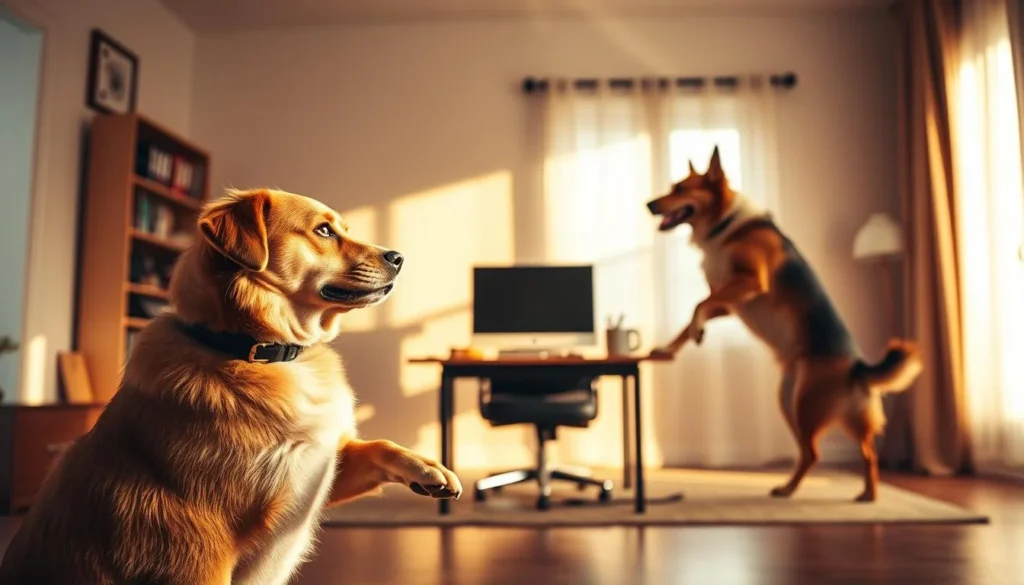
Short sessions keep dogs motivated and prevent boredom. For most dogs and puppies, five-minute drills are easy to fit into the day. These short practices help dogs make steady progress without feeling overwhelmed.
Spreading short sessions throughout the day is a good idea. It helps dogs remember what they learned and matches their natural focus periods. Short sessions are often better for keeping training consistent and fun.
When longer sessions make sense
Longer sessions are good for complex drills or conditioning. I plan longer practice for advanced obedience, gundog work, or endurance-building tasks. These sessions can last from twenty minutes to an hour, depending on the goal.
Even in longer sessions, I watch for signs of tiredness. If a dog seems tired, I switch activities or end on a positive note. Finding the right balance between session length and frequency helps dogs learn well and stay eager to train.
| Goal | Typical session length | Recommended frequency |
|---|---|---|
| Basic obedience for pets | 5–10 minutes | 3–6 short sessions daily |
| Puppy attention building | 3–7 minutes | 4–8 micro-sessions daily |
| Behavior modification | 10–20 minutes | 2–4 focused sessions daily |
| Advanced drills or gundog conditioning | 20–60 minutes | 1–2 goal-driven sessions daily |
Dog training frequency: how often to train each day
Training should be short and focused, not a long task. I consider the dog's age, personality, and the skill I want to teach. This makes learning fun and helps them remember.
One session vs multiple sessions
Adult dogs often do well with one 10–15 minute training session. I've found that two short sessions are better than one long one. This keeps their attention sharp.
For maintenance, a 5–10 minute practice each day is enough. I adjust the training time based on the task. Simple commands need more frequent practice, while complex ones require longer sessions.
Micro-training throughout the day
Micro-training turns everyday moments into learning opportunities. I use doorway drills, a quick sit before meals, and brief leash-checks. This way, training becomes part of daily life.
Puppies thrive on short, frequent training sessions. I might do five or six short sessions a day for them. For adult dogs, I spread these sessions across walks and playtime.
I always watch for the dog's cues and adjust as needed. On days when they're not feeling energetic, I shorten or skip formal training. But I still do micro-training to keep progress going.
Reading your dog: signs to end or extend a session
I watch for small changes in my dog's behavior. A quick sign can tell me if we should keep going or stop. I look for changes in posture, eye contact, and movement to decide how long to keep training.
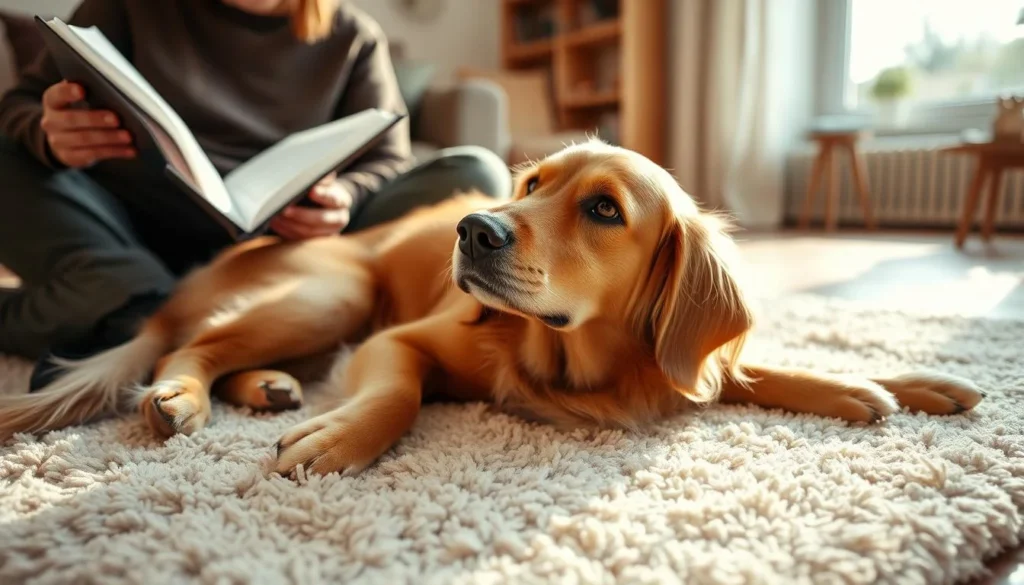
Body language is key. If my dog's ears are relaxed, eyes are soft, and tail is steady, they're into it. I might keep going. But if they avoid me, wander off, or get less accurate, it's time to wrap up on a good note.
I also keep an eye out for signs of boredom or tiredness. If my dog starts sniffing aimlessly, yawning, or losing focus, it's time for a break. I switch to something more fun or change the rewards to keep them interested.
Physical signs are important too. If my dog is panting too much, tongue is swollen, drooling, or moving slowly, it's a warning sign. I make sure they get water, rest, and shade. Ignoring these signs can hurt our bond and progress.
Every day is different, and so is my dog's focus. Some days they can focus for just five minutes. Other days, they're more into it. I look at trends over time to decide if we should keep going.
When my dog gets stubborn, I know when to push and when to back off. If they resist but stay alert, a few more tries might work. But if they avoid me or seem uninterested, it's time to stop and try something simpler next time.
Here's a quick guide I use to understand what my dog is telling me and what to do next.
| Signal | What I read | Action I take |
|---|---|---|
| Soft eyes, steady tail | High engagement | Extend current drill, add challenge |
| Wandering, avoiding handler | Lost focus or dislike | End session or change activity |
| Sniffing aimlessly or yawning | Boredom | Switch rewards, shorten tasks |
| Excessive panting, drooling | Physical strain or heat | Stop for rest, water, cool down |
| Repeated failure but alert | Frustration without fatigue | Reduce difficulty, reinforce small wins |
Dog behavior training time: dealing with stubbornness and setbacks
Many owners worry about their dog's stubbornness. I first check if it's a learning issue or just stubbornness. If the dog is sick, confused, or stressed, we need to slow down. But if it's choosing not to listen, we can try again with patience.
When to push and when to back off
I gently push when the dog is still interested but tired. Short, focused practice can help. But I stop if the dog looks stressed or wants to leave.
Too much training at once can harm trust. I watch for signs of stress and switch to something calmer if needed.
Breaking problems into smaller goals
I break big problems into small steps. I start with simple tasks and gradually add more. For example, teaching a dog to sit before leaving the house.
This method makes training faster and more effective. It helps the dog feel successful and builds trust.
I use daily moments to reinforce what the dog has learned. Instead of long drills, I reward them with play or walks. This keeps training fun and engaging.
For serious issues, I focus on one skill at a time. This makes it easier for the dog and for me to track progress. Celebrating small victories keeps us motivated.
Setbacks are opportunities to learn and adjust. I change the approach if needed to keep training positive. My aim is steady progress, not immediate success.
Recommended dog training schedule templates
I've created three practical templates for different lifestyles and goals. Each plan focuses on clear goals, short wins, and steady progress. I use meal times, walks, and rest to make training feel natural.
Busy owner template
- Three to five short 3–5 minute sessions are suggested throughout the day. These fit into breakfast, mid-morning, and evening routines.
- Use walks and mealtimes for practical cues like sit, recall, and leave-it. Keep rewards handy for quick repetitions.
- Vary each mini-session to keep focus high and prevent boredom. This is ideal for busy owners as it requires little continuous time.
Owner with moderate time template
- Plan one to two focused sessions of 10–15 minutes, plus short reinforcements during daily chores and walks.
- Work five days a week with two lighter days for practice and one full rest day. Use a simple lesson planner or checklist to set session goals.
- This approach balances depth and frequency, so you make steady gains without burning out.
Working or sporting dog template
- Daily conditioning sessions of 30+ minutes are important, paired with focused skill training and drills. Schedule explicit rest and recovery days.
- Include warm-ups, targeted exercises, and cool-downs. On days at the training field, a short, high-quality 20-minute session can outperform a forced long session.
- If you compete or have performance goals, follow a structured working dog training schedule that blends fitness, obedience, and skill practice.
I recommend using a lesson planner and a simple checklist to track goals rather than measuring only by minutes. This makes each session purposeful and keeps training enjoyable for both of you.
Tools and techniques to make training time more effective
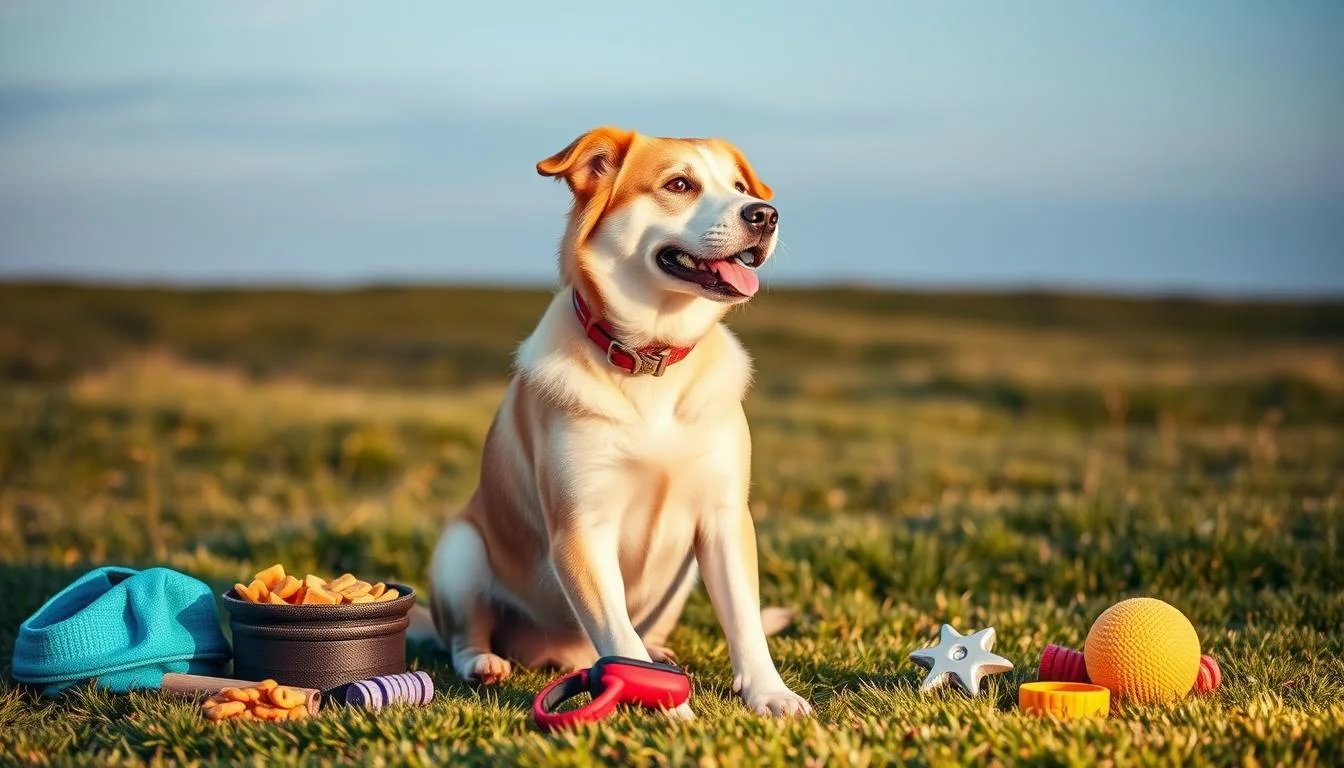
I always have my training gear ready. This includes a treat bag, durable toys from KONG, and measured kibble. These items help me reward my dog without interrupting our day.
I use different rewards to keep my dog motivated. Some like soft treats, while others prefer playing with a Chuckit! ball or a short walk. I mix food, play, and access to favorite spaces to keep training rewarding.
When my dog reaches 90% reliability, we celebrate and move on. This prevents burnout and keeps us both excited for the next session. I use a clicker or a sharp verbal cue to mark success, followed by the reward.
Lesson structure is key. I plan short, focused drills that build towards bigger skills. My plans outline small targets, the steps to reach them, and the reward for each repetition.
I turn daily routines into training moments. Mealtimes become practice sessions, and greeting visitors or going for a walk can reinforce good behavior. These moments are perfect for quick rewards.
Tracking what keeps my dog engaged helps me choose the right drills. I compare different exercises to see which one holds their attention. If progress slows, I change the reward or shorten the task to boost success.
Lastly, a compact lesson planner keeps everything organized. It lists the day's goal, the exercises, and backup rewards. This simple plan saves time and ensures every minute is used effectively.
Conclusion
I think the best way to train your dog is with quality and consistency, not long hours. For most owners, 5 to 10 minutes a day keeps basic commands sharp. New skills need 10–15 minutes in short sessions.
Training should be part of daily life. Use meals, walks, and play for quick training and rewards. This makes training easy for busy people. Working dogs need more time, so adjust training to fit their needs.
Every dog is different, and there's no one-size-fits-all training time. Watch for signs of attention and stop on a positive note. If training slows, try a lesson plan or get help from a trainer. Short, fun training sessions lead to big improvements without stress.