
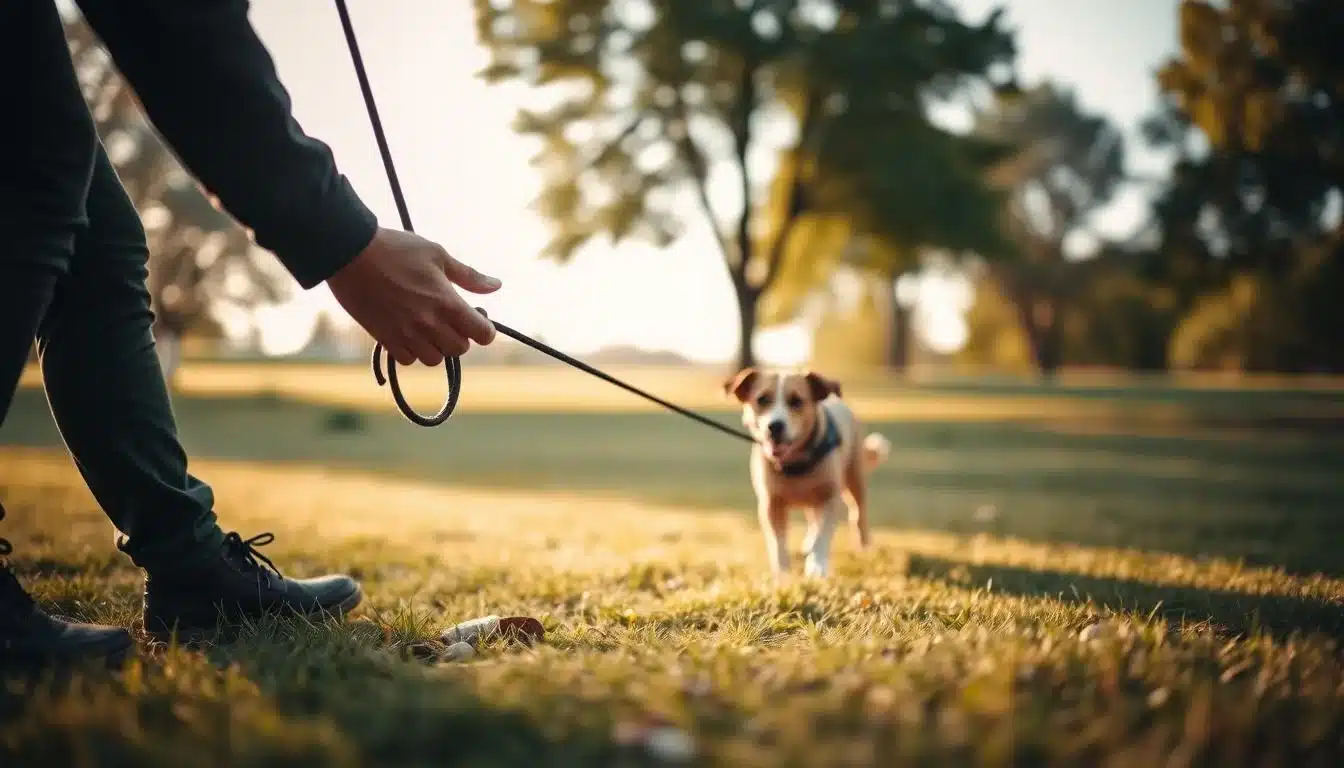
I remember the first time I used a long line with my dog. It was a moment of trust and freedom. I want to share this experience with you, so you can learn to use a long line for training. It's about building safety, obedience, and freedom without stress.
This guide offers practical advice on long line leash training. I use a Biothane Long Line from Henry and Sadie. It's 1/2 inch wide and 15 feet long, without a handle. I'll explain why it's a good choice for me.
You'll find step-by-step tips and safety rules in this article. I'll cover how to choose the right gear, structure your training sessions, and more. I'll also talk about moving from long line training to off-leash work.
My goal is to teach you how to use a long line for dog training. I want to help you improve recall, keep your dog safe, and give them more freedom. I'll keep it simple, with examples you can try on your next walk.
Key Takeaways
- Using a long line helps teach reliable recall while keeping control.
- I prefer a 1/2 inch Biothane long line, 15 ft, for durability and handling.
- This guide gives practical long line leash training and long line training tips.
- Focus on safety, progressive drills, and clear transitions to off-leash.
- Long line obedience training builds freedom and trust when done consistently.
What is a long line and why I use it for dog training
I use a long line to give my dog space while keeping control. It's a leash that can be from a few meters to 30 meters long. It attaches to a harness or collar, allowing me to practice recalls and supervise my dog's freedom.
I prefer a 15-foot, 1/2" Biothane long line from Henry and Sadie. It's easy to clean and doesn't smell after muddy walks. Choosing the right long line materials depends on your lifestyle and environment.
Definition and common materials
A long line is a fixed-length lead that I hold or let drag, depending on the exercise. Common materials include rope and fabric, which are lightweight but can cause rope burn and get damaged by sand. Webbing is durable for heavy use, while Biothane is waterproof and easy to clean.
I choose Biothane for muddy trails and water activities. My Henry and Sadie line shows how important durability and cleanliness are in dog training.
Differences between long lines, draglines, and retractable leashes
Long lines offer controlled freedom because they are fixed-length and require active handling. Draglines leave the line on the ground, reducing leash pressure but increasing the risk of tangling and entrapment. Retractable leashes offer instant slack control and are easy to use with one hand, but they're not ideal for staged recall and gradual off-leash training.
When deciding between a dragline and a long line, I consider the terrain and visibility. Draglines are better for open, safe areas for short practice. Long lines are more suitable for intentional drills where quick line pickup is necessary.
When I choose a long line over other leash types
I choose a long line for open fields, beaches, and controlled recall exercises. It allows my dog to move freely while I shape reliable returns. However, I avoid using a long line in crowded city streets due to tangles and reduced control.
Sometimes, I switch to a retractable leash in busy parks for brief walks where quick slack management is crucial. I only use a dragline for short, supervised off-leash introductions, avoiding areas with brush, water, or other dogs that pose entanglement risks.
Benefits of long line training for recall and freedom
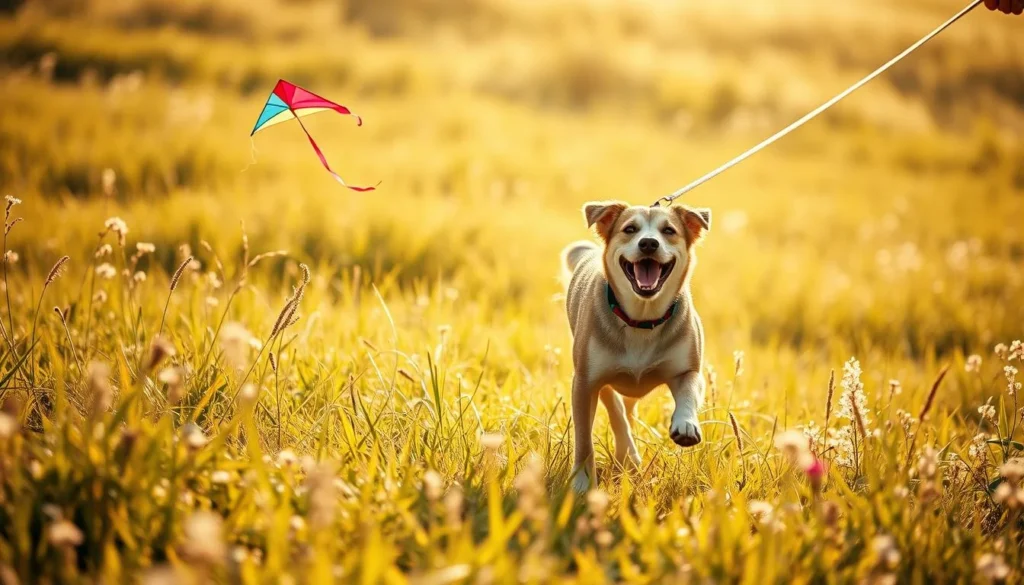
I use a long line to give dogs a sense of freedom while keeping them safe. It helps with controlled practice at a distance, safer exploration, and reliable off-leash behavior.
How a long line helps teach reliable recall safely
Using a long line for recall helps me teach dogs to return at longer distances safely. It prevents escapes and dangerous chases by allowing me to step in if needed.
I make sure the line is mostly slack during drills. This encourages dogs to return voluntarily and reduces leash pressure. If a dog gets distracted, the long line prevents a full run and helps me regain control.
Giving dogs more freedom while retaining control
Long line training benefits both the handler and the dog. It creates a safe space for exploration. I let the line drag on the ground, allowing dogs to sniff and circle without constant tension.
Using a harness with the long line reduces the risk of neck injuries from sudden pulls. It's a safer choice for unfenced or busy areas than immediate off-leash release.
Progression from long line to off-leash work
I start with short, structured recall drills on the long line and reward quick returns. As the dog becomes more reliable, I let the line trail on the ground during low-distraction sessions.
Next, I increase the distance and reduce leash corrections in quiet areas. When the dog is consistent, I test true off-leash access in controlled spaces. If progress slows, I consult a certified behaviorist to refine the training plan.
Choosing the right long line: length, width, and materials
I pick gear that fits the dog, the setting, and the lesson I want to teach. Choosing long line options means weighing materials, the proper long line length for the space, and whether a handle helps or hinders control.
Material pros and cons: rope, webbing, and Biothane
I use rope lines for small dogs when weight matters. Rope is lightweight and easy to coil, but it can cause severe rope burn on sudden pulls and fray in sandy terrain. That makes me careful about rope vs Biothane when training at the beach.
I reach for webbing for strong, heavy-duty work. Webbing gives a solid grip and stands up to powerful pulls. The trade-off is added bulk, so long line width matters when I need fast handling during recall drills.
Biothane ranks high in my kit for messy, wet, or muddy days. A Henry and Sadie 1/2" Biothane line stays clean, resists odor, and slides through sand better than fabric. For durability and easy care, Biothane often becomes the best long line for dog training in rough conditions.
How long should the line be for your environment and dog
I match long line length to my training goals. For parks and closer control I use 10–15 feet (3–5 m). That keeps the dog near me during distractions.
For wide-open fields and advanced recall I switch to 25–30 feet (7.5–9 m+) so the dog gets real distance while I retain a safety buffer. I consider my ability to manage slack before choosing very long lengths.
When a dog is calm in a field I let more line drag. With high-energy or city dogs I prefer shorter lengths to avoid tangles and sudden jerks. Choosing long line setup is as much about the handler as it is about the dog.
Handle vs no-handle considerations
I rely on handles when I actively manage slack. A handle gives a comfortable grip and quick control during starts and stops. For formal training sessions I almost always use a handle.
For dragging lines I often remove the handle or choose a no-handle option. A thin, lightweight line without a handle reduces snagging and glides across terrain. That setup works well for trailing work or when I want the line to stay out of the way.
| Feature | Rope | Webbing | Biothane (Henry & Sadie 1/2") |
|---|---|---|---|
| Weight | Lightweight, easy to carry | Moderate to heavy, bulkier | Light to moderate, slim profile |
| Durability in sand/mud | Prone to wear and fray | Good resistance, dries slow | Excellent, easy to clean |
| Risk of rope burn | High on sudden pulls | Lower, better grip | Minimal, smooth handling |
| Best long line for dog training | Small dogs, short sessions | Large dogs, heavy-duty control | All-weather, messy environments |
| Recommended long line width | 6–8 mm for small breeds | 12–20 mm for strong dogs | 1/2" (balanced strength and handling) |
| Handle use | Helpful for precise control | Preferred for grip and leverage | Optional; many prefer a handle for training |
Long line training techniques and hands-on handling tips
I use a few key long line training techniques to keep sessions safe and fun. These methods help the dog learn cues while enjoying freedom. Try each tip slowly until it feels natural.
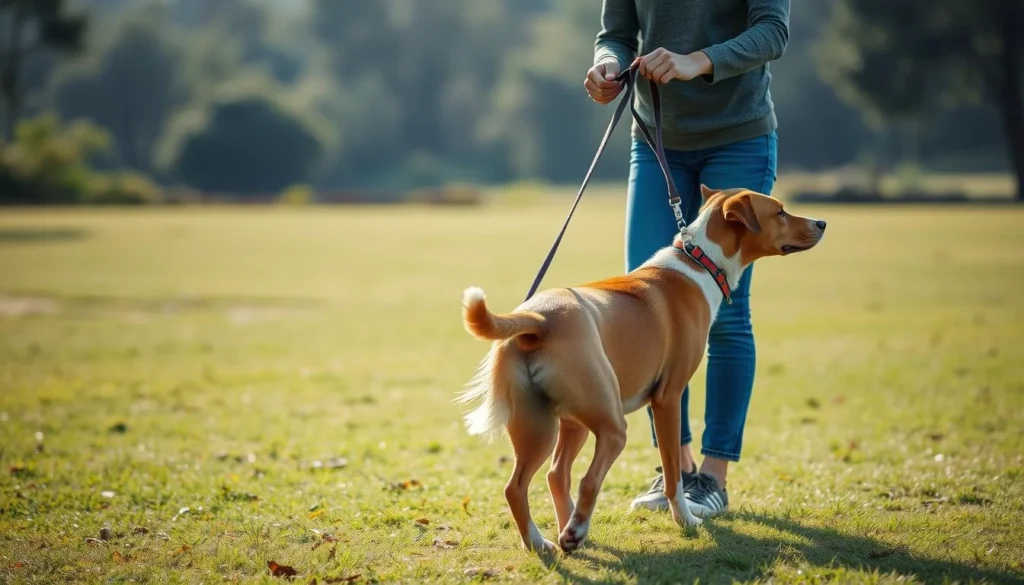
I start with a simple two-handed rhythm. The near hand controls slack and guides, the far hand holds the line. This method lets me give freedom and reel in smoothly. It also helps me avoid dropping the line when the dog turns fast.
I use a special grip when a dog bolts. I thread the line through my palm, over my thumb, then back through my palm. This creates the leash-lock grip. Holding it like a bat protects my skin from rope burn. I also use my chest or plant a foot on the line to stop the dog when needed.
Letting the line drag works best most of the time. I let it trail like a tail for natural movement. This avoids constant wrapping and keeps my attention on the dog. When I need to stow the line, I loop it into long coils for easy access.
I follow these long line handling tips during every session. I keep moves deliberate and calm. I pair releases and gathers with clear voice cues and treats. This steady approach makes recall training smooth and keeps the dog confident while learning distance control.
How to use a long line for dog training
I use a simple routine for teaching recalls and freedom with a long line. My aim is to practice in short, focused sessions. This builds trust and clear cues. I choose a safe, quiet space and check my gear before starting.
Step-by-step session structure I follow
I prepare my gear first. I pick a 15-foot Biothane long line for most sessions. I attach it to a well-fitting harness and remove any knots. I also make sure the line is fully unraveled to avoid snags.
My sessions are short, lasting five to ten minutes. This keeps my dog focused and prevents them from getting tired. I prefer to do several short sessions rather than one long one.
Warm-up, recall drills, and rewarding returns
I start with a warm-up of loose walking and free exploration. The line drags lightly during this time. I watch my dog's body language and stop if they lose interest.
For recall drills, I begin with a few steps and immediately reward my dog. I call them, reward them with treats or play, and then gradually increase the distance. I use a two-handed hold and a leash-lock grip to slow down gently, avoiding sudden snaps.
When my dog returns reliably, I add subtle distractions and repeat the drill. I never punish them for returning. Positive reinforcement makes recalls reliable over time.
Phasing out the line and transitioning to off-leash
Once my dog's recalls are consistent, I let the line trail on the ground without a handle. This makes it a safety backup rather than a restraint. It supports the transition to off-leash while keeping safety in mind.
I practice in busier settings but only remove the line in fully enclosed, safe areas after many successful sessions. If recall falters, I go back to shorter drills. If problems persist, I might consult a certified behaviorist.
Safety best practices for long line use in different environments
I choose training spots carefully to keep my dog and others safe. I look for wide, open fields or quiet fenced yards. These places have fewer people, bikes, and other dogs, reducing surprises.
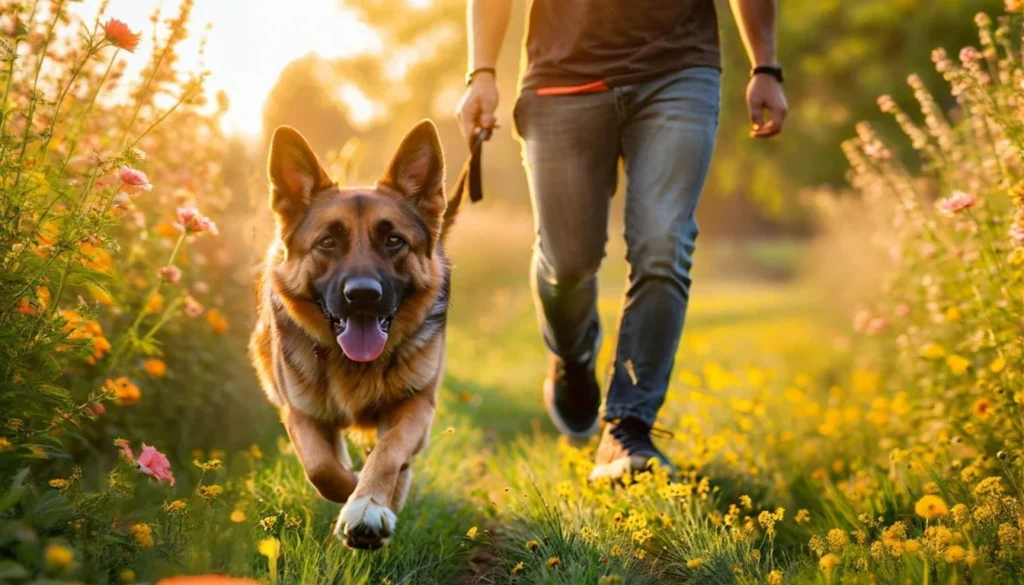
Choosing safe locations and avoiding busy areas
I steer clear of busy parks, sidewalks, and playgrounds until my dog is reliable. In open areas, I can see hazards and other users from afar. This lowers the risk of entanglement.
When exploring new sites, I check the perimeter for hidden dangers like irrigation heads and steep drop-offs.
Protective gear: gloves, long pants, and proper shoes
I always carry gloves for long line work. They protect my hands from rope burn and prevent finger injuries if my dog bolts. I prefer leather or thick synthetic gloves that grip wet rope well.
I wear long pants and sturdy closed-toe shoes to protect my legs and feet from line friction and sudden tugs. Even on easy sessions, I keep gloves handy to avoid rope burns.
Managing water, woods, and trip hazards
Water requires extra caution. Long line water hazards can trap a dog if the line catches on submerged logs or rocks. I avoid dragging a line in deep water or use a short line when swimming is likely.
In wooded areas, I shorten the line and stay alert for tangles. A dragged line can snag on undergrowth and wrap around a limb. I keep slack low, monitor the line's path, and step on it to stop a dog if a hazard appears.
| Environment | Key Risk | Practical Tip |
|---|---|---|
| Open field | Unexpected people or animals | Start with long line, maintain sightlines, use gloves for long line handling |
| Busy park | Entanglement or interference | Avoid until recall is solid; choose quieter times if necessary |
| Waterways | Long line water hazards and snagging | Use short line or life vest; avoid dragging line in deep or murky water |
| Woods and brush | Snags, wraps, tripping | Use shorter lines, keep line low, step on line to halt dog |
| Paths and sidewalks | Pedestrian collisions | Avoid during peak hours; use leash skills and keep dog close |
Harness vs collar: attachment points and gait considerations
I prefer using a harness for long line work because it spreads the force across the chest and shoulders. This is crucial when a dog suddenly runs. It helps avoid neck strain and improves control during recall.
Why I prefer attaching to a harness for most dogs
Attaching long lines to a harness helps avoid neck injuries. It puts the load on the dog's body, not the throat. I trust Musher Freespirit Harness and Non-stop Dogwear Line Harness for active training.
Risks of collar attachment and neck injuries
Collars can be risky for long line work. A sudden stop can harm the trachea or spine. I've seen it cause coughing, gagging, or even worse. It can also teach dogs to expect neck pressure, not balanced body control.
Harness designs that minimize rotation and gait disruption
Not all harnesses are the same. Soft ones might shift, causing rubbing or altered movement. I look for harnesses with a firm neck or back plate and secure attachments to prevent twist.
I prefer harnesses with under-rib or shoulder attachments to reduce rotation. The Non-stop Dogwear short harness and CTC Dog Gear Shoulder Harness are good choices. They help puppies and performance dogs move naturally without harm.
Common risks and how I mitigate them during long line use
I follow a routine to avoid common long line risks. First, I check the line for frays and knots. I choose a length that fits the space and traffic to manage slack and avoid tangles.
I wear work gloves to prevent rope burns and use a leash-lock grip to protect my fingers and shoulders. I let the line drag when safe to avoid wrapping it around my hand. In busy areas, I shorten the line and stay alert to people and other dogs.
When a tangle starts, I stop the dog with a verbal cue and treats. I move calmly toward the knot and follow the line back to the collar instead of yanking. This method helps untangle the line in woods or around furniture without making the knot worse.
I carry a compact pair of scissors in my pack for emergencies. If the line snags underwater, I think about the dog’s direction and nearby hazards before acting. Long line underwater snags require calm assessment to avoid risking myself.
Sometimes I must decide when to let go of the long line or when to hold on. I let go if holding will cause severe rope burn, shoulder injury, or pull me into traffic. I hold on when I can prevent harm, like stopping a dog from running onto a nearby road or toward an aggressive animal.
Below is a quick reference I use on walks to weigh actions against risks.
| Situation | Action I take | Why |
|---|---|---|
| Slack wrapping around my wrist | Switch to two-handed leash-lock grip and wear gloves | Prevents rope burn and reduces chance of losing control |
| Line tangled in woods | Stop the dog, call them in, then methodically untangle | Minimizes tightening and stress on the dog |
| Line snagged underwater | Assess hazards, retrieve dog if safe, cut line if necessary | Protects both the dog and me from drowning or injury |
| Dog bolts toward traffic | Let go if holding risks being pulled into danger | Prioritizes human safety and avoids severe injury |
| Dog approaches nearby hazard I can stop | Hold on and brace using legs and core | Prevents the dog from entering immediate danger |
Long line training tips for different dogs and situations
I adjust my long line training to fit each dog's unique needs and the environment. I keep training sessions short and focused. This approach helps build success.
I use high-value rewards and precise timing to teach recalls. Safety and clear cues are always my top priority, especially when introducing new challenges.
Working with independent, prey-driven, or young dogs
For independent dogs, I shorten the line and stay closer. Using a harness attachment helps avoid neck pressure and escape attempts.
With prey-driven dogs, I choose a sturdy harness and a steady surface. I reduce distance, increase rewards, and focus on impulse control with short recalls.
Training puppies requires caution. I avoid long-term dragline use to prevent gait changes. Sessions are light, short, and I switch harness styles to reduce joint stress.
Adjusting technique for multi-dog handling and busy parks
Training multiple dogs on long lines is challenging. I focus on each dog's recall until it's reliable. I add another dog only after each one is successful.
For multi-dog handling, I plan routes that avoid crossings and keep lines parallel. I carry gloves and use two-handed holds to manage sudden tugs without wrapping lines around my body.
In busy parks, I shorten lines or skip long-line training. I prioritize safety for everyone and increase engagement value if training is necessary.
When to consult a certified behaviorist
If recall doesn't improve or if aggression and strong prey drive are issues, I seek a certified behaviorist. They help me create a tailored plan when standard methods don't work.
If long-line training causes gait changes, repeat injuries, or severe anxiety, I consult a behaviorist. Personalized plans help save time and reduce risks in complex multi-dog homes.
Conclusion
I started with a simple idea for long line training: give dogs freedom while keeping control. The long line is great for teaching reliable recall and safe exploration. Use durable materials like Biothane or heavy-duty webbing, and attach it to a good harness. Always wear gloves and long pants when handling the line.
My training sessions have clear steps. First, hold the line with two hands to keep it slack. Then, use a leash-lock and bracing for sudden runs. Finally, let the line trail before phasing it out for off-leash work.
If recall is hard or you face challenges with certain dogs, get help from a certified behaviorist. Use these training techniques wisely. You'll gain control, confidence, and safer freedom for your dog.


