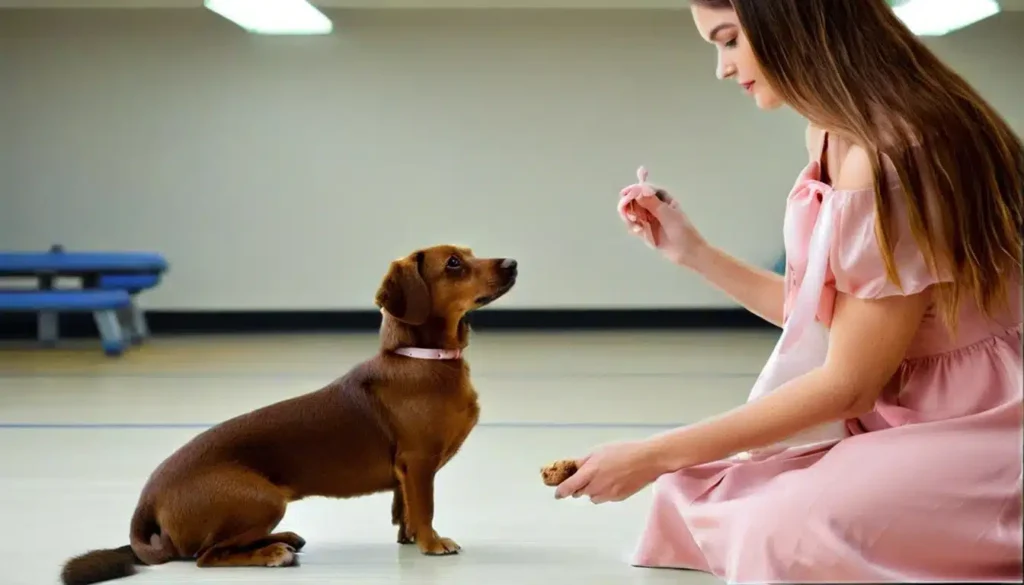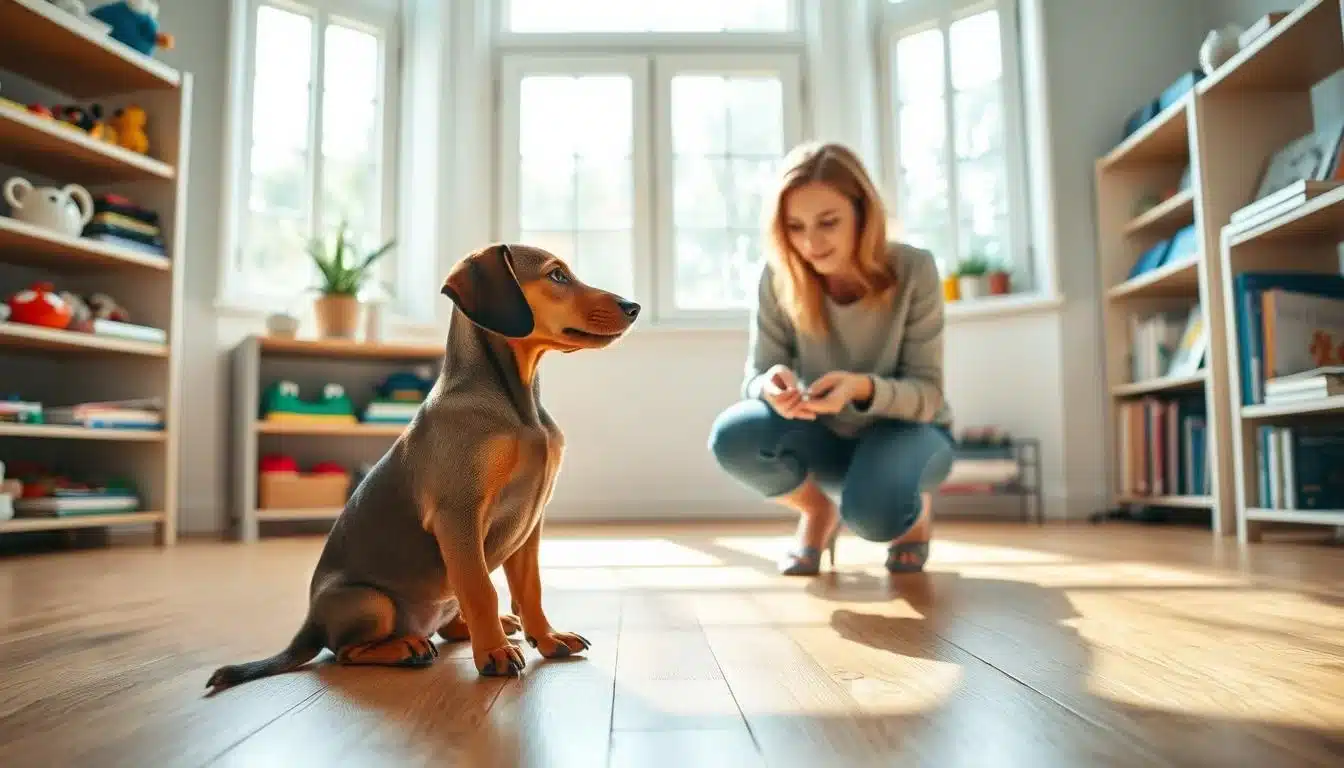
I remember the first time my dachshund puppy, Milo, crawled into my lap. His ears were soft as velvet, and he had a stubborn spark in his eyes. Teaching him tricks was personal from the start. Every small victory and gentle correction strengthened our bond.
I write this guide from a place of practicality, patience, and joy. It's based on short, fun sessions that respect a dachshund's body and mind.
My method involves short 5–10 minute sessions, simple repetition, and high-value treats plus genuine praise. This keeps lessons fun and avoids overwhelming a pup. When I explain how to train a dachshund puppy tricks, I show step-by-step training that builds lasting obedience.
This article covers temperament and socialization, setting clear goals, and the supplies you need. It also includes step-by-step instructions for teaching tricks like down, shake, bow, roll over, and speak. I'll share housetraining tips, obedience training tips, safety guidance, and ways to track progress.
Key Takeaways
- Use short, consistent 5–10 minute sessions to keep dachshund training effective.
- Rely on high-value treats and praise to motivate and reward progress.
- This dachshund puppy training guide combines temperament, tricks, housetraining, and safety.
- Follow step-by-step dachshund training for clear, repeatable results.
- Protect your dachshund’s back and track progress to adjust goals as they learn.
why dachshund puppy training matters: temperament, health, and socialization
I raise dachshunds and teach owners how to shape calm, confident dogs. Good early training sets the tone for a lifetime of cooperation. It affects behavior at home, safety outdoors, and how your puppy handles new people and places.
Understanding the dachshund temperament and training challenges
Dachshund temperament blends cleverness with stubborn streaks from their hunting past. They follow scent and act independently when they detect small animals. I use short, focused sessions to channel that drive into positive tasks.
Patience and consistent rewards help more than harsh corrections. My approach to dachshund puppy training techniques emphasizes clear cues and high-value rewards. This way, the dog learns to choose working with me over chasing distractions.
Early socialization and developmental milestones
Proper socialization from roughly 3–12 weeks is vital. I recommend gentle exposure to different sounds, surfaces, and calm children during this window. Breeders who handle pups daily make the transition easier.
Start housetraining and crate routines before the puppy leaves the breeder when possible. I begin teaching dachshund tricks and basic cues at 8–12 weeks using play and food. This keeps sessions fun and short.
Health considerations that affect training
Dachshunds come in Standard and Miniature sizes with Smooth, Wirehaired, or Longhaired coats. Training principles remain the same across types, yet spine health is a top concern. I avoid repetitive jumping and hard landings to protect against intervertebral disc disease.
Vaccination timing matters before joining group classes or parks. I guide owners to attend Puppy Kindergarten or AKC S.T.A.R. Puppy once core vaccines are current. This way, social learning happens safely.
| Focus Area | Practical Tip | Why it Matters |
|---|---|---|
| Temperament | Use short, reward-filled sessions with scent games | Channels independence into cooperative behavior |
| Socialization | Expose to varied surfaces, people, and sounds during 3–12 weeks | Builds confidence and reduces fear later |
| Housetraining | Begin crate routines and potty schedules early | Promotes reliable toileting and reduces accidents |
| Spine safety | Limit jumping and use ramps for furniture | Reduces risk of IVDD and long-term injury |
| Class readiness | Wait for up-to-date core vaccines before group play | Protects health while expanding social skills |
| Training focus | Start with basic cues, then add teaching dachshund tricks | Builds impulse control before complex behaviors |
setting your training goals: choosing the best tricks for dachshund puppies
I always start by setting clear goals for training. I focus on safety, basic obedience, and fun, short sessions. These goals help my dachshund stay safe while also giving them mental stimulation and bonding time.
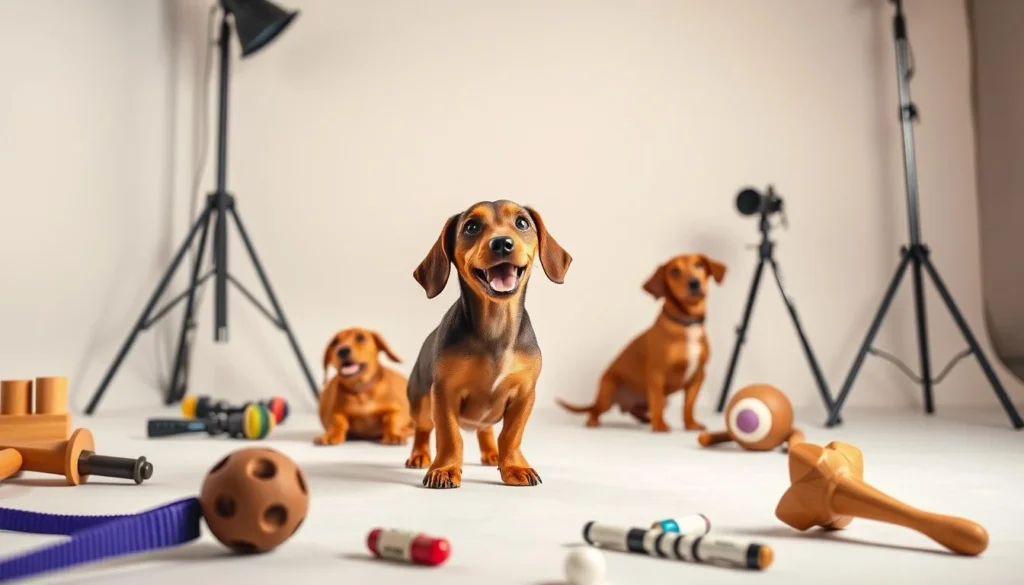
First, I set targets for basic obedience. I teach tricks like sit, stay, come, and recall. These tricks are crucial for safety and everyday life.
Training sessions are short, lasting about five minutes. I repeat them several times a day. This method is perfect for dachshunds with short attention spans.
I choose tricks that match my puppy's age and skill level. For example, sit is a foundation for down and shake. I only move on to more complex tricks once the basics are mastered.
I mix practical skills with fun tricks. I teach tricks like shake, bow, and speak, alongside important skills like crate acceptance and polite leash walking. This keeps training sessions fun and teaches important life skills.
I avoid tricks that could hurt my puppy's back. I skip high jumps and extreme twists. Instead, I focus on exercises that help with core control and gentle movement.
I set small, achievable goals to track progress. For example, I aim for five reliable sits in different rooms. I also work on staying calm for three seconds with increasing distance. These goals help me see how far we've come.
I use positive reinforcement, clear cues, and consistent timing. Treats from brands like Zuke’s or Wellness are great for quick rewards. Being consistent with rewards and cues is key to successful training.
Finally, I make sure training is always fun. I celebrate small wins, give praise, and use gentle corrections. This approach helps me teach my dachshund puppies in a safe and enjoyable way.
preparing for success: supplies, treats, and training environment
I prepare before teaching any trick. Good preparation reduces frustration and speeds up learning. I gather the right training supplies for my dachshund puppy and make the area safe for short, focused practice.
Essential training supplies
I always have small, soft treats ready for quick rewards. I use a clicker for complex behaviors because it's precise. A comfy crate and a non-restrictive harness protect my puppy's spine during walks and sessions.
I prefer a short 4–6 ft leash for focused work and a mat or small platform for targeting. Low, stable surfaces reduce the need for jumping. These items are key to my training supplies for my dachshund puppy and help me control the environment.
Choosing the right treats and rewards
For initial shaping, I use high-value foods like boiled chicken or freeze-dried liver. I break treats into pea-sized pieces to avoid overfeeding during many short sessions. This is crucial when choosing treats for my dachshund and keeps training safe and effective.
I rotate praise, treats, and occasional toy rewards to find what motivates my pup. I watch my dachshund's response and switch rewards if interest drops. Thoughtful choosing treats for my dachshund makes training more efficient.
Setting up a consistent schedule and short sessions
I schedule multiple 5–10 minute sessions each day to match a dachshund's attention span. Short, frequent practice beats long, tiring lessons. I pick consistent times and a regular spot for basics like potty breaks and crate time.
I always end a session on a successful behavior with praise so my puppy stays eager. Consistency in timing and place reinforces routines. These habits help make dachshund puppy training techniques part of daily life.
how to train a dachshund puppy tricks
I keep lessons short, predictable, and fun when I teach my dachshund new tricks. My method combines consistent cues, immediate rewards, and gradual challenges. This keeps my pup interested and reduces frustration for both of us.
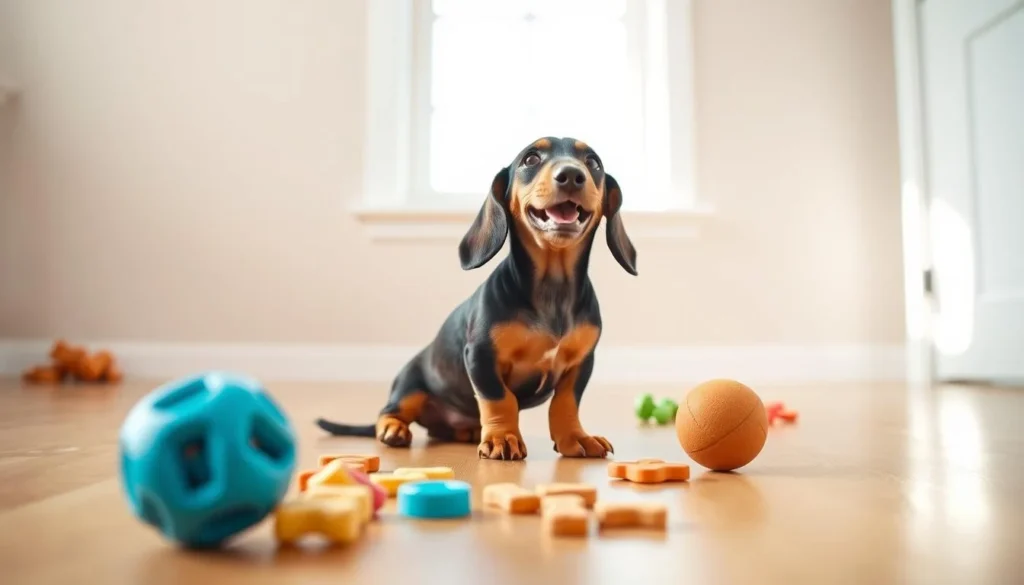
Principles I use when teaching tricks to my doxie
I focus on positive reinforcement and patience. I reward my dachshund within one second to help them understand cause and effect.
I teach one trick at a time. This avoids confusion and speeds up learning with dachshund puppy training techniques.
Clear, consistent cues are key. I use the same word and hand signal every time. My timing and body language stay the same in each session.
Short, frequent sessions work best. I aim for five-minute bursts several times a day, rather than long, tiring sessions.
I increase difficulty slowly. I start in a quiet room, add mild distractions, then change locations to help my doxie learn in different settings.
Structuring a progressive lesson plan
Step 1: Break the trick into tiny steps. I choose between luring, shaping, or capturing the behavior based on the trick and my puppy’s temperament.
Step 2: Reward each small improvement. I use a clicker or a sharp marker word to mark the exact moment the puppy performs the desired action in step-by-step dachshund training.
Step 3: Add the verbal cue when the behavior is consistent, then fade the lure so the cue alone triggers the response.
Step 4: Generalize across rooms and with different family members practicing the same cue. This builds reliability under real-life conditions.
Step 5: Reinforce reliability with a mix of predictable and random rewards. I keep high-value treats for proofing around distractions and for occasional reinforcement during dachshund puppy training techniques.
| Lesson Phase | Action | Expected Outcome |
|---|---|---|
| Foundation | Break trick into micro-steps; lure or capture | Puppy attempts behavior with guidance |
| Mark & Reward | Use clicker or marker word; give treat within 1 second | Clear association forms between action and reward |
| Cue Introduction | Add verbal cue and consistent hand signal | Puppy responds to cue without lure |
| Proofing | Practice in different rooms and add mild distractions | Behavior generalizes across locations |
| Maintenance | Use variable reinforcement and occasional high-value rewards | Reliable performance under distractions and long-term retention |
teaching specific tricks step-by-step: down, shake, and bow
I break each trick into tiny steps for a dachshund to learn clearly and stay confident. Short sessions, high-value treats, and gentle timing make training fun. Here's how I teach down, shake (paw), and bow, fitting a doxie's body and attention span.
How I teach down
I start only after the sit is reliable. I hold a treat at the pup’s nose and move it slowly to the floor. When the belly touches the mat, I mark and reward instantly.
If the puppy stands or lunges, I ask for sit and try the lure more slowly. I repeat short reps until the motion becomes smooth. Then, I add the verbal cue for how to teach down to dachshund. I keep sessions brief and gradually lengthen how long the pup stays down.
How I teach shake (paw)
I work from a calm sit. I gently touch the dog’s shoulder to prompt a paw lift and reward the moment the paw lifts. Next, I present an open hand and reward any paw contact.
I slowly increase how long the paw stays on my palm before treating. Once the behavior is steady, I introduce a cue for how to train shake paw dachshund. Reward timing and a relaxed approach speed learning.
How I teach bow
I begin with the dog standing. I hold a treat at the nose and lower it toward the floor so the front end drops while the rear stays up. The instant the front legs lower and the head goes down, I reward.
If the dog goes into a full down, I support under the belly briefly to discourage complete collapse and shape the front-only lowering. When the movement is reliable, I add the cue “bow” and practice short, frequent reps.
| Trick | Key Starting Cue | Primary Lure or Prompt | Reward Type | Session Length |
|---|---|---|---|---|
| Down | Sit | Treat from nose to floor | Small soft treat | 3–5 minutes, 3–4 reps |
| Shake (paw) | Sit | Shoulder touch → open palm | Tiny chew or kibble | 2–4 minutes, 4–6 reps |
| Bow | Stand | Treat lowered to ground | High-value treat | 3–5 minutes, 3–5 reps |
advanced tricks and shaping techniques: roll over and speak
I break advanced tricks into small steps for my dachshund. This way, they learn without getting stressed. I start with short, focused sessions after they've mastered the basics. It keeps training fun and protects their spine while we work on tricks like roll over dachshund and controlled barking.
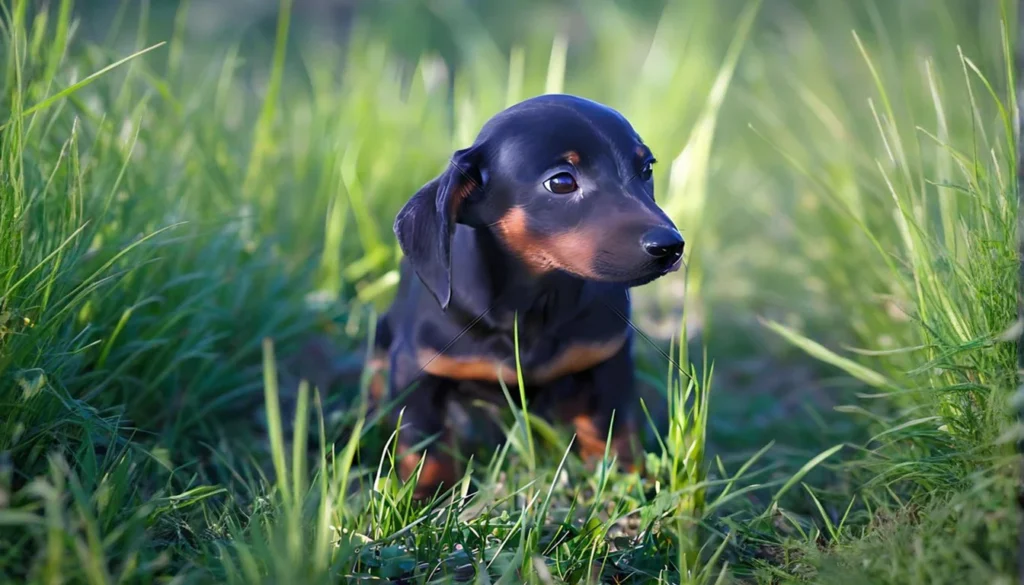
How I teach roll over safely
I start teaching roll over only after they're good at the down command. With the puppy in a calm down, I lure their head to one side with a treat. Then, I arc it across their nose to encourage a gentle roll.
I reward any partial rotation to build their confidence. If they hesitate, I add light hands-on support. I never force a full roll in one go. Instead, I increase the movement slowly and say the cue when the pattern becomes steady.
I limit repetitions to protect their back and stop if they show stiffness or discomfort.
How I teach speak and control barking
I find triggers that reliably make them bark, like the doorbell or a favorite toy. I recreate the trigger in a controlled way, say the cue “speak,” and reward the immediate bark. Then, I follow with a release word like “thank you” or “quiet.”
I teach the quiet response by rewarding the exact moment they stop barking after the release cue. I repeat this often. This way, they learn that barking on cue gets a reward and silence on cue gets a reward too. Consistent practice builds reliable responses.
Progressing from tricks to reliable performance around distractions
I layer distractions gradually. I start in a quiet room, then practice in a busier room, move to the backyard, and finally work in public spaces. I change locations, add distance, and vary the people present to generalize the behavior.
I use intermittent reinforcement once the trick is consistent. I mix everyday treats with occasional high-value rewards like pieces of cooked chicken. This keeps motivation high during dachshund training around distractions and helps maintain performance when stimuli increase.
housetraining and potty training: how to train a dachshund puppy to potty outside
I start housetraining dachshund puppy routines the moment a new pup arrives. Clear steps, patience, and a calm voice help build trust. Short, consistent outings and immediate praise make the association between the spot and the reward stronger.
Establishing a potty schedule and designated area
I take my dachshund to the same patch of grass each time to form a solid habit. I plan trips after waking, after meals, after play, and before bed. I wait quietly until my pup finishes, then I praise and reward right away so the connection is clear.
If accidents happen, I don’t scold. I return to the schedule, increase supervision, and shorten play sessions between trips. Consistency in timing helps reduce surprises and speeds training progress.
Crate training and preventing accidents
I use crate training dachshund methods to teach bladder control. The crate must be sized so the puppy cannot comfortably soil its sleeping area. I introduce the crate slowly with treats, toys, and short sits so it feels safe, not like punishment.
Feeding on a regular schedule helps me predict elimination. I avoid long gaps alone, especially for young pups, and let the puppy out first thing in the morning and right before bedtime to prevent overnight accidents.
Handling setbacks and cleaning up accidents
I treat setbacks as part of the process and stay patient. I never punish because that can make a pup afraid to go in front of me. I clean soiled areas with an enzymatic cleaner so scent cues don’t invite repeats.
If accidents repeat, I reassess the schedule, increase outdoor frequency, and use temporary confinement when I can’t watch closely. Small adjustments often solve persistent problems.
| Issue | Quick Fix | When to Seek Help |
|---|---|---|
| Frequent daytime accidents | Shorten play sessions, take out every 45–60 minutes, log feeding times | More than two weeks of frequent accidents despite schedule changes |
| Nighttime urination | Limit water an hour before bed, take out right before sleep, offer one late-night outing | Puppy older than six months still waking multiple times nightly |
| Crate refusal | Make the crate inviting with a bed, treats, and short positive sessions | Puppy shows severe anxiety, vocalizing or panicking when crated |
| Marking inside the home | Thorough enzymatic cleaning, supervise, increase outdoor trips, neuter/spay if advised | Persistent adult marking despite behavior changes |
training techniques tailored for dachshund puppy training techniques
I start with simple rules that fit a dachshund's mind and body. Short sessions, clear timing, and rewards keep learning fun and safe. I build each skill step by step to keep the puppy engaged and avoid spine strain.
Using positive reinforcement and shaping
I use a clicker or a sharp marker word to mark the exact moment my pup does the right thing. This timing makes treats far more effective and speeds learning. I shape complex behaviors by rewarding small improvements. This lets me build tricks without forcing the dog into uncomfortable positions.
Dealing with stubbornness and short attention span
I keep sessions tiny—often five minutes—and end while the puppy is still eager. I swap rewards: soft treats, kibble, praise, or a quick toy chase. When the pup resists, I stop and try a simpler step later. Small, steady practice beats long, intense drills.
When to seek professional help or puppy kindergarten dachshund
I enroll in puppy kindergarten dachshund classes after core vaccines are done. Group classes give social exposure, structured guidance, and a chance to practice recall around distractions. If I hit issues with aggression, fear, or persistent recall problems, I find a certified positive reinforcement dachshund trainer for tailored help.
I watch for signs that training could risk the back. A pro can adapt exercises to protect the spine and show safe handling. Getting help early saves time and prevents injury.
practical tips for consistency, safety, and injury prevention
I keep training safe and fun by sticking to simple routines and gentle moves. Short, regular sessions and clear cues help avoid confusion and injuries. I use everyday moments like meals and walks to practice new tricks, keeping lessons short and relevant.
Protecting the dachshund’s back during play and tricks
I avoid high jumps and twisting to prevent back injuries. I use ramps for stairs and couches to protect their spine. A front-clip harness helps reduce neck strain during walks.
If a trick might hurt their back, I change it. No forced rolls or flips. If it looks painful, I switch to a gentler trick that still rewards them.
Consistency in cues, timing, and family involvement
Everyone in the house uses the same words and signals. Mixed cues confuse puppies and slow them down. Family members follow the same cues and timing to keep rewards consistent.
Timing is key. I reward them right away to link actions and rewards. I practice in short sessions daily to keep them focused without getting tired.
Recording progress and adjusting goals
I keep a log to track training progress. It helps me see what's working and what needs adjusting. This way, I can tailor training to their needs.
I set goals based on their age. Basic manners by three to four months, more complex tricks by five to nine months. I use special rewards to celebrate milestones and keep skills sharp.
| Focus Area | Practical Action | Why it Helps |
|---|---|---|
| Back protection | Use ramps, front-clip harness, avoid jumps | Reduces spinal compression and IVDD risk |
| Trick modification | Replace forced rolls with bow or spin with low twist | Keeps training fun while limiting harmful motions |
| Family consistency | Unified cues, same treats, shared timing | Prevents confusion and speeds learning |
| Session planning | Short sessions, daily practice, timed rewards | Fits dachshund attention span and avoids fatigue |
| Progress tracking | Simple log: trick, reliability, session length | Shows trends and informs when to scale goals |
| Training philosophy | Positive reinforcement and gradual steps | Builds trust while applying dachshund obedience training tips |
I follow these safety tips every day. They help me keep my dachshund safe while making training fun and effective. Keeping records, following routines, and setting clear rules helps us make steady progress together.
Conclusion
I've shared the key points in this dachshund puppy training guide. Start early, use positive methods, and keep training brief. Set clear goals and use treats and a crate. Teach basic commands like sit, down, and recall first.
Then, move on to tricks like shake, bow, roll over, and speak. Remember, protecting your dachshund's back is crucial. Avoid high jumps and lift them safely during training.
Keep everyone in the family consistent with commands and timing. This ensures your dachshund learns good manners and responds reliably.
Be patient and keep at it: dachshunds thrive on motivation and routine. Follow the steps I've outlined for short sessions, safety, and steady progress. When it's time, Puppy Kindergarten can help polish social skills and behaviors.