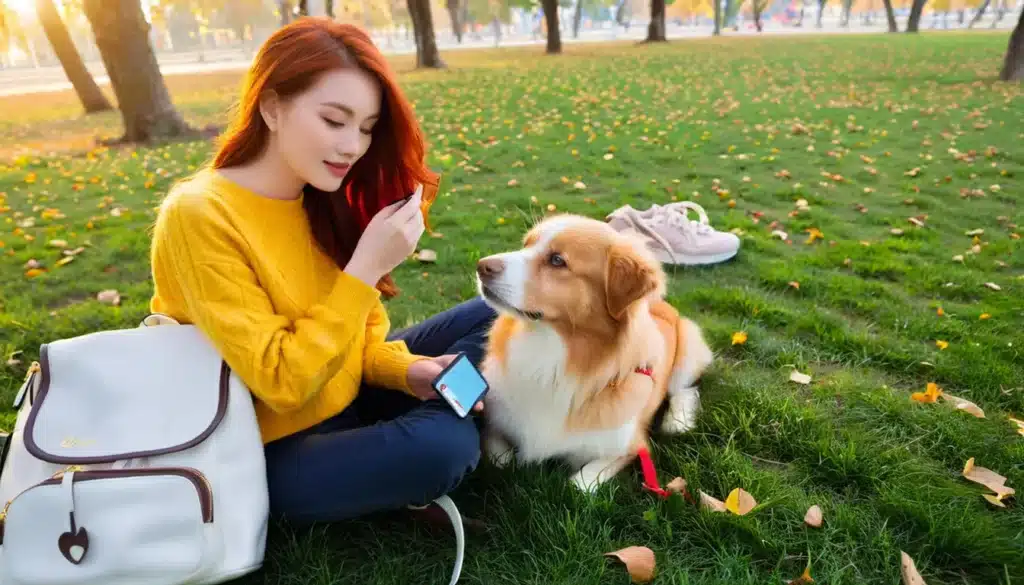
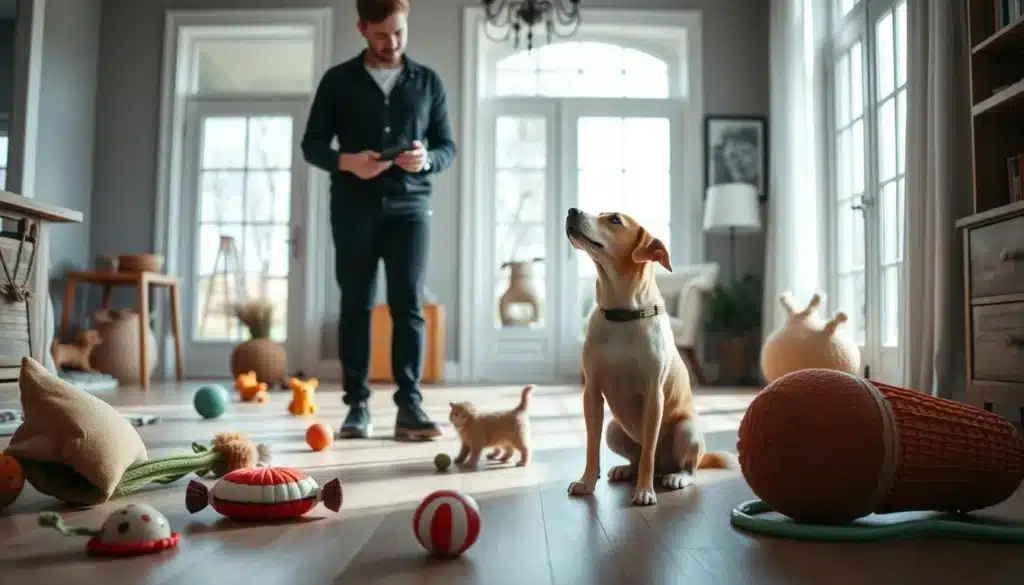
I remember the first time my Labrador gave me his paw. It was a quiet afternoon, and I had treats. The exchange felt like a promise of joy and learning.
Teaching a dog to give paw is easy when you follow clear steps. Start by preparing treats and choosing a calm spot. Get the dog into a Sit first.
Consistency is key: show a treat in a closed fist, reward any paw lift, and repeat. Use short sessions, lots of praise, and gradually move to an open palm and a verbal cue.
Key Takeaways
- Keep sessions short and frequent to hold your dog’s attention.
- Start from Sit and use a favorite treat to encourage paw offers.
- Reward small steps, then add the verbal cue once the action is clear.
- Gradually reduce treats, using praise and play to maintain the behavior.
- Be patient: teach dog paw trick at any age with consistent repetition.
Why I love teaching tricks and the benefits of paw training
I love teaching tricks because they make our time together joyful. A simple trick gives us both a sense of accomplishment. This quick success makes practicing fun for both of us.
Bonding and enrichment through training
Teaching a trick like a polite shake builds trust. When I teach dog paw trick steps with patience and treats, my dog focuses on me. This focus strengthens our bond and gives us a shared language.
Physical and mental benefits for your dog
Short, repeated practice keeps my dog's mind sharp. I use games and simple obedience to improve concentration. These moves boost flexibility and alertness without overexerting my dog.
Social payoff: showing off a polite shake
A neat paw trick makes greetings calmer and friendlier. Guests love asking to teach dog paw trick or watch a polite shake. This skill helps my dog handle social moments with confidence and keeps meetings pleasant.
When introducing a new cue, I break it into tiny steps. This method makes learning clear and keeps my dog eager for success. Learning how to train a dog to give his paw becomes part of play, not a chore.
How to prepare before you teach dog to give paw
I always prepare before a training session. This saves time and keeps my dog calm. With some planning, I get better results when teaching new tricks.
Choosing the best treats and rewards
I bring small, tasty bites for rewards. This way, I can reward dozens of times without overfeeding. I pick soft treats my dog loves and cut them to pea-sized portions.
I also track calories to keep treats under ten percent of daily intake. I use praise and petting as bonus rewards. Once the paw offer is reliable, I switch to praise sometimes instead of a treat. These tips for teaching dog paw command help the behavior last.
Setting up a quiet, distraction-free training space
I find a quiet training space in my home. It should have no other pets, toys, or loud noises. This helps my dog focus on me and the closed fist target I plan to use.
A calm environment speeds learning and reduces stress for both of us. I keep my phone on silent and limit sessions to one area until the dog generalizes the cue to new places. A consistent spot makes it easier when I show others how to cue the dog.
Why short, frequent sessions beat long ones
I train in short frequent sessions rather than long marathons. Five-minute bursts several times a day keep my dog eager and attentive. Short frequent sessions fit into daily life and prevent boredom.
I structure each session: warm-up, five quick reps, and a fun finish. These simple steps make how to train a dog to give its paw clearer for me and for my pet.
| Preparation Step | What I Do | Why It Helps |
|---|---|---|
| Treat selection | Use soft, high-value, pea-sized pieces | Allows many rewards without excess calories |
| Training spot | Choose a quiet training space with no distractions | Improves focus and speeds learning |
| Session length | Short frequent sessions, 3–7 minutes each | Prevents fatigue and keeps motivation high |
| Progression plan | Start with closed fist, then open hand and cue | Builds a reliable paw offer before adding a verbal cue |
| Reward variety | Mix treats, praise, and play | Maintains interest and reduces treat dependence |
Essential foundations: obedience skills to know first
I start every lesson with a simple, steady baseline. A reliable Sit gives your dog a clear starting point. It makes it easier to teach paw. I teach Sit before paw so the dog is in the right position to offer a paw.
Before moving to paw drills, I make sure my dog is focused and calm. I pick a quiet spot and keep sessions short. I only proceed when my dog looks at me. This focus makes transitions smoother.
Why I keep cues simple
I use consistent cues to avoid mixed signals. A short word like “paw” plus the same hand shape prevents muddled responses. In my experience, consistent cues speed up canine obedience training for paw command.
Small steps, steady progress
I reward tiny attempts at offering a paw so the association builds quickly. This approach answers the key question of how to train a dog to give their paw without forcing the movement. With Sit in place and a focused calm dog, the rest follows naturally.
how to train a dog to give paw
I break this lesson into clear, short steps for you and your dog. Start with a calm Sit, use small treats, and pick a quiet room. The step-by-step train dog to give paw routine helps set expectations and speed up learning.

Step-by-step hand-target method using a closed fist
I hold a tiny treat inside a closed fist and show it to my dog’s nose. When the dog lifts a paw to check, I gently take the paw and reward with the treat. Do this exercise many times until the dog offers the paw reliably.
Keep sessions under five minutes and do several rounds per day. This method gives a clear physical prompt your dog can follow. Patience and consistency are more important than long sessions.
Adding the verbal cue once the paw offer is consistent
When my dog lifts the paw reliably, I say the cue word as the paw starts to rise. I choose a short phrase and stick with it. The goal is to link the sound to the action.
After several repeats, I test by waiting a beat before offering the fist. If the dog still lifts, I give the cue and reward. Then I try the cue with an empty fist to see if the dog responds to the word alone.
Transitioning from taking the paw to letting go on your own
First, I let the dog place the paw in my hand and release quickly after praise and treat. Then, I hold out my hand slightly longer so the dog learns to offer and hold briefly. My goal is a smooth exchange: dog puts paw in my hand, I say the cue, then reward and release.
To fade reliance on the treat in the fist, I switch to an open hand and reward intermittently. These steps help the behavior stay reliable when guests ask for a shake. Practicing in new rooms and with different people teaches how to train a dog to give you paw anywhere.
Alternative method: shaping the paw behavior without touch
I like shaping because it lets dogs offer their paw freely. I watch for small movements and reward them right away. This builds confidence and makes the behavior voluntary.
Capture natural paw lifts by waiting for the dog to lift their paw slightly. Then, mark and reward that moment. Starting with small criteria helps dogs learn faster.
Clicker training helps me mark the exact moment the paw lifts. A click or a word like “Yes!” tells the dog they did something right. This keeps them eager to learn.
I reward small steps, then raise the bar, and repeat. Keeping sessions short and fun keeps the dog excited to learn more. This is a great way to teach a dog paw trick gently and step by step.
Once the paw offer is reliable, I start to fade prompts. I give fewer treats and use social rewards instead. I also add a verbal cue. My aim is for the dog to offer their paw without being prompted.
To make the skill last, I practice in different places and with varied rewards. This helps the dog not rely on cues and makes the paw trick useful in everyday life. Shaping and fading prompts together create a polite, independent paw shake that I can show off anywhere.
Teaching variations: shake, high five, and paw for different people
I teach a few paw variations to keep greetings fun and polite. I start with one paw behavior and then add cues and height changes. This way, guests can choose what they like best.

I teach both a “shake” and a “paw” cue for visitors. I practice each cue in short blocks and reward the exact response. This helps keep introductions calm and reduces frantic jumping.
I teach the dog to offer paw automatically during introductions. This makes meetings calm and polite.
I progress from a low paw to a higher target for a clear high five dog behavior. After mastering closed fist and hand-target, I remove the treat lure. Then, I add a verbal prompt and raise my hand in small steps.
I practice paw behavior in different rooms and with various people. This includes neighbors, family, and a friendly mail carrier. I fade treats over time, using praise and petting instead.
I focus on short, repeated sessions during each new step. This keeps the dog confident and prevents confusion. Small wins add up fast when training a dog to give their paw in different situations.
Puppy training techniques for paw
I start young when I can. Puppies learn fast but get distracted easily. So, I use short, fun training sessions to build a habit without stressing them. I keep it light, reward small steps, and stop before they lose interest.
Short sessions work best for puppies. Five minutes, two to four times a day is ideal. This keeps them focused and lets me repeat the cue often. I stop when they yawn or look away.
I use tiny treats to avoid overfeeding. PDSA says snacks should be a small part of their diet. So, I cut treats into pea-sized pieces. This way, I can reward them often without overfeeding.
Building confidence is key, not perfection. I reward any paw movement, then shape it to a full lift. Praise and a quick play break prevent frustration. When they offer their paw happily, I end the session on a win.
Teaching a dog to give its paw is simple. I start with a closed fist, reward the first touch, then open my hand gradually. I add the verbal cue last. Short sessions keep each step clear.
Here's a quick practice plan I use. It balances treats, timing, and confidence building.
| Focus | Duration | Treat Size | Goal |
|---|---|---|---|
| Hand target with closed fist | 3–5 minutes | Pea-size pieces | Encourage first paw touch |
| Open hand and verbal cue | 3–5 minutes | Pea-size pieces | Link gesture to cue |
| Reward slight lifts | 2–4 minutes | Very tiny bits | Build confidence |
| Short play reward | 1–3 minutes | No food | Keep sessions fun |
Common problems and troubleshooting paw training
I often face a few common issues when teaching paw. I share quick fixes to help you get back on track quickly. These tips are for when a dog won’t lift paw, mouthy behavior, and if progress stalls in paw training.

My dog won’t lift their paw: possible causes and fixes
If a dog won’t lift paw, I first check the basics. Is Sit solid? Is the treat motivating? I shorten sessions to 30–60 seconds and use a high-value treat like real chicken or hot dogs for a few reps.
I break the behavior into tiny steps. I reward the slightest paw shift, then a clearer lift, then the full offer. If the pup seems unsure, I remove pressure and make the act feel easy and rewarding.
Dog tries to nibble the hand or jump instead
When a dog nibbles hand or jumps, I step back to earlier cues. I keep my hand closed so it does not look like a snack. I reinforce a calm Sit before asking for the paw.
I reward small, correct attempts and ignore grabby moves. If the dog persists, I ask for one or two known behaviors first, then try paw again. This reduces mouthy responses and builds patience.
What to do if progress stalls or regressions occur
If progress stalls in paw training, I audit the environment. I remove distractions, raise treat value for a short stretch, and shorten sessions to keep the dog successful.
I return to the last reliable step and rebuild from there. I vary rewards with praise or play to keep interest. Once the action is consistent, I slowly fade treats and use praise to maintain the cue long term.
For anyone following these tips for teaching dog paw command, patience and structure are key. Small wins add up fast when you troubleshoot paw training with calm, clear steps.
Positive reinforcement and reward strategies for paw command
I start every session with small, clear rewards to keep my dog eager. Positive reinforcement sets a friendly tone. Sessions are short and fun to match my dog's attention span.
I use treats a lot at first to teach the paw movement. The treat-in-fist method makes the action predictable. Once the paw offer is steady, I use praise and petting to keep motivation high.
I add a marker word or clicker to mark the exact moment the paw lands. This speeds up learning and makes training clearer. When the behavior is reliable, I reduce treats by using praise, a quick game, or a cuddle instead.
I follow simple rules for calorie control and balance. Treats should not make up more than 10% of daily calories. I switch to intermittent rewards and vary the payoff to keep my dog engaged.
To keep training fun, I rotate rewards. One trial might end with a favorite toy, the next with petting, and another with a tasty bite. This variety prevents boredom and makes training easier in real-life moments.
I end sessions on a high note and avoid long drills. Short reviews a few times a day keep skills sharp. If progress stalls, I return to more frequent treats and brighter praise until the behavior improves.
Safety, health considerations, and limits when teaching paw
When teaching tricks, safety is my top priority. A simple paw shake can hurt elbows or shoulders if a dog has a problem. Before starting, I check for pain signs and watch their body language. This keeps training positive and safe.
I follow some key habits during training. I limit the number of reps, change the targets, and stop if I see stiffness. These steps prevent overuse injuries and protect their joints. Short, frequent sessions are better than long ones.
Check for joint pain
I check knees, elbows, and shoulders before training. If a dog shows pain or limps, I stop and suggest a vet visit. This helps avoid long-term problems and teaches safe paw training.
Avoid overuse and monitor paw health
- I limit reps and count successful offers, not time.
- I switch between paw targets, sit, and nose touches to avoid overworking one joint.
- I watch for swelling, warmth, or changes in gait and stop if I see any.
Adjust training for senior dogs or dogs with special needs
For older dogs, I lower the standards and use gentler prompts. I teach from a seated position and avoid high targets. Dogs with arthritis or hip dysplasia get softer prompts and more praise.
When owners ask about safe paw training, I share these tips: start slow, check for joint pain often, avoid overuse, and adjust training for seniors. These steps make tricks fun and safe.
Tips for teaching a reliable paw command in real-world situations
I teach owners to make a trick a daily habit. Begin by linking the behavior to greetings and routines. This helps the dog understand its purpose in real life. Clear cues and consistent practice are key to a reliable command.
Training starts indoors, then moves outside when the dog is consistent. Taking small steps helps avoid stress. Gradually add distractions like a radio or toys to practice in different settings.
Practicing in different rooms, outside, and with distractions
Practice in various places like the kitchen and backyard. Each location adds a new challenge. Keep sessions short and fun to keep the dog interested. This variety ensures the behavior works in different situations.
Teaching strangers to cue the dog consistently
Ask friends to use the same hand shape and words. A consistent approach avoids confusion. Invite trusted people to practice the cue so the dog learns it from anyone.
Using short reviews and random reinforcement to maintain skill
Use short review sessions to keep the behavior sharp. Quick refreshers are better than long drills. Once the dog is steady, use random rewards to keep motivation high.
Teaching a dog to give you paw in busy settings requires patience and planning. Small victories in different places make the trick reliable. Practice often, get consistent helpers, and use random rewards to keep the skill sharp.
Conclusion
Teaching a dog to give paw is quick, fun, and rewarding. Keep sessions short and consistent. Start with Sit, use a closed fist, and reward even small lifts.
This method shows patience and tasty treats make it easy for most dogs. Follow a simple progression: closed fist, open hand, add the cue, then raise the target for a high five.
Practice in a quiet space and use video demos if needed. These tips emphasize switching cues like “paw” and “shake.” This helps your dog respond to guests and different people.
To maintain paw behavior, reward early learning generously, then phase out treats. Keep treats under 10% of daily calories and check for any joint discomfort. Generalizing the cue across rooms and strangers helps build a reliable, polite shake in real-world situations.