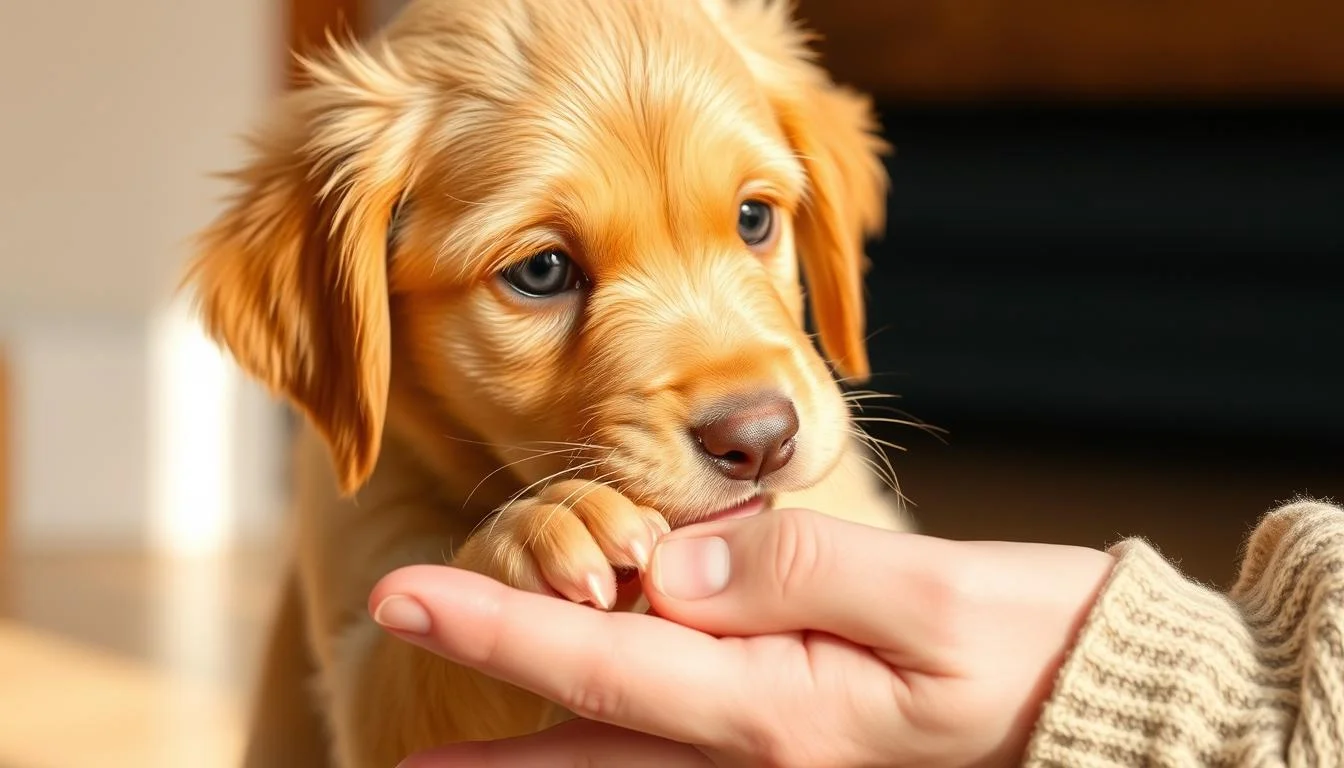
Every morning, my puppy greets me with excitement, tail wagging. But soon, that joy turns into sharp teeth. It's a common problem for dog owners—my puppy keeps biting, and it can be challenging.
I never thought that such a simple behavior could be so hard to stop. From playful nips to accidental bites, it's a rollercoaster of emotions. Understanding my puppy's natural instincts is key to a good relationship.
As new pet owners, we must see that biting is part of their growth. It's important to handle this with patience and positive reinforcement. Let's explore why they bite and how to stop it without hurting our bond.
Key Takeaways
- Puppy biting is a natural behavior during exploration and teething.
- Understanding the causes of biting can help prevent injury.
- Connection between biting and playfulness is crucial for training.
- Positive reinforcement techniques are effective in curbing biting.
- Assessing different types of biting aids in finding solutions.
- Consistency in training is key to reducing biting behavior.
The Reasons Behind Puppy Biting
Puppy biting is a common issue for new pet owners. It's important to know why puppies bite. Biting is a natural part of their growth.
Normal Exploration and Teething
Puppies love to explore with their mouths. This is true during teething, when their gums hurt. They chew and nip to feel better.
Playing with different things helps them. It soothes their gums and teaches them about the world. When my puppy bites a lot, I remember it's just part of being a puppy.
Play Behavior with Littermates
Puppies also learn from playing with their siblings. They learn not to bite too hard. If one bites too hard, the other will yelp.
This teaches them to control their bites. Watching this helps me understand my puppy better. It shows me their playful side.
Understanding Puppy Bite Inhibition
Teaching a young dog not to bite can be tough. Many new puppy owners wonder why their puppy keeps biting. Learning about bite inhibition is key in training puppies and teaching them social skills.
This lesson helps puppies learn to control how hard they bite. It's important for their future interactions with people and other pets.
What is Bite Inhibition?
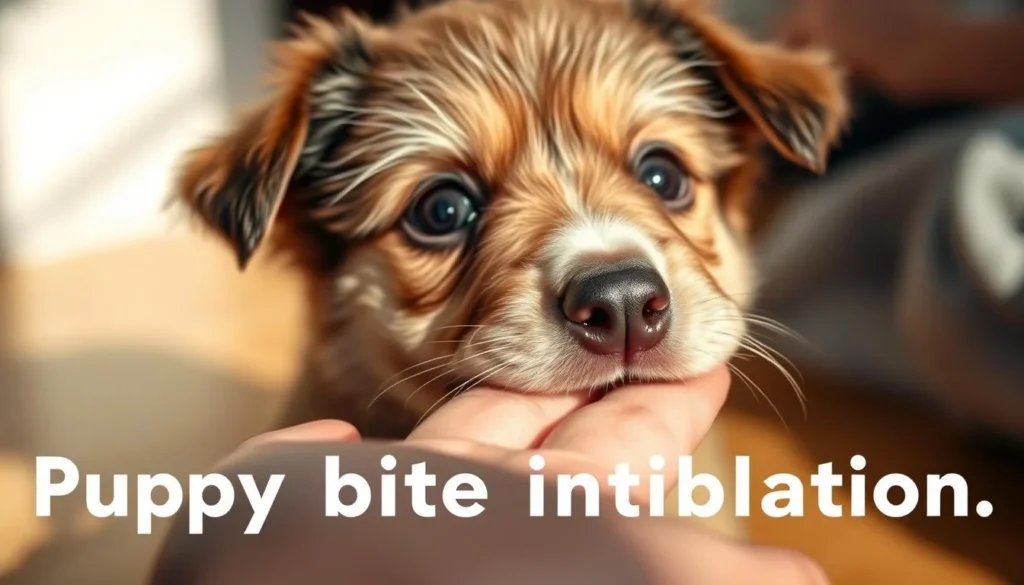
Bite inhibition is when a puppy learns to control the force of their bite. They learn this during play with their littermates and human handlers. Puppies understand that a soft bite is okay, but a hard one can hurt.
By practicing this, puppies prepare for situations where they might bite out of fear or stress.
Why It’s Important for Your Puppy
Teaching your puppy about bite inhibition is vital for their behavior. Puppies that don't learn this might hurt people when they bite. Training them to bite gently helps avoid injuries.
Teaching bite inhibition creates a safer world for pets. It helps them explore without causing harm. This builds trust and ensures a positive relationship between dog and owner for life.
My Puppy Keeps Biting: Addressing the Issue
Understanding why my puppy bites me is key to solving this problem. Knowing the difference between playful and aggressive biting is important. This knowledge helps me respond in a way that keeps our environment safe and positive.
Recognizing the Different Types of Biting
Puppies bite in many ways, from playful to aggressive. It's important to notice when and why they bite. If it's during play, it's usually because they're excited. But if they bite when scared or cornered, I need to act differently.
By watching closely, I can adjust how I react. This makes sure I'm always responding in the best way.
Effective Training Techniques to Curb Biting
Using the right training methods is crucial. When my puppy bites too hard, I say "ow" to show it hurts. This teaches them to control their bites.
Time-outs are also effective. If they bite, I stop playing. This shows them biting ends the fun. Giving them chew toys instead keeps their teeth busy and safe.
These steps help my puppy learn good habits. It makes our time together happier and safer.
Alternative Ways to Satisfy Your Puppy's Biting Instincts
Understanding why puppies bite is key to stopping it. When my puppy bites everything, I know they need the right things to chew on. Chew toys are important for redirecting their biting from my hands and feet. They also help keep their teeth clean and healthy.
The Importance of Chew Toys
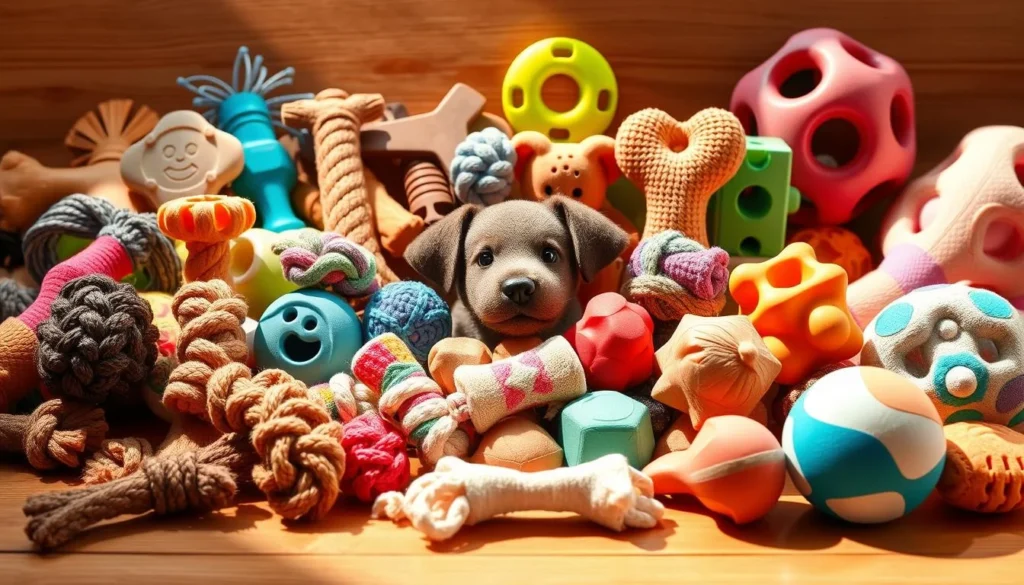
Chew toys are crucial for puppies to satisfy their biting urge. Offering different toys keeps them busy and stops them from chewing on things they shouldn't. Without these toys, they might chew on furniture or my stuff. So, getting the right toys is a smart move.
Types of Suitable Chew Toys
It's important to pick chew toys that are safe and fun for my puppy. Here are some good choices:
- Bully sticks
- Cow hooves
- Yak chews
- Rubber toys that can be filled with treats
- Natural rope toys
These alternatives have helped my puppy prefer chewing on tasty, fun toys. Giving them different toys regularly makes chewing a positive experience. This reduces the times they bite when they shouldn't.
Using Positive Reinforcement in Training
Training a puppy can sometimes feel like a challenge, especially when dealing with biting behavior. Using positive reinforcement techniques helps curb unwanted tendencies. It also strengthens the bond between me and my puppy. Recognizing and rewarding gentle behavior makes a big impact on how well my puppy learns.
Praising Gentle Behavior
Whenever my puppy engages in gentle play, I always praise them enthusiastically. This lets them know that using their mouth softly is appreciated. Encouragement in these moments fosters trust and encourages them to repeat the behavior, reducing instances of puppy biting behavior.
Rewarding with Treats
Offering treats is another effective aspect of positive reinforcement. Whenever my puppy refrains from biting during play or follows my gentle behavior training cues, I present a small treat. This practice reinforces the desired behavior. It creates an association between being calm and receiving a reward, making it more likely that my puppy will choose gentler behaviors in the future.
Playtime and Socialization Strategies
Playtime is key in puppy nipping training. Non-contact play helps set boundaries while keeping things fun. Games like fetch or tug-of-war with the right toys are great. They encourage good behavior and reduce rough play.
Socializing puppies with other dogs also helps a lot. It improves their behavior and teaches them important social skills.
Encouraging Non-contact Play
Non-contact play is super beneficial for my puppy. Playing with a ball or interactive toys helps change their biting habits. It keeps them happy and teaches them about personal space.
Socializing with Other Dogs
Playdates and puppy classes are great for socializing. They let my puppy meet and play with other dogs. This helps them learn good behavior and reduces biting.
Implementing Time-Outs for Biting Behavior
Time-outs are a great way to stop puppy nipping. I've seen them work well when my puppy bites too hard or gets too excited. By taking him away calmly, I teach him that biting stops the fun.
How to Effectively Use Time-Outs
Time-outs help teach my puppy what's okay and what's not. Here's how to do it:
- Quietly and gently pick up the puppy.
- Place him in a designated time-out area free from distractions.
- Allow a few moments of calm before returning him to play.
This method teaches my puppy important lessons. It also helps him calm down, making it a key part of stopping puppy biting.
Setting Boundaries During Play
It's important to set clear rules during play. I make sure my puppy knows what's okay and what's not. If he bites too hard, I use a time-out right away.
This teaches him that biting means playtime ends. It makes playtime better for both of us.
Preventing Overstimulation in Puppies
Learning how to handle your puppy's excitement is key for their happiness and your calm. Too much excitement can lead to unwanted biting, which is hard to stop. Puppies, especially those under four months, need lots of sleep to grow right.
The Importance of Rest and Downtime
Setting up a routine with rest times is a big help. It lets them relax and stay calm. Playtime followed by quiet hours is good for their health.
recognizing signs of undue excitement>
It's important to know when your puppy is too excited. Watch for signs like more nipping or a sudden energy boost. When you see these, it's time for quiet time. This helps manage their excitement and stops puppy biting.
Seeking Professional Help
Sometimes, my puppy's biting behavior needs more than just my efforts. That's when puppy training help is crucial. Knowing when to ask for professional advice can greatly help stop unwanted behaviors.
When to Consult a Dog Trainer
If my puppy's biting gets worse or doesn't get better with simple training, consulting a dog trainer is a smart move. Signs it's time for a pro include:
- The biting has become aggressive.
- My puppy bites during play but doesn't listen when I try to stop it.
- Training efforts don't work over time.
Finding the Right Professional for Your Puppy
Finding the right dog trainer is essential. I should look for a Certified Professional Dog Trainer (CPDT) with experience in puppy manners and nipping training. This ensures my puppy gets the right attention and a training plan that works.
In short, the right trainer offers great support and guidance during training.
The Role of Consistency in Training
Building a strong foundation in puppy training is all about consistency. I focus on using clear commands that my puppy can follow. This makes learning easier for them.
Establishing Routine Commands
Commands like “sit,” “stay,” and “leave it” give my puppy structure. Using these commands everywhere helps my puppy understand them better. Daily practice helps my puppy learn faster, linking words to actions.
Daily Practice Tips for Success
Success in puppy training comes from daily practice. Even short sessions of five to ten minutes can help a lot. Here are some tips I find useful:
- Keep sessions short: Puppies have short attention spans.
- Use treats: Positive reinforcement boosts motivation.
- Be patient: Consistency builds trust and understanding.
By following these tips, I help my puppy learn and grow. Consistency is key to helping my puppy develop good habits and thrive.
Understanding the Difference Between Playful Biting and Aggression
As a puppy owner, I watch my furry friend closely during play. It's important to know the difference between playful biting and aggression. Playful biting shows excitement and engagement. But, aggressive behavior often means stress or discomfort.
I aim to understand these behaviors well. This helps in training and positive interactions with my puppy.
Identifying Aggressive Behavior Signs
Spotting aggression in puppies is key to avoiding problems. Signs include:
- Stiff body posture
- Growling or deep barking
- Bared teeth or fixed stare
- Raised fur on the back
- Snapping or lunging
Knowing these signs helps me act fast. This keeps my puppy's socialization on track.
Getting Help for Aggressive Tendencies
If I see aggression signs, I seek professional help. A dog behaviorist or a good trainer offers great advice. They help change aggressive behavior into positive actions through training and socialization.
General Precautions to Avoid Encouraging Biting
Raising a puppy means taking steps to avoid biting. Some actions can encourage this behavior. Knowing what to avoid helps create a positive space. This leads to better training and a happy bond with my pup.
What Not to Do with Your Puppy
Waving fingers or toes at my puppy can trigger nipping. I must avoid using hands as toys to prevent more biting. Using toys for play teaches my puppy what's okay and what's not.
Promoting Positive Interaction
It's important to focus on positive interactions with my puppy. I reward gentle behavior with praise and treats. This encourages healthy play.
Discouraging aggression or rough play also helps reduce biting. Consistent training and precautions make playtime smoother.
Conclusion
Managing puppy biting has taught me a lot. Understanding, patience, and consistent training are essential. Puppies use their mouths to explore, which is natural.
By recognizing this, I can help them learn good behaviors. This way, their playful bites become safe and loving interactions.
Using positive training methods and giving them the right chew toys has changed my puppy's behavior. It's crucial to remember that puppies can learn to be non-aggressive.
Proper socialization, time-outs, and knowing when they need calm moments help a lot. These strategies make my puppy feel safe and understood.
My aim is to create a happy and stress-free relationship with my puppy. By following these tips, we can enjoy a fulfilling companionship without worrying about biting issues.