I remember bringing my first puppy home and feeling like everything was tiny. The crate, meals, and moments between naps all seemed small. My puppy quickly learned about the world, like where to sleep and who gave treats.
This early learning showed me that starting dog training early is crucial. It's about building a life together from the start.
Puppies start learning from day one. They learn from their environment, social interactions, and simple cues. I suggest starting training as soon as you bring a puppy home, usually around 8 weeks.
At this age, you can teach them basic things like their name, sit, and simple routines. These routines make life predictable and safe for them.
The puppy training timeline is important. The strongest learning and retention happen between 6 and 16 weeks. This doesn't mean training stops after that. But, the early weeks are key for building trust and good habits.
I use positive reinforcement from the start. It's the only scientifically backed method that builds confidence without fear. My early goals are simple: build a relationship, create structure, and set routines for feeding, potty breaks, naps, and play.
These routines help teach cues and help a puppy grow into a calm, reliable adult dog.
Key Takeaways
- Start training as soon as you bring a puppy home, typically around 8 weeks.
- Puppies learn from day one — the puppy training timeline is front-loaded between 6–16 weeks.
- Focus first on relationship, routine, and simple cues like name, sit, and come.
- Use positive reinforcement to build trust and avoid fear-based methods.
- Training is lifelong: early gains are critical, but consistency through adolescence matters too.
Understanding early learning: why timing matters for puppy development
I keep a close eye on puppies in their first weeks. This is when they are most open to new things. It's a time to build their confidence for life.
I talk about the critical socialization window. It's a short but crucial time. During this period, a puppy learns to accept new people and places.
I break social experiences into short, positive steps during 6 to 16 weeks. Simple meetings with calm adults and friendly dogs help. Repetition and rewards make these experiences stick.
Early experiences shape a puppy's adult behavior. A scary event can have a lasting impact. I avoid harsh corrections and forced exposure.
I focus on emotional safety and building relationships first. Before teaching complex cues, I establish a routine. This makes a puppy see me as a source of safety.
I recommend a clear routine for training. Short sessions and gentle introduction help. This approach reduces anxiety and improves learning.
| Focus | What I do | Why it matters |
|---|---|---|
| Social variety | Meet quiet adults, children, and calm dogs in short visits | Teaches pups that different people and animals are safe |
| Environmental exposure | Introduce traffic sounds, vet handling, and car rides gradually | Prevents noise-related fear and builds coping skills |
| Positive handling | Practice gentle touch, brief grooming, and paw handling with treats | Creates comfort with routine care and vet checks |
| Relationship first | Use consistent cues, calming routines, and reward-based play | Establishes trust so training is effective and enjoyable |
when to start dog training
I welcome a new puppy into my home with clear goals for day one. Starting dog training early means mixing calm routines with tiny learning moments. This makes the pup feel safe and curious.
I suggest bringing your puppy home at 8 weeks. Setting up predictable feeding, potty, and nap times right away is key. A steady schedule gives young dogs the security they need before learning cues.
Start training your puppy right away with short sessions. Five-minute drills repeated throughout the day fit a pup’s attention span and keep training fun.
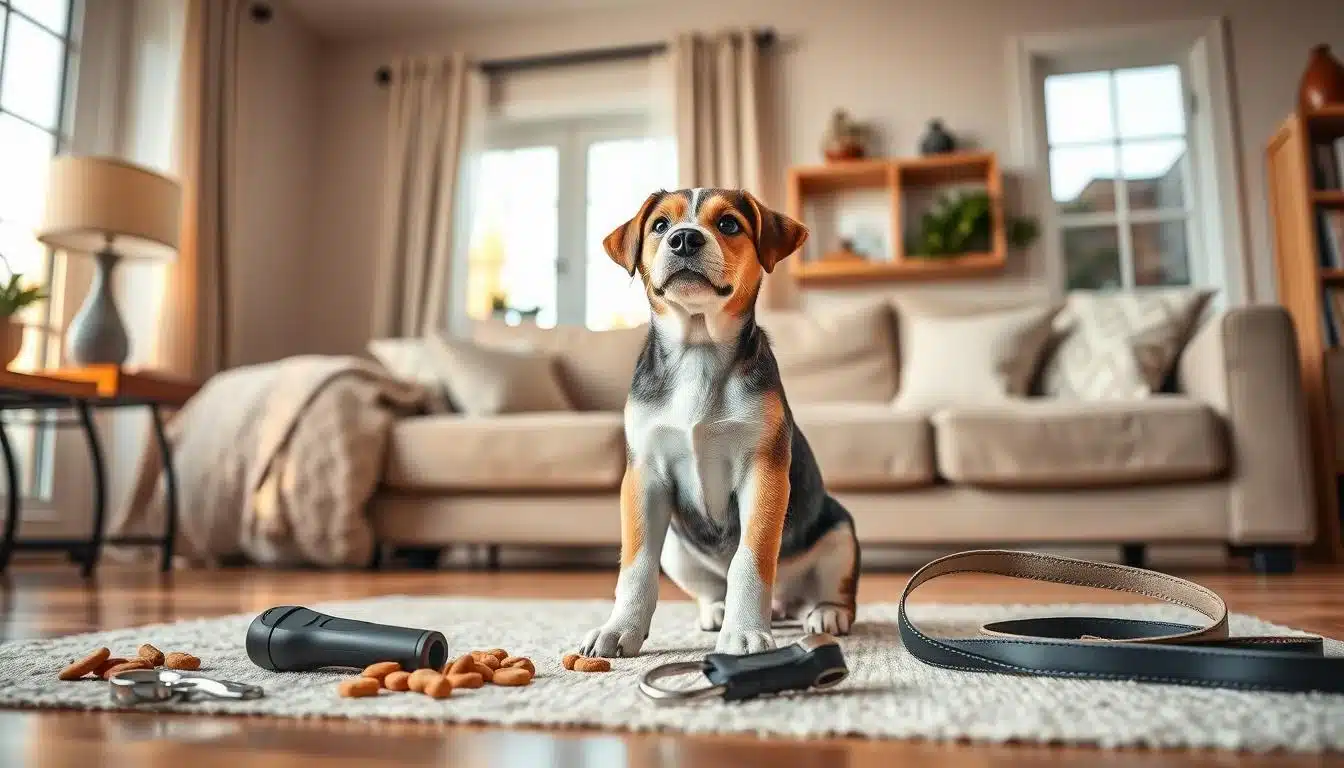
I focus first on name recognition, a polite sit, and a reliable come. Using the puppy’s kibble or small treats as rewards helps the puppy link behavior to positive outcomes quickly.
Keep language and hand signals consistent. When the puppy gets it right, praise them and return them to routine. This reinforces learning with normal life events, like going outside for potty time.
Use play as a reward, too. Play breaks after a brief cue practice make training feel like part of daily life. This helps make starting dog training a habit.
End each short session on a high note so the puppy looks forward to the next one. With patience and repetition, starting instruction on day one builds manners without stress.
When to start taking puppy to training classes and socialization outings
I help new puppy owners find the best way to start socializing and training. It's important to wait until your puppy is fully vaccinated and your vet says it's okay. I recommend short, positive outings to avoid stress.
Vaccination milestones and safe socialization
Always check with your vet about when it's safe to take your puppy out. They might say it's okay for low-risk places once the first shots are in. But, places like dog parks are still too risky until all shots are done.
Safe activities for puppies include meeting calm dogs behind fences, short car rides, and quiet stores. These help them learn about the world without getting sick.
Typical class timing: puppy socialization at 8 weeks, classes by 12–16 weeks
At 8 weeks, puppies can start gentle socialization at home or with trusted friends. Many trainers offer one-on-one play or observation for young puppies.
By 12–16 weeks, puppies can join group classes after they've had all their core shots. Look for trainers who use positive, gentle methods and teach in 4–6 week sessions.
How to practice exposure in controlled, low-risk settings
I suggest short outings of 10–15 minutes for quality over quantity. Try barrier introductions, brief family visits, and recordings of sounds to help them learn without stress.
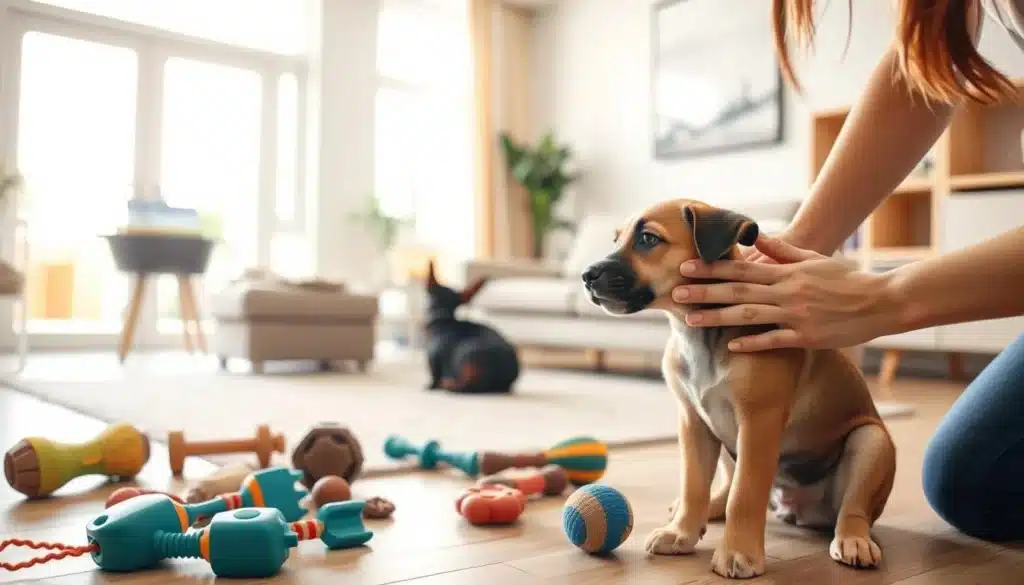
Use gentle handling and grooming at home. Reward calm behavior and stop if they show fear. Small steps help them feel comfortable with new things.
| Stage | Age range | Safe activities | Goal |
|---|---|---|---|
| Early supervised socialization | 6–8 weeks | Home visits, calm vaccinated dogs behind barriers, short car rides | Begin positive exposures without high-risk contact |
| Observation and intro classes | 8–12 weeks | One-on-one trainer sessions, observation-based play, sound desensitization | Build confidence and handling tolerance |
| Group puppy classes | 12–16 weeks | Reward-based group lessons, short sessions, supervised play | Social skills, basic cues, positive interactions |
| Ongoing low-risk exposure | 12+ weeks | Quiet parks, pet-friendly stores, structured meet-and-greets | Generalize skills across places and people |
When to start.leash training your dog
I start leash work at home before any neighborhood walk. Early familiarization helps a puppy trust gear and stay calm. I let my puppy sniff a harness and wear it for short, supervised sessions so the new feel becomes normal.
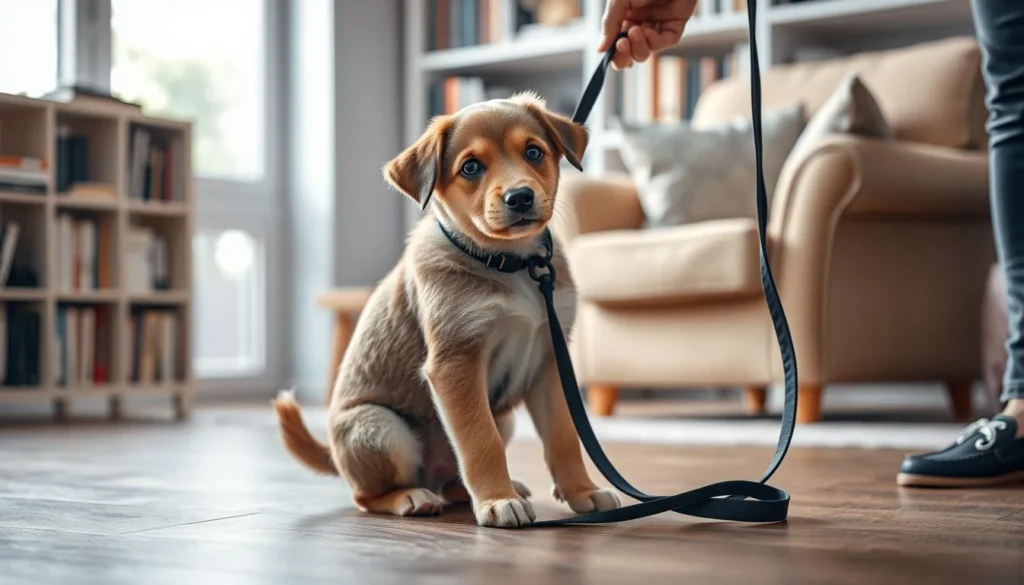
Once the pup accepts the harness, I gently attach a light leash and practice very short moves in the living room. These indoor steps set the stage for outside work without pressure.
Introduce harness and leash
I let the puppy explore the harness on the floor, then clip it loosely for a minute while giving treats. I repeat that across days, increasing time as comfort grows. I avoid choke or prong collars and choose a padded harness for safety and ease.
Indoor leash games
I play short indoor leash games to encourage loose-leash habits. I take one or two steps, stop, and reward the puppy for staying near me. I mix in quick changes of direction and tiny treats to keep attention focused.
I keep sessions under five minutes at first. Frequent, pleasant repeats beat long, stressful practice.
Progressing to outdoor walks and heel work
When the puppy moves willingly with a harness and leash indoors, I add brief supervised walks outside. I pick quiet spots, follow my vet’s vaccination advice, and build distance slowly. I raise reward value as distractions increase.
I teach heel work incrementally: house, backyard, sidewalk, park. I ask for a short heel, reward, and gradually lengthen the pattern. My pace depends on the puppy’s age and confidence.
| Stage | Key Focus | Session Length | Tools |
|---|---|---|---|
| Home introduction | Let puppy sniff and wear harness, gentle leash drag | 1–3 minutes, multiple times daily | Padded harness, light leash, soft treats |
| Indoor leash games | Short steps, stop-and-start, reward for proximity | 3–5 minutes, 2–4 sessions daily | Treats, clicker or marker word, calm area |
| Supervised outdoor walks | Low-distraction routes, follow vaccination guidance | 5–15 minutes, increase gradually | Padded harness, higher-value rewards |
| Heel work progression | Practice indoors, then sidewalks, then parks | Short increments, build duration over weeks | Rewards, leash handling skills, consistent cues |
When to start training a hunting dog: breed and purpose considerations
I start training early to help puppies develop good habits. Short, positive sessions teach them basic obedience and how to control impulses. They also learn to handle gentle scent games, which boosts their confidence.
I introduce puppies to early scent exposure with simple hide-and-find games. These games use soft cloths with safe field scents. They're fun and fit into daily play, preparing them for more complex tasks later.
When planning training, I consider the breed and its intended use. For pointing and flushing breeds, training starts with basic obedience and socialization at 8–16 weeks. Field drills begin from 4 to 9 months. Large breeds need extra care during their rapid growth phase.
Progressive skill development is key. I start with short scent games and basic retrieves. I gradually increase the difficulty as the dog's stamina and structure improve. Positive reinforcement is used throughout the training process.
Working with experienced trainers or local clubs is recommended. They tailor training to the dog's temperament and growth rate. This approach avoids overworking young dogs and protects their health while building reliable skills.
| Training Phase | Typical Age | Focus | Why it matters |
|---|---|---|---|
| Foundation play | 8–16 weeks | Names, sit/stay, short scent games | Establishes routine and early scent sensitivity |
| Structured basics | 4–6 months | Retrieve basics, impulse control, longer scent work | Builds stamina and control without heavy impact |
| Field introduction | 6–9 months | Controlled exposure to birds/decoys, basic marking | Bridges play skills to realistic field scenarios |
| Advanced conditioning | 9+ months | Full drills, endurance, complex retrieves | Matches physical maturity to work demands |
When to start training a service dog: timeline and specialized milestones
I help handlers plan a clear path for their future service dog. We focus on early habits, steady skill-building, and key milestones. This ensures teams are safe and effective in public.
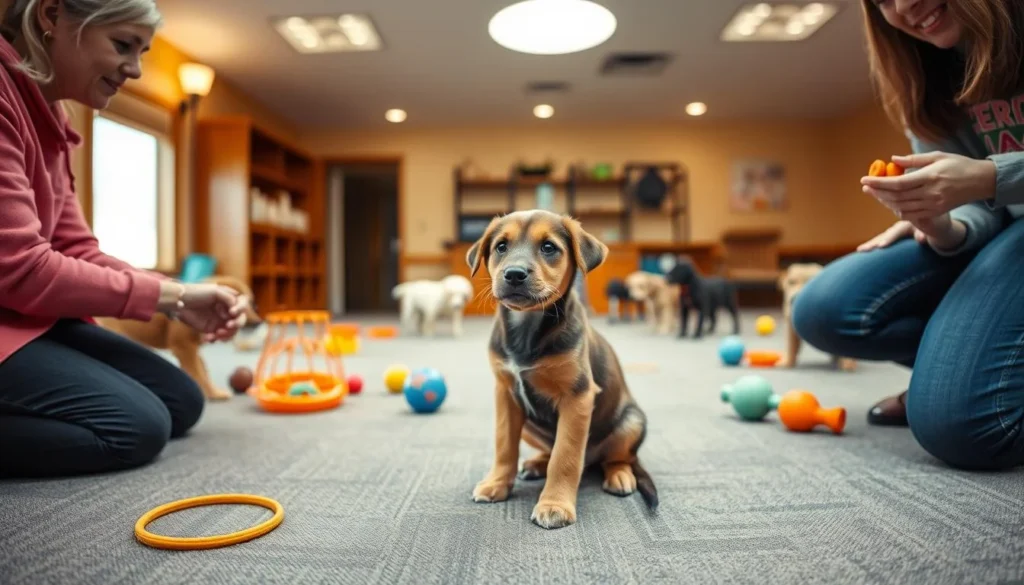
We start with puppyhood goals. Early socialization means introducing puppies to crowds, different surfaces, and noises. Short, positive experiences help them stay calm in places like elevators and stores.
Teaching name response, impulse control, and basic manners is key. We do this in low-pressure settings.
Looking for the right time to increase structure is next. Formal training usually starts in the adolescent months, up to about one year. By then, puppies can focus better and move more smoothly.
We reinforce core behaviors and add task-specific work when ready. This ensures they're prepared for public access and tasks.
Working with accredited programs and certified trainers is crucial. They follow a clear training timeline with specific goals. Milestone records help us progress smoothly from basic manners to specialized skills.
My training sessions are short, positive, and focused. We track recall, impulse control, and performance in distracting situations. Early public-access practice is followed by focused training in adolescence. Consistent evaluation helps decide when to increase task work.
When to start training a rescue dog: assessing readiness and building trust
Many adopters wonder when to start training a rescue dog. My first advice is to give the dog a calm, predictable routine before learning new skills. Rescue dogs often have uncertain pasts. A steady schedule and gentle handling help them learn and feel less stressed.
I follow a phased plan that prioritizes emotional safety. Rushing into training can harm trust. I start with short, positive interactions, regular feeding, and letting the dog find a safe spot. This creates a solid base for training after rescue.
Phase 1 focuses on building a relationship and routine. I emphasize consistent meal times, leash introductions inside, and gentle handling. These steps help the dog feel safe and understand that people are there to protect them, not harm them.
Phase 2 introduces basic cues and housetraining. I keep sessions short and clear. I teach a name, sit, and recall using high-value rewards. Crate work helps with potty routines and provides a safe space. Training at this stage is flexible, with daily short sessions being more effective than long ones.
Phase 3 tackles triggers, social exposure, and building confidence. I desensitize the dog to noises, strangers, and other dogs in controlled settings. I gradually increase walks and supervised meet-and-greets after the dog shows calm responses. Progress may be slow but steady.
Timelines vary based on the dog's age and background. Young dogs might adapt faster than older, traumatized ones. I adjust expectations and slow down when anxiety is present. For complex fears or aggression, I recommend working with certified behaviorists or experienced shelter trainers.
I avoid using force and focus on positive reinforcement. Gentle shaping, clear cues, and predictable rewards make training humane and effective. The right approach helps avoid setbacks and supports lasting change.
| Phase | Focus | Typical Activities | Estimated Timeline |
|---|---|---|---|
| Phase 1 | Relationship & routine | Consistent feeding, crate/bed introduction, calm handling | 1–2 weeks, individualized |
| Phase 2 | Basic cues & housetraining | Name recognition, sit, short leash practice, potty schedule | 2–8 weeks depending on comfort |
| Phase 3 | Desensitization & social confidence | Controlled exposures, supervised socialization, trigger work | Ongoing; often months for full confidence |
| Special cases | Trauma or complex behavior | Behaviorist collaboration, tailored rehabilitation plans | Variable; may require extended timeline |
Leash and potty basics: practical first steps for new puppy owners
I share simple steps for potty training and leash training on day one. Sessions are short, rewards are high, and progress is steady. This approach boosts confidence for both you and your puppy.
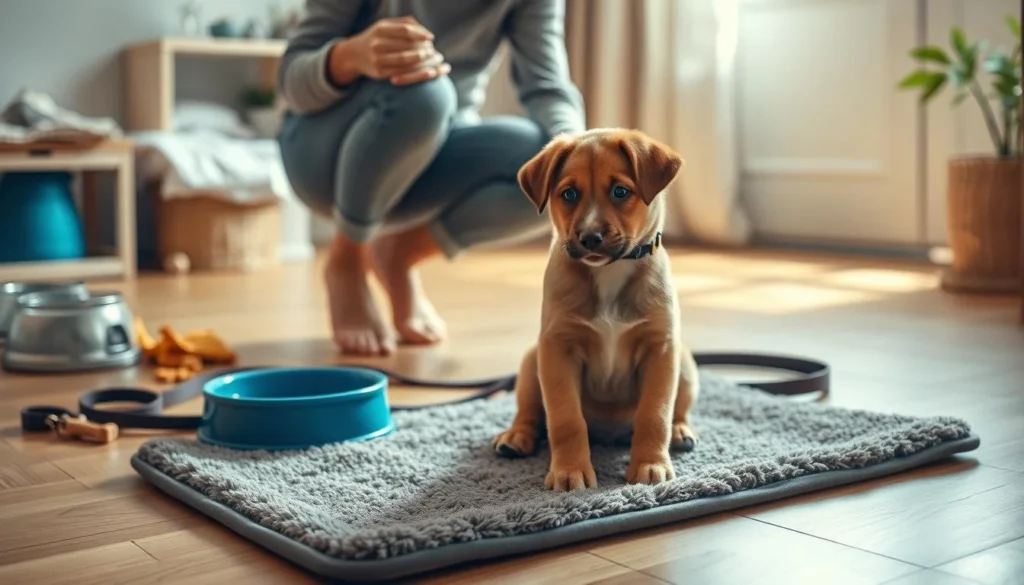
Start potty training at 8–12 weeks. Remember, every puppy is different. Some may learn quickly, while others need more time.
For potty training, take your puppy outside on a leash for 30 minutes once a day. Stand in one spot for five minutes. Praise and treat them right away if they succeed. This method helps them learn to go in one place.
Crate training is also helpful. Choose a crate that's the right size and place it where your family spends time. Let your puppy get used to the crate by giving treats inside. Start with short periods and stay with them.
Watch for signs of stress when increasing crate time. Slowly increase the time to avoid fear. When your puppy gets comfortable with short separations, you can gradually increase the time.
Start leash training indoors with a light harness. Let your puppy get used to the leash, then walk a few steps and reward them for staying close. Practice stopping and starting to teach them to focus.
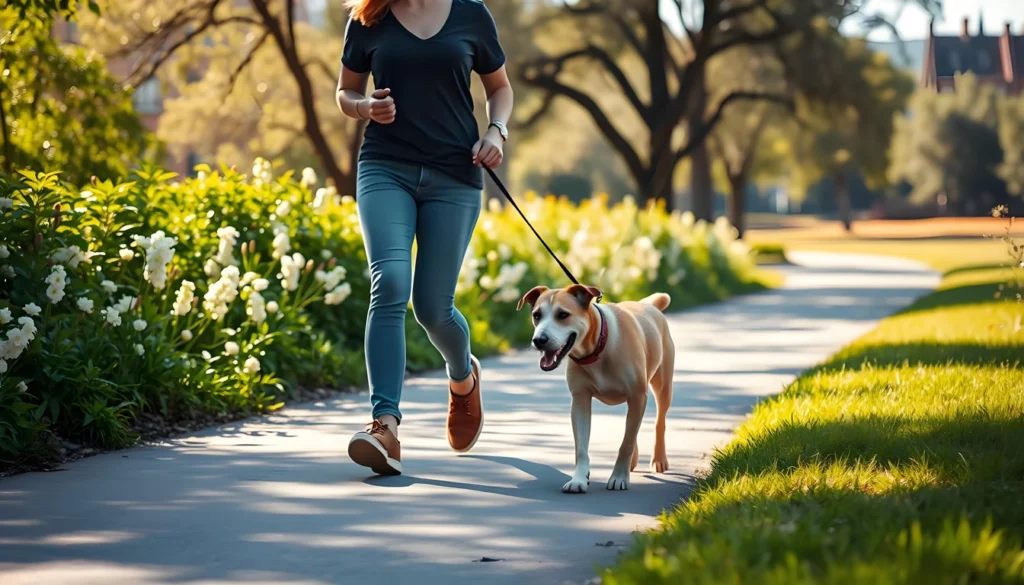
Take leash training outside when your puppy is comfortable indoors. Start in quiet places and keep walks short. Gradually add more distance and distractions as your puppy becomes more focused.
Keep a daily checklist to track your puppy's progress. Short sessions, high-value rewards, and a routine make learning fast and easy. This approach helps with potty training, leash training, and crate training.
| Skill | Start Age | Session Length | Key Tips |
|---|---|---|---|
| Potty routine | 8–12 weeks | 5–15 minutes per outing | Take outside on leash, stand quietly, praise immediately |
| Crate introduction | 8 weeks onward | 2–10 minutes, build gradually | Right size crate, pleasant location, reward for entry |
| Indoor leash work | 8 weeks | 3–7 minutes, multiple times daily | Harness first, short walks, stop-start drills, reward attention |
| Outdoor leash progress | After indoor comfort | 5–20 minutes, increase slowly | Begin in quiet areas, add distance and distraction over time |
Training methods I recommend: positive reinforcement and consistency
I suggest methods that foster trust and clear communication. I prefer gentle techniques that reward good behavior, set consistent cues, and keep sessions short. My goal is to help owners teach reliable behavior while making learning fun for the dog.
Positive reinforcement dog training rewards desired behavior with treats, play, toys, or praise. This method reduces fear, speeds up learning, and strengthens the bond between handler and dog.
I keep training sessions short and rewarding. Brief, frequent practices match a puppy's attention span. For very young pups, I use multiple five-minute drills. Older dogs handle longer work, still broken into many focused reps.
I use predictable cues and consistent word choice. Clear verbal signals and simple hand motions help dogs generalize commands across settings. I rehearse cues at home, then in the yard, then in busier spots so responses hold up under distraction.
I build structure around a daily schedule for meals, potty, play, naps, and training. This routine gives puppies security and makes behavior easier to shape. Predictable timing also helps owners plan short sessions high value rewards when they matter most.
I practice skills progressively across environments. Start inside, move to a quiet backyard, then try a driveway and a calm park. As distractions rise, I upgrade treats and toys so the dog chooses focus over the environment.
I avoid punishment training. I never use choke, prong, or shock devices, and I do not rely on dominance-based corrections. Those techniques cause stress and undermine learning. When unwanted behavior appears, I teach an enjoyable, alternate action instead.
My plan emphasizes consistency from all family members. Everyone must use the same cues, reward scale, and structure. That consistency helps the dog learn faster and keeps progress steady across places and people.
Common timelines and milestone checklist for the first year
I divide the first year into stages to help owners track their puppy's growth. I focus on key areas like name recognition, housetraining, and basic commands. These include crate comfort, basic cues, and polite play.
I use short training sessions and positive rewards to boost confidence. The checklist below shows when to expect milestones and when to increase training efforts.
Every dog learns at its own pace. Be patient and adjust goals based on breed and temperament. Keep training sessions fun and consistent.
8–16 weeks is crucial for socialization. I focus on gentle exposure to people, dogs, and environments. I teach name recognition, sit, come, and crate use with treats.
Between 3–6 months, I work on impulse control and polite play. I teach sit-before-meals, wait-at-thresholds, and drop-it games. I also lengthen leash walks and introduce stay and leave-it.
From 6–12 months, I focus on recall training. I add distance, duration, and distractions. I practice recalls in parks and around people, using praise and occasional treats.
I keep a simple checklist to track progress and spot gaps early. The list below shows key targets and typical timing.
| Age Range | Primary Focus | Core Targets |
|---|---|---|
| 8–16 weeks | Early socialization and basic cues | Name recognition, sit, come, crate comfort, potty starts, short play sessions |
| 3–6 months | Impulse control and leash foundation | Sit-before-meals, wait at doors, polite play (drop-it), longer supervised walks, introduce stay |
| 6–12 months | Recall reliability and real-life practice | Solid short recall, add distance/duration/distractions, public-space practice, wean food rewards |
| Across the year | Maintenance and gradual progress | Consistent routines, short sessions, positive reinforcement, adjust for breed and individual pace |
Use milestones as guideposts, not strict deadlines. Track small wins weekly and adjust goals if needed. This approach keeps progress steady and builds a reliable adult dog.
Conclusion
I start training my puppy the moment they arrive, usually around eight weeks old. Early training focuses on building a strong bond, ensuring safety, and keeping sessions short and positive. This early socialization is key to their future behavior.
My approach to dog training includes a daily routine and clear rules. I begin with basic tasks like teaching their name, using a crate, and potty training. As they grow, I increase the time and challenges they face.
Training plans vary based on the dog's role. Hunting, service, and rescue dogs need a solid foundation early on. I also recommend professional trainers or behaviorists for specific needs.
In summary, start training early, focus on socialization and positive reinforcement, and be consistent. Gradual progress is essential. With patience and the right guidance, you'll raise a well-adjusted and well-behaved dog.