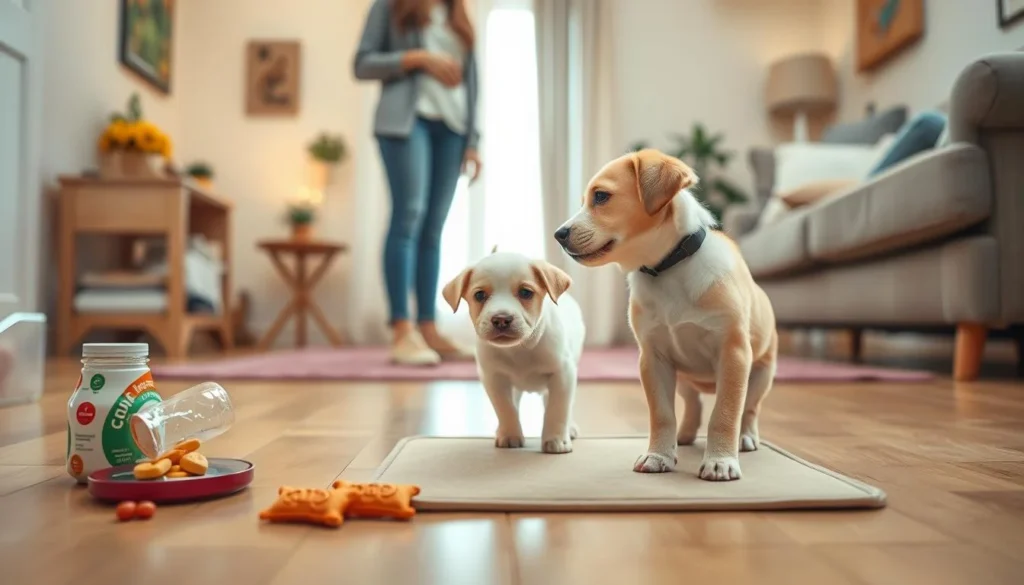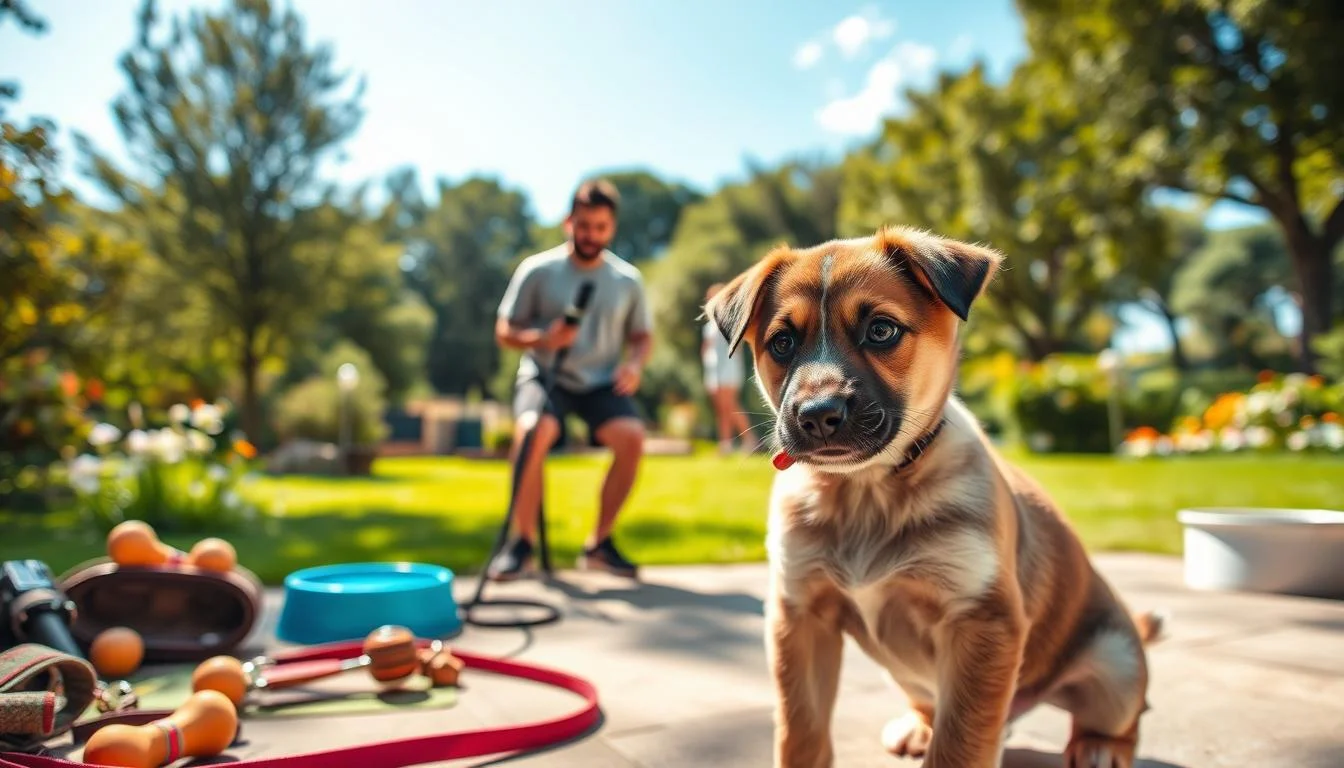
I remember the first night my pup came home. The soft whine, the warm body, and the mix of wonder and worry. It was clear that training starts the moment they arrive, usually around eight weeks. This sets the stage for a calm, confident dog and a strong bond.
Puppies learn fast from their surroundings. Between 6 to 16 weeks, they absorb sights, sounds, and social cues quickly. So, I suggest starting simple, positive lessons right away. This includes teaching their name, short cues like "sit" before meals, and gentle introductions to new people and places.
Key Takeaways
- Begin training as soon as you bring a puppy home, typically around 8 weeks.
- The 6–16 week window is critical for socialization and foundational learning.
- Use positive reinforcement only; avoid harsh corrections or punitive devices.
- Keep sessions short (about five minutes) and frequent to match puppy attention spans.
- A clear daily schedule helps speed learning for potty, name recognition, and basic cues.
when to start puppy training
I remember the first evening I brought a puppy home. That night taught me why timing matters for behavior that lasts a lifetime. Deciding when to start puppy training sets the tone for social skills, impulse control, and confidence. Start early, keep things gentle, and pick rewards your pup loves.
Why early training matters for lifelong behavior
Early lessons shape adult reactions. If you begin socialization and basic cues during the sensitive phase, your dog learns to enjoy new people, sounds, and places. I watch puppies who get structured exposure become calmer, more curious, and easier to live with.
I focus on relationship-building first. Simple routines and predictable responses from me help a pup feel safe. That steady structure makes later obedience work smoother and faster.
Critical learning windows: 6 to 16 weeks explained
The 6 to 16 week window is the prime time for fast learning. In that span, puppies absorb sights, smells, and social rules more readily than at any other age. I use brief, frequent sessions to match their short attention spans.
During this window, controlled exposure to people, vehicles, vets, and other dogs reduces fear later. I introduce mild challenges and reward calm responses so the puppy ties new experiences to positive outcomes.
What I recommend when you bring your puppy home at 8 weeks
When you bring a pup home at 8 weeks, begin immediately with name recognition, sit, and come. Those basics form the backbone for good manners and safety. I keep sessions under five minutes and repeat them several times a day.
Use food or a favorite toy as reward and carry a treat pouch so you can reinforce cues on the go. Start crate threshold work and short leash introductions indoors before moving outside after vaccinations. Start impulse control by asking for a sit before meals and play.
| Age Range | Focus | Action I Recommend |
|---|---|---|
| 6–8 weeks | Social foundations and gentle handling | Short name games, holding sessions, introduce crate threshold |
| 8–12 weeks | Basic cues and exposure | Begin sit, come, and name recognition; safe social outings after first vet check |
| 12–16 weeks | Expand environments and reinforce tolerance | Introduce more distractions, practice recall, and consider when to start formal puppy training |
| 16+ weeks | Build duration and distance | Increase cue complexity and ask when to start training puppy commands for tougher behaviors |
How to start basic obedience at home
I start training in short, fun sessions that match a puppy's focus. I use calm tones and find out what rewards the puppy likes most. This could be kibble, treats, toys, or praise. It shows the puppy why they're rewarded and builds trust.
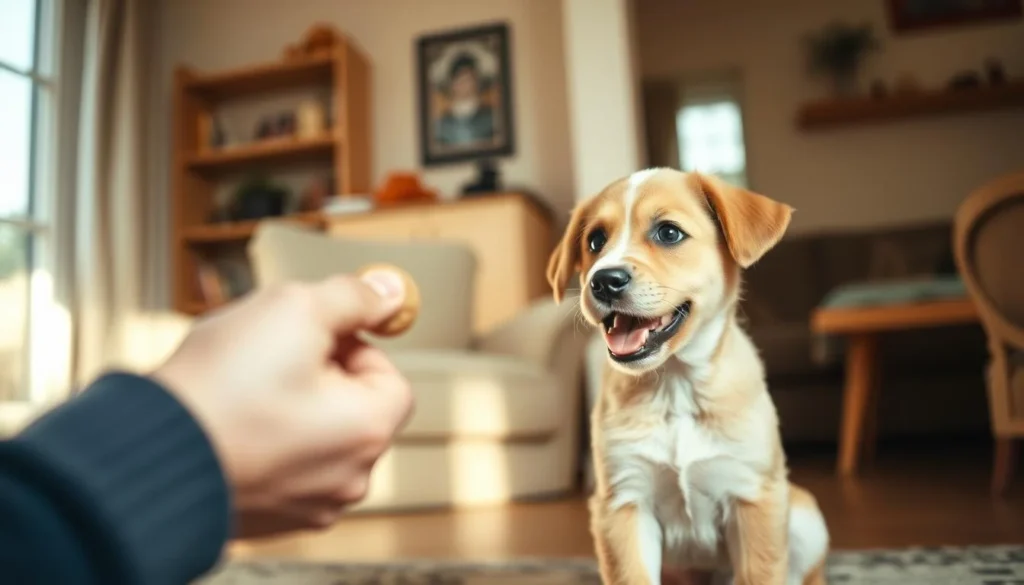
Positive reinforcement is the only method I trust. I never use dominance or punishment. Instead, I reward good behavior and ignore the bad when it's safe. This keeps training enjoyable and strengthens our bond.
Training sessions are very short. I aim for about five minutes each, spread across the day. Young puppies usually don't need more than 15 minutes of training daily.
I teach impulse control early on. I ask for a calm sit before meals or play. This simple habit helps reduce jumping and improves manners, preparing for more advanced training.
Practical first cues are easy to start at home. I use food lures at mealtime to teach come and sit. Using consistent words and hand signals helps all family members learn together, avoiding confusion.
I introduce name recognition and attention cues next. I say the puppy's name, wait for eye contact, and reward with a treat. This builds a strong foundation for reliable recall and responsiveness.
Crate threshold practice helps teach calm exits and entries. I reward a quiet pause at the crate door and release only when the puppy is calm. This supports later crate skills and helps with when to start training puppy to be alone.
I gradually generalize cues by practicing in more places as vaccinations allow. I move from the kitchen to the yard, then to quiet streets, keeping rewards handy in a treat pouch. This answers questions about when to start training puppy with treats and when to start training puppy to sit in real-life situations.
| Skill | Starting Tip | Short Goal |
|---|---|---|
| Sit | Use a food lure above the head, say “sit” once, reward immediately | Reliable sit for 3–5 seconds before release |
| Come | Call name, take a step back, reward at arrival with kibble or toy | Prompt recall at short distance |
| Name recognition | Say name, wait for eye contact, reward every correct response | Look to handler on first call |
| Crate threshold | Reward calm pause before entering or exiting | Quiet entries and exits; reduced anxiety |
| Alone time basics | Start with a few minutes of separation paired with a chew or treat | Comfortable short periods alone |
When to start puppy training classes
Many ask when to start puppy training classes and if group sessions are safe early on. It's important to wait until your puppy has had their vaccinations. Your vet will guide you on the best time to start.
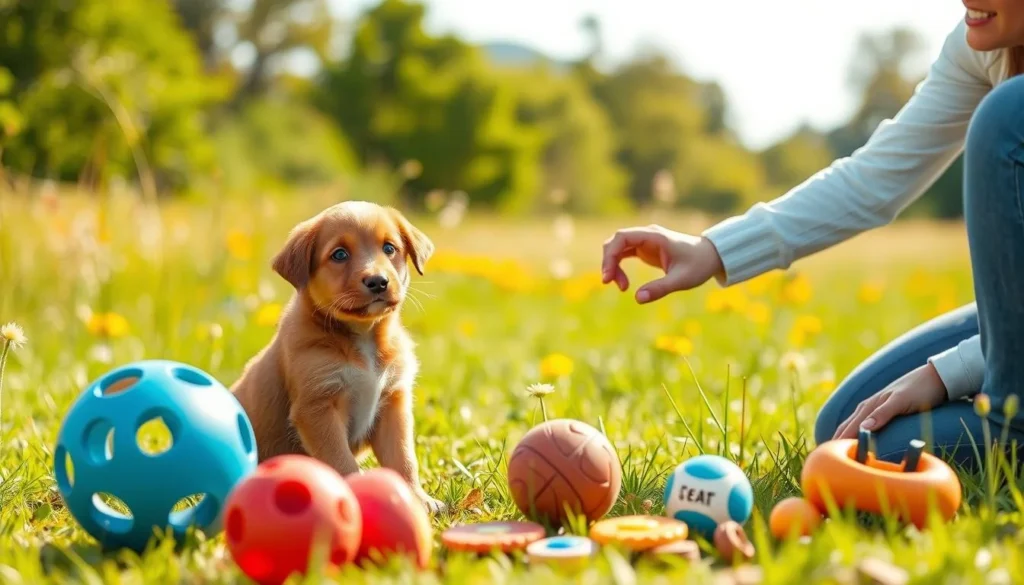
Vaccination requirements and safe timing for group classes
Puppies can meet other dogs after getting their core vaccinations. Places that offer group classes often ask for vaccination records and a vet's approval. Always check with your vet before starting socialization classes.
Typical age ranges: socialization classes at 8 weeks, formal classes at 12–16 weeks
The best time for socialization is between 8 to 16 weeks. Some trainers start playgroups at 8 weeks, with careful health checks. Formal training usually begins between 12 to 16 weeks, when puppies can handle structured lessons.
What to expect from a good positive-reward class
A good class builds relationships, exposes to environments, and teaches control without force. Look for classes with short sessions, clear steps, and positive reinforcement like treats and praise.
| Class Type | Typical Start Age | Key Focus | Health Requirement |
|---|---|---|---|
| Home socialization | As soon as puppy arrives (8 weeks onward) | Family bonding, safe exposures | Consult vet for safe interactions |
| Socialization playgroup | 8–12 weeks | Controlled play, friendly dog meetups | First vaccinations and health checks |
| Formal puppy class | 12–16 weeks | Name recognition, sit, loose leash basics | Proof of vaccinations required |
| Ongoing obedience | 4+ months | Duration, distance, distractions | Full vaccination series recommended |
Choosing the right time for dog training classes is key for your puppy's future. Look for trainers who teach step by step, focus on safety, and value quality over quantity.
When to start leash and lead training
I start leash training inside where the puppy feels safe. I use a lightweight leash on a soft harness. The puppy wears it while I sit on the floor.
Short guided steps, pauses, and treats teach the puppy to stay close. This equals rewards.
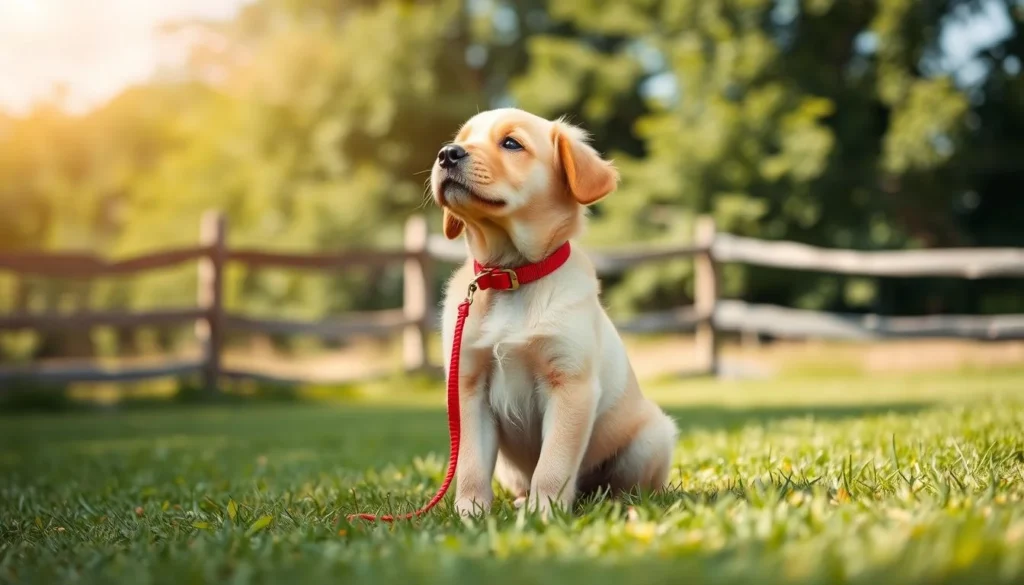
I suggest starting leash training early and gently. At 8–10 weeks, I introduce the harness indoors. Sessions are under five minutes and end while the puppy is still engaged.
Then, I move to low-distraction outdoor spots after vet clearance. This is when to start training puppy on leash outdoors safely. I repeat indoor drills in a quiet yard or driveway.
When new smells appear, I use higher-value treats. Progress follows a simple timeline for when to start training puppy to walk on leash.
Start inside at 8–10 weeks, practice outside at 10–12 weeks. Lengthen walks to the block by four to six months. I focus on short steps, threshold work at doorways, and turning the walk into a game.
I teach loose-leash walking with these techniques:
- Stop when the pup pulls; move again when slack returns.
- Call the puppy to your side, reward, and release by walking forward.
- Use high-value treats outdoors to hold attention amid distractions.
- Practice heel in 30–60 second bursts, then reward and rest.
Keeping sessions brief, regular, and positive builds confidence. If you follow this staged approach, you will know exactly when to start training puppy on leash and when to start training puppy to walk on leash without overwhelming your puppy.
When to start potty and pad training
I help new owners with potty basics like a friend. Start early, stay consistent, and match training to your puppy's age. Clear routines and short lessons help everyone.
Begin housetraining at eight to twelve weeks. Most puppies do well with a schedule, crate, and rewards. You'll see progress in a week or up to a month. Improvement will keep growing as they get older.
Take breaks often and walk them quietly for up to five minutes. Praise and treat them right away. Use the rule of age-in-months divided by two for hold times.
Crate training is very helpful. A right-sized crate is like a den for your puppy. It teaches them to hold it. Pair crate time with short walks and a sit-before-food routine to reinforce good habits.
Use puppy pads only when needed, like bad weather or living in an apartment. Place pads near the door and move them outside slowly. This helps your puppy learn to go outside.
Balance pad use with outdoor trips, crate work, and rewards. This mix shortens training time and supports steady progress. Introduce basic cues at the same time as housetraining.
Here's a simple daily plan to keep routines clear and consistent.
| Time | Action | Purpose |
|---|---|---|
| First thing (wake) | Leash to door, 5-minute quiet wait, reward | Reinforce outdoor elimination and praise timing |
| After meals | Take out within 10–15 minutes, brief walk, treat | Link eating schedule to potty success |
| Every 1–2 hours (young pups) | Short outings or pad access, calm praise | Prevent accidents and build bladder control |
| Crate naps | Crate for rest, then immediate outdoor break | Teach den hygiene and routine |
| Night | One late-night break based on age rule | Support overnight success while avoiding over-reliance |
When to start teaching bite inhibition and no-bite skills
I start teaching puppy bite-inhibition as soon as they start mouthing. Puppies begin teething around 8–10 weeks. They need clear, calm guidance to safe chew toys. I reward them with treats and praise for soft play.
I introduce short impulse-control games early. Simple tasks like “sit before play” and waiting for a release cue teach restraint. These exercises prepare them for more complex lessons.
I use force-free methods to redirect chewing. If a pup grabs a hand or sleeve, I trade for a toy and praise softly. Teaching “drop it” during the 3–6 month window helps prevent rough mouthing.
Polite play means knowing when to stop and how to trade items. I want puppies to respond calmly to “drop it” and leave off-person items alone. This stage also helps with learning tricks.
By six months, I expect steady progress. I increase distractions slowly and practice drop-it in real-life situations. Consistent boundaries and calm play keep growth steady and reduce biting problems.
Use regular, brief sessions and reward self-control. Pair chew-toy redirects with games that reinforce waiting and polite exchanges. These steps help answer common concerns and prepare the pup for later challenges.
When to start training separation, alone time, and crate skills
I start with a calm, trust-first approach to make alone time safe. Building emotional security is key before adding longer absences or strict routines. I use short, positive departures and a predictable daily schedule to help my puppy know what to expect.
I begin with bonding activities, gentle handling, and fun play before formal exercises. Puppies who trust me do better with crate threshold work and separation practice. I keep sessions brief and upbeat to protect their emotional health and prevent stress.
Crate threshold training and gradual steps
I introduce the crate at 8–10 weeks, using treats and meals inside to make it inviting. I pause calmly at the door, then close it for a few seconds while watching for comfort signs. I slowly increase those intervals, matching my puppy’s cues.
I lock the door only after my puppy accepts it relaxedly. I pair crate time with a consistent schedule: meals, naps, play, and potty breaks. This predictability lowers anxiety and speeds learning.
Preventing separation anxiety with short, positive departures
I teach alone time with very brief exits first. I step outside for thirty seconds, return calmly, and reward calm behavior. I repeat this many times a day, increasing duration only when my puppy stays relaxed.
Before thinking about long stretches of alone time, I make sure basic cues and impulse control are solid. This groundwork is crucial for later choices like when to start puppy training classes or when to start training puppy on invisible fence.
- Start threshold practice: 8–10 weeks.
- Short departures: many repeats, increase slowly.
- Daily schedule: feed, play, potty, rest at set times.
When introducing new boundary work, I wait until recall and impulse control are reliable. A calm, confident puppy learns faster, whether in classes or during invisible fence training. My timeline always follows the puppy’s comfort and progress.
When to start advanced skills and tricks
I start advanced training when the puppy's basics are solid and they focus well. I follow three steps: increase the time, add distance, and then add distractions. Keeping sessions short and fun keeps learning positive and quick.
Progressing from basic cues to duration, distance, and distractions
I begin by asking for longer holds of familiar cues at home. Once they succeed, I move to outdoors and add short distances. I add distractions in small steps to keep the puppy confident.
Timing for teaching tricks, recall under distractions, and long-line practice
For tricks, I start around 3–6 months when they can control impulses better. This is when to start training puppy tricks practically: after basic obedience and emotional stability. I start recall exercises on a long line before off-leash work.
This is also when to start training puppy recall under distractions: start with low-level interruptions, then increase intensity over weeks.
Weaning off treats and adding praise and life rewards
I use treats early to shape behavior, then mix in praise, play, and access to valued activities. My rule is to use food a lot at first and reduce it as reliability grows. I pair each food reward with a joyful marker to teach them to work for life rewards, not just kibble.
Practical checklist I follow:
- Short, frequent sessions focused on one goal.
- Long-line recall before off-leash freedom.
- Gradual increase of distance, duration, distractions.
- Progress from high-value treats to praise, toys, and privileges.
Conclusion
I started training my puppy the day she arrived at eight weeks old. This early start made everything easier. I used positive reinforcement, short sessions, and patience to teach her quickly.
It's simple to know when to start puppy training: start right away at home. Be patient and follow vaccination guidelines.
Emotional safety and gentle socialization are just as important as teaching commands. I focused on gentle socialization during the 8–16 week window. I also introduced impulse-control games early.
This approach helped me decide when to start lead training outdoors. It also helped me introduce distractions without overwhelming my puppy.
To succeed with potty training, I used a schedule, crate support, and rewards. I introduced pads later. This helped me decide when to start puppy pad training if needed.
Training continued into the first year. I moved from short cues to longer ones. I also taught distance and off-leash skills, slowly replacing food treats with praise and life rewards.
My advice is to keep sessions short and consistent. Prioritize building a strong relationship. Start at home at eight weeks, expand safely, and remember training is a lifelong journey. It pays off with a calm, reliable dog by five to six months and beyond.