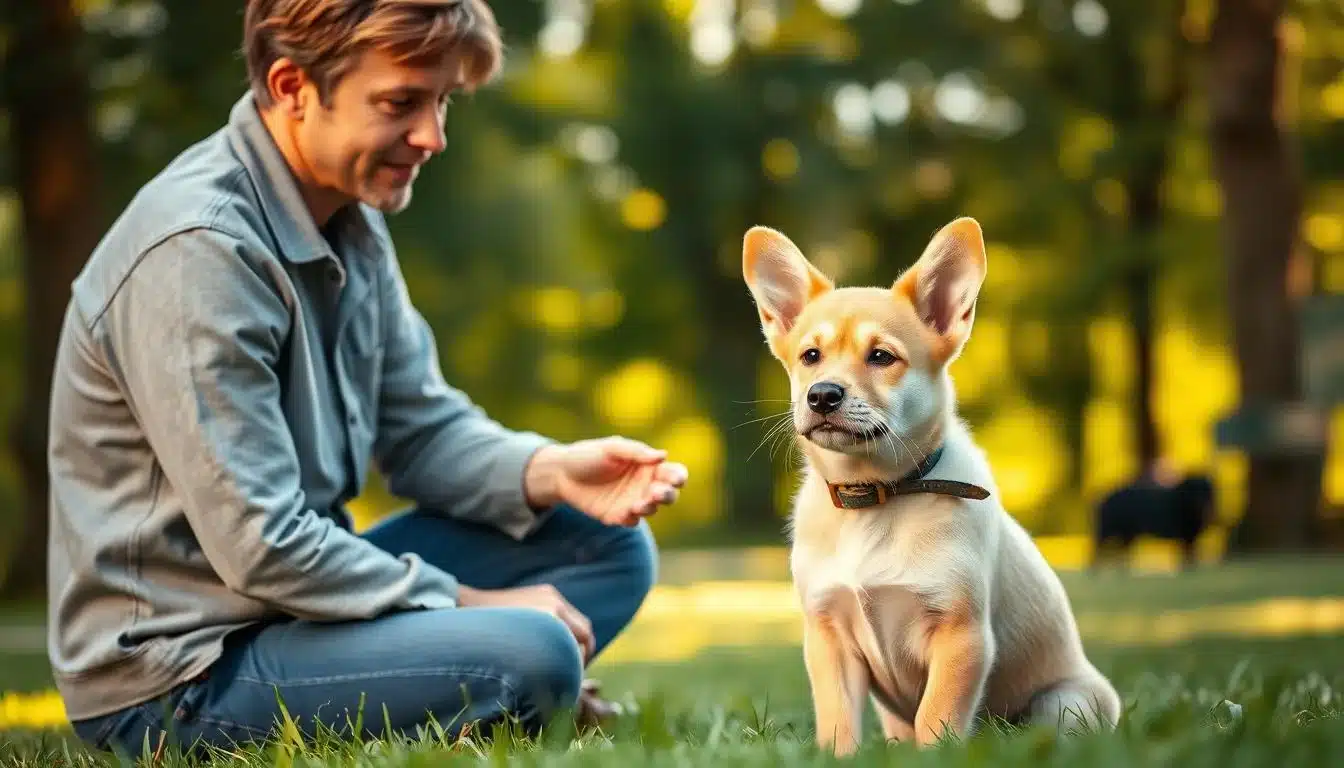
I remember the first night I brought my puppy home. She was eight weeks old, full of tiny whimpers and unsure steps. She snuggled into my coat like she was home forever. That moment showed me puppyhood is more than cute chaos; it's the start of a lifelong journey.
Every sound, touch, and interaction shapes a dog's future. This truth led me to start early dog training with care and dedication.
Starting puppy obedience training is simple: start the moment they arrive. Short, regular sessions with positive feedback build habits quickly. Keeping training fun and consistent helped my puppy trust and rely on me.
Training isn't just about the first few tricks. It's a journey that takes months to show real progress. But it's a journey that never ends. Understanding when to start means seeing every experience as a chance to grow and learn.
Key Takeaways
- Start as soon as you bring your puppy home; learning begins immediately.
- Use short, positive sessions to build lasting habits without stress.
- Early dog training shapes confidence and social skills into adulthood.
- Expect clear progress by 5–6 months but continue reinforcement lifelong.
- Consistency and kindness are more effective than punishment or pressure.
Why starting early matters for puppy development
I focus on how early dog training shapes a puppy's future. Small choices in the first weeks set a clear dog behavior training timeline that carries into adulthood. Starting at the right puppy obedience training age helps me build trust, calm, and curiosity in a way that short, frequent lessons cannot later recreate.
I keep sessions brief and positive so the pup learns to enjoy learning. Early dog training centers on relationship and structure first. I follow guidance from trusted trainers like Karen Pryor and Kate Naito when I prioritize emotional health over pressure.
The critical learning window in early weeks
Puppies show their strongest learning and retention between about six and 16 weeks. During that period I expose them to friendly people, gentle handling, and common sounds. The goal is to make new experiences routine, not frightening, so the dog behavior training timeline starts with confidence rather than fear.
How early experiences shape adult behavior
Positive early exposure reduces lifelong fear responses and makes obedience easier later. When I introduce vet handling, car rides, and polite greetings early, adult dogs usually remain more tolerant and cooperative. This foundation changes how a dog responds to cues at every stage of training.
Science-backed benefits of early socialization
Research supports positive-reinforcement methods as the safest route. Aversive tools raise stress and undermine trust. I use praise, treats, and play to create learning that sticks. Early socialization leads to better tolerance of noises, other animals, and routine care, cutting down common behavior problems as the dog matures.
when to start dog obedience training
I bring home pups at about eight weeks and start teaching right away. Short, frequent sessions help them learn basic routines. This includes name recognition, crate habits, and potty timing. My goal is to build calm habits before bad ones start.
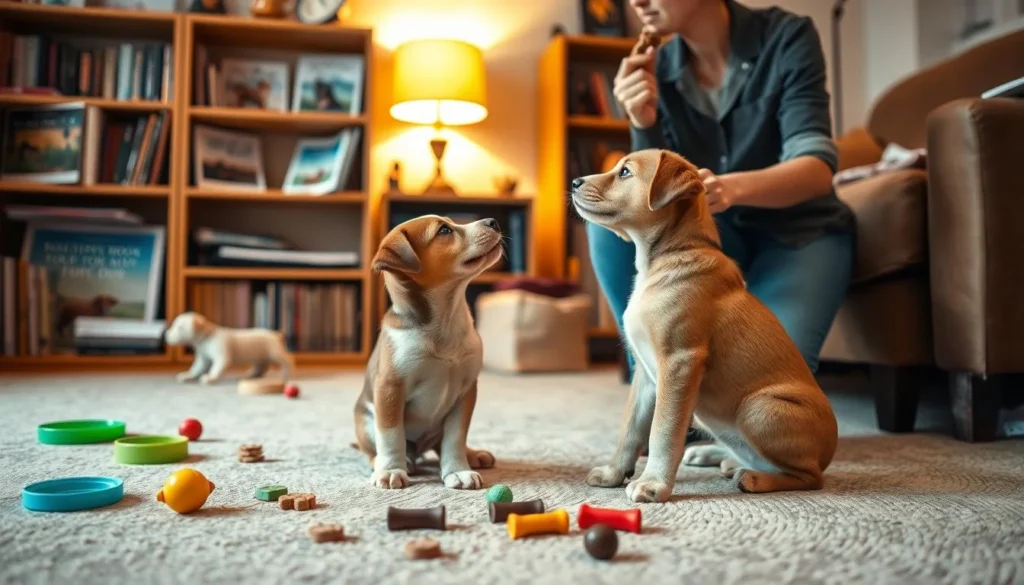
Bringing a puppy home at about eight weeks
Eight weeks is a common time to join a new family. Puppies are ready to bond and respond to gentle guidance. I focus on predictable routines so they feel safe and learn faster.
Learning readiness: what puppies can learn right away
Even tiny puppies catch on to simple cues. I teach name recognition, a brief “watch” for eye contact, and one-step commands like sit and come. I use treats and praise in two- to five-minute bursts to keep lessons positive.
How training at 6 to 16 weeks supports retention
The 6–16 week window offers strong memory and social gains. I repeat short exercises across rooms and during calm outings. This helps cues generalize beyond the home. Controlled exposure, guided by a veterinarian, balances socialization with vaccine safety.
| Age Range | Key Focus | Typical Session Length | Desired Outcome |
|---|---|---|---|
| 6–8 weeks | Attachment, name recognition, gentle handling | 2–4 minutes | Comfort with people and basic eye contact |
| 8–12 weeks | Crate and potty routines, sit, come | 3–5 minutes | Reliable short-focus behaviors at home |
| 12–16 weeks | Generalization, safe socialization, duration | 4–7 minutes | Commands work around mild distractions |
| 16+ weeks | Distance, duration, varied environments | 5–10 minutes | Stable responses outside the home |
Best age to train a dog versus puppy obedience training age
Many owners wonder when the best time is to start training their dogs. They ask if it's better to train newborns, playful puppies, moody adolescents, or calm adults. I explain each stage to help you match your training goals with your dog's age.
Comparing newborn, puppy, adolescent, and adult stages
Newborns, before they start eating solid food, don't learn much directly. They benefit from gentle care and a predictable environment. But, teaching them formal cues is too early.
Puppies from eight weeks to six months learn quickly. This is the best time for basic obedience, name recognition, and social skills.
Adolescents, from six months to one year, test boundaries. Training them focuses on controlling impulses, being polite, and recalling them reliably.
Adult dogs are still very trainable. I've helped rescue dogs learn complex tasks with positive methods. Older dogs might need more practice, especially if they missed early socialization.
Why six months and one year matter as milestones
By six months, dogs should be better at housetraining, play manners, and recalling. This is when they're ready for longer training sessions and more challenging tasks.
By one year, most dogs master basic commands and can start learning advanced tasks. The training timeline should gradually increase the difficulty of tasks between these milestones.
Training older dogs: possibilities and limitations
Age doesn't stop dogs from learning. With positive training methods, adult dogs can learn new skills quickly. Owners often underestimate their ability.
Some behaviors that weren't learned early on take longer to change. But, with patience, consistent routines, and building trust, older dogs can catch up.
| Stage | Age range | Focus areas | Typical outcomes |
|---|---|---|---|
| Newborn | 0–8 weeks | Handling, warmth, basic sensory exposure | Physiological stability; groundwork for later learning |
| Puppy | 8 weeks–6 months | Socialization, core cues, housetraining | Fast retention of basics; strong gains in puppy obedience training age |
| Adolescent | 6 months–1 year | Impulse control, polite play, consistency | Refinement of skills; readiness for advanced work by one year |
| Adult | 1 year and up | Reinforcement, new behaviors, specialty training | Reliable performance with steady reinforcement; may need more repetition |
Essential early dog training skills to teach first
I start with a few key skills for a lifetime of good behavior. Training should be short, friendly, and part of daily life. I mix practice into meals, walks, and play to make it stick.
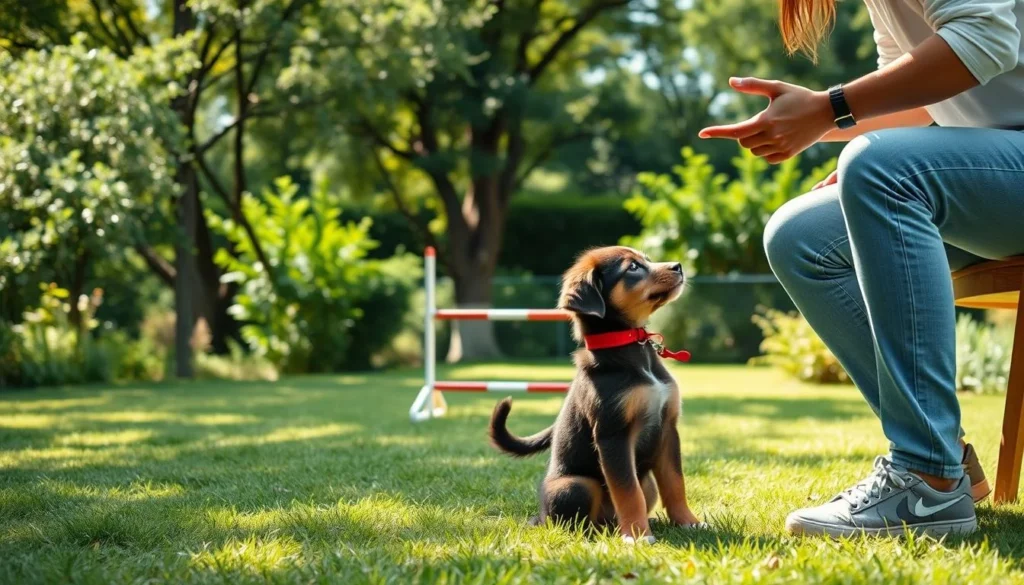
Name recognition and "watch" help puppies focus fast. I teach them to look at me before treats. This makes commands easier later on.
For puppies, a quick food lure and a calm, excited voice work well. These tips help them respond reliably.
I reward the first glance and fade treats as they get better. Short, frequent sessions keep them engaged and prevent frustration.
Basic cues like sit, come, and stay are next. I teach these early to keep puppies safe. Sit before crossing roads and come when off-leash builds trust.
Positive reinforcement and small steps are key for these cues. I set tiny goals, reward success, and then increase expectations. This method shows clear progress and matches best practices.
Impulse control starts with simple routines like sitting before meals and waiting at doors. I make these part of daily life for natural manners. Jumping, nipping, and guarding drop over time.
I mix impulse control into play by asking for a sit or drop before toys. This teaches patience and makes group interactions calmer. Using consistent timing and rewards helps the puppy learn everywhere.
I end each session with praise and a clear break. This keeps training fun and positive. With regular practice, early training leads to safety, focus, and a well-mannered dog.
Practical puppy training schedule and dog training timeline
I have a simple plan for you from the first weeks home to when they're a bit older. A steady training schedule helps puppies learn without getting overwhelmed. I suggest short, frequent sessions and small steps for new skills.
For young puppies, I start with 5-minute blocks, adding up to 10–15 minutes a day. When they're about three months old, sessions can last 10–15 minutes. This pace fits their attention span and helps them remember better.
Here's a sample dog training timeline with key milestones. Think of it as a guide, not a strict plan. Adjust it based on your puppy's breed, personality, and health. What's most important is keeping a consistent training schedule.
- 8–10 weeks: Teach their name, sit, come, introduce the crate, start potty training, and socialize with the family.
- 10–12 weeks: Teach place, down, and introduce the leash or harness. Start getting them used to different noises and socialize more widely.
- 3–4 months: Teach stay, leave-it, and simple combinations. Practice these in low-distraction areas and work on recalls.
- 4–6 months: Practice these commands in real-life situations, take longer walks, and start to use less food as rewards.
- 6–12 months: Focus on reinforcing the basics, increase the distance, duration, and distractions. Use a long line for safe recalls and manage any teenage behavior.
Focus on the 3Ds: distance, duration, and distractions. Add one variable at a time, then slowly mix them together. For distance training, use a long line outdoors to give them space while keeping them safe.
Here's a quick guide to follow each week. It shows session length, focus, and main goals. This helps you track your dog's progress and match training to their age.
| Age | Session Length | Primary Goals | Focus for Progress |
|---|---|---|---|
| 8–10 weeks | 3–5 minutes per short block, total 10–15 min/day | Name, sit, come, crate intro, potty routine | Consistency, positive association, family socialization |
| 10–12 weeks | 5–7 minute blocks, 10–15 min/day | Place, down, leash/harness, noise exposure | Introduce gentle structure, calm handling |
| 3–4 months | 2–3 sessions of 8–10 min | Stay, leave-it, short outdoor recalls | Low-distraction outdoors, combine cues |
| 4–6 months | 2 sessions of 10–15 min | Practice outside, longer walks, reward fading | Replace treats gradually with life rewards |
| 6–12 months | 15–20 min sessions, multiple times/day | Reinforce basics, extended distance/duration | Long-line practice, handle adolescent setbacks |
Remember, every puppy is different. If they're not making progress, slow down, go back to easier steps, and keep training steady. This approach helps keep them confident and learning fun, all the way through their puppy years.
Positive reinforcement and beginner dog training tips
Training a puppy should be simple and gentle at first. I use positive reinforcement to build trust and clear communication. Short, frequent sessions help puppies learn without stress.
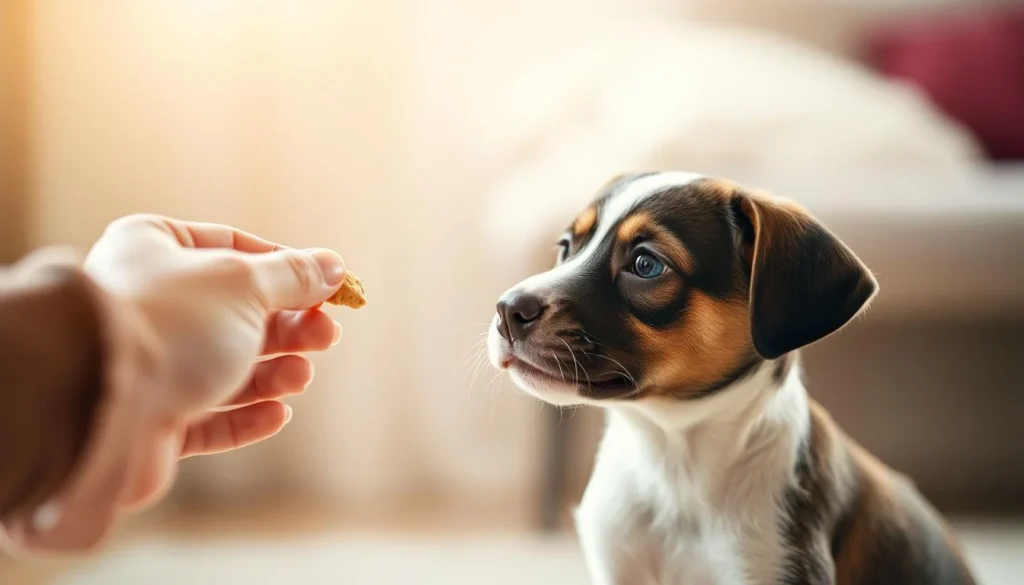
Why rewards beat punishment
Science backs up using rewards instead of punishment. Rewards reduce fear and improve learning. Harsh corrections can cause anxiety and slow progress.
When I use positive reinforcement, the puppy wants to work with me. This approach makes training more effective.
Choosing the right rewards
Food is a quick motivator for puppies. I test different treats to find what they like best. High-value treats are great for distracting them.
I use favorite toys for play-based drills. For calm moments, I use upbeat praise or petting. These choices are key for effective training.
Keeping sessions short, consistent, and fun
I have several short training sessions a day. Each lasts two to five minutes. This fits a young pup’s attention span and keeps learning positive.
I end each session on a win to keep the puppy's confidence up. I practice cues in different places to generalize behaviors.
I also use mealtimes for training and keep a treat pouch handy. Staying patient when progress slows makes training steady and enjoyable.
| Focus | Typical Reward | Session Length | Why it works |
|---|---|---|---|
| Name recognition | Small kibble or soft treat | 2–3 minutes | Builds attention without overfeeding |
| Basic cues (sit, come) | High-value treats or quick play | 3–5 minutes | Strong motivator for reliable recalls and sits |
| Impulse control | Low-value treat, then upgrade | 2–4 minutes | Teaches patience and polite behavior |
| Leash manners | Favorite toy or treats | 3–5 minutes | Rewards calm walking and attention outdoors |
Socialization and safe exposure during puppyhood
I help owners during the most crucial weeks for raising calm, confident dogs. Early socialization is key in the dog behavior training timeline. It helps puppies accept new things without fear.
I focus on the first 16 weeks because it's a critical learning period. Short, positive sessions teach puppies that new things are safe. Quality is more important than quantity in choosing interactions.
When to start puppy obedience training is linked to safe outings before vaccinations. I recommend supervised visits with healthy, vaccinated dogs. Also, brief car rides and handling exercises at home are good.
Your vet can suggest low-risk options for your area. Handling, vet visits, nail trims, and traffic noises need gradual exposure. I pair each new stimulus with tasty rewards and calm praise.
Introductions to diverse people should be slow and pleasant. For outdoor exposure, I suggest short supervised walks on different surfaces. Quiet times near busy dog parks are also good.
Controlled play sessions and meeting well-mannered adult dogs teach social cues. Keep records of your dog's training timeline. This helps track progress and spot gaps. When in doubt, slow the pace and repeat positive experiences.
Household routines: potty, crate training, and leash work
I help new puppy owners with three key routines: potty, crate, and leash training. I keep training sessions short and regular. This fits well into a puppy's short attention span. Small victories each day add up quickly.
I start potty training at 8–12 weeks. The plan includes frequent outdoor trips and lots of praise. A simple rule is to divide the puppy's age in months by two to guess how long they can hold it. I stick to a schedule, take the puppy out after meals and naps, and reward them for going in the right spot.
I see crate training as a positive den, not a punishment. Choose a crate that lets the dog stand and turn. Add soft bedding and let the puppy explore with the door open first. I close the door for short, calm periods and watch for stress signs before increasing time. Crate training helps with housetraining and eases separation anxiety.
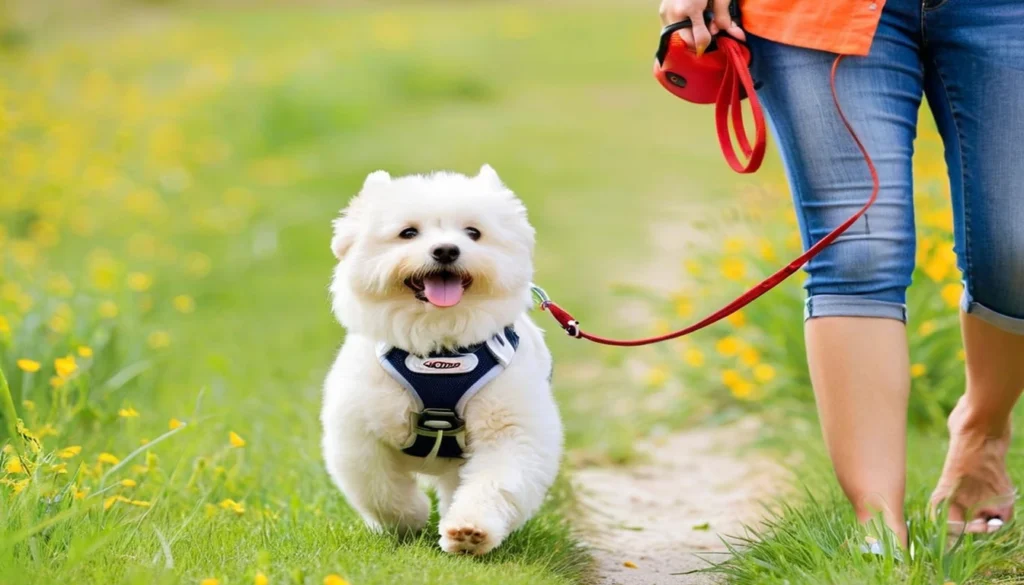
I introduce leash training indoors using a harness for comfort. I clip the leash on for short supervised sessions so the puppy gets used to it. I teach basic stop-and-go steps and reward walking by my side. Once the puppy is steady indoors, I move to quiet outdoor spaces and slowly increase distractions.
I use threshold work at every exit: I ask for a sit before opening doors. This builds impulse control and prevents bolting. Small, repeated practices at doorways become reliable habits over weeks.
Below is a compact dog training schedule that balances potty breaks, crate time, and short leash sessions for a young puppy.
| Time of Day | Potty Breaks | Crate/Rest | Leash/Training Focus |
|---|---|---|---|
| Morning (wake) | Immediate outdoor trip, 5–10 min | Short quiet time after breakfast, 20–30 min | 5 min leash indoors, name recall |
| Mid-morning | Outdoor trip after play, 5–10 min | Crate rest if napping, 30–45 min | 2–3 short leash walks in house |
| After lunch | Outdoor trip within 10 min of eating | Calm crate time, 20–40 min | Threshold practice at doorways |
| Afternoon | Regular outdoor breaks every 1–2 hours | Supervised play, then crate rest | Short outdoor leash session in quiet area |
| Evening | Outdoor trip after dinner, 5–10 min | Family time, then calm crate before bed | Loose-leash reward for walking near family |
| Night (last trip) | Final outdoor break before bedtime | Bedtime crate for 6–8 hours depending on age | Quiet cue practice, settle on mat |
Managing common puppy challenges during training
I help owners tackle common puppy training issues. Small setbacks are normal. My goal is to provide clear steps for handling unwanted behavior and knowing when to seek professional help.
For mouthing, chewing, and nipping, redirect immediately. Give a safe chew toy when a puppy mouths your hand. Teach drop it and leave it with small rewards to build confidence.
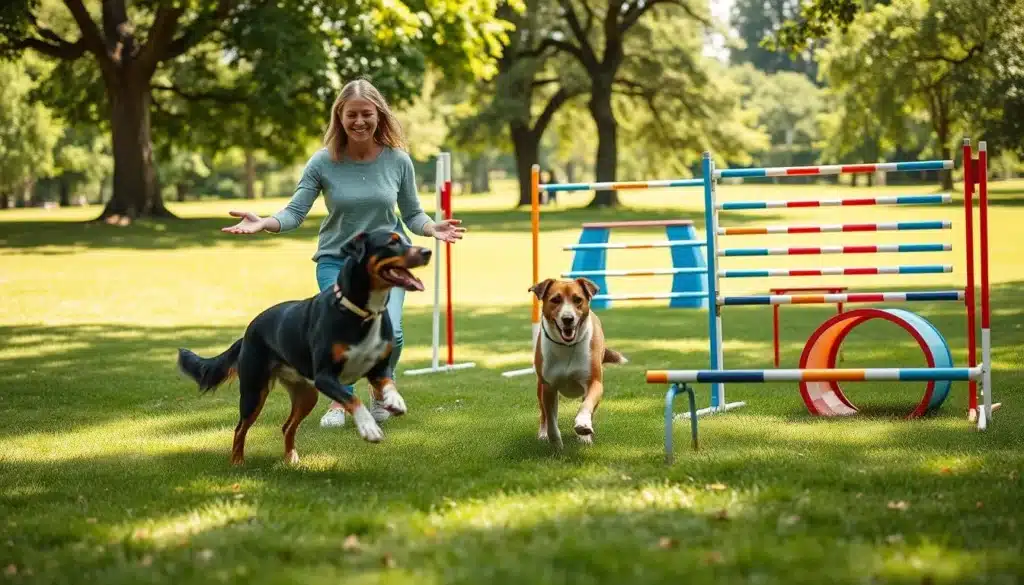
Supervised play and structured fetch teach polite play. They also reinforce commands learned during training.
Adolescence can bring regressions around six months. Keep routines consistent and repeat basics often. Short, frequent sessions help rebuild focus.
Practice sit, come, and leash skills more when behavior slips. This helps the puppy reconnect with cues and expectations.
Persistent fear, sudden aggression, or severe separation anxiety need timely help. Enroll in force-free puppy classes if progress stalls. Many positive-reinforcement group classes start at 12–16 weeks and require vaccine proof.
Look for certified trainers, AKC Canine Good Citizen evaluators, or veterinary behaviorists for serious issues.
I suggest early group classes for socialization and training. Choose classes that use reward-based methods. Check vaccine requirements and class philosophy before signing up. Thoughtful class selection provides structure and expert feedback, speeding recovery from common problems.
Conclusion
I suggest starting obedience training right when you bring a puppy home, usually around eight weeks. This early time is key for learning and social skills. I use short, positive sessions and consistent routines to teach them.
These include name recognition, sit, come, crate, and potty habits. Using mealtimes and brief daily practice helps solidify these basics.
The 6–16 week period is the best time to train a dog, but progress continues up to six to twelve months. A clear dog training timeline is important. It starts with simple cues and moves to more complex ones.
I focus on force-free methods and repetition. This helps behaviors work in real life situations.
Training is a continuous process. Patience and structure are as important as the technique. With positive reinforcement and small, regular steps, you can raise a confident adult dog.
If you face setbacks, look for professional trainers who use reward-based approaches. This will help keep your progress going.