I remember the first night my Labrador mix came home at eight weeks old. His tiny paws tapped on the kitchen tile. He quickly learned my lap was safe. This early bond and simple cues helped him trust me.
This taught me starting dog training early is crucial. It boosts a puppy's confidence and strengthens your bond from the start.
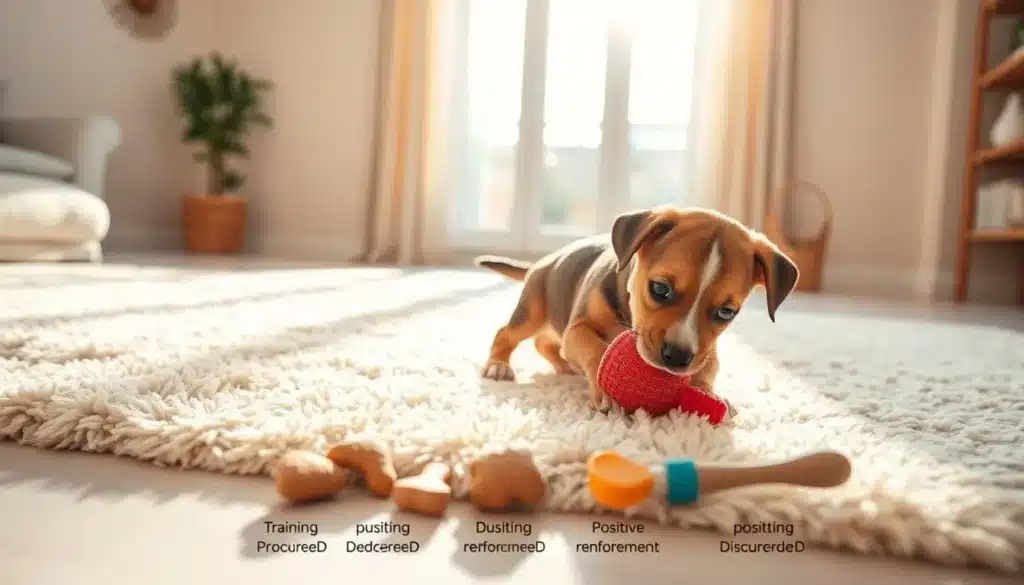
Puppies start learning as soon as they arrive. For most, the best time to start training is when they come home, usually around eight weeks. At this age, they can learn basic commands like sit and come through positive sessions.
Starting early lays a strong foundation for their behavior. Science and trainers agree: positive reinforcement is the best approach. Avoid using tools like choke or shock collars, as they can scare your puppy.
Instead, focus on being consistent, patient, and using short training sessions. This matches your puppy's short attention span.
Every puppy learns at their own pace. While starting early is key, training continues through their teenage years. Think of it as a lifelong journey that starts right away and grows with gentle guidance.
Key Takeaways
- Start training when you bring your puppy home; eight weeks is a common beginning.
- when should dog training start: Day one matters — puppies learn from their environment and interactions.
- Use positive reinforcement; avoid force-based tools and methods.
- Short, frequent sessions work best for young attention spans.
- Training is ongoing: early weeks are crucial, but reinforcement through adolescence builds lasting skills.
when should dog training start
I think timing is as important as breed or environment in shaping a dog's personality. Early experiences teach puppies how to interact with people, other animals, and new situations. Starting off on the right foot can reduce fear and make learning easier later on.
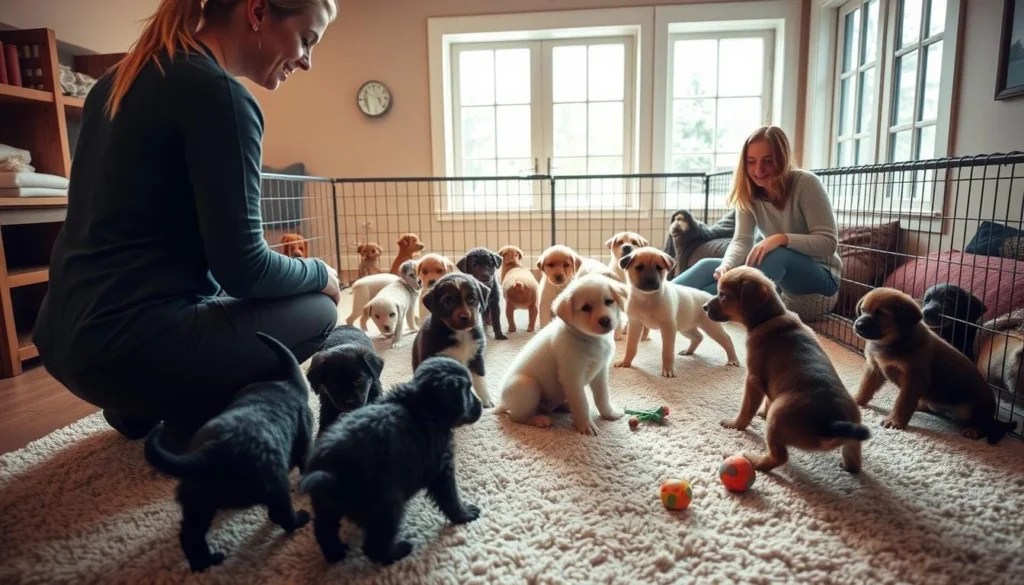
Why timing matters for lifelong behavior
Many new owners wonder when to start dog training. Starting early sets clear expectations and avoids confusion. Dogs that are introduced to people and noises in a calm, positive way tend to have fewer anxiety issues as adults.
Critical learning windows: 6 to 16 weeks and beyond
The puppy socialization window is from 6 to 16 weeks, a time when they learn quickly. I suggest starting gentle exposure and simple cues around 8 weeks. It's important to repeat and vary these experiences to help form good habits.
Training doesn't stop at 16 weeks. The development of dog behavior continues after the socialization window. By six months, you should see improvements in housetraining, impulse control, and recall. Keep practicing through the first year to solidify these skills.
How early exposure shapes adult confidence and trust
Slow, positive introductions help a puppy feel safe. I focus on building a strong bond before starting formal training. This foundation makes learning commands like sit, come, and stay easier.
Waiting too long to start training can lead to gaps in social confidence and obedience. While it's never too late to improve behavior, starting early and keeping training sessions short and consistent leads to faster progress.
Bringing a puppy home: first steps to start dog training
I remember the first night my Labrador arrived. It was a moment that shaped our future. Before starting formal training, I focused on simple routines. These routines made the puppy feel safe and ready to learn.
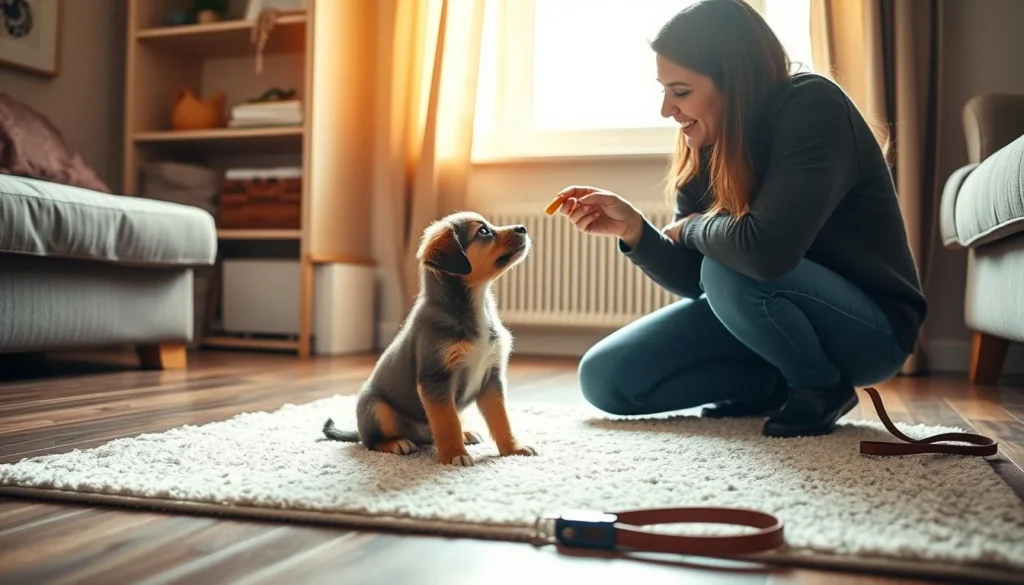
Creating a safe, predictable environment
I made sure the main areas were puppy-proofed and followed a consistent schedule. A clean space, accessible water, and a quiet crate corner helped reduce stress. I introduced the crate in a positive way, making it a place of comfort.
Relationship building and emotional health before formal lessons
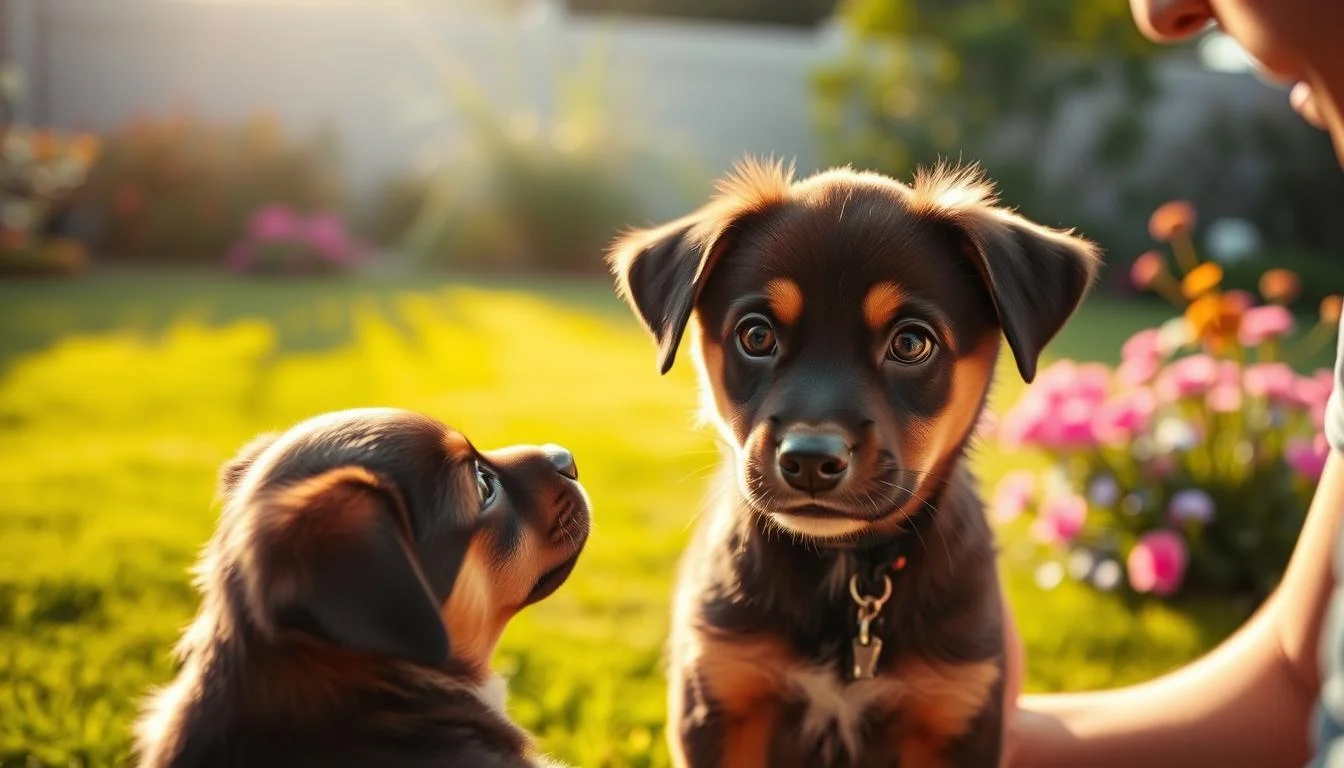
Building trust was more important than teaching commands early on. I used gentle handling to prepare the puppy for vet visits and grooming. Slow, positive introductions to new people and places helped the puppy feel safe.
Short, frequent sessions using your puppy’s food as rewards
Puppies have short attention spans. I kept training sessions short, about five minutes, several times a day. This added up to ten to fifteen minutes total. Ending on a positive note kept the puppy motivated.
I used regular kibble or tiny treats as rewards. This taught the puppy to work for food. A treat pouch on walks made it easy to reward them consistently.
I followed advice from AKC-certified trainers and programs like The Puppy Academy. These early steps helped answer when to start training a new puppy. They set the foundation for future milestones in puppy training.
Socialization window and puppy socialization best practices
I focus on the period when puppies build their sense of the world. This sensitive phase, called the puppy socialization window, runs roughly from weaning to about 16 weeks. Short, positive experiences now help prevent fear and reactivity later.
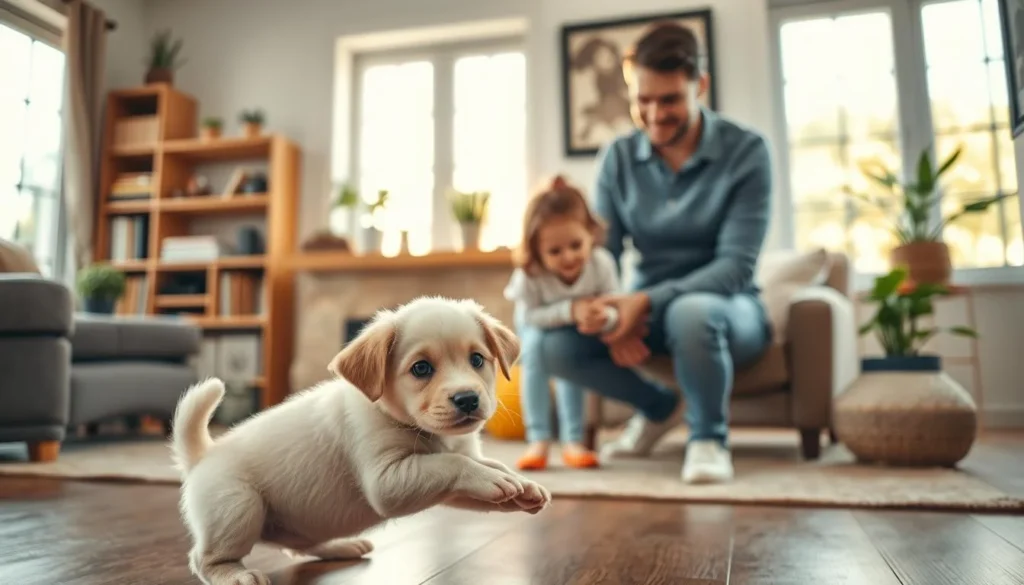
I avoid overwhelming a young dog. I aim for controlled exposures that teach curiosity and calm. These moments shape whether a dog greets strangers with interest or with anxiety.
What the puppy socialization window is and why it ends by 16 weeks
The window is a biological sensitive period for learning what is safe. After about 16 weeks, puppies become less accepting of novelty and more prone to lasting fears. Trainers urge owners to maximize gentle, positive encounters before that cutoff.
Safe ways to expose puppies before vaccinations are complete
I recommend avoiding dog parks and heavily trafficked dog areas until vaccinations finish. Carrying your puppy in public lets them observe safely. Short, supervised visits with fully vaccinated, calm dogs work well.
Playpen introductions and outdoor meetings at a distance reduce risk while still teaching social cues.
Positive introductions to people, animals, sounds, and surfaces
I introduce a variety of people of different ages, hats, and voices. I include brief meetings with children under careful supervision. When safe, I expose puppies to different dog breeds through controlled visits.
I pair low-intensity noises—traffic, vacuum, lawn mower—with treats and calm praise to build tolerance.
I add surface variety like concrete, grass, tile, and sand. I use the puppy’s name and simple watch exercises to gain focus during new experiences. Rewarding calm attention encourages confident responses and supports later work on when should dog training start and when to start basic obedience training.
I prioritize quality over quantity. Short, pleasant interactions that end well are far more valuable than long, stressful sessions. With steady, gentle practice during the puppy socialization window, I set the stage for smooth progress when to start basic obedience training and for answering the question of when should dog training start in a way that fits each puppy.
| Focus | Safe methods | Ideal age |
|---|---|---|
| People variety | Outdoor, distanced greetings; treat-pairing for calm | 6–16 weeks |
| Dog introductions | Short visits with vaccinated, calm dogs; playpen meetings | After vet clearance, within socialization window |
| Noises | Low-volume exposure, reward curiosity, gradual increase | 6–16 weeks |
| Surfaces | Walks on concrete, grass, tile, sand; reinforce exploration | 6–16 weeks |
| Training overlap | Use name, watch, and short focus exercises to bridge play and lessons | Start during socialization window; supports when to start basic obedience training |
Basic obedience and puppy training age milestones
I create a detailed puppy obedience training plan. This way, you know exactly what to teach at each stage. Puppies absorb a lot in short periods. Starting early sets the stage for ongoing success.
At 8–12 weeks, I focus on the basics. I teach them to recognize their name, sit, and come. I use fun games and treats to make learning fun and rewarding.
Between 3 and 6 months, I introduce more commands. I teach them to stay, leave things alone, and walk nicely on a leash. I mix commands and gradually increase the time they need to follow each one.
By six months, they should be well-trained and able to play nicely. They should also be okay with being alone for short periods. Recall and impulse control become second nature with regular practice.
By one year, they're ready for more challenging tasks. I add distance and distractions to their training. This helps them learn in real-world situations.
Remember, every puppy is different. Their training pace depends on their breed, personality, and home environment. Trainers often adjust their plans to keep training fun and effective. A clear plan helps me set achievable goals and celebrate their progress.
Household foundations: potty training, crate training, and routines
I focus on simple systems for a predictable life with your puppy. Clear routines help learning, reduce anxiety, and mark important puppy training milestones. Start small, stay consistent, and expect gradual progress.
When to start potty training and realistic timelines
I start potty training as soon as your puppy arrives, usually around 8–12 weeks. Early, frequent outdoor breaks are key. Use the rule of thumb: puppy age in months divided by two equals hours between potty breaks.
Most pups show major progress in a week to a month with consistent practice. Full consistency can take several months. It depends on supervision, maturity, and household routine. Start housetraining immediately and reinforce often.
Crate training as a safe space and separation prep
I see the crate as a cozy den, not punishment. Choose a crate that fits your puppy’s adult size or use a divider. Invite short, positive stays with treats and toys, and close the door for a few seconds at first.
Crate work speeds housetraining and builds tolerance for alone time. Gradually increase duration while watching for stress signs. If the puppy whines, step back to shorter sessions and more rewards. Crate training supports basic obedience training by giving your puppy calm time to focus.
Daily schedules for feeding, potty breaks, naps, and short training sessions
I keep days predictable. Feed at set times, take potty breaks before and after meals, schedule mid-morning and mid-afternoon naps, and offer brief training bursts of three to five minutes several times a day.
Use supervision, baby gates, and redirected chewing to prevent mistakes and protect belongings. These tools create space for learning and anchor puppy training age milestones in real life.
Leash work, threshold training, and impulse control
I help owners teach puppies to be calm at home and at the door. Early leash practice and simple impulse exercises are key. They ensure safe outings and polite behavior. This way, you know when and how to start training your puppy.
I start leash training indoors in a quiet room. Your puppy wears a harness and leash for a few minutes. You give treats and gentle praise.
Short walks teach them to walk with you, not pull. This is the first step in leash training.
Indoor leash practice helps your puppy learn to walk without pulling. I stop and reward your puppy for staying close. As they get better, I add more time and distractions.
Threshold drills at doorways help prevent your puppy from running out. Ask them to sit before opening the door. Practice this at different doors, adding more distractions slowly.
Impulse control starts with simple habits like sitting before getting food or playing. I make these cues part of daily life. This teaches your puppy to ask politely instead of jumping or nipping.
Small, consistent rewards help your puppy learn that calm behavior is rewarded. This makes them more polite and less likely to jump or nip.
As you plan walks, combine leash training with threshold work and impulse control games. This approach reduces stress and helps your puppy learn calm habits. It shows you when and how to start training your puppy.
Starting dog agility training and advanced activities
I help owners move from basic obedience to agility skills. Before diving into weave poles or high jumps, consider timing, strength, and focus. Knowing when to start training is key for safe agility progress.
When to introduce low-impact agility basics
Start with low-impact activities when your puppy knows basic commands. I recommend games like target touching, flat tunnels, and short obstacle runs. These help build confidence without harming young joints.
Building strength, focus, and formal obedience first
A strong obedience foundation is crucial. I focus on leash manners, impulse control, and steady recalls before adding speed. Short, frequent sessions boost focus and prepare for athletic activities.
Adapting agility and sport training to breed, age, and vaccination status
Always check with your vet about starting high-impact drills. Large breeds need extra time as growth plates close. Practice in private or backyards for unvaccinated puppies. Adjust the pace and intensity based on breed and maturity.
Training methods: positive reinforcement and consistency
I help owners choose the right training by focusing on trust, clear steps, and consistency. I show why gentle methods are best, how to keep training fun and short, and how to move from treats to real-world skills.
Why positive reinforcement works
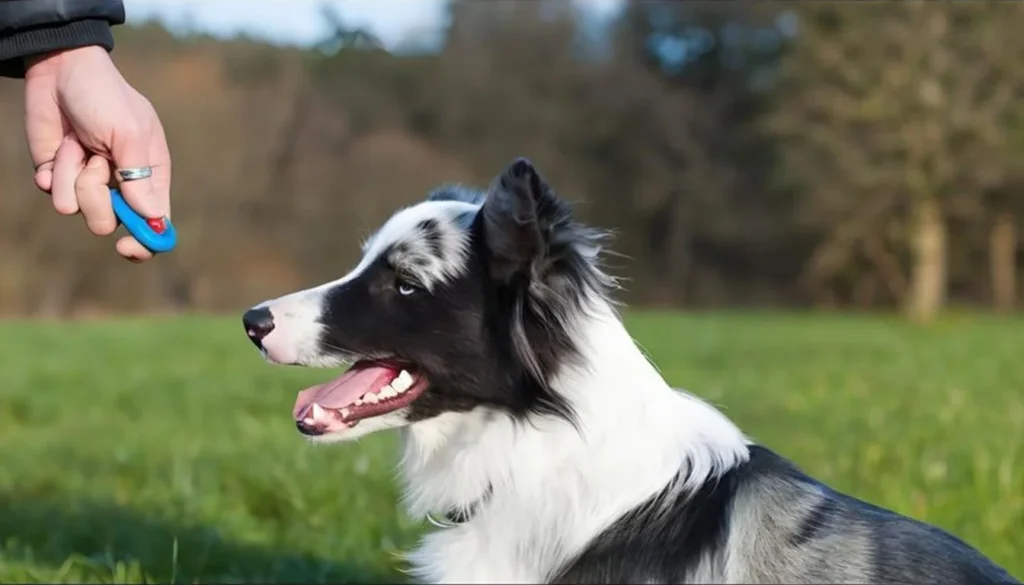
Vets and certified trainers say reward-based training is best. It reduces fear and strengthens the bond between dog and handler. Positive reinforcement dog training rewards the exact behavior you want. This leads to fast learning and lasting habits without the stress of punishment.
Keeping sessions short, consistent, and fun
Puppies learn best in short, 5–10 minute sessions. I run many mini-sessions each day and stop when they win. This keeps them eager. Using consistent cue words and hand signals from everyone helps avoid confusion.
Phasing out treats and building real-life skills
I start with treats, then move to less frequent rewards. I ask for two or three cues before giving a treat. I also use praise or play instead of treats sometimes. This mirrors a practical puppy obedience training timeline that builds from short wins to lasting skills.
Adding distance, duration, and distractions
To make cues work everywhere, I add the 3Ds gradually. I use a long-line to increase distance, make behaviors last longer, and introduce distractions in controlled settings. I practice in different places, on walks, and at dog parks to ensure cues work everywhere.
Consistency and lifelong maintenance
I tell owners to reinforce good behaviors even when it's hard. This prevents mixed messages and keeps learning steady. Training is not just for puppies. Regular refreshers and new challenges keep a dog mentally fit and well-behaved.
When should dog training start?
I suggest starting basic socialization and name work as soon as a puppy comes home. Early, gentle lessons fit into a sensible puppy obedience training timeline. They set the stage for reliable behavior through positive reinforcement dog training.
Conclusion
I start training my puppy the moment they arrive home, usually around eight weeks. This is because the best time to start dog training is when they are young and emotionally secure. The 6–16 week socialization window is crucial.
I begin by building a strong bond and gently introducing them to new people and places. I use short, positive sessions with treats to reward them. These early steps help them learn important skills like their name, sitting, and coming when called.
As time goes on, I add more to their training. This includes basic commands, house training, and learning to walk on a leash. I keep the training sessions short and consistent. I use positive reinforcement and gradually increase the challenges they face.
Remember, training is a lifelong process. The habits we build in the first months help them grow into well-behaved adult dogs. I adjust my goals based on their breed, health, and energy level. I also seek advice from my vet and certified trainers for specific guidance.
With patience, structure, and positive methods, I can raise a confident and well-behaved dog. They will meet all the puppy training milestones and enjoy a happy life for years to come.