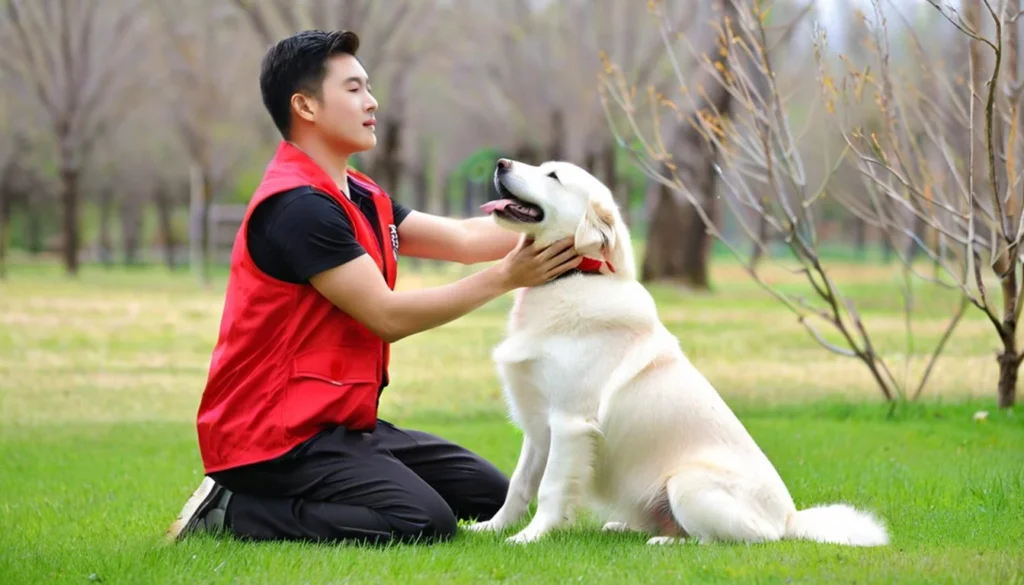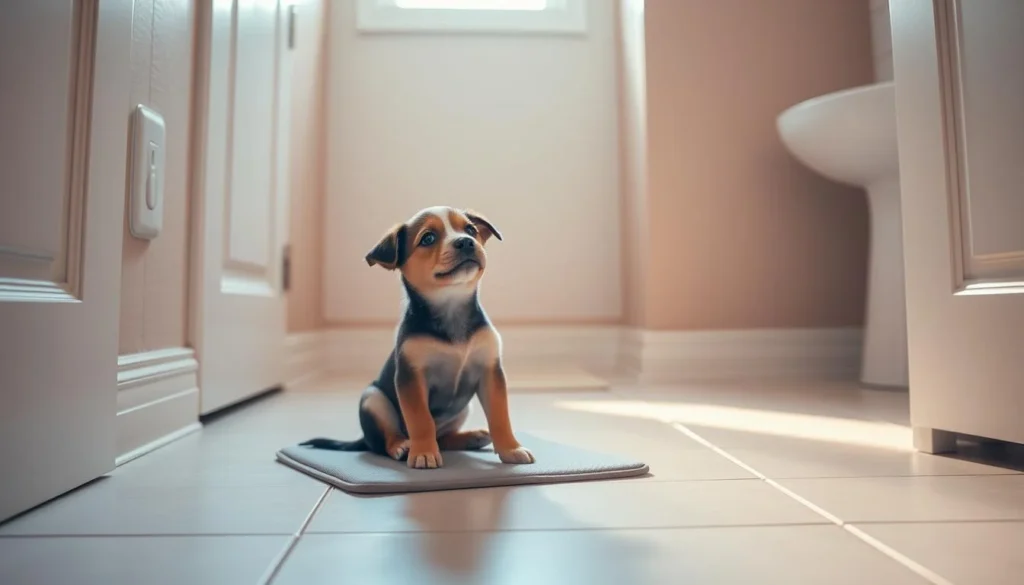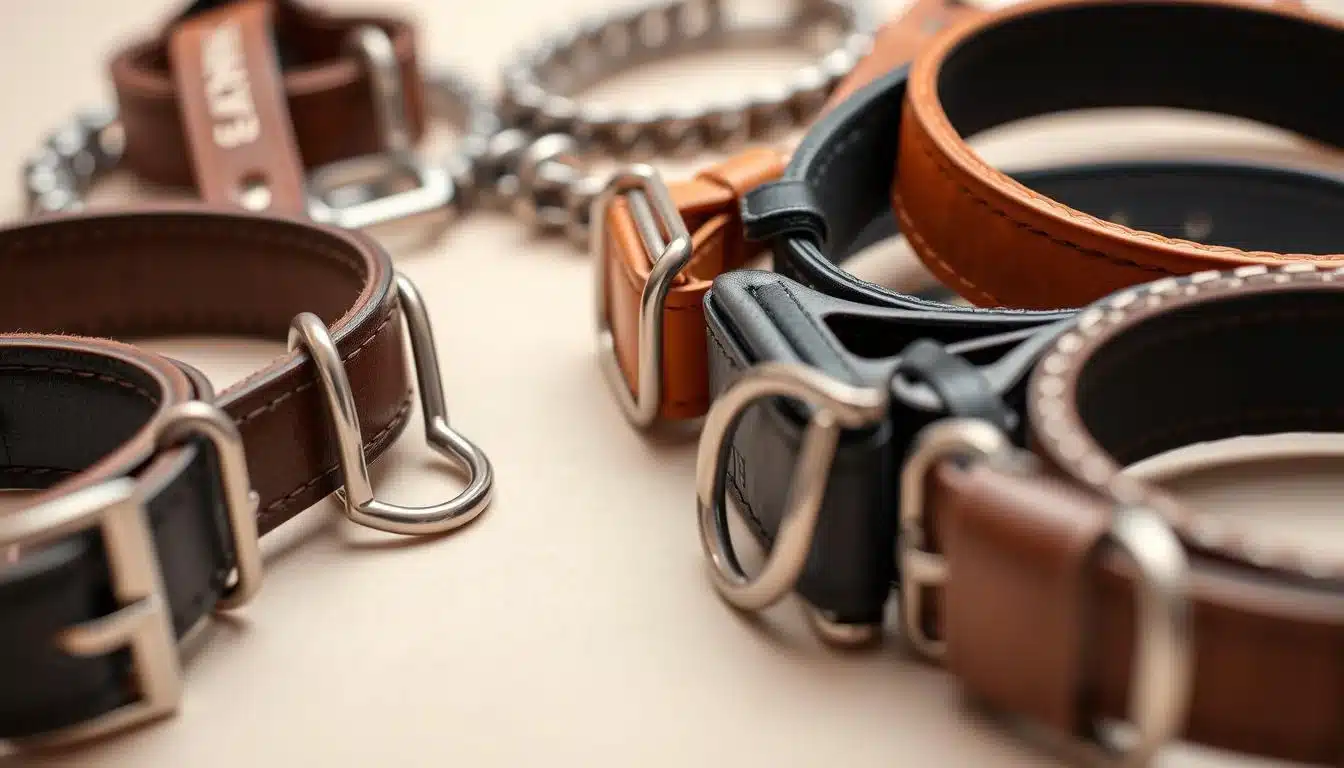
I remember the first time my Labrador mix ran after a squirrel. It pulled me across a quiet park. I felt embarrassed and worried. Did I pick the right gear, or was I missing something?
That moment taught me that choosing the right collar isn't just about the hardware. It's about finding the right tool for your dog's needs. And using it with consistent training.
In this guide, I'll share practical answers for different training needs. I've used my own experience and advice from brands like Black Dog Wear and E-Collar Technologies.
Remember, equipment alone can't fix behavior issues. Whether you need a collar for walking or more advanced training, it should support your plan. I'll discuss four main types: gentle collars, neck collars, body harnesses, and electronic collars.
I'll also help you consider safety, comfort, and effectiveness. This way, you can choose the right collar for your dog and your training goals.
Key Takeaways
- Choosing the right collar depends on your dog's size, temperament, and training goals.
- Collars are tools to support consistent technique — they don't replace training work.
- Gentle options (head halters, martingales) and body harnesses suit many pet owners; neck and electronic collars serve specific needs.
- Trusted brands include Black Dog Wear, Dogtra, SportDog, Garmin, E-Collar Technologies, DT Systems, and PetSafe.
- Focus on fit, safety, and pairing the collar with positive, repeatable training methods.
Understanding training collars: purpose and categories
I explain what training collars do and why picking the right one is key. A good collar gives clear feedback, helping dogs understand cause and effect. I use short sessions for skills like walking on a leash, coming when called, and stopping unwanted barking.
I outline four main types of collars to help you compare. Each type has its own purpose and fits differently. Choosing the right collar ensures training is both humane and effective.
What training collars aim to achieve
Training collars provide immediate cues to guide behavior. They help set boundaries, teach recall, and improve walking manners. Good collars allow for precise timing of corrections or cues, helping dogs understand what's expected.
Overview of collar categories: gentle, neck, body, electronic
Gentle options include head halters and martingales. These tools guide the head or prevent slipping without choking. For puppies, gentle collars help avoid stress and build positive associations.
Neck collars include choke chains, prong collars, and slip collars. They apply direct pressure to the neck and need exact fit and skilled use. I advise seeking professional help before using these to avoid harming the dog.
Body harnesses come in front-attach and rear-attach designs. Front-attach harnesses steer the chest to prevent pulling. Rear designs are comfortable for everyday walks but may not correct heavy pulling.
Electronic e-collars offer static, vibration, tone, and beeper modes. These allow for remote reinforcement and can solve stubborn recall issues when used ethically and with careful conditioning.
How collar choice interacts with training technique
Collar choice must align with training method. Head and neck collars are best for loose-lead walking and reactive handling. Body harnesses work well with reward-based leash training that focuses on stepping with the handler.
E-collars need a conditioning plan: start with tone or vibration, reward correct responses, then use brief, calibrated stimulation if needed. Always start with the least intrusive option and pair it with consistent training.
When working with clients, I emphasize that no collar replaces clear timing, repetition, and positive reinforcement. The right collar supports the technique, but doesn't replace it.
what type of collar is best for dog training
Many people ask me about the best collar for dog training. The right collar depends on your dog's size, temperament, and the behavior you want to change. It's important to choose the right gear and have a plan for training.
How to match collar type to your dog’s needs and temperament
Small or toy breeds need lightweight collars and gentle options. Make sure the e-collar's minimum weight limit is met for reliable use. Sensitive dogs do well with vibration or tone modes and head halters.
High-drive or working dogs might need an e-collar with adjustable power. This helps avoid overstimulation by accident.
Behavior is as important as size when choosing a collar. Pullers often do better with head halters, martingales, or front-attach harnesses. Dogs that slip out of collars benefit from a martingale that limits escape risk without constant tightness.
When choosing a dog training collar, think about how the tool addresses the specific problem, not just brand or looks.
Balancing effectiveness, safety, and comfort
Safety is the top priority. Avoid devices that cause steady pressure. Martingales stop over-tightening, while choke and prong collars raise injury risk when misused. Fit matters; a padded, well-shaped option reduces rubbing and stress.
I trust brands like Black Dog Wear for halters and martingales because their padding and fit are reliable.
Effectiveness depends on control point. Closer-to-head options, such as head halters, give fast, directional guidance. E-collars offer distance correction and multiple modes for graduated responses. When choosing a dog training collar, weigh immediate control against long-term comfort so the dog will wear it willingly during training.
Why equipment alone isn’t enough — the role of consistent technique
Tools never replace skill. I run a lead-walking training series where I introduce equipment alongside step-by-step lessons. New collars work best when you add desensitization, clear cues, and short sessions.
For an e-collar, use a step-down protocol that reduces intensity as the dog learns. For a head halter, spend time pairing it with treats so the dog accepts the feel.
Collar training puppy requires patience. Start with very short sessions, praise small wins, and build duration slowly. Consistent timing, rewards for the right response, and predictable corrections carry more weight than any single device.
| Dog Profile | Recommended Options | Safety Notes |
|---|---|---|
| Small, sensitive breeds | Head halter, vibration/tone e-collar with low-power receiver | Use lowest effective intensity; check receiver minimum weight |
| Pullers and escape artists | Martingale, front-attach harness, properly fitted head halter | Ensure martingale stops before choking; adjust fit to prevent slipping |
| High-drive working dogs | Adjustable e-collar with multi-mode functions, sturdy martingale | Prefer step-down training; avoid constant high power |
| Puppies starting training | Light flat collar for ID, gradual introduction to martingale or halter | Keep sessions brief; pair gear with positive rewards |
Martingale and slip collars: benefits and proper use
I explain how a martingale collar is different from a simple loop. I show when it helps dogs learn better leash manners. My advice is practical, so owners can choose the best collar for dog training easily.
Martingale collars have a short control loop that tightens mildly when a dog pulls. Then, it stops to prevent choking like a choke chain. This makes them safer than other collars for dogs that slip out.
They are great for sighthounds like greyhounds and whippets. Also, for stocky breeds that back out of regular collars.
Slip collar training is similar to martingale, but martingale adds a stop. This difference helps teach loose-lead walking. Quick feedback from the collar helps dogs learn when paired with rewards.
Fitting is key. I place the martingale high on the neck, just below the ears. This keeps pressure away from the trachea and on the back of the neck. The collar should not tighten past the jawline. It should be loose with slack on the lead.
I prefer quality brands for durability and consistent function. Brands like Black Dog Wear make martingales that last and work well. Cheap metal or thin fabric can slip or fray, which can be dangerous.
There are downsides to watch for. Martingales should not be kept tight for long periods. Constant pressure can be uncomfortable and make dogs ignore the cue. I teach so tightening acts as a brief signal only, then releases as soon as the dog yields.
Do not use a martingale as a substitute for training. It helps with escape artists and teaches a clear contact cue. But, it should be used with reward-based exercises and proper leash handling. Avoid prolonged restraint or using the collar to correct behavior without guided training steps.
Below I compare key points to help pick the right option among slip styles and martingales.
| Feature | Martingale collar | Slip collar |
|---|---|---|
| How it works | Tightens with a built-in stop to limit closure | Simple loop that can tighten without a fixed stop |
| Best use | Escape-prone breeds and loose-lead training | Short-term training only with expert supervision |
| Fit and position | High on neck, below ears; must loosen with slack | Same positioning required; higher risk if misused |
| Safety | Safer than a plain slip since it has a stop point | Higher risk of over-tightening and choking |
| Training role | Cueing brief pressure followed by release | Useful for specific corrections but needs caution |
| Recommendation | One of the best collar for dog training when matched to the dog | Use only in controlled slip collar training with skilled handlers |
Head halters and training halters: control close to the head
I suggest using head halters for clear control. They guide the nose, and the body follows. This makes it easier to handle dogs that pull hard or get distracted during walks.
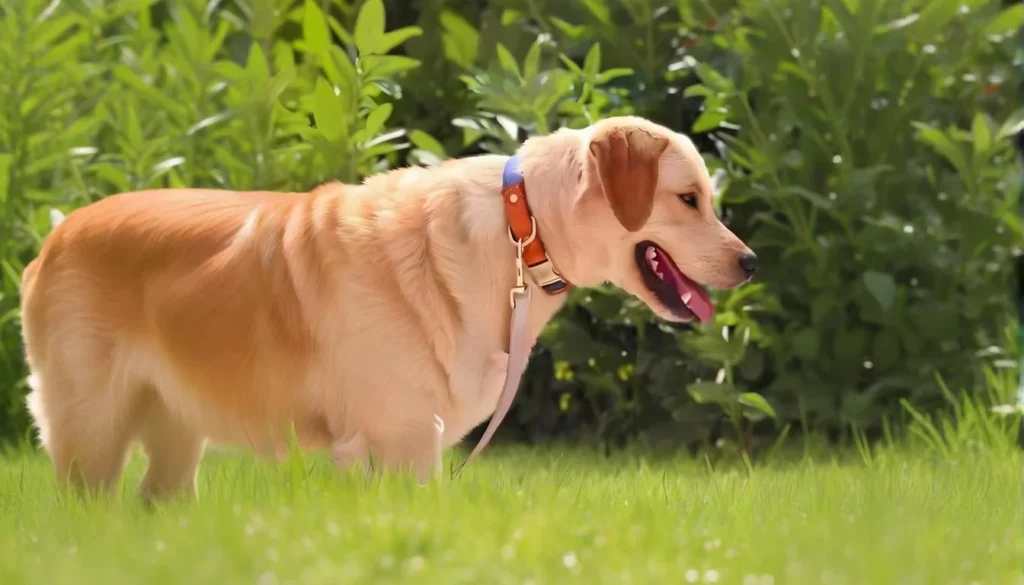
Comfort and fit are key. Halti and Black Dog Wear offer different styles and padding. Halti fits many breeds well. Black Dog Wear has smooth straps and a chin strap for better guidance.
Look for adjustable straps, soft padding, and smooth hardware. These features make head halters effective for guiding dogs.
Introduce a halter slowly to avoid upsetting a puppy or adult dog. Start in a quiet room with short sessions. Reward calm behavior and gradually increase time and cues.
Expect some resistance at first. It's called the tantrum phase. Stop and reward calmness instead of forcing the halter. If a dog resists, try vibration or tone options or other collars.
Fit is crucial for safety. Avoid slack to prevent lunging and neck strain. With the right fit and slow introduction, head halters are a humane training tool.
Flat buckle collars and everyday collars: when they’re appropriate
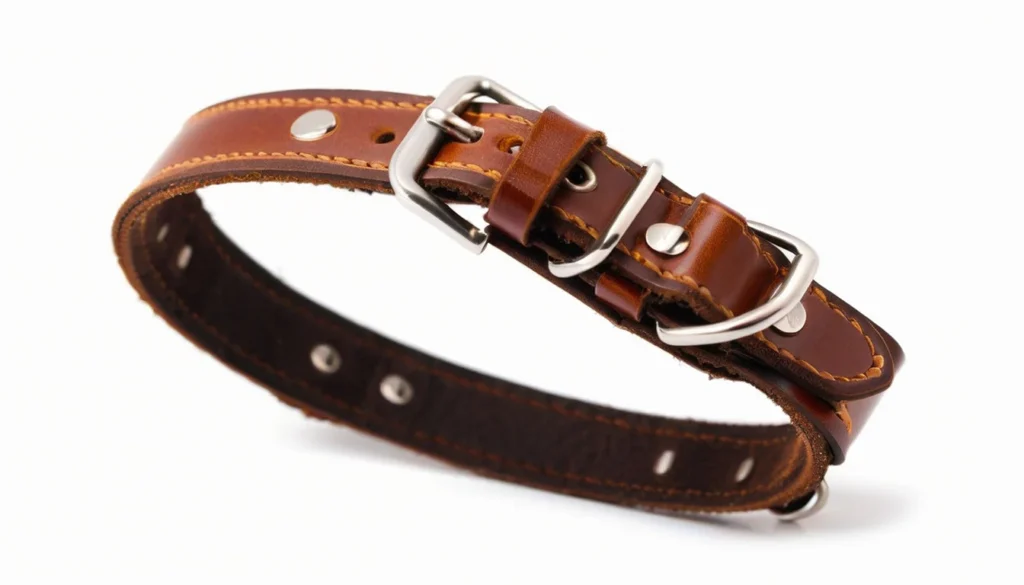
I like simple solutions for everyday life. A flat buckle collar or everyday collar is perfect for that. They're great for carrying ID tags, licenses, and for short walks. They're also lightweight, adjustable, and comfy for most dogs when fitted right.
Limitations for training versus daily ID use
A flat buckle collar doesn't offer the feedback of a head halter or martingale. It's not ideal for strong pullers or dogs that slip out. I wouldn't count on it for managing lunging, escapes, or serious leash issues.
Using a flat collar with positive training methods
Flat collars are good for reward-based training. I use them for marker training, clicker sessions, and loose-leash practice. Keep training short, reward often, and don't jerk the leash. For training a puppy, a soft flat collar teaches them to carry tags and handle collars gently.
When to upgrade from a flat collar to a training-specific option
Switch to a martingale, head halter, front-attach harness, or e-collar when control or safety is key. An Easy Walk–style harness is great for pulling dogs. Always get professional advice before using tools like prong or choke collars. Choosing the right collar depends on the dog's size, drive, and the behavior you want to change.
Harnesses: front-attach vs rear-attach and training implications
Many owners wonder if a harness can stop their dog from pulling. I believe harnesses can help by changing where the force is applied. But, they don't replace the need for good leash skills or choosing the right collar for training.
For dogs that pull hard, I often use head or neck gear. These tools help me control the dog's direction quickly. Trainers often choose a halter or martingale for precise control, especially when stopping the dog's forward movement is key.
A front-attach harness is useful in many cases. It helps redirect a dog's shoulders when they lunge. This is especially helpful for dogs that don't like pressure on their neck but can handle head halters.
Rear-attach harnesses spread the force across the dog's chest. They're great for hiking and comfort. However, some dogs may pull harder when wearing them. To avoid this, I focus on leash drills and loose-lead walking. Teaching a head-turn cue and rewarding the dog for staying by my side are simple yet effective steps.
When introducing a harness for training, I keep sessions short and clear. I don't rely solely on the harness. It's a tool to support consistent practice of skills like recall, attention, and walking without tension.
Chain, prong, and choke collars: controversy and safe guidelines
I look into the tools that cause the most debate in dog training. Owners often consider a prong collar or choke collar for pulling or leash escapes. Chain leads are used when dogs chew on fabric leashes. I aim to explain how these tools work, their risks, and safer alternatives.
Choke chains tighten around the neck to correct pulling. Prong collars apply pressure evenly with metal prongs. Chain leads are durable and chew-resistant, unlike nylon leashes. These tools provide a clear cue, making them effective in certain training situations.
Why they are debated
Some say misuse can harm the neck, spine, or larynx, causing fear or avoidance. Veterinarians and positive-reinforcement trainers warn of injury risks from improper use. The term "shock collar training" often comes up, sparking ethical debates.
Safety cautions and fit
Using a choke or prong collar requires precise fitting. Corrections should be brief and timed with clear goals. Never leave these collars on when the dog is alone. Small or brachycephalic breeds should avoid heavy chain leads due to airway sensitivity.
Professional guidance
Consult a credentialed trainer or vet before using these tools. Certified trainers often suggest alternatives first. Working with a professional reduces harm and improves training through proper handling.
Lower-risk alternatives
Martingales and head halters control pulling without neck compression. Front-attach harnesses reduce neck strain. E-collars with tone and vibration steps offer corrections with less force. For leash chewing, a lightweight chain lead can be effective but may be too heavy for small dogs or halter use.
Electronic collars and e-collars: modern features and best practices
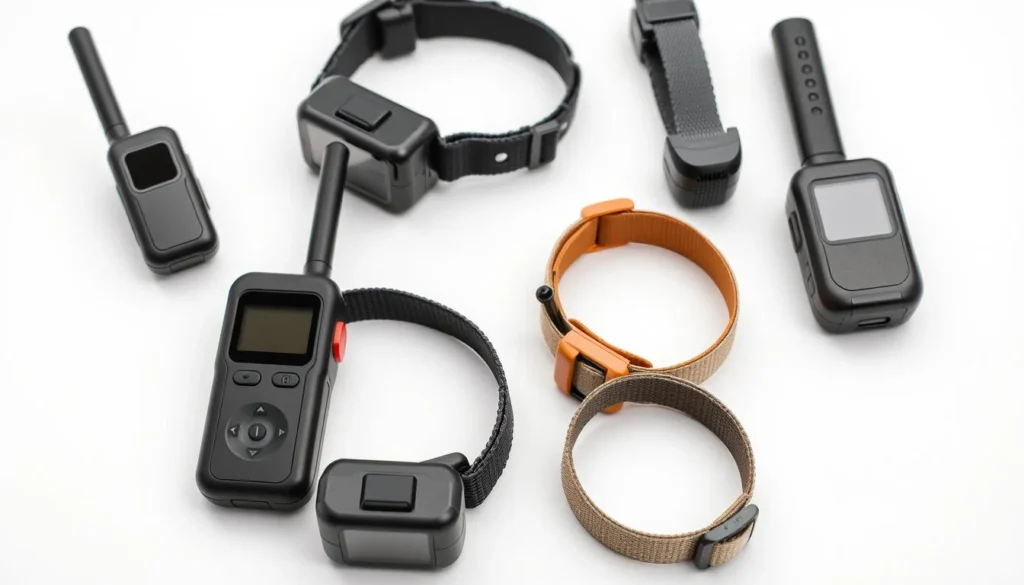
Many owners ask me about the best dog training collar for distance control. Modern electronic collars and e-collars offer various cues, not just static stimulation. They are great for fieldwork, off-leash recall, and complex behaviors.
Modes available: static, vibration, tone, and beeper functions
Most collars have adjustable static levels, vibration, and tone. I start with tone and vibration as primary cues before using static. Beeper or locate modes are useful for hunting or search work when a dog is out of sight. Some systems also have Run & Point, Point Only, Jump & Rise, and momentary versus continuous options for precise timing.
Selecting power, range, and receiver size for your dog
Choose power based on your dog's temperament. Low-power for sensitive pets, low-to-medium for typical family dogs, and low-to-high for high-drive or working breeds. Make sure the collar is not too heavy. Range specs vary, but real-world range depends on terrain and weather. I prefer to over-spec rather than under-spec.
Many brands like Garmin, Dogtra, SportDog, and E-Collar Technologies support multi-dog expandability if you plan to add receivers.
Ethical use, step-down training, and when to consult a professional
I follow a step-down method: pair tone or vibration with the behavior, use brief momentary corrections, and avoid prolonged continuous stimulation. Auto shutoff features cut power after about eight to ten seconds, reducing misuse risk. If you're new to shock collar training, consult a trainer experienced with e-collars for humane protocols.
Reputable brands like DT Systems and PetSafe offer manuals and tech support. Yet, professional guidance speeds up safe learning.
I believe electronic collars can be precise communication tools when used with care. Read the manual, start low, pair non-aversive cues first, and prioritize your dog’s comfort when deciding what dog training collar is best for your goals.
Leads and leash types that complement collars for training
I focus on practical leash choices that help shape behavior and keep walks safe. Choosing the right lead is as important as picking a collar. The wrong tool can slow progress or create hazards, so I walk through common problems and solid options.
Why retractable leashes and bungee leads are often not recommended for training
I avoid retractable leashes for formal training. They can snap, offer poor control, and teach dogs to ignore lead feedback. A long, thin cord can wrap around limbs during a spook.
I also steer clear of bungee leads when teaching loose-lead walking. Bungee stretch absorbs the handler’s cues, which reduces clear feedback a dog needs to learn not to pull. This delayed signal makes consistent shaping much harder.
Recommended training leads: length, material, and handling
My go-to is a standard 1.8 m (6 ft) soft webbing lead. It balances control and freedom. The thickness should match your dog’s size so it’s comfortable in your hand and easy to gather or let out.
For distance work, I use an 8 m longline or lunge line. It gives freedom while keeping recall and recall-proofing under control. Longlines help me teach gradual leash pressure and reliable returns without resorting to retractable systems.
I teach handlers to keep slack during loose-lead walking, gather a short amount for tight control, and switch lengths by exercise. Good hand placement and a clipped carabiner or solid bolt snap make quick adjustments safe and simple.
Solutions for dogs that chew the leash
When a dog chews leash material, I treat the behavior with training first. Redirecting to a toy, practicing “leave it,” and rewarding calm walking are lasting fixes. Temporary measures help while training takes effect.
If chewing persists, I use a chain lead for strong chewers. Chain leads resist chewing but carry weight and are not suitable for tiny dogs or head halters. I avoid using chain with delicate halters that need soft attachment points.
Some handlers try safe-tasting deterrents like mild vinegar sprays as a short-term aid. I recommend these only while actively training the underlying habit. A chained lead or supervised sessions keep walks productive until chewing stops.
| Leash Type | Best Use | Pros | Cons |
|---|---|---|---|
| 6 ft soft webbing | Everyday training, loose-lead work | Light, versatile, easy to gather | Can fray if chewed |
| 8 m longline | Distance recall, off-leash skills | Controlled freedom, good for shaping | Requires space and handling practice |
| Chain lead | Dogs that chew leash | Durable, chew-resistant | Heavy, not for small dogs or some halters |
| Retractable leash | Casual strolls where control demands are low | Variable length for roaming | Retractable leash dangers: poor feedback, break risk |
| Bungee lead | Shock absorption for jogs | Reduces jolt from sudden pulls | Absorbs training cues and weakens signals |
Choosing a collar based on dog size, temperament, and goals
I help owners find the right gear for their dog. It's all about the dog's size, personality, and what you want to achieve. Whether it's walking on a leash, calling your dog back, or training off-leash, the right collar is key.
Matching minimum weight and receiver size for e-collars
Before buying, I check the receiver's weight. E-collars have a minimum weight for the dog and the receiver. A heavy receiver on a small dog can be uncomfortable and might rub.
I look for the lightest model that still has enough power. I also test the fit when the dog is standing and moving. The receiver should fit snugly but not too tight.
If I need a collar for longer distances, I choose one that balances range and size. This makes it practical for everyday use.
Assessing temperament: sensitive vs high-drive dogs
I evaluate a dog's temperament in different situations. Sensitive dogs might get scared by strong static signals. For them, I start with vibration, tone, or a halter.
High-drive or working dogs are different. They might need a collar that starts with low stimulation and increases during training. I use strong tools carefully to avoid overuse and ensure they respond well.
Expandable systems and multi-dog considerations
For owners with plans to add dogs, I suggest expandable e-collars. These systems allow you to add receivers with one remote. I look for remotes with multiple channels and easy-to-use designs for training several dogs.
Warranty and support from the dealer are important. Brands like Dogtra and Garmin offer good warranties. Buying from authorized dealers helps protect your investment.
| Factor | What I check | Tip |
|---|---|---|
| Dog weight | Receiver minimum weight rating and collar mass | Pick the lightest receiver that meets power needs |
| Temperament | Sensitivity in calm and high-arousal situations | Start with vibration/tone for sensitive dogs |
| Training goals | Recall, off-leash work, behavior management | Match collar features to specific goals |
| Multi-dog use | Remote channels, add-on receiver support | Buy expandable e-collars if adding dogs later |
| Brand support | Warranty, authorized dealer availability | Choose Dogtra, Garmin, or K9Electronics for support |
How to introduce and train with any collar safely
I want to help you start collar work the right way. This way, your dog learns calmly and reliably. A careful introduction builds trust and keeps training effective. Fit, short sessions, and clear cues matter more than the tool itself.
I start by checking fit. For a training dog collar or harness, snug but comfortable is the goal. Martingales and halters need higher placement and limited slack. For e-collars, I verify contact points touch the coat and set the lowest effective level. A quick collar check before every session prevents rubbing and missed signals.
I introduce gear in short, fun bursts. Ten-minute sessions with treats and praise create positive associations. I let the dog sniff the collar, put it on for a minute, then remove it and reward. I repeat with gradual increases until the dog is relaxed wearing the tool.
I use simple exercises to pair the collar with useful skills. For loose-lead walking training, I favor a halter or martingale and a 1.8 m lead. I mark slack with a word, reward the moment the leash relaxes, and shape the behavior with short practice walks. For recall, I start close, use tone or vibration on an e-collar as a prompt, then reward heavily for returning.
I shape distance work with longlines when needed. Longlines let me reinforce recall and loose-lead behaviors without forcing the dog. I fade length gradually so the dog learns to respond on ordinary leads. Consistent naming cues and timing make the collar a helpful communication tool.
I handle problem behaviors by combining behavior modification with the appropriate mode on a device when justified. For repetitive barking or counter-surfing, momentary cues or brief bursts can interrupt the action while I teach an alternative. I always pair any correction with training for what I want the dog to do instead.
I recommend seeking help when progress stalls or the tool feels beyond your skill level. Look for trainers with force-free experience and for those certified to use humane e-collar protocols. Credentials such as CPDT-KA or certifications from the Association of Professional Dog Trainers indicate tested knowledge. Ask to see demonstrable experience with the specific collar or method you plan to use.
If you consider prong, choke, or higher-level e-collars, I urge consultation with a qualified professional first. Proper fit, timing, and stepped training protect the dog from harm and make the chosen equipment effective. Selecting the best collar for dog training means matching tool, handler skill, and the dog’s temperament.
Conclusion
There's no one collar that's best for dog training. The right collar depends on your dog's size, personality, and the behavior you want to change. It also depends on your skill with training tools.
Dog training collars vary from gentle head halters and martingales to electronic options. Each has its own use when used wisely.
When choosing a collar, start with the least intrusive option. A head halter, martingale, or a low-power e-collar can work well. Use these with consistent training like loose-lead walking and short sessions.
Remember, safety first. Avoid choke and prong collars unless under a pro's watch. Use electronic collars ethically and with caution.
If problems persist, get help from a certified trainer. They'll guide you in choosing the right equipment and techniques.
Always consider your dog's needs and try humane, well-fitted gear. Combine this with consistent training or professional advice. This will lead to a safe and happy relationship with your dog.