I remember the first week with my Labrador mix. It was filled with tiny paws, endless curiosity, and a big question. What training dog treats can a puppy have that are safe and helpful?
That first week taught me a lot. The right puppy treats for obedience training are key. They help with learning, protect growing teeth, and keep calories in check. The wrong choice can slow progress or create bad habits. But the right treat can turn a frustrating session into a win.
I test products like a retail buyer. I think about real life, just like Claire from Smart Bark does. I compare quality, value, and how puppies respond. In this article, I'll cover why treats matter, safe options, and how to choose the right ones.
I'll also give breed- and size-specific tips. This includes advice for Golden Retriever puppies. I'll share my go-to recommendations for the best puppy training treats. I'll tell you what I use and recommend, and give safety steps to choose treats with confidence.
Key Takeaways
- Choosing the right treats affects learning, dental health, and calorie control.
- Small, soft, high-value treats often work best for puppy treats for obedience training.
- I evaluate treats by real-world testing for quality, smell, and puppy response.
- The article covers commercial, human-food, and homemade treat options safely.
- Expect breed- and size-specific advice, including tips for Golden Retriever puppies.
Understanding why treats matter in puppy training
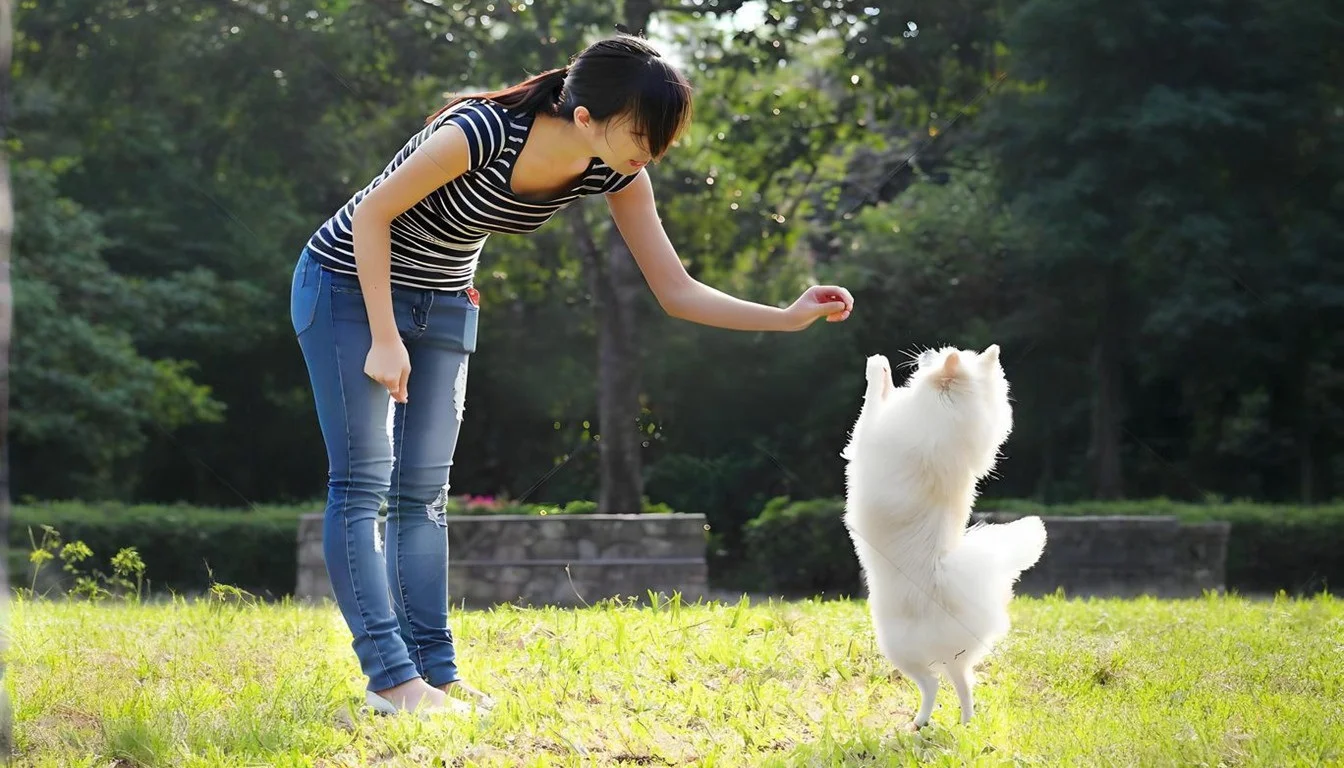
I use treats to shape behavior because they create a quick link between action and reward. Short, focused sessions with frequent rewards help puppies learn fast. Soft, fast-eaten morsels let me repeat a cue many times without losing momentum.
How treats speed up learning
Food rewards produce a high rate of reinforcement. This speed encourages repetition and builds strong associations. With small pieces, a puppy can do ten or more reps in a few minutes. Companion Animal Psychology research supports high reinforcement rates and treats that the puppy eats instantly.
Balancing treats with nutrition and weight management
I keep treats under 10% of daily calories, as recommended by veterinarians. To hit that target, I break treats into pea-sized bits. This lowers calories while preserving reward frequency. MDPI research links owner over-treating and pet obesity, so I avoid constant snacking and use food mainly during training.
When to use food rewards versus play or praise
I start new skills with food, especially in distracting places. Treats raise motivation and focus when the task is unfamiliar. Once a behavior is reliable, I switch to praise or a quick game of fetch to maintain value without extra calories. For off-leash work or endurance drills, I prefer toys and play as primary rewards to preserve treats for shaping new behaviors.
Use this practical checklist when deciding what treats to use for dog training: choose small, palatable bites for rapid reinforcement; follow puppy training treat options that match your puppy’s preferences; and apply puppy treat guidelines for training to protect health and progress.
what training dog treats can a puppy have
I choose treats that are safe, fun, and effective for training. It's important to pick treats that fit a puppy's small mouth and growing body. Here, I'll talk about textures, how rewarding they are, and age or health limits to consider.
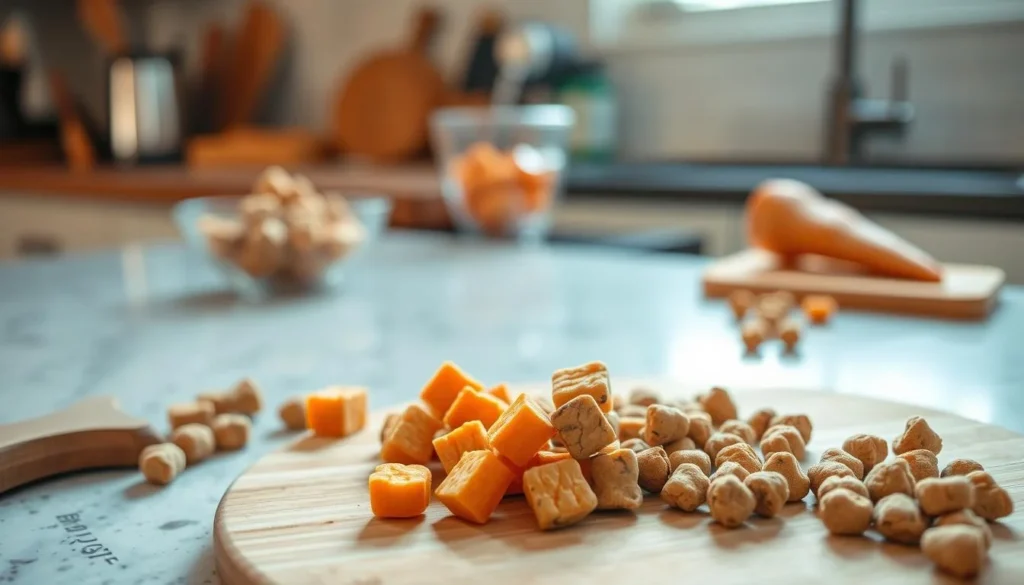
Soft, small treats made for puppies
Soft, moist treats are best for puppies. Their teeth are still growing, and hard kibble can hurt them. Puppy-specific soft-baked treats or moist chews are gentle and nutritious.
I use tiny pieces to reward them often. This keeps training quick and doesn't add too many calories. Treats labeled for puppies usually have the right size and texture for their mouths.
High-value versus low-value treats
High-value treats are rich in protein, like cooked chicken or cheese. I use these for new skills or when distractions are high. They grab their attention and speed up learning.
Low-value rewards, like regular kibble or mild biscuits, are for everyday training at home. Mixing both keeps my puppy interested and prevents overfeeding.
Age and health considerations
I start using training treats around eight weeks, when they begin socializing and learning. Young pups have weak immune systems, so I avoid raw or freeze-dried treats until a vet says it's okay.
If a puppy has allergies or digestive issues, or is a large breed, I talk to my vet. Large-breed puppies need balanced calories and calcium to avoid growth plate problems. I choose vet-recommended treats that meet their needs.
When shopping, I look for treats that are simple and have small portions. This ensures training is safe and supports healthy growth and progress.
Safe and healthy treat options for puppy training
I choose treats that help with learning and health. Small, soft rewards are best for short training sessions. They should not upset a puppy's stomach or add too many calories.
My goal is to pick puppy treat options that are fresh, easy to carry, and keep a young dog focused. This is important for repetition in training.
Commercial puppy-specific soft treats
I prefer soft, bite-sized treats made just for puppies. Look for ones with natural proteins like chicken or salmon. They should also have DHA for brain development and short ingredient lists.
Brands that run third-party testing and list guaranteed analysis are trustworthy. Choose treats that are specifically made for puppies. This ensures the right texture and calories for their growth stage.
Dog-friendly human foods as training treats
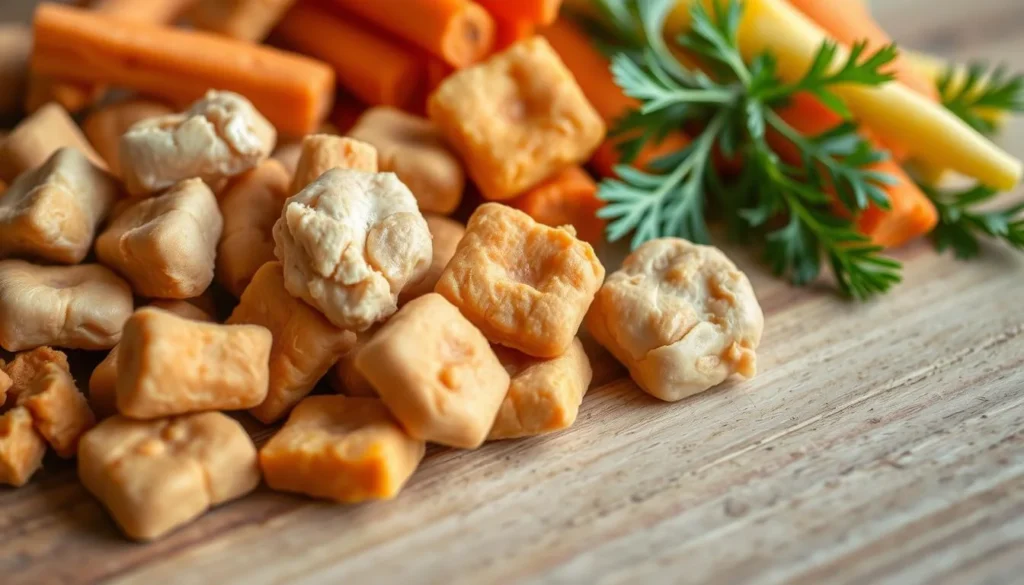
For a quick reward, I use plain cooked chicken, turkey, small carrot pieces, or steamed green beans. Tiny bits of plain cheese are also good for many pups. Xylitol-free peanut butter is a special treat now and then.
I always keep portions tiny and check with my vet before introducing new human foods. This is to ensure safety and health.
Homemade treat ideas and guidelines
My favorite homemade treats are simple and soft. No-bake mixes using plain pumpkin, yogurt, oats, and xylitol-free peanut butter are great. I also bake flattened bits of cooked chicken mixed with a little mashed pumpkin for chewable pieces.
Avoid adding salt, spices, onion, garlic, grapes, raisins, chocolate, and artificial sweeteners. These can be harmful.
I manage daily calories by portioning treats, whether homemade or commercial. For obedience drills, I slice treats into pea-sized pieces. This allows for many repetitions. I choose healthy dog treats for puppies that balance flavor with nutrition. This keeps training fun without risking weight gain.
Below I list quick recommendations I use when planning sessions:
- Soft commercial puppy treats with DHA and single-source protein for basic work.
- Plain cooked chicken or turkey for high-value rewards during distractions.
- Small veggie pieces like carrots or green beans for low-calorie practice.
- Simple no-bake pumpkin and yogurt bites for home prep and portion control.
These recommended treats for puppy obedience training meet common needs. They include frequent small rewards, occasional high-value bites, and safe homemade swaps. I track weight, rotate treat types, and seek vet approval if a pup shows signs of digestive or allergic issues.
How to choose the right size, texture, and smell for training treats
I keep treat choice simple and practical. The right size, texture, and smell can make a short session feel like a win. I focus on treats that let me repeat cues quickly, grab attention in distracting spots, or keep a pup occupied when needed. Picking the best puppy training treats comes down to the goal of the session and the puppy's age.
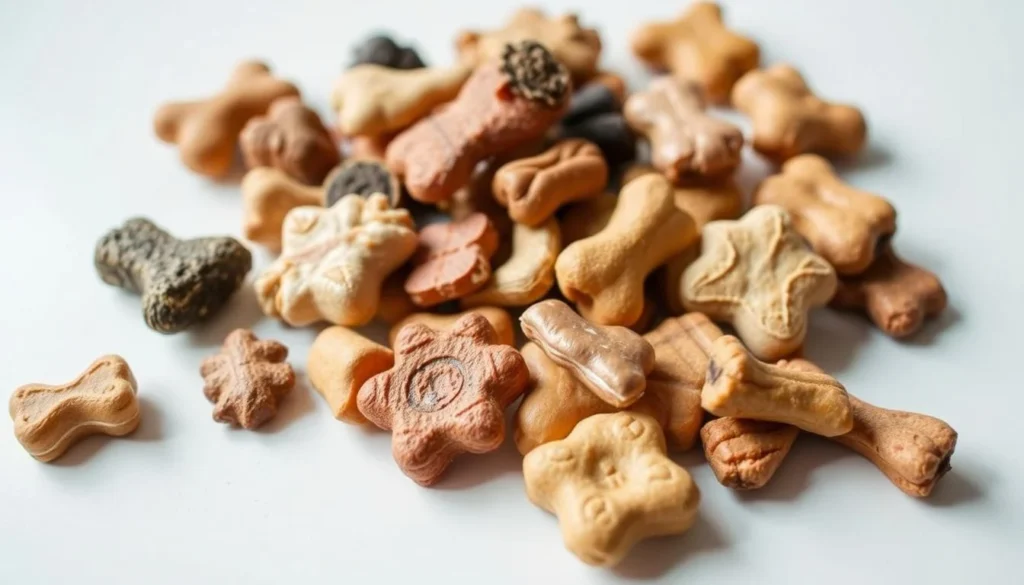
Pea-sized pieces for fast repetition
I cut treats into pea-sized pieces so I can reward rapid responses without overfeeding. Small bits work for tiny breeds and large ones alike. With these tiny pieces I can run many repetitions during a sit-stay or recall drill. This helps skill-building and keeps calorie counts low, which is key when I pick puppy treats for obedience training.
Soft and stinky — when scent matters
Soft, aromatic treats win in high-distraction environments. I reach for cheese, liver, or wet poultry when working near other dogs or in the park. Soft textures let puppies swallow fast and get back to the exercise, so I can keep momentum. Knowing what treats to use for dog training means matching value to challenge; smelly, soft options are my go-to for tough sessions.
Durability for different training goals
Not every training moment needs tiny, fast treats. For crate training or calming, I use long-lasting options like a Kong stuffed with peanut butter or cream cheese and frozen broth. Those items keep a pup engaged and teach patience. I avoid hard dental chews while teeth are developing, since those can damage young mouths. Choosing between quick, consumable rewards and durable chews depends on whether I want rapid learning or quiet, extended focus.
Breed- and size-specific treat recommendations (including training treats for golden retriever puppies)
I choose treats based on a puppy's size and training level. The right size reward helps them learn without extra calories. Here's what I recommend for large, small breeds, and golden retriever puppies.
Large-breed puppy considerations
Big pups need to watch their calorie intake to avoid growth plate issues. I opt for low-calorie, nutrient-rich treats like Wellness puppy soft chews or tiny pieces of freeze-dried lean turkey.
I cut treats into tiny pieces and count them in their daily food allowance. I use growth charts and my vet's advice to avoid overfeeding. This keeps training sessions frequent and effective.
Small-breed puppy considerations
Small pups have delicate mouths and teeth. For them, I choose ultra-soft, tiny treats or crumbled kibble. This prevents choking and protects their teeth.
I steer clear of hard jerky and large biscuits. When training a Chihuahua or toy poodle, I use treats smaller than a pea. I stop training if they show signs of discomfort.
Training treats for Golden Retriever puppies
Golden Retrievers learn quickly with the right food rewards. For them, I use soft treats like Zuke's Minis and small pieces of cooked lean chicken.
I mix plain kibble with higher-value treats to keep them engaged. I avoid fatty snacks and keep portions small. This ensures training doesn't harm their healthy growth.
Treat safety: what to avoid and warning signs
I always put treat safety first when training puppies. They need snacks that reward them without risk. Here are common hazards, hidden allergens, and warning signs to watch for.
Treats to avoid in young puppies
For very young pups, I avoid freeze-dried raw treats. Their immune systems and gut flora are still growing. Hard dental chews and very hard crunchy treats can break baby teeth, so I skip them during teething.
Large jerky treats can cause swallowing problems and kidney issues, as vet groups warn. So, I cut them into tiny pieces or choose softer treats instead.
Allergens and harmful ingredients
I check labels for common hazards. Xylitol in peanut butter is toxic to dogs. Onion, garlic, chocolate, grapes, and raisins are also off-limits.
High salt and certain artificial preservatives can upset a puppy’s system. I prefer treats with whole-food ingredients. I avoid vague terms like meat by-products.
Recognizing adverse reactions
When introducing a new treat, I start with a small piece and wait. I keep a record of ingredients for vet checks if a reaction happens.
- Watch for vomiting, diarrhea, or changes in stool.
- Look for swelling, itching, hives, or sudden lethargy.
- If breathing seems labored or the puppy collapses, seek emergency care immediately.
I approach new flavors with caution, just like new foods. This helps me spot allergens in puppy treats and focus on safe training treats.
| Risk | Examples to Avoid | Safe Swap |
|---|---|---|
| Immune/Gut risk | Freeze-dried raw treats | Soft cooked chicken pieces |
| Choking/Tooth fracture | Hard dental chews, very hard crunchy treats | Pea-sized soft training treats |
| Organ/toxic risk | Large jerky treats, xylitol-containing peanut butter | Small sliced turkey, plain unsalted yogurt bits |
| Allergic ingredients | Onion, garlic, chocolate, grapes/raisins | Single-ingredient meat or vegetable treats |
| Hidden additives | High salt, artificial preservatives, vague meat by-products | Recognizable whole-food ingredient treats |
Practical training treat strategies and session planning
I keep training sessions short and focused. This keeps my puppy bright-eyed and eager. A 5–7 minute block is perfect for repeated practice.
I plan several short blocks through the day. This avoids overfeeding and keeps learning fun.
Portioning treats is key for weight and motivation. I weigh or estimate calories when I can. I use pea-sized pieces for most drills.
I follow WSAVA guidance to keep treats under 10% of daily calories. I cut meal portions on intense training days to balance intake.
Calculating treats is simple. Tiny pieces for frequent repetition, slightly larger bits for hard wins. I use a measuring spoon and a small scale at home for accuracy.
Varying treat value keeps my puppy engaged. I use kibble or low-value bites for easy recalls and basic cues. For distractions or new behaviors, I switch to chicken, cheese, or freeze-dried liver as high-value rewards.
I rotate treat types every few days to keep flavors interesting. If a behavior stalls, I raise the reward level for one or two reps to rebuild momentum. This mix of low- and high-value rewards reflects practical puppy training treat strategies that adapt to progress.
For outings, I prepare on-the-go puppy training treats that travel well. I pack small, nonperishable options like freeze-dried liver and tiny jerky pieces when age-appropriate. I bring softer, perishable treats in an insulated pouch for critical reinforcement moments, only if I can keep them cool.
My everyday kit includes a treat pouch, a sealed zip bag of kibble, a small container of high-value bites, and a mini scoop. I avoid bringing large or bulky items. This keeps reinforcement quick and clean during walks, training classes, and vet visits.
| Item | Best Use | Portion Size | Storage |
|---|---|---|---|
| Kibble | Low-value, high repetition | Pea-sized pieces | Sealed bag or treat pouch |
| Freeze-dried liver | High-value for distractions | Tiny shards (pinch) | Room temp, airtight |
| Cooked chicken | Critical reinforcement at home | Pea to pea-sized depending on calorie | Insulated pouch with ice if needed |
| Soft commercial puppy treats | Fast delivery and easy chewing | Small pieces or halves | Original pack or zip bag |
| Tiny jerky pieces | Outings, strong distractions | Small bite-sized | Airtight, nonperishable |
Recommended top commercial and DIY treat examples (best puppy training treats)
I always look for treats that are soft, small, and made with clear protein sources like chicken or salmon. I also want them to have minimal artificial additives. It's important for the treats to be made just for puppies, showing the right amount of calories and nutrients like DHA.
This way, the treats help with obedience training and support healthy growth. The treats I recommend are safe, valuable, and can be given often.
Top characteristics of recommended commercial treats
I prefer treats that can be broken into tiny pieces easily. This lets me give rewards quickly without overfeeding. Treats that are soft and slightly squishy are best for young puppies.
I check the ingredients for named proteins like chicken, turkey, or liver. I avoid treats with lots of artificial colors and flavors. It's also important to know how many calories each treat has.
Sample commercial treat types I trust
For special rewards, I use freeze-dried single-ingredient treats when the puppy's immune system is stronger. These treats are full of flavor and don't have fillers.
I use soft training bites for basic obedience. They are made for young dogs and have nutrients for growth. I also have tiny liver or chicken bits for quick focus.
For longer training sessions, I use low-calorie soft treats. This way, I can reward often without worrying about weight gain. I avoid jerky for young puppies because of concerns about quality and safety.
Simple homemade treat recipes I use
No-bake chicken bites are a favorite. I mix finely chopped cooked chicken with plain canned pumpkin and rolled oats. Then, I press it into a thin layer, refrigerate, and cut it into small pieces. These treats are easy to make and last a few days.
Frozen Kong mix is another favorite. I blend plain unsweetened yogurt with mashed banana or pumpkin and a bit of peanut butter without xylitol. Then, I fill a Kong and freeze it. This treat is great for calm moments after training.
I never give treats with toxic ingredients like chocolate, grapes, onions, garlic, or xylitol. I always check with my vet for dietary advice for my puppy.
| Trait | Why it matters | Example type |
|---|---|---|
| Soft texture | Fast chewing for quick repeats and less choking risk | Puppy-specific soft training bites |
| Breakability | Small, pea-sized pieces let you reward many times without excess calories | Small liver or chicken bits cut tiny |
| Single ingredient | High value, strong aroma, easy to vet for allergies | Freeze-dried single-ingredient pieces |
| Low calorie | Allows frequent reinforcement during extended sessions | Low-calorie soft treats |
| Enrichment-friendly | Slow-release stimulation for calmer reward periods | Frozen Kong mix using yogurt and pumpkin |
Conclusion
I conclude by emphasizing the importance of choosing safe, practical treats for your puppy. Opt for soft, small pieces that match your puppy's calorie needs and age. It's best to keep treats under 10% of their daily calories.
Break treats into pea-sized bits for quick training sessions. Choose puppy-specific soft treats or tiny pieces of cooked chicken or low-fat cheese. These are great for obedience training.
Remember to vary the value of treats to keep your puppy interested. Avoid freeze-dried raw and questionable jerky treats for young pups. Watch for signs of trouble like vomiting, itching, or changes in stool.
If you're unsure, always check with your vet. They can help with breed-specific growth and allergy concerns. This ensures the treats you give are safe for training.
Keep training sessions short and use portion control. Carry small rewards with you for on-the-go training. Mix low- and high-value treats to reinforce new behaviors without overfeeding.
Test a few approved treats and watch how your puppy responds. Use treats wisely to build reliable obedience and a strong bond with your puppy.