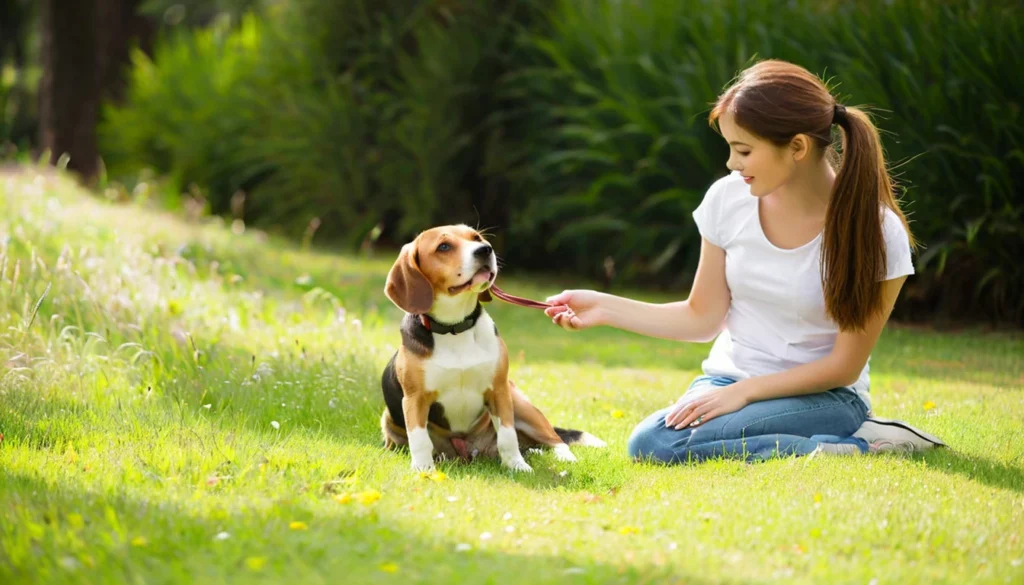
I remember watching a Labrador guide a woman at the airport. It showed me the power of training. The right timing can boost a dog's confidence and a handler's freedom.
This memory has shaped my work and questions. I've wondered about the best age for service dog training. How do legal, health, and breed factors play a role?
I aim to provide practical insights in this article. I want to help you understand when to start training a service dog. We'll look at developmental stages, ADA rules, and common breeds like Labradors and Golden Retrievers.
We'll also explore real-world timelines. These should respect the dog's growth and the handler's needs.
Key Takeaways
- Service dog training age is crucial. It affects physical growth, temperament, and legal readiness.
- Early socialization (8–16 weeks) lays the groundwork. But formal task training usually starts later.
- Breed and size impact the ideal training age. Large breeds grow slower.
- ADA rules focus on function, not paperwork. Age planning should match public access needs.
- I suggest a balanced approach. Start with early foundations, then focus on intensive task training when the dog is ready.
what is the best age to start training a service dog
Many ask when to start training a service dog. The answer is layered. Early socialization and basic manners start early. But, formal task work and public access training wait until the dog is physically and emotionally mature.
Quick answer and why it matters
The best age for service dog training is between 1.5 and 3 years. This is when they can handle intensive tasks. Training at two years helps with focus and reduces injury risk.
How age interacts with breed and individual development
Breed size affects training age. Large breeds may need more time for mobility tasks. Temperament also plays a role. Some dogs are ready sooner than others.
What I recommend based on growth, temperament, and task demands
Start with foundation work early. This includes socialization and basic obedience. Move to formal training around 6–12 months. Wait until skeletal maturity for intense tasks.
| Training Phase | Age Range | Focus |
|---|---|---|
| Foundation | 8–16 weeks | Socialization, name, potty routines, gentle leash play |
| Early Obedience | 4–6 months | Short sessions, basic sits, recalls, loose-leash walking |
| Formal Task Shaping | 6–12 months | Begin simple task work; evaluate temperament for service suitability |
| Intensive Public Access & Heavy Tasks | 1.5–3 years | Distraction-proofing, mobility support, prolonged public work |
| Full Professional Readiness | ~2 years | Consistent reliability, physical maturity, and task proficiency |
Understanding service dog legal and functional requirements
I look into the laws that guide when and how a working dog is trained. There are clear rules for handlers, trainers, and programs. These rules impact everything from early socialization to public access work.
Federal definitions under the ADA and relevance to training age
The ADA service dog definition is about function. A dog must be trained to perform a task related to a person’s disability. Federal law doesn't require a vest, ID, or registration for a qualifying dog.
Staff can only ask two questions about the person’s disability and the dog’s task. This means the service dog training age isn't set by federal law. Instead, it depends on when a dog can reliably perform the required tasks.
Air travel rules like ACAA and airline minimum ages
The Air Carrier Access Act gives passengers rights to travel with service dogs. But airlines have their own rules. For example, United Airlines accepts service animals over four months old that are individually trained.
I suggest checking each carrier’s policy before planning airport visits or cabin-simulated training. Airline minimum ages and documentation rules will shape the cadence of travel readiness work. They also influence the service dog training age you choose.
State and local variations that can affect training timelines
States and cities sometimes add extra requirements beyond federal protections. Some ask for registration, proof of vaccination, or visible identification for public access. I advise checking municipal rules early, as extra steps can delay public outings.
These local rules are part of the practical service dog legal requirements that trainers must plan around. I recommend mapping federal, transportation, and local rules against your training calendar. This helps align task readiness and travel preparation with real-world expectations.
That approach helps set realistic milestones for service dog training age and public access goals.
Minimum age guidelines and early puppy stages
I check if a puppy is ready, not just their age. Many say six months is the earliest for service work. This is because they need to focus, obey, and not react too much like a puppy.
Airlines might let puppies in the cabin at four months. But, it's more about how developed they are than their age.
When to start training depends on the puppy's personality and health. Starting with short, fun lessons at eight weeks helps. I keep these lessons short and repeat them often.
This way, I answer the question of when to start service dog training practically.
Typical minimums cited
Most trainers say wait until about six months for formal classes. Before that, they should be reliable with housetraining, leash manners, and calm around people. This saves time and prevents stress later.
Puppy socialization window
The 8–16 week period is key. Socializing puppies with different people, animals, surfaces, and sounds is important. This builds confidence for later public work.
How I build the foundation
I use play and short walks to introduce them to new things. I also use markers or clickers. I focus on safe experiences like sidewalks and grocery noises.
After 16 weeks, I make sessions longer and add mild distractions. Around six months, I start more formal obedience and task-specific training. This plan balances the puppy's needs with the demands of service dog training.
Why two years is often seen as the optimal training age
I wait until a dog is almost two before they start heavy tasks and go out in public. Most medium and large breeds stop growing at 20–24 months. This makes them safer from bone injuries when they do a lot of work.

Choosing the right age for service dog training is key. Puppies learn quickly, but their bones are still weak. Starting too early can harm them for life. I start with gentle training and add more as they grow stronger.
As dogs grow, their minds and emotions change too. Between 12–24 months, they focus better and react less to crowds. Waiting until they're ready helps them learn faster and avoid mistakes.
I plan out a training schedule for service dogs. First, they learn basic commands and how to use the bathroom. Then, from 6 to 18 months, they learn more complex tasks and how to ignore distractions. By 2–3 years, they can handle tough tasks and real-world situations.
Not everyone agrees on the best age for service dog training. Some start advanced training at 18 months, while others wait until they're almost three. My method starts with basics and builds up slowly. This way, the dog is ready and calm when they start the hard stuff.
Breed, size, and temperament impacts on training start age
I consider breed traits, size, and early behavior when setting a training start time. Service dog development varies by breed and purpose. Some breeds show curiosity and focus early, while others take longer to mature emotionally.
I watch for growth, joint health, and concentration before moving to physical tasks. This helps me know when to start more advanced training.
I often suggest breeds like Labrador Retriever, Golden Retriever, German Shepherd, Poodle, Border Collie, Bernese Mountain Dog, and Boxer for different roles. Each breed has its own learning and strength timeline. I start with leash work and short training sessions early, then increase the intensity based on the dog's development.
Large vs small breeds have practical differences. Training age must consider growth plates and load-bearing. Big dogs may need extra months before starting heavy tasks to avoid injury. Small breeds mature faster but may lack size for tasks like balance support.
I use temperament screening early and often. Temperament is more important than pure lineage for service dogs. I look for calmness around strangers, steady play with other dogs, and quick refocusing during drills. Sessions are short to test focus, then I reassess before moving to more intense tasks.
When choosing a breed, I match tasks with breed capabilities and temperament. For mobility help, I choose larger, slow-maturing breeds and delay heavy work. For psychiatric support, I might use a medium-sized Labrador or Poodle and start more complex cues earlier. Regular reassessment helps me adjust the training timeline to each dog's development and growth.
Health considerations before beginning formal training
I start every training plan with a focused health review. A clear medical baseline keeps dogs safe and sets realistic timelines for learning. I keep records, track milestones, and tie each training phase to the dog's current health status.

Essential veterinary checks and vaccinations
I ask owners to schedule a full exam with their veterinarian before formal work begins. This visit should cover core vaccinations, heartworm testing, and parasite prevention. Keeping vaccinations up-to-date is crucial for public access and team safety.
I recommend a written service dog health checklist. It lists vaccine dates, weight trends, and notes on temperament or recent illnesses. This checklist helps trainers and vets make consistent, evidence-based choices about session intensity.
Orthopedic and growth-plate risks for young dogs
Some breeds close growth plates much later than others. I evaluate breed charts and X-rays when needed to assess growth plate risk service dog training age. I often wait until near sexual maturity for high-impact tasks that stress joints.
Young dogs can be taught many tasks in low-impact ways. I shape behaviors with short sessions and avoid heavy harness pulls or repetitive jumping until the vet confirms skeletal readiness.
Ongoing health maintenance as part of a training plan
Regular checkups are part of any durable program. I schedule routine visits, update vaccinations for service dogs, and monitor weight and gait. Small issues found early are easier to correct than problems that appear under heavy workload.
I build health maintenance into daily routines: controlled rest periods, joint supplements when the vet recommends them, and diet plans that support ideal body condition. The service dog health checklist stays active and changes as the dog moves from foundation work to full public access.
| Item | Purpose | Recommended Frequency |
|---|---|---|
| Core vaccinations | Prevent infectious disease in public settings | Initial series as puppy, booster annually or per vet |
| Heartworm test and prevention | Protect against life-threatening parasites | Annual testing, monthly prevention |
| Orthopedic screening / X-ray | Assess growth plate closure and joint health | As puppy matures and before high-impact work |
| Weight & body condition tracking | Ensure proper musculoskeletal load and stamina | Monthly during growth, then quarterly |
| Parasite control (flea/tick) | Reduce disease risk and maintain comfort | Year-round regimen, check seasonally |
| Written service dog health checklist | Centralized record for trainers, vets, and handlers | Updated at each exam and after illness |
| Rest and workload adjustments | Prevent overuse injuries and burnout | Daily rest, adjust after vet findings |
How to structure a service dog training timeline
I break down training into clear stages. This helps handlers and dogs learn from simple to complex tasks. Starting with short sessions, we gradually increase time and difficulty as the dog grows. This method reduces injury risks and builds strong behaviors under distractions.
I organize the training into three main blocks. Each block has specific goals and ages. This structure is key for foundation training, task shaping, and testing the team's readiness in real-world settings.
Foundation phase: socialization, housetraining, and basic obedience
From eight weeks to six months, we focus on social play, name recognition, housetraining, and leash manners. Short, frequent lessons keep the dog's attention and prevent burnout. We use clicker training for focus and teach essential cues like sit, down, come, and stand-stay.
During this phase, we also gently introduce common surfaces, sounds, and handling. Consistency in housetraining and leash walking is crucial before moving to task shaping.
Intermediate phase: task shaping and distraction-proofing
Between six and eighteen months, the dog starts focused task work and learns to handle distractions. We break tasks into steps, reward progress, and pair tasks with strong cues. This stage increases task duration and distance while keeping sessions short for younger dogs.
Distrustraction-proofing is a careful process. We introduce low noise, people, and short public outings. As the dog becomes reliable, we increase complexity and reduce prompts.
Public access and real-world scenario training sequence
From twelve to thirty-six months, we increase public exposure and simulate real-world scenarios. The training sequence moves from quiet shops to busy transit hubs, then to airports and crowded venues. We test task performance under real pressure and work on handler-dog coordination.
Formal testing or certification often happens in this phase. Ongoing maintenance keeps skills sharp throughout the dog’s working life.
| Phase | Typical age | Core focus | Expected milestones |
|---|---|---|---|
| Foundation | 8 weeks–6 months | Socialization, housetraining, basic cues | Name recognition, consistent housetraining, leash manners |
| Intermediate | 6–18 months | Task shaping, increased distractions | Reliable task steps, longer duration, basic distraction control |
| Public-access/proficiency | 12–36 months | Real-world scenarios, certification, handler integration | Consistent task performance in public, team readiness, maintenance plan |
Starting training as a puppy versus waiting until maturity
I consider the pros and cons of starting service work early or waiting. This choice affects bonding, skill building, and physical readiness. I always think about the dog's long-term health and the tasks they'll need to do.

Advantages of early shaping and bonding from puppyhood
Starting basic handling, socialization, and crate work at 8–12 weeks helps shape calm responses and healthy routines. Early exposure builds trust and gives me control over learning history.
Short, playful sessions teach leash manners and impulse control without pressure. This gentle start explains why many puppy training service dog owners find their dogs to be dependable partners.
Advantages of waiting to confirm temperament and physical maturity
Delaying full task training until the dog is mentally steady and physically robust reduces injury risk. Some handlers wait until the dog is 18–36 months old to confirm they fit the role.
Waiting lets me observe temperament through adolescent challenges. I can rule out dogs that lack focus, confidence, or durability before investing in intensive public-access work.
Hybrid approaches I use: early foundations then phased task introduction
I blend both paths. First, I do puppy socialization, housetraining, and short obedience games. These build the handler bond and basic reliability.
Between 6 and 12 months, I add low-impact task shaping. This prepares the dog without stressing growing joints. I begin full task training and public access proofing after seeing physical and emotional markers, often around 18–24 months.
| Stage | Focus | Typical Age | Key Benefits |
|---|---|---|---|
| Puppy Foundation | Socialization, crate, potty, leash basics | 8–16 weeks | Bonding, early behavior shaping, reduced fear development |
| Early Task Shaping | Low-impact tasks, short cue training | 6–12 months | Introduces skills without stressing growth plates |
| Advanced Training | Full tasks, public access, distraction proofing | 18–24+ months | Physical readiness, consistent focus, reliable public behavior |
| Temperament Check | Behavioral screening under stress | 12–36 months | Confirms suitability for long-term service work |
Training methods appropriate to age and development
I adjust training methods based on the dog's age. Young puppies need short, fun sessions. Older dogs can handle longer, more focused training. My goal is to make progress without stress or harm.
For young dogs, I use short, frequent sessions to keep them engaged. I start with play, treats, and leash games to make training enjoyable and rewarding.
I focus on positive reinforcement and use a clear marker system, like a clicker or a specific word. This method helps dogs learn quickly and avoids confusion.
Training sessions for puppies are 3–5 minutes, several times a day. As they grow, sessions can be 10–15 minutes, then 20–30 minutes for adult dogs learning complex tasks.
My training plan is age-based. First, I teach basic skills like socialization, sit, down, recall, and walking on a leash. Once these skills are solid, I add task-specific training.
When teaching specific tasks, I use small steps and reward each one. I gradually add distractions and longer periods to prepare dogs for real-world situations without overwhelming them.
It's important to avoid overloading dogs physically. I choose tasks based on the dog's age and health, following vet advice and the dog's build.
The table below shows typical training patterns, tools, and goals by age. It helps handlers see how training progresses and use consistent positive reinforcement.
| Age Range | Typical Puppy Training Session Length | Primary Methods | Key Goals |
|---|---|---|---|
| 8–16 weeks | 3–5 minutes, multiple times daily | Play-based rewards, leash/harness association, clicker marking | Socialization, basic attention, comfortable handling |
| 4–6 months | 5–10 minutes, 3–6 times daily | Marker training, short shaping steps, gentle desensitization | Reliable basic obedience, early cue shaping for tasks |
| 6–12 months | 10–15 minutes, 2–4 times daily | Progressive task shaping, distraction introduction, reward variability | Increased focus, initial public access practice, task refinement |
| 12–24 months | 15–30 minutes, 1–3 times daily | Complex task chaining, proofing under pressure, sustained marker use | Consistent task performance, stamina building, public access readiness |
| 2+ years | 20–45 minutes, 1–2 times daily | Advanced skills, maintenance training, high-distraction proofing | Full task proficiency, long-duration public work, handler-team resilience |
Socialization and early-life experiences that predict service success
I keep a close eye on young dogs because their early interactions shape their behavior. Socializing service dogs early helps them meet people, handle noise, and learn calm routines. These early weeks and months are crucial in deciding if a dog is ready for formal training.
I start by observing simple things. I see how a pup greets strangers, reacts to other dogs, and handles sudden sounds. These early signs help me guess if a dog will be resilient and focused later on.
I encourage them to explore busy places, different surfaces, and various handling. Regular walks, store visits, and welcoming new people into the home help reduce fear. This builds a strong social base, making task training easier.
Environment plays a big role. I compare urban vs rural puppy raising to see where they gained more variety. Dogs raised on farms can be calm in cities. City-raised dogs might do well with repeated, narrow experiences. Both paths work if I tailor their experiences early.
Behavioral markers guide my decisions. I look for calmness, ability to refocus, reliable leash manners, and consistent house training. These signs help me decide whether to continue, slow down, or change training direction.
| Early Indicator | What I Observe | Why It Predicts Success |
|---|---|---|
| Reaction to strangers | Approaches calmly, accepts brief petting | Shows social confidence needed for public access work |
| Response to noise | Startles briefly, recovers and resumes activity | Indicates stress resilience and ability to focus |
| Leash behavior | Walks without excessive pulling or panic | Predicts success in busy environments and during task work |
| Inter-dog interaction | Plays or ignores without escalating fear or aggression | Suggests stable social skills and safe public behavior |
| Trainability | Responds to cues, returns attention after distraction | Shows aptitude for shaping complex service tasks |
I conduct repeated checks in different settings to improve accuracy. Structured tests help me compare performance in various environments. This shows which pups are best suited for service dog work.
When discussing early life predictors with handlers, I offer clear next steps. I suggest targeted exposure, consistent handling, and frequent short sessions. These steps boost confidence and give a realistic view of long-term potential.
My approach balances early exposure and careful assessment. Attention to urban vs rural puppy raising and measurable behavioral signs helps me choose pups most likely to succeed as service partners.
Working lifespan and retirement planning for service dogs
I follow service dogs from their first day of work to when they slow down. Their careers usually last 2 to 10 years. Many start full duty at age two and retire around ten or eleven.
When planning retirement, I consider health, task intensity, and breed. Small breeds with long lives might work longer. Large breeds with fast aging might retire sooner. The right retirement age varies for each dog.
I look for signs like orthopedic pain, cognitive decline, and low stamina. Changes in a handler's life or health also play a role. Dogs with heavy tasks might retire sooner than those with lighter duties.
Some schools have a fixed retirement age, like ten or eleven. But dedicated handlers might decide on a case-by-case basis. Regular vet checks and assessments help decide when it's time to retire a service dog. This keeps the dog's welfare in mind.
When a service dog retires, there's a lot to plan. I gradually reduce their work, keep routines, and ensure vet care. Handlers should also plan for a new dog and save for future training and medical costs.
Conclusion
What's the best age to start training a service dog? It depends on several key milestones. Early socialization and basic obedience are crucial from 8–16 weeks. Then, formal training starts around six months to a year.
Most trainers, including me, aim for full task deployment by two years. This is when the dog is physically and emotionally mature.
The service dog training timeline I follow is designed to protect the dog's growth. I start with low-impact skills early and add more complex tasks as the dog grows. Heavy tasks are delayed until around 22 months.
Airline rules, like United's four-month minimum, and local laws also play a role. They help plan when and how the dog can be in public.
When choosing the best age for training, breed, size, temperament, and health are important. I always suggest ongoing vet checks and positive reinforcement training. It's also key to have realistic expectations about time and cost.
With a careful plan, clear milestones, and patience, handlers can achieve public-access proficiency by two to three years. This ensures the dog's long-term health and prepares for a wise retirement plan.