Getting a puppy has been incredibly joyful, but it's also been a big challenge. Especially when it comes to their biting. I've laughed and then felt frustrated as my puppy playfully bites my hands.
It's important to understand how to stop my puppy from biting. This isn't just about avoiding pain. It's about building trust and communication. I want to teach my puppy to be gentle, so we can have safe and loving moments together.
Key Takeaways
- Puppy biting is a common issue that requires early management.
- Understanding the reasons behind biting is crucial for effective training.
- Implementing appropriate strategies can create a safe environment.
- Puppy behavior training focuses on teaching gentle interactions.
- Addressing biting behavior strengthens the bond between pet and owner.
Understanding Puppy Biting Behavior
Puppy biting can be confusing for pet owners. Puppies bite for many reasons, like their natural instincts and growth stages. Their mouths help them explore the world. This makes many wonder, why do puppies bite? Knowing why helps us teach them better.
Why Do Puppies Bite?
Puppies bite for several reasons, like teething, excitement, and play. Teething makes them want to chew, including on hands. When they're excited, they might nip because they're happy and full of energy. Knowing these reasons helps us understand our puppy's behavior.
Developmental Stages of Puppy Biting
The biting habit peaks in puppies between 3 to 5 months old. During this time, they play with their siblings. This teaches them what's okay to bite and what's not. It's key for them to learn to control their bites as they grow.
The Importance of Bite Inhibition
Bite inhibition is key for a well-behaved dog. It's crucial to understand this concept when teaching my puppy. This skill prevents harm or injury during play or serious situations.
What is Bite Inhibition?
Bite inhibition means a dog can control how hard they bite. In play, a dog with good bite inhibition knows how to play without hurting others. This skill grows over time through experiences and interactions, especially with siblings.
Puppies often play rough, but learning to gauge their strength is important. This allows for safe play with others.
How Puppies Learn to Control Biting
Puppies learn bite inhibition from their siblings. If a puppy bites too hard, others will yelp or move away. This teaches the puppy that hard bites are not okay.
I can help by encouraging gentle play and reacting when my puppy bites too hard. Rewarding softer interactions helps make this behavior a habit.
| Age of Puppy | Learning Stage | Feedback Type |
|---|---|---|
| 0-8 weeks | Initial socialization | Peer correction through yelps |
| 8-12 weeks | Refinement of play behavior | Parental and peer responses |
| 3-6 months | Increased independence | Owner guidance and feedback |
What Can I Do to Stop My Puppy from Biting
To manage my puppy's biting, it's key to spot signs of overexcitement. Puppies show excitement by bouncing, barking, or starting rough play. These signs mean it's time to switch to more positive activities.
Recognizing the Signs of Overexcitement
Being alert to my puppy's body language is crucial. Signs of overexcitement include:
- Bouncing around too much
- Growling during play
- Being too hyperactive
When I see these signs, I stop playtime to help my puppy relax. I also make sure play is gentle and safe for both of us.
Establishing Rules for Gentle Play
It's important to set rules for gentle play. If biting gets too hard, I stop play and give my puppy a toy instead. Calm interactions help teach my puppy to play gently.
Short, positive play sessions help my puppy learn to play without biting too much. This way, playtime is fun and safe for everyone.
Effective Puppy Biting Training Techniques
Training your puppy to stop biting is crucial. Using a high-pitched yelp and time-out training are key methods. These strategies help set boundaries and teach gentle play.
Using a High-Pitched Yelp
A high-pitched yelp is a great technique. It mimics the sounds puppies make during play. This tells them their biting is too hard.
By yelping like a puppy, you teach them biting hurts. This method improves communication and helps them change their behavior.
Implementing Time-Out Procedures
Time-out training is also effective. If your puppy bites, walk away without talking. This shows biting ends playtime.
Using this method often teaches puppies biting is not okay. They learn biting means no play.
| Technique | Description | Benefits |
|---|---|---|
| High-Pitched Yelp | A vocal response that mimics puppy communication. | Teaches puppies that biting hurts. |
| Time-Out Training | Removing attention when biting occurs. | Reinforces the idea that biting leads to isolation. |
Alternative Items for Chewing
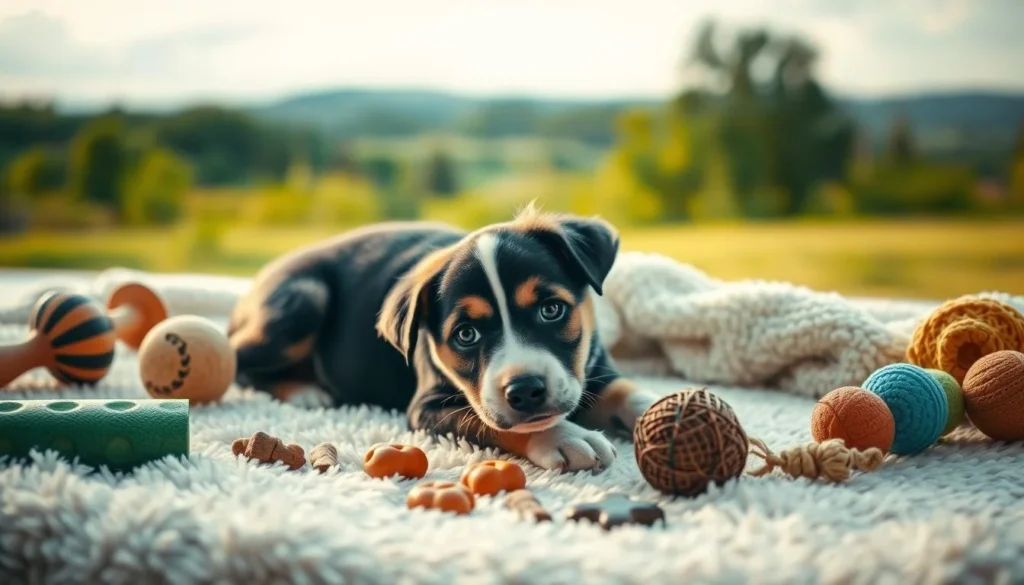
Finding the right chew toys for puppies is key to redirecting their behavior. It keeps them busy and stops them from chewing on furniture or hands. Choosing the right chew toys is crucial.
Choosing Appropriate Chew Toys
When picking chew toys, safety and fun are top priorities. They should be tough and made for puppies' chewing. Soft toys might not work for aggressive chewers, but harder ones can satisfy their urge and keep teeth clean.
Brands like Kong and Nylabone have many options. They cater to different chewing styles and tastes.
When to Redirect to Toys
It's vital to know when to switch to a toy. Redirecting at the right time teaches good chewing habits. I encourage my puppy to play with toys when they start biting or nipping.
Preventing Rough Play
Playing with my puppy is a joy, but I must choose games wisely. Rough play can lead to biting. So, I pick games that are fun but safe. This way, we have calm and enjoyable times together.
Avoiding Games That Encourage Biting
I avoid games like wrestling or high-energy fetch. These can make my puppy too excited. Instead, I play games that teach him to be calm, like gentle tug-of-war.
Teaching Calm Interactions
Teaching my puppy to be calm is important. I reward him when he plays gently. This teaches him that being gentle is important. It makes our playtime better and helps us bond more.
Managing Puppy Energy Levels
Puppies have lots of energy, which can lead to unwanted behaviors like biting. It's important to find the best ways to manage their energy. This helps them grow well and keeps our home peaceful. Activities that keep them physically and mentally active are key.
Physical and Mental Stimulation Activities
My puppy needs to exercise and learn new things. Here are some great ways to keep them active:
- Daily Walks: Regular walks help burn off energy and keep their minds sharp.
- Agility Training: A simple course helps with physical activity and coordination.
- Puzzle Toys: These toys challenge their minds and keep them busy for hours.
- Fetch: A fun game that combines running and retrieving, perfect for energetic pups.
The Role of Socialization with Other Dogs
Socializing with other dogs is also crucial. It helps my puppy learn important social cues and how to play right. This makes them more comfortable around others and less likely to bite from excitement.
| Socialization Benefits | Expected Outcomes |
|---|---|
| Exposure to Different Breeds | Improved adaptability and behavior. |
| Playdates with Other Puppies | Enhanced social skills and reduced aggression. |
| Group Training Sessions | Better obedience and impulse control. |
By giving my puppy lots of exercise and mental challenges, and encouraging socialization, I can reduce their biting. This helps them become a well-adjusted adult dog.
Use of Desensitization Techniques
Desensitization techniques help my puppy see touch as calm. By using these methods, we can make handling positive. This makes my puppy more comfortable and strengthens our bond.
Helping Your Puppy Associate Touch with Calmness
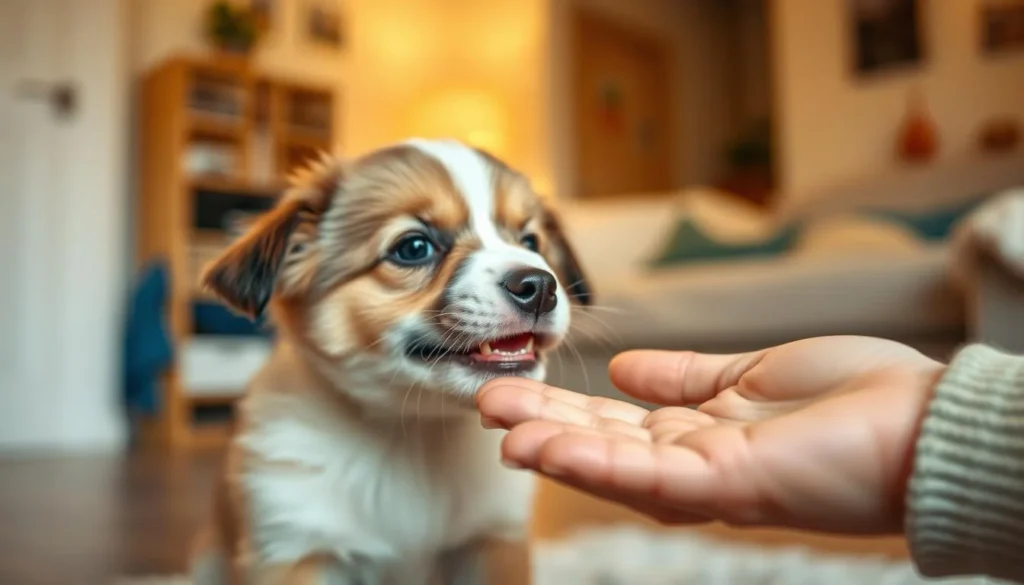
I start with gentle petting when my puppy is relaxed. This is the best time to introduce touch. I give him treats and affection when he stays calm. This teaches him that touch is good, not scary.
Gradual Exposure to Handling
Gradual exposure is important in handling puppies. I begin with short sessions and slowly increase them. This lets my puppy get used to different touches, like his paws and ears. Each positive moment helps him trust and feel less anxious.
Using desensitization techniques regularly helps my puppy see touch as positive. This leads to better behavior and less biting.
Preventing Temptations
Managing a puppy's biting habits is a big job. It's important to keep personal items safe from their curious teeth. By stopping puppy temptations at home, I make a safer place for both my things and my puppy. Making sure items are not tempting helps avoid unexpected bites.
Keeping Personal Items Safe from Puppy Bites
To keep my things safe, I need a special spot for them. I put things like shoes and bags where my puppy can't get to them. Using baby gates or closed closets helps stop chewing. Staying consistent helps my puppy learn what's off-limits.
The Impact of Clothing Choices on Biting
What I wear can also help prevent bites. Choosing clothes that don't interest my puppy, like well-fitted ones, helps during play. Avoiding clothes with loose ends or dangling shoes keeps my puppy's attention away.
Involving Children in Puppy Training
Getting kids involved in puppy training helps them bond with their new pet. It's key to teach them how to play gently. This way, they learn to communicate well with their furry friend.
Teaching Kids to Play Gently with Puppies
How kids interact with puppies shapes their behavior. It's important for them to learn gentle play. They should use soft touches and calm voices.
I tell my kids to play with toys, not their hands. This helps avoid nips. Watching how puppies react teaches kids to be kind and empathetic.
Setting Boundaries to Ensure Safety
Setting clear rules is crucial for safe play. I tell my kids to avoid rough play or teasing. These actions can make puppies excited and bite.
Watching over them during play keeps things positive. It teaches them to respect their puppy's space. This creates a safe and loving environment for both.
The Role of Professional Guidance
When my puppy keeps biting, even after I try to stop it, I know it's time to get help. A Certified Professional Dog Trainer can be a game-changer. They know how to help my puppy and teach me how to manage the biting.
When to Consult a Certified Professional Dog Trainer
Knowing when to ask for help is important. If my puppy's bites hurt or cause stress, it's time to see a trainer. They can teach me new ways to train and help my puppy behave better.
Benefits of Puppy Training Classes
Putting my puppy in puppy training classes is a smart move. These classes teach me new training methods and help my puppy learn to behave. Plus, they give my puppy a chance to play with other dogs, which helps with biting problems.
Patience and Consistency in Training
Training a puppy needs patience and consistency, especially when dealing with biting. It's important to remember that biting is a normal part of a puppy's growth. They use their mouths to explore, which is common.
Keeping calm helps me guide my puppy through this stage without getting upset.
Understanding That Biting is Normal Behavior
Knowing that mouthing is natural helps me use a learning-focused approach. Puppies often bite when they're playing or excited. It's key to stay calm in these moments.
By consistently teaching my puppy, I set clear rules. This helps them learn what's expected.
Reinforcing Good Behavior with Positive Feedback
When my puppy plays gently or tries not to bite, I praise them. Positive feedback is key in teaching good behavior. It encourages them to develop positive habits.
This approach helps create a peaceful home environment for both of us.
Conclusion
Stopping puppy biting is a journey that needs understanding and good strategies. By using the methods talked about in this article, I can manage my puppy's biting better. This will make our home more peaceful.
Consistent training and knowing what makes my puppy bite are key. They help in managing puppy behavior well.
Using these strategies will not only teach my puppy right behaviors but also strengthen our bond. Every positive interaction builds trust and a strong relationship. With patience and dedication, I'm sure my puppy will become a well-behaved friend.