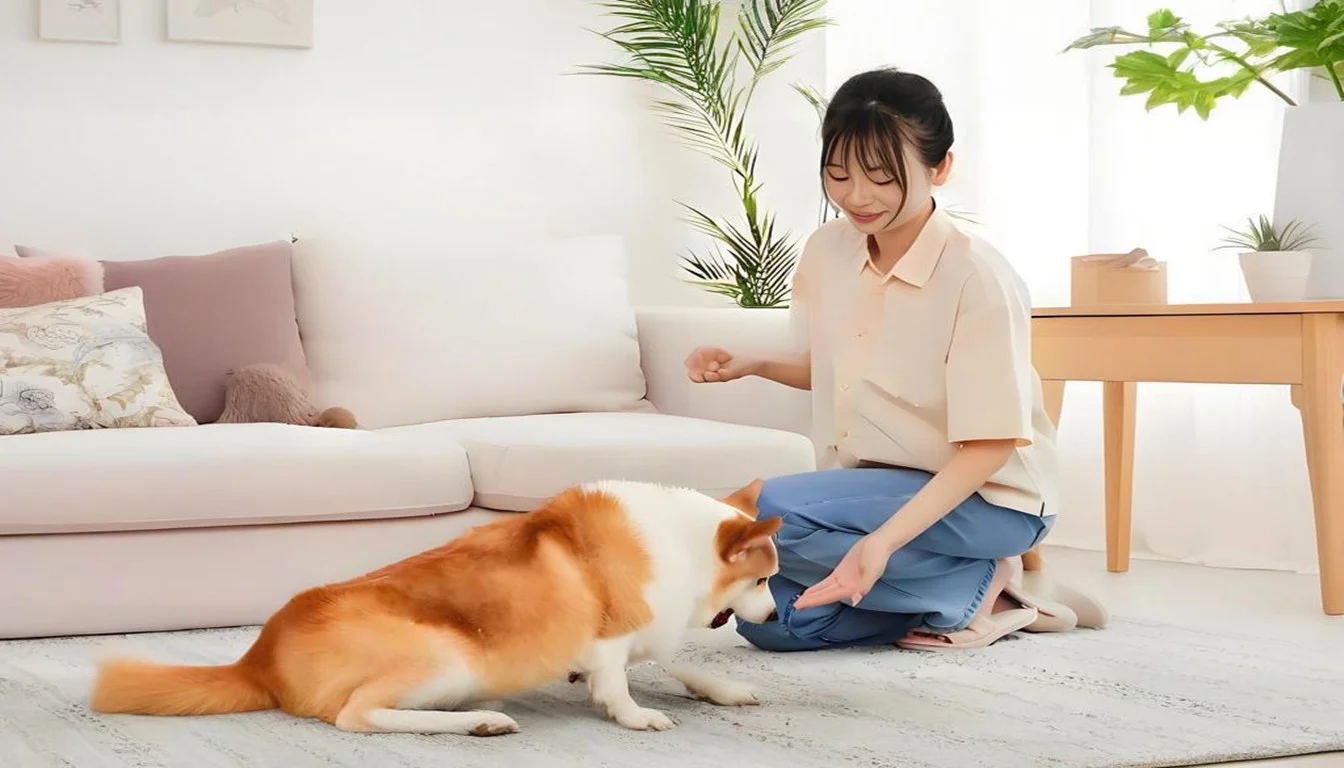
When I started training my rescue lab, I quickly learned that a wagging tail and eager eyes are more than cute. They are the key to learning. I remember kneeling on the living room rug, holding tiny pieces of chicken in my hand. He would trade distraction for attention in seconds.
This moment taught me the importance of choosing the right treats for training. Food treats are a simple way to give immediate feedback. I pick fast-eating bits for quick reinforcement, soft smelly morsels for busy parks, or long-lasting chews for crate time.
The best dog training treats allow me to repeat cues many times without adding too many calories. Commercial options like Ziwi Peak Air-Dried or Vital Essentials Mini Nibs can also serve as balanced nutrition when treats are used frequently. I keep kibble and cooked chicken ready, softening or cutting them for easy consumption and quick rewards.
Keeping things interesting with different textures, aromas, and flavors keeps my dog motivated in various settings.
Key Takeaways
- Pick treats that match the session: fast-eating, smelly, or long-lasting.
- Keep treats small and low-calorie to allow many repetitions.
- Use complete-and-balanced air-dried or mini-nibble options when treating often.
- Household foods like kibble or cooked chicken work when safely prepared.
- Rotate flavors and textures to prevent boredom and sustain motivation.
Why treats matter in training and how I use them
I use food rewards to shape behavior because they give clear, immediate feedback. Treats act as a paycheck for the dog; quick reinforcement helps the dog link an action with a reward. When I ask for a new behavior, I want the reward to come fast so the dog learns the connection.
Role of positive reinforcement in behavior shaping
Positive reinforcement speeds learning by rewarding desired actions. I mark the behavior with a word or click, then deliver a treat. This repetition builds habits without force. Using consistent timing and small rewards makes each success clear to the dog.
Why I choose food rewards over toys for many lessons
Food can be given instantly and eaten in seconds, which lets me run many repetitions. Toys are great for play and bonding, but they slow down training when I need rapid repetitions. For initial shaping, I usually use the top dog treats for obedience training that are small, fast to eat, and highly motivating.
Balancing frequency of reinforcement with session length
I match treat type to the exercise. For shaping, I give frequent tiny treats so the dog gets many chances to succeed. For challenging work or busy locations, I switch to smelly, high-value rewards. For downtime, I use longer-lasting chews so the session can end on a calm note.
| Training Phase | Typical Treat Type | Why I Use It |
|---|---|---|
| Initial shaping | Small soft morsels (mini bits, tiny kibble) | Fast to eat; supports high-rate reinforcement and many reps |
| Distraction-heavy work | Strong-smelling treats (cheese, deli meat, soft jerky) | Raises value to keep focus in noisy or new environments |
| End of session or calm time | Long-lasting chews (bully sticks, stuffed Kong) | Extends reward time and promotes relaxation |
| Daily calorie control | Complete-and-balanced options (Ziwi Peak, Only Naturals) | Helps manage calories while keeping treats nutritious |
I watch total calories and adjust meal portions when needed. Using effective dog training treats that are nutrient-dense keeps my dog's diet balanced. When people ask what are good dog training treats, I point to small, tasty pieces for shaping and a few higher-value options for tough sessions.
Choosing top dog treats for obedience training depends on speed, smell, and calorie content. I test treats for quick consumption and strong motivation. That way each training minute delivers the most learning and the least wasted calories.
Fast-eating treats for high-rate reinforcement
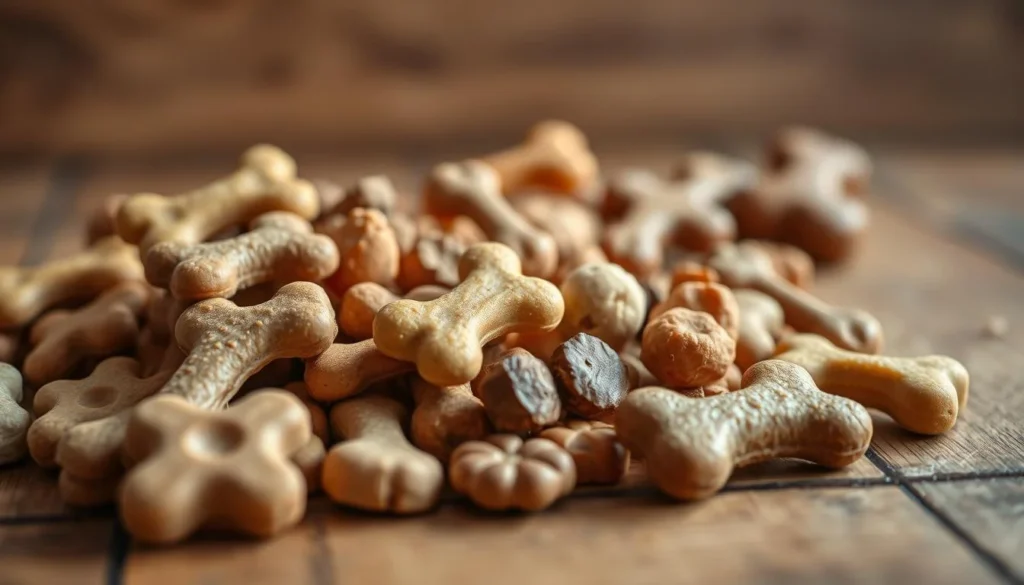
I use fast-eating rewards to keep training sessions lively. Quick bites let dogs eat and get back to work fast. This keeps the learning going and lets me fit more into a short time.
Why quick-to-eat treats keep momentum during new-skill teaching
Quick treats mean I can reward without waiting long. This helps dogs focus and learn faster. It's especially important when they're learning new things.
Examples I use: freeze-dried bits, soft mini treats, tiny kibble pieces
I prefer freeze-dried liver and meat cubes for their high value. Soft minis like Zuke’s Mini Trainers work well for texture. Tiny kibble or canned morsels are good for quick rewards. Brands like Vital Essentials Mini Nibs and Crump’s Naturals Mini Trainers are great choices.
How small portions increase repetitions without extra calories
I cut big treats into small pieces or use pre-sized ones. Freeze-dried cubes are just one calorie each, so I can reward many times without adding calories. Air-dried foods are also good because they're small but still nutritious. This helps keep training sessions productive and helps with weight management.
| Treat Type | Speed to Eat | Typical Use | Calorie Control |
|---|---|---|---|
| Freeze-dried meat (mini cubes) | Instant | High-distraction work, vet handling | Very low per piece; easy portioning |
| Soft mini commercial trainers | 1–2 bites | Obedience drills, shaping | Moderate; choose mini sizes |
| Tiny kibble or canned bits | Instant | Everyday practice, high-rate reps | Low; counts toward meals |
| Air-dried complete pieces | 1–3 bites | Balanced nutrition during training | Can be broken into pea-sized portions |
Small-size and bite-sized treat strategies
I keep training sessions short and focused with tiny rewards. Pea-sized pieces are good for most dogs. Pint-sized dogs get even smaller treats. This method focuses on the right amount, not the treat's size or cost.
Pea-sized rewards for large dogs and tinier bits for small breeds
Large dogs get pea-sized treats during shaping drills. This keeps them interested without getting full. For Chihuahuas and other small breeds, I cut treats into slivers to prevent them from getting too full.
Using small treats helps me teach commands quickly. It keeps the training momentum going.
Practical tips: cutting larger treats, prepping a treat pouch
I prepare treats before training. I cut Ziwi Peak squares or Only Naturals sticks into tiny cubes. Then, I put them in resealable bags.
I carry a compact treat pouch for easy access and less mess. Perishable treats like Happy Howie’s rolls go in the fridge or freezer until it's time to train.
Managing calories: treats as part of daily intake and meal adjustments
I track calories to keep treats under 10% of daily intake. On heavy training days, I reduce main meal portions. Or, I choose complete-and-balanced treat foods that count toward nutrition.
Single-ingredient boosts like freeze-dried liver are good but used sparingly. I watch for changes in stool when introducing concentrated options.
Soft, smelly treats for distraction-heavy environments
I use treats with a strong smell and soft texture for training in noisy places. These treats compete with all the distractions around. They grab a dog's attention fast and keep them focused during short drills.
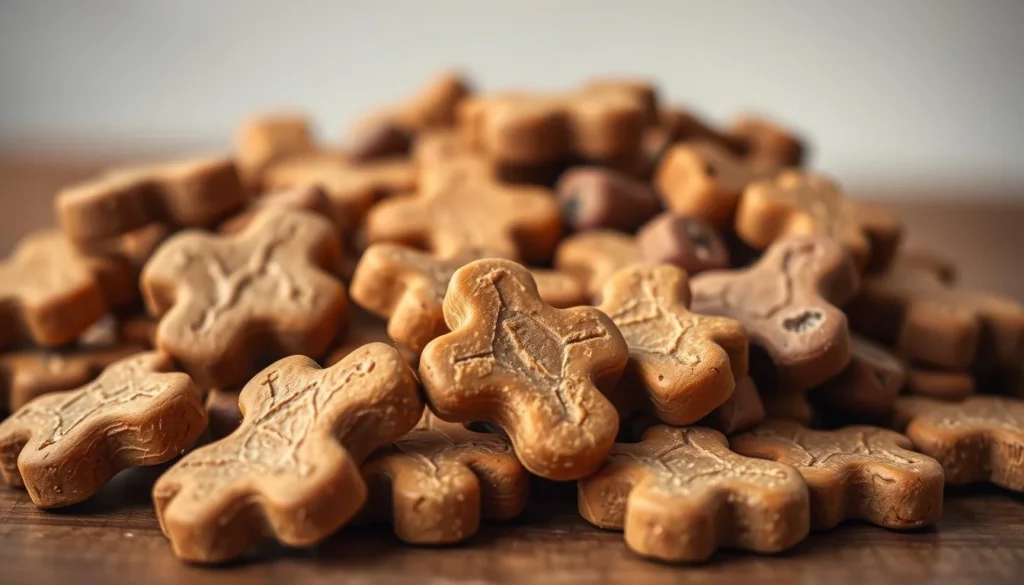
When I'm out and about, I need treats that are easy to carry and portion. I look for treats that are easy to tear into small pieces and smell good. This makes them more appealing than regular kibble when there are distractions like squirrels.
My favorite treats include cheese, deli turkey or roast chicken, soft jerky, and Happy Howie’s-style roll treats. These are the best for training in busy areas because dogs love them. I keep small pieces in a treat pouch so I can reward them quickly without stopping.
Ziwi Peak air-dried bites and Saint Rocco’s jerky-style strips are great for high-value rewards with less mess. They're easy to take along and stay smelling good, which helps with recalls and loose-leash practice at the dog park.
I save these special treats for the toughest training sessions. This includes recall, vet visits, and training around other dogs. For everyday practice at home, I use regular kibble to avoid overfeeding.
Here's a quick guide to help you choose the right treats based on their use, how easy they are to carry, and how many calories they have.
| Treat Type | Best Use | Portability | Calorie Control |
|---|---|---|---|
| Cheese (small cubes) | High-distraction recall, vet handling | Medium; can be soft and messy | High calories; use tiny pieces |
| Deli turkey / roast chicken | Park work, meet-and-greets | Low; needs refrigeration but easy to tear | Moderate; lean cuts better |
| Soft jerky | Outdoor training, walks | High; less mess than deli meats | Moderate; portion carefully |
| Happy Howie’s-style rolls | Short bursts of focused work | High; easy to slice into minis | Moderate to high; slice thinly |
| Ziwi Peak air-dried | Portable high-value reward | Very high; shelf-stable and neat | Lower than cheese per volume; concentrate rewards |
| Saint Rocco’s jerky-style | Long walks, distraction training | High; compact and aromatic | Moderate; use small pieces |
Long-lasting treats for downtime and crate work
I use long-lasting chews and food-stuffed toys for calm, independent time. These treats reward my dog for settling down without making every moment a training session. Choosing reliable options helps protect my dog's teeth and keeps treats special for crate time or alone rest.
I choose bully sticks, durable rubber chew toys, and Kongs filled with food for slow eating. Bully sticks and tough toys offer a long-lasting chew. Stuffed Kongs, especially when frozen, keep my dog engaged for a long time.
To make treats last longer, I freeze peanut butter, plain canned pumpkin, or low-sodium broth in a Kong. Freezing slows down calorie intake and keeps my dog occupied during naps or crate time. This method is perfect for calm, focused moments, not constant training.
Safety is key when choosing treats. I pick the right size bully stick, replace worn toys, and never leave a dog alone with small, splintered pieces. I also avoid rawhide for dogs that gulp or have sensitive digestion. These steps are part of my routine for training.
I rotate long-lasting chews and save the best ones for downtime. This keeps them special during active training sessions. It ensures my dog gets healthy treats for training in both calm and active moments.
Healthy choices and ingredient considerations for training snacks
I always check the ingredient list before buying treats. Labels that are short and clear make it easy to spot allergens and fillers. For dogs with sensitivities, I choose single-ingredient treats like freeze-dried liver. This way, I know exactly what they're getting.
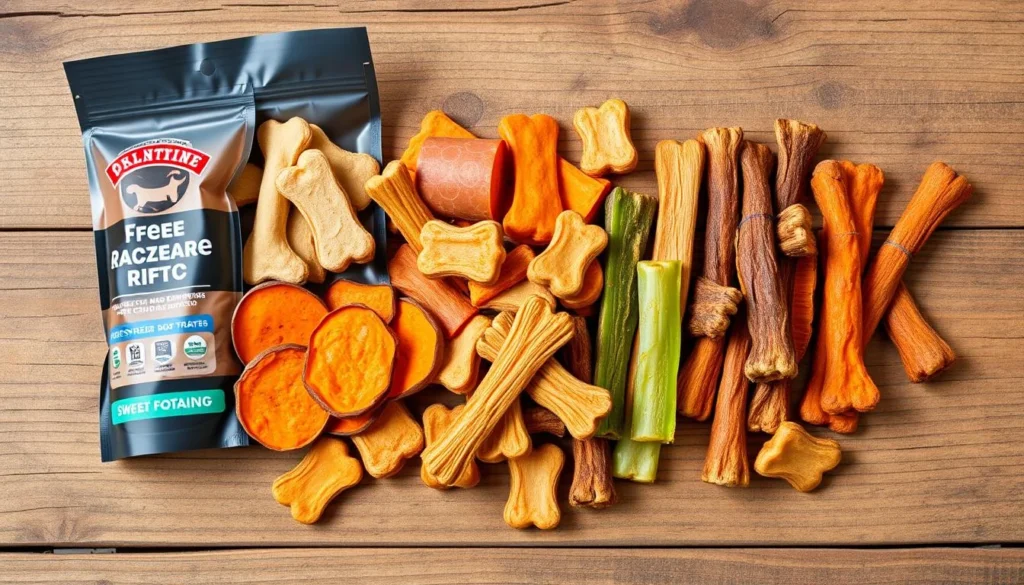
When looking for good dog treats for training, I focus on nutrient density. Air-dried foods like Ziwi Peak and some Only Naturals lines are great. They offer complete nutrition that can even serve as meals and treats. This makes it easier to manage portions during training sessions.
I also look for sustainable proteins. Jiminy’s cricket-based treats and other insect-protein snacks are good for dogs with common protein allergies. Single-source, novel proteins make it simpler to test for allergies.
When choosing treats, I balance calories with value. A small piece of freeze-dried liver or an air-dried nib offers high reward without extra calories. I avoid treats with long lists of additives and prefer brands that are transparent about their ingredients.
For dogs on limited diets, I keep a variety of treats. I have complete-and-balanced air-dried options for heavy-use drills, single-ingredient freeze-dried pieces for tests, and sustainable protein choices for variety. This mix keeps training efficient, safe, and easy to track.
Recommended commercial training treats I use and why they work
I keep a few commercial treats on hand for different needs. I have treats for everyday practice, high-distraction work, and budget-friendly options. Each treat has its own role, so I know what to use for focus or quick repetitions.
I choose treats that taste good, are the right size, and are nutritious. These treats work well for most dogs, from picky adults to playful puppies. I like treats that break into small pieces, making it easy to repeat cues without overfeeding.
Ziwi Peak Air-Dried
Ziwi Peak Air-Dried is a top choice for me. It tastes like real food and is very nutritious. It's mostly meat and organs with green-lipped mussel, making it a good partial meal. The pieces are easy to break into small bits, perfect for sustained reinforcement without nutritional gaps.
Only Naturals Max Meat and Vital Essentials Mini Nibs
Only Naturals Max Meat is a budget-friendly option that's complete and balanced. I buy big bags and cut the pieces down for puppies or small breeds. Vital Essentials Mini Nibs are freeze-dried and crunchy, staying intact in my pouch. I use these for frequent repeats, offering variety without spoiling dinner.
Crump’s Naturals Mini Trainers and jerky-style options
Crump’s Naturals Mini Trainers are single-ingredient beef liver cubes that are tiny and intense. Each cube has almost one calorie, making them great for high-value moments like vet handling or tough distractions. I start with very small amounts since rich livers can upset some stomachs.
For dogs that need extra motivation, I slice Saint Rocco’s jerky or Happy Howie’s rolls into slivers. These human-grade, jerky-style snacks are perfect for busy environments. I reach for them when I need the absolute best dog training treats to earn attention on a walk or in class.
Sustainable and widely available alternatives
Jiminy’s and similar insect- or novel-protein treats give me sustainable, easy-to-break choices when a dog has limited protein exposure. Zuke’s Mini Trainers and Pet Botanics Mini Training Rewards are reliable soft, low-calorie options. I use these for long sessions where small, tasty hits matter most.
| Treat | Why I use it | Best use | Notes |
|---|---|---|---|
| Ziwi Peak Air-Dried | High palatability, nutrient-dense, breaks into small pieces | Heavy use, daily practice, meal replacement if needed | Available in several proteins; counts toward daily food |
| Only Naturals Max Meat | Complete-and-balanced, budget-friendly | Frequent repetition, group classes | Chewy texture; cut for puppies and small breeds |
| Vital Essentials Mini Nibs | Freeze-dried, pocket-stable, crunchy | Training sessions requiring quick access | Multiple protein choices; holds in pouch |
| Crump’s Naturals Mini Trainers | Single-ingredient, very high value, tiny calories | Vet handling, focused behaviors, high-distraction work | Start small to avoid loose stools |
| Saint Rocco’s jerky / Happy Howie’s | Human-grade ingredients, sliceable for size control | Hard-to-impress dogs, outdoor distractions | High-value; reserve for big proofs |
| Jiminy’s (novel proteins) | Sustainable, novel protein option | Sensitivity rotations, interest boosts | Easy to break into training-sized bits |
| Zuke’s Mini Trainers & Pet Botanics | Low-calorie soft treats, widely available | Everyday practice, long sessions | Many trainers use these as staple rewards |
When people ask for recommended treats for dog training, I suggest a mix. I recommend high-value jerky or liver for distractions, air-dried or freeze-dried for nutrition, and inexpensive soft bites for high-volume drills. This mix answers what are good dog training treats and keeps training effective without breaking the bank.
Using your dog’s regular food and household foods as training rewards
I use everyday kibble and simple household foods to keep training practical and calorie-smart. Switching between low-value kibble and higher-value human foods helps me control excitement and maintain focus across different settings. Below I explain how I prepare and use each option, and why they work.
Why kibble or canned food can be effective low-value rewards
Kibble or canned food works well for routine drills at home. I can mark and reward dozens of repetitions without blowing the dog’s daily calories. Using the regular bowl food as training rewards keeps treats accounted for in the dog’s daily intake. This approach answers the common question what are good dog treats for training when you need low-value, repeatable reinforcement.
How I modify regular food for training use
Softening dry kibble by soaking it briefly in hot water gives a mash I can deliver through a squeeze tube for fast, clean rewards. I bake small spoonfuls of canned food into crunchy bites for novelty during a new cue. These tweaks change texture and perceived value without adding calories. When I test effective dog training treats, I often start by adapting the dog’s own food first.
When I choose human foods as high-value reinforcers
I reserve cooked chicken, low-fat cheese, and plain deli turkey for hard recalls, busy parks, or emergency training. These items have strong aroma and taste, so they outcompete distractions quickly. I always remove any bites that contain onions, garlic, xylitol, or excess salt. I cut portions into pea-sized pieces so I can control calories while giving high motivation.
Portable options and safety notes
Perishable household foods aren’t always practical on walks. I keep freeze-dried liver and small jerky pieces in my pouch when I’m out. These nonperishable choices answer the question what are good dog training treats for on-the-go sessions. I check ingredient lists for added salt or spices and avoid any food that could trigger sensitivities.
Practical routine I use
- I use daily kibble at home for high-rep practice to save calories.
- I soften or bake regular food to vary texture and hold interest.
- I bring cooked chicken or cheese for high-value reinforcement in busy locations.
- I keep freeze-dried liver and plain jerky in my pouch for portability.
Mixing these options helps me answer what are good dog treats for training in different scenarios and keeps my sessions efficient. When I choose effective dog training treats, I balance value, safety, and calories so the dog learns faster and stays healthy.
Adjusting treats for puppy training, weight management, and sensitivities
I pay close attention to calorie counts and ingredients when picking treats for training. Puppies, adult dogs on a diet, and those with digestive issues need special treats. I look for snacks that are good for training, safe, and fit into their daily diet.
Calorie guidance: Treats should be less than 10% of a dog’s daily calories. This rule helps prevent weight gain during training. For a 30-pound dog, treats should only add a small amount to their daily calories.
Portion control techniques: I cut treats into small pieces for most dogs and even smaller for small breeds. Soft treats are best for frequent rewards without extra calories. I carry a small pouch and portion treats into zip bags for walks.
Monitoring stool and tolerance: I start with small amounts of richer treats, like freeze-dried liver. New treats can upset some dogs' stomachs. I watch for changes in stool for 48–72 hours and stop if problems arise.
Alternatives for sensitivities or limited diets: Dogs with allergies or sensitive stomachs get single-ingredient treats or novel proteins. If a vet suggests a special diet, I use that as training bites. These choices are good for training and keep health in mind.
Puppy-specific picks: Young dogs need nutrient-rich treats. I choose air-dried, balanced foods like Ziwi Peak. These treats are good for training and help with growth.
I balance taste and nutrition, use portion control methods, and switch to single-ingredient or prescription items for sensitivities. The right treats keep training effective without harming weight or gut health.
Conclusion
Choosing the right dog treats for training is all about the situation. For quick training, small, fast treats work best. For places with lots of distractions, soft, smelly treats are great. And for calm times, long-lasting chews are perfect.
I make sure the treats are tasty, the right size, and made from good ingredients. This way, each training session helps without adding too many calories.
For my training, the best treats are air-dried ones like Ziwi Peak. They're also affordable minis from Only Naturals and Vital Essentials. For special moments, I use treats from Crump’s or Saint Rocco’s.
This mix keeps my dog's diet balanced, even when treats are a big part of training. It also keeps things interesting by changing up flavors.
I always give small treats to encourage lots of practice. I watch my dog's poop and weight closely. And I never give more than 10% of their daily calories in treats.
Really, the key is finding what motivates your dog. Then, adjust how much you give and match the treat to the training goal. This keeps training positive and healthy.