As a devoted dog owner, I know how much joy our furry friends bring. But, aggressive behavior in dogs can be tough to handle. It's scary to see a dog act aggressively, often due to fear or defending their territory. Learning about dog aggression helps us create a safe and loving home for them.
By recognizing the different types of aggression early, we can avoid serious problems. This includes preventing situations that might lead to dogs being abandoned or put down.
In this article, we'll look at the different forms of aggression in dogs. We'll explore the reasons behind these behaviors. This knowledge will help you strengthen your bond with your pet.
Key Takeaways
- Understanding dog aggression is key to maintaining a harmonious relationship with your pet.
- Early recognition of aggressive behaviors can prevent dangerous situations.
- Different types of aggression in dogs require tailored management strategies.
- Common triggers for aggressive behavior include fear, territory, and stress.
- Educating yourself on aggressive behaviors can lead to more effective training and prevention.
What is Dog Aggression?
Dog aggression can show up in many ways, from small signs to big threats. It's not just about barking or biting. We need to look at how dogs show they're uncomfortable or upset through their body and sounds.
Understanding Aggressive Behavior in Canines
Aggression in dogs can look different. Signs like stiff body, raised hackles, and intense stare mean a dog feels scared. Growling or lunging are other signs. Spotting these helps me know when my dog is upset or scared, so I can help.
The Importance of Recognizing Aggression
It's key to spot aggression to keep everyone safe. Missing these signs can lead to fights. Knowing how dogs show aggression helps make a safe space for them. Being alert to these signs is crucial to avoid harm.
Types of Aggression in Dogs
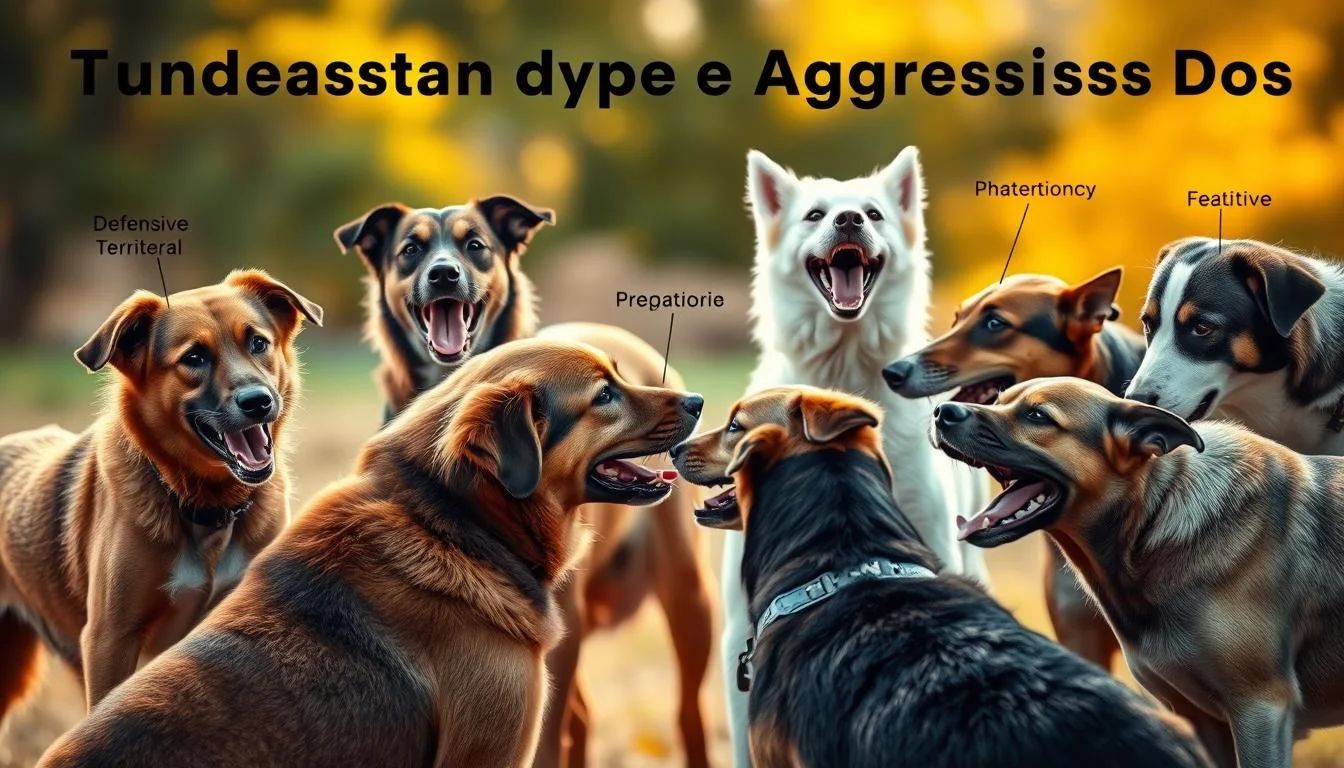
Knowing the types of aggression in dogs is crucial for pet owners and trainers. Dogs show aggression for many reasons. Understanding these can help manage their behavior. The main types include Fear Aggression, Territorial Aggression, and others. Knowing these helps us spot dog aggression triggers in our pets.
Overview of the Seven Types
Each aggression type has its own reasons and responses. This affects how we train them. Here's a quick look:
| Type of Aggression | Description | Common Triggers |
|---|---|---|
| Fear Aggression | Caused by fear or anxiety, leading to defensive behavior. | Strangers, loud noises, new situations. |
| Territorial Aggression | When a dog defends its territory. | Intruders, unknown people. |
| Idiopathic Aggression | A mysterious type with unclear triggers. | Unpredictable, no clear reason. |
| Predatory Aggression | Instinctual, related to hunting or chasing. | Fast-moving things, small animals. |
| Intra-Household Aggression | Caused by conflicts between dogs in a home. | Dominance fights, resource competition. |
| Control-Related Aggression | When owners control their dogs too much. | Leash corrections, demanding obedience. |
| Resource Guarding/Possession Aggression | Protecting valued items. | Food, toys, resting spots. |
Distinguishing Between Aggression and Non-Aggressive Behaviors
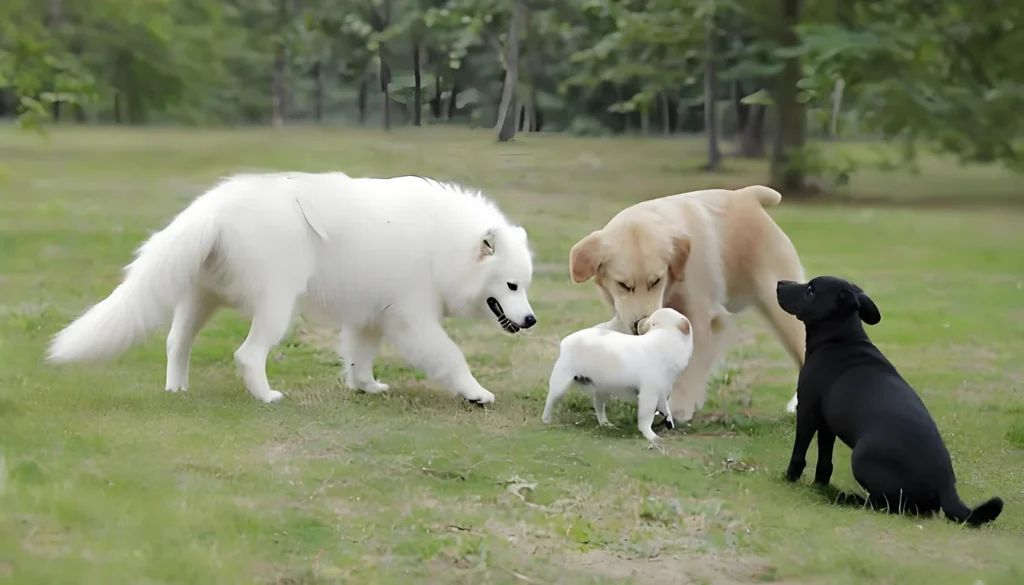
It's important to know the difference between aggression and non-aggressive behaviors in pets. Sometimes, playfulness or excitement can be mistaken for aggression, especially in certain aggressive dog breeds. Training and understanding a dog's personality helps us give them the right care and responses.
Fear Aggression
Fear aggression is a common issue in dogs. It happens when they feel threatened or trapped. Knowing the signs of fear aggression helps owners deal with it. It's important for anyone who interacts with dogs to recognize these signals.
Signs of Fear Aggression
Dogs with fear aggression show different behaviors. These include:
- Cowering or shrinking away from perceived threats
- Growling or barking defensively
- Snapping or lunging when feeling cornered
- Avoiding eye contact or turning away
These behaviors are a defense mechanism. They help protect the dog from danger. Spotting these signs is key to managing aggressive dogs.
How to Manage Fear-Based Aggression
Managing fear-based aggression requires several strategies. Here are some methods:
- Increasing socialization to help the dog get used to different places and things.
- Using positive reinforcement to reward calm behavior in a safe place.
- Gradually exposing the dog to its fears in a safe way to change its responses.
With consistent training and understanding of aggression signs, owners can help their dogs feel safer. A gradual and compassionate approach makes managing aggressive dogs rewarding.
Territorial Aggression
It's key for dog owners to understand territorial aggression in dogs. This behavior happens when a dog wants to guard its area from threats. These threats can be strangers or other animals. Dogs show this by barking, growling, and sometimes lunging at intruders.
Spotting these signs is the first step to dealing with aggressive behavior in dogs.
Recognizing Territorial Behaviors
Dogs show territorial behavior in certain ways. Look out for:
- Barking a lot when someone comes near the house
- Growling or showing teeth when someone enters
- Lunging at people or animals outside
- Being stiff when they sense an intruder
Seeing these signs means my dog feels threatened and wants to protect its territory. Knowing these signs helps me manage my dog's reactions. It keeps our home safe and welcoming for everyone.
Training Strategies to Reduce Territorial Aggression
Training can help reduce territorial aggression in dogs. Here are some methods that work:
- Teaching obedience commands like "sit" and "stay" to focus them.
- Using positive reinforcement for calm behavior when strangers visit.
- Gradually introducing them to people and pets to help them adjust.
- Getting help from a professional trainer if the aggression doesn't improve.
Using these strategies has greatly improved my dog's behavior. It makes them more relaxed and friendly. This leads to a better living environment for everyone.
Idiopathic Aggression
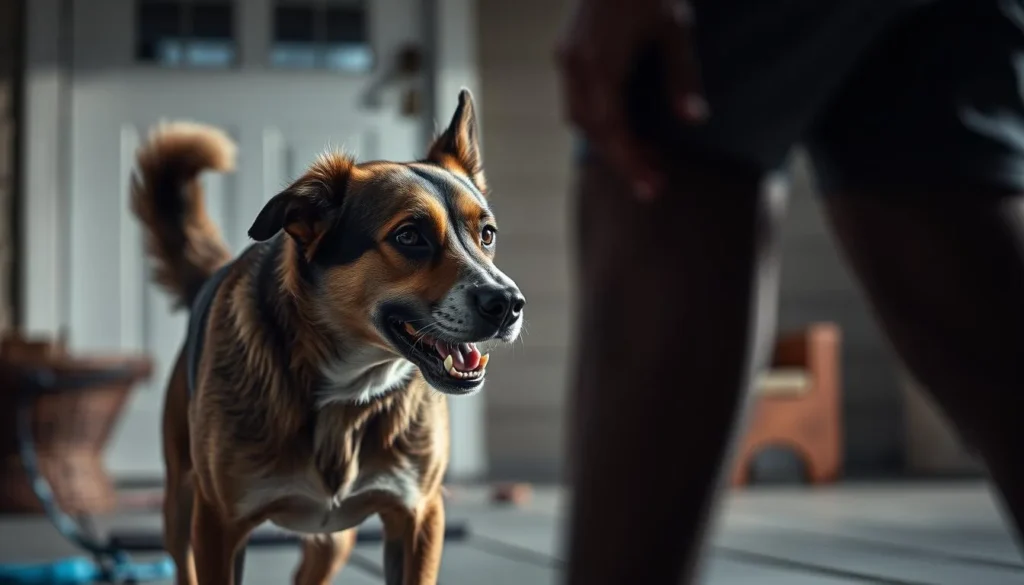
Idiopathic aggression is a puzzling behavior in dogs. They show aggression without clear reasons. It's important for pet owners to understand this to keep everyone safe.
Understanding Unknown Triggers
Idiopathic aggression can happen without warning. It's hard to know what triggers it. Factors like genetics, stress, or brain issues might play a part.
When my dog acts aggressively without a clear reason, I need to pay close attention. Finding out what causes it is key to managing their behavior.
Importance of Veterinary Consultation
Seeing a vet is crucial for dogs with idiopathic aggression. A vet can check for medical issues that might cause aggression. They do tests and evaluations to find any problems.
This helps create a plan to change my dog's behavior. It also keeps them healthy and happy.
Predatory Aggression
Predatory aggression is a complex behavior in dogs, especially in hunting breeds. It shows through stalking, chasing, and pouncing. It's important for dog owners to recognize these signs for safe interactions. By understanding these behaviors, I can tell when my dog might be a risk to others.
Characteristics of Predatory Behavior
Predatory aggression has several key traits. Some include:
- Stalking: The dog moves quietly towards the target, showing intense focus.
- Chasing: A common response to movement, where the dog runs after what it sees as prey.
- Pouncing: The dog jumps towards the target, mimicking wild canines' hunting.
Knowing these behaviors helps manage aggressive dogs better. It also helps owners take steps to keep other pets safe.
When to Seek Help for Predatory Aggression
If a dog's aggression is a danger to others, getting help is key. I suggest talking to a trained professional or behaviorist. They can create a plan that fits the dog's needs and reduces risks. Early action is important to avoid serious problems.

Intra-Household Aggression
Intra-household aggression is common in homes with many dogs. Each dog may fight for status or resources. I've seen my dogs show aggressive behavior due to misunderstandings or dominance. Knowing why they fight helps me make our home better for them.
Causes of Social-Conflict Aggression
Social-conflict aggression can start for many reasons. For example:
- Competition for food or toys
- Tension during greetings or introductions
- Uncertainty in social hierarchy
Spotting these causes helps me understand and stop aggressive behavior. This makes our home life much easier.
Effective Strategies for Managing Multiple Dogs
Managing multiple dogs requires smart strategies. Here are a few that work:
- Give each dog a safe space to retreat to.
- Do controlled introductions to reduce stress.
- Stay calm and assertive to keep things stable.
Using these strategies helps create a peaceful home. It keeps my dogs happy and healthy.
Control-Related Aggression
Control-related aggression happens when dogs see their owners as threats. This is often due to bad training or mixed signals. The relationship between an owner and dog greatly affects how the dog reacts. Knowing this helps in training and improves their bond.
Understanding Owner-Dog Dynamics
The bond between a dog and its owner is key. Dogs may become aggressive if they feel insecure or challenged. Lack of socialization, bad training, and unclear commands make things worse.
It's crucial to notice when dogs are uncomfortable and build trust. Spotting aggressive behavior early can prevent problems.
Prevention through Proper Training
Good dog training focuses on positive methods and clear communication. Here are some strategies:
- Use consistent commands
- Focus on rewards, not punishment
- Introduce social interactions with other dogs
- Have regular training to reinforce good behavior
Using these techniques can greatly reduce aggression in dogs. Dogs feel safer and behave better. A well-trained dog is less likely to be aggressive.
| Training Techniques | Implementation Level | Effectiveness |
|---|---|---|
| Positive Reinforcement | High | Very Effective |
| Socialization | Medium | Effective |
| Consistency in Commands | High | Highly Effective |
| Punitive Measures | Low | Counterproductive |
Resource Guarding/Possession Aggression
Resource guarding is a common issue in dogs. It happens when they protect things like food, toys, or where they sleep. This behavior is driven by a protective instinct. It can cause dogs to show aggression, so it's important for owners to spot and fix it quickly.
Signs Your Dog May Be Resource Guarding
Knowing the signs of resource guarding is key to managing it. Look out for:
- Growling when someone gets close while they're eating or playing.
- Snapping at people who get too close to their things.
- Stiffening their body when someone approaches their items.
- Defensive barking or not wanting to share food or toys.
Techniques to Manage Possession Aggression
There are ways to manage aggression linked to resource guarding. These methods can help your dog feel more relaxed and willing to share:
- Try a trading system where your dog trades items for treats. This teaches them to give up things without feeling scared.
- Make a safe area for eating or playing to reduce interruptions.
- Use positive reinforcement to praise your dog for calm behavior around their things. This helps them get more comfortable over time.
- Do desensitization exercises by slowly introducing people near their belongings. Reward them for staying calm.
Conclusion
Understanding dog behavior has been a big part of my journey. I've learned that knowing the types of aggression in dogs is key. Each type, from fear to territorial, needs a special approach that fits our pets' unique needs.
By spotting aggressive behavior early, I can help my dogs live safely and happily. This makes our homes more peaceful for everyone.
Talking to trainers and vets is important when dealing with aggressive dogs. They help me find the right ways to manage my dog's behavior. Their advice is crucial for my dog's well-being.
My goal is to make sure dogs and people can live together peacefully. With patience and the right advice, we can face challenges and enjoy life with our dogs.