I remember the first time my golden retriever ran to me, his paws flying. His tail wagged like a metronome. I laughed and reached out, but my sweater got muddy and my knee got scratched. That moment made me want to teach him a better way to greet me.
Learning to train my dog not to jump up was a big lesson. I learned that jumping is often a way for dogs to say hello. The American Kennel Club and trainers say that scolding can make it worse. So, I changed my approach: I stopped rewarding him, taught him a new way to greet, and managed situations to prevent bad habits.
Wondering how to teach your dog not to jump? Start with a simple greeting rule. Make sure he has four paws on the floor, sits, or uses a place mat. For puppies, early training and short, positive sessions are key.
Key Takeaways
- Jumping is natural; attention reinforces it — even negative attention.
- Set a clear greeting rule like “four on the floor” to replace jumping.
- Combine management (crate, leash, gates) with training to prevent practice.
- Reward the correct behavior immediately to strengthen learning.
- Everyone in the household must be consistent for lasting results.
Why dogs jump up and how attention reinforces jumping
Dogs jump up because it's a friendly way to say hello. They greet like wolves do, by sniffing and nudging. The American Kennel Club says this is natural, so we need to teach them a better way to greet.
Teaching dogs a new way to greet is key. I show them a different way to act when people come over. If they don't learn this, they keep jumping because it gets a reaction.
For dogs, getting attention is a big reward. Even saying "no" or pushing them away can be seen as attention. This makes it harder to stop them from jumping. The goal is to ignore the jump and reward them for being calm.
Jumping can be dangerous. It can hurt guests, especially children and older adults. It also makes a mess with muddy paws. To keep everyone safe, I use tools and training to stop the behavior.
Correcting jumping in dogs is all about setting rules and rewarding calm behavior. This way, they learn not to jump to get attention.
training dog to stop jumping up
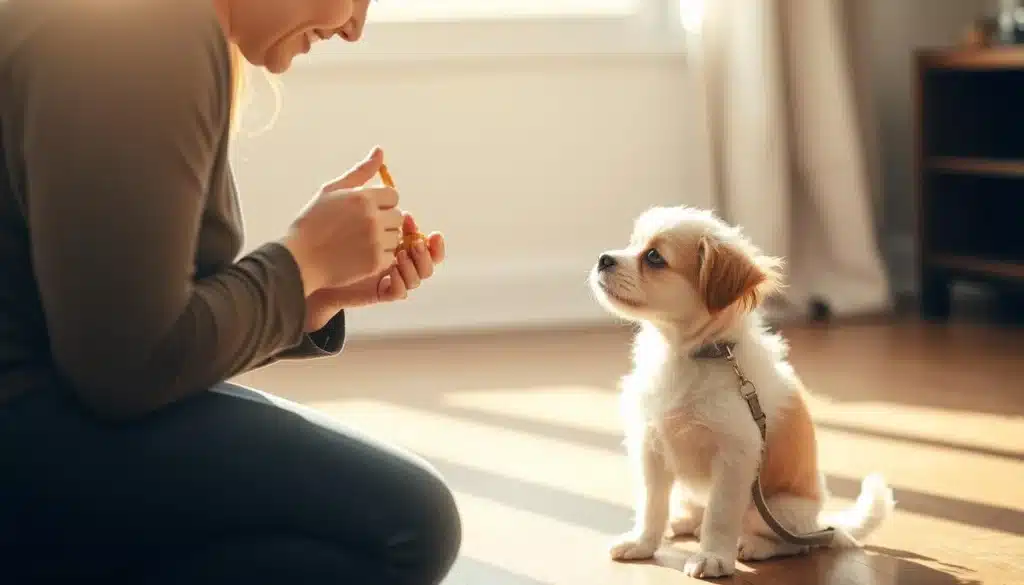
I want to make greeting rules simple and clear for my dog. A single, consistent rule helps them learn fast. I choose one action and reward only that behavior every time someone greets my dog.
I follow three practical steps to keep everyone on the same page.
Define a clear greeting rule: four paws on the floor, sit, or place
I choose one rule for greetings: four paws on the floor. The American Kennel Club suggests a clear alternative like this. When my dog keeps all paws down, I give praise, petting, or a treat. This direct instruction makes dog training techniques for jumping precise and predictable.
Consistency across family members and guests
I ask everyone in the house and regular visitors to use the same rule. If one person rewards jumping, the dog gets mixed signals and relapse happens. I use management tools such as a leash, crate, or baby gate until the rule is reliable. This prevents accidental practice and supports lasting dog behavior modification.
Why telling a dog what to do works better than telling them what not to do
I teach clear alternatives instead of shouting “don’t jump.” Dogs learn actions faster when I say “sit” or “four on the floor” and then reward the result. This approach helps me teach dog not to jump by replacing the unwanted behavior with a trained, acceptable one.
| Rule | Action to Give Attention | Management Until Reliable |
|---|---|---|
| Four paws on floor | Immediate praise and brief petting | Leash at door, helper holds visitor |
| Sit | Click or marker, treat, then attention | Crate or tether during arrivals |
| Place (mat) | Treats on mat, calm verbal reward | Use baby gate to guide to mat |
Teach an incompatible alternative behavior
I'll show you three ways to stop your dog from jumping and teach them to greet calmly. Each method is easy to follow, uses short training sessions, and offers rewards to help your dog learn what to do instead of what not to do.
Four on the floor is a quick trick to teach. I leash the dog and have the guest toss small treats on the floor just before they meet. I reward the dog for keeping their paws on the floor right away. We do this a few times, then I pet the dog while they eat and step back. Over time, I make the interactions longer and use fewer treats until the dog stays calm without treats.
This method is great for when you need to stop your dog from jumping on guests fast. It replaces the jump with a sniff-and-eat action the dog likes better.
Teach sit for greetings by tying the dog to a stable object like a table leg or doorknob. I ask the dog to sit from a distance, then slowly approach the door. If the dog stands up, I go back and ask them to sit again. I reward them for sitting calmly and invite friends to practice once the dog sits reliably. We then add distractions slowly.
This method is perfect for a polite, upright greeting. It keeps faces safe and clothes clean.
Go to your place teaches the dog to go to a mat or bed and stay while guests enter. I start by rewarding them for short stays, then add the cue with door openings. Use a tether or baby gate early on to prevent jumping. Gradually increase the time and add excitement while rewarding calm stays with treats and praise.
Using a mat or crate is a reliable way to manage and train your dog. It prevents jumping and teaches an alternative that keeps the dog away from the greeting zone.
Choose one method and stick to it with everyone in the household. Short, frequent practice sessions are more effective than long, rare ones. With consistent repetition, the new behavior will become a habit, making it easier to stop your dog from jumping on guests.
Positive reinforcement training techniques that work
I use clear, fast rewards to teach dogs to greet politely. Timing is key in positive reinforcement training. A reward given right when a dog's paws hit the floor shows them what action is praised.
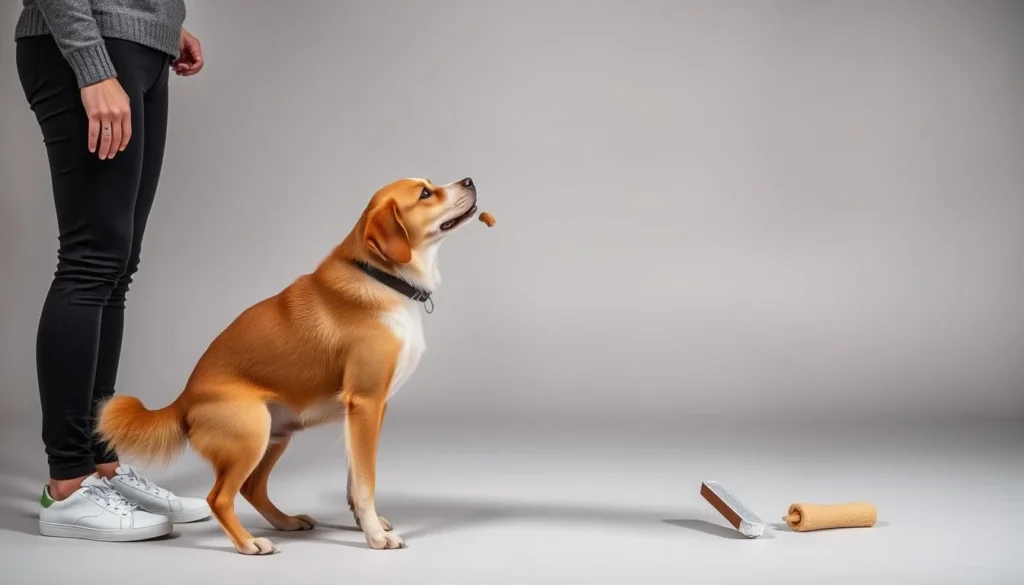
I use three types of rewards: food, toys, and attention. Food is best for quick learning in the beginning. A soft, high-value treat given as soon as paws touch the floor links the rule to the reward well.
I change rewards to keep the dog guessing. Toys are great for dogs who love to play. For many owners, attention and gentle petting become the reward once the dog learns the greeting rule.
Here are steps I use in short sessions to shape behavior:
- Stand calmly at the door and hold a handful of quick treats.
- Wait for four paws on the floor, then mark the moment and reward instantly.
- Repeat for several low-distraction greetings, mixing in a toy or petting as a reward.
To fade food rewards, I plan carefully. After consistent success, I start giving treats less often. I keep petting and verbal praise immediate and enthusiastic. This keeps the lesson without making the dog dependent on treats.
To make training work with different people and places, I teach helpers to reward the same exact moment the dog has all paws down. This consistency helps the dog learn the rule everywhere.
| Training Phase | Primary Reward | Session Length | Goal |
|---|---|---|---|
| Foundation | High-value treats | 3–5 minutes, frequent reps | Establish clear association between paws down and reward |
| Transition | Toys + intermittent treats | 5–7 minutes, moderate reps | Generalize behavior with varied rewards |
| Maintenance | Attention and petting | Short, real-life greetings | Maintain polite greetings without constant treats |
These techniques for dog training rely on quick rewards, consistency, and fading food rewards. When I use them, I see steady improvement and fewer mistakes that encourage jumping.
Management strategies to prevent practice of jumping
I use simple barriers and routines to stop unwanted behavior. Short-term management keeps everyone safe. It also gives the dog fewer chances to jump.
I employ crates, leashes, baby gates, and room confinement as needed. A crate can be a calm spot for the dog when visitors arrive. A leash or tether helps me ask for a sit and keep the dog in place.
Gates prevent the dog from reaching the door or hallway. I prepare before visitors arrive to prevent the dog from practicing the wrong response. I send the dog to a mat, place a chew toy nearby, or position them out of sight until greetings settle.
Tethering by the door while asking for a sit sets clear expectations. It avoids chaotic encounters. Keeping greetings low-key reduces arousal and makes self-control easier.
I ask guests to stay calm, avoid eye contact, and ignore jumping. Quiet entries, soft voices, and delayed rewards help. They support consistent management strategies for jumping dogs.
When I combine confinement tools with calm routines, I create a learning-friendly environment. These strategies are temporary aids while I work on skills like sit, place, and four paws on the floor. With practice, the dog greets politely without constant intervention.
Correcting jumping behavior without unintentionally reinforcing it
I use gentle, clear steps to stop jumping without making it a reward. Actions like grabbing or pushing can seem like play to dogs. These actions might actually encourage the jumping I'm trying to stop.
Physical corrections can make things worse or hurt trust. Instead, I choose calm, consistent responses.
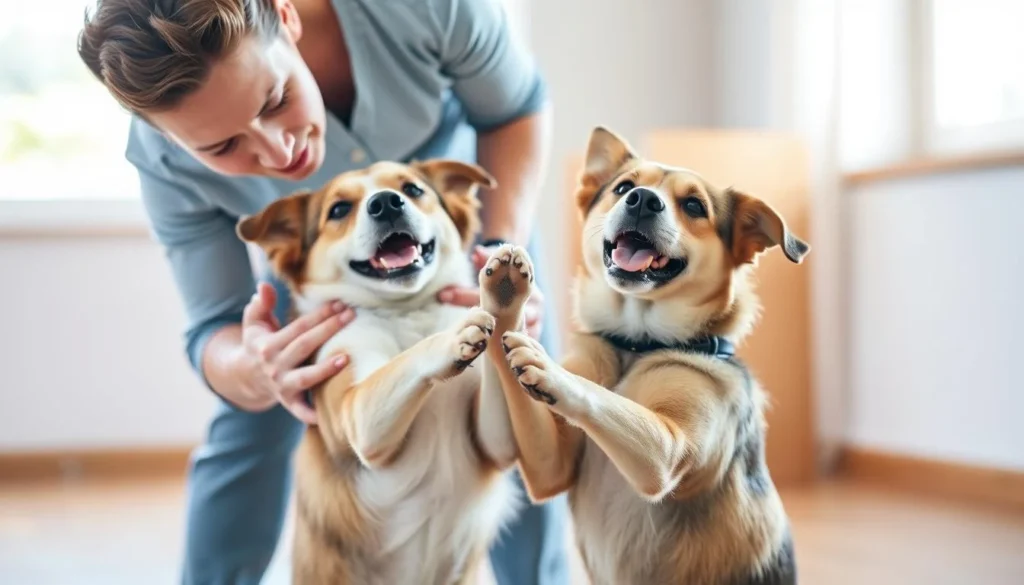
When my dog jumps, I turn away and ignore them. I step back or leave the room. This teaches them that jumping means people leave.
If everyone does this, the dog learns to stay calm for attention. This is key to any dog training plan.
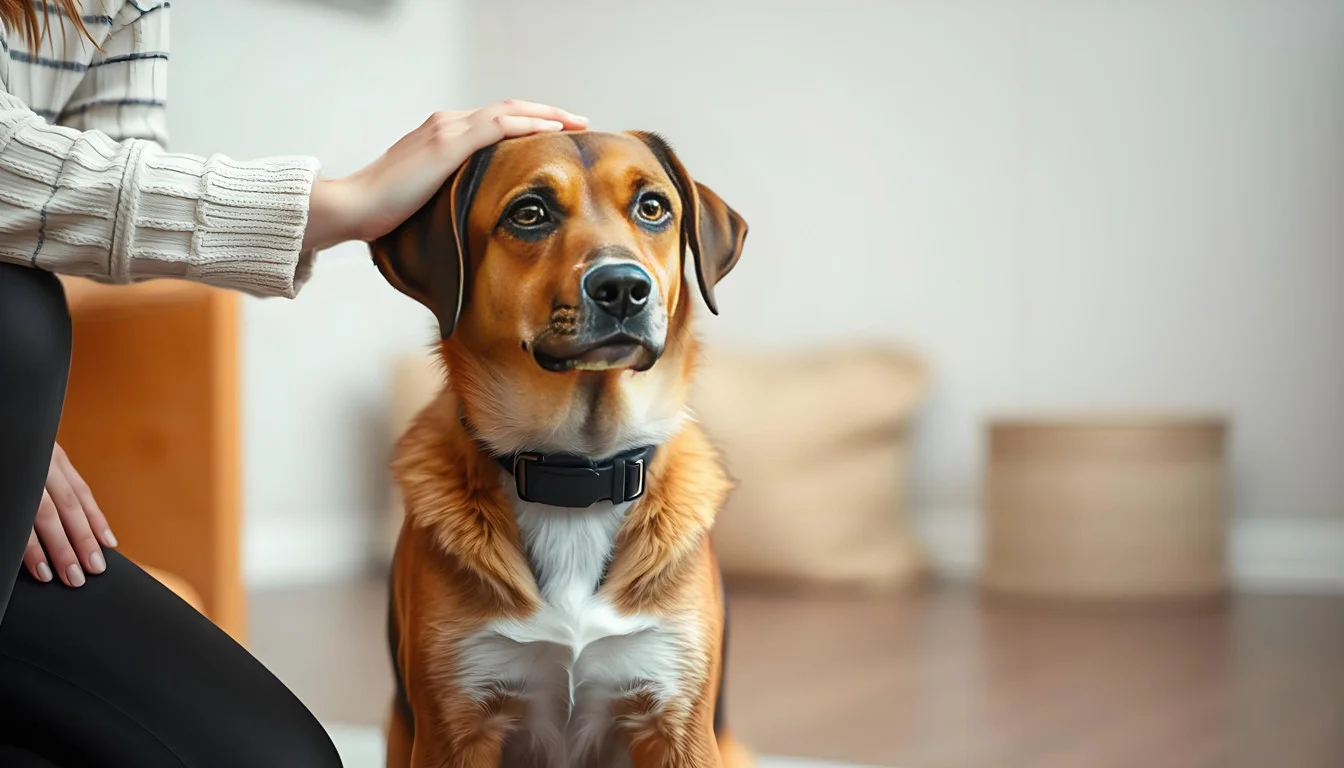
I reward my dog the moment they put all four paws on the floor. I give them a quiet pat or a treat. This teaches them to seek praise for staying calm.
Being consistent is crucial. If one person corrects while another ignores, the dog gets mixed signals. I ask everyone to follow the same rules to teach my dog everywhere.
I practice short sessions with the same rules: ignore jumping, reward calm. Keeping it positive and brief helps my dog learn. They figure out calm behavior gets praise, while jumping doesn't.
Setting up controlled practice sessions
I set up short, predictable rehearsals for my dog to learn what a greeting looks like. I keep the sessions calm and use the same cues every time. This approach gives clear feedback and helps with obedience training for jumping dogs.
I start with a trusted helper who simulates arrivals. The helper approaches, stops, then waits while I ask for a sit or four paws on the floor. I reward the dog immediately when they comply. These structured rehearsals with a trusted helper or family member help build reliable responses.
I use treats scattered on the floor and praise the dog for keeping their paws down. Then, I gradually increase the greeting time. This training teaches patience and focus. Steady progress is key in these dog training techniques for jumping.
After mastering at home, I introduce new people one at a time. I start with family, then friends, and eventually strangers and public places. I keep the dog on a leash or behind a gate during early stages to avoid reinforcement. This gradual introduction prevents setbacks.
I track each rehearsal and only raise the challenge when the dog is consistent. I slowly vary the helper’s pace and the excitement level. With regular practice, training the dog to stop jumping up becomes automatic and dependable.
Preventing guests and strangers from accidentally rewarding jumping
I teach visitors a simple rule to stop my dog from jumping. They should wait to greet until my dog has all four paws on the ground or is sitting. I make sure to keep the request clear, polite, and consistent. This helps everyone who meets my dog understand the rule.
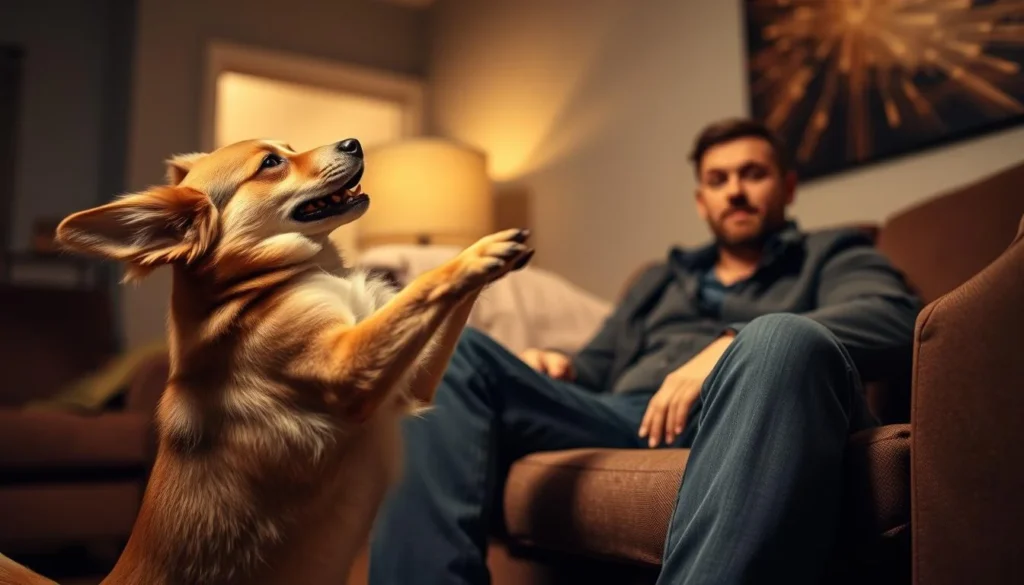
I give guests quick instructions before they enter. I tell them to ignore any jumping and wait until the dog is calm. When the dog is calm, I signal them to pet or treat my dog. This way, training is clear for both the visitor and the dog.
I use helpers and simple props to manage greetings during training.
- I sometimes have a friend deliver treats on cue while I keep the dog on leash. This rewards correct behavior and speeds learning for preventing dog from jumping up.
- If a guest is unsure, I ask them to toss a treat to the floor or hold a treat at waist level. The dog learns to keep paws down to get the reward.
- A gate or tether helps control access during practice so stopping dog from jumping on guests happens in a safe way.
When I walk my dog, I ask strangers not to approach until my dog greets politely.
- I teach a “watch me” cue and use a squeaky toy or small treat to hold attention while strangers pass. This supports dog training no jumping up in public.
- I politely tell people to ignore jumping and to wait for four paws on the ground. Most people respond well to a brief explanation and a friendly tone.
- If a stranger insists on petting, I step between them and the dog or move my dog away until calm behavior returns.
Clear, polite instructions for guests and strangers make preventing dog from jumping up predictable. I keep the steps simple, repeat them when needed, and reward calm greetings so good manners stick.
Special considerations for puppies and high-energy breeds
I focus on practical steps for raising a young dog or living with a high-energy breed. Puppies pick up habits quickly. Early consistency helps them learn polite greetings and manners.
Why early consistency matters for puppies
Puppies learn from what gets rewarded. If jumping gets them attention or treats, they'll keep doing it. I suggest a rule from the start: four paws on the floor or a sit for greetings. Everyone in the home should follow this rule for consistency.
Short training sessions are best. Ten-minute sessions several times a day keep puppies focused without getting overwhelmed. Use high-value treats and calm praise when they keep all paws down. This teaches them calm behavior is rewarded, not jumping.
Age-appropriate training sessions and energy management
Young dogs have short attention spans. I keep lessons brief and fun, making learning easy. For a five-month-old puppy, short sit-and-reward drills throughout the day work better than one long session.
High-energy breeds need more mental and physical work. I add puzzle toys, obedience drills, and scent games to keep their minds and bodies active.
Exercises to burn excess energy before guests arrive
A tired dog greets people more calmly. I suggest a short brisk walk, five to ten minutes of fetch, or a focused training circuit before guests arrive. These activities help lower arousal and make training cues like sit or place easier.
Here are quick routines I use:
- 10-minute walk to release pent-up energy
- Five rounds of sit-stay with increasing duration
- Two-minute puzzle toy session to engage the brain
| Dog Stage | Session Length | Key Activity |
|---|---|---|
| Puppy (8–16 weeks) | 2–5 minutes, multiple times daily | Short click/treat drills, calm greetings |
| Adolescent (4–9 months) | 5–10 minutes, 3–5 sessions daily | Structured play, sit/place reinforcement |
| High-energy adult | 10–20 minutes, 2–3 times daily | Run/walk, scent work, advanced obedience |
Consistent rules, short training bursts, and energy-burning activities help train dogs not to jump. To train a puppy not to jump, start early, keep it calm, and match exercise to the breed’s needs.
Common training challenges and troubleshooting
Many owners face the same issues when teaching dogs not to jump. A small mistake by family or guests can undo all the hard work. To fix this, I immediately restate the rule and use tools like leashes or crates until everyone agrees.
It's common for dogs to slip back into old habits. If someone breaks the rule, I stop the greeting and remind everyone of the rules. I also practice with the person who made the mistake to reinforce clear signals.
Jumping can be due to play or fear, each needing a different solution. For playful jumpers, I teach them to sit or go to a place instead. For fearful dogs, I use calm desensitization and reward them for staying calm.
When changing training methods, I focus on positive reinforcement and clear rules. Harsh corrections can make things worse. Instead, I teach a new behavior and reward it right away to show the dog it's good.
For tough cases, I suggest getting help from experts. The AKC GoodDog! Helpline offers phone video consultations for dog training. I look for trainers who use kind methods and know how to handle fear.
If safety is a worry or if aggression is a problem, I advise seeing a vet behaviorist. Working with experts allows us to create specific plans and use medical help if needed. A few training sessions can make a big difference and give owners clear tasks to do at home.
To tackle everyday dog jumping issues, I use three main strategies: manage practice, teach and reward new behaviors, and seek professional help when needed. Small, consistent steps help keep dogs calm and prevent backsliding.
Tracking progress and maintaining long-term success
I focus on small wins to keep training steady. I track how often my dog greets calmly and in what situations they slip up. This helps me see patterns and adjust my training.
I set clear goals for my dog's behavior. For example, I want them to greet calmly at home and with visitors. I also aim for consistent behavior on walks. Recording each session helps me track progress and make changes.
I made a checklist for the household to follow. Everyone greets the dog calmly and ignores jumping. This consistency helps make dog behavior modification stick.
I regularly refresh training with practice sessions. I use a helper, add distractions, and reward calm responses. I also use treats to help the dog understand timing, then fade them as they learn.
When introducing new distractions, I do it slowly. I start in quiet rooms and gradually move to busier areas. This approach helps keep training effective over time.
Conclusion
Teach your dog one clear greeting like sitting or placing their paws on the floor. Reward them right away when they do it. This method is key to stopping them from jumping up.
Use tools like leashes or crates to stop them from practicing jumping. Practice with a helper, keep sessions short, and add real-life scenarios. Slowly remove treats but keep praise as a reward.
Being consistent early on is crucial, especially with puppies and high-energy dogs. If you hit a roadblock, consider a certified trainer or the AKC GoodDog! Helpline. With patience and positive reinforcement, you can make greetings calm and safe for everyone.