When I first got my dog, her joy was overwhelming. But her excited jumps often turned chaotic. The first time she jumped into my arms, her energy was too much. It was both heartwarming and worrying.
I loved her excitement, but I knew I had to stop the jumping. It was for my comfort and her safety. Learning how to train her not to jump up was important. It would help us have better interactions and teach her good manners.
In this article, I'll share dog training techniques to change this behavior. With consistent strategies, we can teach our dogs to greet us calmly and respectfully.
Key Takeaways
- Understanding the reasons behind jumping is key to addressing the behavior.
- Using effective dog training techniques can help modify unwanted jumping.
- Creating a calm environment is essential for behavior modification for dogs.
- Using positive reinforcement promotes lasting changes.
- Consistency in training is crucial for successful outcomes.
Understanding Why Dogs Jump
Understanding why dogs jump is key to fixing this behavior. Dogs jump to greet humans face-to-face, a leftover from their ancestors. They used physical gestures to communicate and bond. This helps me understand my dog's actions better.
Natural Canine Behavior
Jumping is a natural way for dogs to greet others at eye level. When they see people, they often jump with excitement. This shows their joy and need for attention.
Attention-Seeking Motivation
Jumping is often driven by a desire for attention. Dogs learn that jumping gets them pets, talks, or laughter. To stop this, I need to teach them other ways to get attention.
Risks Associated with Jumping
Jumping can be dangerous for dogs and people around them. It's crucial to teach dogs not to jump on visitors. Dogs jumping can hurt people, especially kids and the elderly. Big dogs jumping can be especially scary.
Potential Injuries to People
Dogs jumping can cause injuries like scratches and bruises. Small kids are more likely to get hurt because they're smaller. These injuries can make people scared of dogs, making social situations harder.
So, it's key to teach dogs not to jump. This helps keep everyone safe and happy.
Clothing Damage and Discomfort
Dogs with muddy paws can ruin clothes and leave stains. This can make guests uncomfortable and upset. It can also make hosting events harder.
Teaching dogs not to jump makes everyone more comfortable. It helps create a welcoming atmosphere for all.
Management Techniques to Stop Jumping
Stopping my dog from jumping starts with good management. I can control the environment to stop my dog from jumping. This makes training easier for both of us. Two key methods are controlling the environment and using a leash.
Control the Environment
Controlling the environment is key to stopping jumping. I keep my dog in a separate room when guests come over. I also use baby gates to block off areas. This stops my dog from jumping and makes our training sessions calmer.
Being consistent helps a lot. It gives my dog a sense of structure and reduces jumping.
Using a Leash for Restraint
A leash is another great tool. It helps me keep my dog from jumping up when we meet people. I can teach my dog to sit or stay, which is polite. Using a leash all the time helps my dog learn good behavior and stops jumping.
Training Dog Not to Jump Up
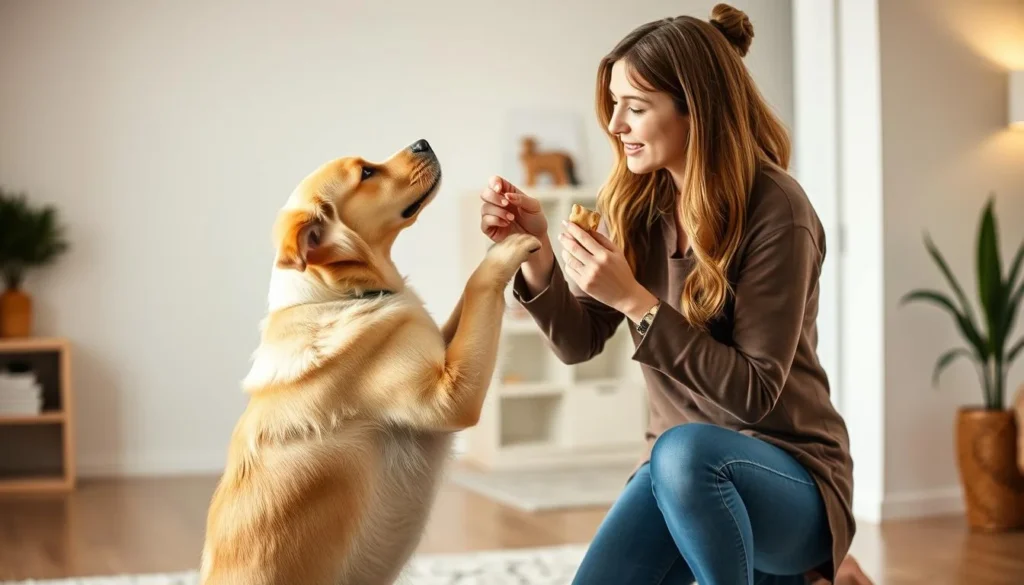
To stop my dog from jumping, I teach them new behaviors. I use commands like "sit" or "stay" to channel their energy. This makes our interactions better and teaches them how to greet people right.
When my dog waits calmly instead of jumping, it's a win-win. Visitors feel more at ease, and my dog learns discipline. It's a big part of our training routine.
Teaching Alternative Behaviors
Teaching new behaviors is key in stopping my dog from jumping. By making them sit or stay when greeting, I set a new standard. Here are some effective strategies:
- Practice the "sit" command in calm moments to help them remember it in exciting times.
- Use treats as rewards for staying seated to motivate them.
- Get the whole family involved to make training a team effort.
Benefits of Consistent Training
Consistent training brings amazing results. When we all stick to the rules, my dog learns what's acceptable. The benefits are clear:
| Benefit | Description |
|---|---|
| Improved Behavior | My dog becomes more reliable in social situations, knowing what to expect. |
| Stronger Bond | Working together fosters trust and communication between my dog and me. |
| Stress Reduction | A calmer environment leads to less anxiety for both my dog and visitors. |
Implementing Positive Reinforcement
Using positive reinforcement training has really helped my dog stop jumping. It's all about rewarding good behavior. This makes my dog understand what I want and stops them from jumping.
By rewarding calm behavior, my dog learns that staying on the ground is better. It's simple but very effective.
Rewarding Good Behavior
Timing is everything when rewarding good behavior. I quickly praise my dog for sitting or staying calm. This helps them connect the reward with their actions.
I always carry treats for training. It makes the positive reinforcement work better.
The Role of Treats in Training
Treats are key in positive reinforcement training. They motivate my dog to learn and pay attention. Treats make training fun and encourage good behavior.
When my dog gets a treat for being calm, they learn that good behavior is rewarded. This creates a positive cycle.
Effective Dog Training Methods
Teaching our dogs is easier with the right methods. Clicker training is simple yet effective. It lets us mark the exact moment a dog does something right. This helps us communicate better with our pets.
It's also important to adjust your dog's environment. This means removing things that make them jump. These steps help change their behavior for the better.
Clicker Training Basics
Clicker training uses positive reinforcement. A clicker sound tells your dog they did something right. This sound is like a reward, helping them learn what to do again.
To begin, your dog needs to link the click sound with treats. Practice often. The more you do, the better your dog will get at following commands.
Adjusting Your Dog’s Environment
A good training environment is key. It means fewer distractions and no things that upset your dog. For example, if your dog jumps when people come over, create a quiet area away from the door.
This setup helps prevent jumping and keeps things calm. A tidy environment helps reinforce good behavior and supports training.
Training Your Dog to Greet Calmly
Teaching my dog to greet people calmly changes everything. It makes greetings better for everyone. Using the "sit" command helps my dog behave well during greetings.
This stops jumping and brings calmness. It makes greetings fun for all.
Using the "Sit" Command Effectively
The "sit" command is key in teaching my dog not to jump. It turns their excitement into calmness. Saying "sit" clearly and gently is crucial.
When my dog sits instead of jumping, I reward them. This could be praise or a treat. It teaches them the right behavior.
Reinforcing Calm Greetings with Treats
Using treats to reinforce calm greetings is important. When my dog sits to greet someone, they get a treat. This teaches them patience and links calm behavior to good things.
How to Manage Jumping When Visitors Arrive
When visitors come to my home, it's important for my dog to behave well. I've found that getting ready before they arrive helps a lot. This way, my dog learns to greet guests calmly.
Pre-Visitor Management Strategies
Before guests arrive, I do a few things to help. First, I establish a routine for my dog. This routine includes:
- Designating a specific area: I set up a special spot for my dog, away from the front door. This helps reduce excitement when guests come.
- Engaging in activities: I keep my dog busy with toys or a puzzle feeder. This helps calm them down.
- Using commands: I practice basic commands like “sit” or “stay.” This helps my dog behave well when visitors come.
Using Crates and Leashes
Using crates and leashes is a good way to manage jumping. A crate gives my dog a safe, comfy place to relax while guests enter. Leashes let me control my dog when they greet visitors.
Here’s a quick comparison of these two methods:
| Method | Benefits | Considerations |
|---|---|---|
| Crate | Safe space for the dog, reduces anxiety | Requires training for crate comfort |
| Leash | Direct control over the dog's movements | May require multiple hands for visitor interaction |
By using these strategies and crates and leashes, I can manage my dog's behavior. This helps train them not to jump on visitors. It makes everyone's visit more enjoyable.
Preventing Jumping Outside the Home
When we're out in public, it's crucial to keep an eye on our dog's behavior. Especially when they meet people unexpectedly. By teaching them how to greet others correctly, we can shape their behavior positively. Training moments can arise when we meet strangers, but being ready and aware is essential.
Addressing Public Greetings
When we run into people while walking our dog, we need to manage their actions. Keeping them on a short leash helps prevent jumping. This way, we can control the situation better.
Before letting our dog say hello, we should ask permission. This teaches them good manners and sets clear rules for their behavior.
Communicating with Strangers
Telling strangers that our dog is learning not to jump up can start a conversation. It helps them understand our goals. We explain that calm interactions are important for our dog's training.
This approach encourages others to help reinforce good behavior. A simple conversation can make a big difference in how our dog acts when we're out.
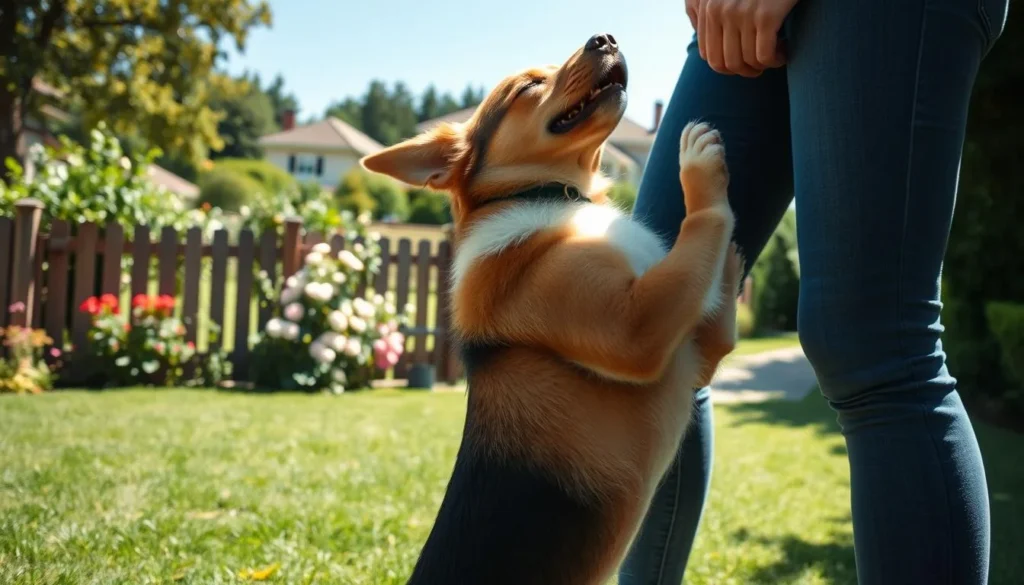
Overcoming Jumping on You
Stopping dogs from jumping on their owners takes patience and smart strategies. I learned that ignoring their attention-seeking behavior and encouraging calm interactions works best. This way, my dog now greets me calmly, making our time together better.
Ignoring Attention-Seeking Behavior
When my dog jumped up, I ignored them until they calmed down. This taught them that jumping doesn't get attention. Over time, they learned to interact with me in calmer ways.
Encouraging Low-Key Greetings
I also started rewarding my dog for calm greetings. When they approached calmly, I gave them lots of love and praise. This taught them that being calm is more rewarding than jumping.
Understanding Inconsistency in Training
In dog training, it's key to recognize mixed signals. This helps us communicate better with our pets. When family members send different messages, dogs get confused. It's vital to have everyone agree on training methods for a supportive learning environment.
Recognizing Mixed Signals
Dogs are quick to notice when family members give different commands. For example, if one person lets them jump and another doesn't, the dog gets mixed up. By understanding these inconsistencies, families can create a clear plan that helps dogs learn the right behaviors.
The Importance of Family Unity in Training
When all family members agree on training, it makes a big difference. This unity helps dogs learn faster because they know what's expected. It takes time and effort from everyone, but it's worth it for the dog's sake. Each family member needs to follow the same rules to help the dog understand what's okay.
Behavior Modification Techniques for Dogs
Changing a dog's behavior takes time and effort. Owners need to be consistent and create a loving environment. This helps dogs understand what is expected of them.
Sustained Practice and Patience
Training a dog every day is crucial. Even small steps can lead to big changes. Dogs learn at their own speed, so patience is key.
Short, fun training sessions work best. Dogs do well when they get positive feedback and encouragement.
Seeking Professional Help if Needed
Sometimes, I need help from a dog behavior expert. They know how to tackle tough issues. Their advice helps me train my dog better.
Working with a pro makes our bond stronger. It makes training more effective and enjoyable for both of us.
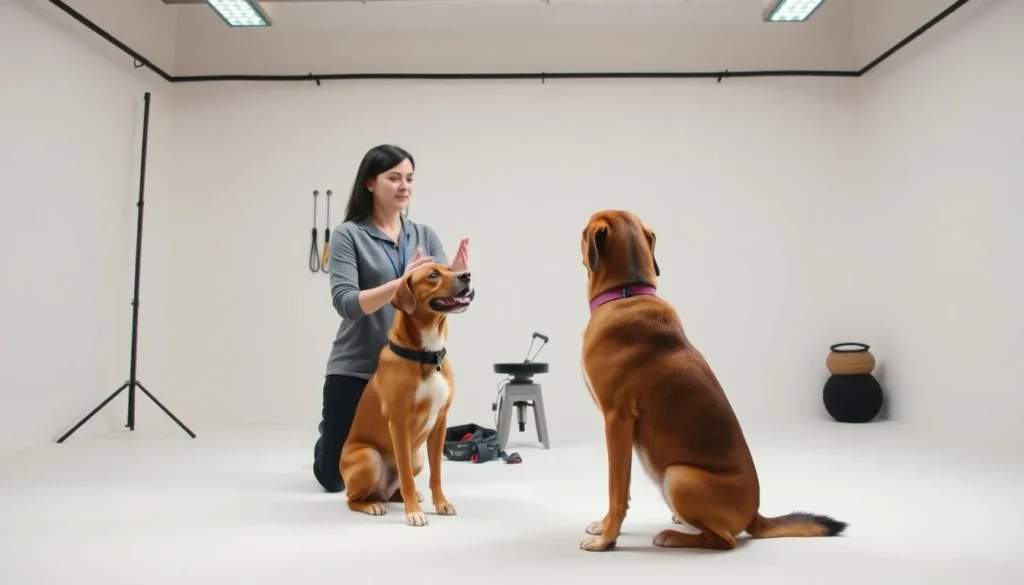
Socializing Your Dog to Encourage Good Behavior
Socializing your dog is key to teaching good behavior. Having friends over for training helps your dog meet new people. This makes learning easier and more fun.
Inviting Friends for Training Sessions
Training with friends is super beneficial. They can distract your dog, teaching them to stay focused. Each visit is a chance for your dog to learn and grow.
Using Mock Visits to Reinforce Skills
Mock visits prepare your dog for real-life situations. They help your dog get used to greetings calmly. Regular mock visits improve your dog's skills and make training more effective.
Tracking Progress in Training
In my dog training journey, tracking progress is key to success. I focus on recognizing when my dog changes behavior. Every small step forward keeps me motivated and on track.
Recognizing Successful Behavior Changes
Seeing my dog respond well to commands is a big win. For instance, when they stay calm during greetings, I know we're getting better. Signs of success include:
- Reduced frequency of jumping
- Increased responsiveness to my cues
- Calmer demeanor in stressful situations
By looking for these signs, I can tell if my training is working.
Adapting Training Methods as Needed
Being flexible is essential in dog training. Different dogs need different approaches. If my dog isn't improving, I try new methods. Some changes I make include:
- Changing the environment during training sessions
- Incorporating different rewards to maintain interest
- Modifying my cues to be more clear and engaging
This keeps me in tune with my dog's needs and keeps us both interested.
Long-Term Solutions for Jumping Behavior
Dealing with jumping behavior in dogs needs a smart plan. A structured approach is key to success. A consistent training plan helps dogs learn what's expected and builds positive interactions.
Creating a Consistent Training Plan
A solid training plan is the base of good dog training. Being consistent is vital in stopping jumping. I suggest setting up regular training times and sticking to them.
This regularity helps dogs learn faster and get more rewards. Clear expectations help dogs understand better and behave better.
Gradual Exposure to New Situations
Slowly introducing dogs to new things is important. It helps reduce their stress and anxiety. When I introduce my dog to new places or people slowly, they jump less.
This method helps them adjust better to new situations. It also strengthens the lessons from a consistent training plan.
Conclusion
Training your dog not to jump up is a mix of understanding their behavior and using good training methods. This article showed how important management and consistent training are. It also stressed the need for patience and practice to change their behavior.
Using positive reinforcement training is key. Rewarding your dog for calm behavior can change their jumping habits. This approach is effective over time.
By using these strategies, I've seen my dog become more well-mannered. This has improved my life and made our home more welcoming. A calm greeting is possible, and with effort, you and your dog can have many happy moments together.