Imagine a home filled with chaos and energy. Paws run wild, and excitement fills the air. I learned the value of teaching my dog a key command to bring order. Training them to go to their place is more than a trick; it's a game-changer.
It brings calm and strengthens our bond. Through dog place training, I've found a way to improve obedience and create a peaceful home. Let's explore how to teach your dog this important command and its many benefits.
Key Takeaways
- Training a dog to go to their place is essential for obedience.
- Dog place training helps establish a calm environment.
- Clear commands contribute to a stronger bond with your pet.
- A designated place aids in managing distractions in daily life.
- This command enhances the overall training experience for both the dog and owner.
Why Teaching a 'Place' Cue Is So Useful
Teaching a 'place' cue makes daily routines better at home. When I cook, my dog goes to their spot. This keeps them calm and stops distractions.
This command makes my kitchen peaceful. I can cook without my dog getting in the way. It's also great during parties. My dog stays safe, and my guests enjoy their time without interruptions.
Using the 'place' cue makes both my dog and me feel secure. It gives my dog a place to relax and helps them behave better. It makes our life together more peaceful.
Understanding the Benefits of Dog Place Training
Dog place training brings many benefits. It makes my dog feel safe and comfortable. They have a special spot to go when they need it.
This spot helps my dog stay calm and happy. It makes them feel more secure and stable.
Place training also helps with bad behaviors. It teaches my dog to follow rules and behave well. Dogs like routines, and this spot helps them relax in stressful times.
Having a place helps my dog adjust to new places easily. It makes them calm and focused, whether we're at the vet or traveling. This confidence and calmness make our outings better for both of us.
Setting Up for Success: Choosing the Right Place
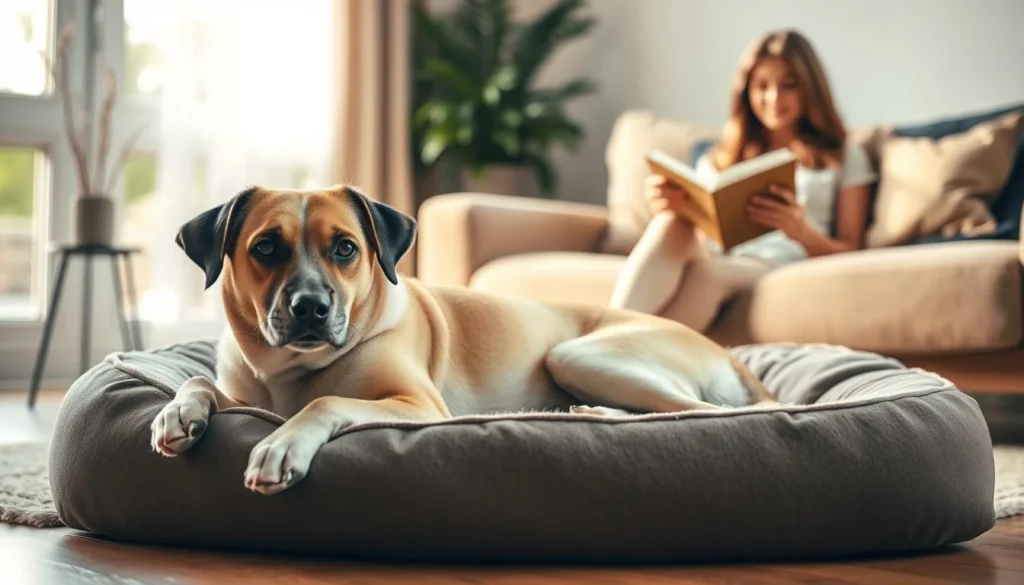
Choosing the right place for dog training is key for a positive experience. I need to think about several things to make it work. A cozy dog bed or soft mat can really help my dog feel comfortable.
Safety is also very important. The spot should be secure and not slippery to avoid accidents. I aim for a quiet, peaceful area with no distractions. This helps my dog focus better.
Consistency is also crucial. I'll use the same spot for all our training. This makes my dog see it as a place for learning and calm. Adding familiar scents and a favorite blanket makes it even better. It turns the area into a safe, relaxing space for my dog.
Preparing Your Dog: Basic Commands Needed
Before starting 'place' training, I make sure my dog knows the basics. Commands like "sit" and "down" are essential. They help us communicate clearly.
Having a reliable release word is key. It tells my dog when they can get up after sitting. This word helps keep the training organized and clear.
When my dog knows these basic commands, we're ready for place training. This preparation makes learning fun and strengthens our bond.
Training a Dog to Go to Their Place
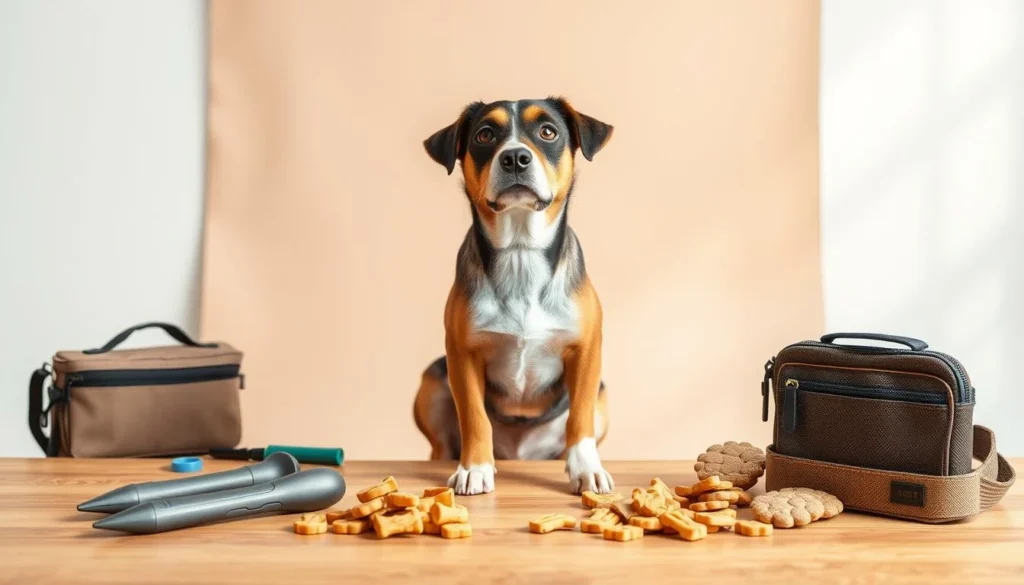
Training a dog to go to their place starts with positive reinforcement. This approach makes my dog happy and eager to learn. I reward them with treats, praise, and affection, making their spot a favorite.
Positive reinforcement builds a strong bond and teaches my dog to enjoy good behavior. It's a win-win for both of us.
Using Positive Reinforcement
Consistent rewards are key in training. Every time my dog goes to their place, I praise them. This makes them understand what I want.
Short, fun training sessions keep my dog interested. They look forward to learning and pleasing me.
Clicker Training Techniques
Clicker training is a game-changer. The clicker tells my dog they did something right. At first, I reward them after the click. This helps them connect the sound with the action.
As they learn, their confidence grows. They become more responsive to the command “place."
As my dog gets better, the training gets more advanced. I'm patient, letting them learn at their own speed. Watching them succeed is incredibly rewarding for both of us.
Shaping the Behavior: Steps to Follow
Teaching your dog to go to a place starts with a careful plan. Begin by introducing a mat or a special area. The goal is to make this spot a positive place for your dog.
This is key to making sure your dog knows where to go. It also helps them feel at ease and confident in that spot.
Introducing the Mat
First, put the mat in a quiet spot your dog knows well. Start by rewarding your dog for showing interest in the mat. This could be just sniffing or stepping near it.
This positive start helps your dog understand the training. As they get more comfortable, encourage them to put their front paws on the mat. Every small step is celebrated with praise and treats.
Marking and Rewarding Progress
When your dog starts to put their paws on the mat regularly, mark this with a clicker or a word. Then, give them a treat right away. This shows them they did something right.
Next, ask your dog to step fully onto the mat. Be patient and keep rewarding them for each small success. This builds a strong foundation for future training.
| Steps | Description | Rewards |
|---|---|---|
| 1. Introduction to the Mat | Introduce the mat and allow exploration. | Treats and praise for interaction. |
| 2. Front Paws on Mat | Encourage placing front paws on the mat. | Click and reward for touching. |
| 3. Full Paws on Mat | Increase expectations to full paws on mat. | Immediate rewards for compliance. |
Adding Duration and Distance to the Command
Once your dog learns the place command, it's time to make it more challenging. I start by asking my dog to stay on their mat for longer. At first, they might stay for just a few seconds before getting a treat. As they get more comfortable, I increase the time they need to stay.
It's important to be consistent and use positive reinforcement. This helps my dog stay focused and eager to please.
Next, I teach my dog to respond to the command from different distances. I start by standing close and giving treats when they sit or lie down correctly. As they get more confident, I move further away. This way, my dog learns to respond well, even when I'm across the room.
Dealing with Distractions During Training
Managing distractions in dog training is key to making sure my dog gets the 'place' command. It's important to deal with distractions during training. This helps my dog learn the command in real-life situations.
I start by adding different distractions little by little. This includes sounds from people, pets, or sudden movements. It helps my dog get used to these distractions.
Training in different places is also crucial. It helps my dog understand the command everywhere we go. This makes them more comfortable with distractions and keeps them calm when faced with challenges.
To make training work, I break it into steps:
- First, we train in a quiet area to learn the command.
- Then, we add mild distractions while keeping the command strong.
- As my dog gets better, we increase the distractions.
- Finally, we reward them for staying focused and returning to their place.
This method helps me manage distractions and teaches my dog to stay focused. It makes the 'place' command stronger and more reliable for them.
Common Challenges in Place Training
Training my dog to go to their place has its own set of challenges. Knowing these hurdles can make training better. Common issues include fear and disobedience. By tackling these, I can make a better learning space for my dog.
How to Address Fear of the Place
Spotting fear in my dog is key when training. Fear can show as hesitation or refusal to enter the area. To fight this, I use overcoming fear in dog training through slow steps.
I start with a calm setting and reward my dog for just getting close. Treats and positive feedback help make the place safe and inviting.
Handling Disobedience
Disobedience is another big challenge. If my dog doesn't follow the command, I stay patient and consistent. I use clear signs and rewards to encourage the right behavior.
By consistently praising and encouraging, I build trust. This makes my dog more likely to follow the command in the future.
Proofing the 'Go to Your Place' Cue
Teaching my dog to go to their place is key. I make sure they learn in different places and with distractions. This makes them understand the command everywhere, not just at home.
I start in places they know, then make it harder. Here's how I do it:
- Practice in Different Locations: I take them to the park or a friend's house. This helps them learn the command anywhere.
- Introduce Distractions: I use toys or other dogs to see if they stay focused on the command.
- Vary Handlers: I let others give the command. This shows them the command works with different voices.
Consistency and positive feedback are crucial. My dog learns the command is for everywhere, not just home. I reward them with treats or praise when they do it right. This boosts their confidence and makes them reliable.
Tips for Mastering Place Training for Dogs
Mastering place training for dogs needs a few key strategies. Short, fun training sessions keep my dog focused and eager to learn. Engaging activities make them more likely to enjoy the process.
Short, Engaging Training Sessions
Short training sessions are very effective. I use 5 to 10 minutes of focused training. This keeps my dog alert and ready to learn.
Mixing up the activities keeps things exciting. It keeps my dog interested and engaged.
Maintaining Consistency Across Different Environments
Consistency is key for reliable responses from my dog. I practice place training in different places. This helps them understand the command everywhere.
Whether at home or in the backyard, consistency is crucial. It lets my dog use the command anywhere, anytime.
Conclusion
Training my dog to go to their place has changed our daily lives a lot. This training not only makes them more obedient but also makes our home safer. It helps them stay calm and focused, even when things get busy.
This training has also made our bond stronger. It builds trust and makes our time together better. By using positive methods and sticking to it, we've created a routine that makes my dog happy and less anxious.
In the end, this training has made our relationship better. It shows that with patience and effort, we can live in harmony. It's not just good for me but also for my dog's happiness and well-being.