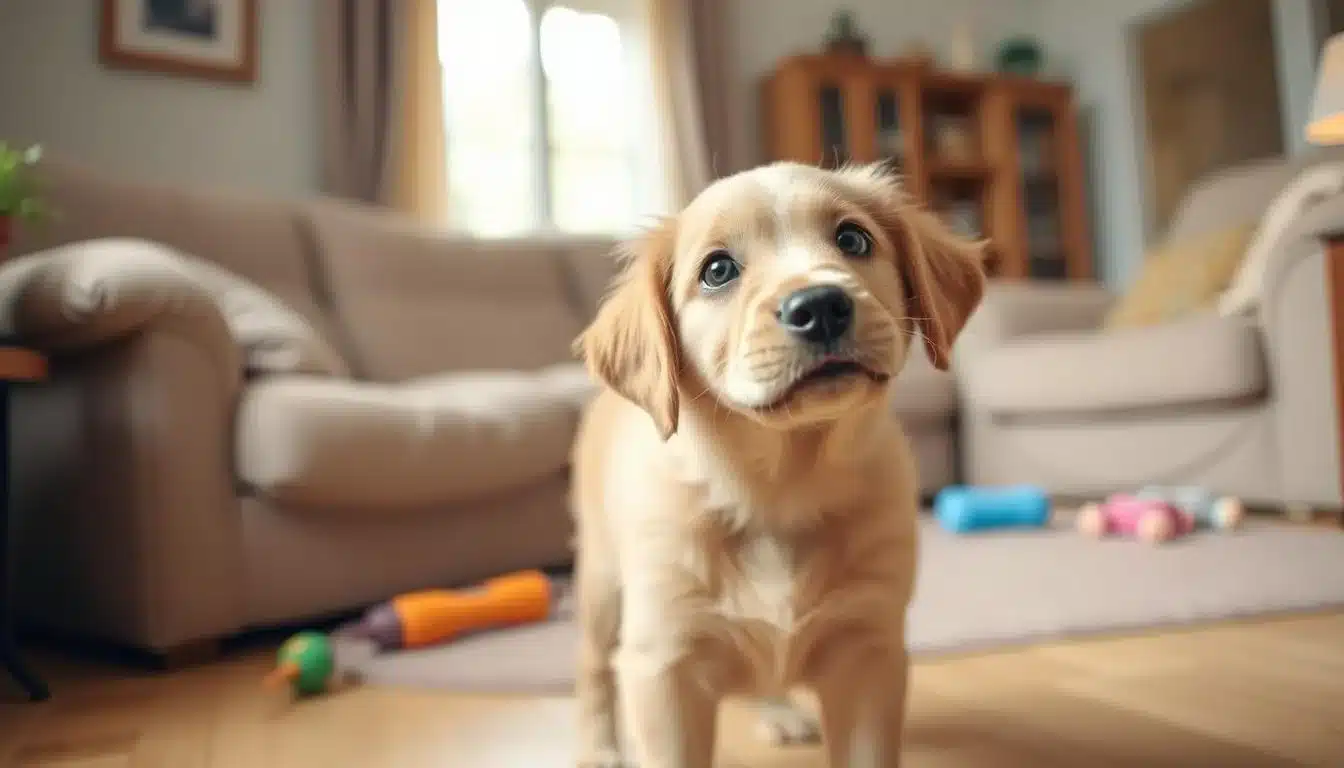
As a devoted dog owner, I remember the first time my puppy playfully nipped at my fingers. It started as cute but soon became a challenge. I often wondered, "how do I get my dog to stop biting?"
This is a common problem many face when trying to enjoy a loving relationship with their pets. It's important to understand why they bite. This knowledge helps us navigate this stage and keep everyone safe.
Through puppy biting solutions and dog behavior training, I found patience, empathy, and consistency are key. These help turn a playful nip into gentle affection.
Key Takeaways
- Recognizing the reasons behind biting behaviors is essential.
- Employing effective dog behavior training can help mitigate biting.
- Understanding the distinction between playful mouthing and aggressive behavior.
- Puppy biting solutions can vary, so trying different methods may be necessary.
- Establishing trust and communication fosters a deeper bond with your dog.
Understanding Dog Biting Behavior
Dog biting behavior is complex, often due to instinct and environment. Many owners are confused by it, not knowing it's about different reasons. Dogs might bite out of curiosity, especially when young and exploring.
Teething can also cause dogs to chew and bite more. This is because they're trying to ease sore gums. It's important to remember these behaviors are normal at different life stages.
Many dogs show playfulness by biting and mouthing. This might seem rough, but it's a natural way for them to interact. Using good dog training techniques can help manage these instincts.
Training not only reduces bad biting but also strengthens the bond between dog and owner. Knowing why dogs bite helps owners train better. This makes training more rewarding for everyone.
Why Do Dogs Bite?
Understanding why puppies bite is key to solving this issue. Dogs bite for many reasons, like natural instincts, physical discomfort, and social interactions. Knowing these reasons helps me figure out how to stop my puppy from biting.
Exploration and Learning
Puppies bite to explore and learn. In their early months, they use their mouths to check out objects and textures. This is how they learn about the world, making it important to give them safe toys to chew on.
Teething Issues
Teething is tough for puppies, usually happening between 12 to 16 weeks. They feel pain as their adult teeth grow in. To ease their discomfort, I need to give them chew toys instead of letting them bite my hands or furniture.
Play Behavior
Play is a big reason dogs bite. When playing, they use their mouths to interact. But, if play isn't controlled, it can turn into biting. Setting clear boundaries during play helps my puppy learn to play without biting.
Is It Playful Mouthing or Aggressive Behavior?
It's important to know the difference between playful mouthing and aggressive behavior in dogs. Both show through different body language. This helps me understand their feelings and keep everyone safe.
Body Language Indicators
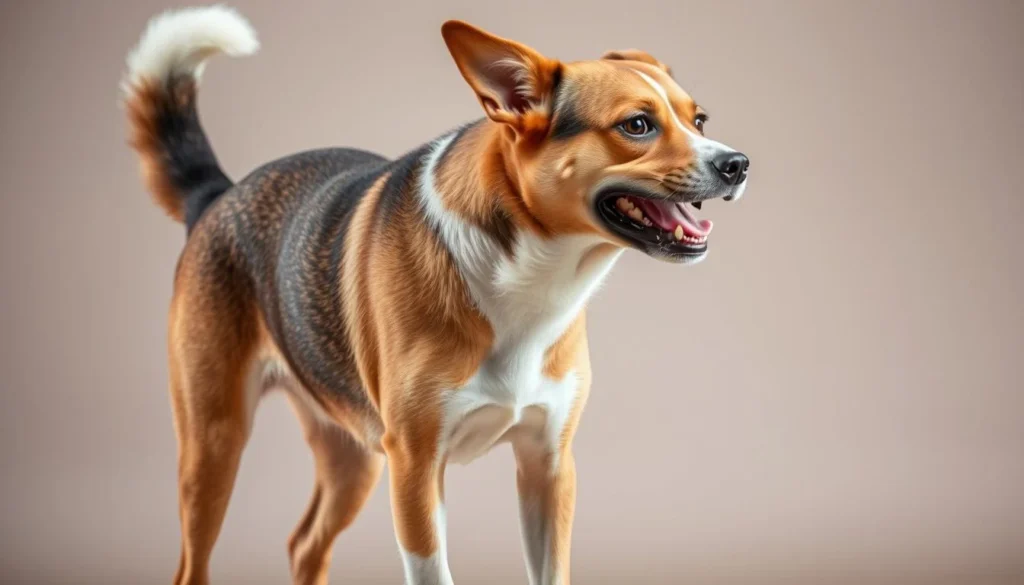
A dog's body language tells a lot about their mood. When my dog is playful, they relax, wag their tail, and look friendly. This means they want to play nicely.
But, if they show signs of aggression, like raised hackles or a hard stare, it's a warning. Knowing these signs helps me stop aggressive behavior and build a stronger bond with my dog.
Recognizing Warning Signs
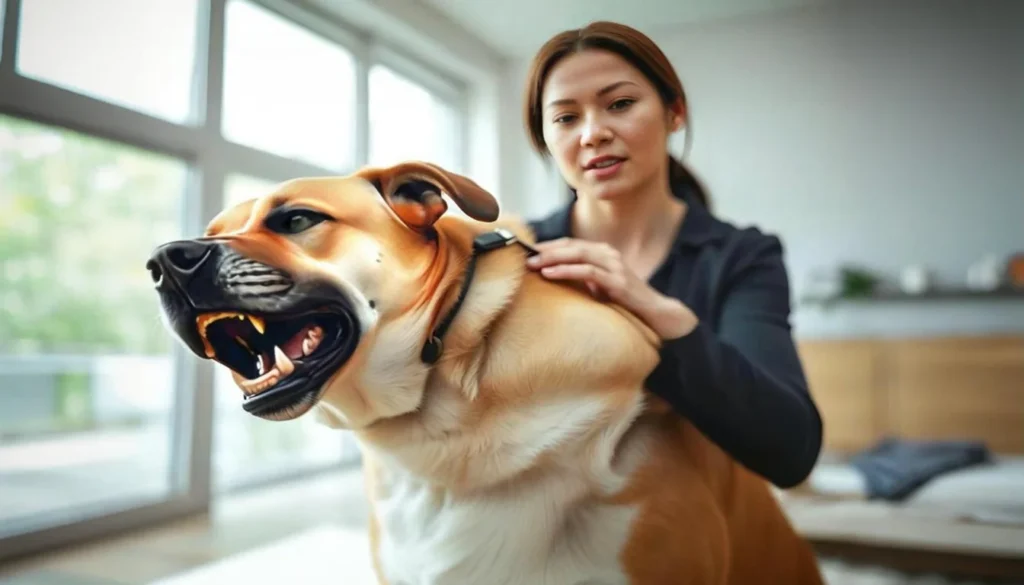
I watch for signs that my dog might be upset or scared. Growling, baring teeth, or staring intensely are clear warnings. If I see these, I stay calm and don't make things worse.
Understanding dog body language helps me react correctly. This way, I can avoid situations that might lead to biting.
How Do I Get My Dog to Stop Biting?
To figure out how to stop my puppy from biting, it's key to understand why they do it. Dogs bite for fun or because they're teething. Knowing this helps me find the right training methods.
Teaching my dog to bite gently is a big step. I encourage them to play softly and reward calm behavior. If they bite too hard, saying "no" firmly and then stepping back works well. Giving them chew toys helps too, giving them a safe way to bite.
Using time-outs is also helpful. If my dog keeps biting, taking a break helps them learn that it's not okay. This teaches them that biting has consequences.
Being consistent and patient is crucial. Regular practice and clear rules help my dog understand what's expected. With these steps, I can teach my dog to interact without biting.
The Importance of Bite Inhibition
Bite inhibition is key in dog training. It teaches dogs to control their bite strength. This is vital for puppies to play gently with humans and other animals. Knowing how puppies develop this skill helps solve puppy biting issues.
What is Bite Inhibition?
Bite inhibition means a dog can control how hard they bite. Puppies explore with their mouths. Learning to bite gently from the start prevents harm during play.
Teaching puppies to bite gently helps them play safely with others. This skill is crucial for their development.
How Dogs Learn to Control Their Bites
Puppies learn to control their bites through play with others. Playing helps them understand how hard is too hard. If they bite too hard, others might yelp or stop playing.
This teaches the puppy to be gentler. Humans can help by playing gently and using sounds like a yelp when bitten too hard. This teaches puppies that being gentle is important.
| Learning Phase | Feedback Type | Expected Outcome |
|---|---|---|
| Puppy Playtime | Yelping/Stopping Play | Lowered Bite Pressure |
| Human Interactions | Vocal Cues | Increased Gentle Behavior |
| Group Socialization | Peer Interaction | Improved Bite Control |
With regular practice, puppies can learn to bite gently. This makes their interactions safer and more enjoyable for everyone.
Effective Dog Training Techniques
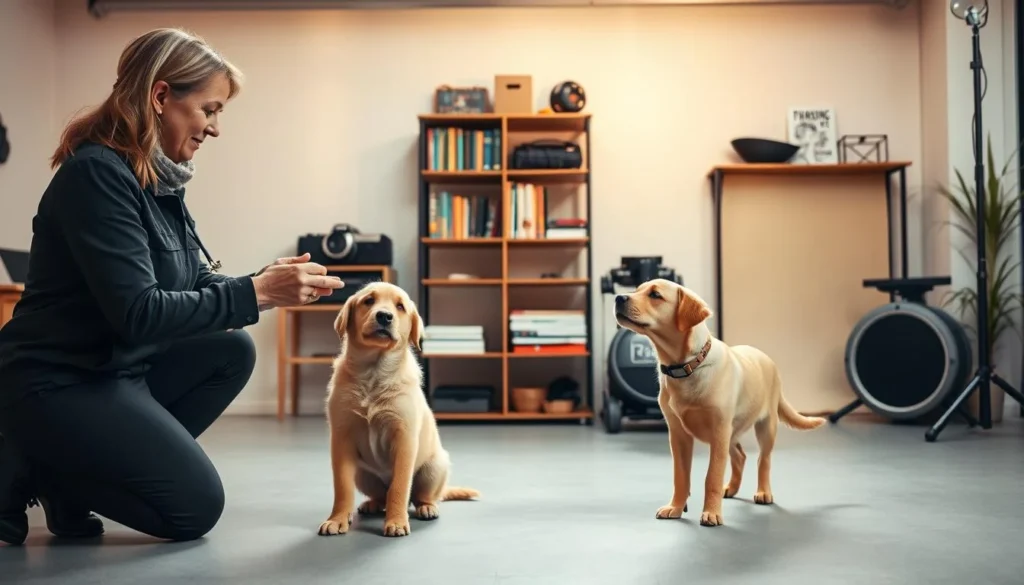
Using the right dog training techniques is key to stopping biting in dogs. I've learned that understanding how to shape my dog's behavior is crucial. Focusing on positive reinforcement and distraction methods works well. These methods make training sessions enjoyable for both of us.
Positive Reinforcement
Positive reinforcement is a powerful tool in dog training. It encourages my dog to repeat good behaviors with rewards like treats or praise. For example, when my dog responds well to commands or shows gentle behavior, I reward them. This teaches my dog that good actions lead to positive outcomes.
Using Distractions and Redirecting Behavior
Redirecting my dog's attention to toys or activities is another effective strategy. This stops them from biting and teaches them what's acceptable. Playing with interactive toys keeps my dog mentally active and teaches them healthy habits.
Tips to Prevent Dog Biting
Keeping dogs from biting is key to a happy and safe home. By giving them fun activities and the right toys, we can stop them from biting us. Here are two great ways to do this.
Providing Appropriate Chew Toys
Chew toys for dogs help a lot in stopping them from biting. Choosing tough toys that fit their chewing style keeps them busy. This way, they get to bite on something else, not us.
Different textures and shapes keep them interested. It also keeps them from biting our hands or clothes.
Engaging in Safe Play Activities
Safe play is good for us and our dogs. It makes us closer and keeps biting down. Playing fetch or tug-of-war with the right toys is fun.
These games are not just fun. They also help our dogs learn to play without biting. It's a win-win for everyone.
The Role of Socialization in Preventing Biting
Socialization is key in a puppy's early life. It shapes their behavior. Puppy socialization classes are great for young dogs to learn important skills. They play with other pups, which helps them learn to communicate and control their bites.
Benefits of Puppy Socialization Classes
Puppy socialization classes are a great place for my dog to meet different dogs. This helps them become more adaptable and less scared. They learn to play gently and understand boundaries, thanks to the trainers.
Interacting with Other Dogs
Meeting many dogs helps my puppy learn important social cues. They learn to communicate and know when others are uncomfortable. This makes them more confident and friendly as they grow up.
Managing Problematic Biting Behavior
Understanding how to handle biting in dogs is key. Many owners yell when their dog bites, thinking it will stop the behavior. But yelling can make the dog more anxious or excited, making things worse.
Instead, I use time-out techniques after a hard bite. This shows my dog that biting ends play and interaction.
Yelling vs. Time-Out Techniques
I prefer time-out techniques over yelling. A short break from play teaches my dog that biting has consequences. It's important to stay calm during these times and not give my dog extra attention.
This approach helps my dog learn that biting means losing interaction. It reinforces good behavior.
Using Muzzles and Other Management Tools
In some cases, a muzzle is necessary for safety. A muzzle can calm my dog during training and prevent bites. It's important to pick a muzzle that fits right and lets my dog pant and drink.
Along with training, tools like muzzles are helpful in managing aggressive behavior in dogs.
Understanding and Identifying Aggression
It's key to know the different kinds of aggression in dogs to manage and train them well. We must tell apart aggressive behaviors from play biting. Some dogs get defensive when scared, while others show aggression when challenged. Knowing these differences helps us find the right approach for each case.
Types of Aggression in Dogs
There are many types of aggression in dogs, including:
- Fear Aggression: This comes from anxiety or fear, shown by growling or snarling.
- Protective Aggression: This happens when a dog wants to defend its territory or loved ones.
- Social Aggression: This is seen in interactions with other dogs, to show dominance.
- Frustration Aggression: This occurs when a dog feels trapped or can't reach something, leading to biting.
When to Seek Professional Help
Spotting aggression signs is vital for my safety and my dog's well-being. If I see growling, lunging, or snapping, it's time to get help from certified behavior experts. Getting help early can change aggression patterns and improve our bond.
Handling Biting in Adult Dogs
Dealing with biting in adult dogs is different from puppies. Adult dogs often bite due to learned habits and assertiveness. Their bites can be stronger, posing a safety risk. It's crucial to intervene properly to keep everyone safe.
Differences Between Adult and Puppy Biting
Adult dogs may bite harder because they didn't learn to control their bites early. Knowing these differences helps in training them. The main differences are:
- Force: Adult dogs can bite much harder than puppies.
- Intent: Adult bites may stem from instinct or bad social cues.
- Learning: Not learning to play right can lead to bad habits.
Consulting with a Behaviorist
If your adult dog bites, get help from dog trainers or behaviorists. They can create plans to fix the problem. Benefits of their help include:
- Figuring out what makes your dog bite.
- Creating a training plan just for your dog.
- Teaching your dog how to socialize better.
Getting help from dog trainers is a smart move. It helps change bad behavior and improves your bond with your dog.
Creating a Safe Environment for Your Dog
Keeping my dog safe is key to avoiding bites. I make sure their space is calm and peaceful. This helps prevent bad behavior. I use barriers like gates and crates to keep them safe and in control.
Using Barriers and Crates Effectively
Barriers like baby gates or crates keep my dog safe and set boundaries. They help me keep my dog away from stressful situations or other pets. A crate is a cozy, safe spot for my dog to relax and feel protected, lowering the risk of biting.
Environmental Management Techniques
I also manage the environment to keep things calm. I remove things that might stress my dog, like loud noises or too many people. When my dog feels safe and relaxed, they're less likely to bite.
Building Trust and a Stronger Bond With My Dog
Building trust is key to a strong bond with my dog. By showing respect and understanding, we can have a positive relationship. This trust makes our time together more relaxed and less stressful.
Establishing a Positive Relationship
I make sure to communicate and show love consistently. We do things like training, walks, and playtime together. These moments make our bond stronger and help us trust each other more.
It's important to know and respect my dog's unique personality and needs. Every moment we spend together helps our connection grow.
Incorporating Training into Daily Life
I mix training into our daily activities. This makes learning fun and helps my dog feel safe. When my dog does well, I praise him to strengthen our bond.
Regular training helps my dog understand what to expect from us. It builds trust and ensures a positive relationship.
Long-term Strategies for Stopping Biting
To stop my dog's biting for good, I focus on long-term solutions. A consistent training approach is key. I always use the same techniques, helping my dog understand and follow commands.
Consistency is Key
Consistency is crucial in dog training. Dogs do best when they know what to expect. I stick to the same rules and routines, helping my dog learn what's expected.
When everyone in my household trains consistently, it strengthens my dog's good behavior. This makes my dog more reliable and understanding of what's right.
Rewarding Positive Behavior
It's important to reward my dog for good behavior. Positive reinforcement, like treats and praise, encourages my dog to behave well. Celebrating these moments helps make biting less likely.
This method not only helps my dog learn but also strengthens our bond. It creates a lasting and trusting relationship between us.
Conclusion
Stopping a dog from biting is key to a strong bond with my pet. Understanding why they bite helps me find solutions. This includes education, training, and consistent practice in our daily life.
My dog training journey shows me the power of dedication. Using these methods, I make our home safe for everyone. Regular practice helps reduce biting a lot.
By following these principles, our bond grows stronger. It's a journey filled with patience, love, and understanding. These are crucial for managing and stopping biting issues.