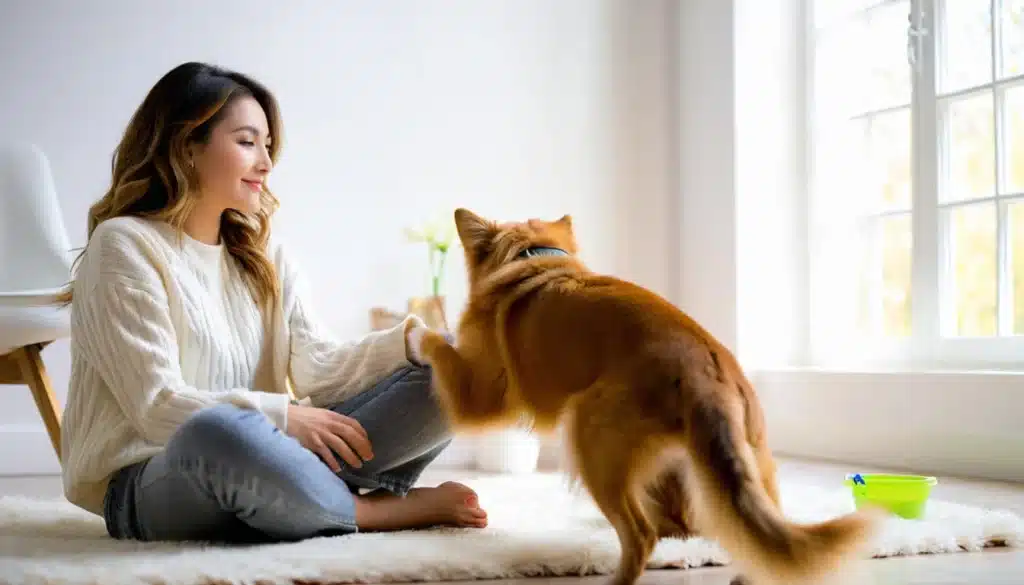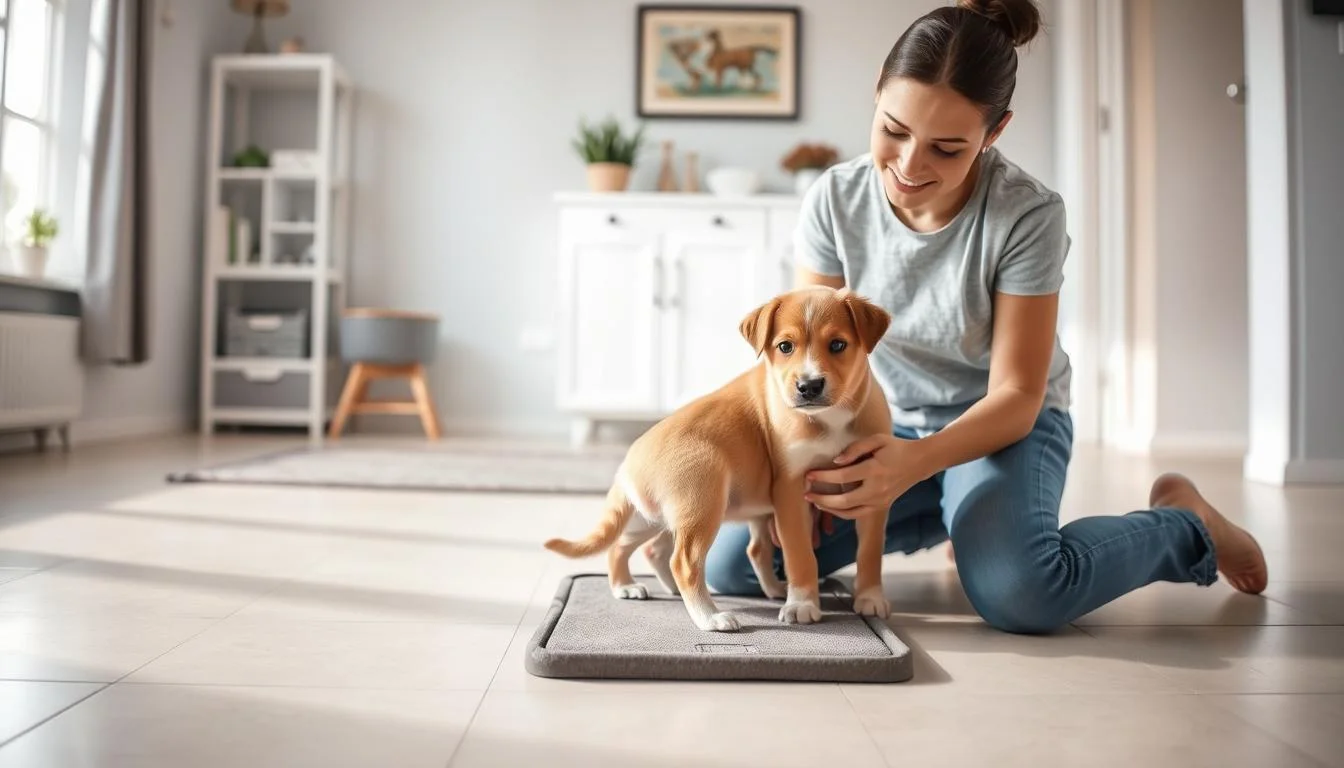
I remember the first week with my new Labrador mix. The excitement was high, but finding my first accident on the rug was tough. It taught me that potty training is key for a calm home and a strong bond. Planning ahead helps reduce stress and sets clear expectations from the start.
My aim is simple: teach my dog to go outside when it's time. This keeps my home clean and our relationship strong. The method I choose depends on my lifestyle, schedule, and the dog’s age and history. I look into crate training, leash-and-yard routines, puppy pads, or a mix to find the best fit.
I focus on a consistent schedule, management tools, and positive rewards. I keep enzymatic cleaners like Nature’s Miracle ready to remove scents and prevent accidents. I know that every dog learns at their own pace. If progress slows, I might ask for help from a vet or trainer.
Key Takeaways
- Plan ahead: a clear routine makes it easier to potty train my dog.
- Choose a method that fits my home and my dog’s background.
- Use consistent schedules, positive rewards, and enzymatic cleaners.
- Expect variable timelines; some dogs potty train quickly, others more slowly.
- Seek veterinary or professional help if house training stalls.
Why potty training matters for my dog and my home
I want my home to stay clean and my dog to feel secure. Good housetraining gives my dog a clear routine. It reduces stress, stops destructive habits, and cuts down on repeated soiling that can lead to infections or skin irritation.
The behavior and health benefits of housetraining
When I potty train a dog properly, I help them learn bladder and bowel control. A steady schedule lowers anxiety and fewer accidents mean less odor and fewer bacteria in living spaces. That keeps both my dog and my family healthier.
How early training shapes long-term habits
Starting young matters. Puppies form holding patterns as they grow. The general guideline that a puppy can hold urine for roughly the number of hours equal to its age in months gives me realistic goals. Using a correctly sized crate taps into a dog's den instinct; they tend to avoid soiling a small, clean space.
When to seek veterinary or professional help
If accidents start suddenly, get worse, or don't respond to steady training, I seek a vet to rule out UTIs, gastrointestinal issues, or hormonal problems. For persistent behavior problems or dogs from high-stress backgrounds, I consult a certified trainer or a veterinary behaviorist.
I aim to potty train dog quickly but safely, and when my plan focuses on health and routine, I can also potty train a dog to go outside with less frustration and more lasting results.
Setting up the right environment for success
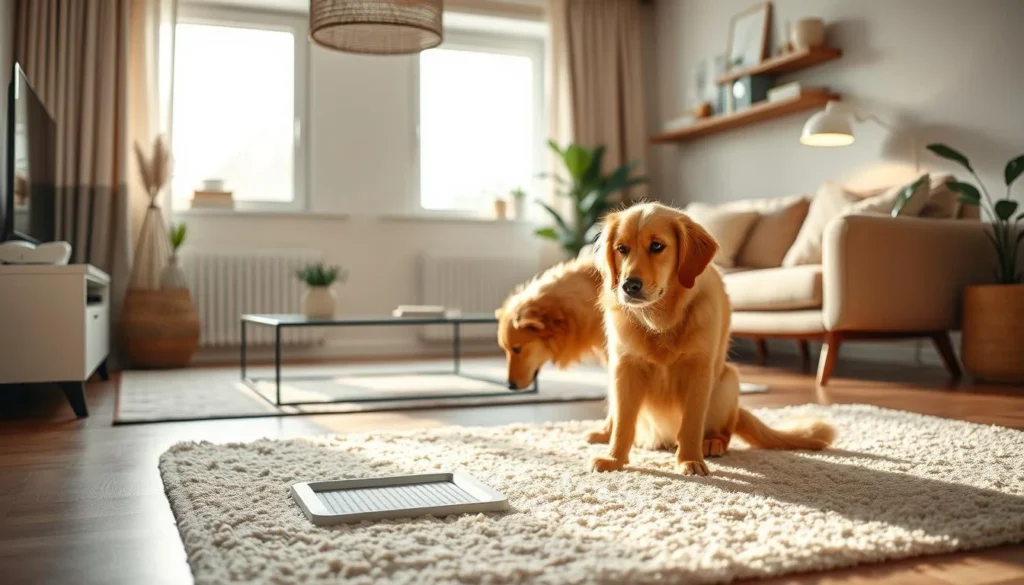
I create a calm, predictable space before I begin training. A clear setup makes it easier to potty train dog with crate or to potty train a dog without a crate. Small adjustments in the home cut down accidents and speed learning.
Choosing and sizing a crate for crate training
I pick a crate that feels like a den, large enough for my dog to stand, turn, and lie down. Crates with adjustable partitions work well for growing puppies. Plastic airline-style crates clean easily after mistakes. I avoid a crate so big my dog can sleep at one end and eliminate at the other.
I make the crate inviting by using a Kong filled with kibble or peanut butter, tossing treats for calm entries, and keeping bedding minimal until the dog shows reliable control. I never use the crate as punishment. At night I place the crate where I can hear my dog, then move it once sleep is consistent.
Using baby gates, pens, and supervised freedom
I limit my dog's access to the whole house while training. Baby gates and exercise pens keep my dog in sight and away from carpets and bedrooms. I tether indoors when I need hands-free supervision to prevent unsupervised roaming.
In tight living situations I set a tiled or kitchen zone for short freedom periods. This helps when I need to potty train a dog in an apartment and can't rush outside every hour. I introduce freedom slowly as my dog proves reliable on the routine.
Cleaning and odor control to prevent repeat accidents
I keep enzymatic cleaners like Nature’s Miracle on hand to remove all scent traces. Ordinary cleaners with ammonia can smell like urine and draw dogs back to the same spot. I clean immediately after accidents and launder any affected bedding.
For temporary management I consider belly bands or diapers for males, never as a permanent fix. I also keep supplies ready: crate partitions, a Kong or safe chew, a bell if I teach a door cue, and a simple log to track progress.
| Item | Purpose | Best Use |
|---|---|---|
| Adjustable crate | Proper den size as dog grows | Crate training and overnight use |
| Plastic airline crate | Easy cleaning after accidents | Young puppies and travel |
| Exercise pen / baby gate | Limit access and supervision | Indoor management and apartment living |
| Enzymatic cleaner (Nature’s Miracle, Eco-88) | Neutralize urine and feces scent | Post-accident cleaning |
| Kong or durable chew | Positive crate association | Crate entries and alone time |
| Belly band / disposable diaper | Temporary urine control | Short-term management, not training substitute |
| Bell or door cue | Signal to go out | Apartment routines and door training |
| Training log | Track feeding, eliminations, progress | Adjust schedule and spot patterns |
Potty training methods: crate, leash, pads, and paper options
I choose a method that fits my home, schedule, and dog's needs. Each method has clear steps to follow. I focus on quick wins and long-term habits to potty train my dog effectively.
Crate training method and step-by-step routine
I use a crate that's the right size to prevent accidents and teach bladder control. It limits freedom but allows for supervised times. This helps set a reliable routine.
I take my dog out right after waking, meals, play, naps, and before bed. I reward them with a treat and praise outside. This links the act with positive feedback.
I make the crate a positive space with safe chews and treats. If my dog whines, I ignore it unless it's a sign they need to go. I clean accidents with an enzymatic cleaner to prevent future accidents.
Leash-and-yard method for outdoor potty training
I take my dog on a short leash to the exact spot for potty breaks. I wait patiently and avoid distractions until they go. When they do, I reward them immediately and then let them play or go for a short walk.
I always accompany my dog to reinforce the behavior. I avoid dog doors during early training. For timid dogs, I use a 25-foot lead or a retractable leash to help them find a comfortable distance.
Puppy pads and indoor options—when they help and pitfalls
Puppy pads and indoor paper potties are good for small breeds, extreme weather, or when I'm away often. They provide a predictable spot and reduce mess.
However, pads can make outdoor training harder. If I use them, I plan a clear transition to outside. I reward them for going outside to potty train them fast.
Regardless of the method, I stay consistent, reward immediately, and choose what fits my lifestyle. If I want to potty train a dog with a bell, I pair the bell with trips to the door and reward the first few successful rings. This makes the bell a reliable signal.
How to create a consistent potty training schedule
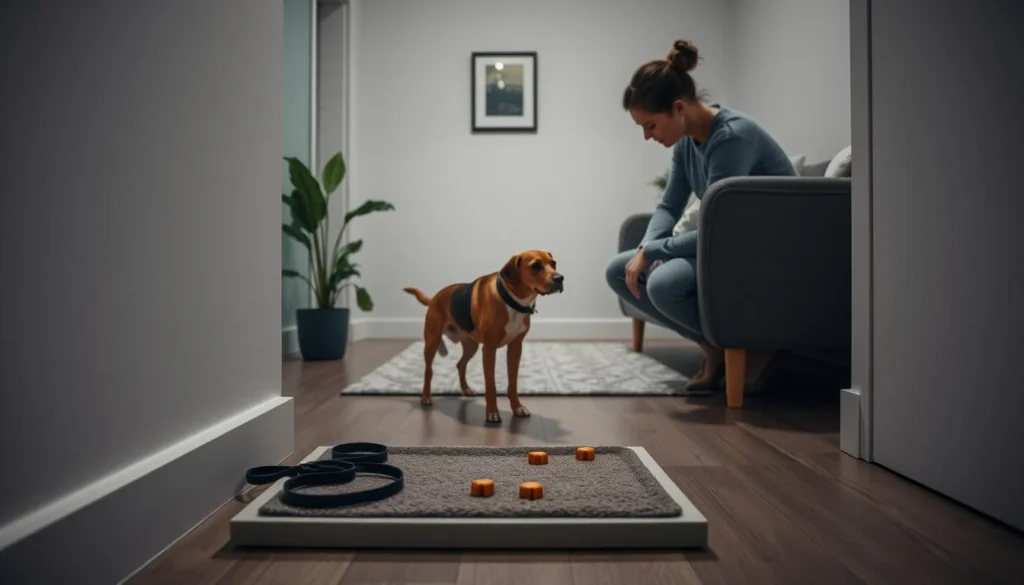
I set a steady routine for my dog to learn when to go and where to wait. A predictable schedule helps avoid accidents and speeds up learning. I focus on meal times, water breaks, play, naps, and outings every day.
Feeding, watering, and elimination timing
I feed my dog at the same times every day. Puppies get three small meals, while adults have two or three. I avoid free-feeding dry kibble to make digestion predictable.
Different diets affect timing. Some kibble takes 14–15 hours to pass, while all-natural diets can take 5–6 hours. When I change food, I adjust outings based on bathroom timing.
I control water access without restricting hydration. I offer water on a regular schedule and take my dog out after drinking.
Times to take my dog out: waking, after meals, play, naps, and bedtime
I take my dog out first thing in the morning and after each meal. I also schedule outings after play and naps. High-energy moments often trigger elimination, so I plan trips after these activities.
At night, I take my dog out before bed. For young puppies, I include a midnight outing and extend the gap as they get better bladder control. This makes potty training at night easier.
If I'm away, I arrange for a dog walker or a trusted neighbor to provide timely breaks. If outdoor access is impossible, I use vetted indoor options like puppy pads as a temporary measure.
Keeping a potty journal to find patterns
I keep a simple log of every outing and accident. I note the time, activity before the event, and location. Over a week, I spot trends that tell me when my dog really needs a break.
The journal helps me identify problem triggers, such as every shower or right after play. I adjust the schedule based on these notes. This habit speeds progress when I want to potty train my dog in an apartment or manage nights more smoothly.
| Action | When to do it | Why it helps |
|---|---|---|
| Morning outing | Within 15 minutes of waking | Clears overnight waste and starts the day on a success |
| Meal-linked outings | Immediately after eating | Uses predictable digestion windows to build habits |
| Play and excitement breaks | Right after play or vigorous activity | Prevents accidents triggered by high arousal |
| Nap and crate exits | Immediately after waking from a nap | Matches natural elimination timing after rest |
| Bedtime routine | Right before lights out; consider one night trip for young pups | Extends nocturnal control and reduces interruptions |
| Away-day management | Midday break by walker or temporary indoor option | Prevents long waits and supports training continuity |
Recognizing and responding to potty signals and accidents
I keep a close eye on my dog for signs they need to go. Catching these signs early helps avoid accidents. I use clear cues and quick action to keep things moving smoothly.
Common canine signals that they need to go
My dog shows they need to go in many ways. They might pace, sniff the floor, or circle. They might also stop playing suddenly or whine at the door.
These signs help me know when they need to go. I learn these cues to help them before they have an accident.
How to catch and redirect in the moment
If I see my dog getting ready to go inside, I interrupt with a clap or a clear "ah-ah." I pick them up or leash them and take them outside. If they go outside, I praise and reward them.
Training a bell or a collar cue helps too. Ringing the bell before going out teaches them to ask to go. This is especially helpful for those who need help potty training their dog.
Cleaning up and avoiding punishment after accidents
I never scold for accidents. Dogs can't connect punishment to past events. If I catch an accident, I quickly take them outside.
For accidents, I blot first and use cleaners like Nature’s Miracle. I avoid ammonia-based cleaners to prevent them from coming back to the same spot.
Male wraps, belly bands, and diapers are temporary fixes. They're not a long-term solution. I use them while I work on training my dog to go outside regularly.
| Signal | Quick Response | Why it Works |
|---|---|---|
| Pacing or circling | Interrupt, leash, go outdoors | Stops in-progress elimination and redirects to reinforced location |
| Sniffing or stopping play | Call calmly, lead to door, ring bell | Teaches the dog to use signals and reduces indoor accidents |
| Whining or scratching at door | Open door, take outside immediately | Rewards reliable communication and builds trust |
| Accident caught in act | Interrupt gently, move outside, praise if finished | Associates correct location with reward without fear |
| Recurring soiling | Clean with enzymatic cleaner, review schedule | Removes odor cues and identifies schedule or medical issues |
Using positive reinforcement and effective rewards
I keep training simple and consistent to help my dog learn quickly. I focus on timing, value, and variety to potty train my dog fast and stress-free. Short sessions, clear cues, and a unified approach from everyone in the house make a big difference.
Timing and type of rewards for fastest learning
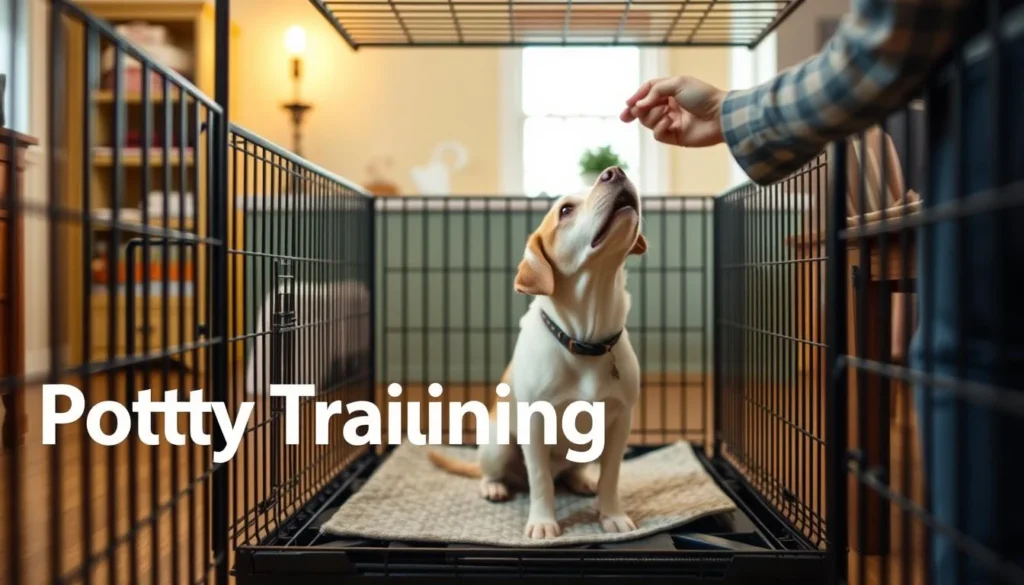
I reward my dog within one to two seconds of successful elimination. This helps them connect the action with the treat. Small pieces of cheese, cooked chicken, or special training bites are great rewards. I also use a happy cue like “Good outside!” to praise them.
How to fade treats while keeping praise meaningful
Once the behavior is reliable, I reduce treat frequency but keep praising and petting. I use an intermittent schedule with surprise treats to keep motivation high. I also watch portion sizes to avoid overfeeding and adjust meal portions accordingly.
Incorporating play and freedom as part of the reward system
I reward my dog with play, a walk, or off-leash time after successful potty trips. Letting them run free or start a walk right after they go is a strong reward. This method works well whether training outdoors or indoors.
Consistency is key. I ensure family members use the same cues, treats, and timing. This reduces confusion and speeds up progress when training my dog quickly or with a structured plan.
| Reward | When to Use | Benefits |
|---|---|---|
| High-value food (cheese, chicken) | Initial training, first reliable successes | Strong association, fast learning |
| Verbal praise and petting | Every successful elimination | Maintains habit without calories |
| Intermittent high-value treats | After behavior is consistent | Keeps motivation, prevents dependence |
| Play or off-leash freedom | After outdoor potty or timed breaks | Powerful natural reward, good for active dogs |
| Short walk | When outdoor training is part of routine | Combines exercise with reinforcement |
Potty train a dog fast: realistic timelines and the 3-day approaches
When we talk about training a dog fast, we're looking at quick results. We want the dog to go potty in the right place and cut down on accidents. But, it's important to remember that true reliability can take weeks. This depends on the dog's age, bladder control, and past experiences.
What “fast” really means and expectations
When I say train a dog fast, I mean seeing progress in a few days. Puppies and small breeds need to go out more often. Dogs with no past problems usually learn quicker than those with unknown histories.
Early successes include fewer accidents and knowing where to go potty. But, consistency over weeks is often needed. Dogs with health issues will need more time.
Tips commonly used in accelerated programs
- Intensive supervision: stay within sight, leash the dog to you, or keep them in a kitchen or crate so I can intervene fast.
- Hourly outdoor trips: set a strict schedule for waking, after meals, after play, and before naps to create pattern recognition.
- Immediate rewards: praise or a tiny treat within seconds of elimination outside to link behavior and reward.
- Tight feeding control: regulate meals and water so eliminations become predictable.
- Limit freedom: restrict access to tempting indoor spots until the dog is more reliable.
When a three-day method will and won’t work
The three-day method works best for young puppies or adult dogs with no past issues. It's effective when owners can watch the dog all the time. In these cases, you can see quick improvements.
However, this method fails for dogs with health problems, severe anxiety, or a bad past. Small breeds and owners who can't watch the dog closely will also struggle. If the dog seems stressed or goes back to old habits, slow down and try a gentler approach. Or, get help from a trainer or vet.
Special situations: apartment living, no-crate training, night training
I live in an apartment and I learned quick that routine wins. Short, consistent trips to the same outdoor spot near my building help my dog learn faster. When grass is far, I use a balcony potty system or an indoor dog potty as a bridge until outdoor access is practical.
How to potty train a dog in an apartment
I pick a single spot and walk there on leash every time. I praise and reward immediately after my dog finishes. For hallway slips I carry enzymatic cleaner in my bag and clean on the spot. For tiny breeds I plan more frequent trips or a trained indoor option so accidents drop.
Potty train a dog without a crate—management alternatives
If I don’t use a crate I rely on baby gates, an exercise pen, or tethering so I can see signals. I confine my dog to a small, easy-to-clean area like a kitchen or bathroom when I’m away. Scheduled outings, daytime dog walkers, or pet sitters fill long gaps and reduce accidents.
Potty train dog at night: strategies for fewer interruptions
At night I limit water a couple hours before bed but keep my dog hydrated earlier in the evening. I give one last outing right before sleep. For young puppies I expect one middle-of-the-night trip and slowly lengthen intervals as bladder control improves. Placing the sleeping area near my bedroom helps me hear signals.
Small-breed and safety notes
Tiny dogs need more frequent bathroom breaks. I never rely on a dog door during training; I escort my dog and use a 25-foot leash when meeting shy pups. Supervision and consistent timing matter more than any single tool when I need fast, reliable results.
Common challenges and troubleshooting during housetraining
Housetraining can be tricky. When it hits a snag, I look for patterns and small steps to get back on track. Here are some common problems and how to fix them.
Dealing with persistent accidents and marking behavior
Accidents often happen because of scent. I clean up with enzymatic cleaners and keep the dog away from favorite spots. For male dogs, I use belly bands to stop urine marking.
I watch the dog more closely and give them less freedom until they learn to go outside. If marking doesn't stop, I get help from a certified trainer.
Handling small-breed and rescue dog difficulties
Small breeds need to go out more often because of their fast metabolisms. I use indoor potty options like grass pads for apartment living. Taking them out every hour or two helps.
Rescue dogs may have old habits or trauma. I start with a simple schedule and crate training if needed. Being patient helps build trust and success.
When to suspect medical issues and get veterinary help
Unusual accidents, blood in urine, straining, or too much thirst are red flags. These could mean urinary tract infections or other health issues. I get a vet check to rule out medical problems before trying behavior fixes.
If the vet says everything is okay but problems continue, I keep a detailed log. Then, I seek help from a vet behaviorist or certified trainer for a plan.
I use tools like a log, more supervision, and management aids like bell training or belly bands. If needed, hiring a certified professional helps keep training effective and kind.
Conclusion
To potty train my dog, I focus on consistent management and timely rewards. I pick a training method that suits my lifestyle. This could be crate training, leash-and-yard, or indoor monitoring.
Keeping a regular schedule helps my dog learn when and where to go. Short, clear training sessions and immediate rewards help avoid confusion. This makes potty training faster and more effective.
Cleaning up accidents with enzymatic products is part of the plan. I also prevent repeat marking. I track my dog's feeding and elimination times and watch for signals. Adjustments are made as needed.
If progress slows or I suspect a health issue, I seek help from a vet or trainer. This helps avoid setbacks and keeps training on track.
Training times vary: some dogs learn quickly, while others take longer. A three-day method can help some, but not all. With the right approach, positive reinforcement, and environment, potty training is achievable. This leads to a cleaner home and a stronger bond with my dog.