I remember the night my first rescue shook under the kitchen table. His eyes were wide with fear. I promised to keep him safe and earn his trust. This promise became the core of my new dog training guide.
This guide offers a free Jump Start Guide and a paid self-guided course. They share a balanced method for building trust and loyalty. I learned this from Cody Axthelm and refined it in my work. I teach practical tips that show how training builds trust and loyalty.
Inside, you'll find essential tools and a clear order for introducing obedience cues. There's also a simple three-step approach for common issues like jumping and biting. First-time puppy owners and adopters see better focus and deeper bonding with these methods.
Key Takeaways
- The new dog training jump start guide is available immediately as a free resource and as a paid course for deeper learning.
- My method centers on trust first, then consistency, which builds lasting loyalty.
- The guide includes step-by-step dog training tips and a graduated cue order for training your new puppy.
- A three-step system addresses jumping, biting, chewing, and whining with clear, repeatable actions.
- Owners report quick wins: better leash manners, focus, and stronger bonds after using these techniques.
Bringing a new dog home: first steps for success
I keep the first day calm and predictable when bringing a new dog home. Low stimulation helps a rescue or puppy decompress. I ask the household to follow simple rules so everyone uses the same language and expectations.
For the first week, I avoid early outings and large gatherings. Short, quiet interactions let the dog settle. This approach supports early wins with pet obedience training and reduces fear-based reactions.
Preparing your home and family
I set clear zones for the dog and explain them to family members. Doors, furniture access, feeding spots, and play areas get simple labels and consistent routines. Kids learn to move slowly and to let the dog approach on its terms.
I limit freedom to prevent mistakes. Too much access too soon leads to potty accidents and chewing problems. Careful supervision makes early puppy training techniques far more effective.
Essential first purchases: leash, collar, crate
I prioritize a sturdy leash as my first buy and use it whenever the dog is out of the crate. A martingale collar works well for many rescues to prevent slipping. For puppies, I may start with a flat collar for habituation.
For crates, I recommend a Sky Kennel or a covered wire crate. Sky Kennel models are airline-ready and very secure. A wire crate with a cover gives den-like calm while letting air flow. The crate becomes a safe base for training and rest.
My approach to supervision and structure
I attach the leash any time the dog is out of the crate to stay one step ahead of accidents and to practice leash skills indoors and in the yard. That close supervision helps me interrupt chewing and guide appropriate behavior.
Structured routines from day one shape habits and character. Short sessions of pet obedience training woven into daily life make progress steady. I use proven puppy training techniques to layer cues, reward calm, and build trust.
This method fits the new dog training jump start guide I recommend to owners who want a clear, manageable plan they can follow at home.
Establishing a foundation: relationship, trust, and loyalty

I start by making trust a daily focus. Trust lets a dog relax and accept guidance without fear. When a dog trusts me, guarding and stress-driven reactions decrease.
This calm creates space for learning and loyalty. Trust is key to obedience because a confident dog will focus on cues. Small moments of focus lead to reliable behaviors.
Why trust is the bedrock of obedience
Trust lets a dog try and fail without losing connection. I use short, positive sessions for success. This pattern reduces fear-based choices and speeds up polite behavior.
Balanced relationship-based training explained
Balanced training mixes structure, routines, and rewards. I avoid threats and constant bribery. Instead, I set clear expectations and use calm correction and rewards.
I emphasize supervision and simple boundaries. Predictable interactions teach what I expect. The new dog training jump start guide outlines these steps for owners to follow at home.
How I build loyalty through consistent interactions
I build loyalty with frequent, short wins and daily bonding moments. I layer skills, each building on the last, for confidence. I start with kibble for puppies, then use higher-value rewards.
Case examples in the guide show dogs from breeders like Axthelm Labradors and rescued dogs responding quickly. Owners report better eye contact, steadier focus, and smoother obedience. These solutions work with patience and clarity.
For trainers and owners, this section offers practical steps for trust, teaching expectations, and growing loyalty. When trust is strong, training becomes efficient, rewarding, and stable for life.
Crate training and the 3:3:3 rule for rescues
I start every new placement with a clear plan for crate training. A well-chosen puppy crate becomes a safe den. It helps with housebreaking and supports broader pet obedience training goals. I use short, calm sessions at first and build routines that match family life.
I prefer a Sky Kennel or a Vari Kennel (plastic) for the first nights. The enclosed shape gives a den-like feel. Wire crates work when covered with a breathable blanket to reduce drafts. Size matters: the dog must stand, turn, and lie comfortably. I avoid loose piles of blankets that can tangle small dogs.
My crate choices reflect the dog's history. For a stressed rescue, the Sky Kennel often calms faster. For an outgoing puppy, a covered wire crate provides visibility while still offering security. I change options only if the dog shows clear discomfort.
I implement crate routines from day one. Night one goes in the crate, not in bed with family members. That avoids later resistance and sets expectations. I practice three core variations: owner in the same room, owner in another room, and owner absent for short periods. Problems usually show up in at least one of those scenarios.
The 3:3:3 rule for rescues guides my timeline. I give three days for decompression, three weeks to learn household routine, and three months to feel settled. Around three to four weeks I often see shifts in behavior as the dog drops old coping strategies and reveals true needs.
When the dog vocalizes, I first check basic needs: bathroom, exercise, and pain. If needs are met, I wait for quiet before opening the crate. Releasing a dog while it cries teaches the wrong lesson. I rely on calm timing and short, earned exits.
I use comforting items with care. A Snuggle Puppy or a worn T-shirt can soothe separation nights for some dogs. I avoid stuffing the crate with too many toys that prevent the dog from settling. Small predictable comforts work best during early pet obedience training.
Short sessions, consistent rules, and patient timing make crate training effective. Following the 3:3:3 rule for rescues helps me set realistic expectations and reduces setbacks. Each rescue or puppy crate plan I make aims to create calm, confident dogs who respond well to further training.
Supervision tools and management: leashes, tethering, and collars
I use simple tools to keep a new dog safe and teach calm behavior. These tools help avoid accidents, speed up house training, and set clear limits. I use leashes, martingale collars, and tethering for short training sessions.
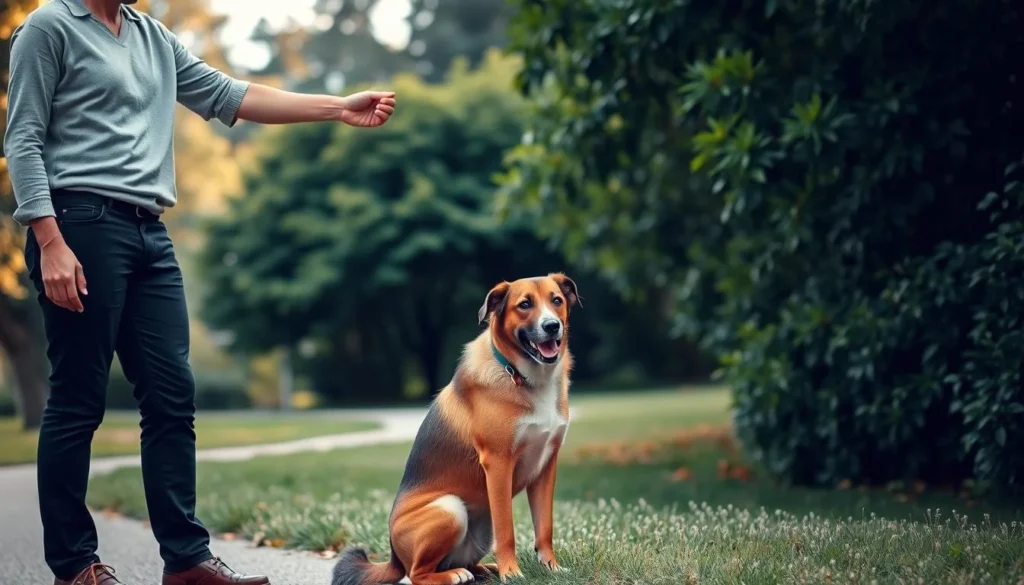
I always use a leash when the dog is outside of its crate. The leash is attached to my belt or hand. This lets me guide the dog gently during potty breaks, stop chewing, and teach indoor skills. It prevents accidents and helps teach without yelling.
A martingale collar is great for many rescue dogs. It stops the dog from running away without hurting the neck. I take off the collar when the dog is in its crate. For walks or playtime, I prefer harnesses like Ruffwear. They spread out the force and are easier on the dog.
Tethering is a useful training tool when done right. I tie a short tether to heavy furniture or a kettlebell and give a safe chew toy. I ignore the dog while it's tethered to teach it to settle down. I watch and ignore the dog's pulling to help it relax.
When using slip leads and other gear, safety is key. A slip lead with a safety stop is good for quick control during meet-ups. But I don't use it for too long. I watch for guarding when introducing treats and step in calmly if I see tension.
These tools are part of a bigger plan for effective dog training. By combining short, consistent training with management tools, the dog learns faster. Management is not just a help. It's the base that lets training really work.
Graduated obedience cues and incremental learning
I start every training block with a clear sequence. Each cue builds on the last. This prevents confusion and speeds up success. I follow the Jump Start Guide order for predictable and repeatable lessons for both puppy and handler.
Order is key. I introduce simple responses first, then add duration and distance. This fits an obedience training program that starts with name recognition and moves to sit, down, recall, and place. Short, frequent sessions lead to steady gains.
My recall routine is a game. I make myself the best thing in the room. This way, the dog chooses me over toys or treats. Start in a quiet room, call the dog, reward for a fast return, and slowly add distractions. These dog training tips turn everyday play into powerful recall training.
I teach a reliable “place” cue for calm. After a walk or potty break, I guide the dog to a mat. Reward low-energy behavior and gradually extend how long they stay. Pairing exercise with place work helps dogs settle and reduces impulsive moves.
Reinforcement strategy matters. For young puppies, I use kibble and low-value rewards to build consistency. I save high-value treats for proofing in distracting environments. This keeps motivation steady across an obedience training program.
Small steps, clear markers, and regular proofing create dependable results. Mix play-based recall training with short place sessions. Follow the graduated obedience cues sequence to build reliable, real-world skills.
Addressing impolite behaviors: jumping, chewing, biting, and whining
Unwanted actions like jumping, chewing, mouthing, and whining are common. I use a clear plan from my new dog training jump start guide to help owners regain control and calm. This section focuses on practical steps, quick wins, and humane canine behavior solutions that fit everyday life.
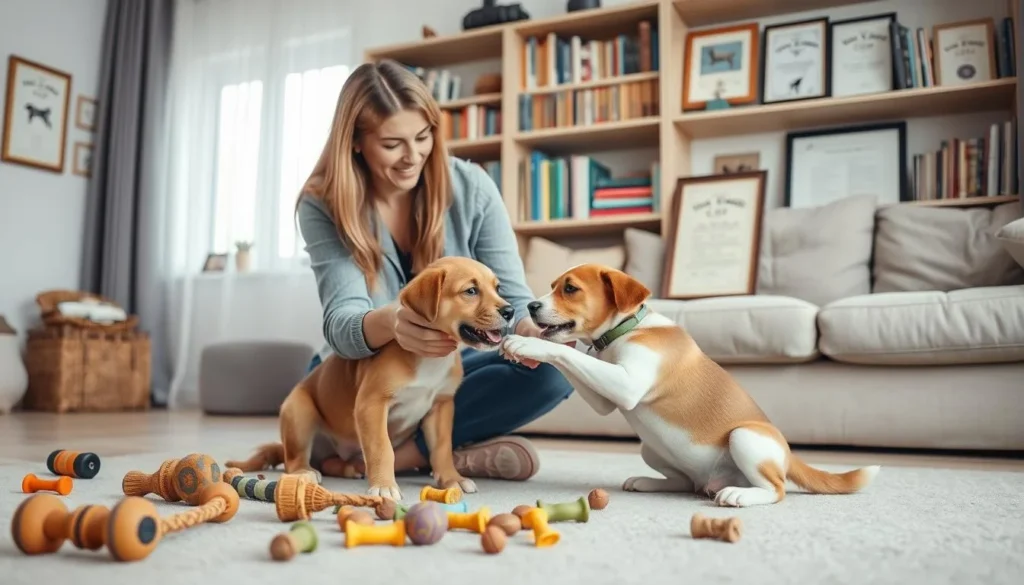
I follow a three-step approach that works across breeds and ages. It blends management, teaching alternatives, and consistent reinforcement. These puppy training techniques reduce frustration and speed learning.
Step 1 — Management and supervision. I prevent repetition by using crates, tethers, leashes, or a safe room. This stops practice of the problem and buys time to teach a better behavior.
Step 2 — Teach an incompatible replacement. For jumping, I teach a calm greeting routine that rewards four-on-floor behavior. For mouthing, I introduce structured tug and “take it/give” games and supply chew-proof items like a Kong or Benebone. The new behavior must be simple and rewarding.
Step 3 — Reinforce until automatic. I reward the alternative consistently, using timing to link action and reward. This makes the new response stronger than the old impulse.
I use practical exercises to swap unwanted responses for useful ones. To stop jumping I teach a polite greeting: the dog sits or stands quietly, then earns attention. I apply the surprising opposite-method from course material to interrupt momentum and guide the dog into the calm routine.
For mouthing I teach give and take. I offer a toy, let the dog hold it, then cue “give” in exchange for a small treat or a better toy. I supervise with chew-proof items and use a bully stick holder only when I can watch the dog.
Chewing and whining need perfect timing. I correct by immediate management: move the dog to a crate or tether when chewing starts in the wrong place, and redirect to an approved chew. If whining occurs in the crate after exercise and a potty break, I ignore it so the dog learns silence pays. Trade games keep resource guarding low; I avoid high-value treats early with unsettled rescues.
Consistency is crucial. I train family members to use the same cues, rewards, and rules. Short, frequent practice sessions outpace long, rare lessons. This makes canine behavior solutions reliable and repeatable.
I close with a simple checklist I use daily: supervise to prevent practice, teach one clear replacement, and reward every success. These puppy training techniques paired with steady management form the core of my new dog training jump start guide.
Play, enrichment, and teaching appropriate social interaction
I make playtime a learning experience. I start with a cue like "Are you ready to play?" and end with "All done." This helps dogs learn to focus and control their impulses. I also change the location to keep them interested and engaged.
I prefer short, active play followed by calm rest. This teaches dogs to settle down after being excited. It helps them enjoy play and enrichment without getting too overwhelmed.
How I structure play sessions and set cues for start and stop
I start with play sessions lasting five to ten minutes. I play hard for a few rounds, then stop and reward calm behavior. This builds self-control and is a key part of training.
I use different toys and locations but keep the cues the same. Playing in various places helps dogs learn to follow rules everywhere. Short breaks after play help prevent overexcitement and keep them focused.
Choosing safe toys and avoiding harmful play tools
Choose durable toys that fit your dog's size. I recommend Chuck It balls that are too big for their mouth. Avoid tennis balls and laser pointers, as they can cause obsessive behavior.
Use tug toys only for interactive games. Never leave them unattended. Flirt poles are good, but let the dog win sometimes to keep play positive. These choices ensure safe play and reduce risks.
Using interactive toys to teach cooperation and impulse control
Kongs and filled chews teach patience and calm. I reward them for waiting and staying down. These toys help with enrichment and teach dogs to work for rewards, not grab impulsively.
Games like fetch and tug become training moments with added cues. Mixing wins between humans and dogs makes play more rewarding and reduces aggression. These are daily tips from a professional dog trainer.
| Activity | Goal | Recommended Gear | Notes |
|---|---|---|---|
| Short fetch drills | Recall, impulse control | Chuck It (large), ball-on-string | Use start/stop cues; alternate wins |
| Tug with rules | Cooperation, bite inhibition | Interactive tug toy | Teach drop cue; supervise sessions |
| Flirt pole play | Outlet for chase drive | Flirt pole, safe open space | Short bursts; let dog catch sometimes |
| Food-filled toys | Calm engagement, problem solving | Kong, treat puzzles | Use during rest periods and crate time |
| Off-leash-like recall | Reliable recall, focus | Long line, Ruffwear harness | Practice in low-distraction areas first |
Potty training and housebreaking fundamentals
I start with a routine and watch closely to help them learn fast. I take them out often after they sleep, play, and eat. This makes it clear when it's time to go. I use kibble to reward them, making training easy and consistent.
Routine, supervision, and using kibble as reinforcement
I always keep an eye on them with a leash when they're not in their crate. This stops accidents and helps me know when to take them out. When they go in the right spot, I give them a few kibble pieces right away.
I pair going outside with a special word and calm praise. Doing this often helps them learn. Kibble is good because it's part of their meals and doesn't spoil them.
Plan templates and simple schedules for success
I follow a daily plan: eat, rest, play, potty, crate. This helps them learn when it's time to go. For more help, my course offers a Housebreaking Formula and planning templates.
Here's a simple schedule I use for most puppies and new dogs.
| Time | Activity | Purpose |
|---|---|---|
| 6:30 AM | Morning potty + short walk | Start the day; reinforce outdoor habit |
| 7:00 AM | Feeding + quiet time | Predictable digestion window |
| 8:00 AM | Potty break + crate rest | Reduce indoor accidents; set routine |
| 11:30 AM | Midday potty + play | Energy release; bowel movement cue |
| 1:00 PM | Feeding for small meals or kibble rewards | Maintains schedule and reinforcement |
| 3:00 PM | Potty break + supervised quiet time | Prevents afternoon accidents |
| 6:00 PM | Evening walk + feeding if on two meals | Encourages overnight control |
| 9:30 PM | Last potty before bed | Minimizes night accidents |
Solutions when accidents or regressions happen
I see accidents as chances to learn, not failures. If problems arise, I watch them more closely, take them out more often, and adjust their playtime. This usually fixes the issue.
For mild diarrhea, I suggest pumpkin or a probiotic after checking for parasites. I always have a clean-up kit ready. If problems keep happening, I recommend a vet visit to find the cause.
Tools, treats, and gear I recommend for new puppies and dogs
I start every training plan by choosing reliable gear and a clear training treats strategy. My picks focus on safety, durability, and ease of cleaning. This way, you can spend less time fussing and more time practicing effective dog training methods.
I recommend a simple puppy leash as the first purchase. For longer practice, I use Biothane long lines and Biothane leashes. They clean easily and stand up to mud and slobber. A 3/8" nylon long line is my go-to for basic recall drills. For everyday walks, I prefer a leather leash treated with Neatsfoot Oil for longevity. Slip leads with a safety stop are handy for quick handling at the vet or shelter.
Ruffwear harnesses are my top harness choice for play and long-line work. For travel and heavy confinement, I trust Sky Kennel or Vari Kennel crates. These crates meet airline and vet standards and provide a secure, familiar space for a new dog.
I use a layered training treats strategy in every session. Kibble is the baseline reward for puppies so you don’t overuse high-value food. I pull out beef liver, freeze-dried salmon, beef lung, or mini training treats for proofing difficult distractions. Pill pockets go into rotation early so pills feel normal. Watch rescues closely: very high-value items can trigger guarding in unsettled dogs.
For quiet time and enrichment, I favor Puppy Kongs (soft versions for teething), Benebone chews, bully stick holders, and Yak chews for longer sessions. I prefer chew holders to lower choking risk and use tether chews when the dog is safely anchored for calm downtime.
Sanitation and first aid are part of my kit. I keep KennelSol for kennel cleaning, chlorhexidine wipes, Vetericyn, Wysiwash for yard and toy rinses, VetWrap, and a pet thermometer. A compact pet first aid kit saves panic later. For digestion and stabilization, I carry supplements such as Firm Up Pumpkin and Propectalin when vet-recommended.
Below is a compact table that compares core items I recommend for new puppies and dogs, helping you match needs to gear.
| Item | Best Use | Why I Recommend It |
|---|---|---|
| Puppy leash | Everyday outings | Lightweight, easy to handle, first purchase for safe control |
| Biothane long line | Recall training | Waterproof, easy to clean, durable for fields and beaches |
| 3/8" nylon long line | Basic obedience drills | Affordable, lightweight, good for incremental distance work |
| Leather leash (conditioned) | Daily walks and longevity | Comfortable grip, ages well with proper care |
| Slip lead with safety stop | Handling at vet/shelter | Fast to use, reduces escapes when fitted correctly |
| Ruffwear harness | Play, hikes, long-line work | Comfortable fit, durable, multiple attachment points |
| Sky Kennel / Vari Kennel | Travel and secure containment | Aviation and vet accepted, sturdy for safe transport |
| Puppy Kong (soft) | Crate enrichment | Soothes teething, holds kibble or treats for calm time |
| Benebone / Yak chews | Long-lasting chews | Encourages chewing on acceptable items, reduces destructive behavior |
| KennelSol, Chlorhexidine, Vetericyn | Sanitation and wound care | Fast cleaning and safe topical treatment for common issues |
I weave this gear into my effective dog training methods by matching tools to goals. I start with low-value rewards and move to higher-value proofing. This keeps puppies motivated, prevents overreliance on treats, and builds reliable responses in real situations.
When you pick equipment for new puppies, think long term. Choose durable materials and items that fit your dog’s size and temperament. Thoughtful gear choices reduce stress, speed learning, and support a training treats strategy that pays off during real-world challenges.
new dog training jump start guide
I created a quick start guide for new dog owners. It's packed with tips for fast results and lasting calm. The guide covers supervision, crate training, leash use, and how to handle bad behavior. It's perfect for busy people and lays a solid foundation for more learning.
What the Jump Start Guide includes: foundational skills overview
The free guide shows you the essentials and early steps. It gives a clear path for obedience and covers the five key skills in the full course.
The paid online course dives deeper into each skill. It teaches the magnet recall game, how to build attention, and more. You'll learn how to train your dog to follow commands without treats and how to relax on a bed or in a place.
Bonus resources and supplementary training materials
The course comes with three special bonuses. There's a 32-minute session on canine fitness, a foolproof housebreaking formula, and a recipe book for homemade dog treats. These extras support your training efforts.
I've listed examples and materials to help you see how each bonus fits with the main lessons. This makes it easier to choose what's best for your dog without wasting time.
How to use the guide with or without professional help
Begin with the free guide for quick structure and supervision tips. Then, move to the paid online course for detailed lessons and video demonstrations of the five foundation skills.
If a behavior is tricky, consider a Zoom session or in-person evaluation. Professional tips can help solve complex issues faster, especially for rescue dogs or those with deep-seated problems. Follow the 3:3:3 rescue timeline, use leashes, and start crate and place training early while you work on obedience cues.
Conclusion
I think a structured, relationship-based approach is key for obedience and lifelong friendship. Trust and loyalty come first, making training clearer and kinder. This shift answers the question: is dog training worth it? Yes, it's worth it for safety, calm, and a stronger bond.
Early actions are crucial. I use leash supervision when the dog is out of the crate. I start the crate routine right away and suggest martingale collars for many rescue dogs. Following the 3:3:3 rule helps anticipate behavior changes after adoption. These steps are essential for any good obedience training program.
I suggest using the new dog training jump start guide as a free resource. It covers five foundation skills plus bonuses. I also offer Zoom or in-person help for complex cases. Consistent management, graduated cues, safe toys, and the right equipment make training more effective.
In short, a clear plan, trustworthy tools, and steady practice lead to success. The new dog training jump start guide and proven techniques show that effective dog training is worth the effort. It builds trust, loyalty, and a well-behaved companion.