I remember the first night my rescue dog trembled under the kitchen table. Fireworks were going off outside. I felt helpless and guilty, thinking my calm voice and good intentions weren't enough. That night made me study canine behavior modification and dog behavior training to help my dog feel safe.
I learned that change comes from clear management, consistent behavior modification, and sometimes, thoughtful therapy. The Protocol for Relaxation from the Manual of Clinical Behavioral Medicine for Dogs and Cats became my guide. It teaches short, doable sessions, calm focus, and realistic scheduling to avoid burnout.
My method mixes gentle desensitization and counterconditioning with practical management to avoid setbacks. Whether you're looking into dog behavior modification programs or improving basic commands, combining therapy with daily training builds trust and lasting change.
Key Takeaways
- Canine behavior modification focuses on lasting emotional and behavioral change, not quick fixes.
- The Protocol for Relaxation offers short, flexible tasks that reduce owner burnout and teach calm.
- Effective plans combine management, modification, and, when appropriate, medication or adjuncts.
- Reading body language and addressing root causes like fear or boredom improves training outcomes.
- Dog behavior training should be realistic, consistent, and tailored to each dog’s needs.
Why Understanding Canine Behavior Matters for Effective Dog Training
I start with behavior because a trained response means little if the dog is stressed or shut down. In my experience, focusing on calm, relaxed posture beats drilling commands that mask fear. The Protocol stresses rewarding subtle relaxed behavior, not just a sit, so my priorities in canine behavior modification center on comfort and clarity for the dog.
I choose dog behavior training that reads the dog’s signals. Paying attention to ear position, tail carriage, and micro‑movements helps me pick the right dog training methods for each moment. Off Leash K9 Training and clinical protocols both show that recognizing stress signals leads to targeted interventions like desensitization or confidence building.
When I work on modifying dog behavior I diagnose root causes before selecting tools. Fear, boredom, medical issues, and past trauma each need different plans. Diagnosis drives whether I use management, desensitization, counterconditioning, or, when emotional intensity blocks learning, a veterinarian’s input on medication as an adjunct.
My approach avoids punishment because it amplifies fear and can create aggression. Reward‑based dog training methods reduce avoidance and increase engagement. I teach the dog to offer calm choices and then reward those moments so relaxed behavior becomes more common than reactive responses.
Practical steps include managing the environment to remove triggers, teaching biofeedback‑based relaxation when needed, and using small, consistent increments in exposure. This mix of management and behavior modification gets better results than commands alone and makes long‑term change possible for both the dog and the owner.
Principles of Learning That Drive Behavior Modification Techniques
I start with simple ideas for canine behavior modification techniques. Learning is predictable when I watch cause and effect. Small, clear steps build lasting change. I use humane, evidence-backed methods that keep dogs calm and engaged.
I explain operant conditioning for dogs in simple terms. This way, owners can act with confidence. A behavior followed by a rewarding consequence is more likely to repeat.
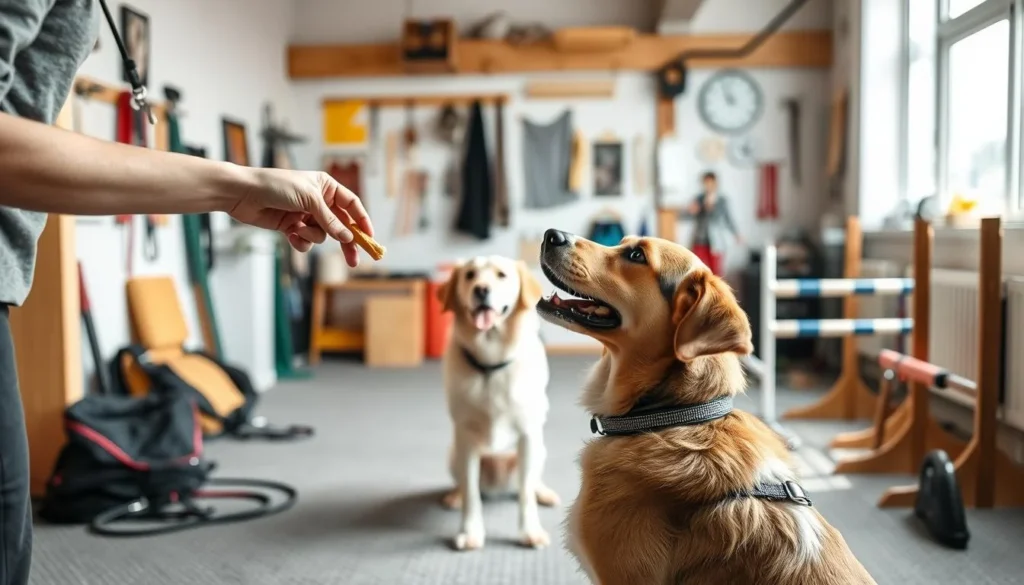
I use clicker timing and tiny treats to mark the exact moment a dog offers the wanted response. Shaping and spontaneous reward speed progress by reinforcing small, incremental gains.
Operant conditioning for dogs rests on four outcome types. Positive reinforcement adds something pleasant to increase a behavior. Negative reinforcement removes an aversive to increase a behavior. Positive punishment adds an aversive to decrease a behavior. Negative punishment removes something pleasant to decrease a behavior.
I emphasize reinforcement and avoid confrontation-based punishment. This approach raises fear and slows learning.
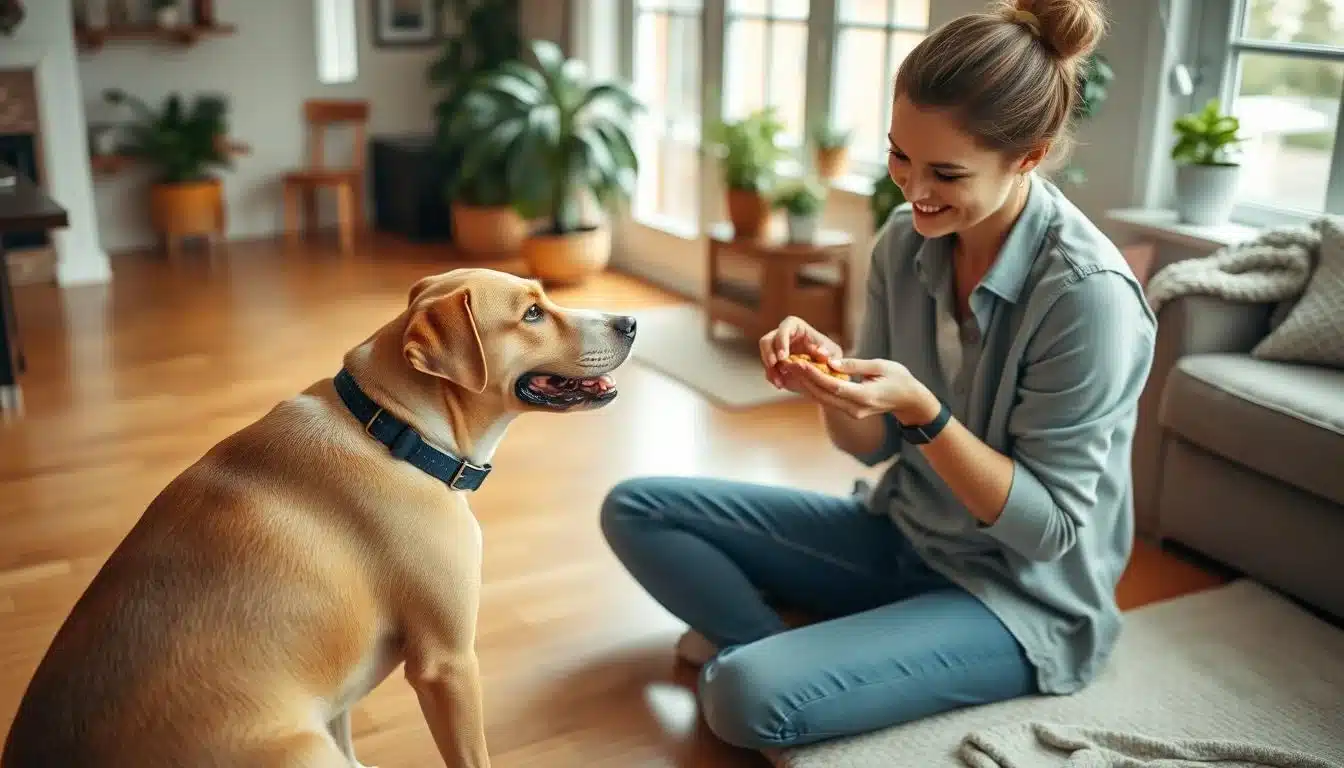
Positive reinforcement training for dogs drives most of my sessions. It yields better welfare and long-term results. I hide small treats until reward delivery, use a calm, upbeat tone, and reward subtle calm signals.
Once a behavior is stable, I shift to variable schedules. This keeps responses reliable without overfeeding.
Timing, consistency, and contiguity make rewards effective. I reward within a second when possible. I use consistent cues and the same outcome for the same response.
Contiguity links action and consequence so the dog understands what earned the reward. If timing slips, the dog learns the wrong connection.
When I plan canine behavior modification techniques, I pair good management with targeted learning. Short, frequent sessions fit most schedules. I measure progress, adjust rewards, and keep expectations realistic.
Positive reinforcement training for dogs, applied with precise operant conditioning for dogs basics, creates clear, humane paths to change.
Canine behavior modification
I treat each dog as a unique individual. My approach combines clear management, step-by-step learning, and targeted aids. This ensures safety, efficient learning, and reduces stress for both the dog and its owner.
What I mean by a behavior modification plan
I start with a detailed plan that outlines specific behaviors and their triggers. The plan includes exercises from the Protocol for Relaxation, clear goals, and daily practice sheets. It shows how I will help the dog learn calm behaviors.
How management, modification, and medication work together
Management creates a safe space for learning. I use environmental changes and tools to prevent unwanted behaviors. This allows modification techniques like desensitization and shaping to work.
Medication is used when anxiety hinders progress. I work with a vet to find the right medication. This helps the dog learn on behavior modification tasks.
Setting realistic goals and timelines based on the Protocol for Relaxation
I set achievable goals like calmness for 10 seconds or attention on cue. I use weekly task sheets to increase challenges. This keeps the dog and owner motivated.
Timelines are based on the dog's progress, not deadlines. I adjust plans for puppies, new dogs, and chronic cases. This ensures the right techniques and timing for each dog.
| Plan Component | Primary Purpose | Common Tools |
|---|---|---|
| Management | Prevent harm and reduce triggers | Gates, leashes, routine changes, enrichment |
| Modification | Teach new responses and lower reactivity | Desensitization, counterconditioning, shaping, Protocol for Relaxation task sheets |
| Medication & Adjuncts | Lower emotional intensity to allow learning | Prescription anxiolytics, pheromones, wraps, evidence-based supplements |
| Monitoring | Track progress and adjust plan | Video logs, behavior charts, veterinary checks |
Positive reinforcement training for dogs: foundation and methods
I start every training plan with positive reinforcement for dogs. It's faster to teach what I want with rewards than with corrections. This method is perfect for training dogs to be calm and confident.
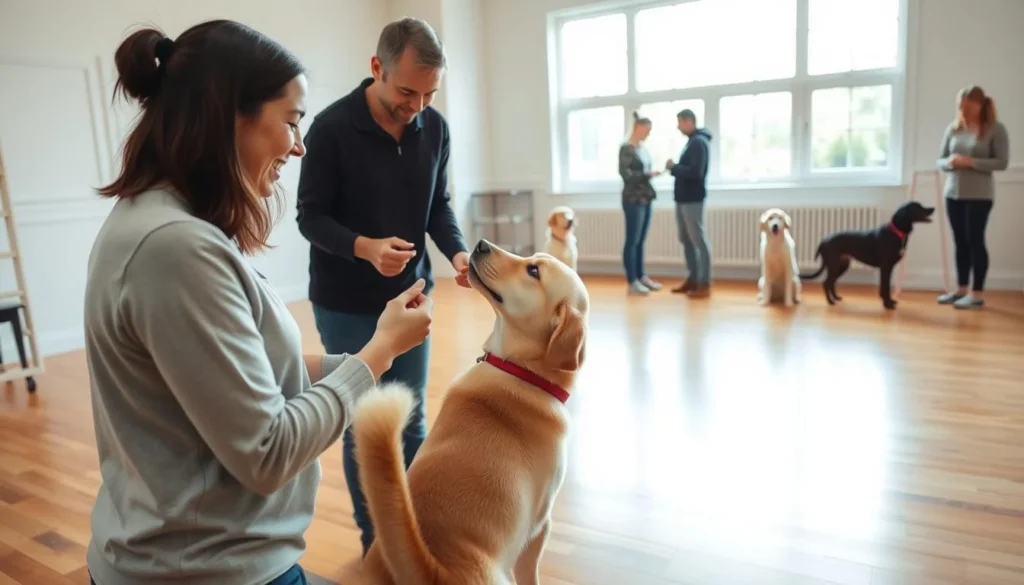
I pick treats that are small and full of protein like boiled chicken, freeze-dried liver, and tiny cheese bits. I portion and freeze them to keep them fresh and avoid overfeeding. Treats are a reward, not a bribe, and shouldn't replace a balanced diet.
For dogs with weight or health issues, I talk to a vet nutritionist before changing treats. I avoid chocolate and artificial preservatives for sensitive dogs.
I use a clicker or a short verbal marker to mark the exact moment of the behavior. This timing helps strengthen the correct action. In early sessions, I reward every good response until it's reliable. Then, I switch to variable schedules to keep the behavior strong over time.
Shaping helps me teach subtle, calm responses by rewarding small steps toward the goal. I reward spontaneous calm behavior in daily life for very anxious dogs before formal training starts. This makes the environment part of the training and boosts success.
I use varied reinforcement for maintenance: predictable rewards while learning, then treats or praise when the behavior is solid. If a treat loses value, I change to another that excites the dog. I balance food rewards with toys and attention to keep training flexible and sustainable.
Behavior modification techniques for dogs: desensitization and counterconditioning
I start desensitization counterconditioning when my dog is calm and focused. These skills help them stay relaxed during exposure. I plan each step carefully to teach them a positive response to triggers.
My approach to desensitization involves gradual exposure. I start with low-intensity triggers and gradually increase them. I find a starting point where the dog notices the trigger but stays calm.
I reward the dog with treats or play when they see a trigger. This helps them associate triggers with positive feelings. I keep the sessions short and increase the intensity slowly.
Shaping is used when the dog is not fully responding. I reward small steps towards the goal. This helps them learn without feeling stressed.
I avoid sudden changes that can make things worse. Instead, I focus on habituation and teaching alternative behaviors. This is part of a broader therapy plan for dogs.
Here's a simple schedule for leash reactivity. It shows how to gradually increase exposure and rewards. I adjust it for each dog's needs and progress.
| Stage | Distance/Context | Reward | Success Criteria |
|---|---|---|---|
| 1 — Awareness | Far enough to notice but not react | High-value treats for calm attention | Dog looks at handler and returns to neutral |
| 2 — Closer focus | Moderate distance with brief trigger passes | Short play or cooked chicken | Dog maintains loose leash and brief eye contact |
| 3 — Controlled approach | Near distance with predictable timing | Favorite toy or higher food reward | Dog stays below threshold for repeated passes |
| 4 — Real-world practice | Everyday walking routes with variable triggers | Variable reinforcement schedule | Calm walking and successful redirection under distractions |
Practical Protocol for Relaxation and Deference at Home
I have a simple plan to teach my dog calm habits without stress. The Protocol for Relaxation has five key points. These include teaching relaxation, paying attention to cues, deferring, earning rewards for calm, and building calm habits for later training.
Using short sessions keeps us both focused and makes training realistic for daily life.
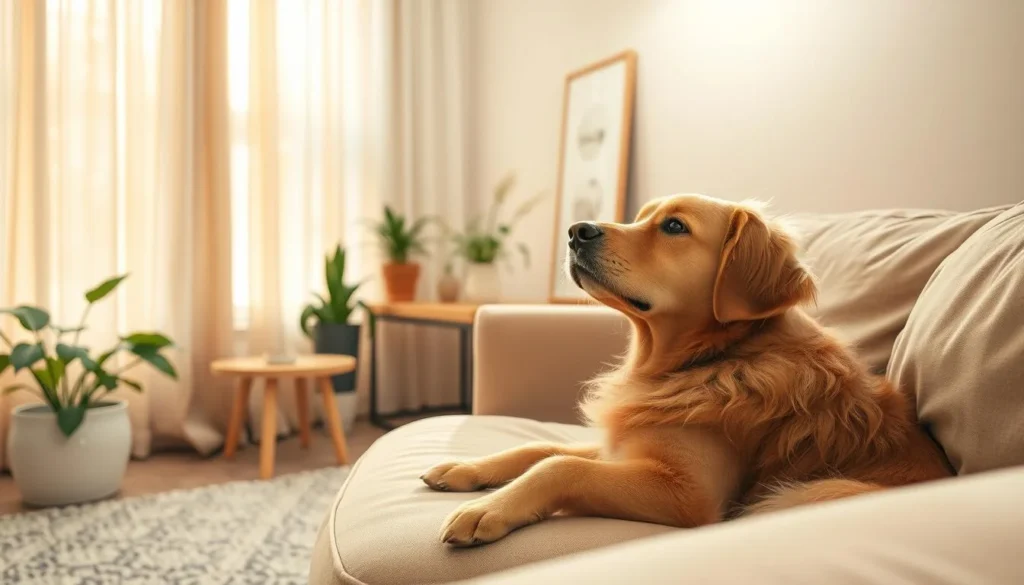
Teaching a relaxed sit and “look” as a foundational exercise
I start by teaching a relaxed sit and then add a gentle “look” cue. This helps my dog learn to focus without tension. I wait for a few calm breaths before rewarding to ensure they are relaxed.
This foundation supports positive reinforcement training and helps with deference and control.
I begin with predictable rewards, then mix them up as the behavior improves. This helps my dog apply calm attention in real-life situations. It also fits well with other training methods I use.
Short daily sessions that fit my schedule and my dog’s pace
I break training into short sessions. For my Labrador, two minutes repeated ten times is better than one long session. This approach respects their learning window and avoids fatigue or frustration.
I choose quiet times for training and gradually increase the challenge. I use a quiet room, a head collar or harness, and a long lead to manage distractions.
Task sheet approach: building to calmer, less reactive behaviors
I use a task sheet with 15 progressive tasks over at least two weeks. Each task adds a single variable like distance or distraction. I record responses and adjust the pace if I see tension.
I never reward growling, lunging, or other signs of threat. Instead, I step back to an easier task and use positive reinforcement to regain calm.
Management and modification are key in my home plan. I create safe spaces, use gentle equipment, and speak calmly or whisper when needed. These choices make the Protocol for Relaxation practical and effective for everyday training.
Managing common problem behaviors with humane strategies
I focus on practical steps to manage problem behaviors in dogs. These steps respect their welfare and build calm alternatives. I start with meeting their needs, then change their environment, use management tools, and finally, modify their behavior with gentle training.
I avoid harsh corrections because they can make problems worse. Instead, I reward calm behaviors and use shaping and spontaneous rewards to create new habits. When a dog shows anxious postures, I never reward threatening signals.
Head collars help keep control and focus on-lead while I build reliable responses. Leash pulling, resource guarding, and destructive chewing respond well to layered strategies. For leash pulling, I reward loose-leash steps and practice turns and stops.
I also offer a no-pull harness like the Freedom No-Pull or Ruffwear Front Range when needed. For resource guarding, I use management to keep items safe and run counterconditioning with trade-up games. For chewing, I increase enrichment, rotate safe toys, and supervise closely to reward the right choice.
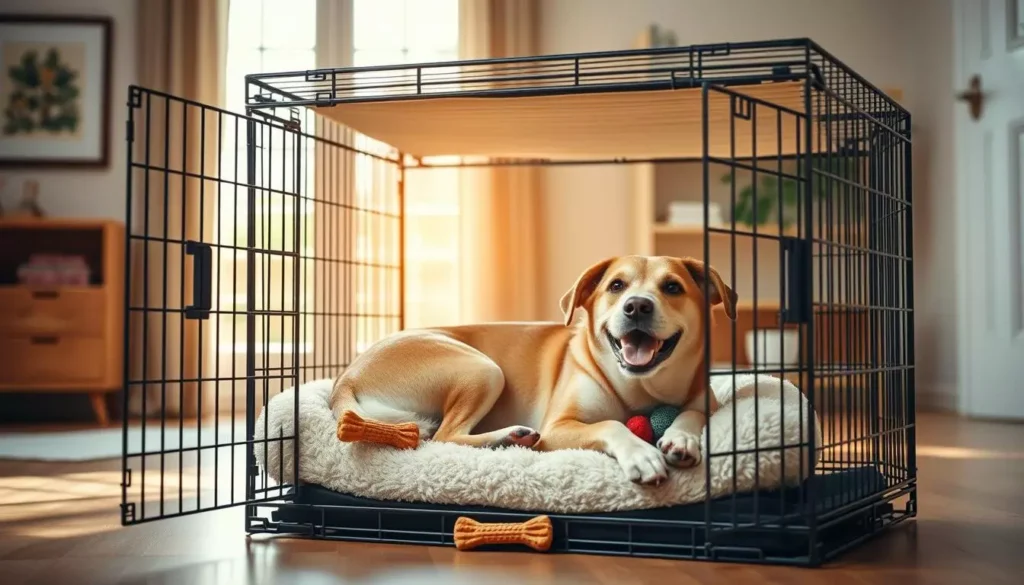
Management tools are essential in every plan. No-pull harnesses, crate setups, baby gates, and muzzles used kindly can prevent harm while I apply behavior modification techniques for dogs. Remote alarms or citronella devices may stop a behavior short-term.
I pair any interruption with a desirable alternative so the dog learns what to do instead of only what not to do. Prevention and early work pay off. Puppy protocols that focus on enrichment and controlled exposures cut the need for later fixes.
I encourage daily exercise, puzzle feeders, and structured play to meet behavioral needs first. This approach makes modifying dog behavior faster and more durable.
When designing a plan, I set small, measurable steps. I use counterconditioning and desensitization where appropriate, add response substitution for urgent risks, and use management until new behaviors are reliable. This mix keeps dogs safe, owners confident, and progress steady.
When and how medication and adjunctive therapies help behavior training
I always start with training and behavior management before thinking about medication. Medication can help lower emotional intensity, making learning easier. I use canine behavior modification medication as part of a bigger plan that includes changes in the environment and therapy.
First, I check for any medical issues that might be causing the behavior problems. I do basic tests like a CBC, serum biochemistry, urinalysis, and a thyroid panel. This helps me find out if pain, metabolic problems, or endocrine issues are causing the anxiety.
I divide medications into two types: baseline and situational. Baseline drugs like fluoxetine or clomipramine are for ongoing or unpredictable triggers. Situational drugs like trazodone, gabapentin, or low-dose dexmedetomidine are for short-term, predictable situations. The right type of medication affects when and how training happens.
There are also non-medication tools that can help. Things like dog-appeasing pheromone, l-theanine, alpha-casozepine, certain diets, and probiotics can be helpful. I offer these options to owners as a way to support their pets without the risks of medication.
I use a checklist before starting medication:
- Confirm medical screening results are normal.
- Define target behaviors and measurable goals.
- Decide if baseline, situational, or adjunctive approach fits the trigger pattern.
- Plan follow-up for efficacy, side effects, and dose adjustments.
Here's a quick guide to help during consultations.
| Use case | Common options | Onset and duration | Role with training |
|---|---|---|---|
| Chronic anxiety, generalized fear, compulsive behaviors | Fluoxetine, clomipramine (SSRIs, TCAs) | Weeks to steady state; daily dosing | Reduces baseline arousal to allow gradual exposure and canine behavior therapy |
| Predictable acute events (thunderstorms, vet visits) | Trazodone, gabapentin, alprazolam, dexmedetomidine gel | Rapid onset; single-event or short-term dosing | Blunts peak reactivity to enable controlled exposures and learning |
| Low-risk calming support | Dog-appeasing pheromone, l-theanine, alpha-casozepine, melatonin | Variable; often daily or as-needed | Enhances comfort during sessions; pairs with behavioral adjunctive therapies |
| Cognitive decline and diet support | SAM-e, medium-chain triglyceride diets | Weeks for cognitive change; daily | Improves cognition to aid learning and engagement in canine behavior therapy |
I keep a close eye on how things are going and make changes as needed. Using the right mix of medications, non-medication tools, and therapy gives pets the best chance for lasting change.
Reading and responding to dog body language during modification
I pay close attention to small signs to guide my training. Understanding dog body language helps me know when to reward or pause. This keeps the training positive and safe for the dog.
I look for calming signs like soft eyes and relaxed mouth. I also watch for gentle yawns and lip licking when the dog is calm. These signs tell me the dog is ready to learn more.
I watch for stress signs too, like stiff body and whale eye. Seeing these signs means I need to slow down and give the dog space. If stress grows, I stop and start again with something easier.
If the dog shows signs of anxiety, I adjust my approach. I move slower and reward calm behavior more often. For example, I might use short games with treats to help the dog focus.
When the dog does something unwanted, I gently redirect them. I use a calm "no" and then reward the right behavior. This teaches the dog to control impulses without scolding.
Here's a quick guide I use during training. It shows calming and stress signals and what to do to keep training positive and safe.
| Signal | What I see | Immediate action | Goal |
|---|---|---|---|
| Soft eyes / relaxed mouth | Loose face, relaxed ears | Increase reward rate, progress slowly | Reinforce calm attention |
| Yawning / lip lick (calm) | Short yawn, quick lip lick when not stressed | Praise and reward, keep session brief | Build positive association |
| Turning away | Head or body shifts from trigger | Reduce intensity, reward for choice to disengage | Encourage self-calming |
| Stiff body / whale eye | Rigid posture, whites of eyes visible | Increase distance, pause session | Prevent escalation |
| Panting / wide eyes | Rapid breathing, dilated pupils | Stop exposure, allow recovery off-leash or in safe spot | Reduce acute stress |
| Growl / show teeth / lunging | Clear threat signal | Safely end interaction, consult vet or behaviorist | Protect safety and plan next steps |
Choosing dog training methods and the right trainer for your pet
Finding the right help for your dog should be easy and clear. Choosing a dog trainer is key for real progress with a fearful or reactive dog. I look for trainers who use science and empathy, and who help you keep up the good work after sessions end.
I start by checking their credentials. Look for Certified Applied Animal Behaviorists, board-certified veterinary behaviorists, and trainers certified by the Certification Council for Professional Dog Trainers or the International Association of Animal Behavior Consultants. These show they are committed to learning.
Then, I listen to how they talk about dog training methods. I prefer trainers who explain learning theory simply, mention desensitization and counterconditioning, and outline shaping steps. They should focus on positive reinforcement and use humane tools like front-clip harnesses or head collars gently.
What I look for in a trainer: certifications, methods, and empathy
I ask about their certifications and real case experience. I want to hear about courses from trusted sources and examples of dogs like mine. Empathy is more important than fancy tools. A calm, patient trainer who explains risks and limits is worth hiring.
I also ask how they assess medical causes. Trainers who work with veterinarians or suggest a veterinary behavior consult show they prioritize safety. I avoid trainers who push confrontational punishment or quick fixes.
Comparing board-and-train, private lessons, and DIY guided programs
Board-and-train offers immersion and fast routine changes. But owners must follow up to keep gains. Without owner commitment, progress can fade.
Private lessons teach skills you can use at home. I prefer plans with clear homework, video feedback, and progress measures. These lessons help you learn your dog’s cues and apply canine behavior modification training correctly.
DIY guided programs are good for motivated owners on a budget. I choose programs based on evidence, with step-by-step protocols, video demonstrations, and access to a trainer for questions.
Questions to ask a trainer about their behavior modification approach
I bring a short list when I meet a trainer. I ask about:
- Their experience with similar cases and outcome examples.
- Which dog training methods they use for fear or aggression and why.
- How they blend management, training, and possible medication when needed.
- How they measure progress and what follow-up support looks like.
- Whether they coordinate with my veterinarian and how they screen for medical issues.
| Format | Strengths | Limitations | Best for |
|---|---|---|---|
| Board-and-train | Intensive behavior change, routine resets, structured environment | Requires strong owner follow-up, higher cost | Busy owners who will commit to follow-up work |
| Private lessons | Owner education, tailored home plans, ongoing coaching | Slower initial change, progress depends on owner practice | Owners wanting hands-on learning and long-term skills |
| DIY guided program | Flexible pace, cost-effective, useful protocols | Less personalized, needs high owner motivation | Motivated owners with time to follow protocols |
When choosing a trainer, I look for a mix of evidence-based methods and a plan for life at home. This blend makes canine behavior modification training practical and lasting. If a trainer shows empathy, clear communication, and a willingness to work with my veterinarian, I feel confident moving forward.
Preventative behavior modification and socialization for long-term success
I start with a simple idea: early, gentle work prevents many problems later. Using preventative behavior modification in puppies and newly adopted dogs builds calm habits before fear or reactivity can take hold.
I use The Protocol to teach relaxation, deference, and brief deep-breath biofeedback. Short, frequent sessions reward subtle calm cues. This early reinforcement forms a foundation for all future training and for modifying dog behavior in everyday life.
Using early protocols to prevent future problems in puppies
- Introduce handling, collars, and gentle grooming at low intensity so puppies accept care without stress.
- Teach simple cues like “settle” and “look” while rewarding relaxed posture and soft eyes.
- Keep exposures below threshold so puppies form positive memories instead of fear.
Gradual socialization steps that build confidence, not fear
- Follow puppy socialization protocols that expose pups to people, sounds, and places in short, positive bursts.
- Use varied, controlled settings: parks, quiet streets, and pet-friendly stores at low intensity.
- Pair new experiences with treats and praise to reinforce calm responses and reduce the chance of later aggression.
Maintaining gains through routine, management, and continued reinforcement
- Keep consistent routines for walks, play, and training so dogs predict outcomes and stay secure.
- Use management tools and small environmental changes to prevent relapse when schedules shift or stress increases.
- Plan periodic refresher sessions and enroll in structured programs like obedience or therapy dog classes from trainers such as Off Leash K9 Training to support long-term modifying dog behavior goals.
Preventative behavior modification works best when owners stay curious and patient. Small, regular steps protect confidence and turn early learning into lifelong calm.
Conclusion
I've seen the Tier 1 Protocol for Relaxation become key in dog behavior change. Working at a dog's pace and fitting exercises into a real schedule helps. This approach lowers reactivity and makes desensitization and counterconditioning easier.
Effective dog training is a mix of management, modification, and sometimes medication. I use positive reinforcement to teach calm behaviors. This is the heart of humane dog therapy, leading to lasting changes.
Understanding dog communication and choosing the right rewards are crucial. It's also important to pick a trainer or program that uses science. Early socialization and ongoing maintenance keep progress going. These steps make dog behavior change practical for busy owners, leading to a confident, well-adjusted pet.