I remember the first time my Labrador pulled me down the sidewalk. He had his tongue out and was full of curiosity. I felt frustrated, embarrassed, and didn't know where to start.
But over time, I learned that calm walks are possible. They don't need harsh methods. All it takes is clear training, patience, and consistent practice.
In this article, I'll share leash training techniques that improve obedience and strengthen the bond between humans and dogs. We'll use Chad Culp's Thriving Canine approach and positive methods from trainers like Vanessa Charbonneau.
This isn't about quick fixes or punishment. Leash pulling is normal for dogs. They move fast, follow scents, and want to get where they're going. My goal is to teach you simple strategies that work with rewards, short sessions, and realistic goals.
Key Takeaways
- Leash correction dog training can improve walks and the human–dog bond when done with timing and consistency.
- Two core leash training techniques—Direction Changes and Leash Pops—form the foundation for loose-leash walking.
- Dog obedience methods should avoid abusive advice and pair corrections with positive reinforcement and marking.
- Short sessions, realistic exercise expectations, and environment management make training more reliable.
- I’ll combine correction techniques, positive alternatives, and guidance on humane tools and professionals to help you succeed.
Why leash correction dog training matters for safe, enjoyable walks
I think walks should be calm, predictable, and fun for everyone. Leash correction training isn't about punishing dogs. It's about teaching them what to do when they're on a leash.
By teaching dogs to walk nicely, we make walks safer and more enjoyable. This approach lowers stress and makes outings safe.
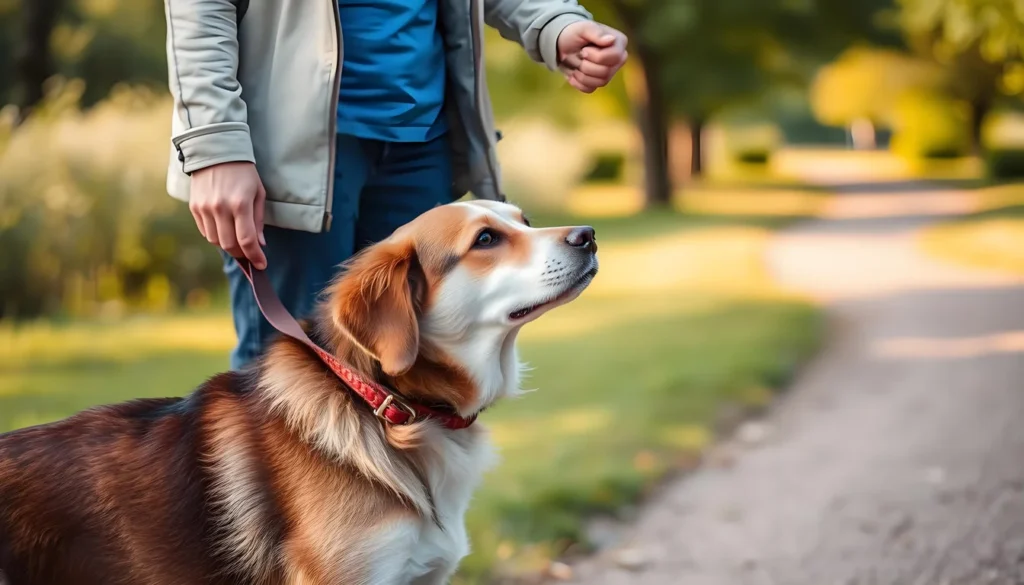
I start by explaining why dogs pull on the leash. They move faster than us, follow scents, and chase goals. These are natural behaviors.
Understanding this helps us create humane training plans. These plans meet the dog's needs while setting clear boundaries.
Persistent leash pressure can harm dogs. Tight collars and harsh tools can cause choking or injury. Good training reduces this risk and protects their health.
Training improves the quality of life for both dogs and their owners. It reduces the risk of falls and injuries. Walks become enjoyable, structured activities instead of chaotic sprints.
Teaching dogs what to do instead of punishing them is key. I use consistent consequences and clear alternatives. This approach makes training humane and effective.
Below is a quick comparison of common leash approaches and their practical effects on safety, comfort, and learning. Use it to consider which methods best match your goals for safe, enjoyable walks.
| Approach | Safety Impact | Comfort for Dog | Learning Effectiveness |
|---|---|---|---|
| Reward-based loose-leash training | High — minimal neck strain, lowers fall risk | High — movement without pressure | High — teaches alternatives to pulling |
| Leash correction with clear cues | Moderate to high — good when applied humanely | Moderate — brief correction, then release | High — predictable consequences + taught alternatives |
| Prong or choke collars | Low — increased risk of injury | Low — can cause pain and fear | Low to moderate — may suppress behavior but not teach alternatives |
| Front-clip harnesses or Gentle Leader | High — reduce neck pressure | High — distribute force away from neck | Moderate to high — effective when paired with training |
Core techniques: Direction changes and leash pops
I teach two simple tools to solve many walking problems. I use clear timing and steady repetition. This way, my dog learns that pulling never speeds the walk. These leash training techniques focus on movement and brief leash feedback to shape calm, forward progress.
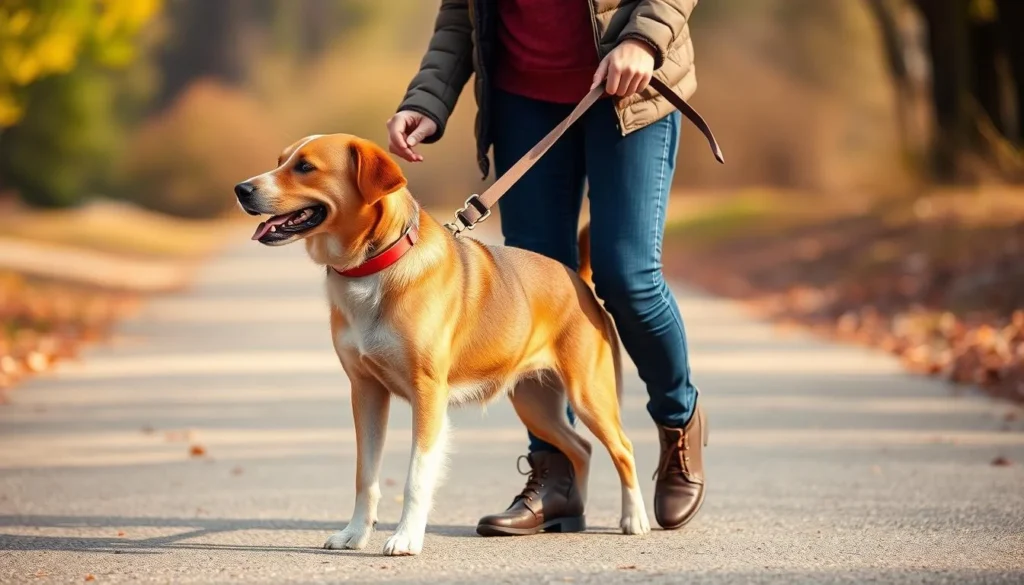
Direction changes explained
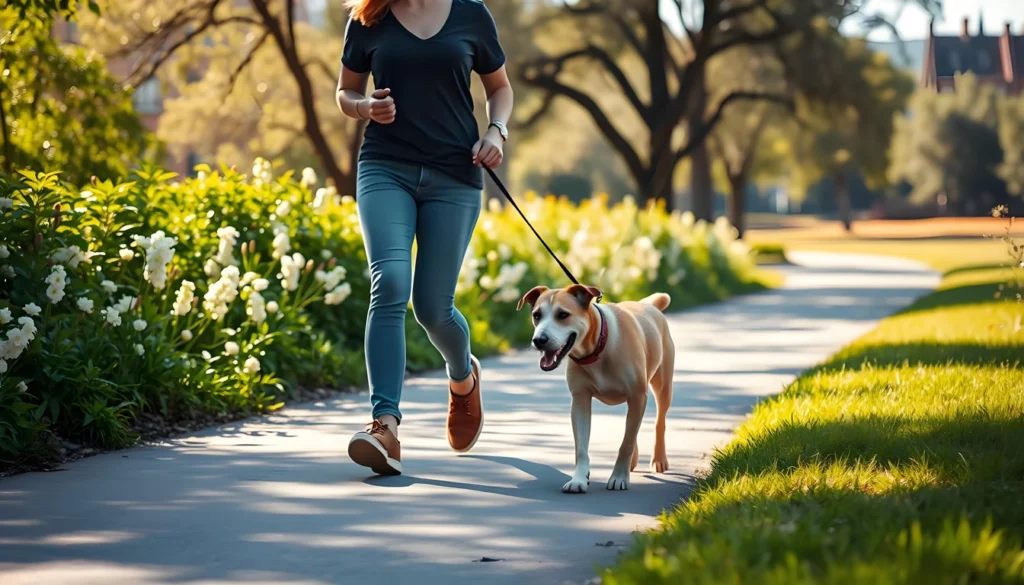
I turn and walk the opposite way the instant the leash tightens. If my dog reaches the end of the leash, we change direction every single time. Early sessions can look like pacing back and forth; I accept that as part of the learning. Short, predictable turns teach that pulling does not get the dog where it wants to go.
Leash pops explained
A leash pop is a quick, fast snap on the leash where speed matters more than force. I use a wrist flick timed as the leash begins to tighten, not once it is fully tight. Pops vary by temperament; some dogs respond to a light pop, while others with entrenched pulling need firmer, controlled correction. I avoid excessive force to prevent physical or emotional harm.
How the two techniques work together
I keep a visible dip in the leash as my definition of slack leash. When slack starts to disappear I deliver a pop or perform a direction change every single time. Often I pop just before a direction change to stop the dog from hitting the end of the leash. Consistent application of both methods trains loose-leash walking faster than using either method alone.
- I increase direction changes if I must pop frequently.
- I add short cues like “Easy” or “Let’s go” to build association.
- I alternate techniques to prevent the dog from rehearsing pulling.
Positive reinforcement alternatives and complementary methods
I focus on building clear, reward-based habits that teach dogs what to do instead of only stopping unwanted pulling. Positive reinforcement training fits well with gentle leash correction dog training. I start with small wins, then layer cues and rewards so the dog learns reliable responses in real walks.
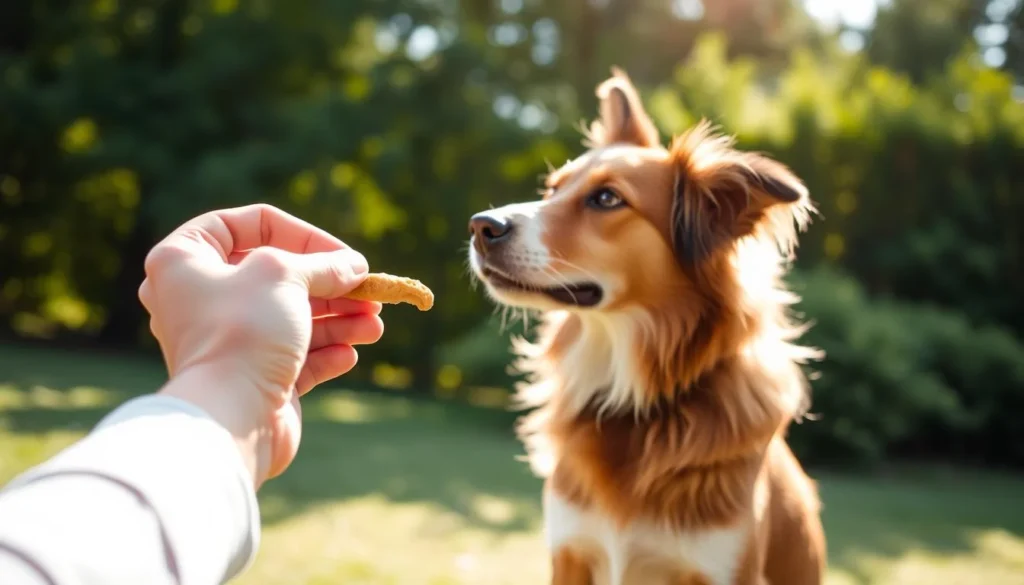
Marker training gives precise feedback. Pick a consistent marker like “Yes!” or a clicker. Mark the exact moment the dog offers the desired step and follow immediately with a tasty treat. Early on I reward almost every correct step to speed learning. Over time I move to varied rewards so the dog stays engaged without expecting food every moment.
Reward-based loose-leash walking uses hidden treats at knee level. I say “Let’s go!” and reward when the leash is slack. Start with frequent reinforcement. Gradually change the pattern to intermittent treats so the dog maintains slack without constant bribing. These leash training techniques teach a reliable walking pattern while keeping walks low-stress.
Teaching a focused cue helps with distractions. I use “Watch” to capture attention when a dog looks at a trigger. Lure attention with food near my face, wait for eye contact, mark, and reward. This dog obedience method gives a clear redirection that reduces pull attempts during triggers.
Intentional sniff breaks provide mental enrichment and lower arousal. I add a simple cue like “Go sniff” to allow controlled scent time. Structured sniffing reduces frustration and the urge to pull. Mixing purposeful sniff breaks with training moments improves overall walk quality.
For high-distraction scenarios I use higher-value treats or a stronger lure. I fade lures as the dog improves. These complementary methods pair well with leash correction dog training because they teach alternate, positive behaviors instead of relying only on corrections.
Below is a quick reference comparing common positive tools and when I use them during practice.
| Tool or Method | Primary Use | When I Start | Fade Plan |
|---|---|---|---|
| Clicker / verbal marker | Precise timing for rewards | First sessions in low-distraction areas | Keep marker, reduce treat frequency |
| Hidden knee-level treats | Reward-based loose-leash walking | Begin on quiet sidewalks or indoors | Switch to intermittent reinforcement |
| High-value lures | Pass high-distraction spots safely | When early exposure triggers pulling | Lower value treats as focus improves |
| “Watch” cue | Eye contact to redirect attention | Introduce after basic focus is stable | Use intermittently, reward for choice |
| “Go sniff” breaks | Controlled enrichment and outlet | From first walks, as part of routine | Continue as maintenance for wellbeing |
Managing energy and expectations to prevent pulling
I always remember: meet the dog’s body and brain needs before asking for calm on the leash. High-energy dogs need more than a slow walk to calm down. Adding structured exercise and mental work first makes leash training easier and more productive.
First, I plan a high-energy activity like play, a run, or fetch for dogs that burn energy quickly. For scent hounds and working breeds, I add scent walks and puzzle toys to keep their minds busy. These activities help lower their arousal and make walks easier.
Training sessions are short and focused. Five to fifteen minutes of targeted practice works best for most dogs, especially puppies and seniors. Small victories lead to bigger successes without overwhelming anyone. I set clear, achievable goals based on each dog’s age, breed, and health.
Choosing the right time and place for walks is key. I prefer less crowded routes and off-peak times to avoid triggers that cause pulling. This approach helps maintain consistency and reduces stress for both dog and handler. Over time, it becomes a reliable way to handle leash pulling.
Here's a quick guide to help plan exercise and training based on common needs and limits.
| Dog Type | Best Pre-walk Activity | Mental Stimulation | Session Length |
|---|---|---|---|
| High-energy adult (retriever, husky) | 30 min fetch or run | Puzzle toys, scent games | 10–15 min focused training |
| Adolescent (teenage development) | Play with structured rules | Short obedience drills | 5–10 min frequent sessions |
| Scent hound | Brief run plus scent walk | Tracking and sniff tasks | 10 min scent-focused work |
| Senior or mobility-limited | Gentle stroll, passive play | Low-impact enrichment | 5–10 min short sessions |
| Companion breed with low drive | Brisk walk and play | Interactive toys, obedience | 8–12 min mixed practice |
Training progression and environment management
I start new leash correction dog training in quiet places. This lets the dog learn without feeling stressed. First, we practice inside, then in the backyard and front yard.
Next, we move to quiet streets and finally busier public areas. This step-by-step approach helps the dog learn and keeps me in control.
I use short, frequent training sessions. We stop when the dog is doing well. At first, we use lots of rewards and clear signals.
As the dog gets better, we use fewer rewards. This keeps training fun and effective.
Start inside, then build distractions gradually
We start training indoors where it's quiet. Once the dog is reliable, we move to the yard and quiet sidewalks. Busy streets or parks come last.
I make sure each step is repeatable. If the dog has trouble, we go back a step. This helps avoid bad habits.
Management strategies for consistent practice
I use tools and plan our walks carefully. A long-line lets us practice recalls and movement without pulling. We choose quiet times for walks.
I use clear consequences when the dog pulls. We stop and use U-turns or "be a tree" to teach the dog. This makes training predictable and meaningful.
I keep a training log to track our progress. This helps us move forward without losing ground. It also supports structured training methods.
If we hit a roadblock, I seek help from professional dog trainers. They can help us refine our approach and ensure safe, steady progress.
When to use humane walking tools and how to choose them
I suggest using humane walking tools as temporary aids. They help when a dog is too excited or when you're short on time. These tools prevent bad habits and keep walks safe while teaching better behavior.
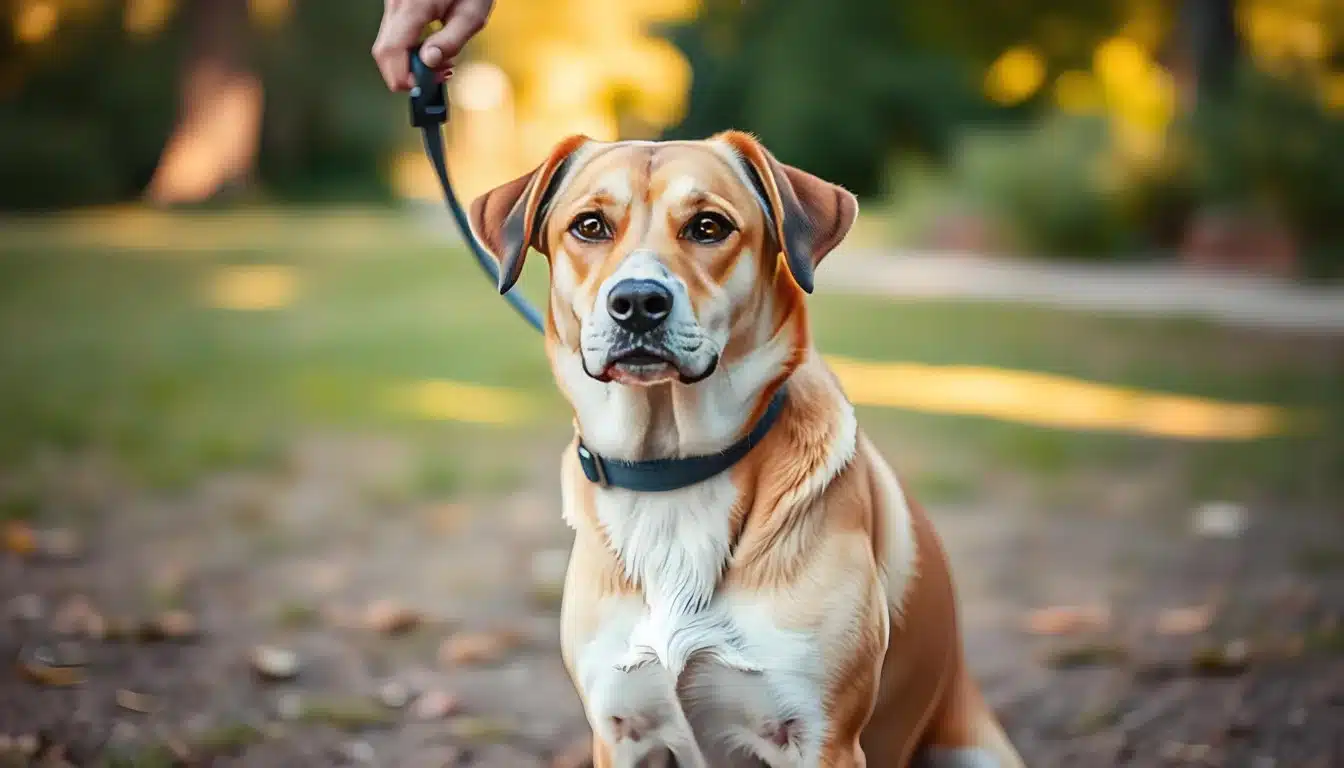
For dogs that pull hard, a gentle leader is a good start. A well-adjusted Gentle Leader or Halti gently steers the head. Start with short, positive sessions to help your dog get used to it.
If a dog doesn't like head collars, try a front-clip harness. It stops pulling by redirecting at the chest. Brands like Ruffwear and PetSafe make reliable front-clip harnesses.
A long-line is useful later in training. It lets dogs explore while you keep control. I use long-lines for recall drills and teaching rewards in calm areas.
Safety is key, not the brand. Make sure each tool fits well and doesn't cause rubbing or escape. Never leave a dog alone with a head collar or harness. Avoid harsh collars like prongs or chokes.
Choosing a tool should align with your training values. Get advice from a skilled trainer. Use tools as aids, not permanent solutions. The right tool and gradual introduction can make walks safer and more enjoyable.
Addressing leash-related aggression and reactivity
Many owners confuse leash pulling with aggression. Pulling is often about getting to something interesting. But aggression on a leash is different. Dogs may lunge, growl, or snap if they feel trapped or scared.
The leash can make dogs more excited by blocking their escape. This changes how we should correct leash aggression and train dogs.
When I check a reactive dog, I solve a puzzle. I find out what triggers their reaction and why. This helps me create a safe, effective plan to change their behavior.
I don't use punishment. It can make things worse by increasing fear. Instead, I use slow steps to help dogs feel better. I start with small steps and rewards, then slowly add more.
Practical steps keep everyone safe while we train. I suggest quieter walks, the right muzzles, and long-lines. These tools help reduce stress and prevent bad behavior.
For serious cases, I suggest getting expert help. Certified animal behaviorists and trainers offer safe, science-backed plans. They watch closely to ensure success in correcting leash aggression and training.
Working with a professional: when and how to get help
I know when to call for help. If my dog keeps pulling, shows aggression, or bites, I seek expert support. A vet check is often the first step before deep training.
I look for credentialed, science-based pros who use humane methods. I trust Certified Professional Dog Trainers (CPDT-KA), force-free certified trainers, and Certified Applied Animal Behaviorists. I avoid trainers who rely mainly on punitive tools.
Signs you should consult a professional dog trainer or behavior consultant
- Persistent pulling despite consistent practice and canine training strategies
- Leash-related aggression, lunging, or biting that threatens safety
- Medical issues that affect behavior or sudden changes in temperament
- Feeling physically outmatched by a dog’s strength or reactivity
What to expect from professional dog training services
- An initial behavioral assessment that reviews history, health, and triggers
- An individualized plan that blends leash correction dog training and dog behavior modification techniques
- Hands-on lessons, clear homework, and measurable progress tracking
- Management recommendations: appropriate tools, safer routes, and environment adjustments
- Demonstrations of techniques like direction changes, leash pops when suitable, and marker training
- Ongoing collaboration, video review, and transparent safety explanations
I expect a good trainer to explain their methods and set realistic goals. If I can’t safely teach or my dog’s welfare is at risk, professional guidance speeds learning and lowers the chance of injury or unintended harm.
Conclusion
I think the best way to teach dogs to walk on a leash is to mix safe corrections with positive rewards. Use clear cues like direction changes and gentle leash pops. Then, reward the good behavior you see.
This approach, along with marker use and short training sessions, leads to steady progress. It's all about finding the right balance and making sure your dog is happy and healthy.
Stay away from harsh tools like prong and choke collars. Instead, use humane options like front-clip harnesses or head collars. These work best when used with respect for your dog's well-being.
Start training in a quiet place and gradually move to busier areas. Keep training sessions short and use treats and markers to reinforce good behavior. If you're facing challenges, consider getting help from a certified trainer.
Remember, consistency, patience, and kindness are key. With the right approach, leash training can be successful. It's all about being a clear leader, using humane methods, and respecting your dog's needs.